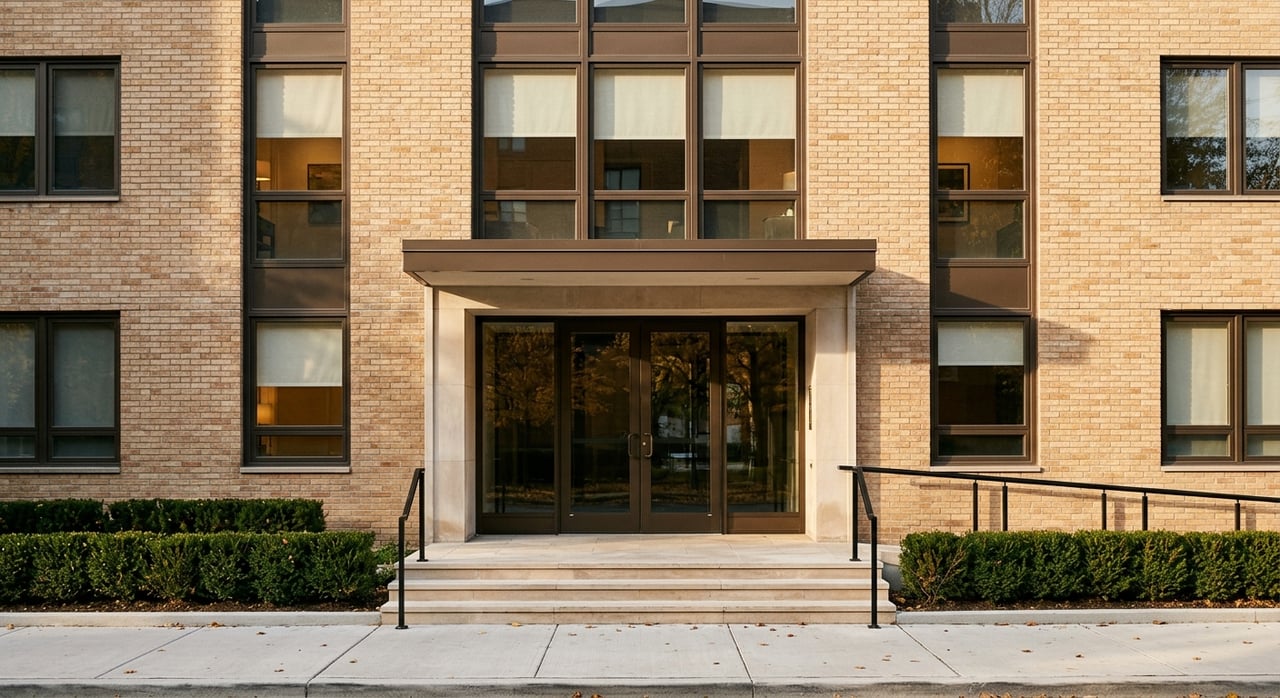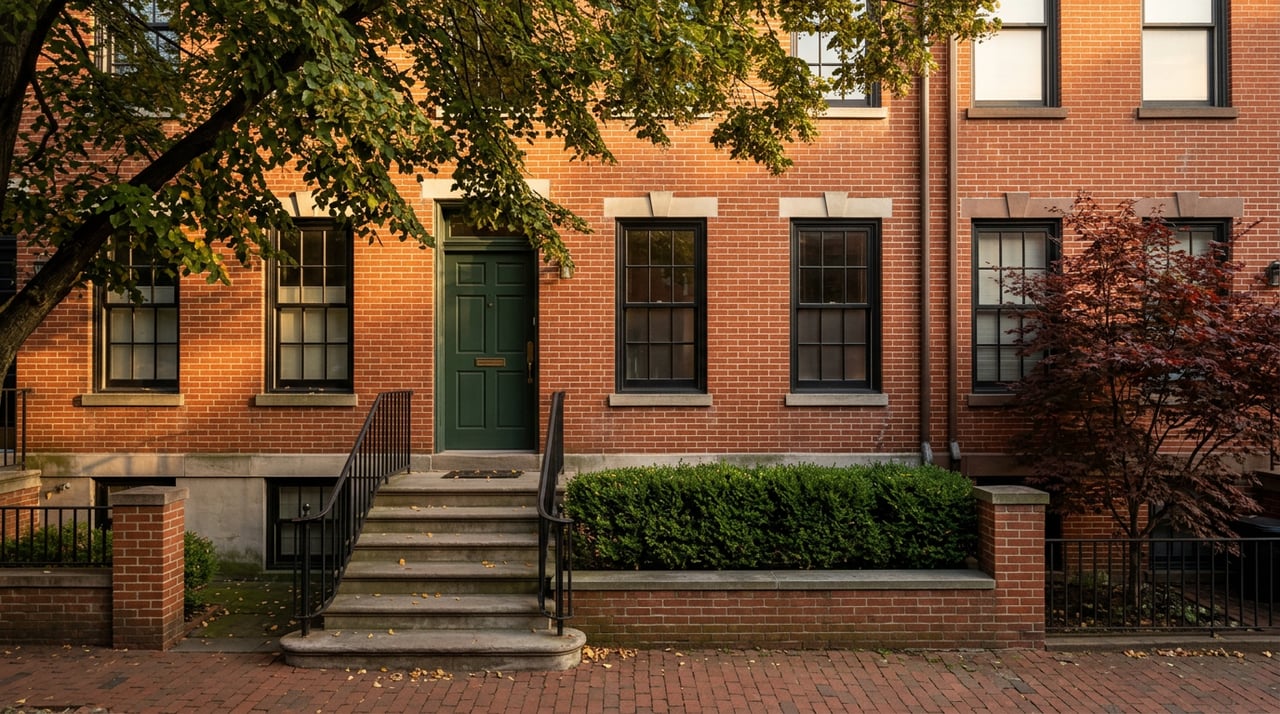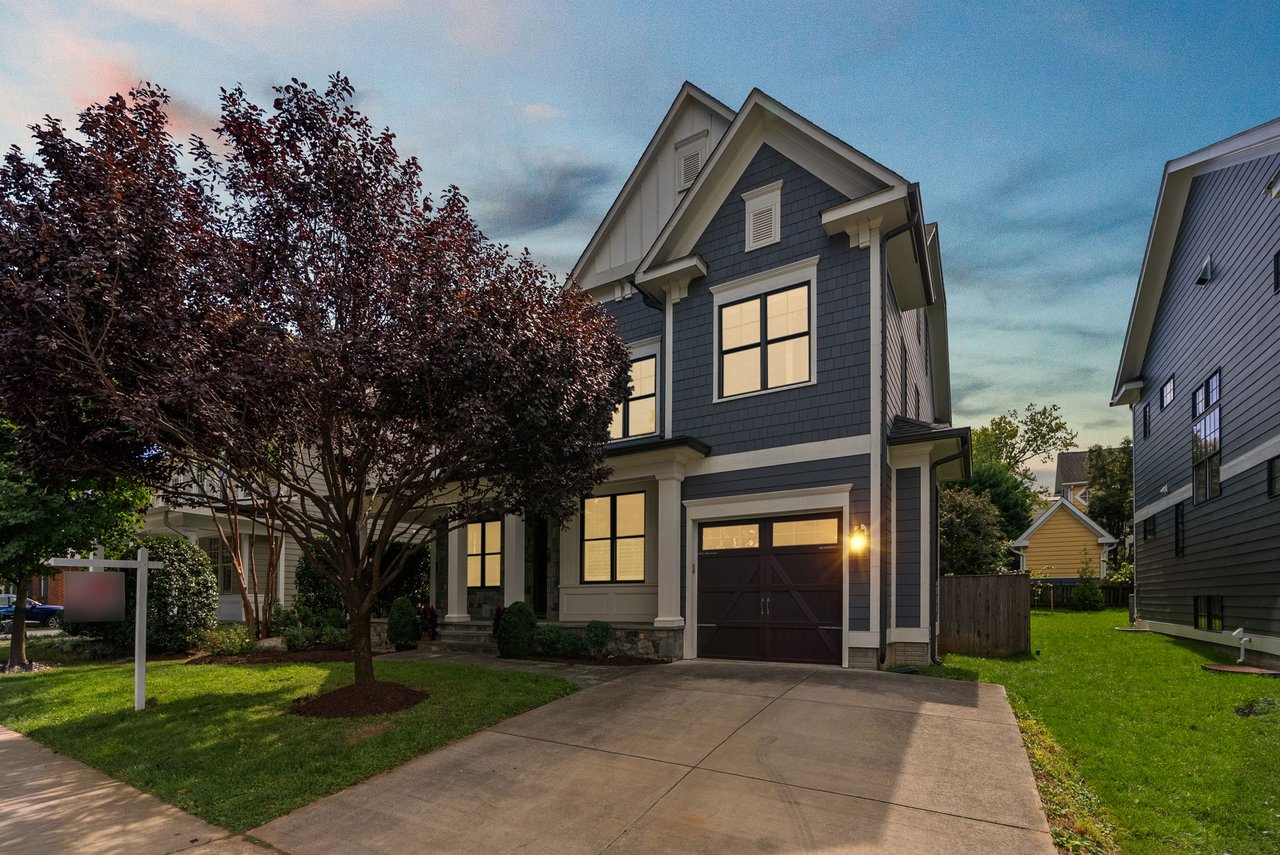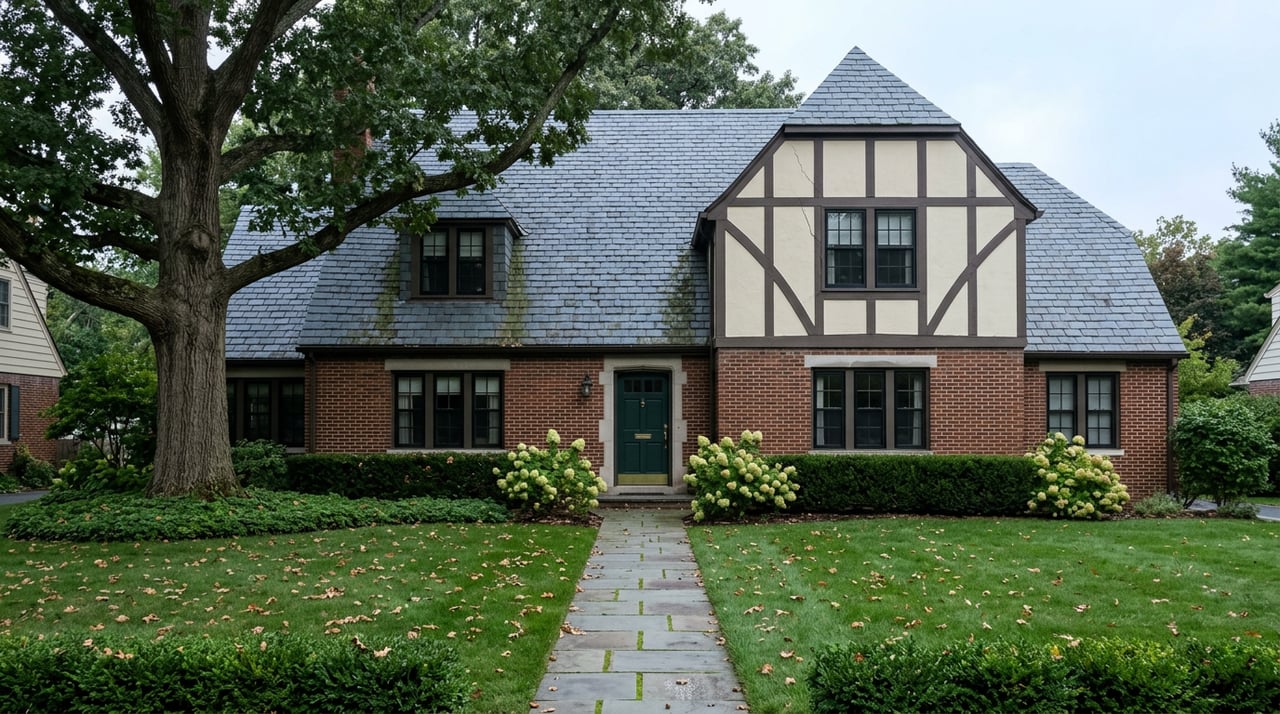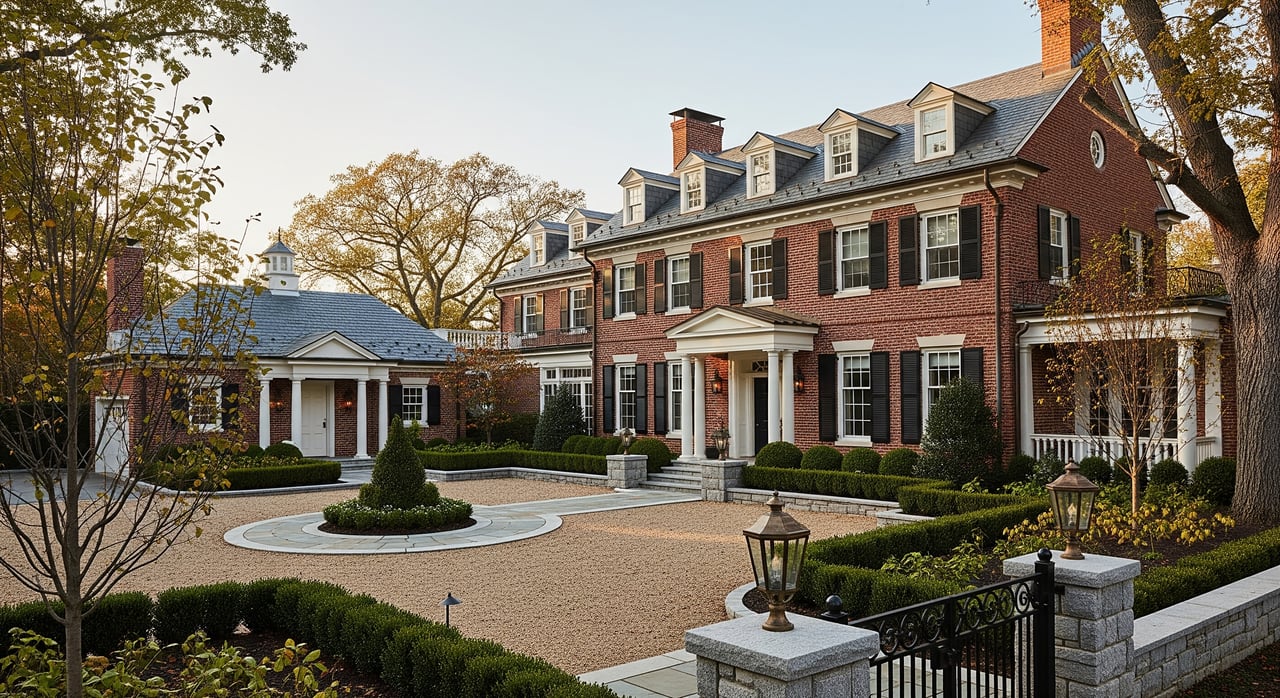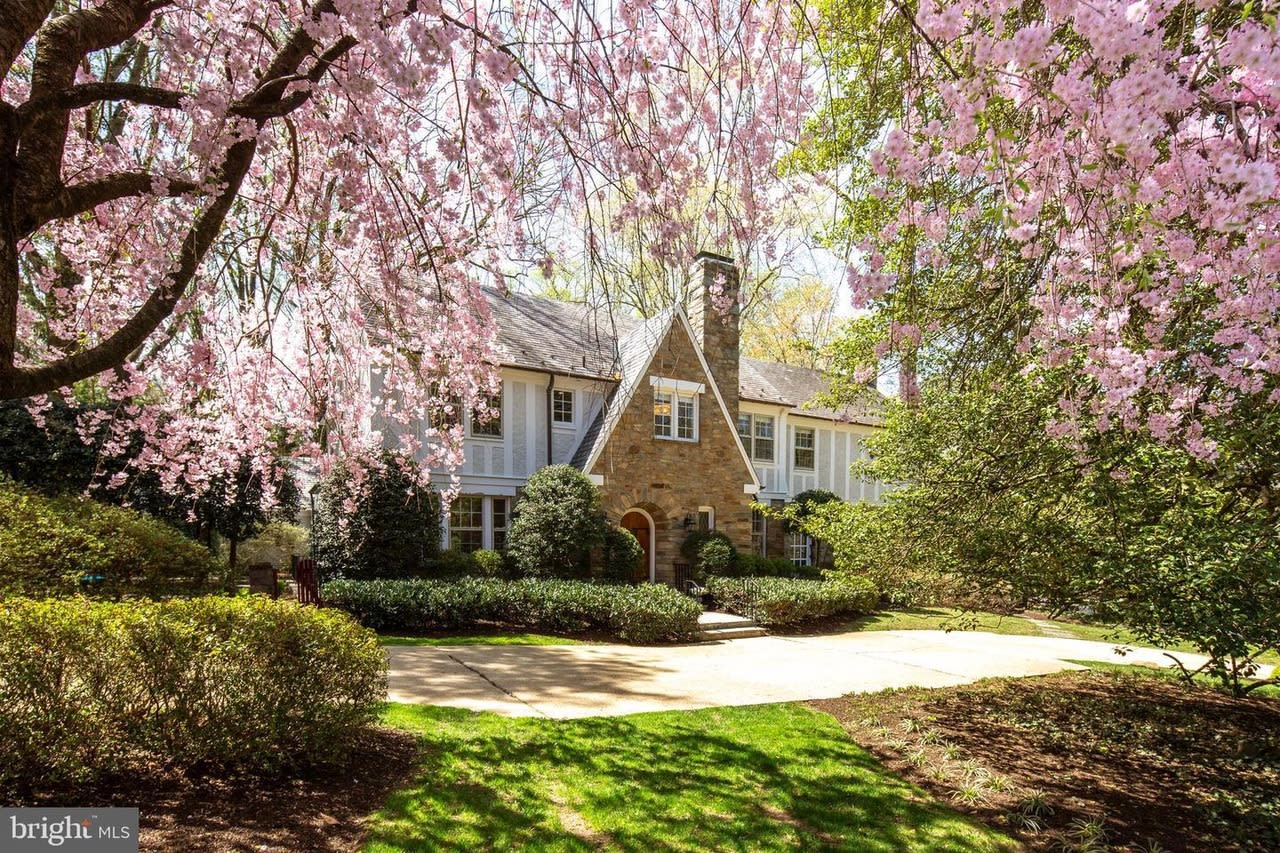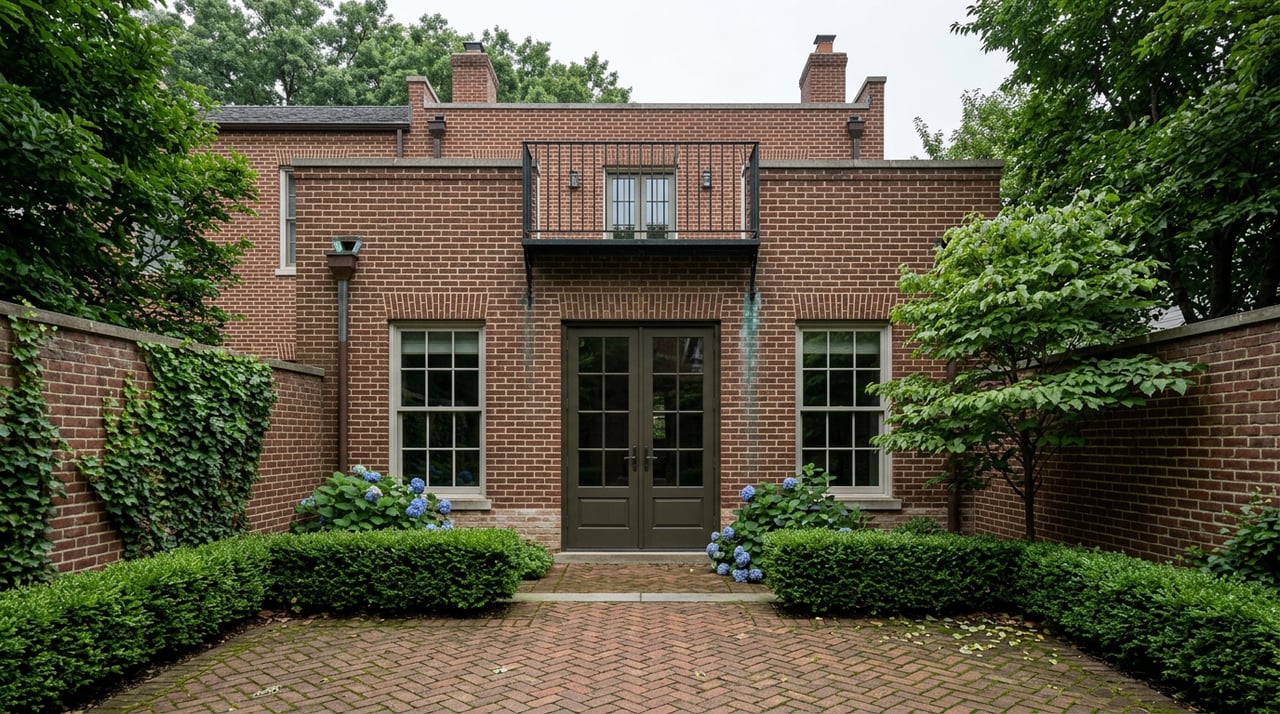
Two rowhouses on the same Georgetown block can carry the identical price tag and a completely different renovation clock. Not because one needs new plumbing and the other doesn't. Because one project is visible from the sidewalk and the other isn't, and that single fact determines which board in Washington signs off on the work, how long the sign-off takes, and how much carrying cost a buyer should build into an offer.
This is the part of buying in Georgetown that doesn't show up on a listing sheet. Anyone comparing this neighborhood to Cleveland Park or Kalorama on price alone is comparing two different regulatory systems as if they were one.
The Federal Layer Most of NW DC Doesn't Answer To
Every historic district in the city runs alterations through the DC Historic Preservation Review Board and its staff office, the Historic Preservation Office. That's true in Cleveland Park, in Kalorama, in Capitol Hill. Georgetown has that same local process available to it, but for most exterior work, it isn't the board that actually decides.
Because Georgetown sits inside a federally recognized historic district, the U.S. Commission of Fine Arts holds primary review authority over construction that can be seen from a public street or alley, and it exercises that authority through the Old Georgetown Board, a three-architect panel it appoints. According to the DC Office of Planning's own description of the split, that federal authority covers the vast majority of exterior construction in the neighborhood. The local HPRB only keeps jurisdiction over subdivisions and the smaller share of exterior work that isn't visible from the street.
Cleveland Park, by comparison, runs on a single track. Its historic district was designated in 1987, and every project there goes through the same local HPRB and HPO process, with the Advisory Neighborhood Commission and the Cleveland Park Historical Society's Architectural Review Committee weighing in before it reaches the board. Georgetown's district goes back further, designated a National Historic District in 1951, and it's the age and origin of that designation that pulled in the federal layer Cleveland Park never had to contend with.
For a buyer, the practical difference is this. A rear addition in Cleveland Park that isn't visible from the street might clear HPO's Expedited Review the same day, since that process handles more than 95 percent of preservation applications citywide with same-day clearance for in-kind work. The same addition on a Georgetown rowhouse, if any part of it is visible from a public way, likely lands on the Old Georgetown Board's docket instead, a separate review track from the one Cleveland Park sellers and buyers deal with.
What the Timeline Actually Costs
Layering historic review onto a renovation typically adds six to twelve weeks to a project's timeline in DC's historic districts, and that's the floor, not the ceiling, for anything beyond routine in-kind repair. A design that comes back for revision, or a project substantial enough to need a full board hearing rather than staff-level sign-off, adds more. That's not a hypothetical delay. It's carrying cost. A buyer financing a renovation on a rowhouse that needs street-visible exterior work should plan for the mortgage, insurance, and any bridge financing to run through a review calendar, not a construction calendar.
A full gut renovation of a roughly 2,000 square foot rowhouse in the DC metro area, Georgetown included, typically runs $300,000 to $500,000, and a meaningful share of that range reflects specialized materials and the extended permitting process rather than labor and finishes alone. That's before accounting for the possibility that a first submission gets sent back for revision, which resets part of the clock.
None of this means Georgetown renovations are impossible or even unusually risky. It means the timeline is a real variable in the deal, not a rounding error, and it belongs in the same conversation as inspection contingencies and financing terms.
The Price Numbers Don't Agree, and That's the Point
Anyone shopping Georgetown against other NW DC neighborhoods has probably noticed that the "median price" moves depending on where you look. In February 2026, Redfin reported a median closed sale price of about $1.7 million in Georgetown, up 4.6 percent year over year, with homes taking 60 days to sell on average, up from 55 days the year before, and 39 homes sold that month compared to 47 a year earlier. Realtor.com, covering the same window, put the median listing price at $1.945 million and described the market as leaning toward buyers rather than sellers, even as Redfin scored it as somewhat competitive. By June 2026, Zillow's average home value estimate for Georgetown sat closer to $1.51 million, up a more modest 2.3 percent year over year.
That spread isn't noise. Georgetown's inventory splits into distinct pools that behave differently: the historic rowhouse core, a genuinely rare supply of condominiums, since the neighborhood is known primarily for townhouses rather than condo buildings, and a smaller waterfront segment. A month with more rowhouse closings than usual pulls the median one direction. A month with a rare condo or two pulls it another. The listing-price figure and the closed-sale figure disagree because list prices reflect what sellers are asking before negotiation, and Georgetown still leaves room for that negotiation. Homes there have recently sold for roughly 1 to 2 percent below asking on average, according to Redfin and Realtor.com's respective calculations. In a market this expensive, that gap is real money and real leverage, not a rounding error.
What's Actually New Right Now
If a buyer wants to sidestep the review-board timeline entirely, the honest answer in 2026 is that there isn't much turnkey new construction to buy into, and what exists is concentrated and mostly still coming online. EastBanc's Miradoro project at 2715 Pennsylvania Avenue NW is bringing seven luxury residences, including a penthouse up to 3,600 square feet, to the neighborhood's eastern gateway. A former steam heating plant at 1051 29th Street NW is being converted into a Four Seasons-branded residential building with roughly 64 units, a $300 million project that also includes a new one-acre public park designed by the landscape architecture firm OLIN. EastBanc principal Philippe Lanier told CoStar it's the first construction crane the neighborhood has seen in six years, which tells you how rare ground-up building is here even now.
Hamilton Court, a small cluster of new restaurants opening along 31st Street, is reshaping a few blocks of the dining scene but doesn't add housing stock. The upshot is that most of what a buyer will actually see on the market this year is existing rowhouse inventory, which means the historic review conversation isn't a corner case. It's the default case for anyone planning to touch the exterior.
Georgetown vs. Cleveland Park, Side by Side
| Georgetown | Cleveland Park | |
|---|---|---|
| Historic district designated | 1951 | 1987 |
| Primary reviewer for visible exterior work | U.S. Commission of Fine Arts, via the Old Georgetown Board | DC Historic Preservation Review Board |
| Local input body | HPRB retains jurisdiction only over non-visible work and subdivisions | ANC 3A/3C and the Cleveland Park Historical Society's Architectural Review Committee |
| Review meets | Old Georgetown Board docket | Monthly HPRB meeting, with ANC and Historical Society review earlier in the month |
The takeaway isn't that one neighborhood is harder to renovate in than the other in some abstract sense. It's that the reviewing authority itself is structurally different, and a buyer who assumes DC's historic-district rules work the same way everywhere in the city is missing a variable that changes both timeline and budget.
A Few Questions Worth Asking Before You Write an Offer
Does this apply to interior-only work? No. Interior renovations that don't touch the exterior or a protected public-facing feature generally fall outside both the Old Georgetown Board's and HPRB's scope in either neighborhood.
Does it apply to Georgetown's condos too? It depends on whether the building's exterior is part of the proposed work. A condo owner replacing interior finishes typically isn't affected. A condo association replacing windows or altering a facade visible from the street likely is.
Is Kalorama the same as Georgetown? No. Kalorama's historic district runs through the standard local HPRB process, the same track Cleveland Park uses, without the federal Commission of Fine Arts layer that applies specifically to Georgetown.
If you're weighing a rowhouse in Georgetown against something similar in Cleveland Park or Kalorama, the price per square foot only tells part of the story. The board that reviews your renovation, and how many months that review adds before a contractor can start, is the part most comparisons leave out. Jack Realty Group has spent years walking buyers through exactly this kind of neighborhood-specific friction. If you're trying to figure out what a Georgetown purchase actually commits you to, book a neighborhood consultation and we'll walk the timeline with you before you write the offer.