Trying to choose between a condo, co‑op, or house in Cleveland Park? The right call affects your budget, your daily routine, and even how fast you can close. You want clear guidance tailored to this neighborhood’s unique mix of pre‑war buildings and historic homes, not generic advice. In this guide, you’ll see how each option works here, what it really costs month to month, and a simple checklist to help you move forward with confidence. Let’s dive in.
Cleveland Park at a glance
Cleveland Park is a well‑defined Northwest DC neighborhood with residential blocks around Connecticut and Wisconsin Avenues and close access to Rock Creek Park. The civic association outlines local boundaries and community context that help you orient your search. You can review the neighborhood map and resources through the Cleveland Park Citizens Association. Their page on neighborhood boundaries is a good starting point for context and civic life. Visit the association’s overview of boundaries and activity at the Cleveland Park Citizens Association website.
Walkability and transit are strong here. The Red Line’s Cleveland Park station and several bus routes support a car‑light lifestyle. You can see current walk, transit, and bike scores for the area on Walk Score’s Cleveland Park page. Those scores explain why many buyers prioritize smaller units near the avenue corridors while others favor quiet side streets with private outdoor space.
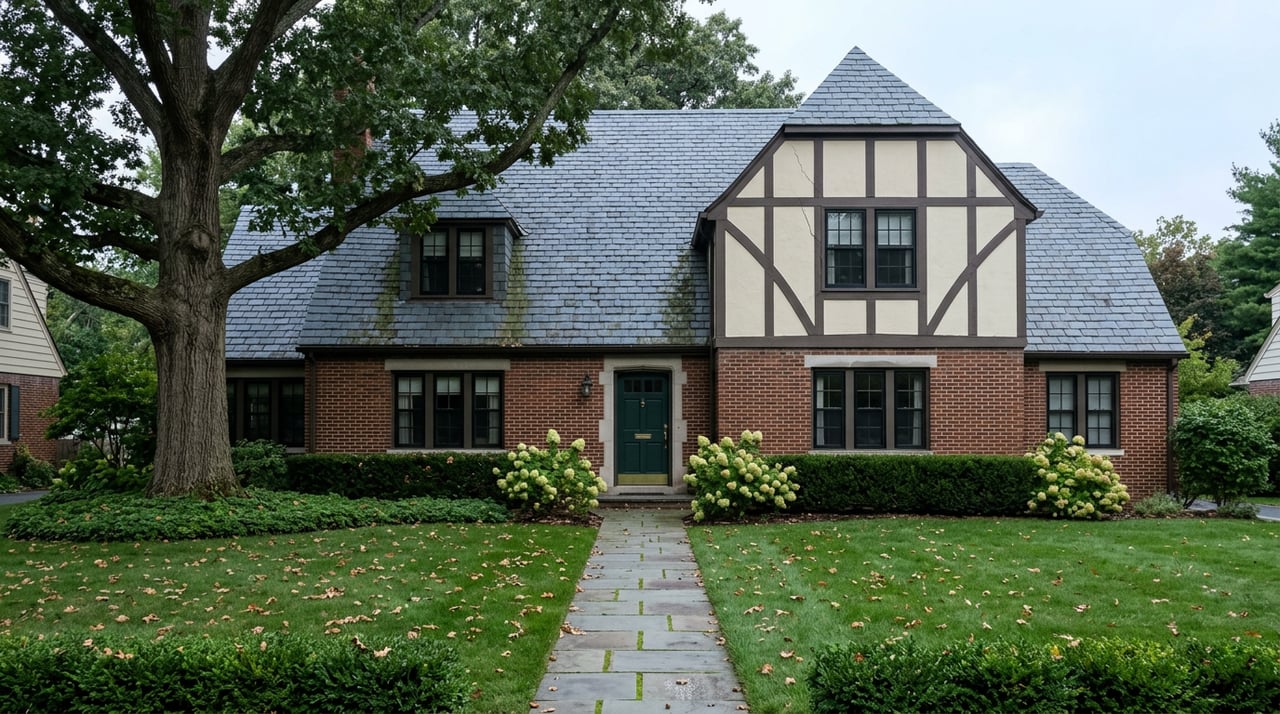
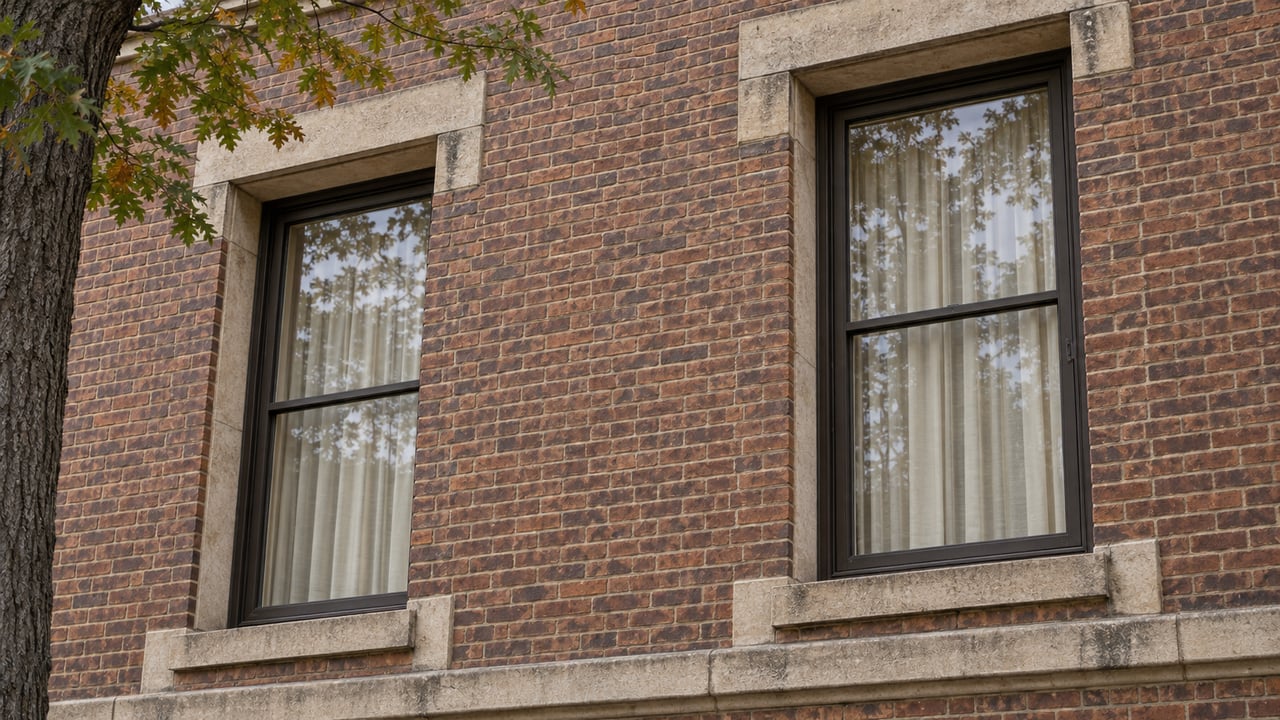
Cleveland Park is also a designated historic district, which matters if you are considering exterior changes to a home. Historic review can add steps, time, and cost to projects that affect the facade or massing. For background on the district’s history and preservation framework, review the Cleveland Park Historic District summary. It is a helpful primer on design and permitting context.
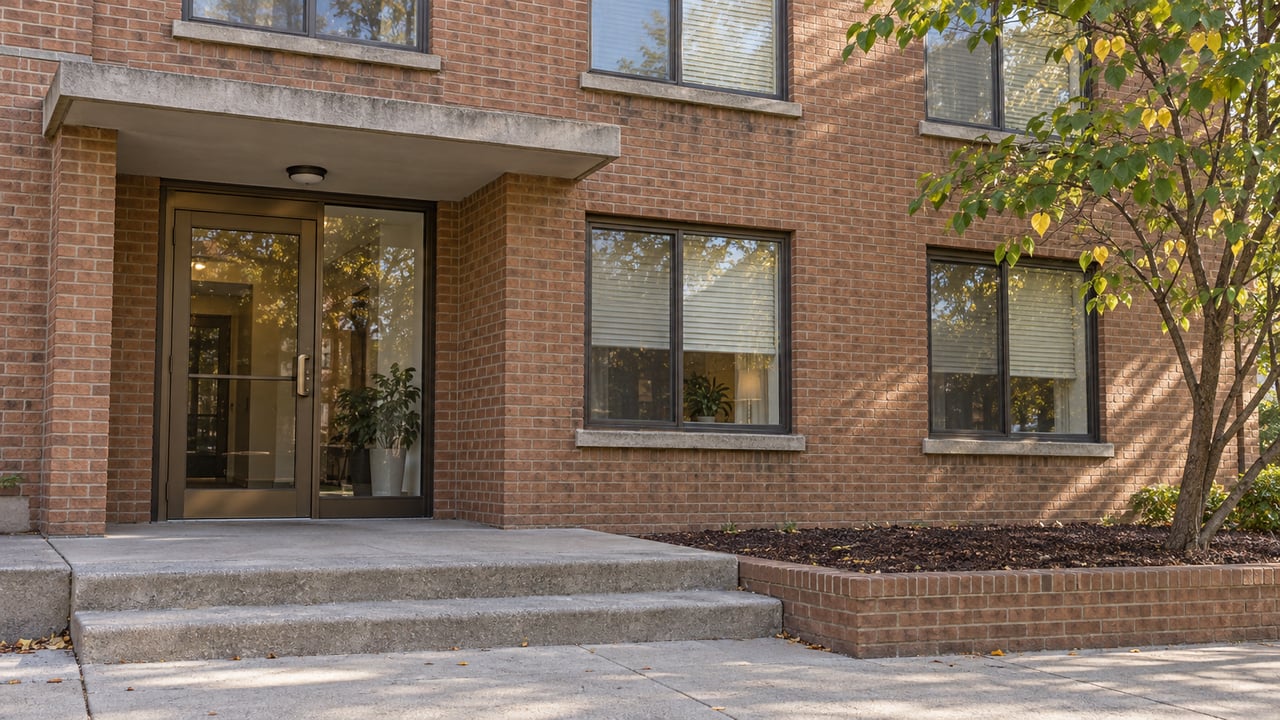
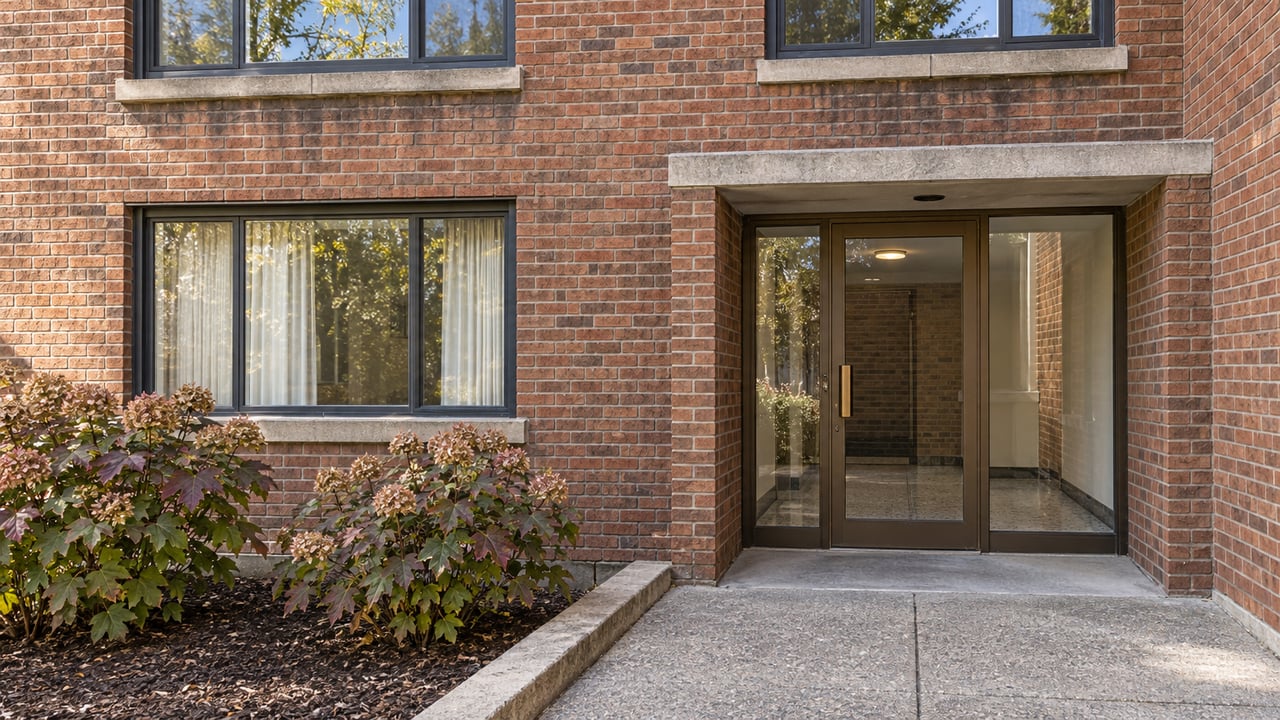
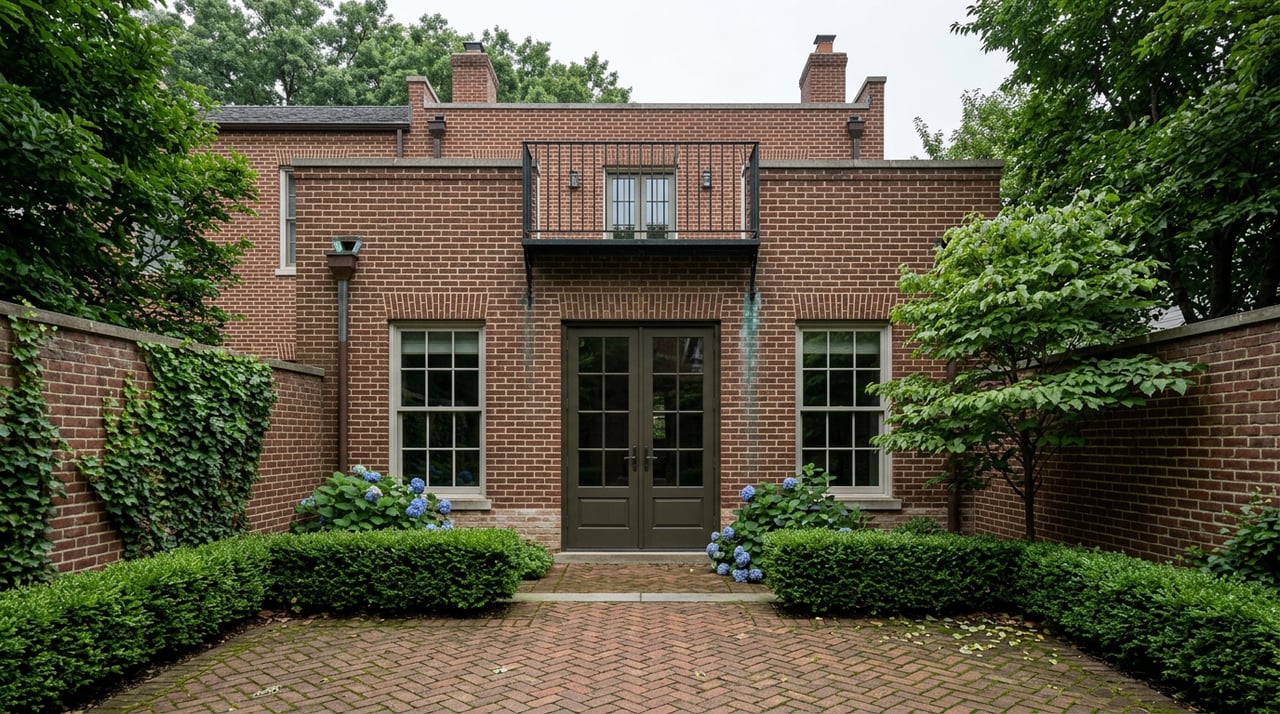
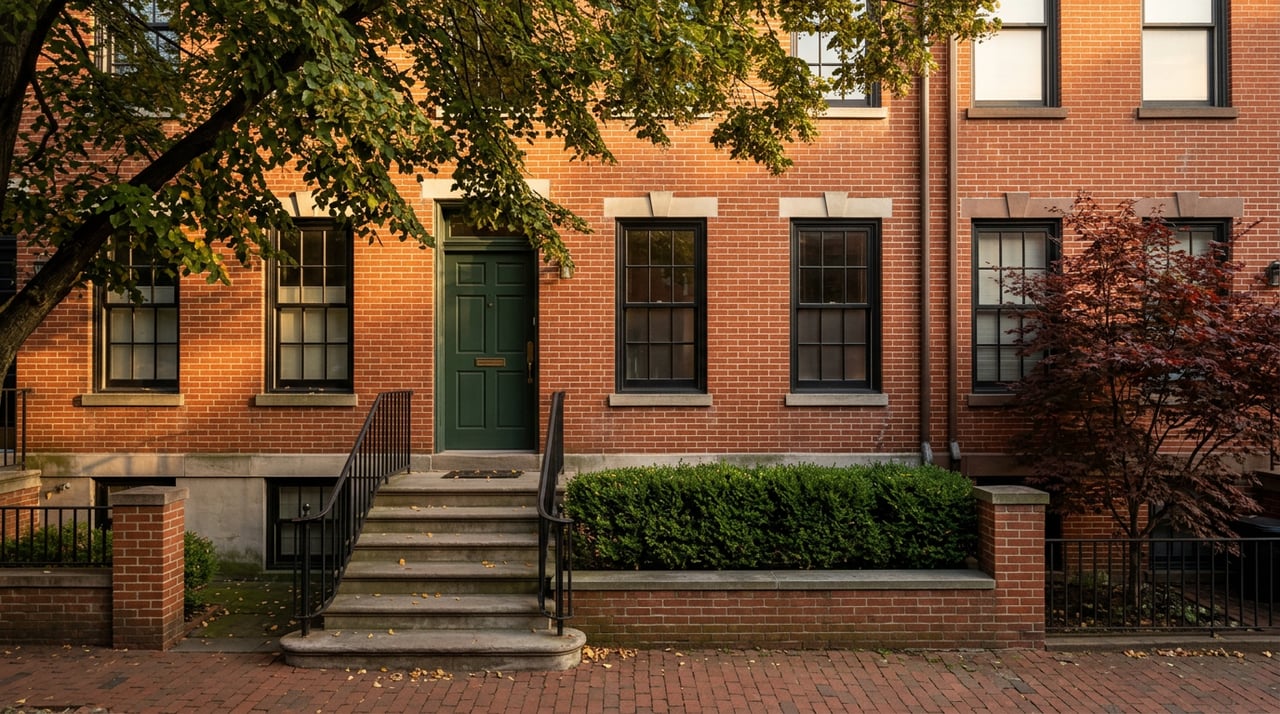
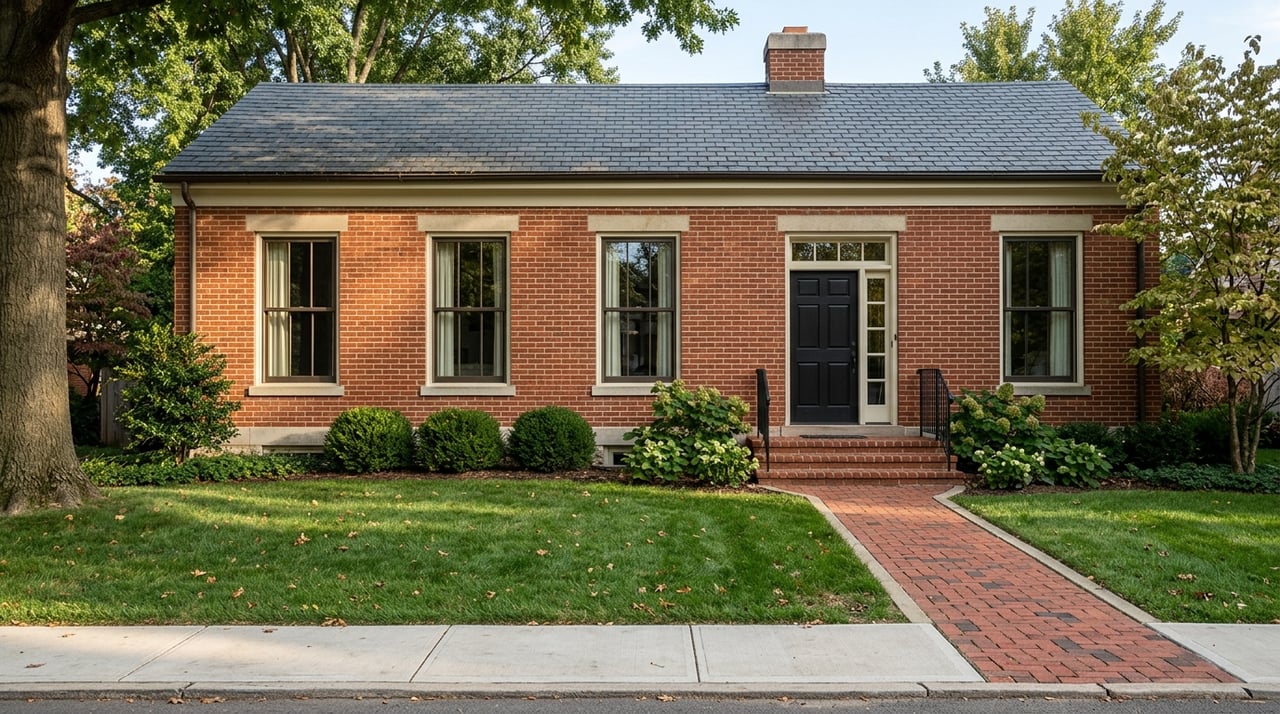
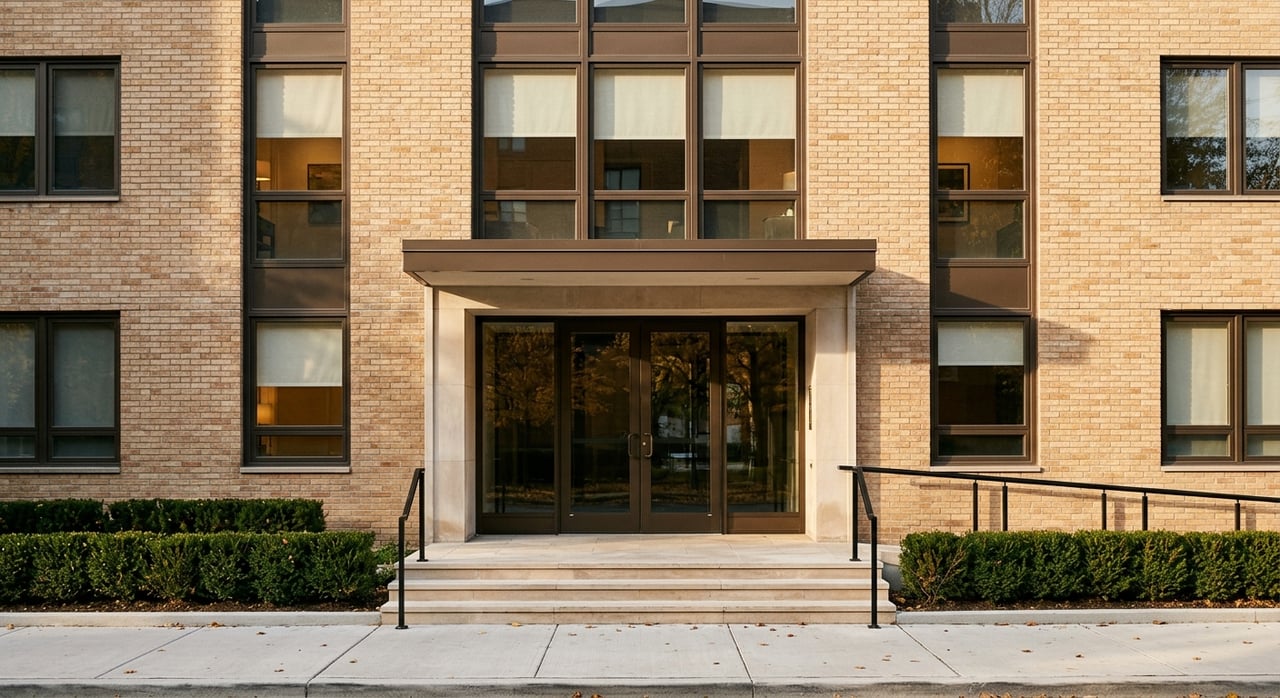
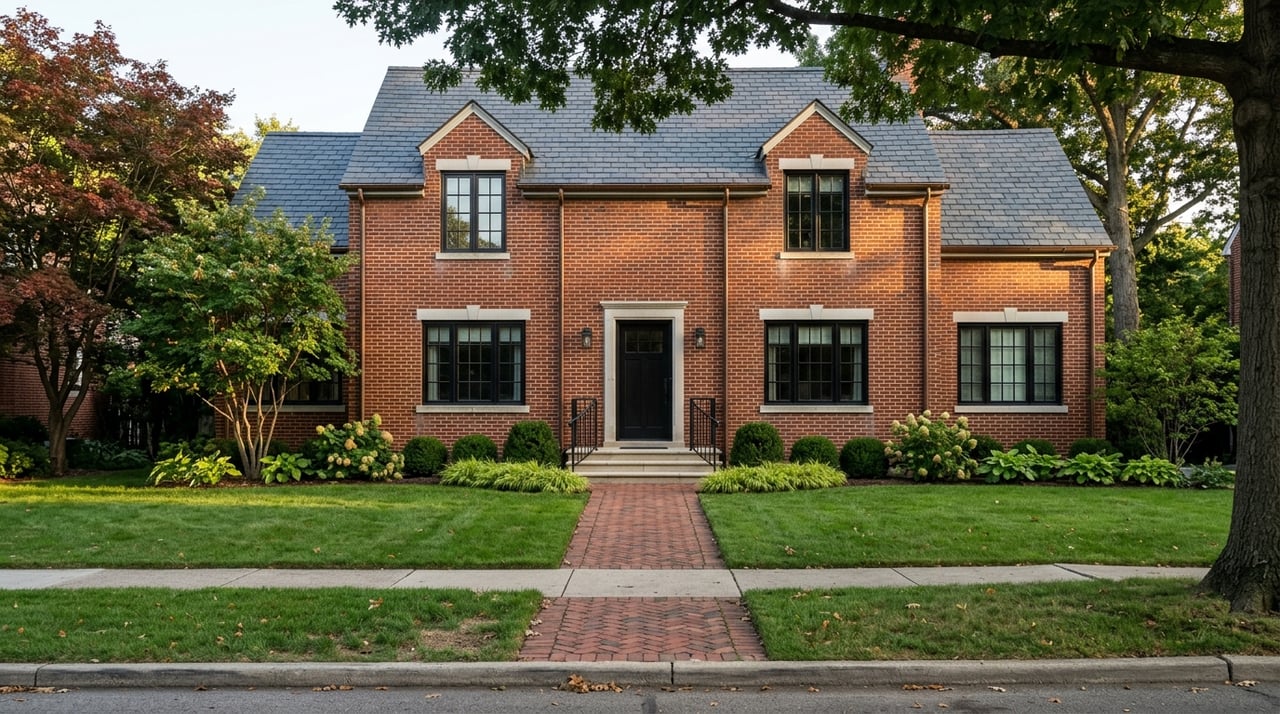
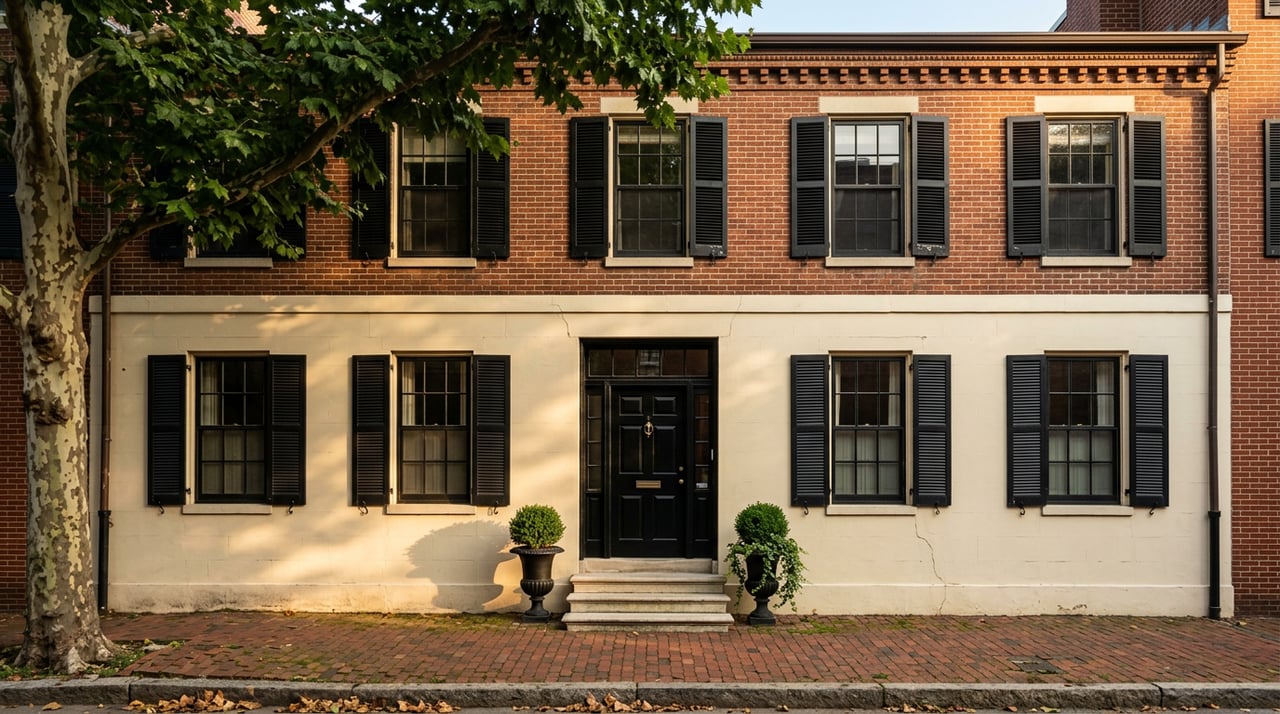
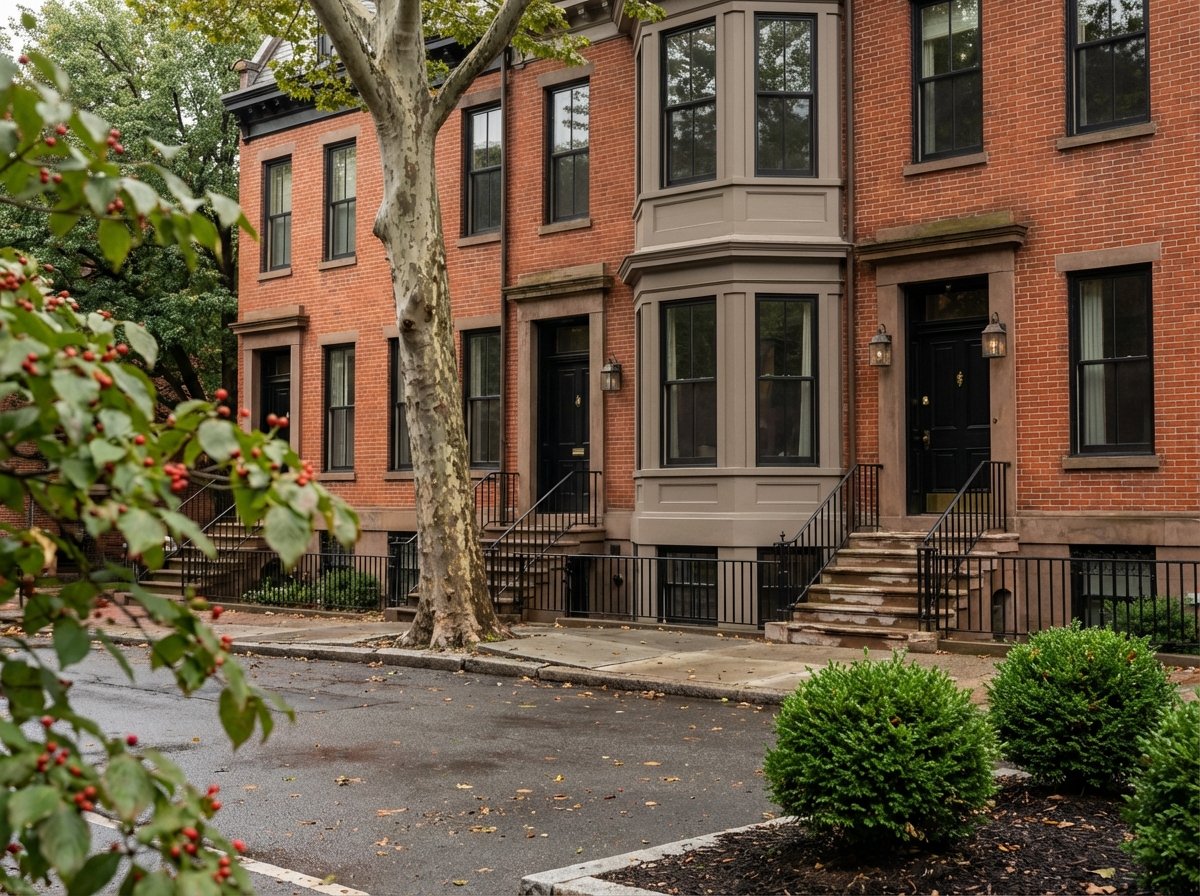
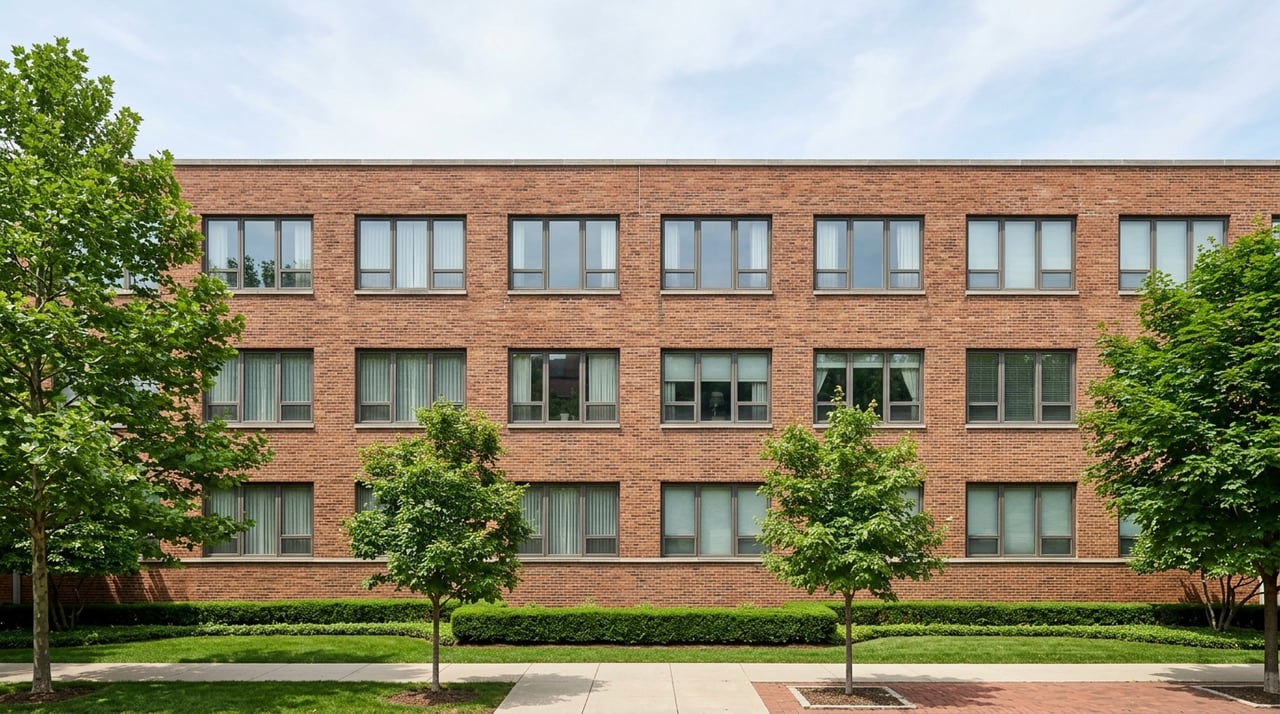
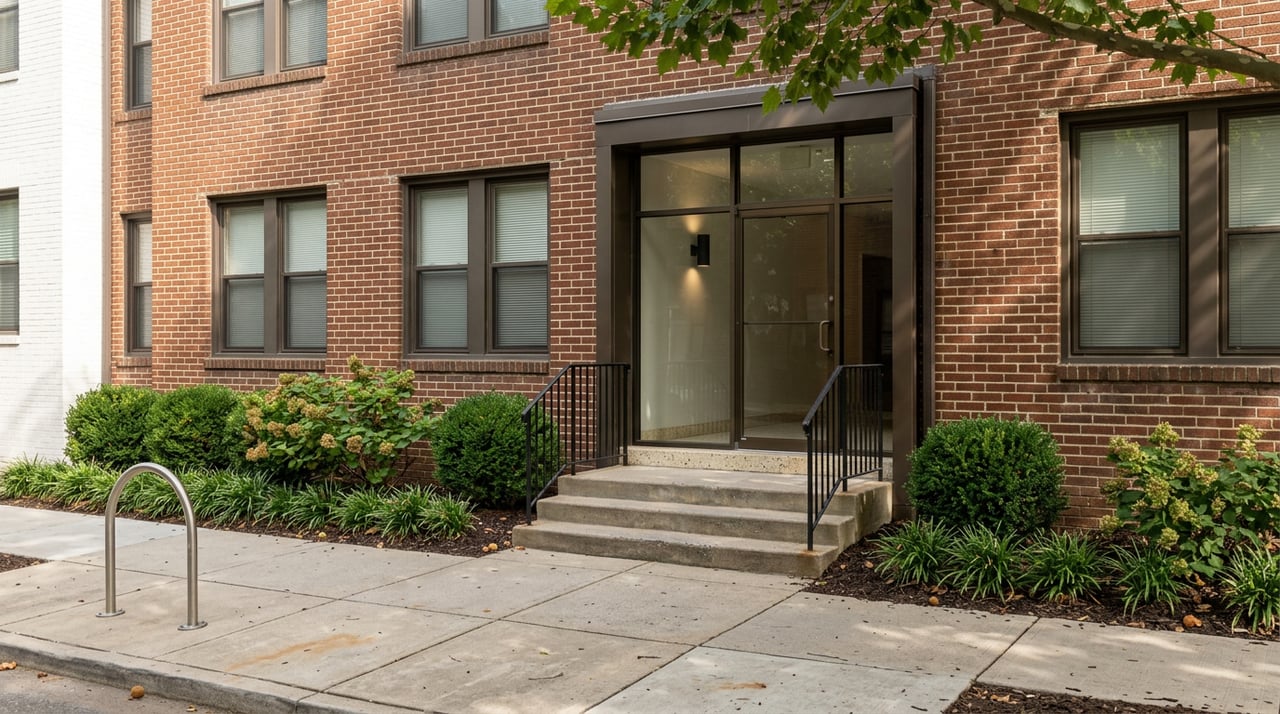
Housing here is diverse. You will see pre‑war apartment buildings that are now condos or co‑ops, along with rows of townhouses and architecturally distinct detached houses. Some buildings, like Tilden Gardens, showcase shared gardens and full‑service amenities that appeal to buyers who want low‑maintenance living with character.
What you actually own: condos, co‑ops, and houses
Condominiums: deeded unit plus common areas
With a condo, you receive a deed to your specific unit and a shared interest in the building’s common elements. An association manages rules, budgets, and a master insurance policy for the structure. Monthly dues fund common maintenance, reserves, and often some utilities. For a plain‑English explainer of what condo ownership covers, see Nolo’s overview of condo property rights.
Financing is usually straightforward with a conventional mortgage. Some loan programs may require project approval, so your lender will confirm the building’s eligibility.
Cooperatives: shares plus a proprietary lease
In a co‑op, you buy shares in a corporation that owns the building and receive a proprietary lease for your unit. Your asset is personal property rather than a deeded unit. That difference affects title, underwriting, and closing steps. Fannie Mae’s co‑op eligibility guide outlines how lenders evaluate co‑op projects, including documentation, reserves, and delinquency thresholds.
Financing can take longer because fewer lenders offer share loans than offer condo mortgages. Co‑op boards also review buyer packages and conduct interviews, which adds time to the process. Maintenance fees often include property taxes, heat, water, and sometimes payments on an underlying building mortgage, which changes your monthly math compared with a condo.
Houses and townhouses: fee simple ownership
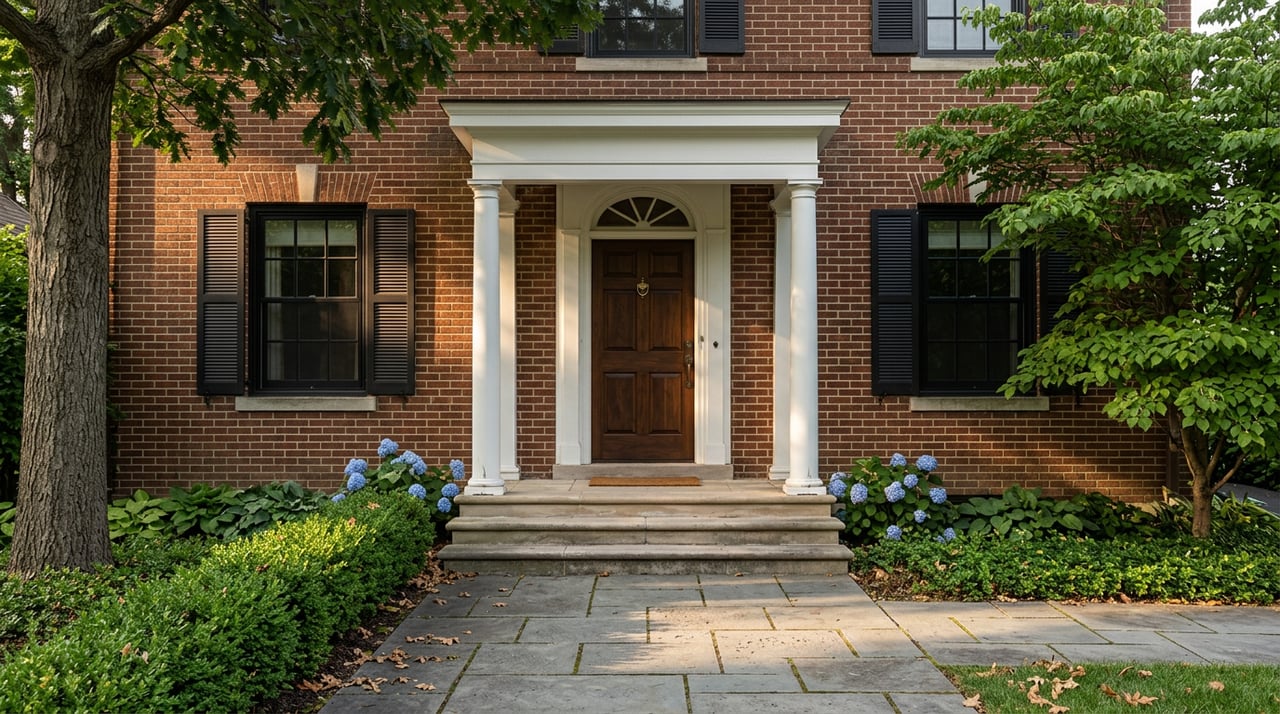
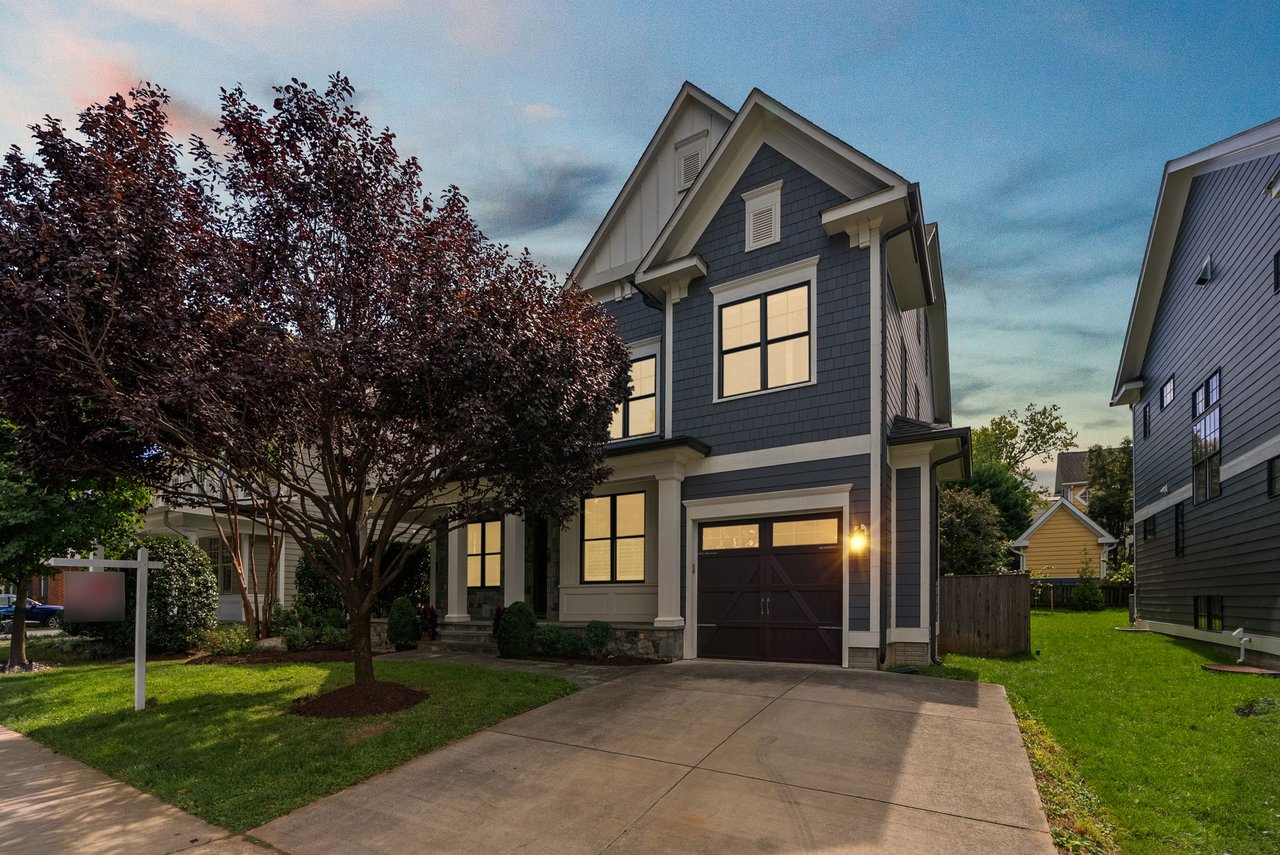
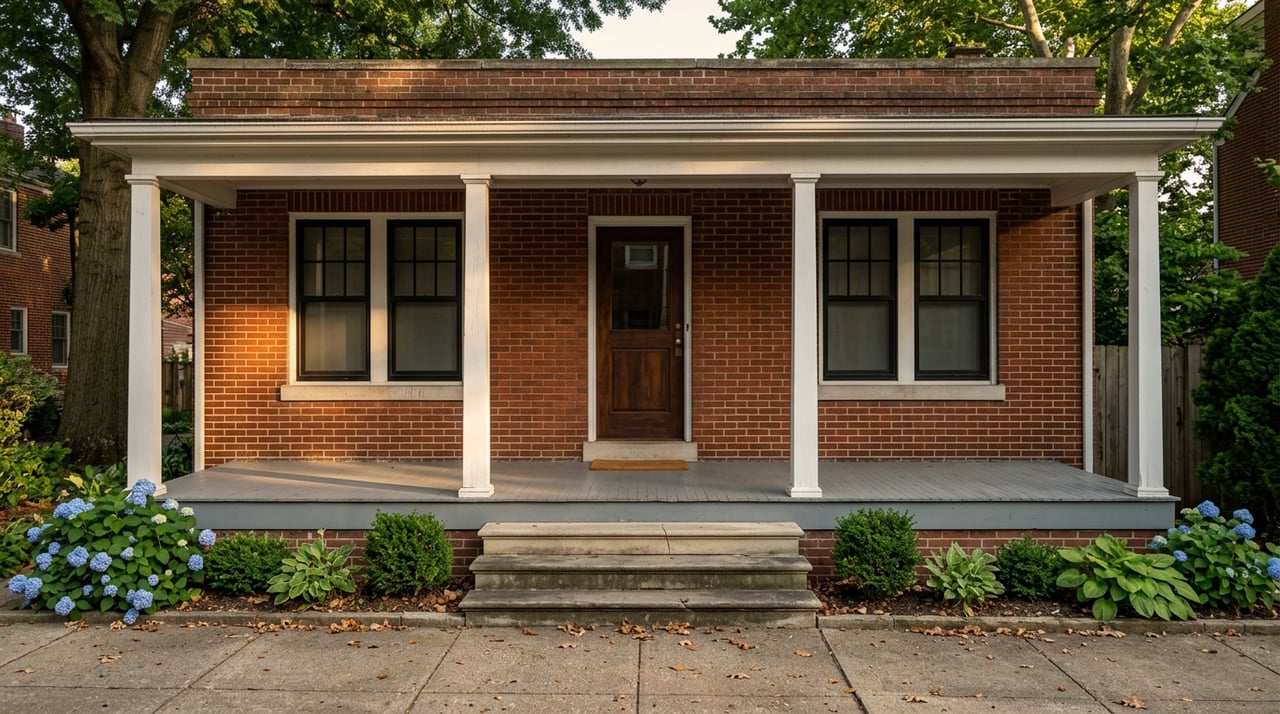
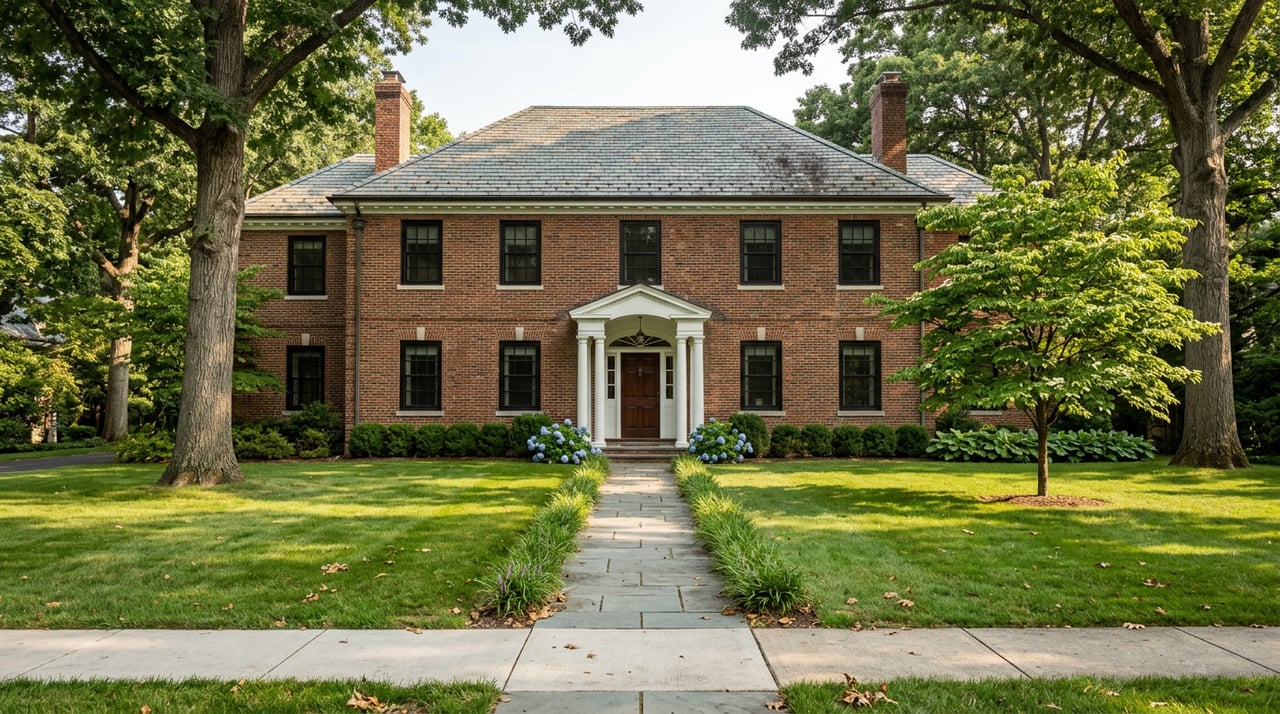
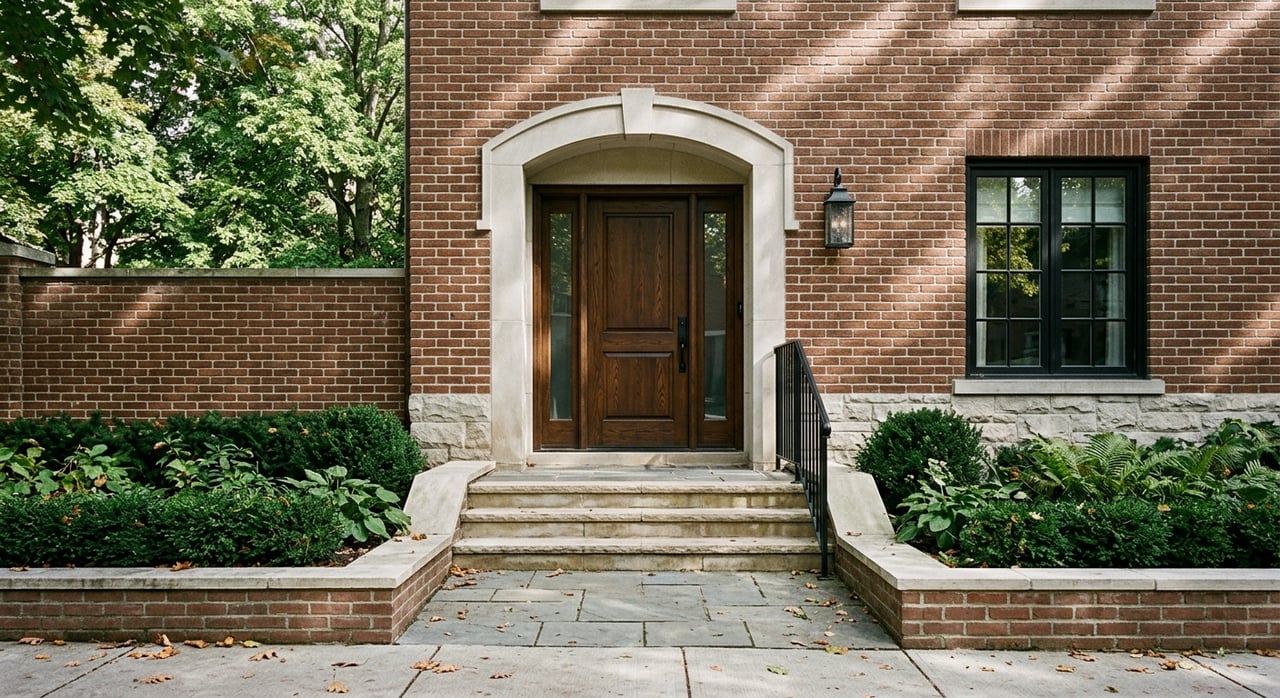
With a house or most townhouses, you own the land and the structure. You control exterior work subject to permitting and, in the historic district, design review. You also take on all maintenance, from roof to yard. Your insurance is a full homeowners policy that covers the dwelling and other structures. For a refresher on how homeowners and condo policies differ, review Allstate’s summary of what association master policies typically cover so you can compare your likely coverage quickly.
What it costs each month in Cleveland Park
Purchase price reality
Neighborhood snapshots vary by data provider because they measure different things. Recent reports show a mix of figures, including a median sale price around the high five hundreds, a modeled typical value in the mid six hundreds, and listing‑driven medians closer to the low five hundreds as of late 2025 and early 2026. The spread reflects how condos and co‑ops dominate unit counts while single‑family homes sell at much higher prices. For your decision, focus on address‑level comparables for the specific property type and size you want.
As a rough guide, studios and small one‑bedroom units in the neighborhood often trade from the low hundreds into the three hundreds, mid‑sized condos tend to fall in the three hundreds to seven hundreds, and detached homes can reach well into seven figures. Upper‑end single‑family sales show that the top of the market can extend into several million in this micro‑market.
Monthly fees: what they cover and why they vary
Condo and co‑op fees in Cleveland Park commonly range from about 300 to 900 dollars per month, with some higher for larger or full‑service buildings. The number reflects building scope, staff, utilities, and reserve funding. Representative listings have shown examples near 358 dollars on the low side, around 490 dollars in the mid range, and about 746 dollars for larger or more full‑service buildings. Fees move with services and building needs, so review the most recent budget and reserve study before you write your offer.
Co‑op maintenance often bundles more line items than condo dues. In some buildings, your monthly payment can include property taxes, heat, water, and a portion of an underlying building mortgage. That can simplify your cash flow but raises the monthly figure and changes what you can deduct. Amenities in classic complexes, like the shared gardens and on‑site services at Tilden Gardens, can be a fair trade if you want low‑maintenance living with historic character.
Taxes and insurance: know your obligations
District property tax rules and relief programs change over time, and co‑ops can be treated differently for assessment and payment structures. Review current guidance from the DC Office of Tax and Revenue to confirm rates, the homestead deduction, and how co‑op maintenance may incorporate tax payments. Always confirm in the building documents whether taxes are included in monthly fees.
Your insurance needs depend on what the master policy covers. Condo owners typically carry an HO‑6 policy that insures interior finishes and personal property. House and most townhouse owners carry a full homeowners policy that covers the entire structure. Allstate’s explanation of association master policy types helps you see whether your building is walls‑out or walls‑in, which affects how much interior coverage you need.
Reserves and assessments: read the fine print
Healthy reserves and clean financials protect you from surprise costs. Low reserves or frequent special assessments can increase your ownership cost and reduce resale appeal. For co‑ops, lenders look closely at building reserves and owner delinquency rates. Fannie Mae’s co‑op project guidance notes that high delinquency can limit financing options, which can slow resales and reduce the buyer pool.
Lifestyle tradeoffs in Cleveland Park
Transit and walkability
If you want a car‑light routine, condos and co‑ops close to Connecticut Avenue put you near the Red Line, retail, and restaurants. Walk Score’s Cleveland Park snapshot shows strong walk and transit scores that match what you will feel on the ground. Smaller units and efficient floor plans are common near the corridor.
Space, yard, and autonomy
If a private yard, multi‑level living, or a garage top your list, a house or townhouse on the side streets may be the better fit. Expect higher variable maintenance in exchange for autonomy. If the property sits within the Cleveland Park Historic District, exterior changes typically go through review. The district overview explains why design review matters and what to expect if you plan projects like window replacements or additions.
Pets, rentals, and flexibility
Rules around pets and rentals vary widely. Many co‑ops have stricter policies, including limits on subletting and animal size or number. Condos also have rules that you must follow. If you plan to rent later or have pets, request the governing documents early. Nolo’s checklist of HOA and co‑op documents highlights what to ask for, including bylaws, budget, reserves, insurance, and recent meeting minutes.
Parking and storage
On‑site parking in older buildings is limited and often wait‑listed or available for a separate fee. Assigned spaces are valuable and should be verified in writing. If you drive regularly, factor the cost and convenience of parking into your comparison. Storage lockers and bike rooms can reduce the need for extra square footage if you choose a condo or co‑op.
A simple decision framework
Use your top priorities to point you toward the right fit. For each, run a quick verification step.
- Budget and monthly cash flow
- If you want a lower purchase price, start with condos and co‑ops. Add HOA or maintenance fees to your monthly total and check for upcoming assessments in the budget and minutes. Use building documents to confirm what is included and whether reserves are adequate.
- Financing and closing timeline
- If you need a faster close or wider lender options, condos and fee simple homes are usually simpler. Co‑ops require a lender that offers share loans and time for board approval. Fannie Mae’s co‑op eligibility page outlines lender documentation, which signals what to expect.
- Maintenance preference
- If you prefer low‑touch living, a full‑service building with staff and bundled utilities may fit. If you want full control of improvements and outdoor space, a house or townhouse wins but plan for higher variable costs.
- Historic property plans
- If you want to change windows, add living space, or alter the exterior, a fee simple home gives you more options. In the historic district, factor in design review and added permits. Review the district overview to understand typical scope and timelines.
- Resale and flexibility
- Condos often attract a wide buyer pool. Co‑ops can resell more slowly due to board approvals and a smaller set of lenders. Houses provide scarcity value but require ongoing upkeep. If you may rent in the future, check pet and leasing policies now with Nolo’s document checklist.
Cleveland Park buyer checklist
Before you write an offer, gather these items to reduce surprises and speed your decision.
- Association or co‑op financials: bylaws, budget, audited financials, reserve study, insurance declarations, and recent meeting minutes. See Nolo’s list of documents to request so you do not miss key items.
- For co‑ops: proprietary lease, offering plan, recognition agreement form, and details on any underlying mortgage and how maintenance is allocated. Review Fannie Mae’s co‑op eligibility guidance to anticipate lender needs.
- Taxes and utilities: DC Office of Tax and Revenue references for current rates and relief programs. Confirm whether maintenance or dues include taxes and which utilities you pay directly.
- Parking and storage: written confirmation of any assigned space, fees, wait lists, and storage rights. Ask for the building’s parking map and rules.
- Insurance: the master policy type and master deductible. Use Allstate’s master‑policy primer to scope your unit policy needs.
Which option fits your goals?
- First‑time buyer focused on walkability and budgeting
- Consider a condo or co‑op near the Red Line for a lower entry price and easy commuting. Compare monthly fees carefully, especially if a co‑op includes taxes or an underlying mortgage in maintenance.
- Move‑up buyer seeking space and a yard
- Focus on townhouses and detached homes on side streets. Plan for a larger purchase price and higher variable maintenance. If improvements are planned, factor in historic review where applicable.
- Owner planning to rent in the future
- Verify leasing rules, minimum lease terms, and any caps. Some co‑ops restrict sublets. Condos vary by building. If you want help with leasing and management, a local firm that provides property management can be valuable over the life of your investment.
Ready to compare live options and run the numbers on specific addresses? A calm, data‑driven walkthrough will make your choice clear. Book a neighborhood consultation with Jack Realty Group to discuss active listings, building financials, and next steps.
FAQs
What is the main difference between a Cleveland Park condo and a co‑op?
- A condo gives you a deed to a unit and shared common elements, while a co‑op gives you shares in a corporation and a proprietary lease for a unit. Financing and board approval are different, which is why Fannie Mae’s co‑op eligibility rules matter for timing and loan options.
How much are typical condo or co‑op fees in Cleveland Park?
- Many buildings show monthly fees in the 300 to 900 dollars range, with higher numbers for larger units or full‑service buildings. Co‑op maintenance can include property taxes and some utilities, so compare what each fee covers before you buy.
Do Cleveland Park homes fall in a historic district and what does that mean?
- Much of the neighborhood lies within the Cleveland Park Historic District, which can require design review for exterior changes. Plan added time and costs for projects that alter windows, facades, or additions, and review the district overview before you start.
Is financing harder for a co‑op in DC compared with a condo?
- Often yes. Fewer lenders offer co‑op share loans, and the building must meet documentation and reserve standards. Board review can add time. Fannie Mae’s co‑op guidance shows what lenders look for and helps you set expectations.
How should I compare total monthly costs between a condo and a house?
- Add principal and interest, taxes, insurance, and either HOA dues or co‑op maintenance. For co‑ops, subtract any taxes already included in maintenance. Then factor likely repairs for a house or special assessment risk for a condo or co‑op to get a realistic monthly number.