If you are looking for a Washington neighborhood that feels calm, green, and distinctly residential, Spring Valley stands out right away. In a city known for busy corridors and dense blocks, this part of upper Northwest offers a different pace, with winding streets, mature trees, and homes set on larger lots. For buyers and sellers alike, understanding that character is key. Here is a closer look at what life in Spring Valley feels like and why the neighborhood continues to draw interest.
Spring Valley feels residential by design
Spring Valley is a largely residential neighborhood in Ward 3, and that identity is not accidental. According to DC Planning’s overview of Ward 3, this part of the city is shaped by village-like areas clustered around local commercial centers, with Spring Valley following a more single-family-home-oriented pattern than nearby denser corridors.
That distinction matters when you are deciding where to live. In Spring Valley, the streetscape tends to feel quieter and more spacious than in Northwest DC neighborhoods built around major retail strips or transit-heavy avenues. The result is a setting that feels tucked away while still being part of the city.
Why the streets feel quiet
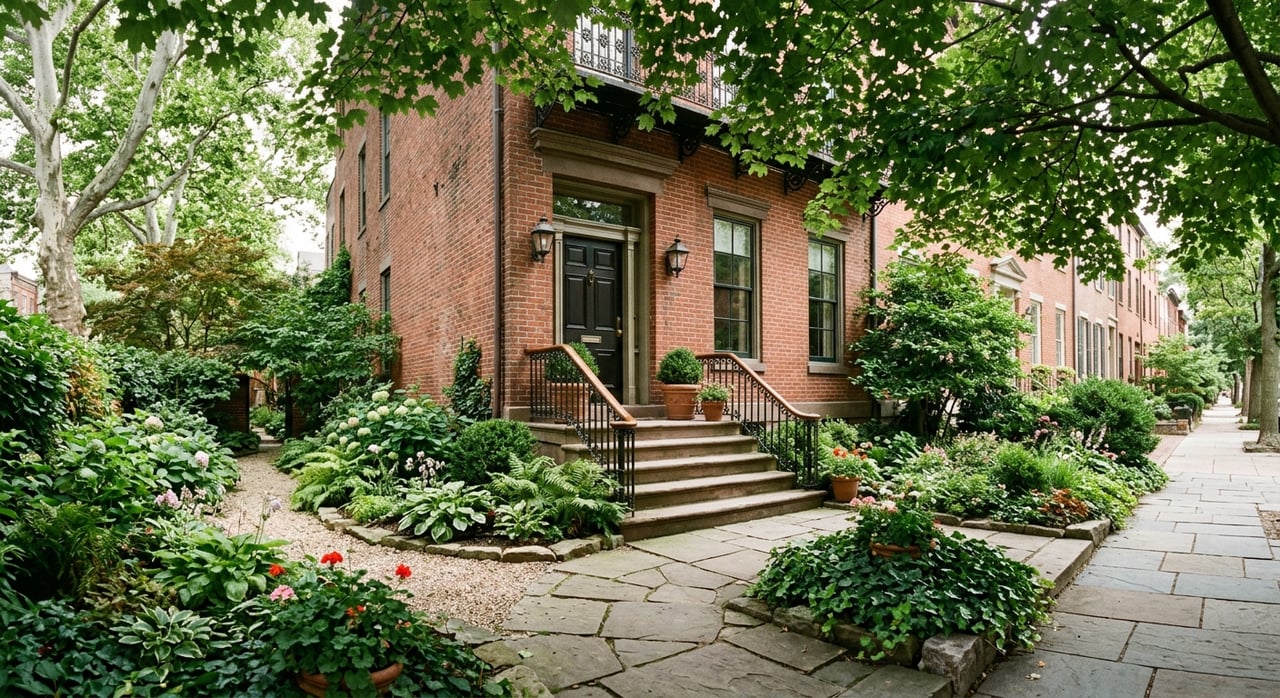
One of Spring Valley’s defining traits is its street layout. Historic planning records show that when W.C. and A.N. Miller developed the neighborhood in the 1920s, they intentionally moved away from a strict city grid. Instead, they shaped streets to follow the land, retained mature trees, created stream-valley parks, installed underground power lines, and planned larger lots with homes set in wooded yards, as described in the Ward 3 Heritage Guide.
That early planning still shapes your experience of the neighborhood today. Rather than long, straight urban blocks, you find a softer and more varied layout that helps Spring Valley read as low-density and quiet. It is one of the clearest reasons the neighborhood feels different from more urban Northwest DC settings.
Big backyards and generous lot sizes
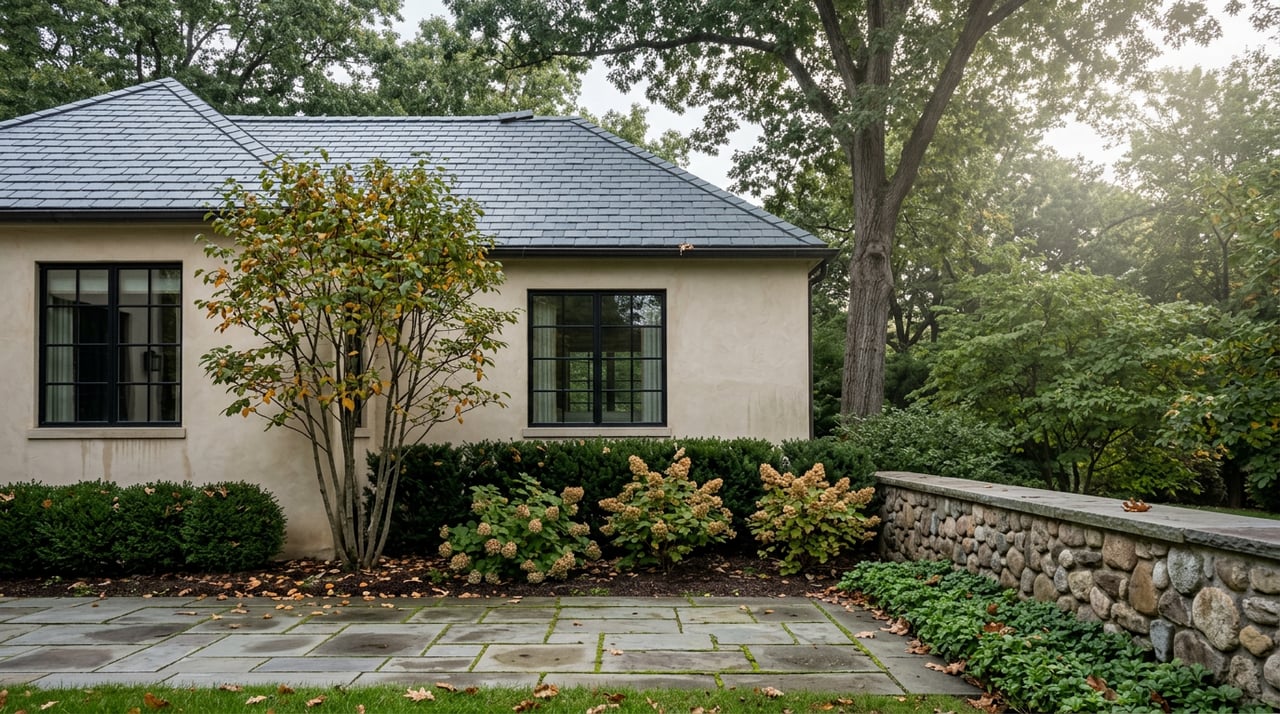
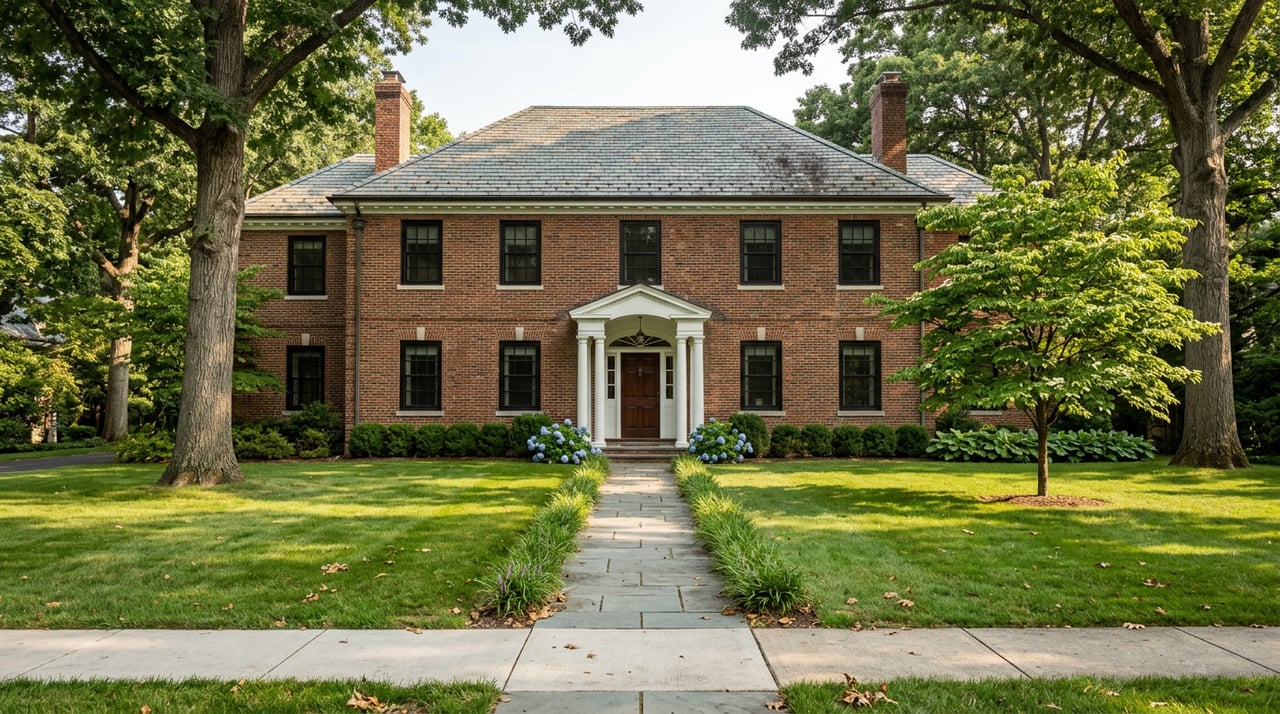
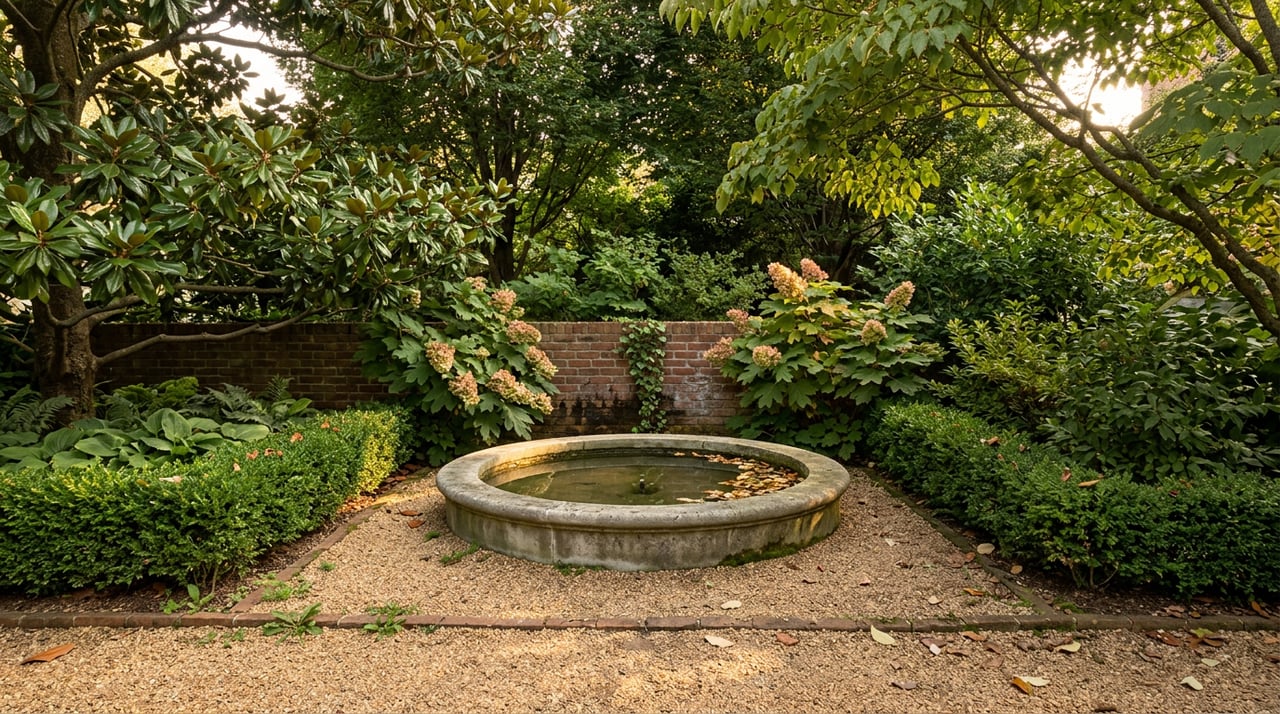
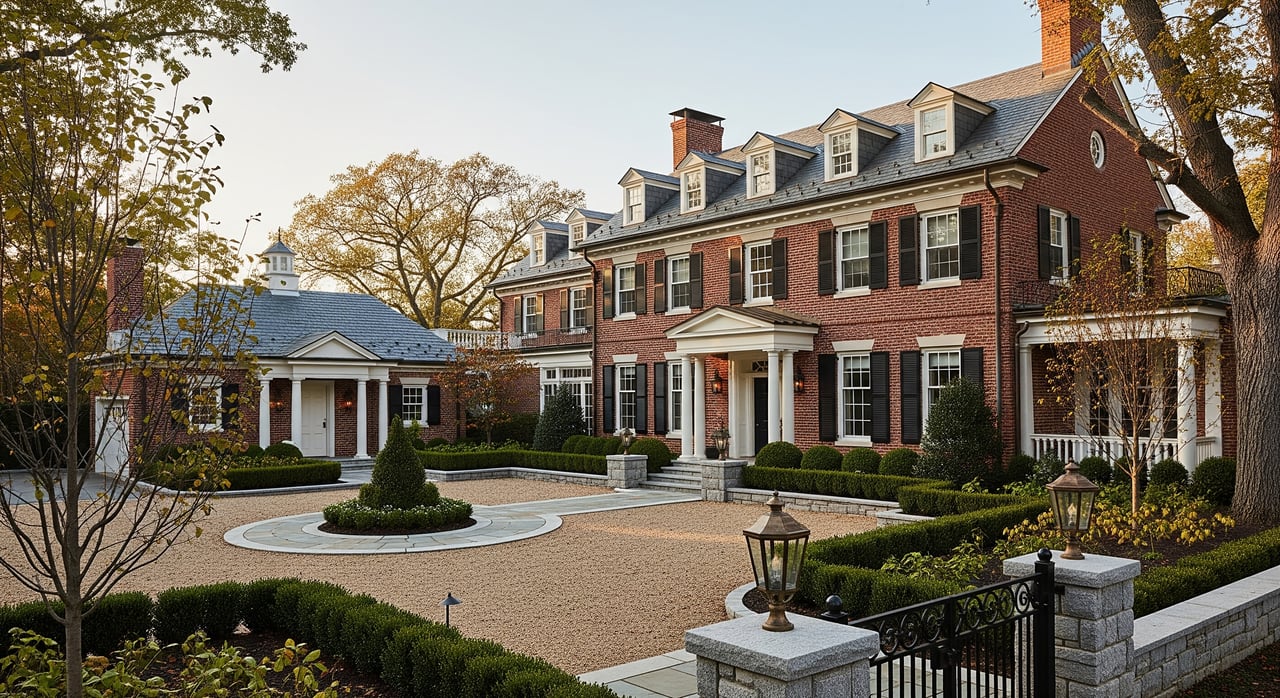
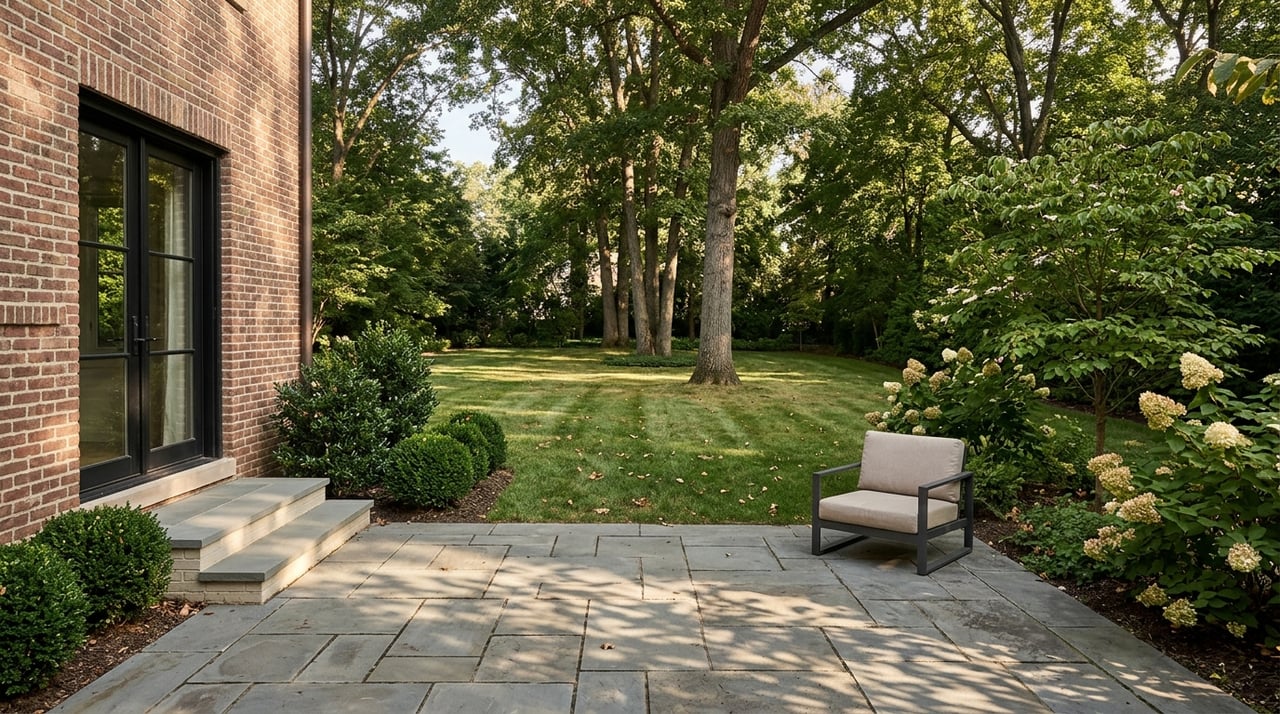
For many buyers, the phrase “big backyards” captures one of Spring Valley’s biggest draws. The neighborhood was planned with enlarged lots, and homes were positioned to take advantage of wooded yards and a more open setting. That design creates more breathing room between homes and a visual rhythm that feels composed rather than crowded.
A useful way to think about Spring Valley is that it often feels more like a residential enclave than a typical city neighborhood. Houses tend to sit back from the street, and the overall effect is more spacious than you would expect in Washington. If you value outdoor space, privacy, and a stronger separation between home and street, this pattern can be especially appealing.
Home styles with a classic feel
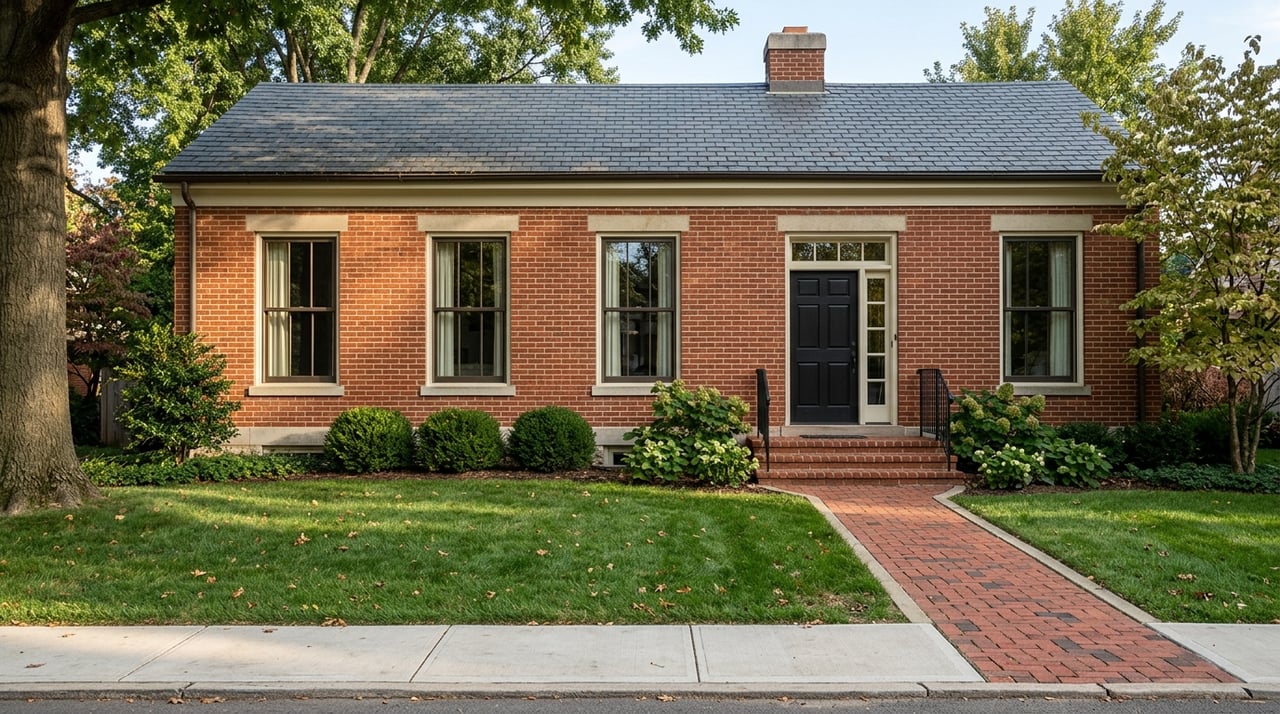
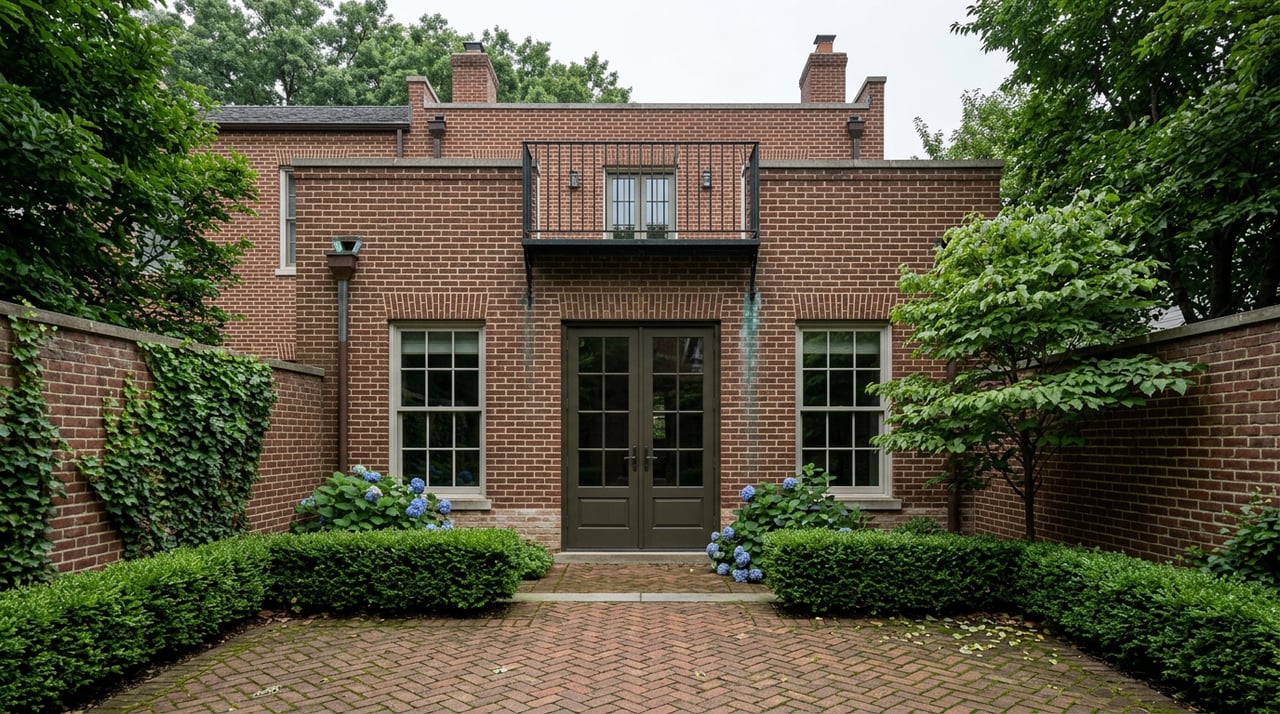
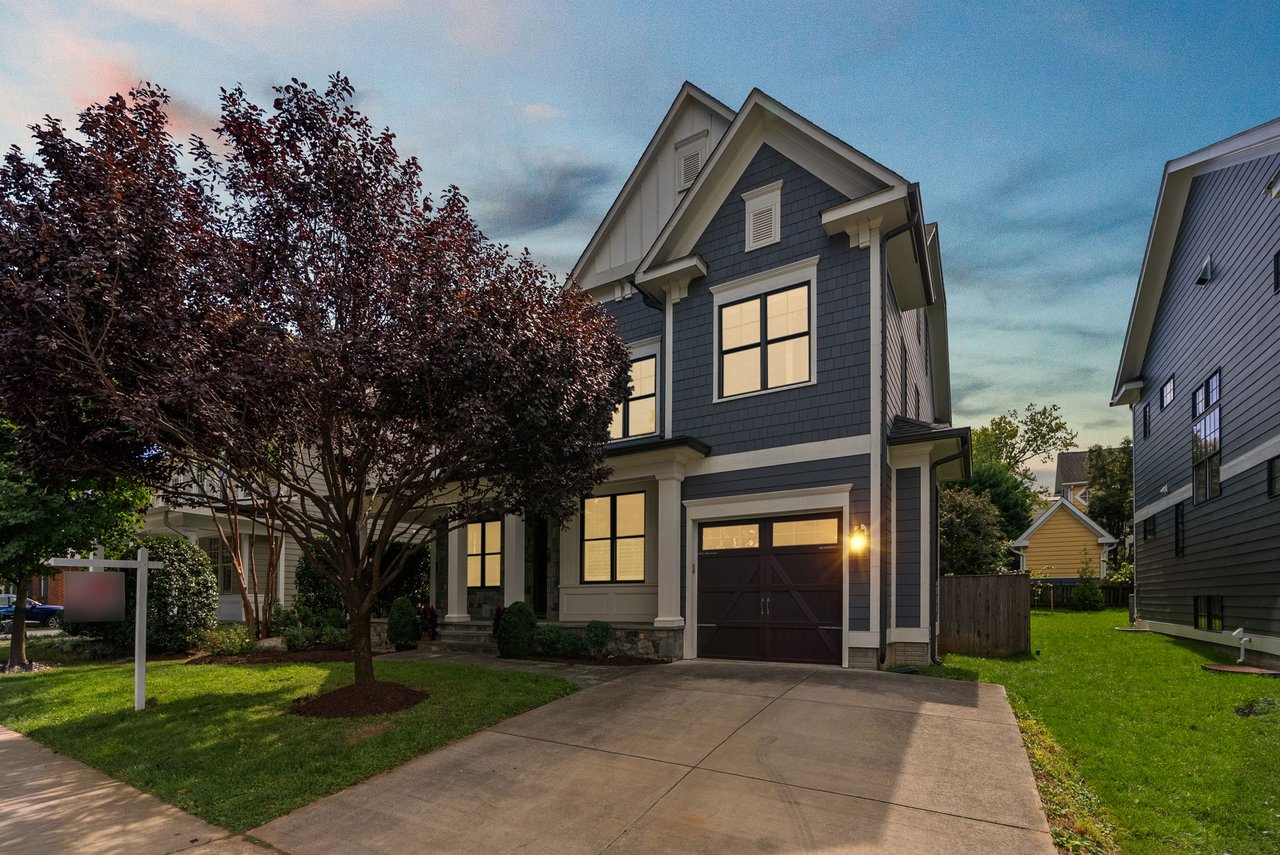
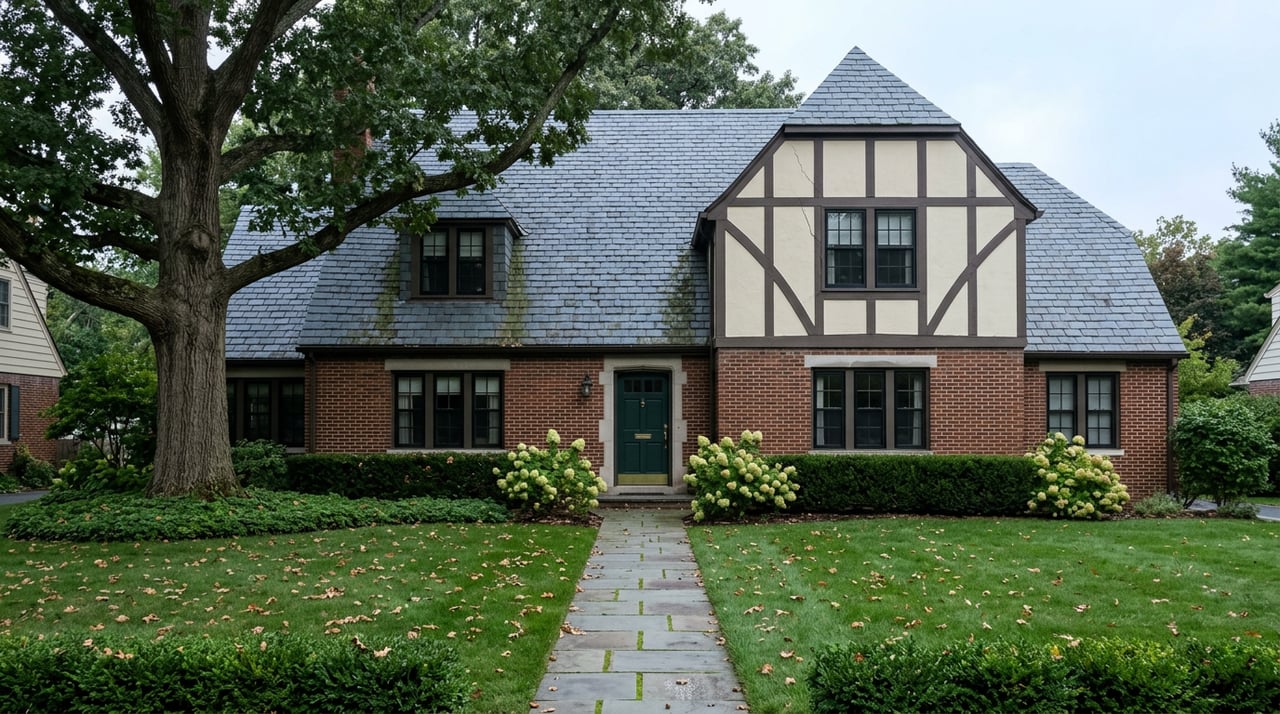
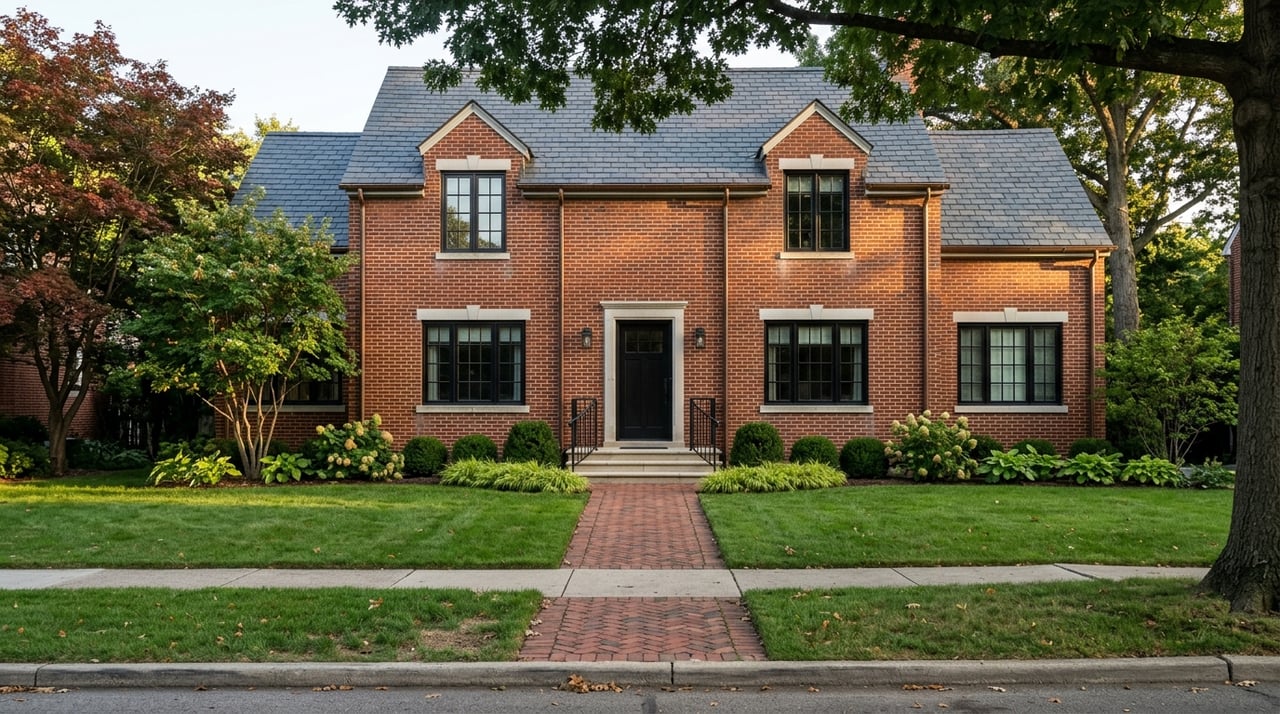
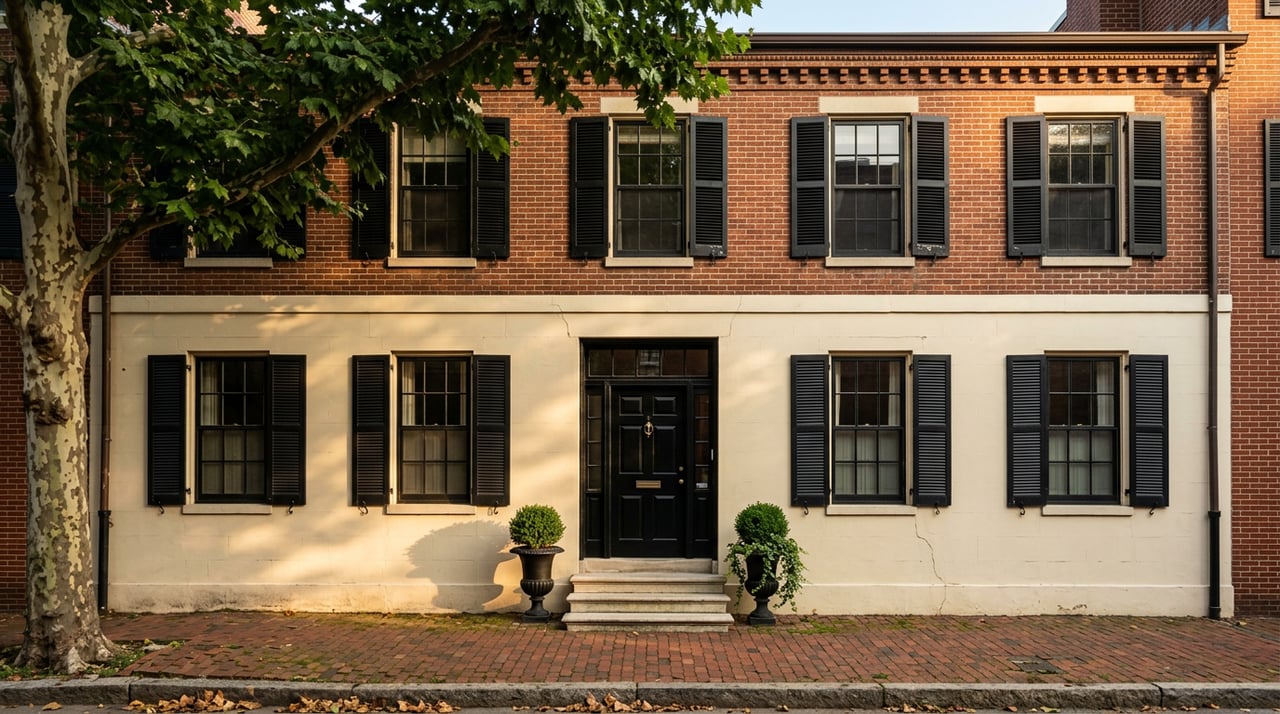
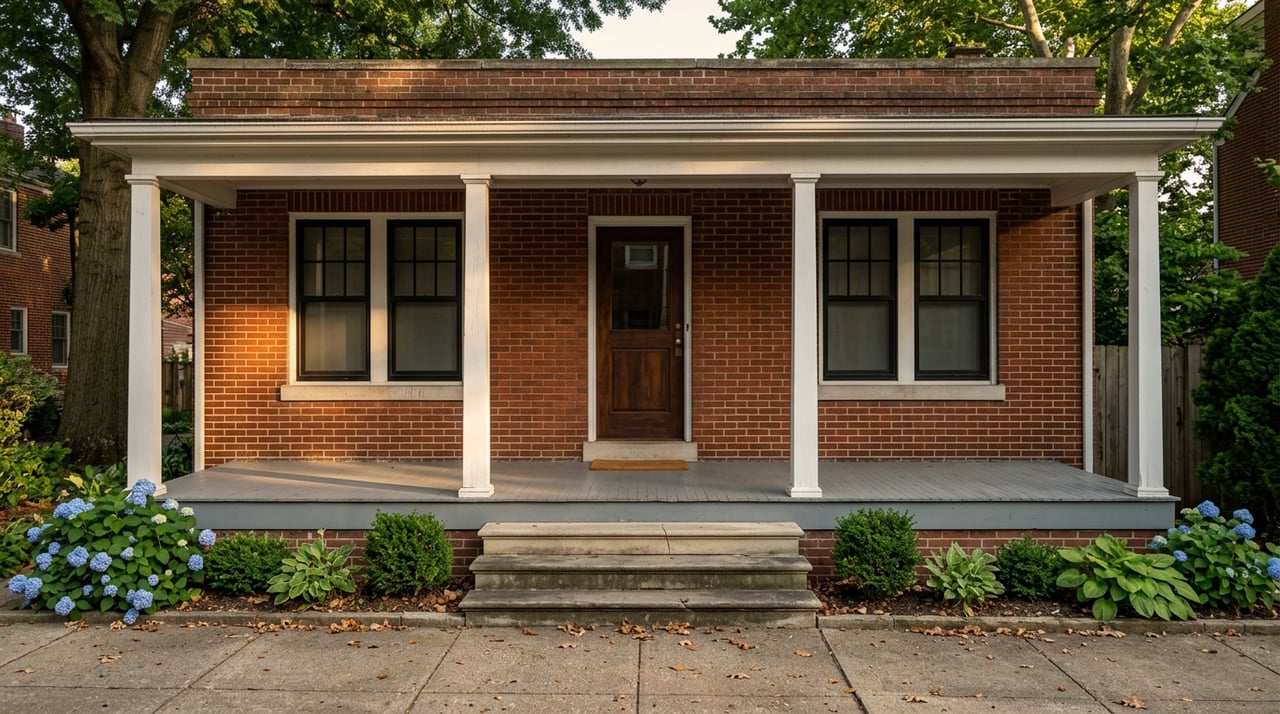
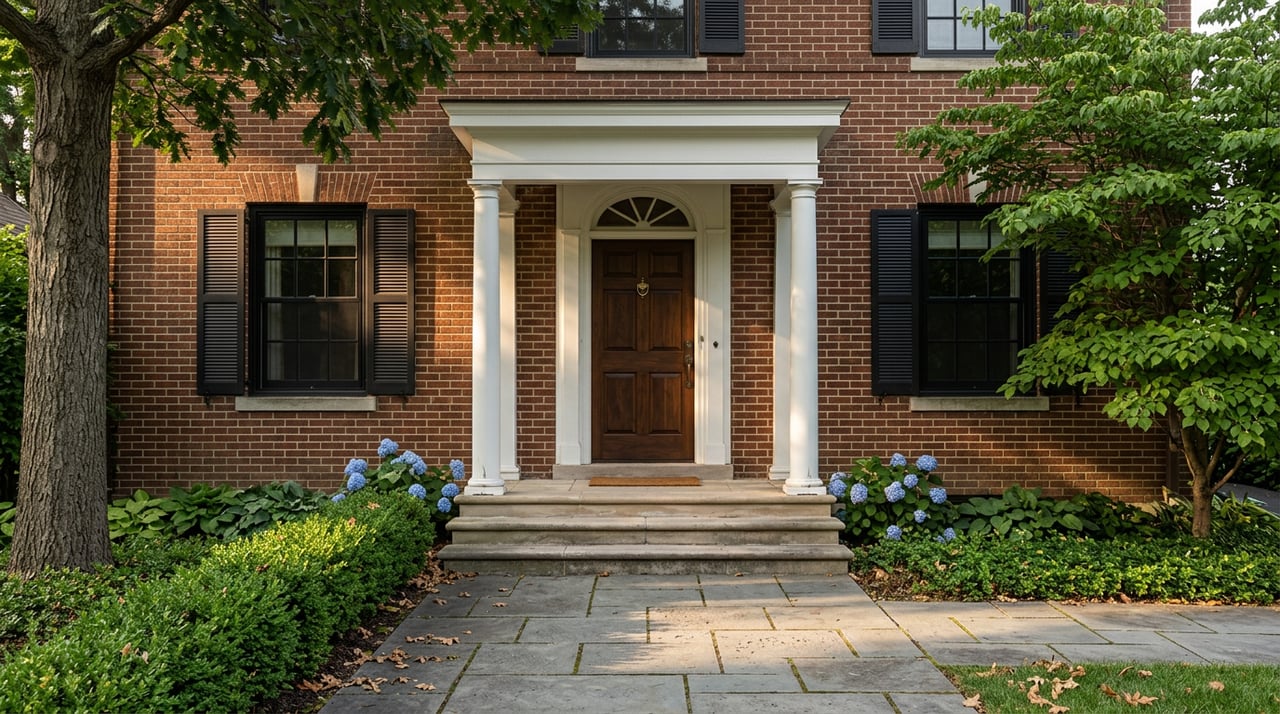
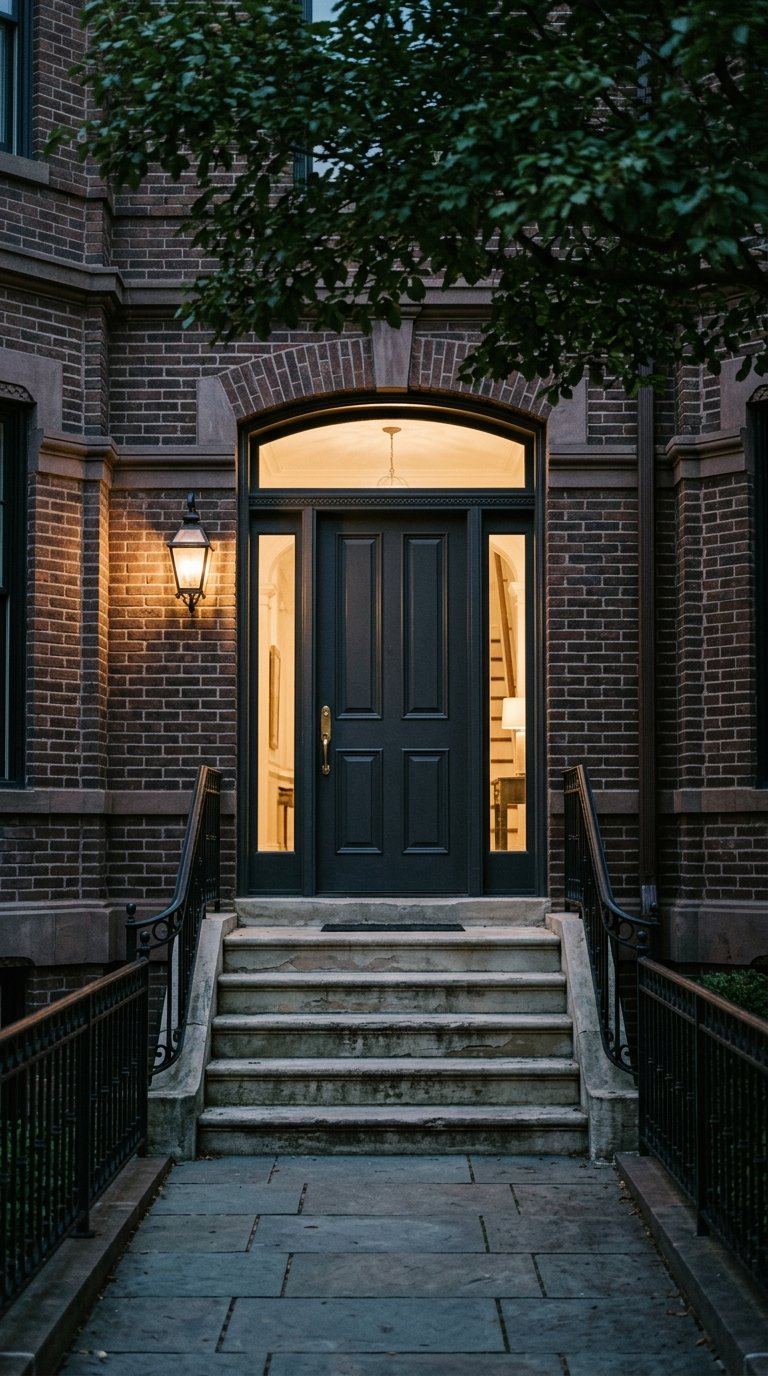
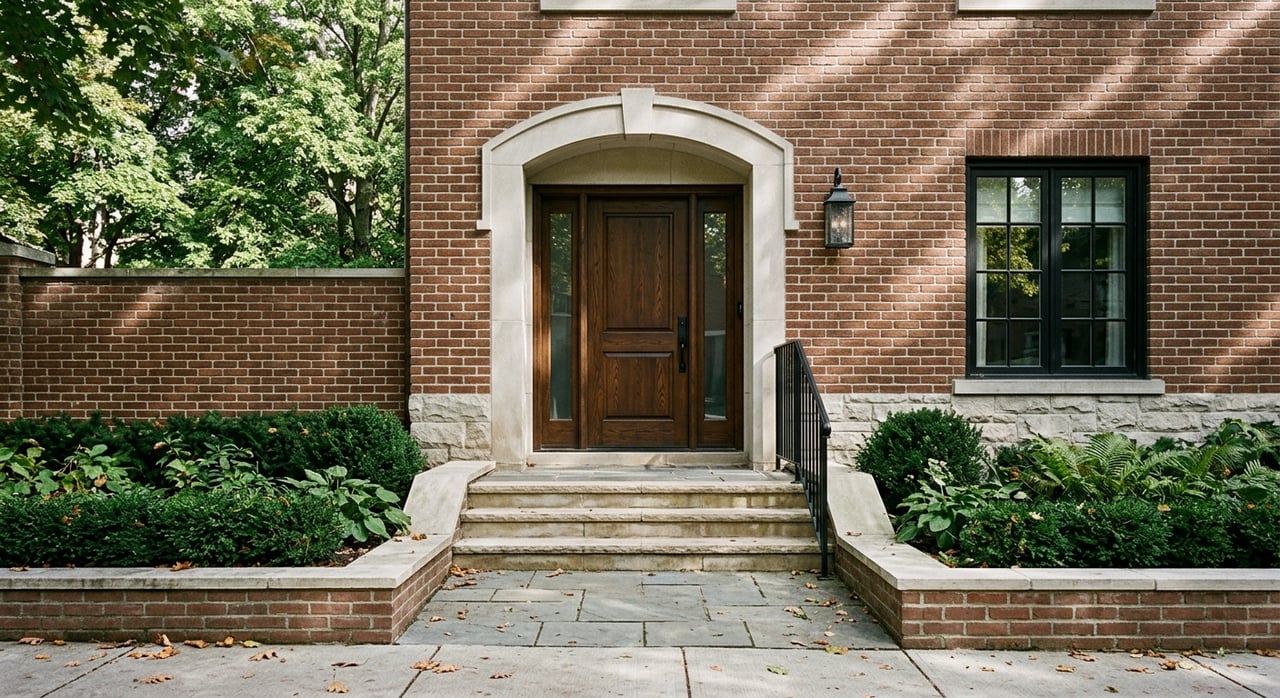
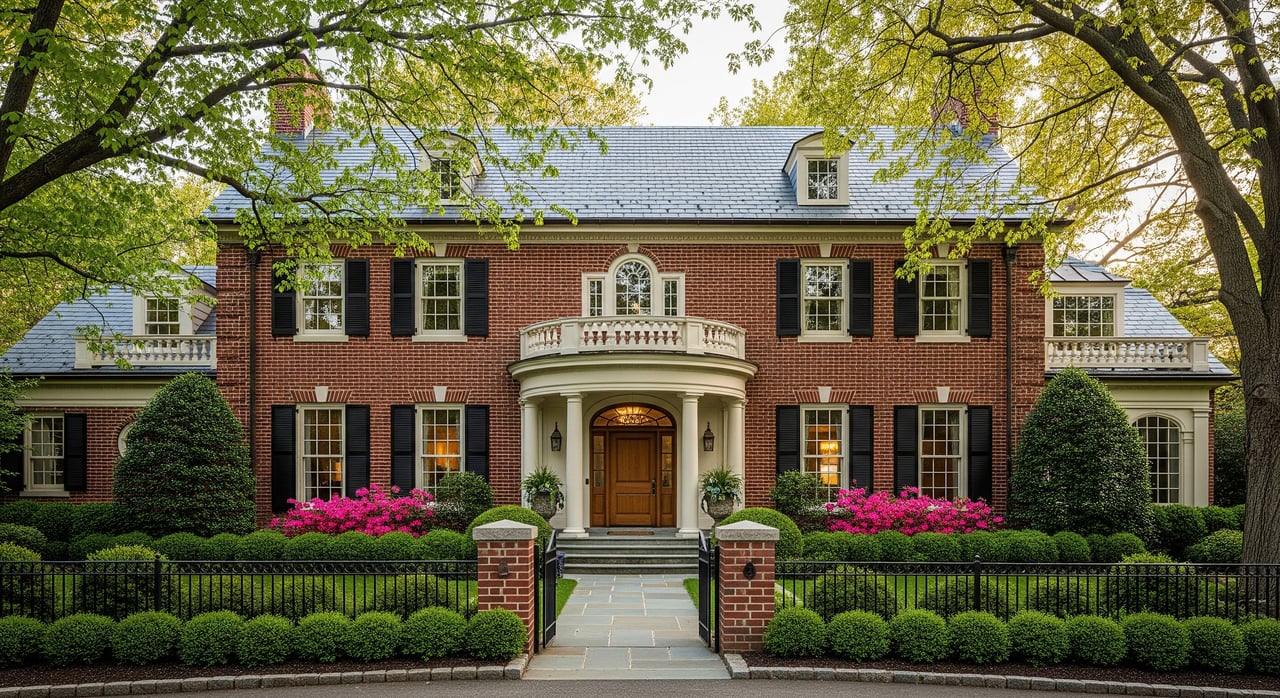
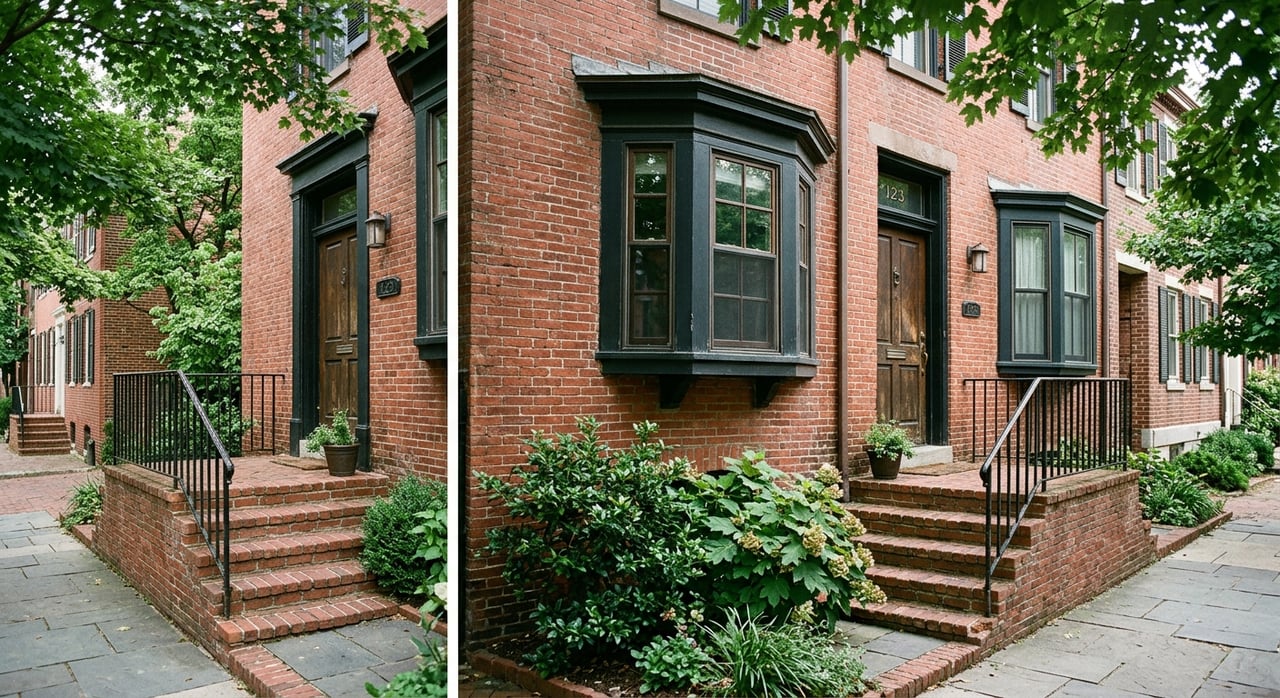
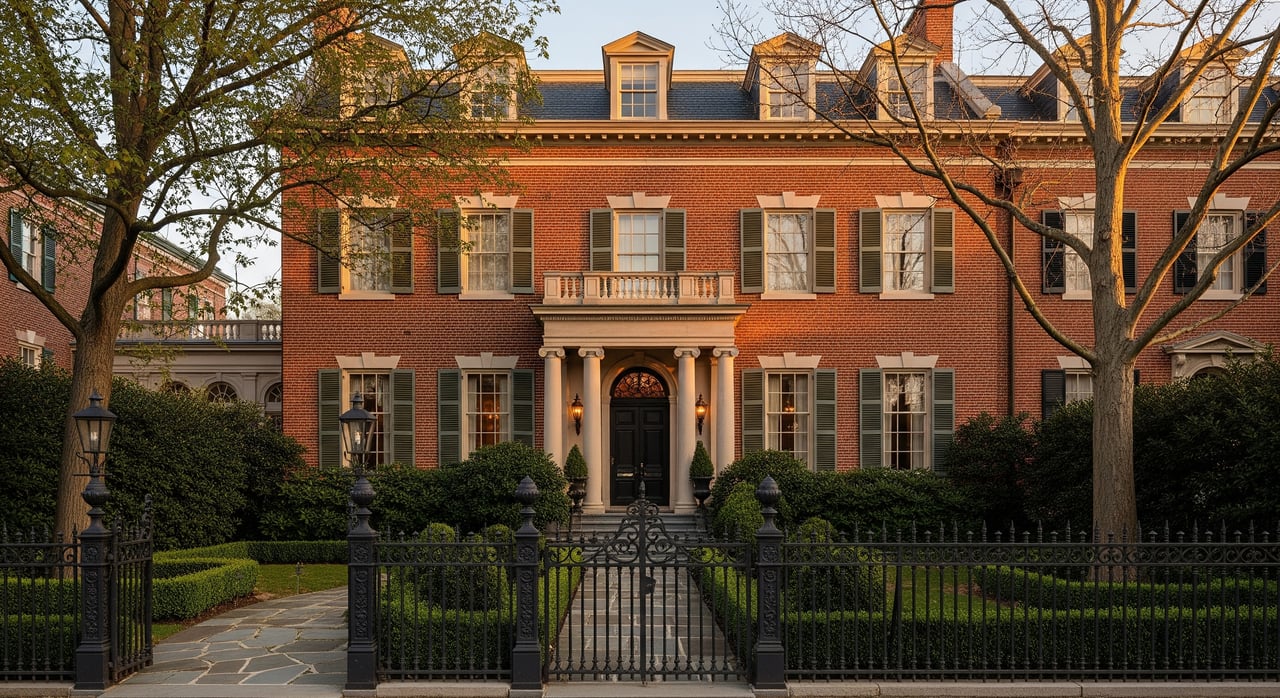
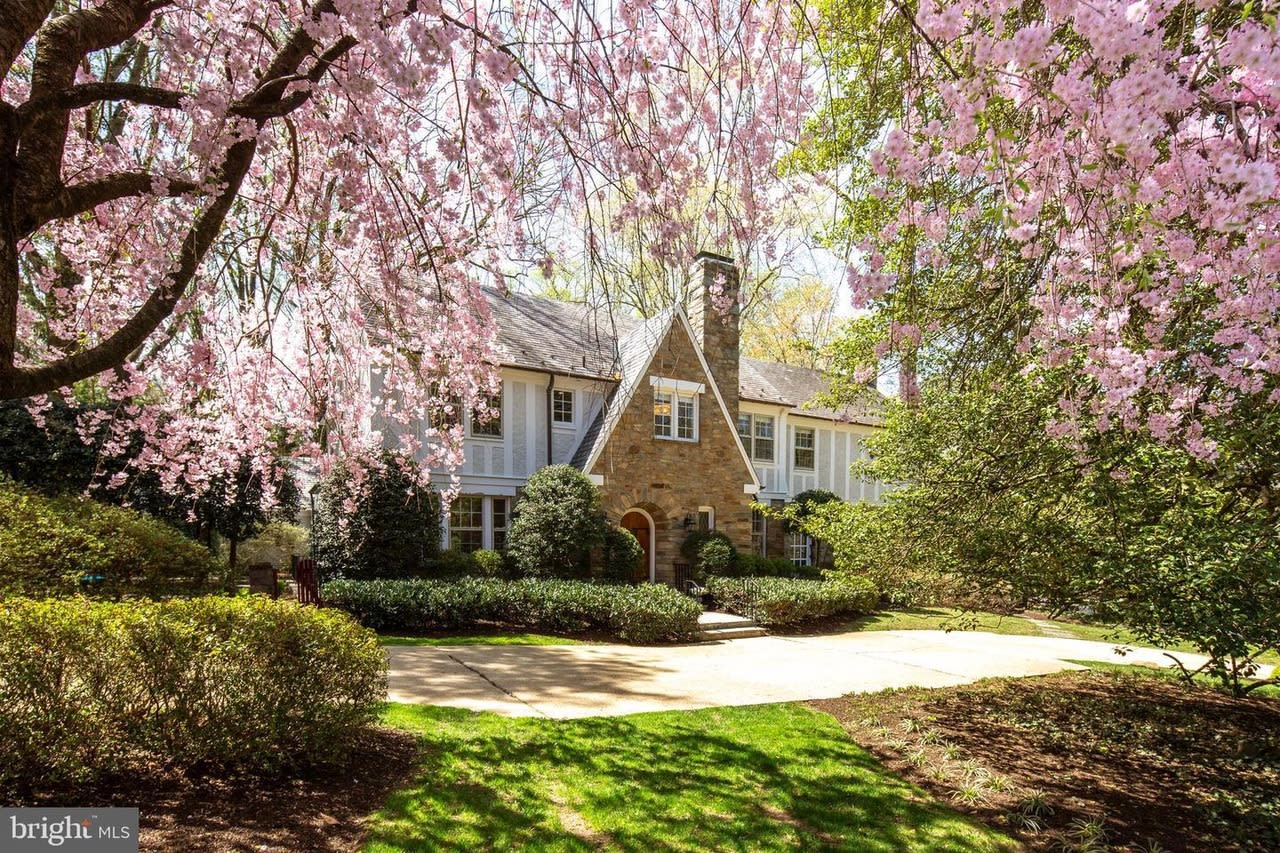
Spring Valley’s housing stock is also part of its identity. Local records tied to Miller’s work in Washington note styles including English Revival, Colonial Revival, Tudor Revival, and Classical Revival, with Spring Valley known for detached homes, wooded yards, and consistently high-quality construction, according to local builder and developer records.
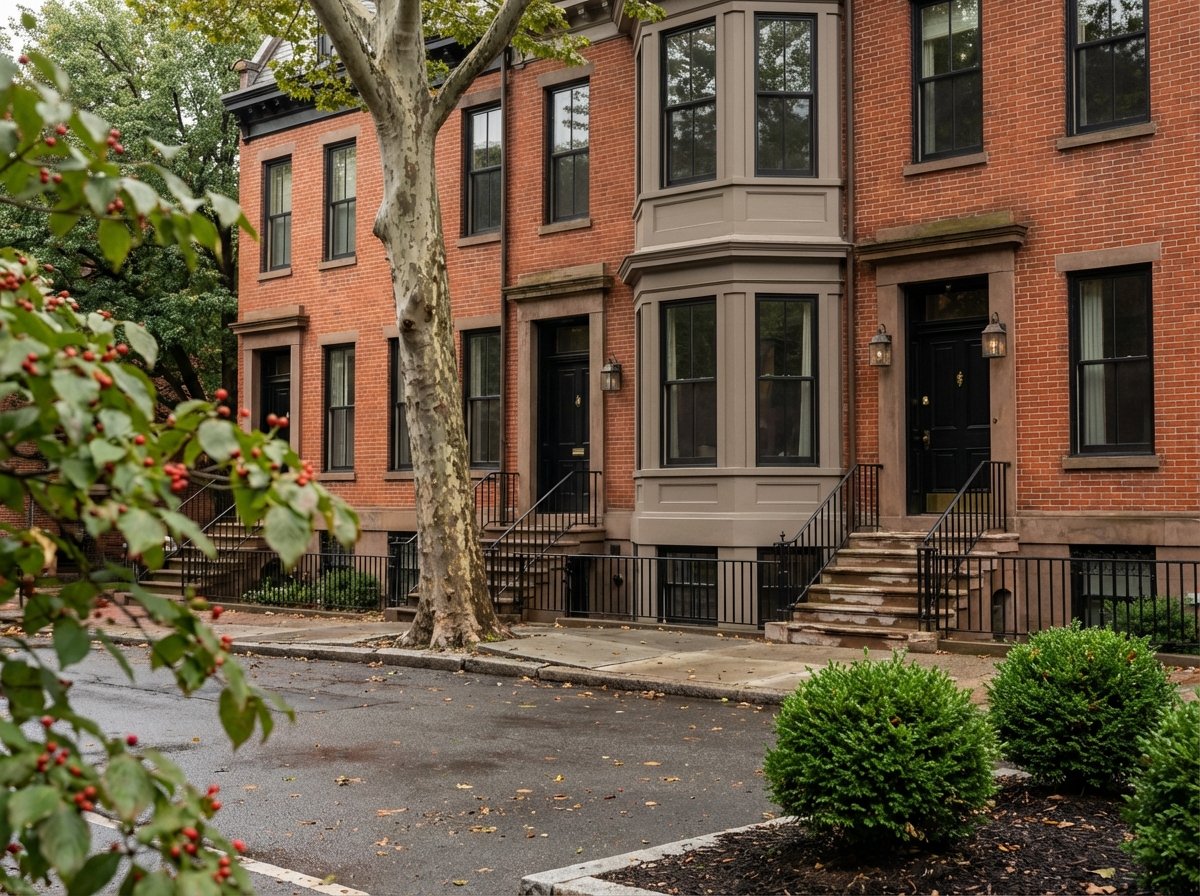
That does not mean every home looks the same. Historic references also point to Tudor Revival and Storybook Tudor examples, which adds variety while keeping the neighborhood visually cohesive. For buyers, that often means a streetscape with architectural detail, traditional scale, and homes that feel established rather than newly assembled.
Green space is part of daily life
Spring Valley’s natural setting is not just visual. It is built into the neighborhood experience. Spring Valley Run flows through Spring Valley Park, and the District completed a stream restoration project in Spring Valley Park in 2019 that repaired the trail, restored native riparian vegetation, and improved public access.
That project also highlights the area’s 32-acre watershed, which helps explain why green space feels so central here. For residents, that can translate into more than curb appeal. It shapes walking routes, neighborhood views, and the overall sense that nature has a real presence in the area.
American University adds another layer
Spring Valley also benefits from its proximity to American University. AU’s main campus at 4400 Massachusetts Avenue NW is described by the university as a 90-acre campus in a residential district with arboretum status, according to American University’s campus information.
The university’s Spring Valley Building at 4801 Massachusetts Avenue NW adds another point of connection, and AU notes that it is about a mile from the Tenleytown Metro and reachable by shuttle. Just as important, the university’s neighborhood partnership includes representation from ANC 3D and the Spring Valley Neighborhood Association, showing an ongoing relationship between the institution and the surrounding community.
For you as a buyer or seller, that adjacency can be meaningful. It reinforces the neighborhood’s established character while adding nearby institutional presence and activity without changing the primarily residential tone.
Shopping stays local and low-key
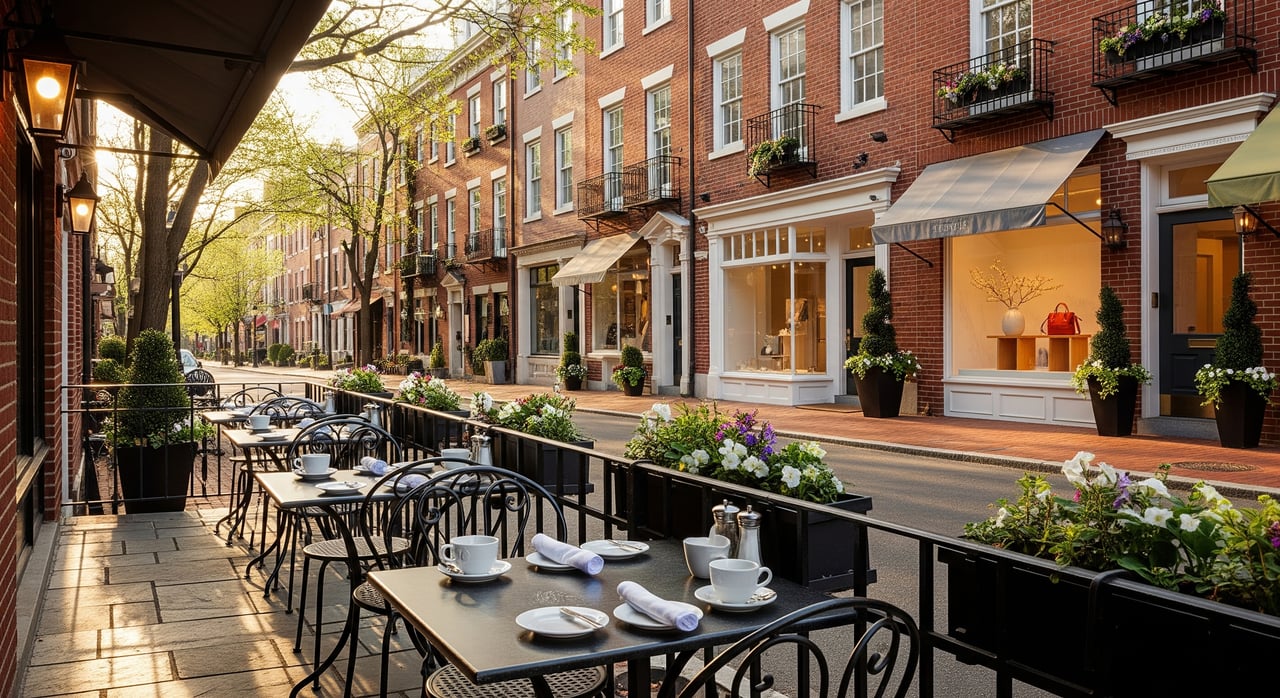
Spring Valley is not built around a major commercial corridor, and that is part of its appeal. The Spring Valley Shopping Center, at Massachusetts Avenue and 49th Street, is described by DC’s Historic Preservation Office as one of the oldest planned neighborhood shopping centers in the metropolitan area. It was designed as a village-like environment with low-scale Colonial Revival buildings that complement the surrounding homes.
That means errands here tend to feel neighborhood-scaled rather than high-intensity. You have a local commercial node, but not the kind of dense, full-length mixed-use strip that defines other parts of Northwest. For many residents, that balance is exactly the point.
How Spring Valley compares nearby
If you are weighing Spring Valley against other Northwest DC neighborhoods, the clearest contrasts are often Tenleytown and Friendship Heights. DC Planning describes Wisconsin Avenue in Tenleytown as a commercial main street with storefronts, outdoor cafe seating, and active bus stops in its Tenleytown public life study. Friendship Heights is described more broadly as a dense commercial area and regional shopping destination.
Spring Valley offers something different. Instead of a busy retail corridor, it centers on a smaller neighborhood shopping area and a more residential street pattern. If you want easier access to an active commercial scene, nearby neighborhoods may feel more convenient. If you prefer a quieter environment with a softer pace, Spring Valley often stands apart.
Community life is steady and local
Although Spring Valley is quieter than many DC neighborhoods, it is not disconnected. The Spring Valley Neighborhood Association events calendar lists recurring gatherings such as Spring in the Valley, Scream Valley Halloween, and a Fourth of July celebration.
Those events help illustrate the neighborhood’s rhythm. Community life here appears to center on seasonal traditions, neighborhood relationships, and coordination among residents, local organizations, and institutions. It is a more civic and residential kind of community life than the street-energy model you might find in denser mixed-use districts.
Who Spring Valley may suit best
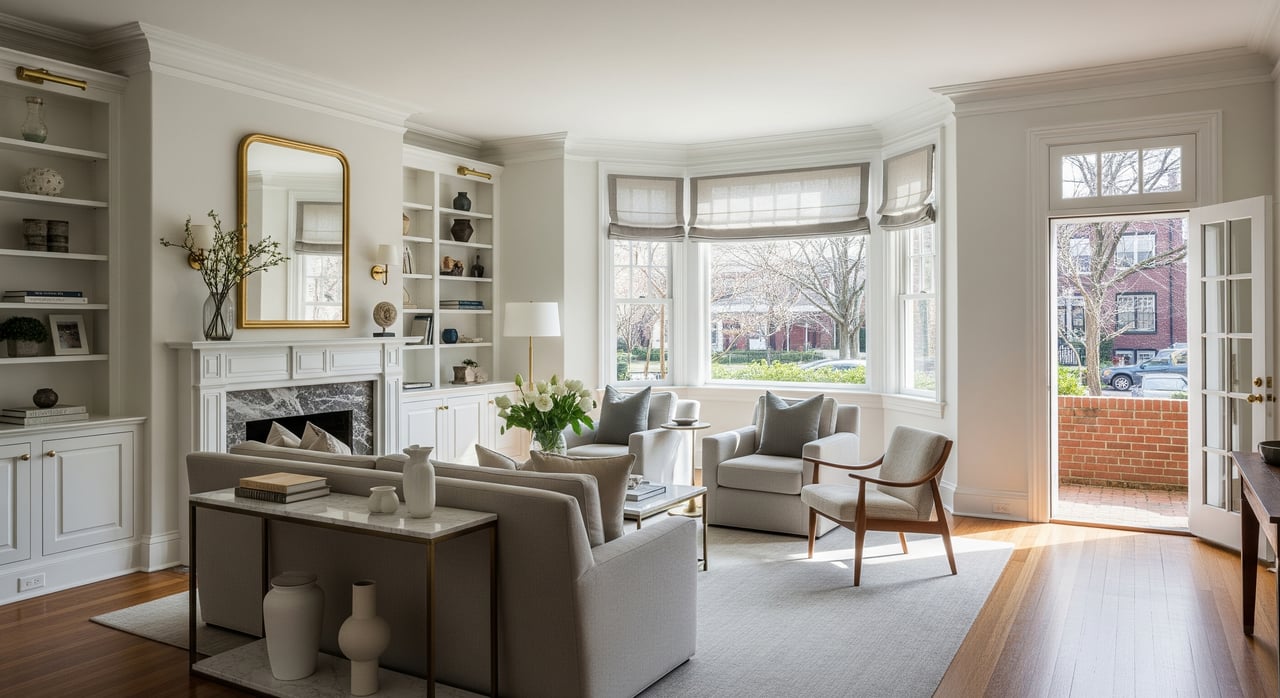
Spring Valley tends to appeal to buyers who want a more private, low-density setting without leaving Washington. If you are drawn to detached homes, mature landscaping, and a neighborhood that feels established and calm, it can be a strong fit.
It can also appeal to sellers whose homes benefit from exactly those features. Larger lots, classic architecture, and a highly residential setting often attract buyers looking for space and a long-term neighborhood feel. In a city with many different living patterns, Spring Valley offers a distinct one.
What to keep in mind as you explore
No neighborhood is one-size-fits-all, and Spring Valley is easiest to appreciate when you see it in context. It is not trying to be downtown, and it is not built around a high-energy retail spine. Its value is in its layout, its homes, its green setting, and its quieter daily rhythm.
If that is what you are looking for, Spring Valley is worth a close look. And if you are preparing to buy, sell, lease, or evaluate a property here, working with a neighborhood-savvy team can help you understand how Spring Valley fits into the broader Northwest DC market. When you are ready for a thoughtful local perspective, connect with Jack Realty Group to book a neighborhood consultation.
FAQs
What is Spring Valley in Washington, DC known for?
- Spring Valley is known for its quiet residential character, winding streets, larger lots, detached homes, mature trees, and neighborhood-scale shopping area.
What types of homes are common in Spring Valley, DC?
- Spring Valley is known for detached homes and architectural styles such as English Revival, Colonial Revival, Tudor Revival, and Classical Revival.
Does Spring Valley, DC have green space?
- Yes. Spring Valley Park and the Spring Valley Run corridor are part of the neighborhood, and the District completed stream and trail improvements there in 2019.
How does Spring Valley compare with Tenleytown or Friendship Heights?
- Spring Valley is more residential and low-density, while Tenleytown and Friendship Heights are more retail- and corridor-oriented.
Is Spring Valley near American University?
- Yes. American University’s main campus is on Massachusetts Avenue NW, and the university also has a Spring Valley Building nearby.
Is there a shopping area in Spring Valley, DC?
- Yes. The Spring Valley Shopping Center serves as the neighborhood’s local commercial node and was planned to complement the surrounding residential area.