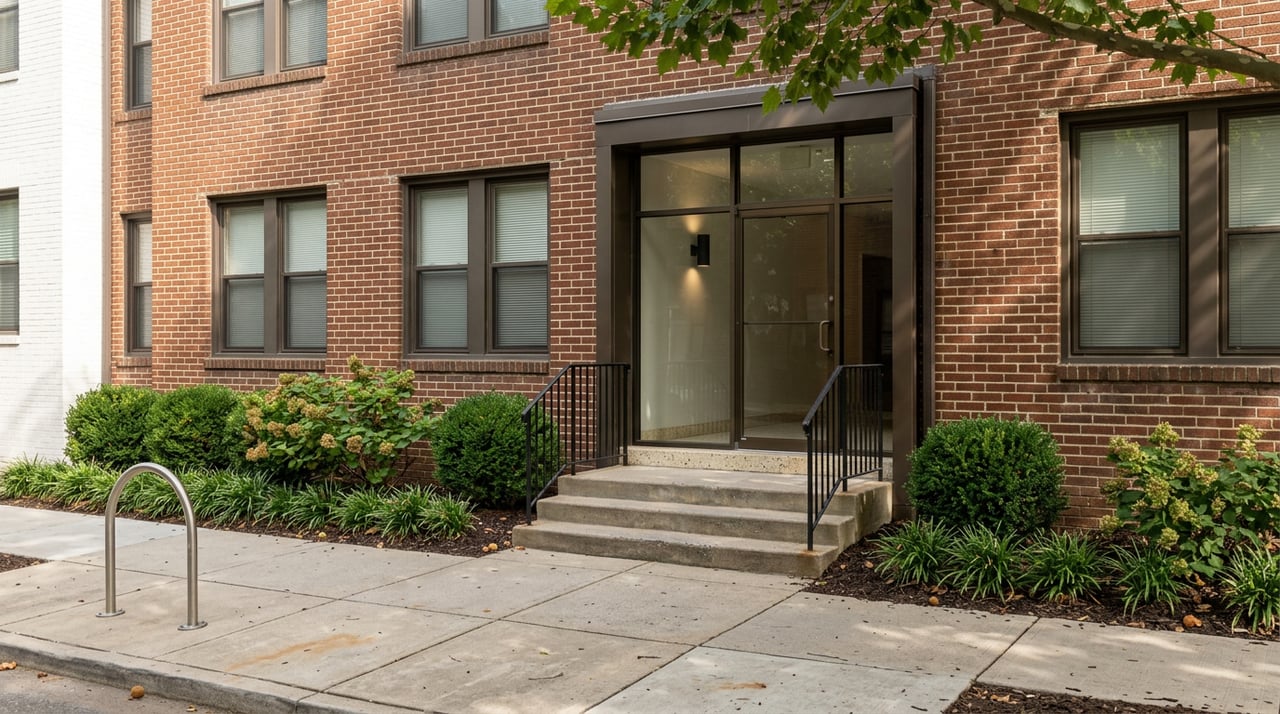
Thinking about ditching your car in Glover Park? You’re not alone. Many residents choose this neighborhood for its compact layout, leafy blocks and easy access to daily essentials. In this guide, you’ll learn how to navigate Glover Park on foot, by bus and by bike, plus what homes to consider if car‑free living is your goal. Let’s dive in.
Why Glover Park works without a car
Glover Park is a compact Northwest DC neighborhood just north of Georgetown, with Wisconsin Avenue as its commercial spine and Glover‑Archbold Park to the west. The area earns a Walk Score of 79, meaning most errands are doable on foot, with Transit and Bike Scores in the 50s that reflect solid bus and cycling options for longer trips. You can review those neighborhood metrics on the Walk Score page for Glover Park.
- Walk Score: 79
- Transit Score: about 52
- Bike Score: about 54
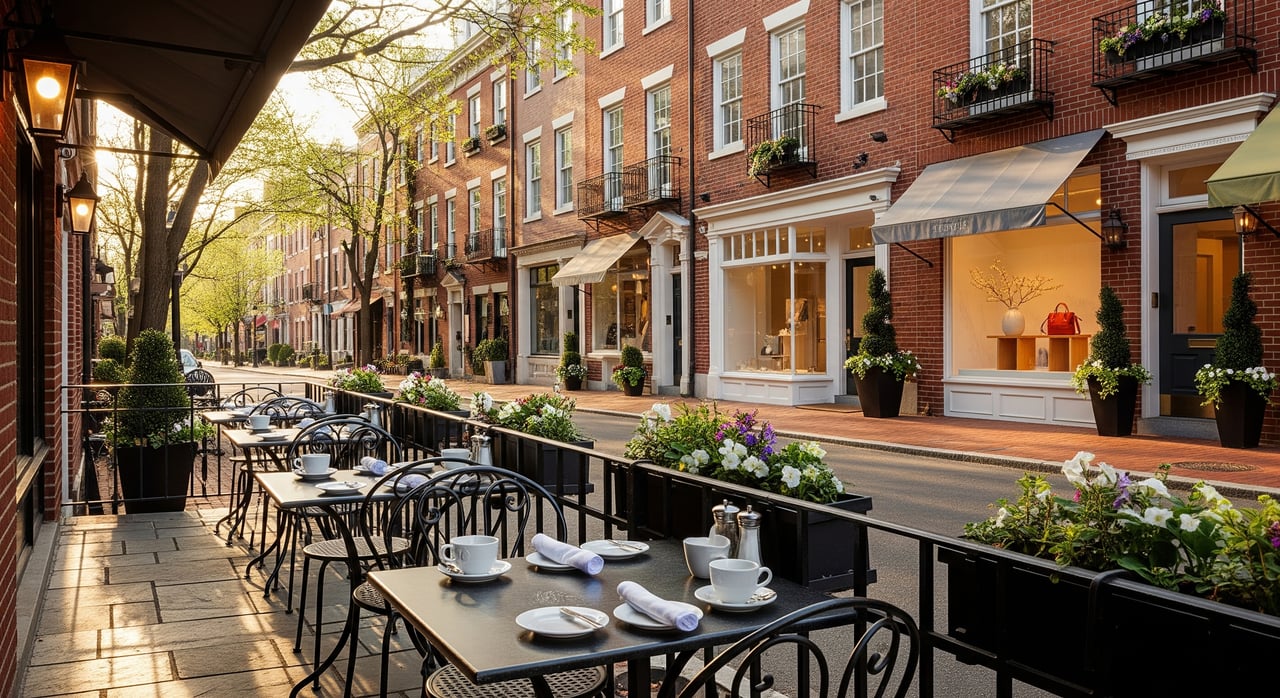
Most day‑to‑day needs sit along Wisconsin Avenue: coffee, casual dining, pharmacy options and small markets. The WDCEP neighborhood profile highlights Wisconsin Avenue as a designated Great Streets retail corridor, which helps keep key services clustered where you can reach them on foot.
References: Walk Score for Glover Park, WDCEP neighborhood profile, Glover Park map
Walking for daily errands
If you live within a few blocks of Wisconsin Avenue, everyday errands feel simple. You can grab coffee, pick up a few groceries, or meet friends for dinner without planning around parking. On weekends, many residents use the seasonal Glover Park–Burleith Farmers’ Market near Hardy Middle School as a walkable alternative for produce and prepared foods.
- Most errands can be done on foot from much of the neighborhood.
- Convenience varies block by block. Closer to Wisconsin Avenue is typically easiest.
- The farmers market adds a walkable grocery option on Saturdays.
Learn more: Walk Score neighborhood details, Farmers’ market listing
Buses and Metrorail connections
Glover Park relies on Metrobus for quick connections to rail and downtown. The D2 route runs between Glover Park and Dupont Circle, serving as the neighborhood’s primary internal bus to the Red Line. For north‑south travel along Wisconsin Avenue, the 31 and 33 routes are the main options, connecting to Friendship Heights and Tenleytown to the north and Georgetown and downtown to the south.
Nearest Metrorail stations include Tenleytown–AU on the Red Line and Foggy Bottom–GWU on the Blue, Orange and Silver lines. Which one you use depends on your block. Many residents take a short bus ride or bike to reach rail quickly.
Helpful links: Glover Park transit resources, D2 route summary, Tenleytown–AU station page
What to expect at night and on weekends
Bus frequency is generally reliable during the day, but it can be lighter late at night or on certain weekends. Check WMATA service alerts and timetables before you head out, especially if you have tight connections. Many car‑free residents use rideshare or bike home after late dinners or events when they want a faster door‑to‑door option.
Biking, bikeshare and scooters
Capital Bikeshare stations sit near the heart of Glover Park, including around Calvert Street at 36th Street and 39th Street. The e‑bike options are popular for climbing hills and for quick trips to Dupont, Georgetown or a nearby Metrorail stop. Dockless e‑scooters and e‑bikes are widely available in DC and work well for short hops or first‑mile and last‑mile needs.
- Look for homes near Capital Bikeshare docks if you plan to rely on bikes.
- E‑bikes help flatten the neighborhood’s hills.
- Scooters are a realistic backup for short trips.
Resources: Capital Bikeshare, Glover Park map with key locations
Terrain, parks and trails
Glover Park’s hills are part of its charm, but they matter for how you get around. If you prefer flat routes, plan trips that follow Wisconsin Avenue or bring an e‑bike into your routine. For recreation, Glover‑Archbold Park offers wooded trails and a green corridor that links into the broader Rock Creek Park system. It is fantastic for walking and running, and some residents use segments as quiet cut‑throughs.
Explore: Glover‑Archbold Park overview
Housing options near transit and shops
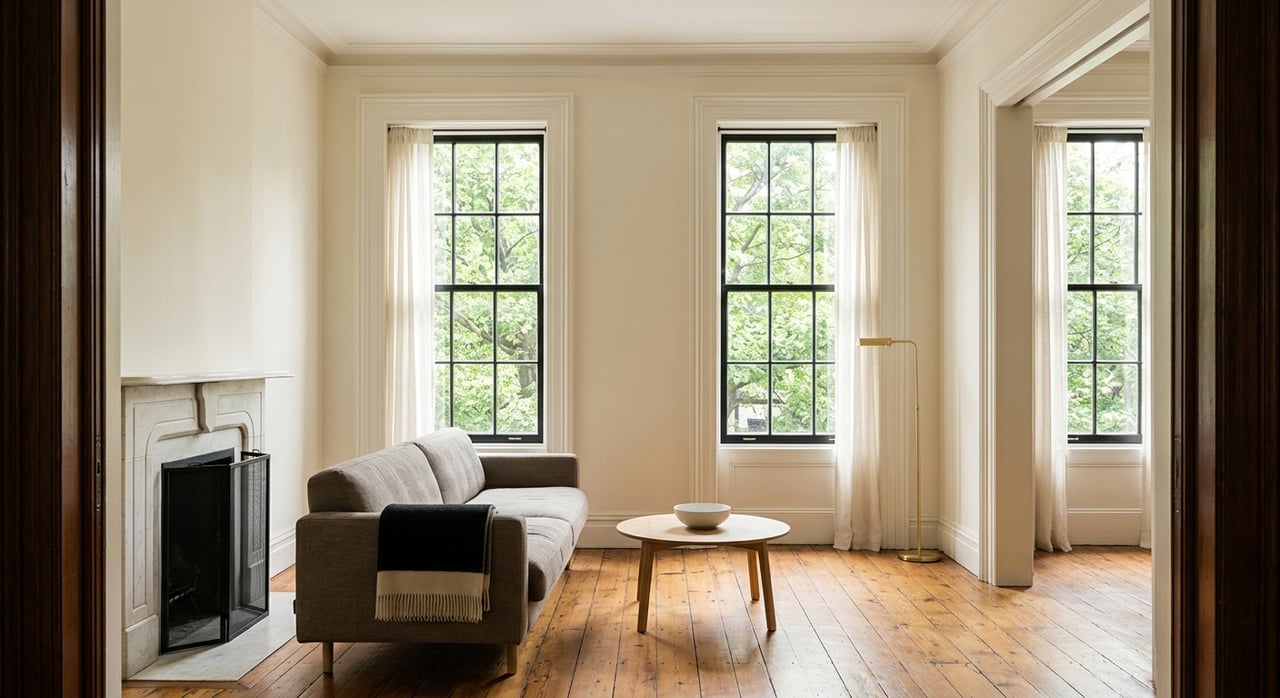
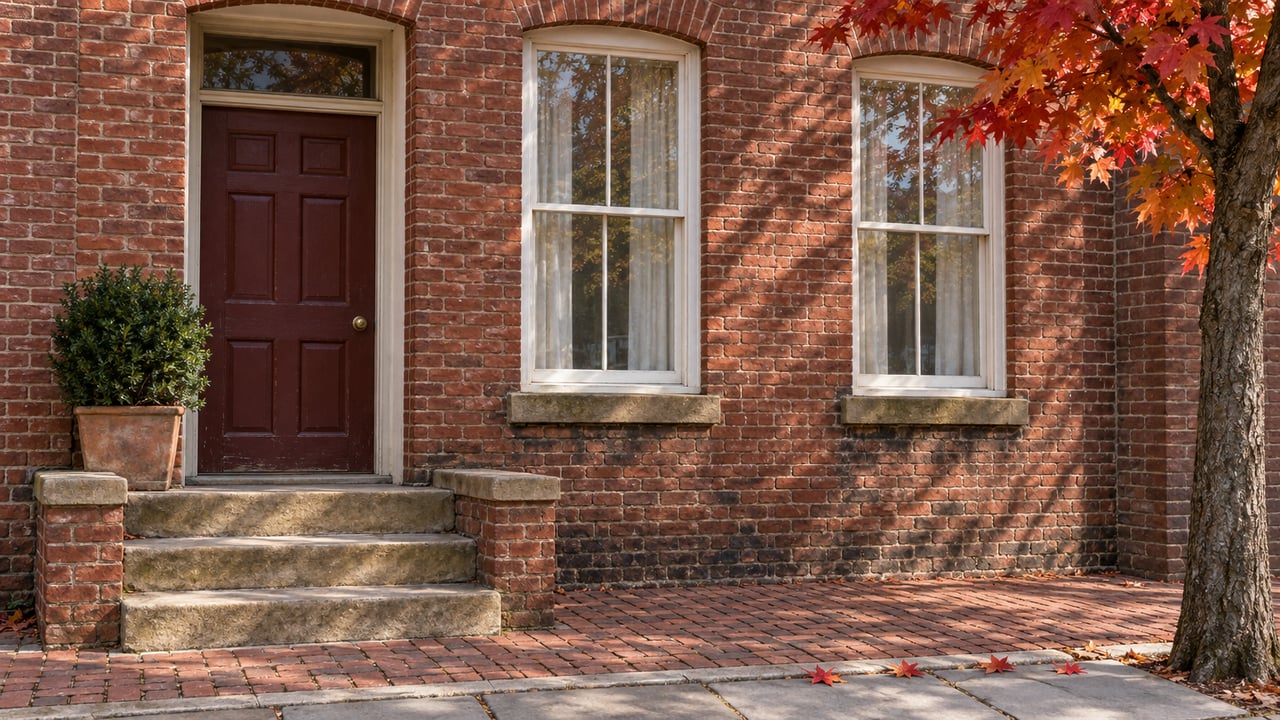
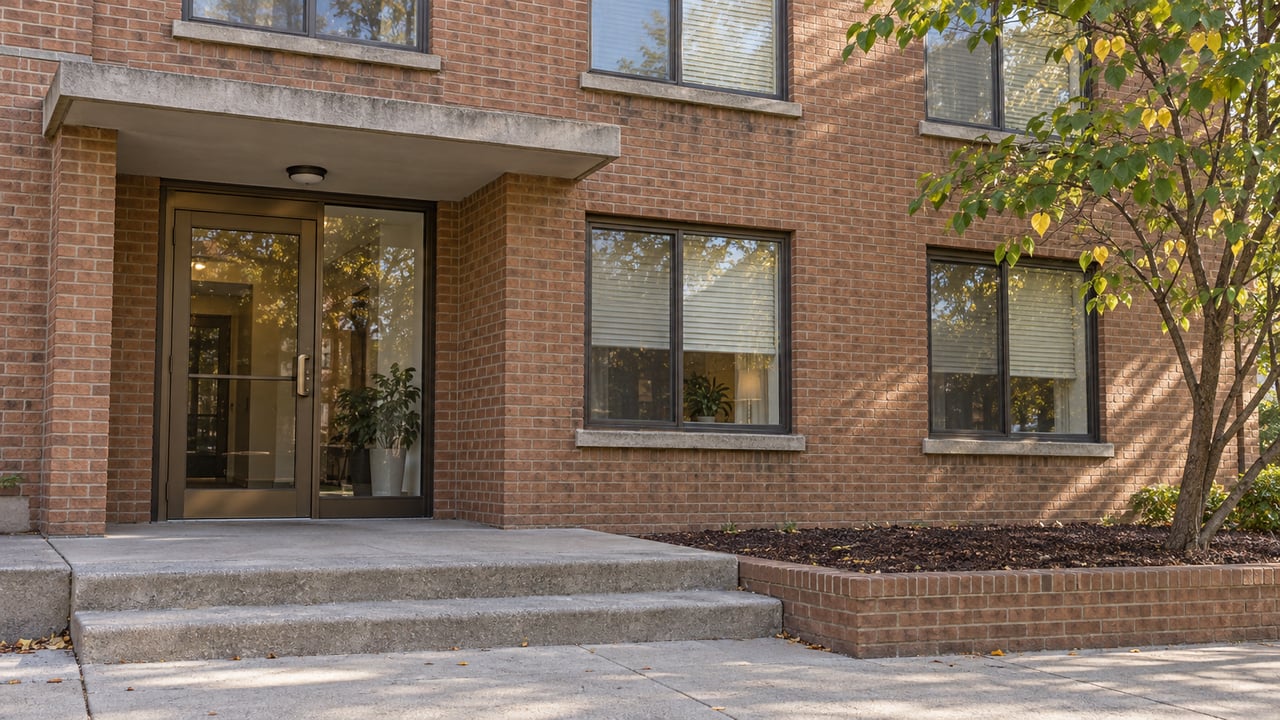
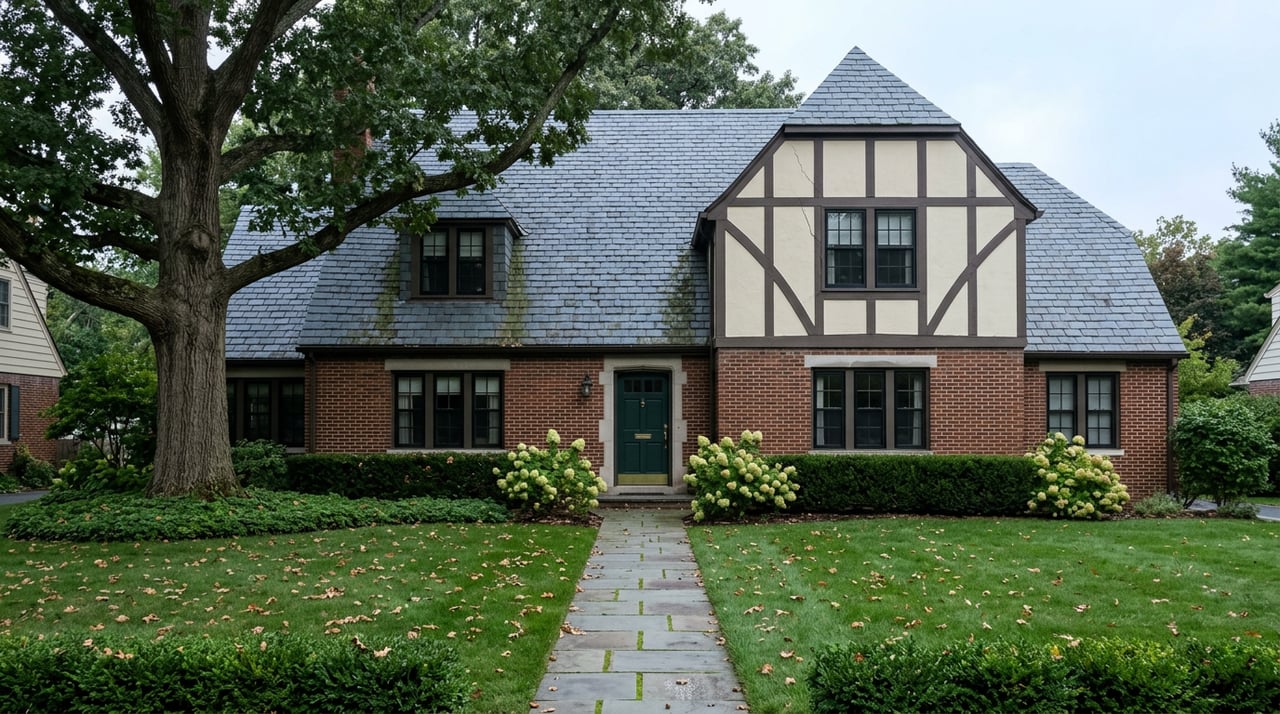
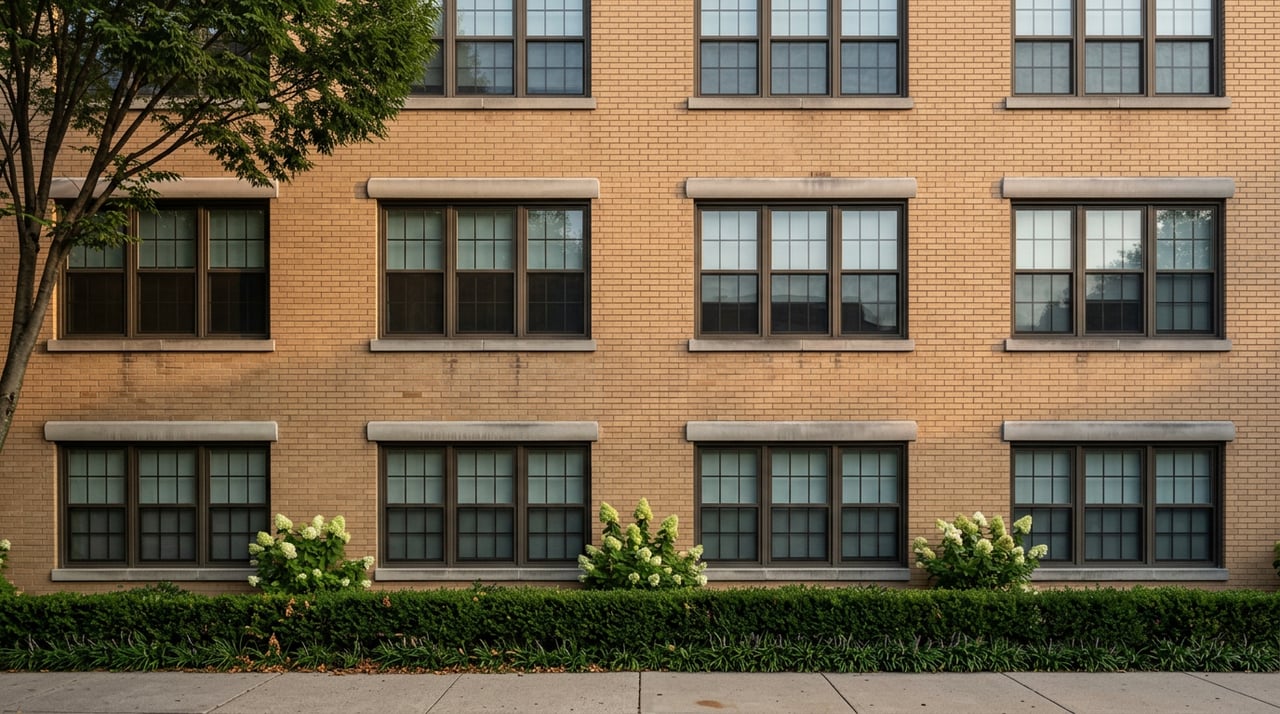
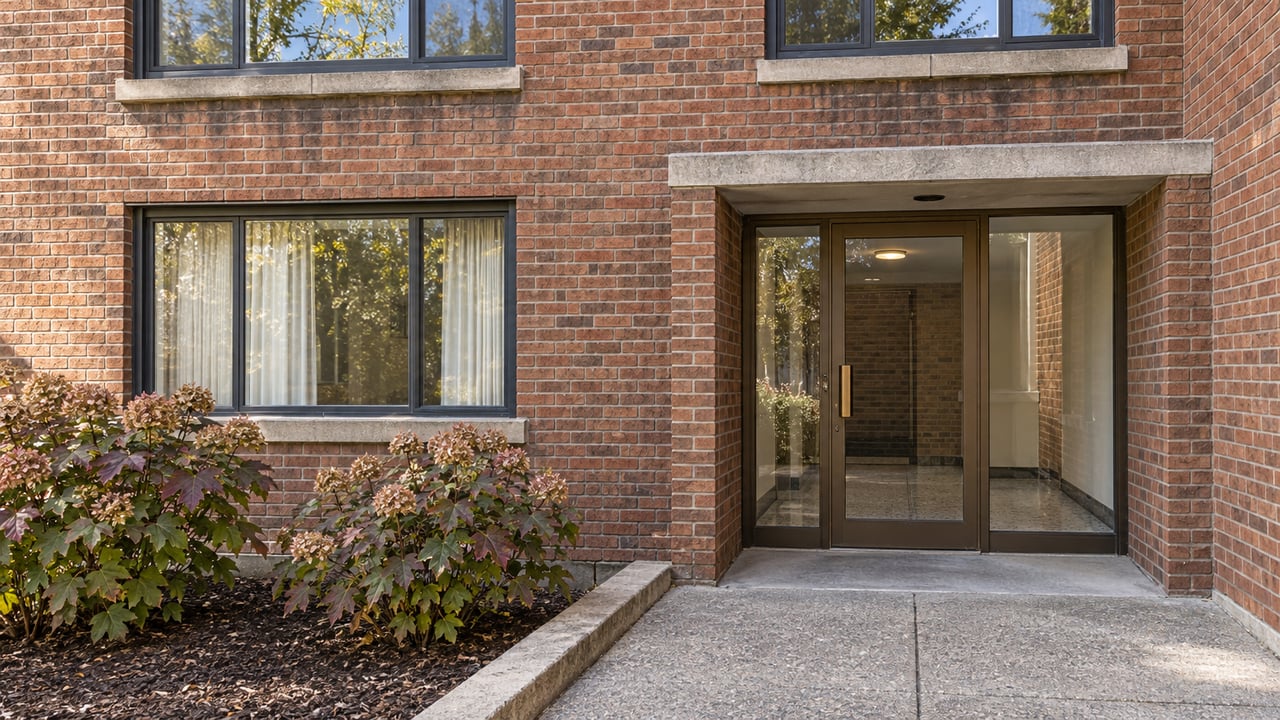
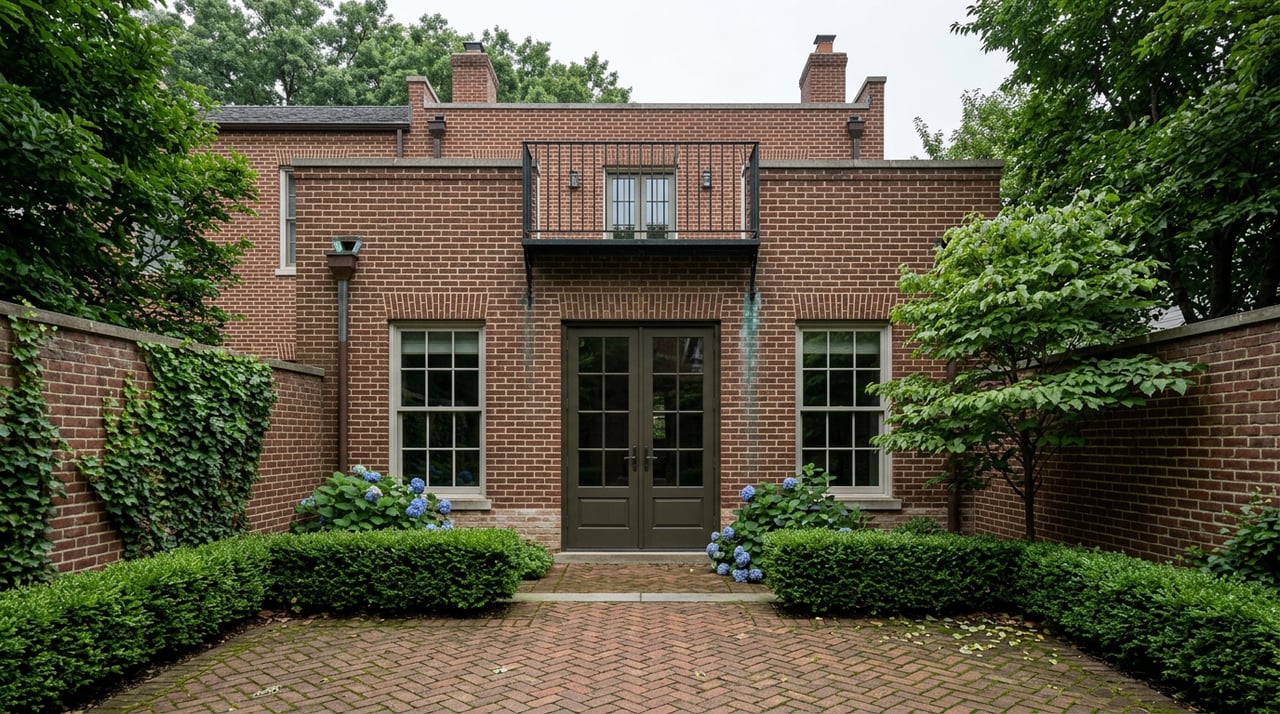
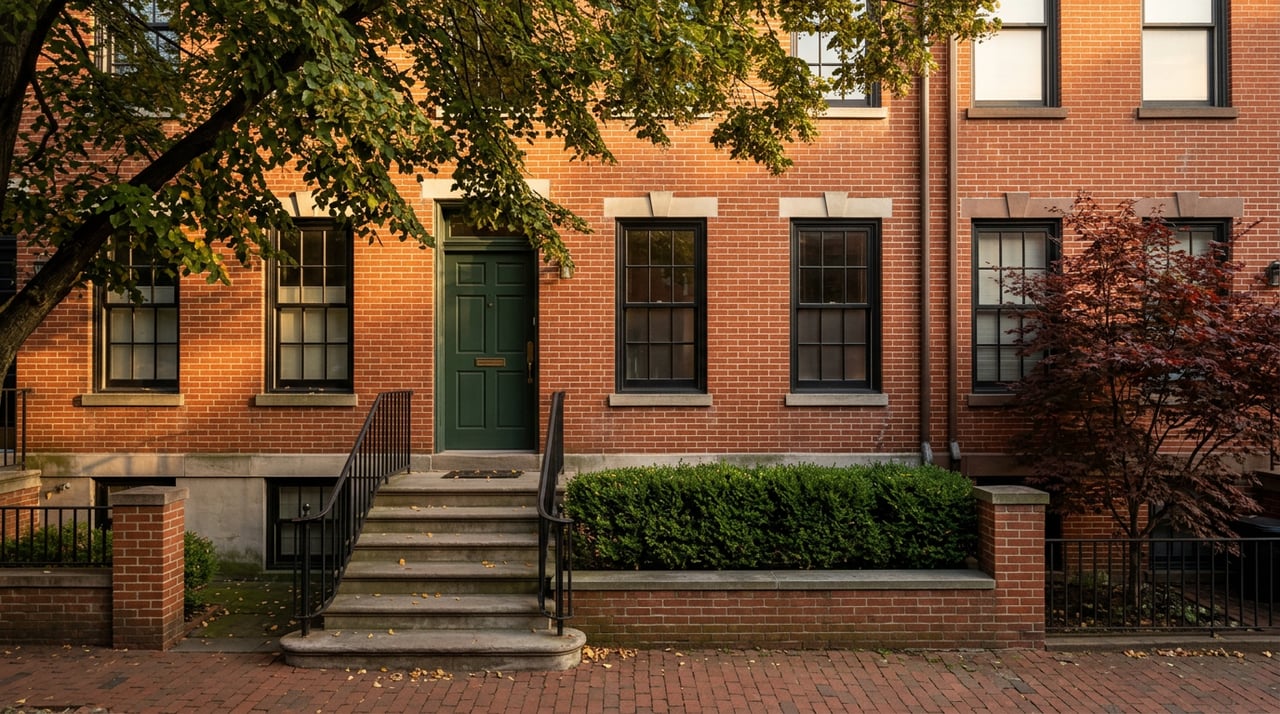
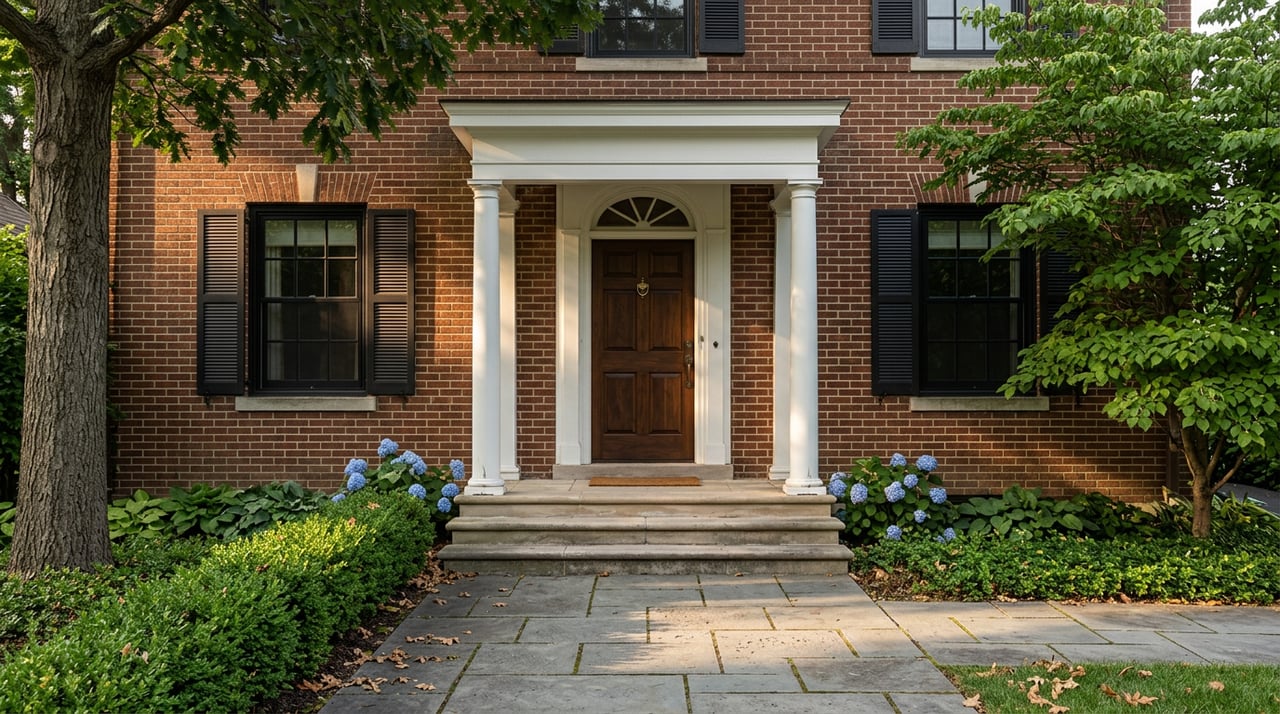
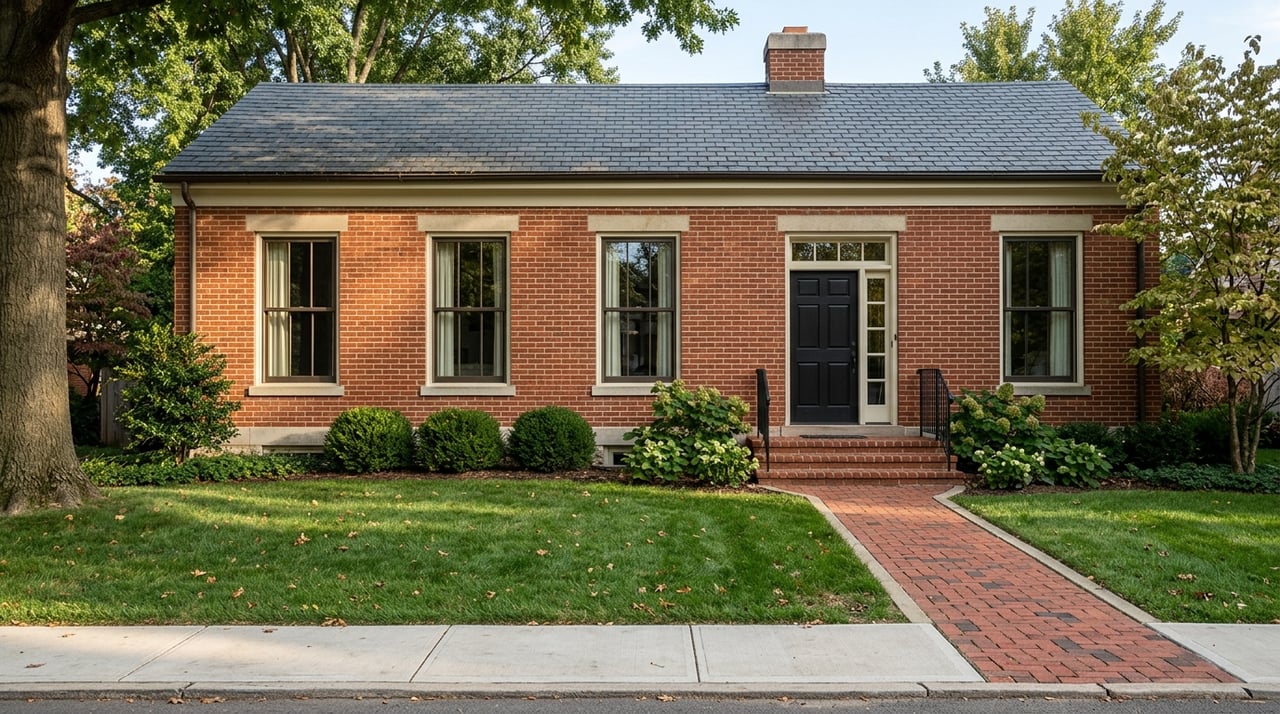
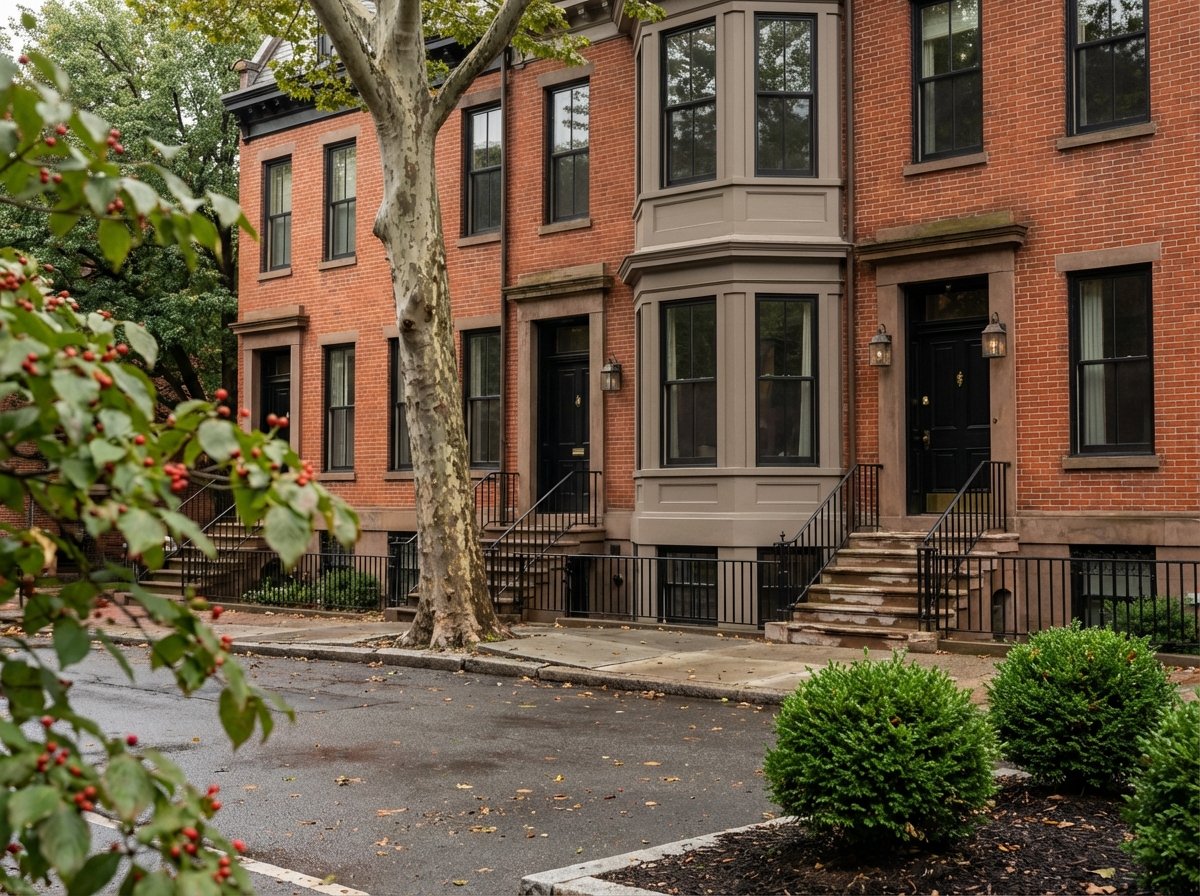
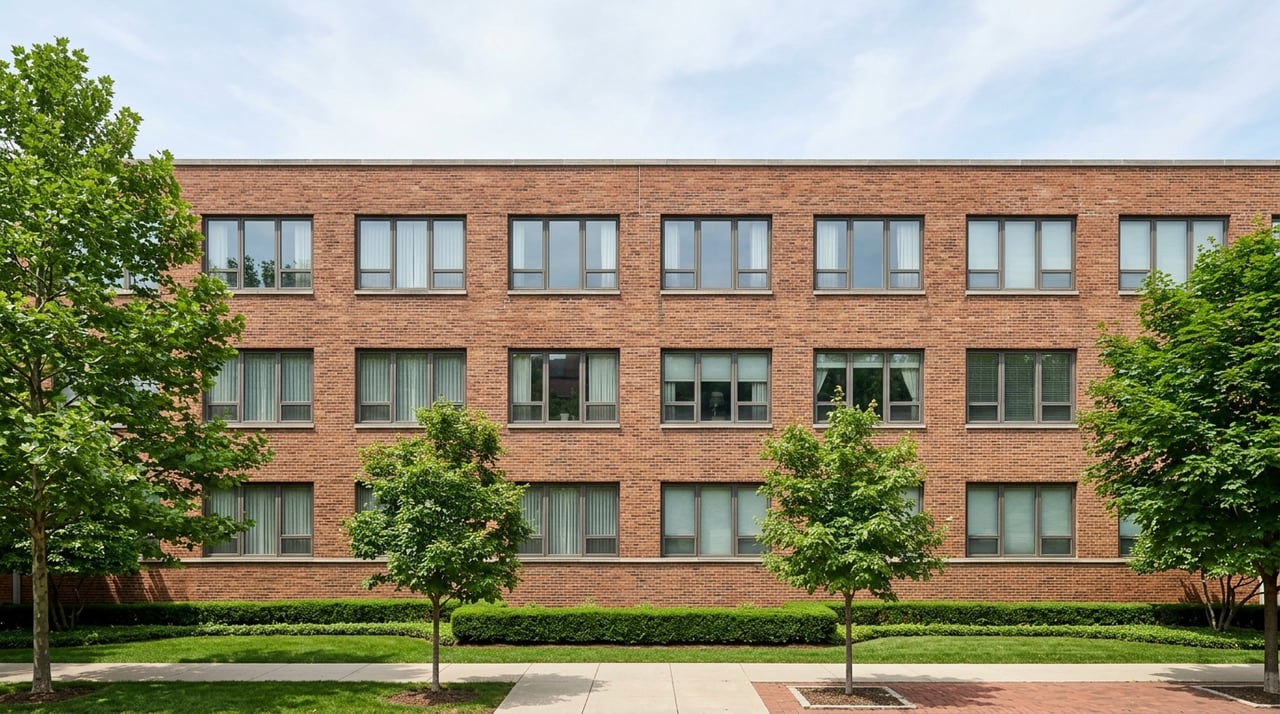
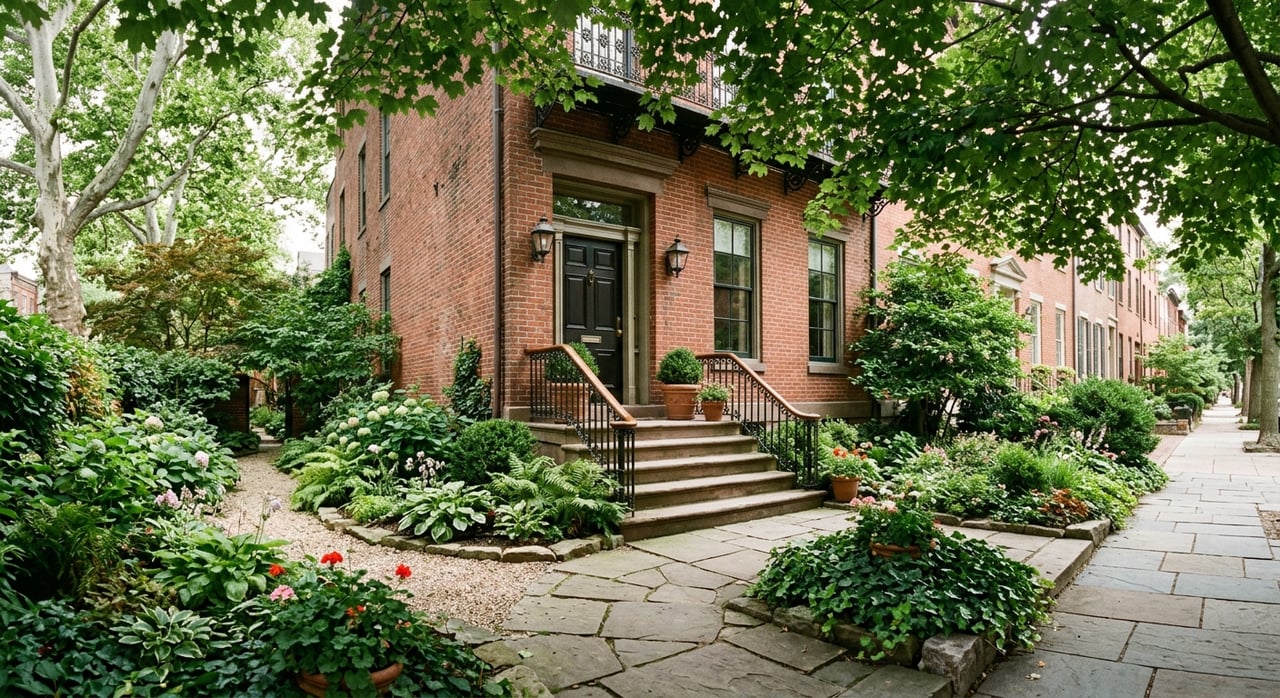
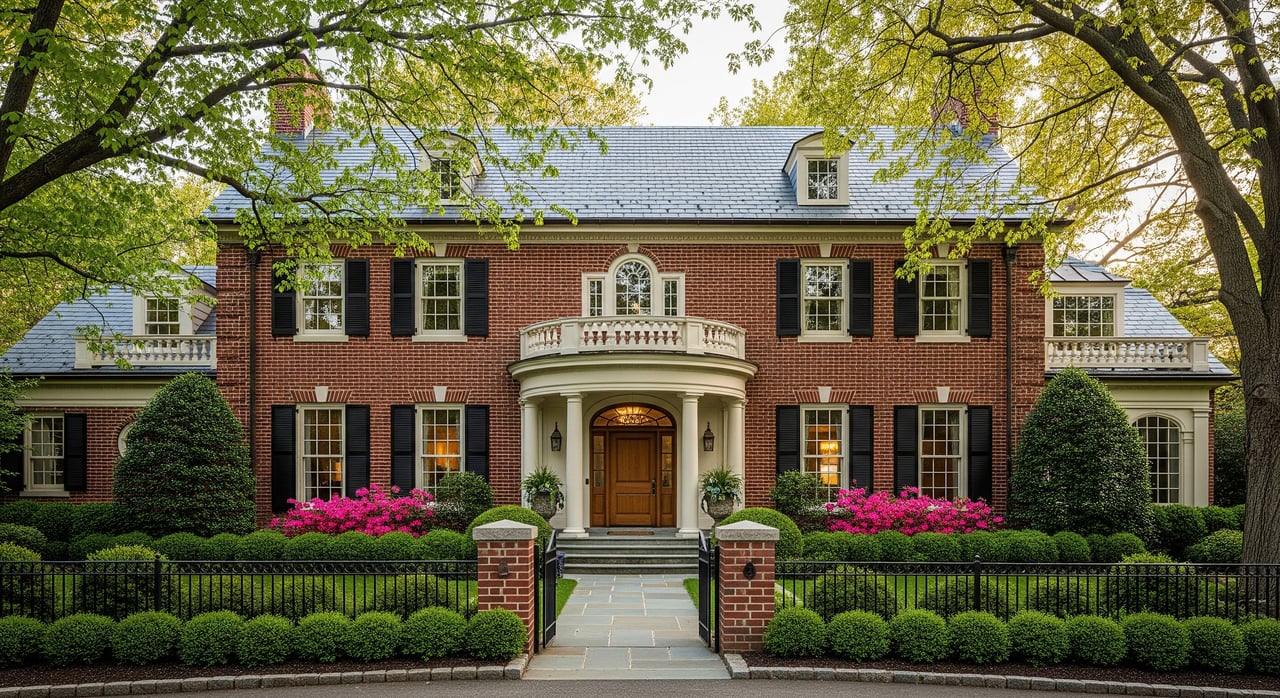
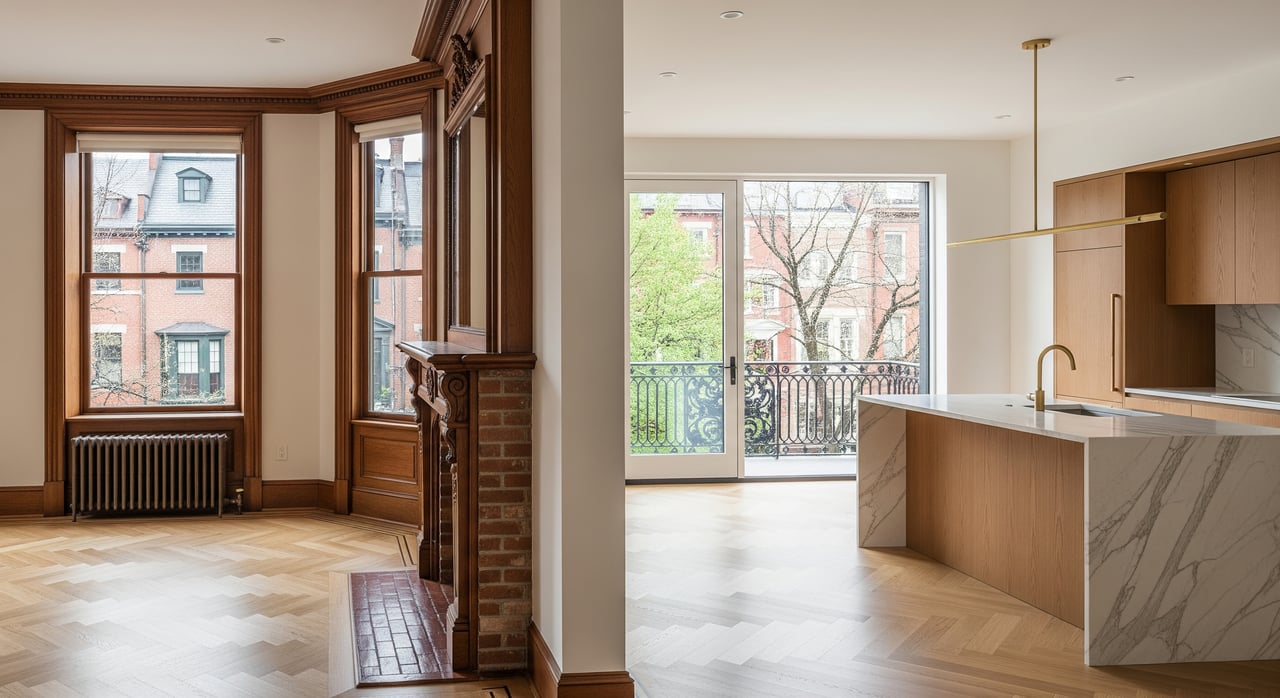
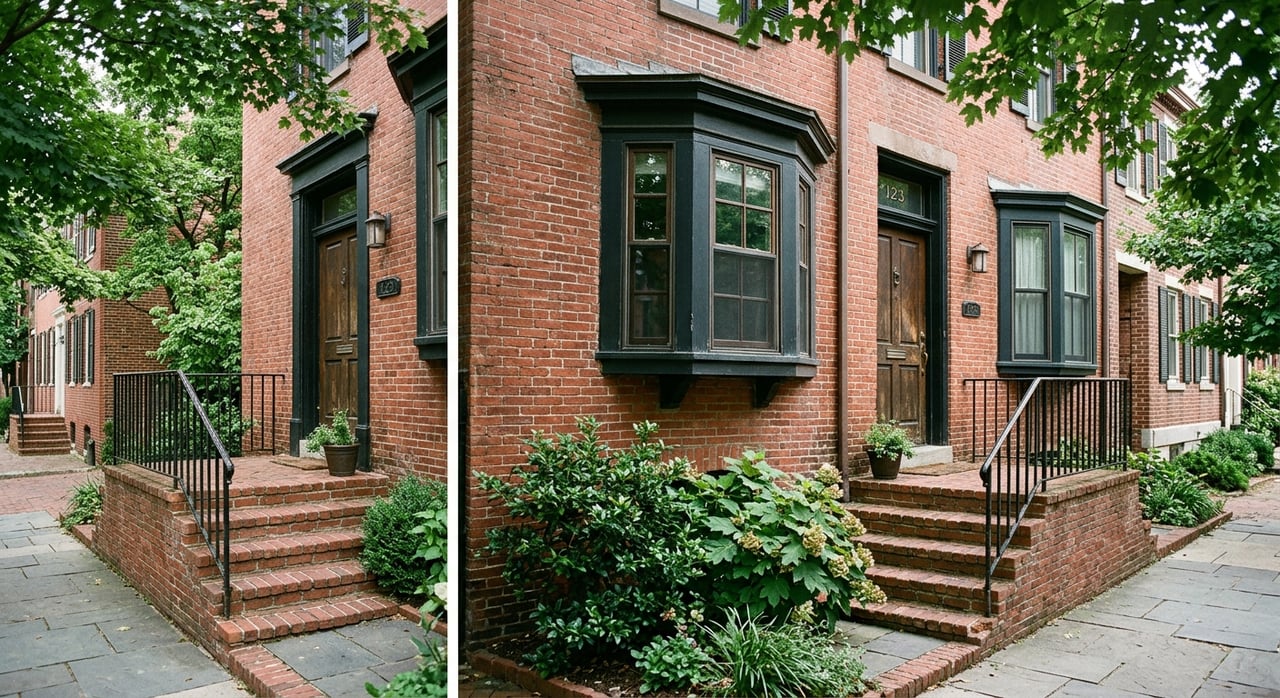
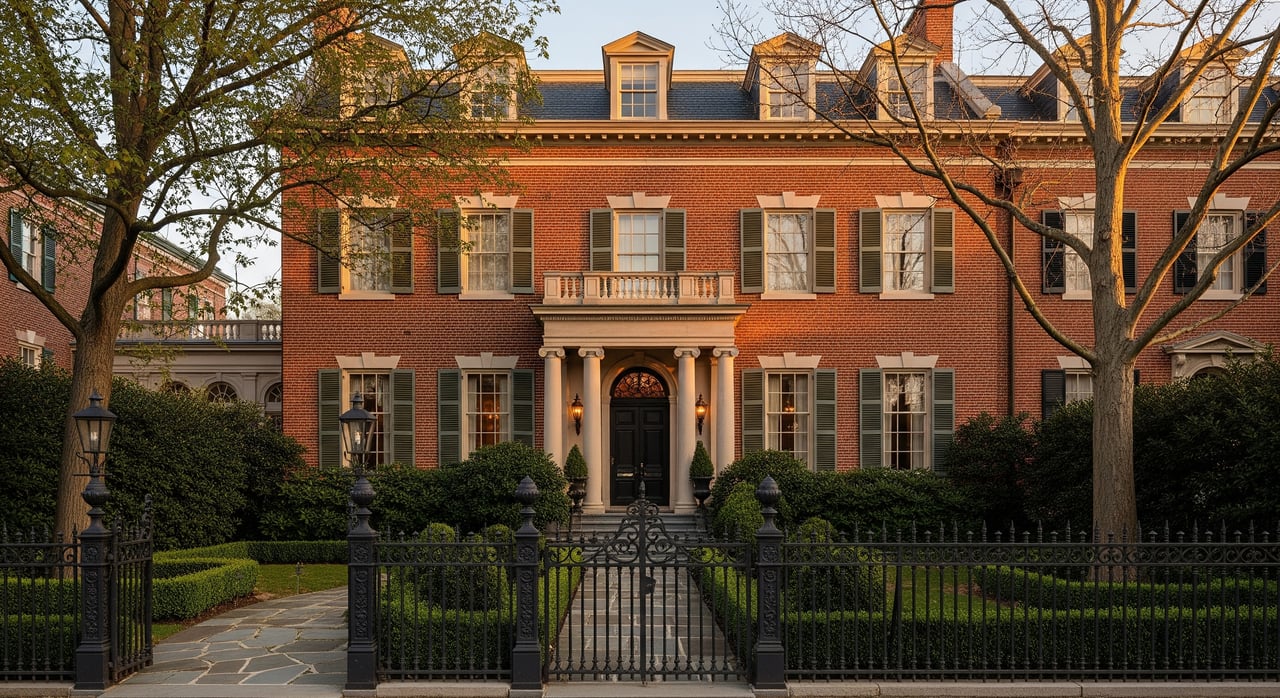
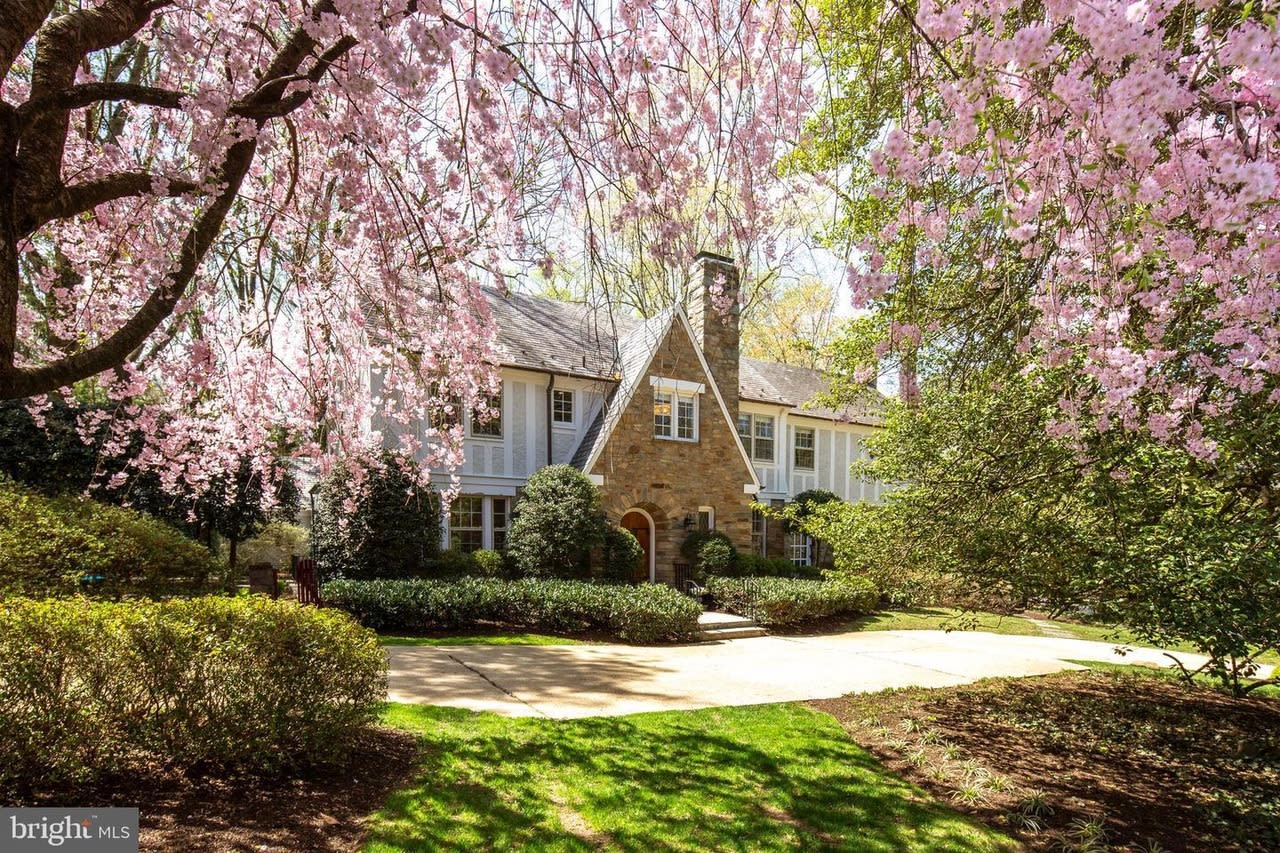
You will find a mix of classic DC rowhomes and townhouses, low‑rise condo buildings and a handful of small apartment communities. This variety works well for both renters and buyers who want a walkable lifestyle. The WDCEP neighborhood profile outlines the area’s housing and retail mix, which helps illustrate why so many residents live car‑light.
If you are budgeting for a purchase, recent neighborhood snapshots in early 2026 show a median sale price around the low‑to‑mid $800,000s, with smaller condo options often in the roughly $250,000 to $400,000 range and townhouses commonly between about $900,000 and $1.5 million. Prices change with the market and by property condition, but these tiers give you a practical starting point.
Tip: If car‑free living is a priority, focus on homes within a 5 to 10 minute walk of Wisconsin Avenue or near Capital Bikeshare stations at Calvert and 36th or Calvert and 39th. Interior blocks near Glover‑Archbold Park are quieter and greener, though they may sit a bit farther from bus stops.
Learn more: WDCEP neighborhood profile, Glover Park map
Daily life without a car: sample routines
Here are a few realistic ways your week might look without a car:
- Morning commute to the Red Line: Walk to the D2 stop and bus to Dupont Circle, then continue downtown on rail if needed.
- North‑south errands: Hop on the 31 or 33 along Wisconsin Avenue for quick trips to Tenleytown, Friendship Heights or Georgetown.
- Grocery run: Do light shopping on foot during the week. On Saturday, swing by the Glover Park–Burleith Farmers’ Market for produce and specialty items.
- Fitness and fresh air: Jog the trails in Glover‑Archbold Park or ride an e‑bike down to the waterfront in Georgetown.
- Evenings out: For late returns when bus headways are longer, plan on bikeshare or a rideshare home.
Newcomer checklist: car‑free hacks
Use this quick checklist to set yourself up for success.
- Pick a home near the spine. Prioritize locations close to Wisconsin Avenue or near Capital Bikeshare docks for easier daily movement.
- Set up bikeshare. Activate Capital Bikeshare and download the app before move‑in so you can grab a bike on day one.
- Plan grocery day. Do small, frequent trips on foot. For bulky items, schedule delivery, use a rideshare for the return leg, or consider a cargo bike if you plan frequent hauls.
- Night and weekend transit. Check WMATA schedules before late outings. If timing is tight, consider bikes or rideshare as a backup.
- Visitor parking. DC’s Residential Permit Parking program uses the ParkDC Permits portal for visitor and temporary permits. Bookmark the page and request passes ahead of guest arrivals.
Helpful link: ParkDC Permits and visitor passes
Where to live for car‑free ease
If you want an effortless car‑free routine, concentrate your search near Wisconsin Avenue’s retail corridor. Proximity to the D2 and the 31 and 33 routes simplifies commuting and errands. Homes within a short walk of the Capital Bikeshare docks at Calvert Street and 36th or 39th often deliver the best balance of quiet blocks with quick access to transit.
Interior streets by Glover‑Archbold Park offer a more secluded feel with strong access to trails. They are ideal if you value greenery and do not mind a slightly longer walk to bus stops and shops. Use neighborhood maps to confirm distances and hills from any specific address.
Explore: Glover Park map, D2 route summary
Is car‑free right for you?
For many younger professionals and downsizers, the answer is yes. You can cover most of your life within a short walk, and buses, bikeshare and scooters fill in the gaps. The tradeoffs are real: expect hills and occasional lighter bus frequency late at night. Visit at different times of day, test your door‑to‑door routes and make sure the rhythm matches how you live.
If you want tailored guidance on specific blocks, buildings or price points, we are here to help. Connect with Jack Realty Group for a neighborhood consultation and a short list of options that fit a car‑free lifestyle in Glover Park.
FAQs
Can you live in Glover Park without a car?
- Yes. With a Walk Score of 79 and clustered amenities on Wisconsin Avenue, many residents handle daily needs on foot, then use buses, bikeshare or scooters for longer trips.
How do you reach Metrorail from Glover Park?
- Take the D2 bus to Dupont Circle for the Red Line, or use the 31 and 33 on Wisconsin Avenue to connect to Tenleytown–AU and other stations. Check the Tenleytown–AU station page and the D2 route summary for context.
What are typical home prices for Glover Park buyers in 2026?
- Early‑2026 snapshots show a median sale price around the low‑to‑mid $800,000s, with many condos in roughly the $250,000 to $400,000 range and townhouses about $900,000 to $1.5 million. Prices change with the market.
Where are the bikeshare and scooter options in Glover Park?
- Capital Bikeshare docks sit near Calvert Street at 36th and 39th, and e‑bikes are available. Dockless scooters and e‑bikes are common across DC. See Capital Bikeshare and the Glover Park map.
How do visitor parking permits work if friends drive over?
- Most RPP blocks use the District’s ParkDC Permits portal for visitor and temporary passes. Request permits in advance and review block‑specific rules. Start here: ParkDC Permits.