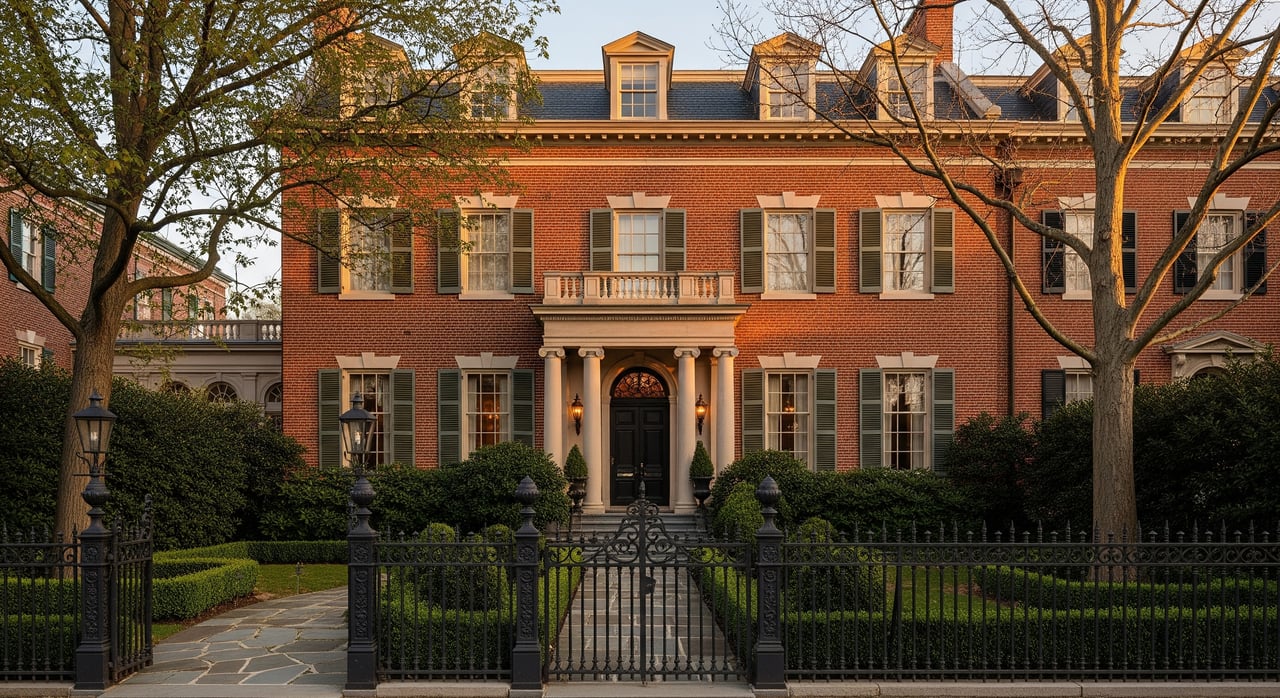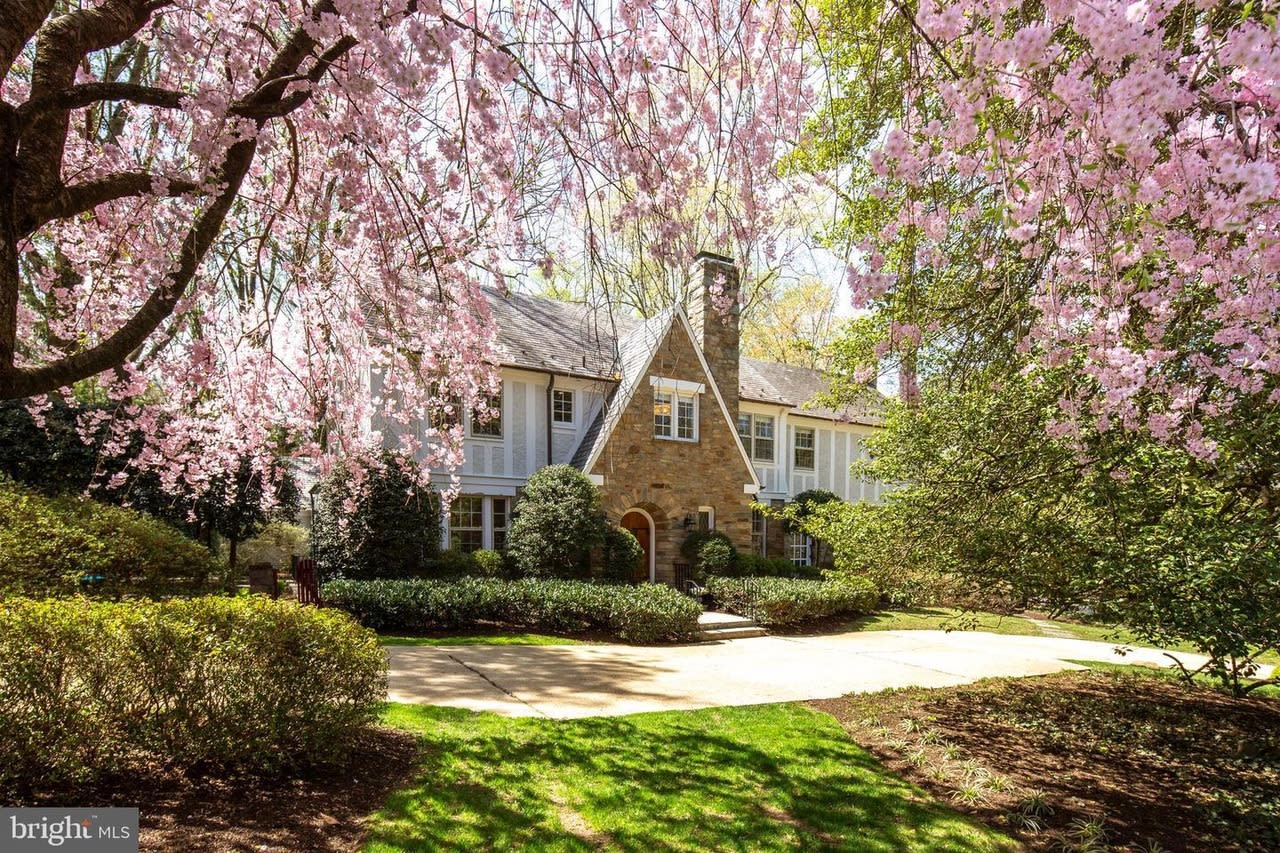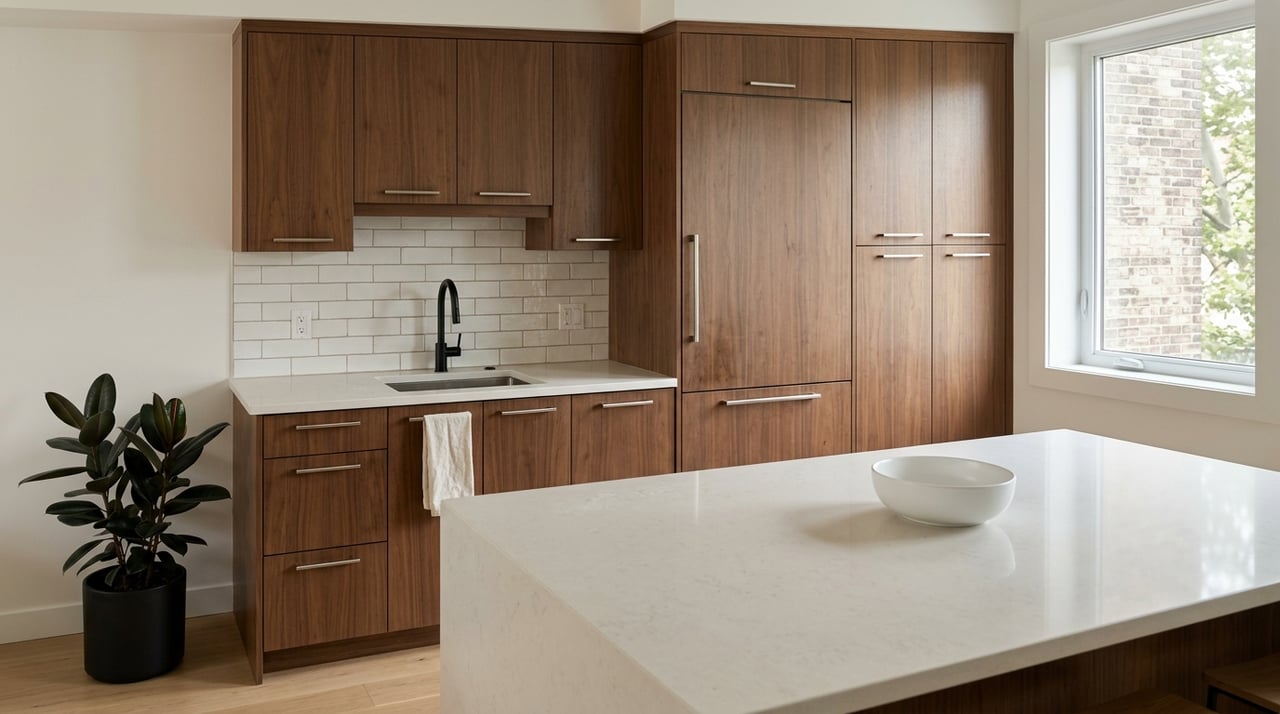
Pricing a Georgetown townhome can feel simple until you look closer. One block may trade on quiet residential charm, while another is shaped by waterfront access, visitor activity, or a different housing mix altogether. If you want to price well in today’s market, you need more than a Georgetown average. You need a block-aware strategy grounded in recent sales, real public records, and the features buyers are actually paying for. Let’s dive in.
Georgetown Is Not One Market
A smart pricing strategy starts with one basic truth: Georgetown behaves like a collection of micro-markets, not one uniform neighborhood. Georgetown BID separates the area into sub-neighborhoods including Wisconsin Avenue, M Street, Georgetown Waterfront, C&O Canal, Book Hill, East Village, West Village, and the broader residential area.
That matters because buyers do not value every Georgetown location the same way. A townhome on a quieter residential block north of M Street may compete against a very different set of homes than a property closer to the retail core or the waterfront. In practice, pricing against a broad Georgetown average is usually too blunt to be useful.
Recent data also shows why precision matters. Redfin reported a March 2026 median sale price of $1.65 million in Georgetown, with 57 median days on market and a 98.8% sale-to-list ratio. Realtor.com reported a March 2026 median listing price of $2 million, 38 median days on market, and a 98% sale-to-list ratio. The numbers differ because sold data and list data measure different things, but both point to the same takeaway: Georgetown is a premium market where disciplined pricing still matters.
Start With the Closest Comp Cluster
If you are pricing a Georgetown townhome today, the safest starting point is the nearest and most relevant cluster of recent closed sales. That means homes in the same sub-neighborhood, on a similar block type, with a similar scale and condition.
You should then adjust from that cluster based on the features buyers consistently reward. In Georgetown, those adjustments often come down to four factors: parking, outdoor space, renovation level, and exact location within the neighborhood.
Current active inventory still matters, but closed sales should lead the analysis. In a market where homes are often selling close to asking, it is easy to anchor to an optimistic list price. The better move is usually to build your range from proven sales first, then test it against current competition.
Price by Block, Not Just by ZIP Code
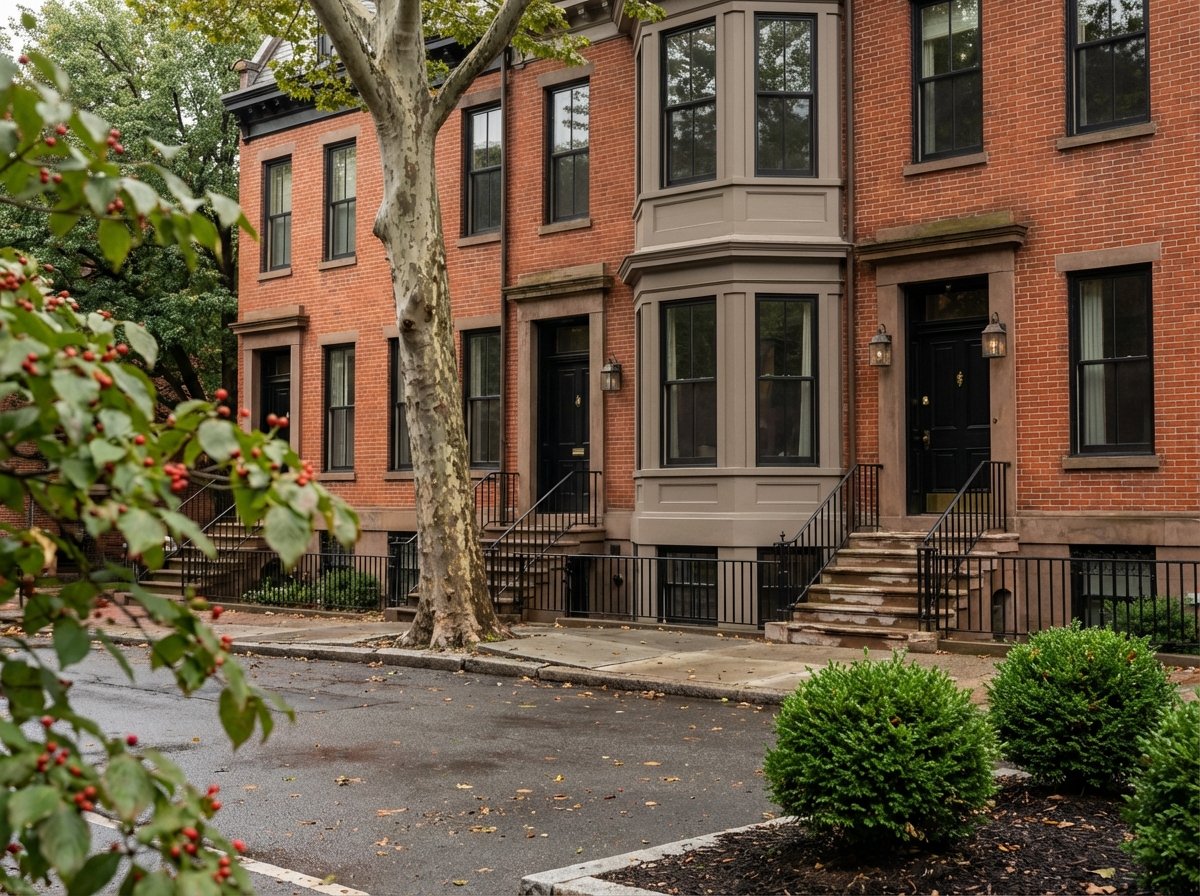
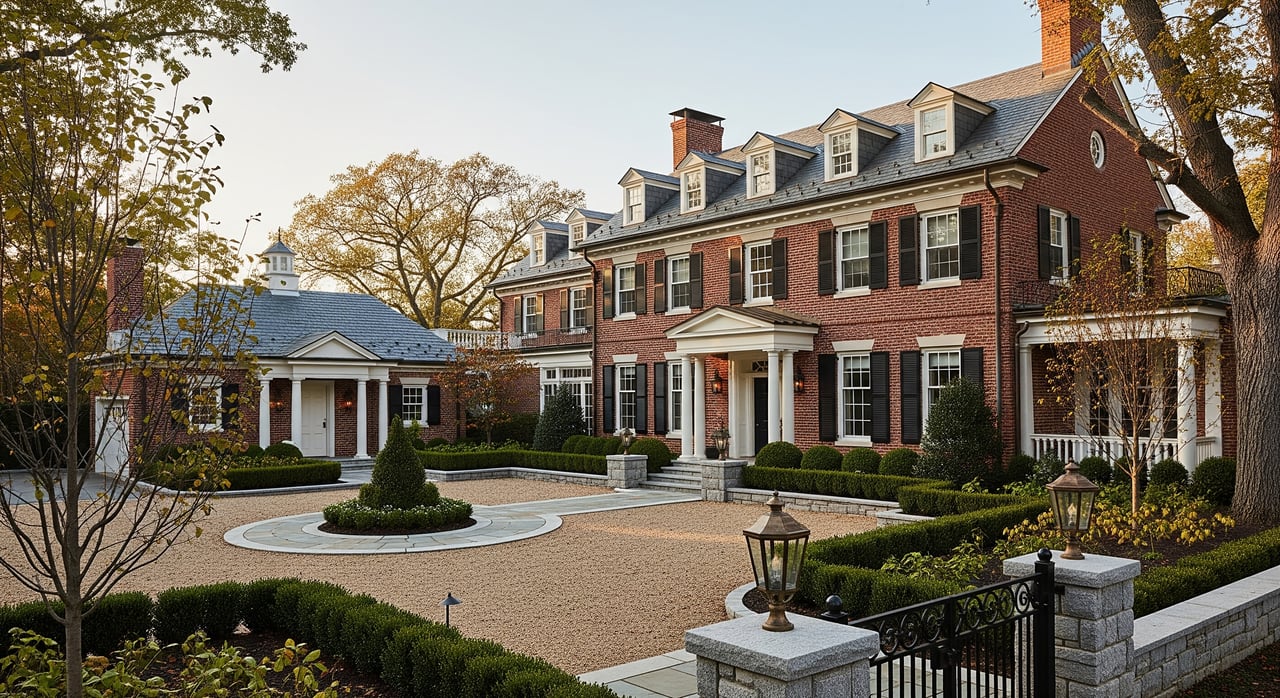
Block-level location can have a major effect on value in Georgetown. Georgetown BID notes that many quiet residential streets north of M Street, on either side of Wisconsin Avenue, include homes dating back as early as the 18th century. That setting is very different from the retail and visitor environment along M Street and near the waterfront.
Neighborhood-level data also shows meaningful spread between submarkets. Realtor.com’s March 2026 neighborhood breakdown showed West Village listing prices above East Village. That does not mean one area is universally better than another. It means your townhome should be priced against the most comparable nearby segment of the market, not against a one-size-fits-all Georgetown number.
For sellers, this is where experience matters. Two homes with similar square footage can command different prices based on street character, noise patterns, parking access, and proximity to waterfront or commercial amenities.
Condition Carries Extra Weight in Georgetown
Renovation quality often matters even more in Georgetown than in many other D.C. neighborhoods. The DC Office of Planning notes that Georgetown is a historic district, and exterior work is reviewed differently than in much of the rest of the city.
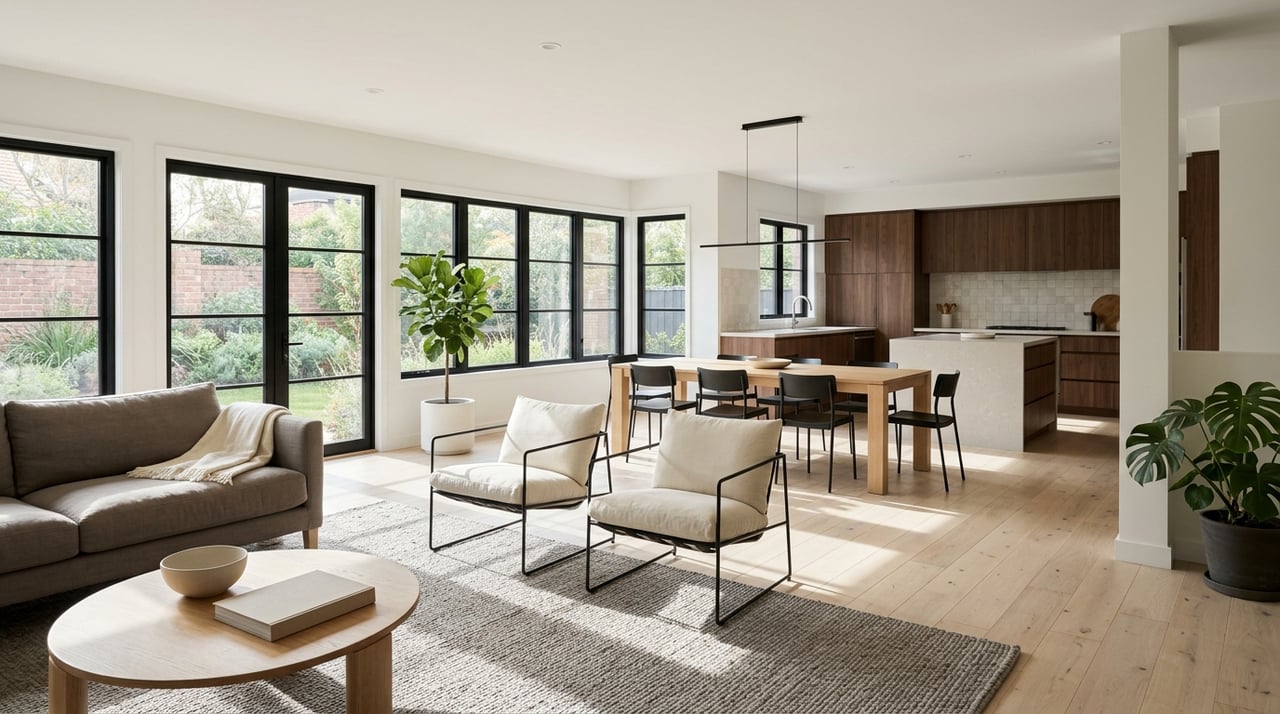
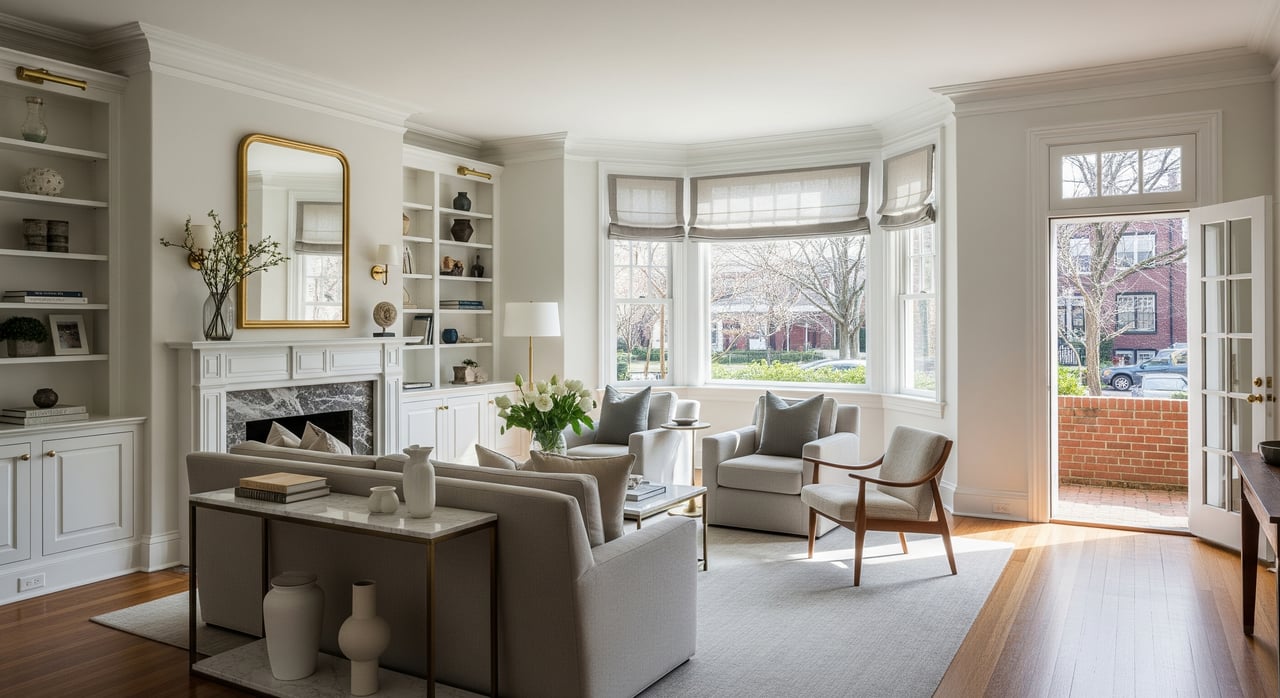
That review framework can shape buyer behavior. Many buyers are willing to pay more for a home that feels finished, well-maintained, and aligned with the historic character of the area. A turnkey property can also feel lower-hassle to own, which adds pricing power.
This does not mean every seller needs a major renovation before listing. It does mean buyers tend to notice the difference between a thoughtful update and a partial or dated one. Kitchens, baths, finishes, and overall presentation can move your pricing range meaningfully.
Parking and Outdoor Space Can Push Value Higher
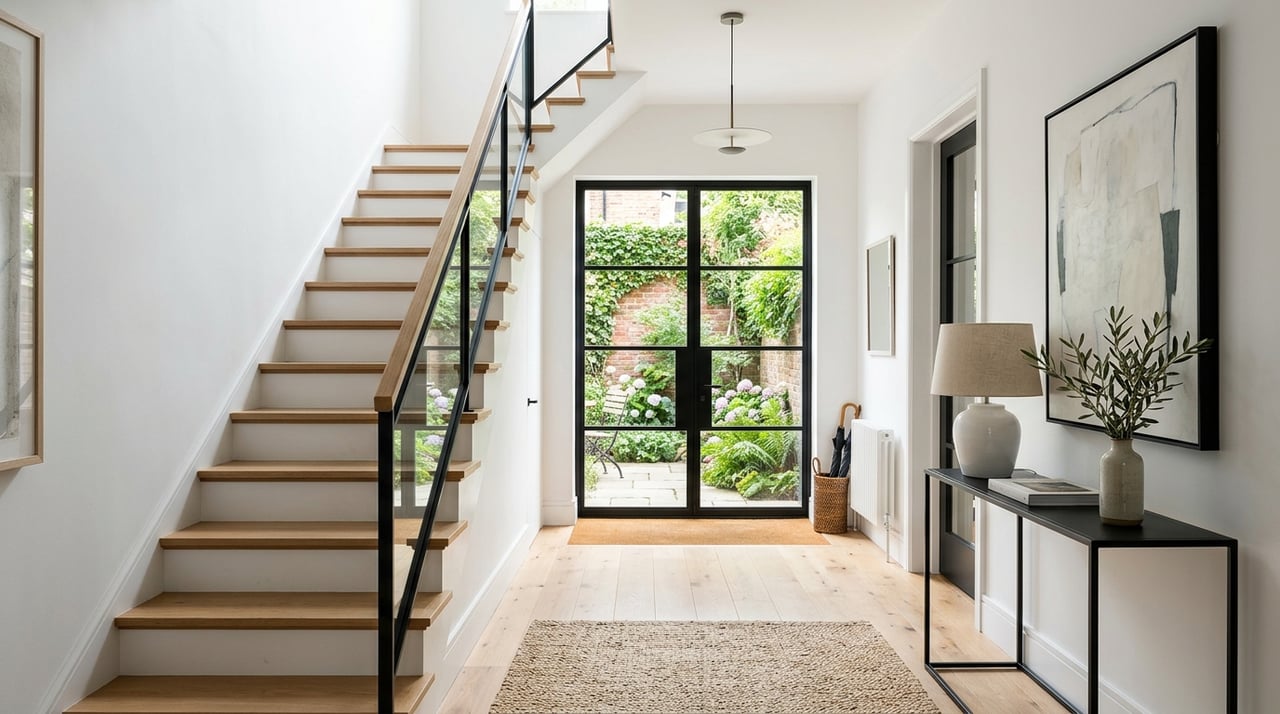
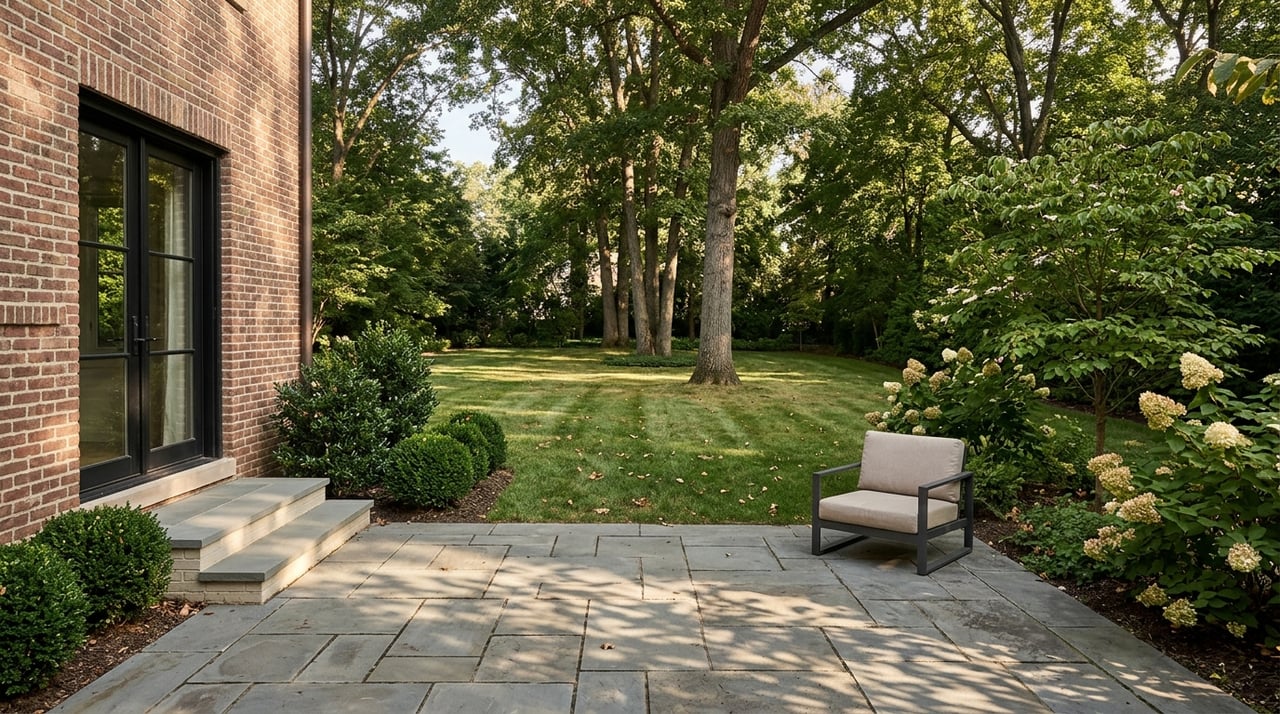
In Georgetown, parking and private outdoor space are two of the clearest value drivers. Recent sales repeatedly highlight premiums for garage parking, multiple parking spaces, patios, gardens, balconies, and other usable outdoor areas.
That is especially important for townhomes because those features are not evenly available from block to block. When a property offers true convenience, such as off-street parking, or true lifestyle value, such as a deep garden or private patio, buyers often respond.
If your townhome has either feature, it should be reflected clearly in the asking strategy. If it has both, and they are well executed, your pricing range may belong near the top of your comp set rather than the middle.
Recent Georgetown Sales Offer Useful Pricing Clues
A few recent sales help show how Georgetown buyers are valuing different combinations of size, condition, parking, and outdoor space.
Smaller Homes Can Still Command Strong Prices
1018 29th St NW sold on August 15, 2025 for $974,119. It was a 2-bedroom, 1.5-bath historic townhome with just 672 square feet, but it also had private parking and a 25-foot garden.
That sale is a good reminder that small size does not automatically mean low value in Georgetown. If a compact home offers scarce features like parking and usable outdoor space, it can still perform at a strong price point.
Quiet Blocks and Patios Matter
3301 Dent Pl NW sold on September 29, 2025 for $1.295 million. The listing highlighted a quiet, private, no-through-traffic street along with a renovated kitchen, renovated baths, and an oversized private patio.
That combination matters because it reflects what many Georgetown buyers are seeking: a calm residential setting with updates already in place. For a seller, this is a strong example of how block character and outdoor usability can reinforce value.
Amenity Communities Need Their Own Lens
3917 Georgetown Ct NW sold in May 2025 for $1.738 million. The home was in the Hillandale community and included a four-level layout, elevator, patio, pond view, one-car garage, recent updates, and community amenities such as a pool, tennis courts, and a 24-hour security gate.
This sale is useful because it shows why not all Georgetown-area townhomes should be priced together. A gated or amenity-rich community can support a different pricing band than a classic Georgetown rowhouse block.
Overpricing Can Lead to Reductions
3042 P St NW sold on December 5, 2025 for $1.85 million after being listed at $2.099 million and then reduced to $1.999 million. The home offered a patio and balcony, but the price history tells the bigger story.
Starting too high can cost time and leverage. In a market where many homes still sell close to asking, buyers may respond well to strong pricing, but they do not ignore overreach.
Premium Features Can Create a Higher Tier
3253 P St NW sold in March 2025 for $2.35 million. The listing described two-car garage parking, two additional parking spaces, and a deep expansive garden.
2708 P St NW sold on March 16, 2026 for $2.925 million. It offered more than 3,100 square feet, 2-car parking, restored historic details, and updated interiors.
These sales show how quickly a townhome can move into a higher pricing tier when it combines scale, renovation quality, historic character, and real parking. If your property has a rare mix of these features, your pricing analysis should reflect that scarcity.
A Practical Asking Range Strategy
For most Georgetown townhomes, an asking range should be built in layers. Start with the best recent closed sales nearby. Then adjust for the features buyers are clearly rewarding today.
A practical process often looks like this:
- Identify the closest closed sales in the same sub-neighborhood.
- Narrow further by block type, property style, and approximate size.
- Adjust for parking, outdoor space, and renovation level.
- Check whether your home competes with a quiet residential setting, a waterfront-adjacent location, or a more visitor-facing corridor.
- Review current active listings to see whether your target price sits competitively in today’s inventory.
Redfin reported that about 20.4% of Georgetown homes sold above list, with an average sale-to-list ratio of 98.8%. That supports a measured approach, not an inflated one. In many cases, pricing just below the most defensible comp can be safer than aiming for an aspirational ceiling and waiting for the market to disagree.
Do Not Skip Public Records and Historic Review Context
Before settling on a final list price, it helps to verify tax and sales history through DC OTR’s real property database. That database includes sales prices, dates, assessments, and ownership information for D.C. parcels, making it one of the cleanest public sources for Georgetown comp work.
You should also consider whether past or planned exterior changes intersect with Georgetown’s historic review rules. Buyers may factor those constraints into how they view future flexibility, upkeep, and timeline. Even when the house itself shows well, those details can influence confidence and pricing.
The Bottom Line for Georgetown Sellers
The best price for a Georgetown townhome is rarely found by averaging the neighborhood and picking a number in the middle. It comes from reading the right micro-market, studying the right nearby sales, and making honest adjustments for the features that move value.
If your home is on a strong block, offers parking, has usable outdoor space, or presents as fully updated, you may have room to press toward the top of your comp range. If condition is average or your location competes with less in-demand inventory, a sharper entry price may create a better outcome.
In Georgetown, pricing well is part analysis and part judgment. A steady, neighborhood-specific approach usually gives you the clearest path to a confident launch and a stronger result.
If you are preparing to sell and want a discreet, data-driven opinion of value, Jack Realty Group can help you assess your Georgetown townhome with local context and steady guidance.
FAQs
How should you price a Georgetown townhome in today’s market?
- Start with recent closed sales in the same Georgetown sub-neighborhood, then adjust for parking, outdoor space, renovation level, and block location.
Why is Georgetown not one single pricing market?
- Georgetown includes distinct sub-neighborhoods and block types, and pricing can vary meaningfully between areas such as West Village, East Village, the waterfront, and quieter residential streets.
What features add the most value to a Georgetown townhome?
- Recent sales suggest parking, private outdoor space, strong renovation quality, and a desirable block setting are among the biggest value drivers.
Can overpricing a Georgetown townhome hurt the sale?
- Yes. Recent Georgetown sales show that starting too high can lead to price reductions, longer market time, and less pricing leverage.
What public records help support Georgetown pricing?
- DC OTR’s real property database is a key resource because it provides sales history, dates, assessments, and other parcel-level information useful for comp analysis.
Do historic district rules affect Georgetown townhome pricing?
- They can. Because exterior work in Georgetown is reviewed differently, buyers may weigh renovation flexibility, upkeep, and overall ease of ownership when comparing homes.