Seeking a neighborhood where quiet streets meet grand architecture? Kalorama offers just that, with stately mansions, refined rowhouses, and leafy circles that feel set apart from the city bustle. If you love architectural detail or you are considering a home in Northwest DC, learning Kalorama’s story will help you see more on every block and choose well. In this guide, you’ll trace how the area grew, what styles to look for, and a few landmark addresses that define its character. Let’s dive in.
Where Kalorama begins
Kalorama refers to two adjacent historic districts in Northwest DC that sit on either side of Connecticut Avenue. Kalorama Triangle lies to the east and reads as a compact urban neighborhood of rowhouses and prewar apartments. Sheridan‑Kalorama sits to the west and is known for large detached houses, embassies, and elegant townhouses. Both areas are formally recognized historic districts with documented periods of significance and hundreds of contributing buildings, as detailed in the Kalorama Triangle Historic District nomination and the Sheridan‑Kalorama Historic District nomination.
From estate to enclave: a short history
Early estates and a name with meaning
Before streets and circles, this land formed part of large estates that grew from early land grants. In 1807, poet and diplomat Joel Barlow purchased the principal estate and named it “Kalorama,” meaning “beautiful view.” The estate landscape remained in various forms through much of the 19th century, as documented in the district nominations.
War, fire, and subdivision
During the Civil War, the Kalorama mansion served the Union army as a smallpox hospital. A later fire and a series of sales in the late 19th century accelerated the breakup of the estate, opening the way to urban subdivision into residential lots, as outlined in the Kalorama Triangle nomination.
Streets, streetcars, and growth
By the 1890s and into the 1920s, the extension of major avenues like Connecticut and Massachusetts, new bridges over Rock Creek, and expanding streetcar lines made the area highly accessible. Developers filled Kalorama Triangle with well‑designed rowhouses and multi‑unit apartment buildings suited to a comfortable middle class. West of Connecticut, Sheridan‑Kalorama grew into a landscape of large, individually commissioned houses. The nomination reports detail this phased pattern block by block.
Diplomatic addresses take root
By the 1920s and 1930s, many of Sheridan‑Kalorama’s grand houses transitioned to embassy and chancery use. The preservation literature treats this diplomatic shift as a defining social theme for the district, and it remains part of Kalorama’s identity today, as noted in the Sheridan‑Kalorama nomination.
Two districts, distinct rhythms
Sheridan‑Kalorama: mansions and circles
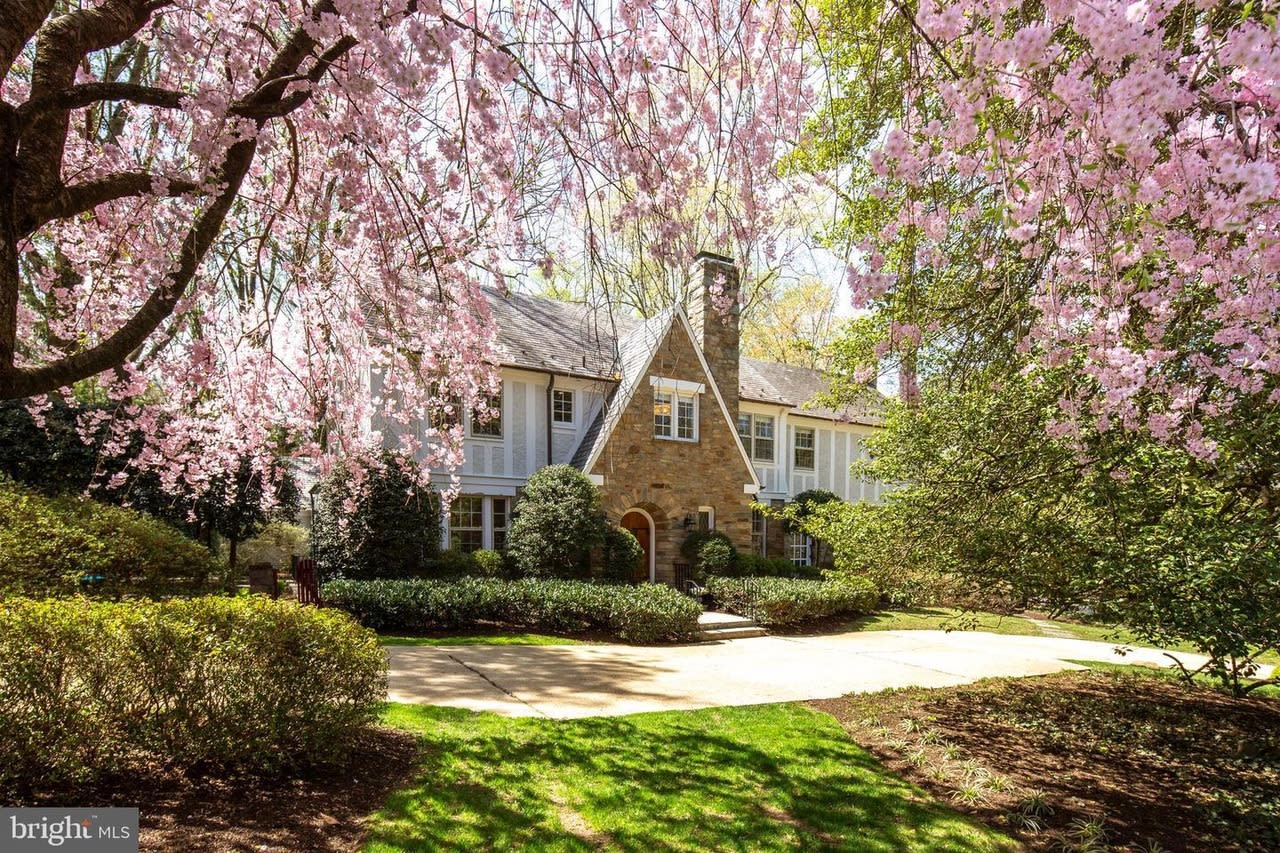
Sheridan‑Kalorama blends freestanding mansions and refined townhouses on rolling lots, with ceremonial spaces like Sheridan Circle and Kalorama Circle. Many homes were architect‑designed between roughly 1890 and 1945, and a notable share later served diplomatic functions. Streets feel composed and green, with architecture that leans formal and classically inspired.
Kalorama Triangle: rowhouses and prewar apartments
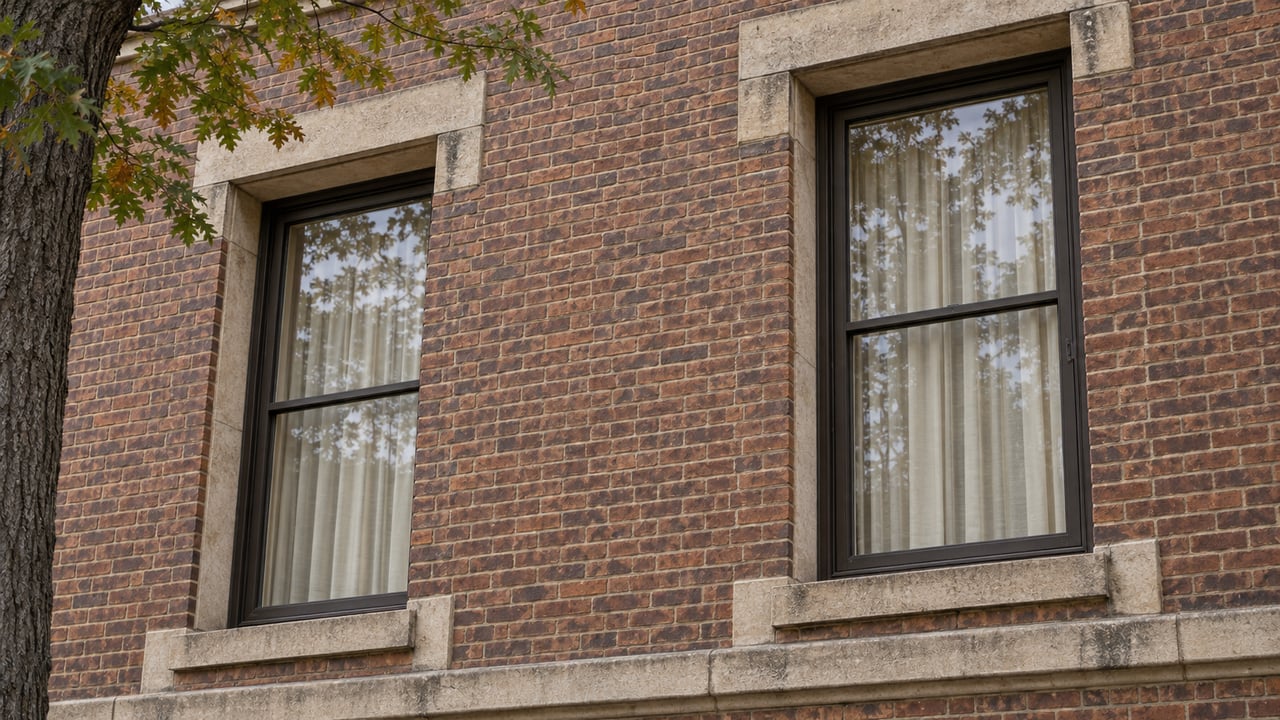
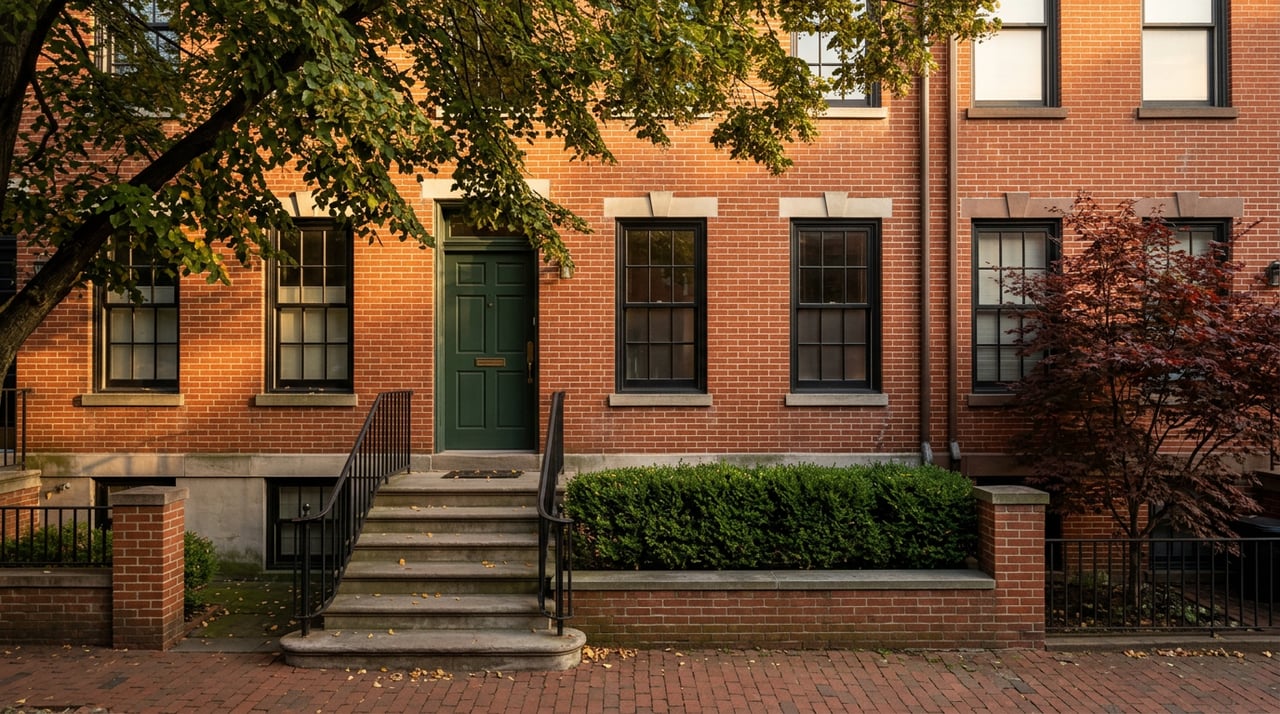
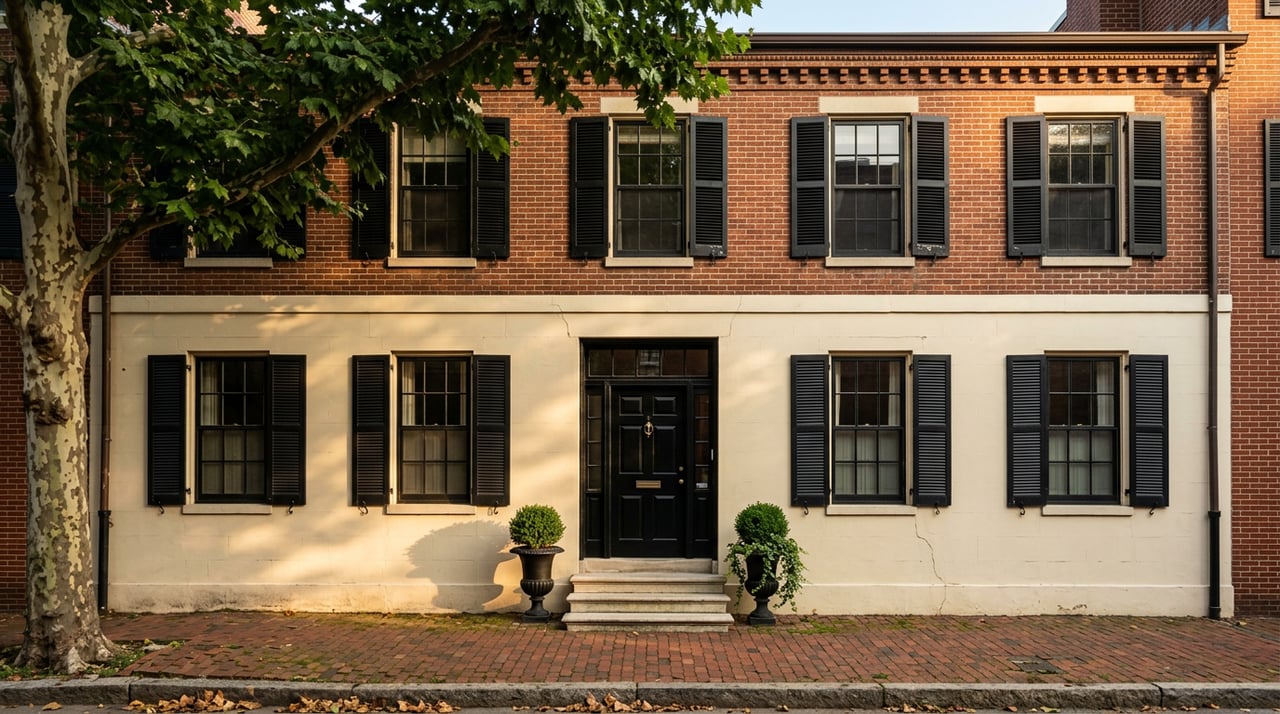
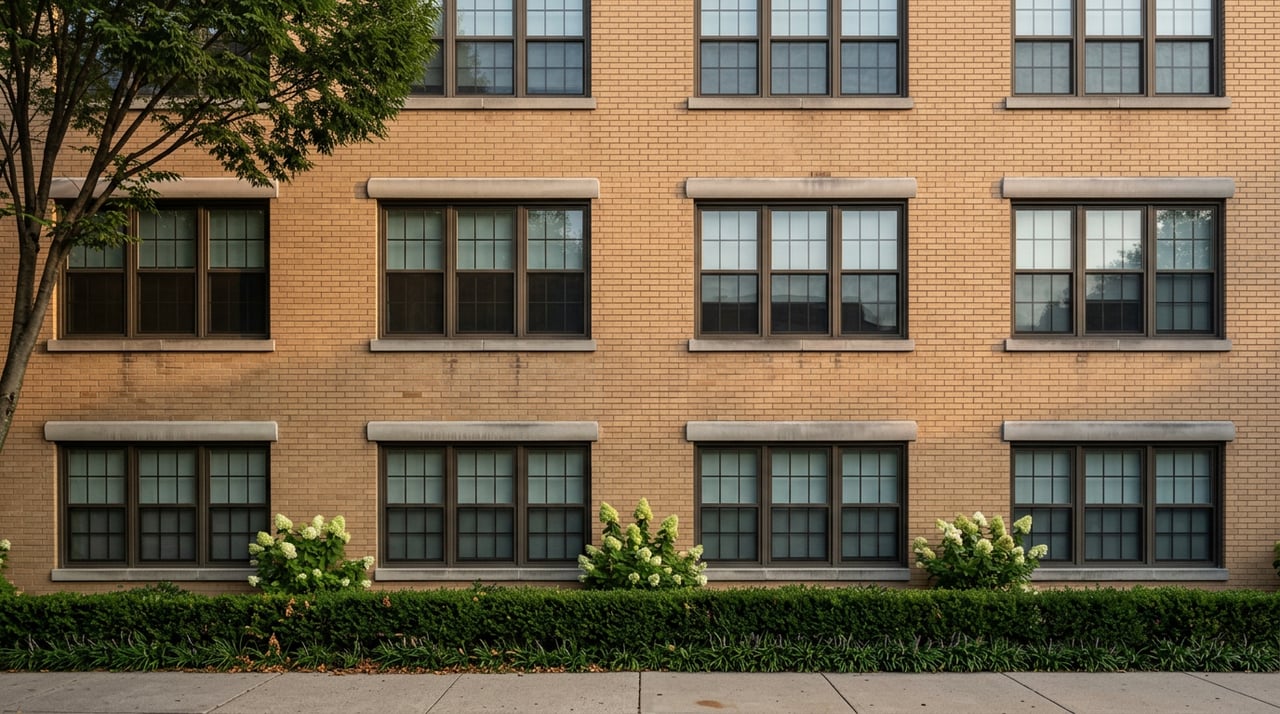
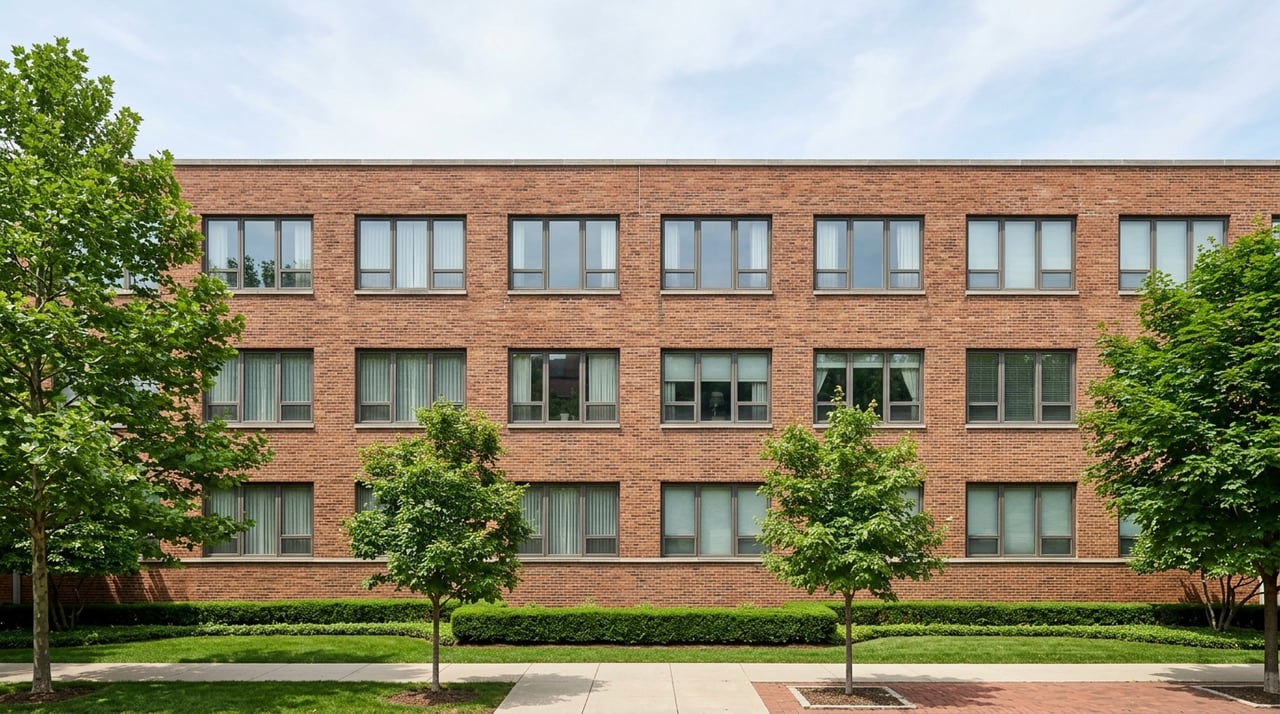
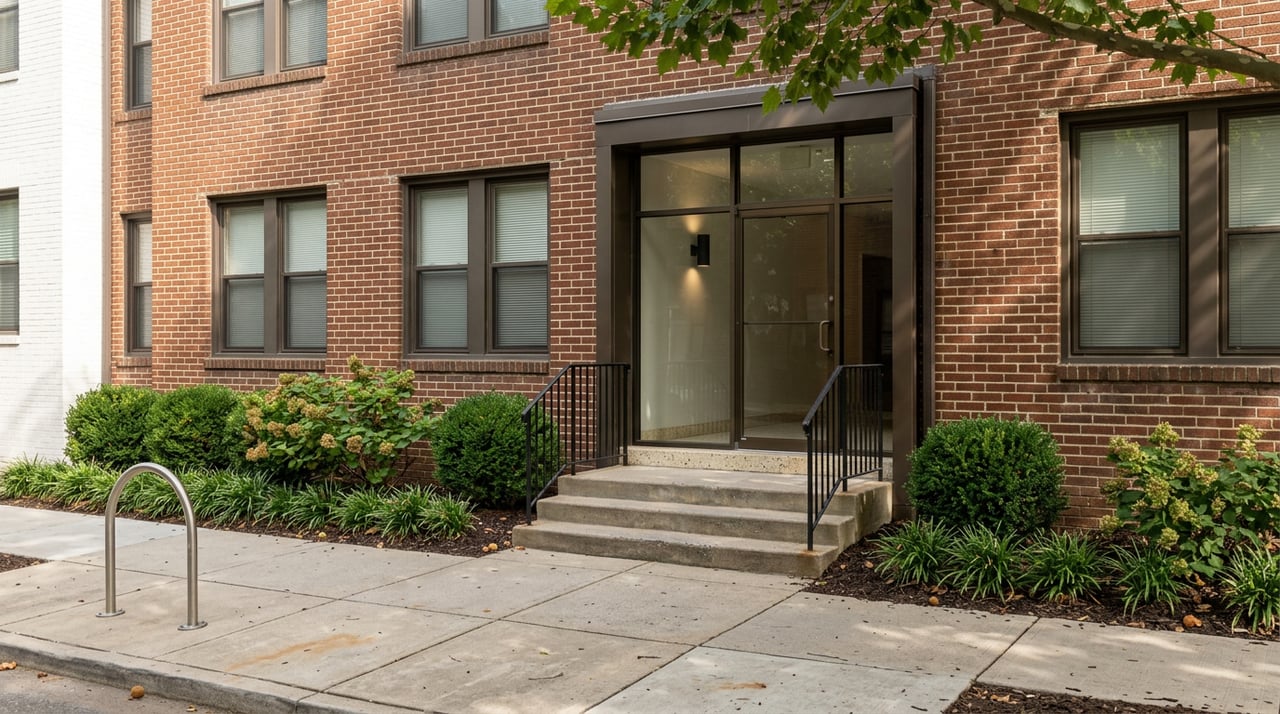
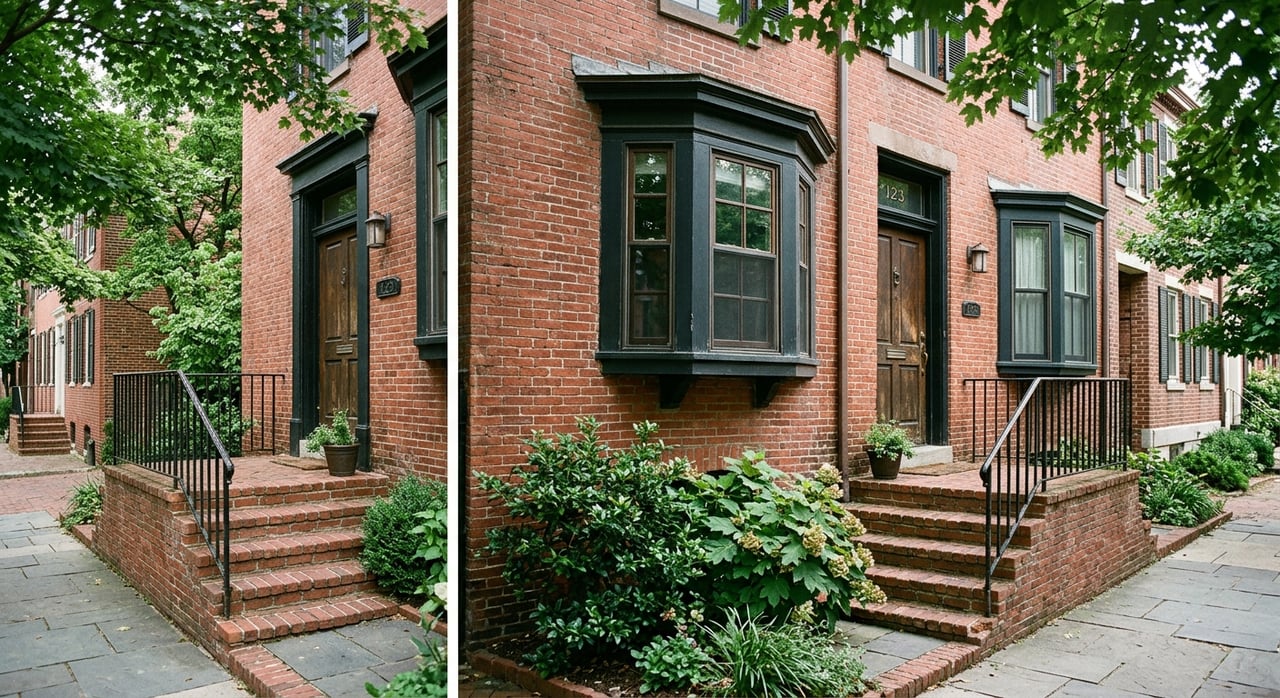
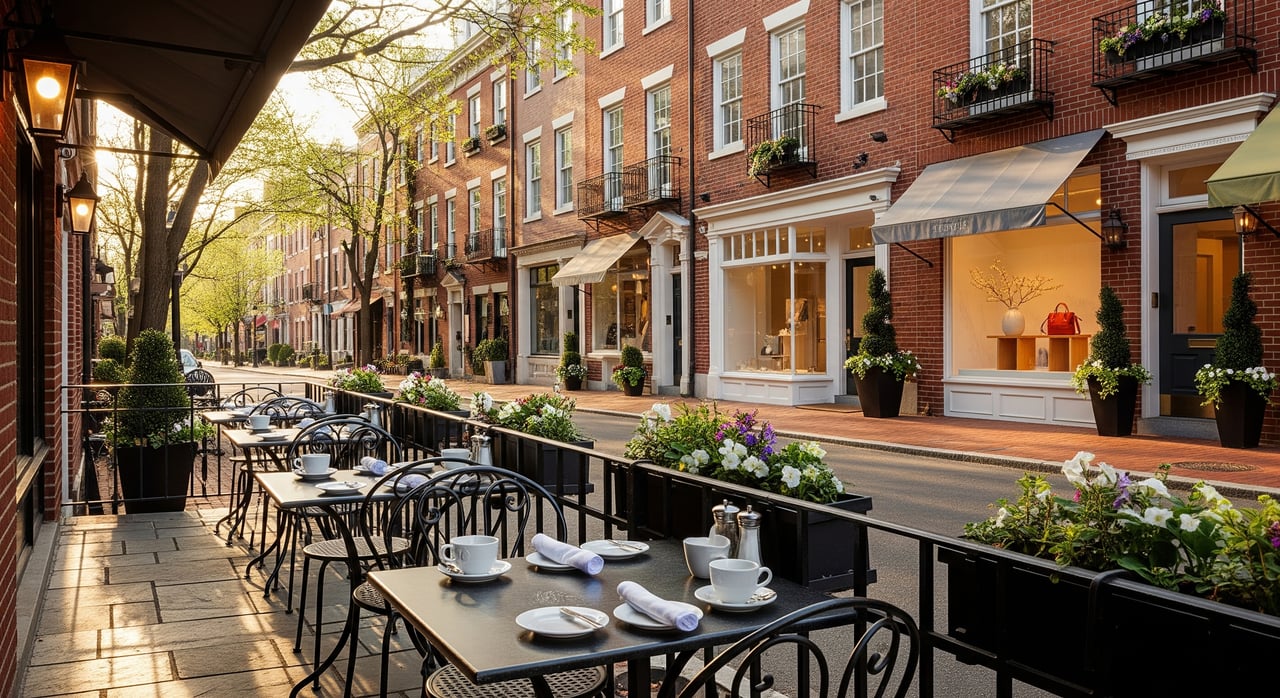
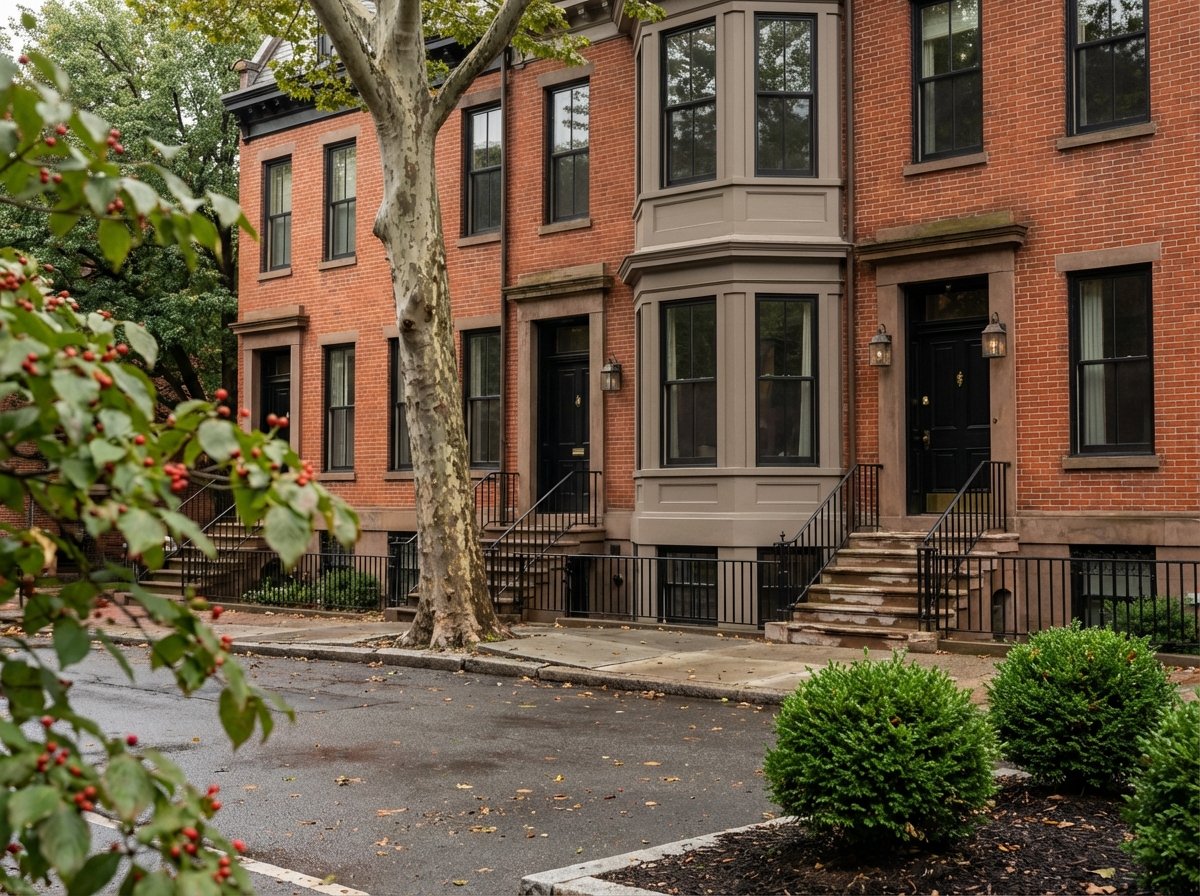
East of Connecticut Avenue, the Triangle presents three‑ to four‑story rowhouses and a tight weave of apartment buildings. Materials are consistent and handsome: brick, stone, and terracotta details with rhythmic bays. The avenues carry larger multi‑family buildings, while side streets feel intimate and cohesive. The district’s documented core development runs from about 1893 to 1939, with roughly 350 contributing buildings.
Architectural styles to spot
Kalorama rewards a close look. On a neighborhood walk, you can expect to find a mix of styles that remain remarkably consistent across blocks.
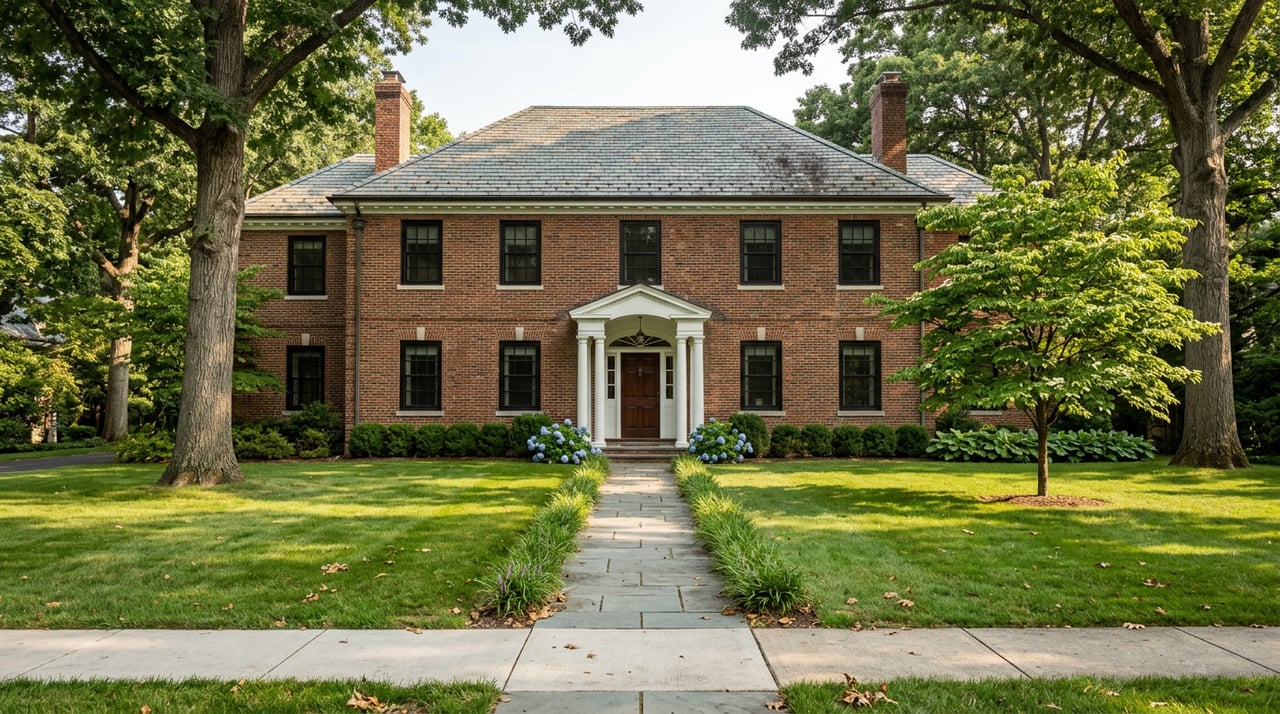
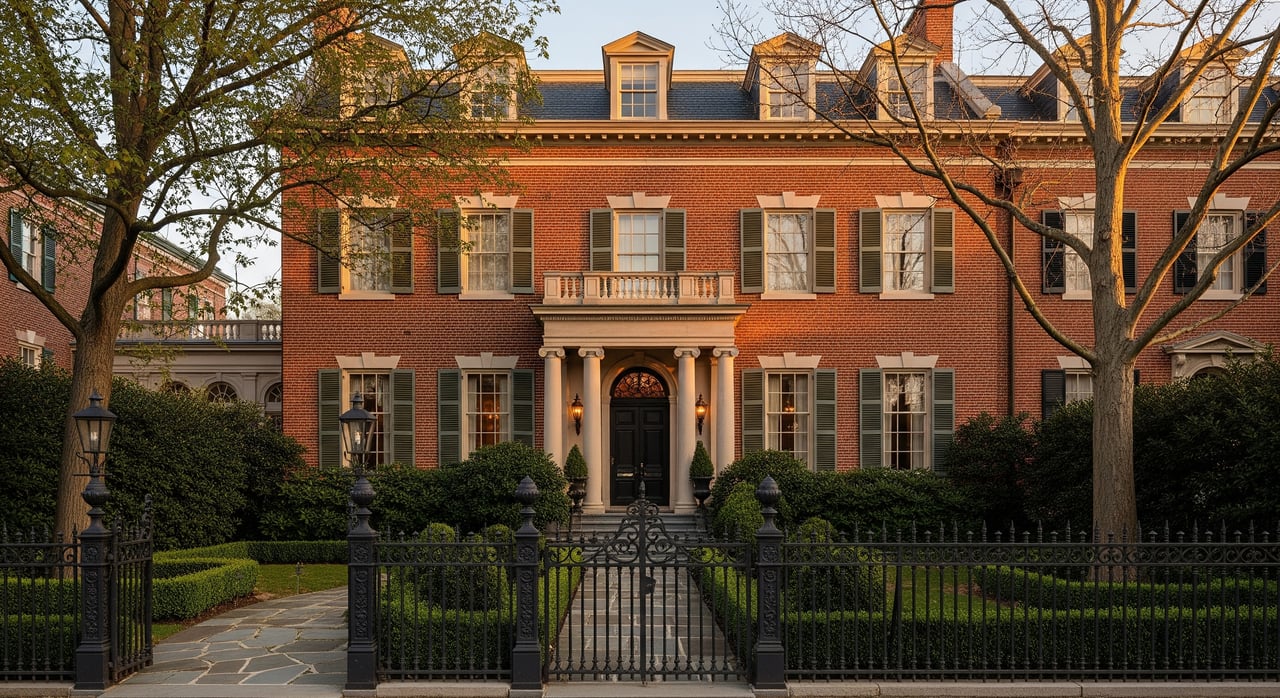
- Beaux‑Arts and Classical Revival: Formal massing, limestone trim, and columned porticos define many of Sheridan‑Kalorama’s grandest homes. Look for symmetry and crisp cornices with modillions.
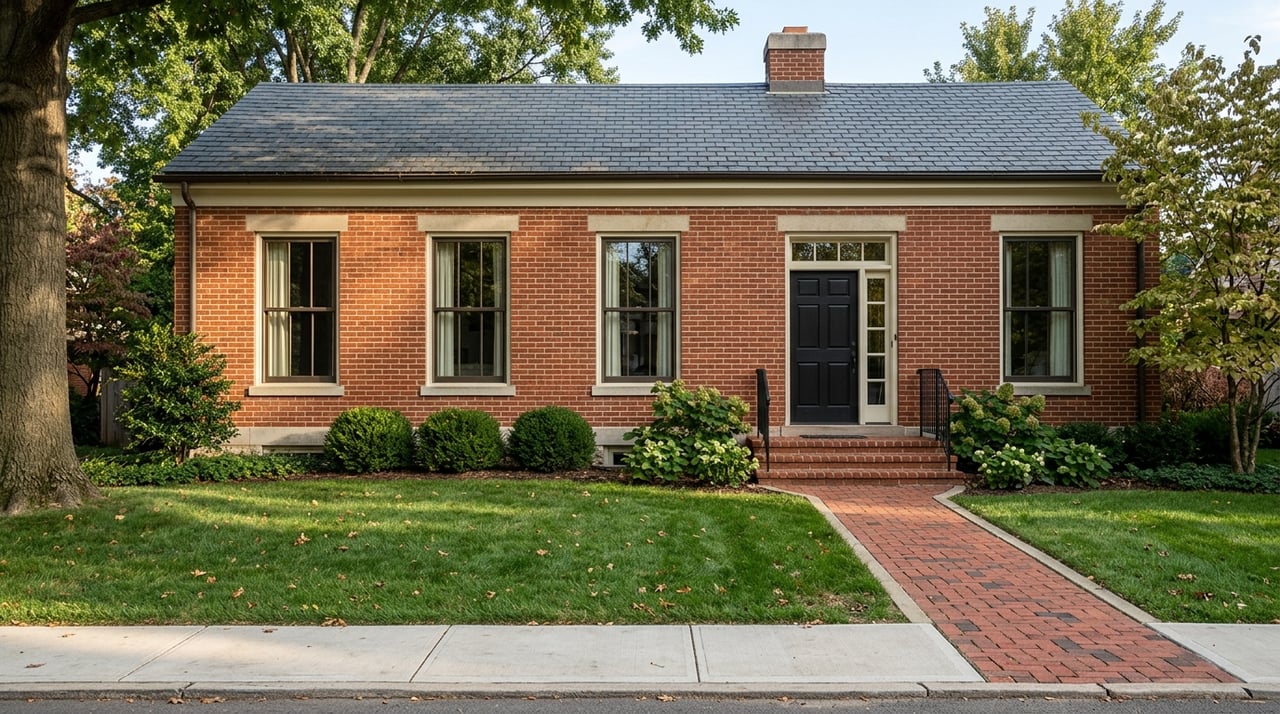
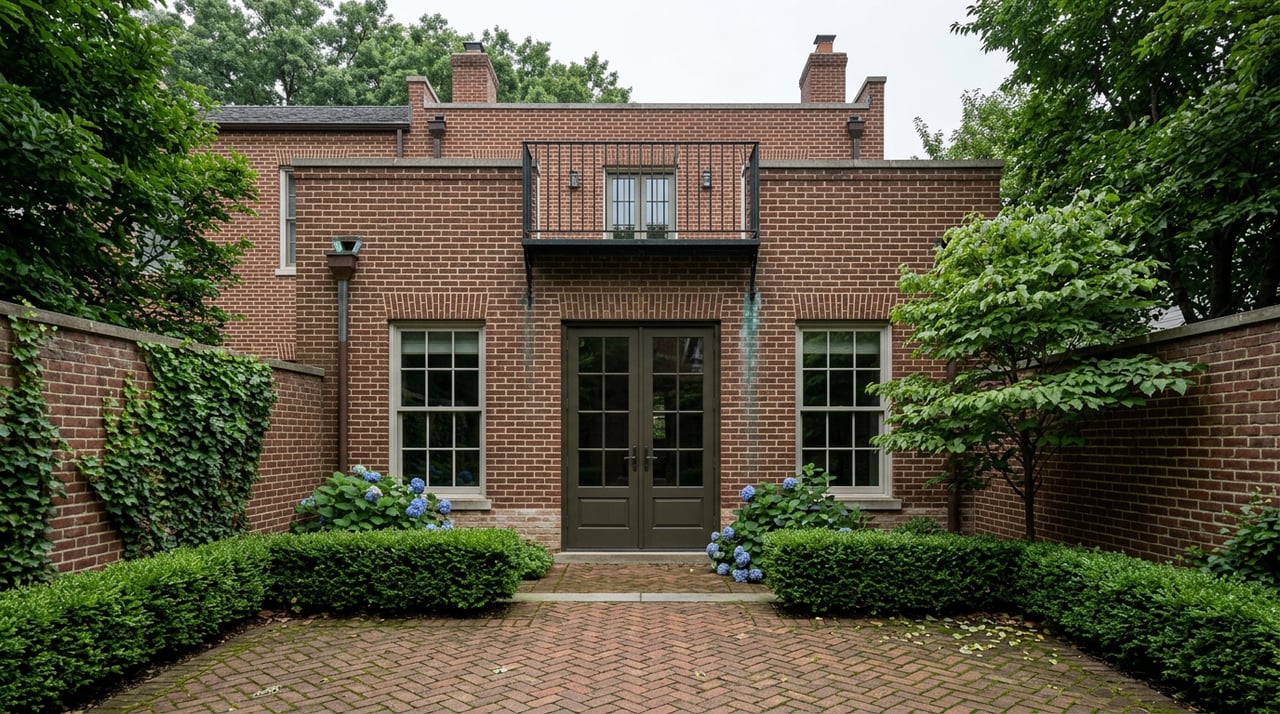
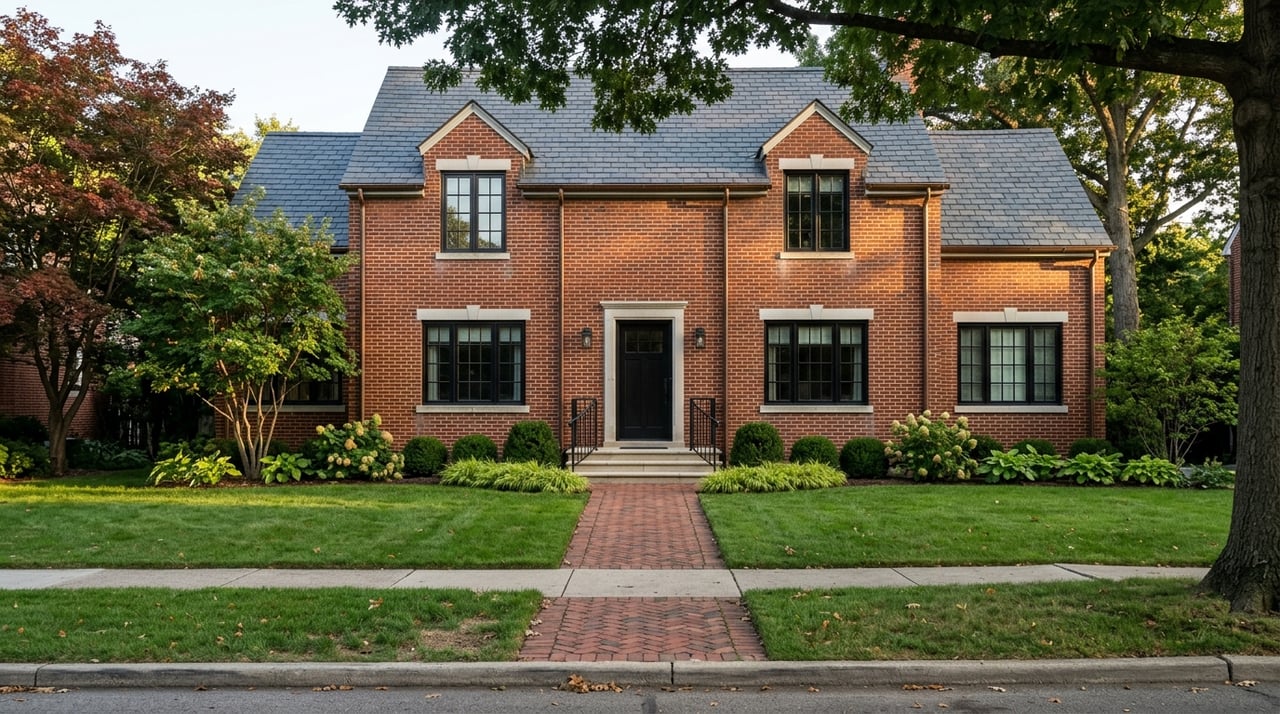
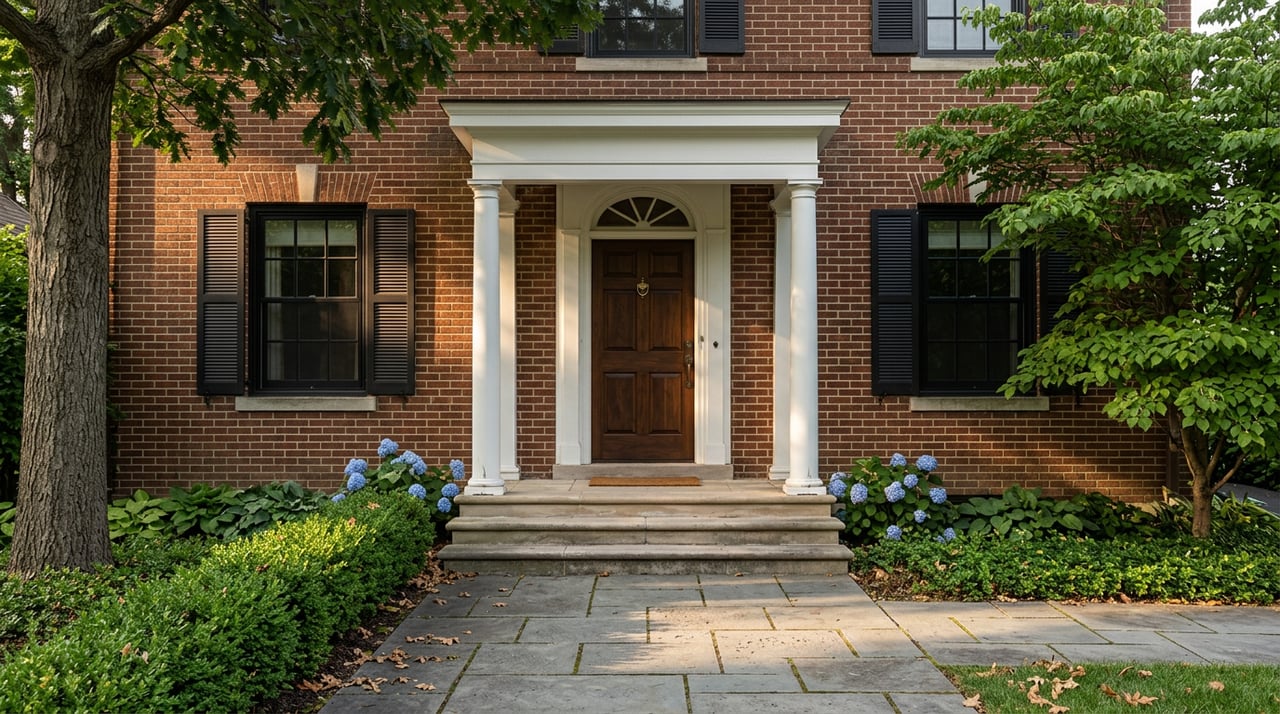
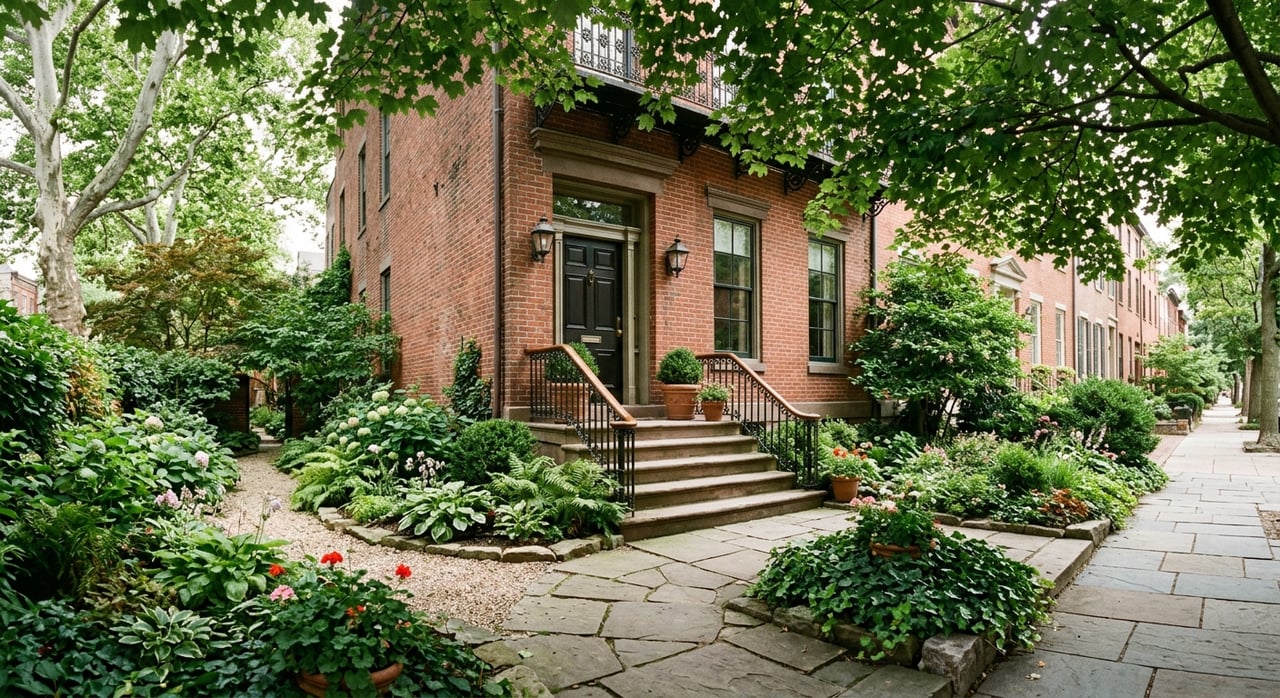
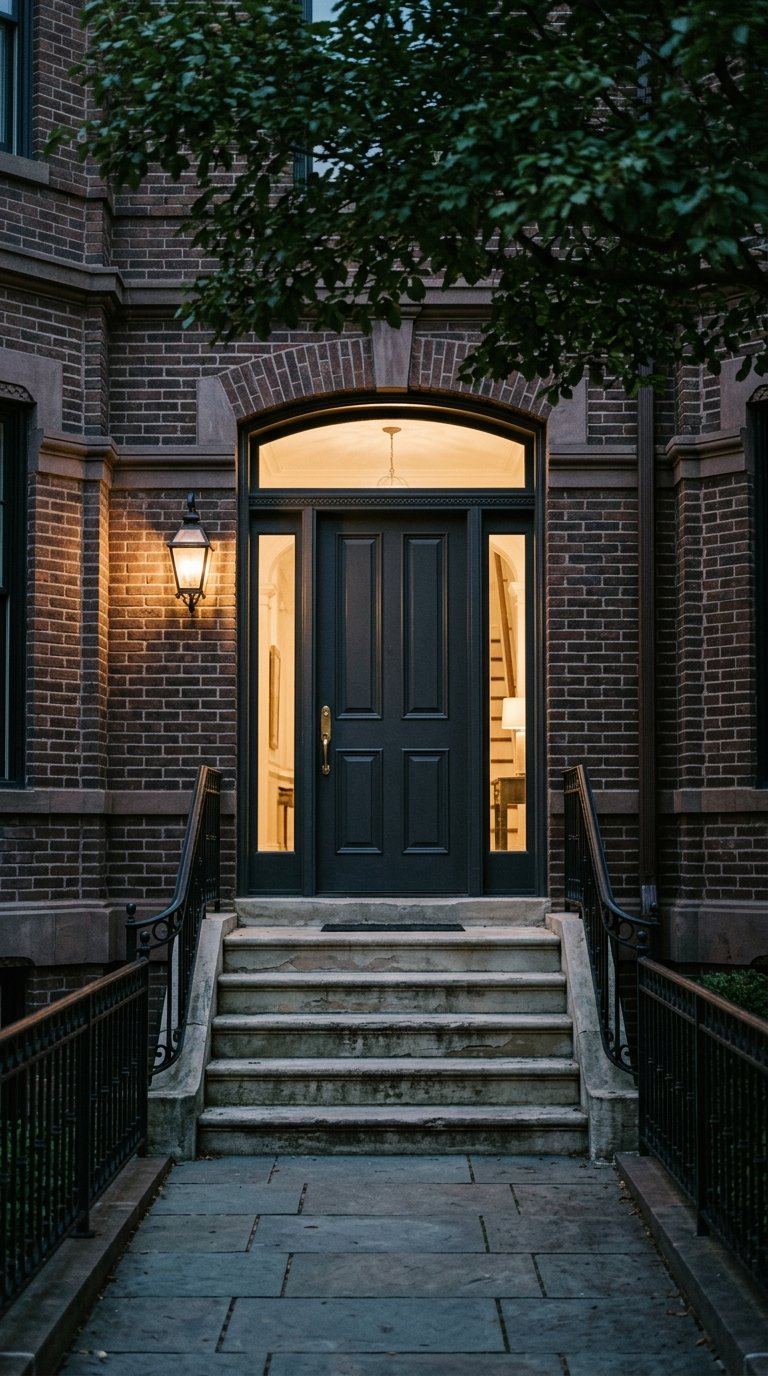
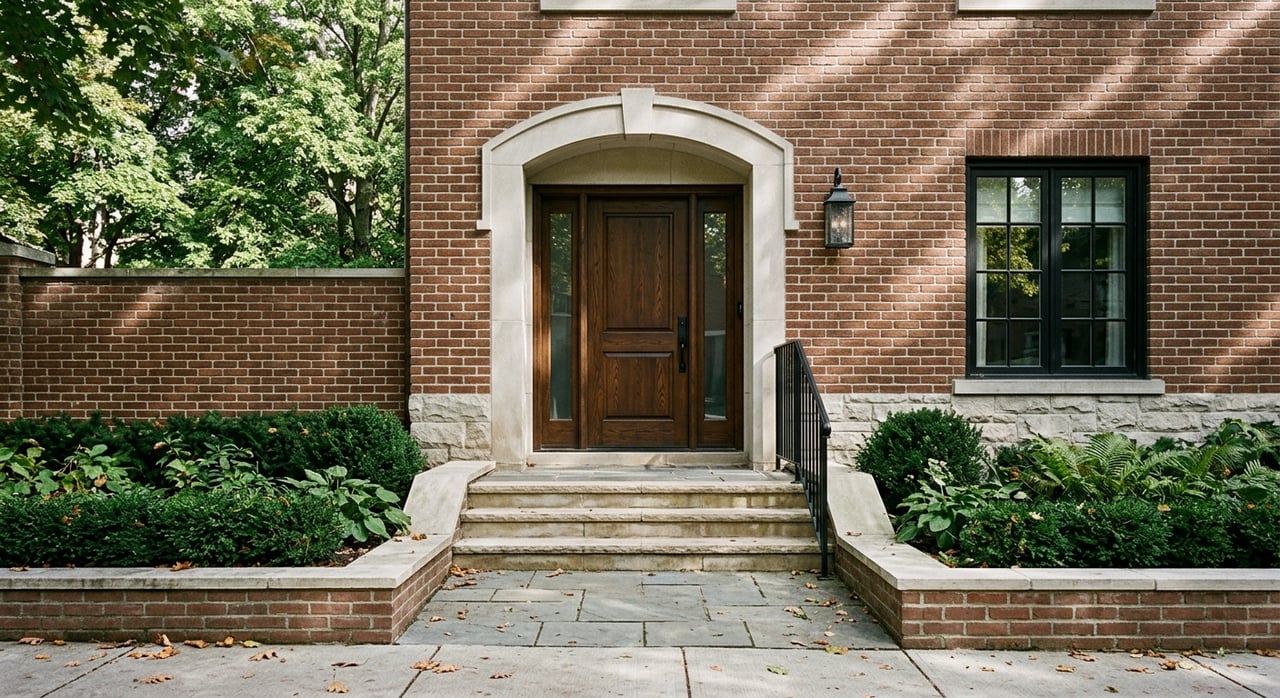
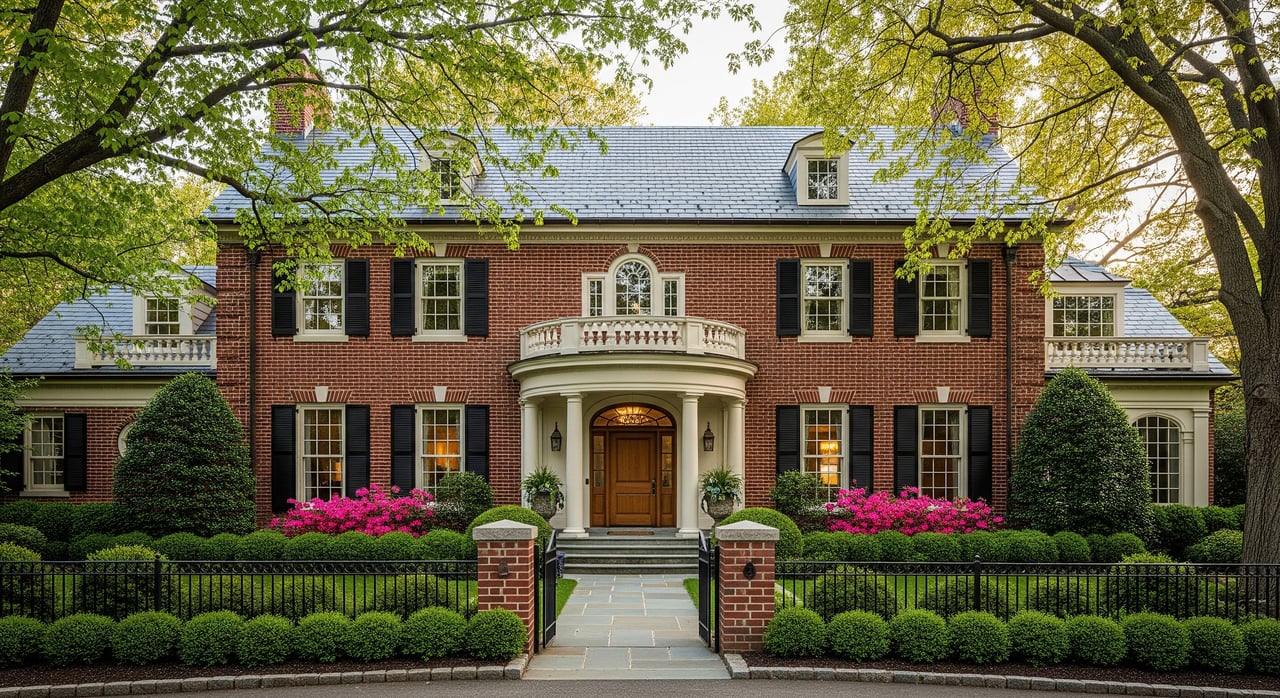
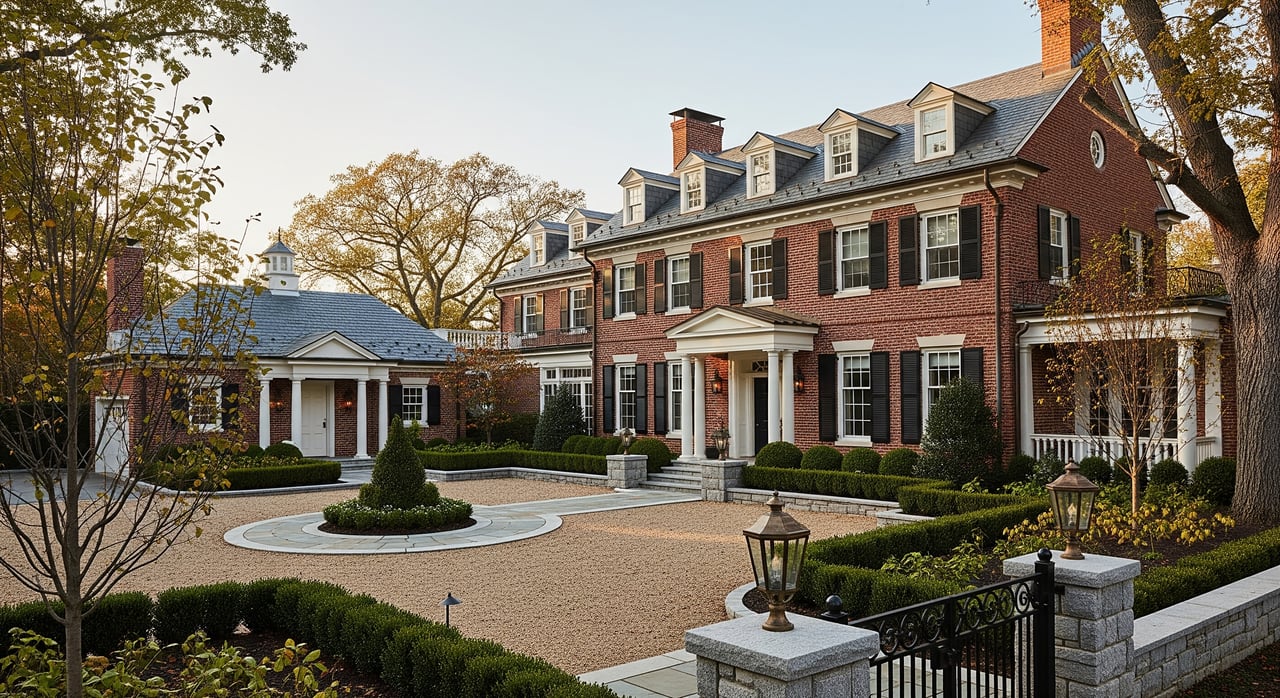
- Colonial and Georgian Revival: Red‑brick facades, Palladian windows, and balanced proportions appear in both districts, often on townhouses and mansion‑scale homes.
- Late Victorian and Romanesque touches: Some older rowhouses show heavier stonework, rounded bays, and textured details.
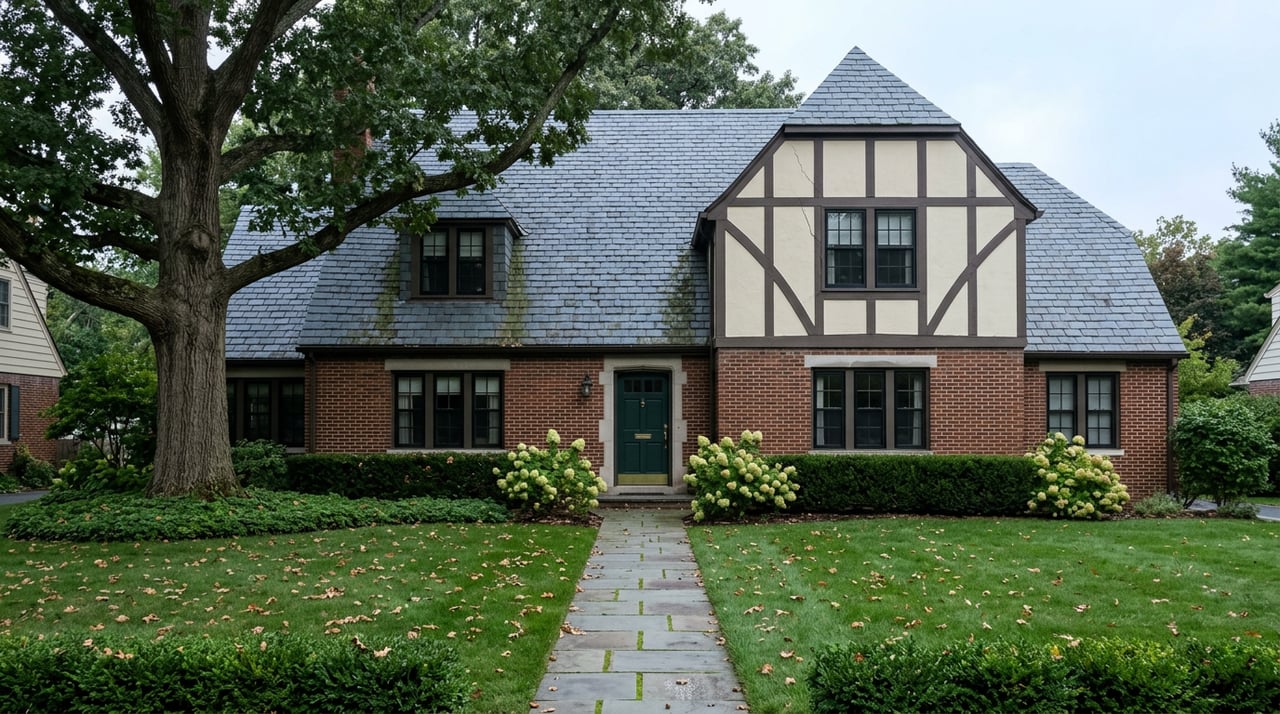
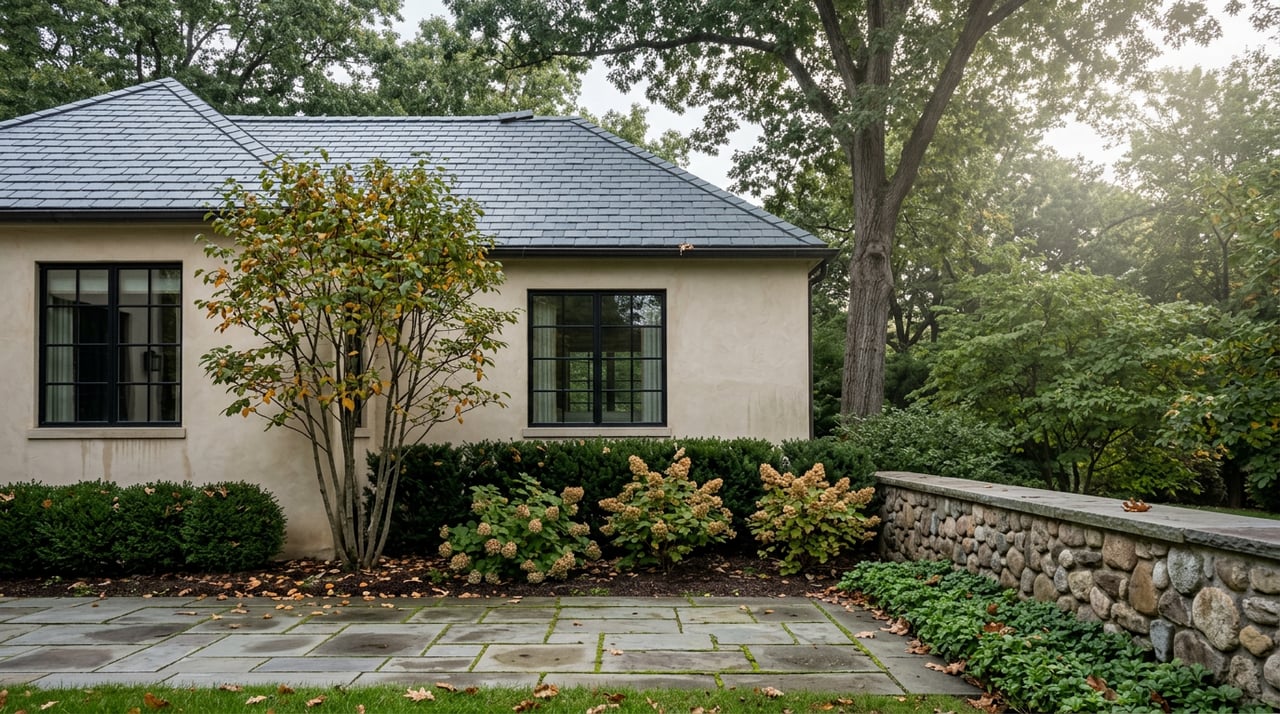
- Spanish or Mediterranean Revival, plus Tudor/Jacobean: Tile roofs, half‑timbering, and leaded glass appear on select blocks in the Triangle, adding a picturesque note.
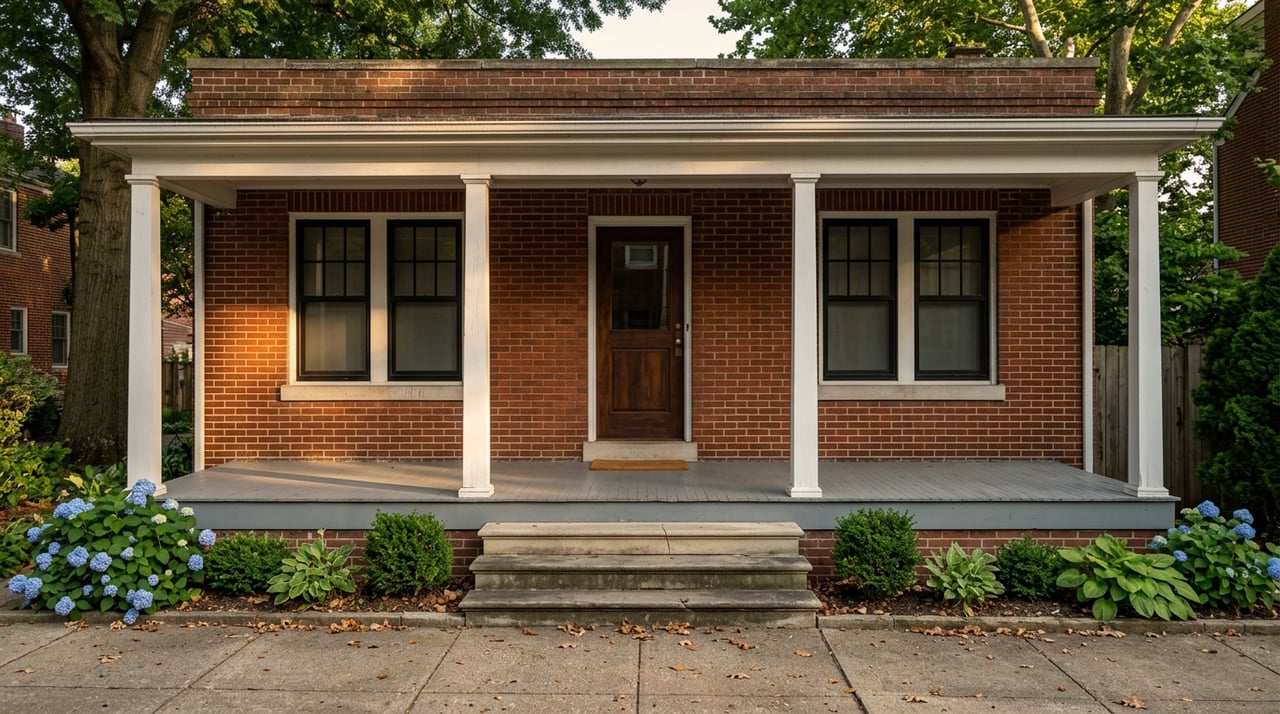
- Arts & Crafts and early apartment vernacular: You will see thoughtful brickwork, restrained ornament, and, in later buildings, subtle Art Deco accents.
Each of these styles is described and illustrated in the district nominations, which remain the best single reference for dates, architects, and representative examples.
Notable addresses that tell the story
Woodrow Wilson House, 2340 S Street NW. Designed by Waddy Butler Wood in 1915, this well‑documented Sheridan‑Kalorama residence became the President’s post‑White House home and is now a National Trust museum. You can learn more through the National Trust’s profile of the Woodrow Wilson House.
Codman–Davis House, 2145 Decatur Place NW. Created by Ogden Codman, Jr., this house blends English Georgian and Classical Revival influences. It is individually listed on the National Register, a testament to the district’s high design standards.
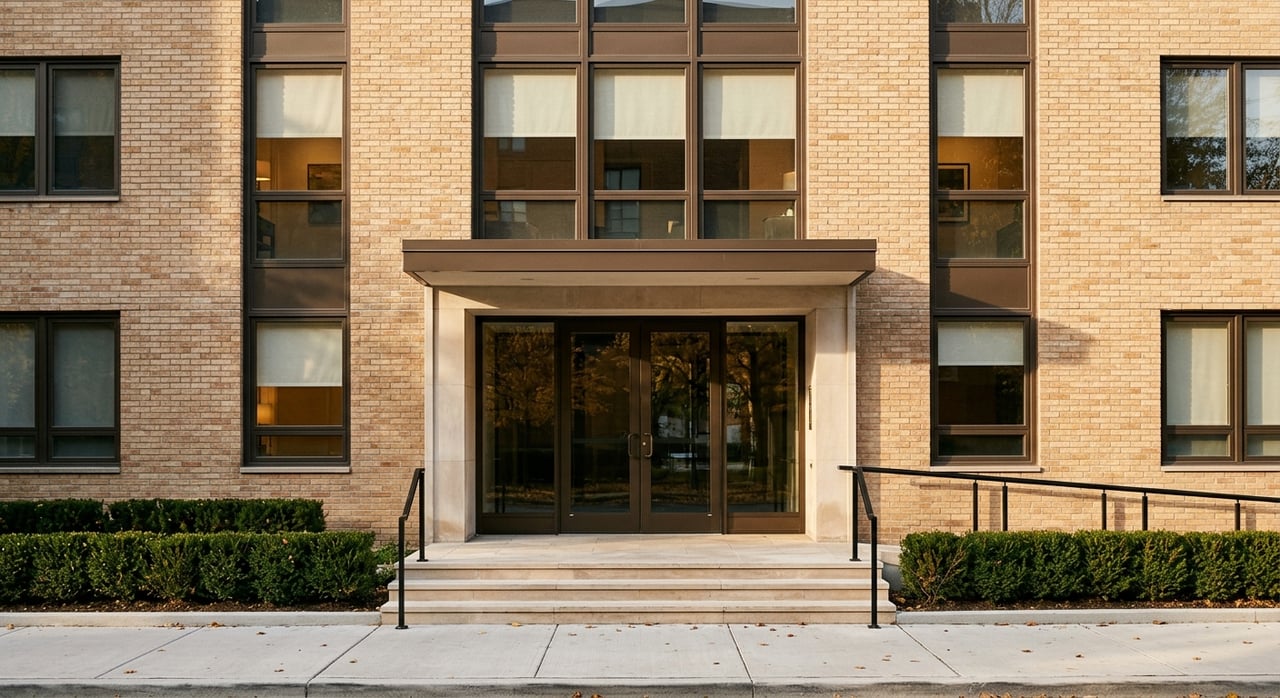
2101 Connecticut Avenue NW (1927). A standout prewar apartment building in the Triangle by George T. Santmyers, it mixes Gothic and Spanish‑influenced details at a grand scale. It anchors the avenue and demonstrates how apartment living was given landmark presence in the early 20th century.
Windsor Lodge, 2139–2141 Wyoming Avenue NW. A refined multi‑unit block noted for its articulated bays and porte‑cochère. It shows how architects softened large buildings to feel domestic and welcoming.
Lothrop Mansion site on Connecticut Avenue. Used as a visual terminus in district narratives, it underscores how planning and architecture work together at important view corridors in the Triangle.
All of these properties are cited in the historic district forms, which provide dates, architects, and context for their significance.
Why Kalorama feels different
What sets Kalorama apart is the juxtaposition of two strong residential types in one walkable place. West of Connecticut, you have individually commissioned mansions and embassies framed by circles and parks. East of the avenue, you step into a carefully scaled grid of brick rowhouses and prewar apartments, all with a shared material palette and many artisan details. The nominations emphasize this coherence of scale and quality across both districts, and it is noticeable the moment you turn onto these streets.
Considering a home here? Read this first
Buying or owning in a historic district is rewarding, and it comes with a few extra steps. The good news is that DC’s preservation resources are clear and accessible.
- Start with the district nominations. They outline periods of significance, representative addresses, and design vocabulary. See the Kalorama Triangle nomination and the Sheridan‑Kalorama nomination.
- Learn the review basics. Exterior changes in a historic district often require review. The District’s Historic Preservation Review Board site explains the process and how to access staff reports and case files.
- Verify the building facts. For construction dates, architects, and alteration history, use HPO/HPRB records and building‑permit archives referenced by the nominations.
- Check property records. DC’s PropertyQuest and the Recorder of Deeds help confirm parcel data and chain of title, which is useful context for buyers and sellers.
- Tap local knowledge. The Kalorama Citizens Association’s neighborhood research can add oral histories and block‑level detail that bring a property’s story to life.
These steps mirror the research workflow preservation staff and local historians use, so you can feel confident that what you are seeing aligns with the public record.
What to look for on your own walk
- At Sheridan Circle and Kalorama Circle, note how the street geometry frames facades and creates ceremonial pauses in the streetscape.
- On the Triangle’s side streets, study the pattern of bays, oriels, and stoops. Materials shift from smooth limestone trim to textured brickwork and terracotta panels.
- Along Connecticut Avenue, compare the intimate scale of rowhouse blocks with the landmark presence of prewar apartment buildings like 2101 Connecticut Avenue.
- Watch for stylistic cues. A modillioned cornice and a symmetrical facade suggest Classical or Georgian Revival. Tile roofs and stucco point to Mediterranean Revival. Rounded bays and heavy stone details lean Late Victorian or Romanesque.
Bring a camera or a notes app. A quick detail photo makes it easier to match what you saw to the nomination text when you get home.
A living neighborhood with lasting value
Kalorama’s charm is not just in its architecture. It is also in how carefully the story has been documented and stewarded. With hundreds of contributing buildings across both districts and measured change guided by review, the area reads as a calm, cohesive place that retains its early‑20th‑century character. If you value classic design, park‑framed streets, and a strong sense of place, Kalorama stands out among DC neighborhoods.
Ready to explore a listing or prepare a sale in Kalorama? Reach out to Jack Realty Group for a discreet, neighborhood‑focused consultation that aligns your goals with this district’s unique fabric.
FAQs
What defines Kalorama’s two historic districts?
- Kalorama Triangle is a compact area of rowhouses and prewar apartments east of Connecticut Avenue, while Sheridan‑Kalorama to the west features larger, often architect‑designed houses and embassies, as documented in the district nominations.
Why are there so many embassies in Sheridan‑Kalorama?
- Large, prestigious houses offered the space and privacy foreign governments sought in the 1920s and 1930s, leading to long‑term diplomatic use that continues, according to the Sheridan‑Kalorama nomination.
What architectural styles are most common in Kalorama?
- Expect Beaux‑Arts and Classical Revival mansions, Colonial and Georgian Revival townhouses, Late Victorian and Romanesque rowhouses, and select Spanish/Mediterranean and Tudor/Jacobean examples, all detailed in the nominations.
Where can I find reliable historical facts about a specific property?
- Start with the National Register district nominations, then confirm dates and architects through DC’s Historic Preservation Review Board records, permit files, and property records as outlined by the Office of Planning.
Is the Woodrow Wilson House accessible to the public?
- The home at 2340 S Street NW is interpreted as a museum by the National Trust; for current details, review the National Trust’s page for the Woodrow Wilson House.