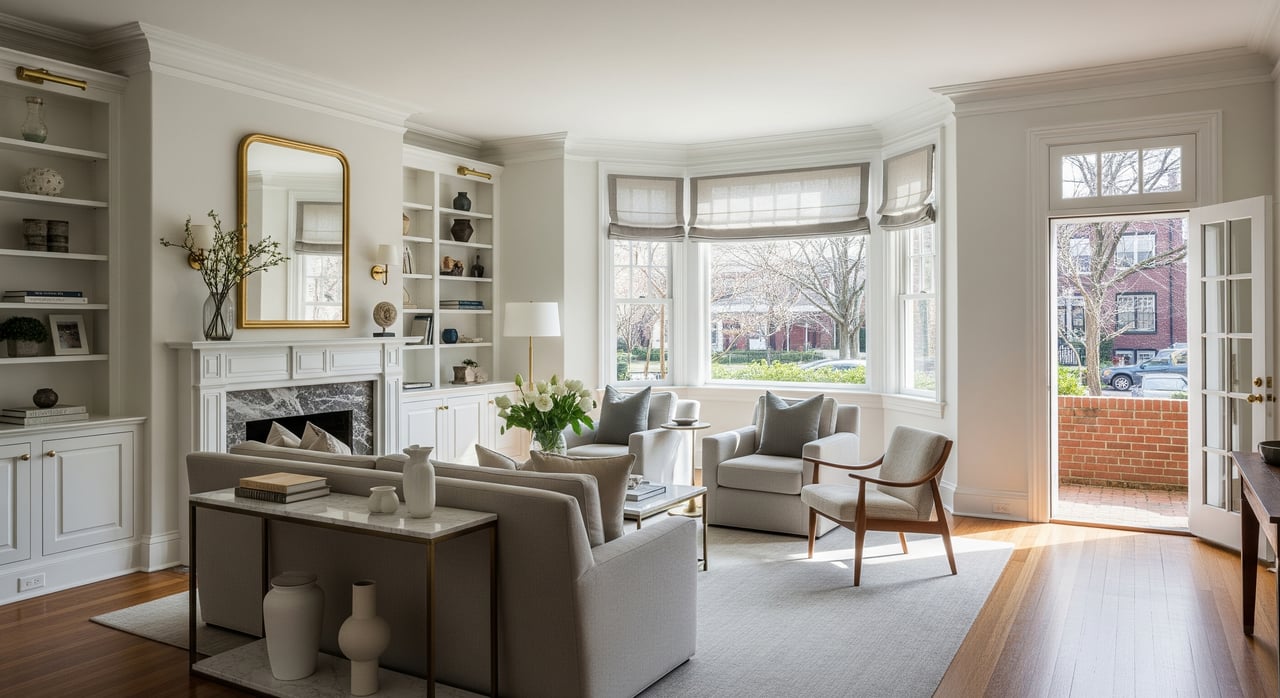
If you are drawn to Cleveland Park, you are not alone. Buyers love the neighborhood’s leafy streets, Metro access, and beautiful historic homes. Still, knowing which features matter most can help you buy with confidence or prepare your home to sell well. In this guide, you will learn which period details command attention, which modern upgrades deliver value, and how to navigate historic review without losing character. Let’s dive in.
Why Cleveland Park stands out
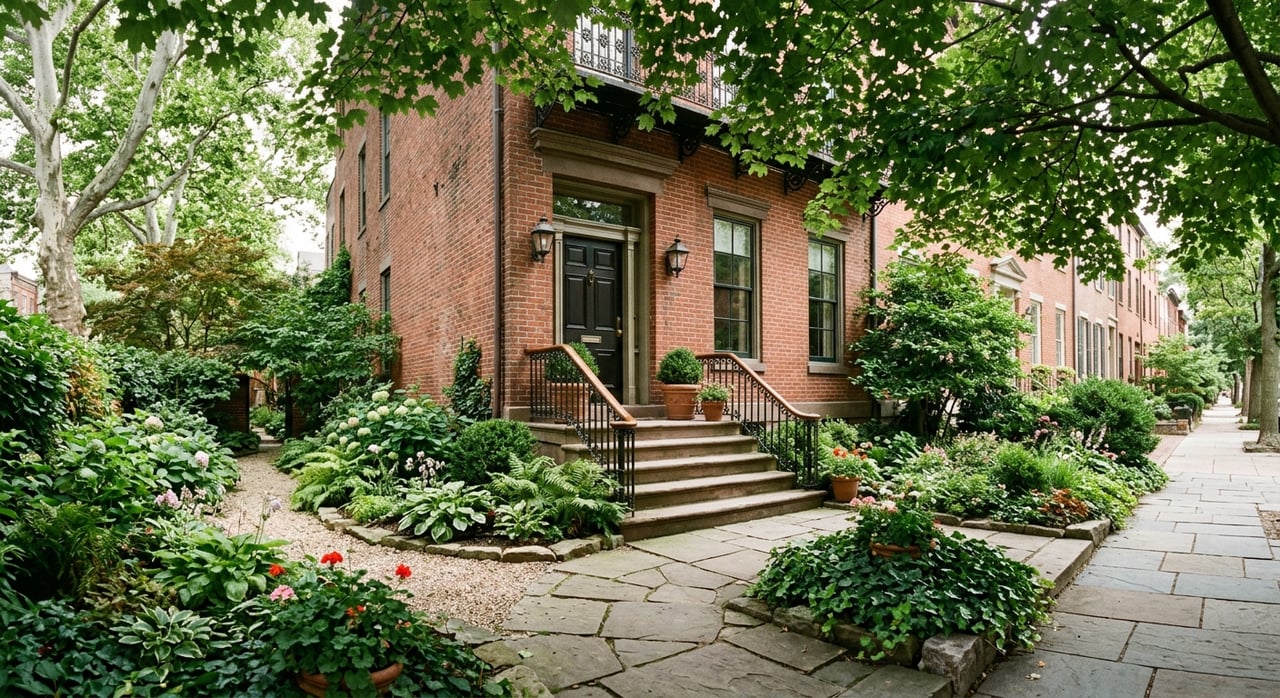
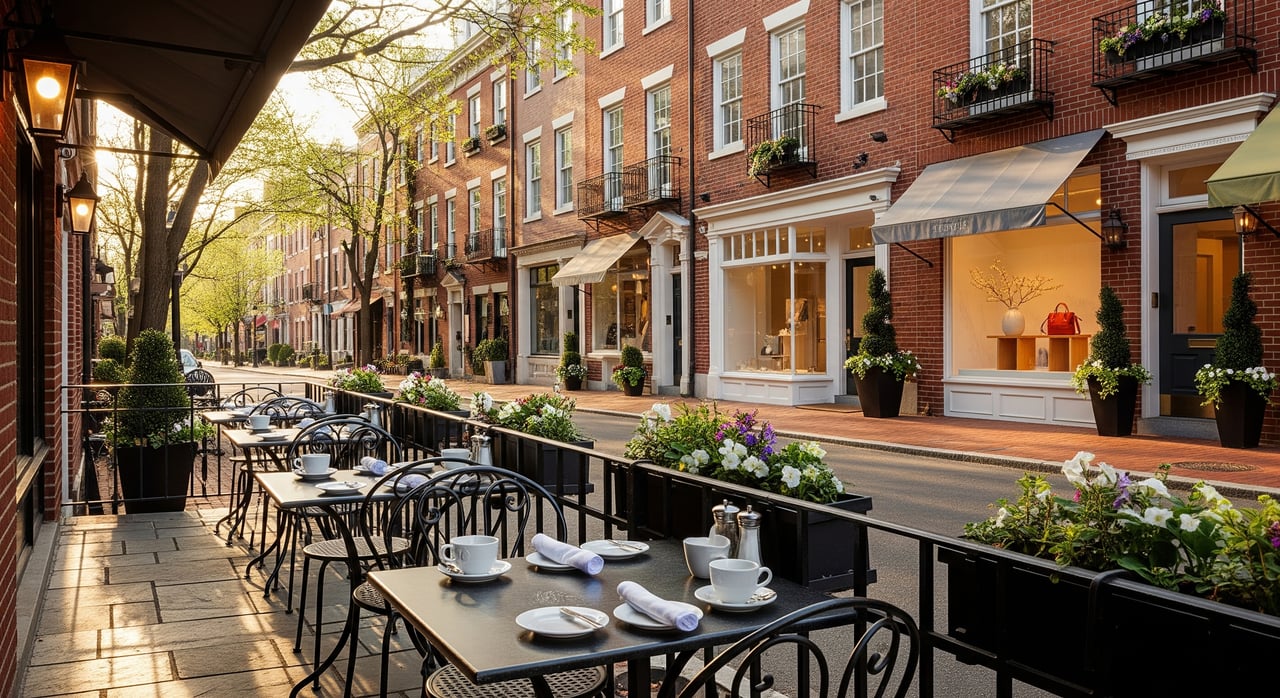
Cleveland Park offers a rare mix of architectural charm and daily convenience. You have the Red Line at the Cleveland Park Metro station, a compact Connecticut Avenue corridor with shops and cafes, and quick access to Rock Creek Park. The area’s historic fabric, including many homes within the Cleveland Park Historic District, gives the neighborhood a cohesive identity that buyers appreciate.
Key neighborhood draws:
- Walkable access to Metro, neighborhood retail, and parks.
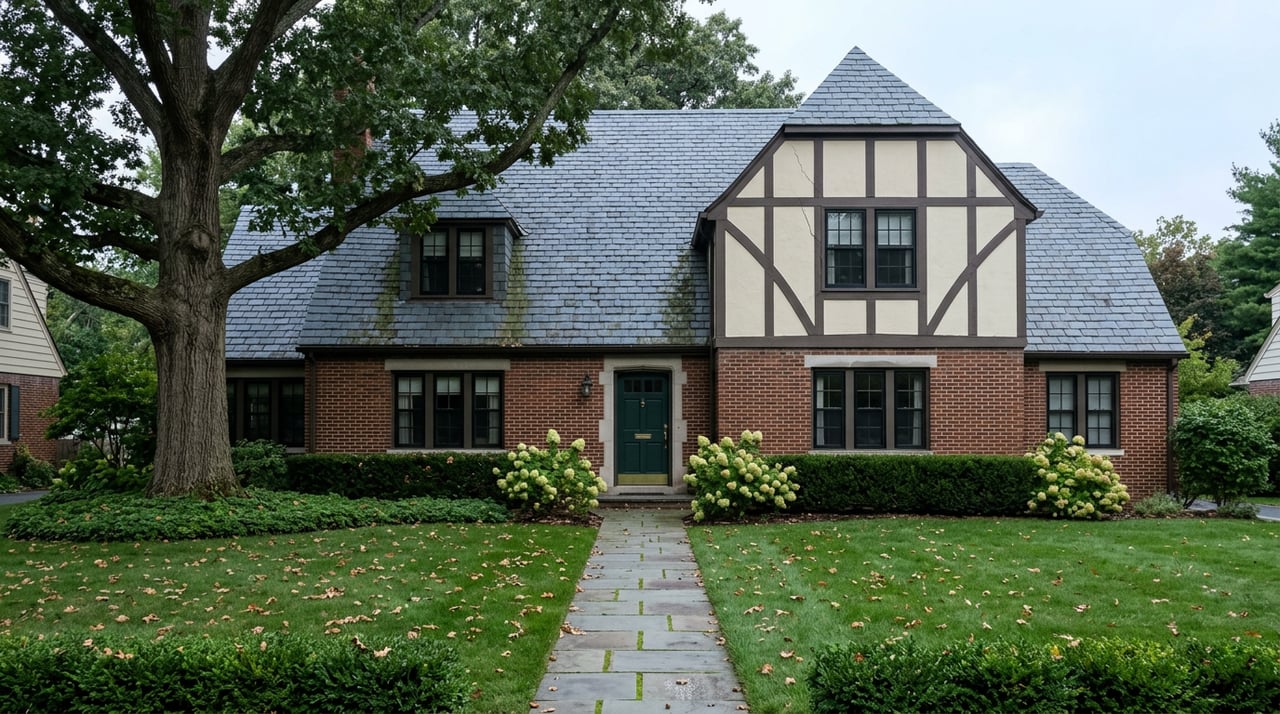
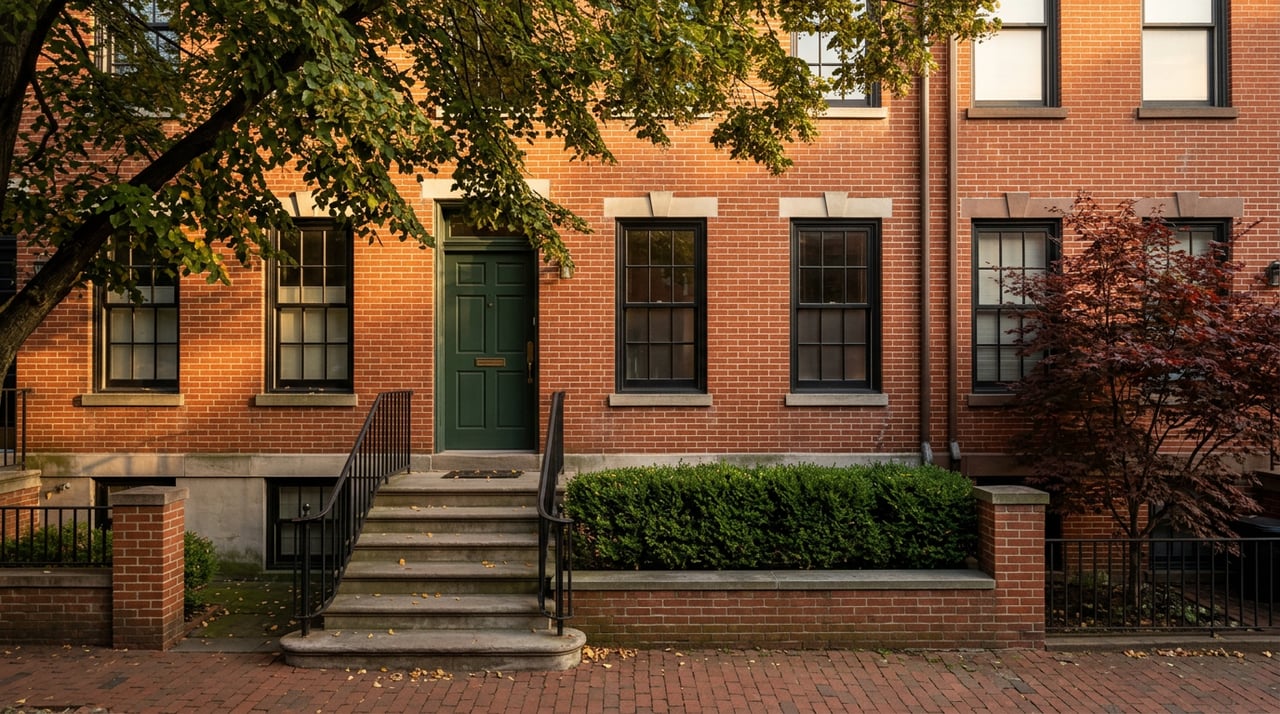
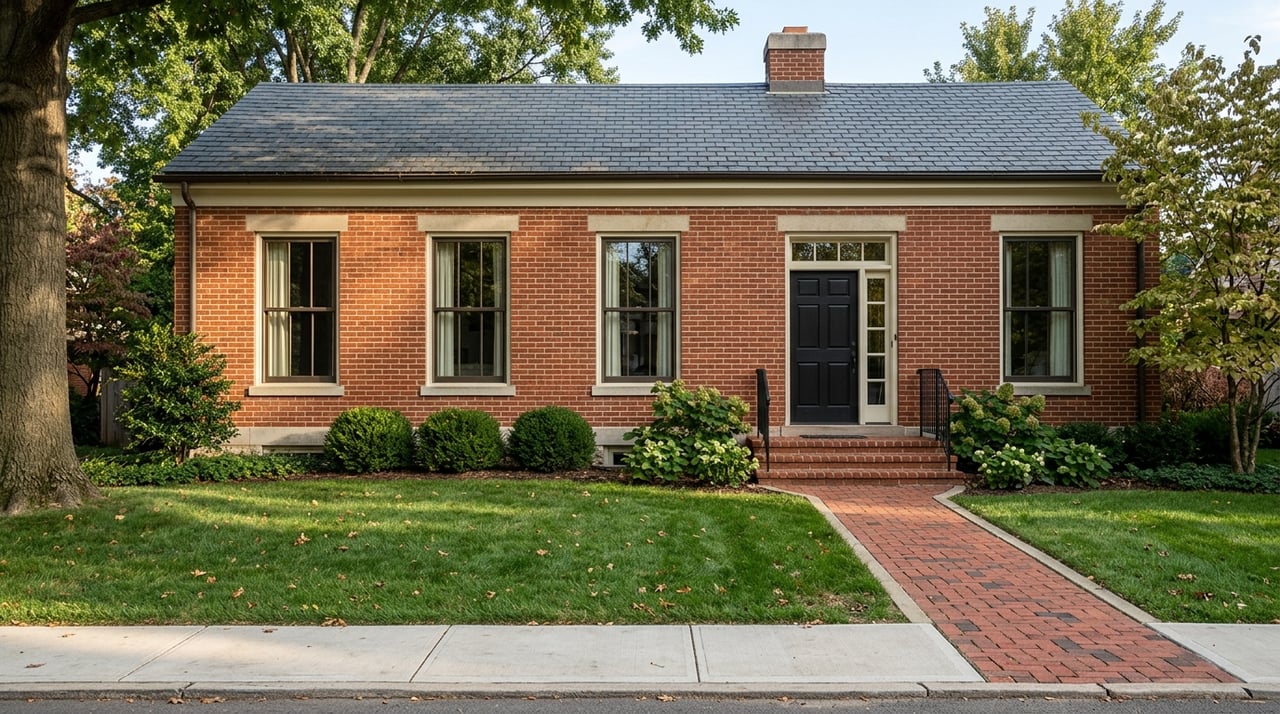
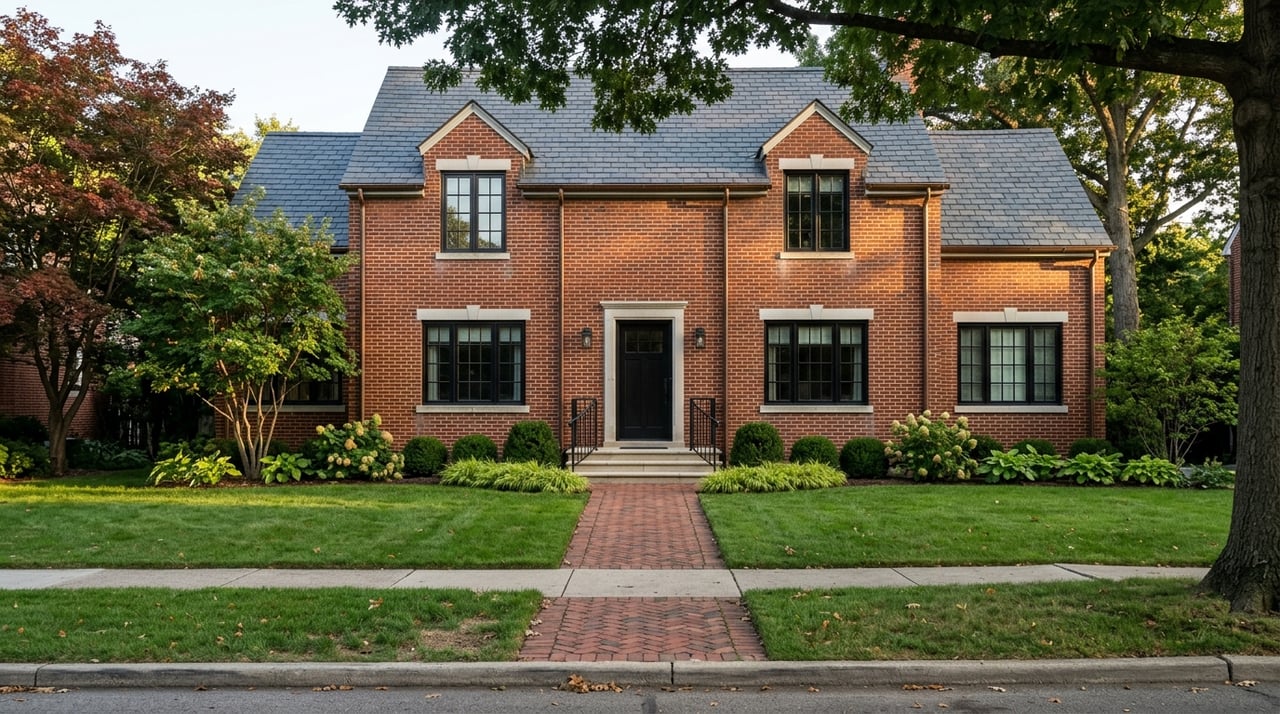
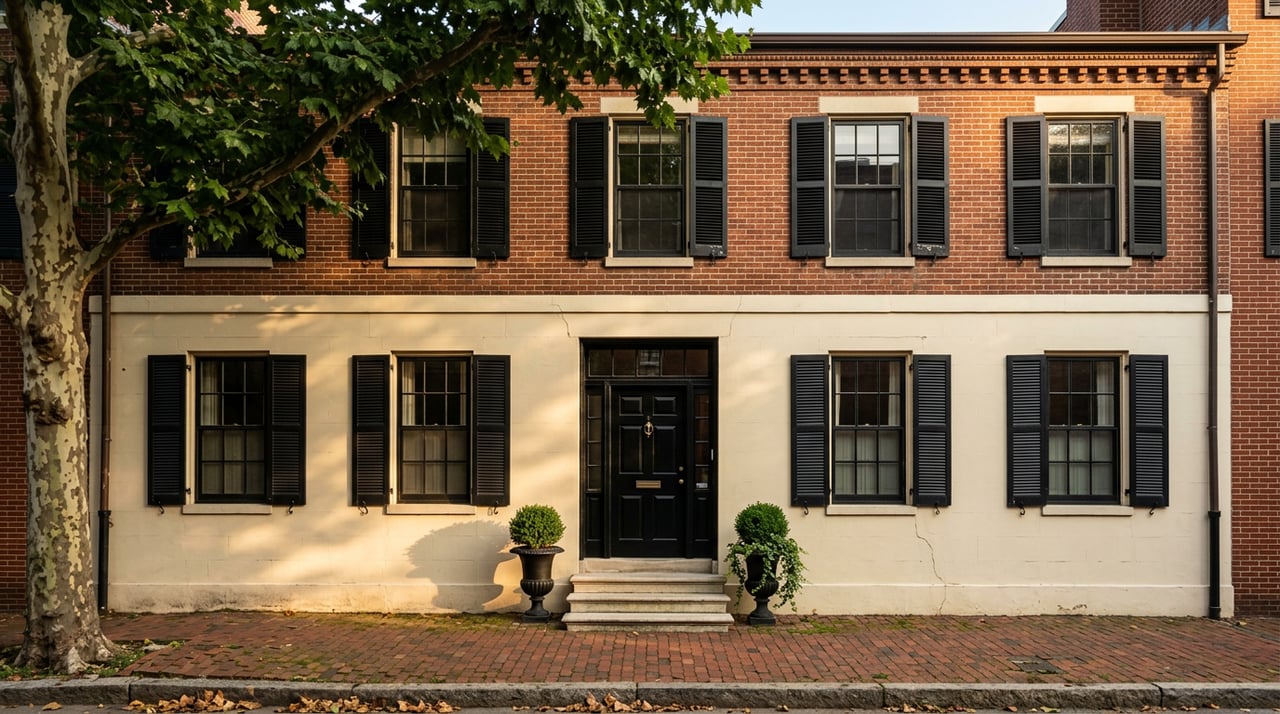
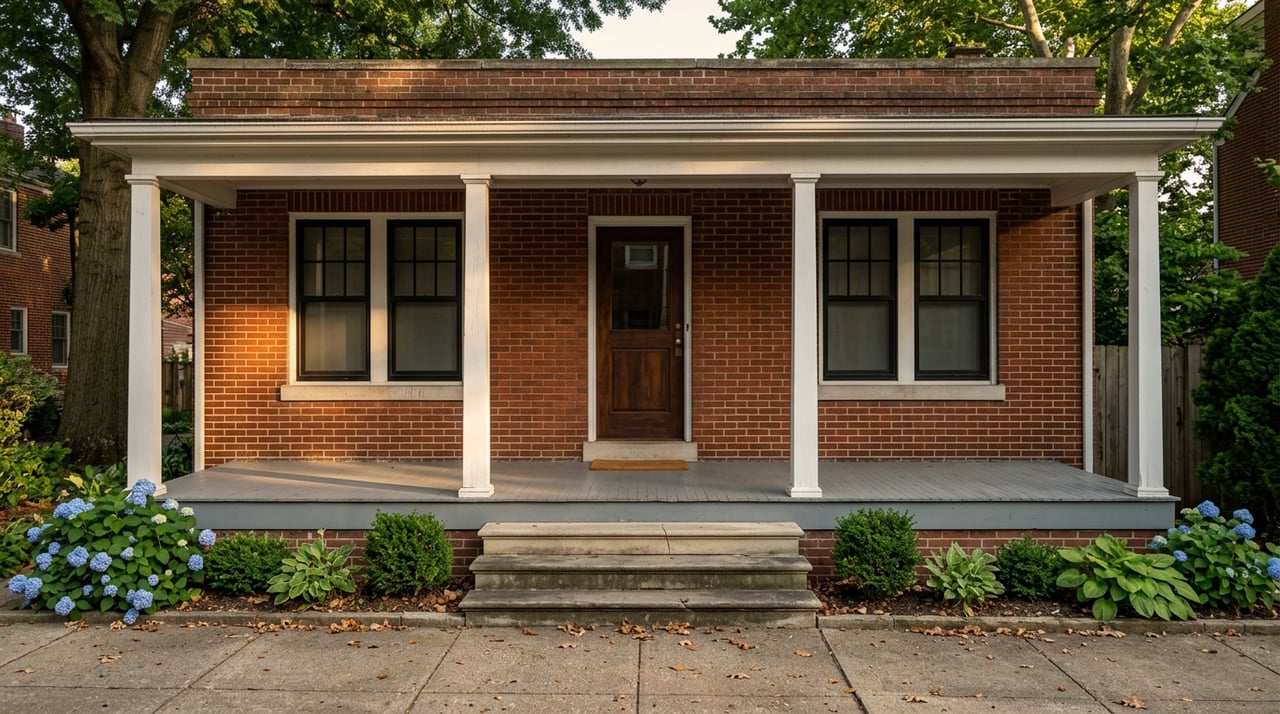
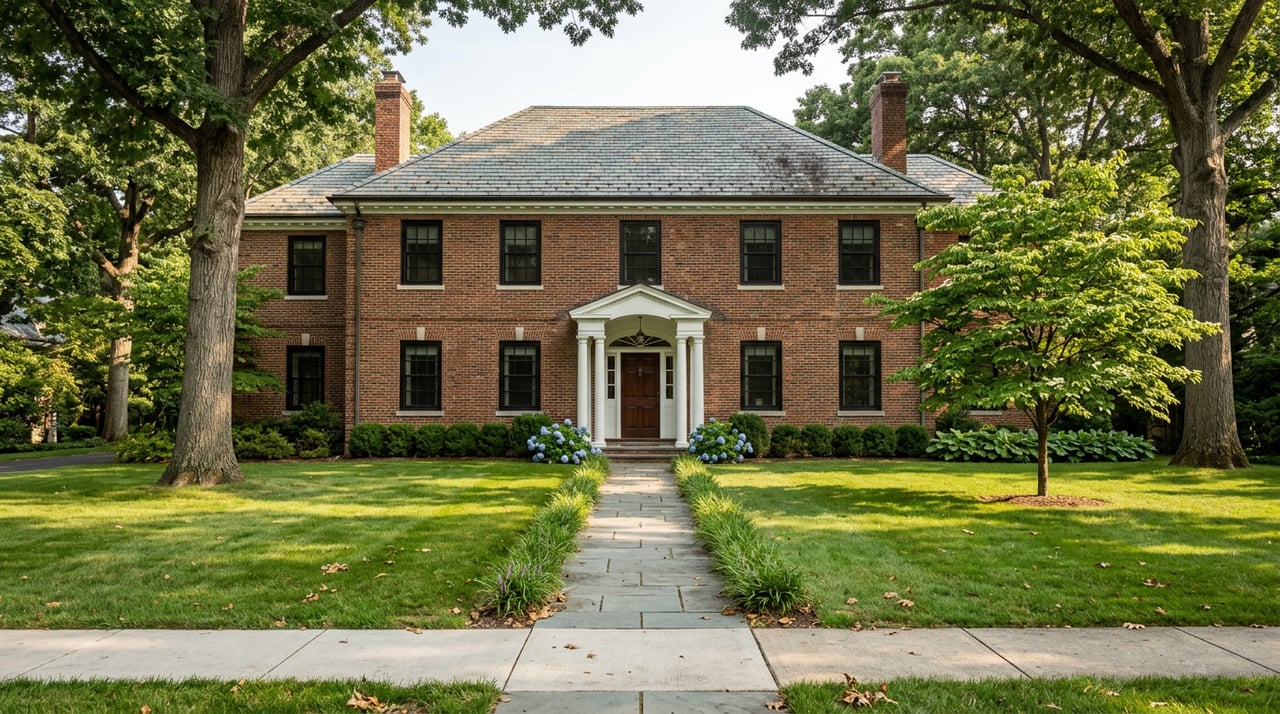
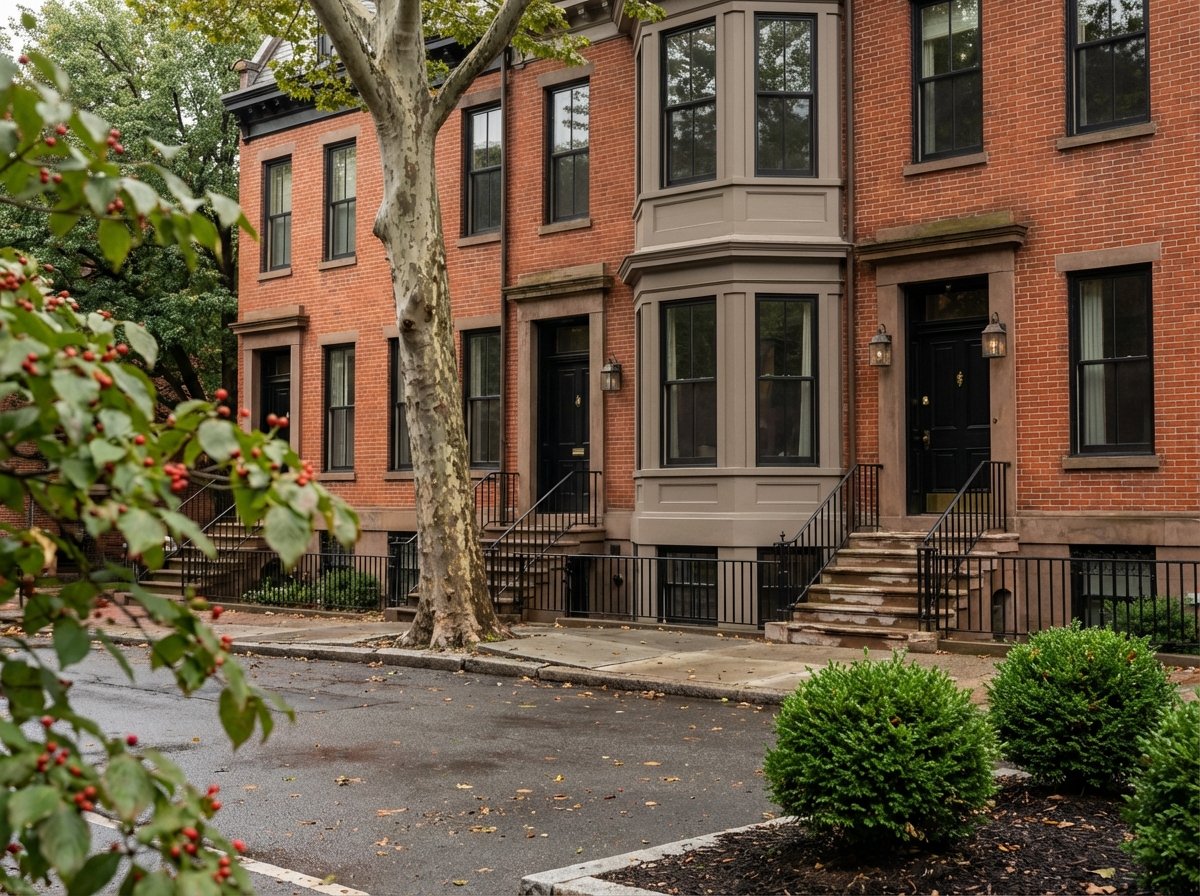
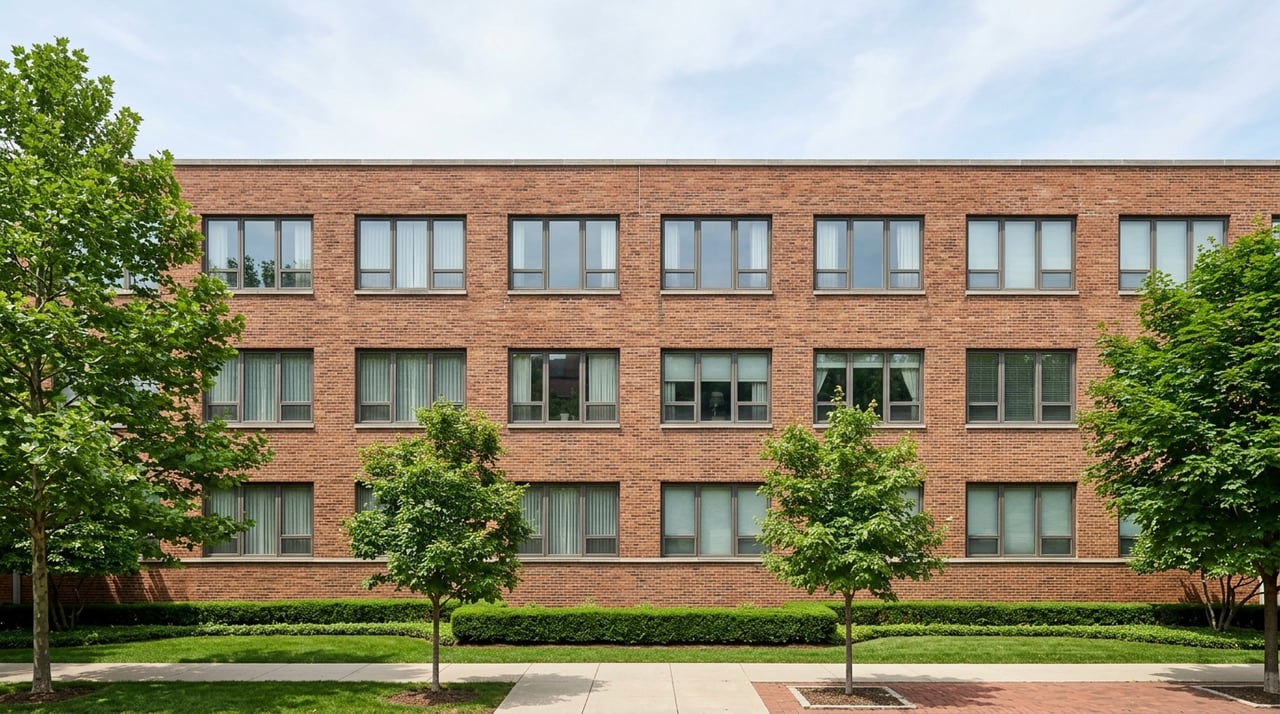
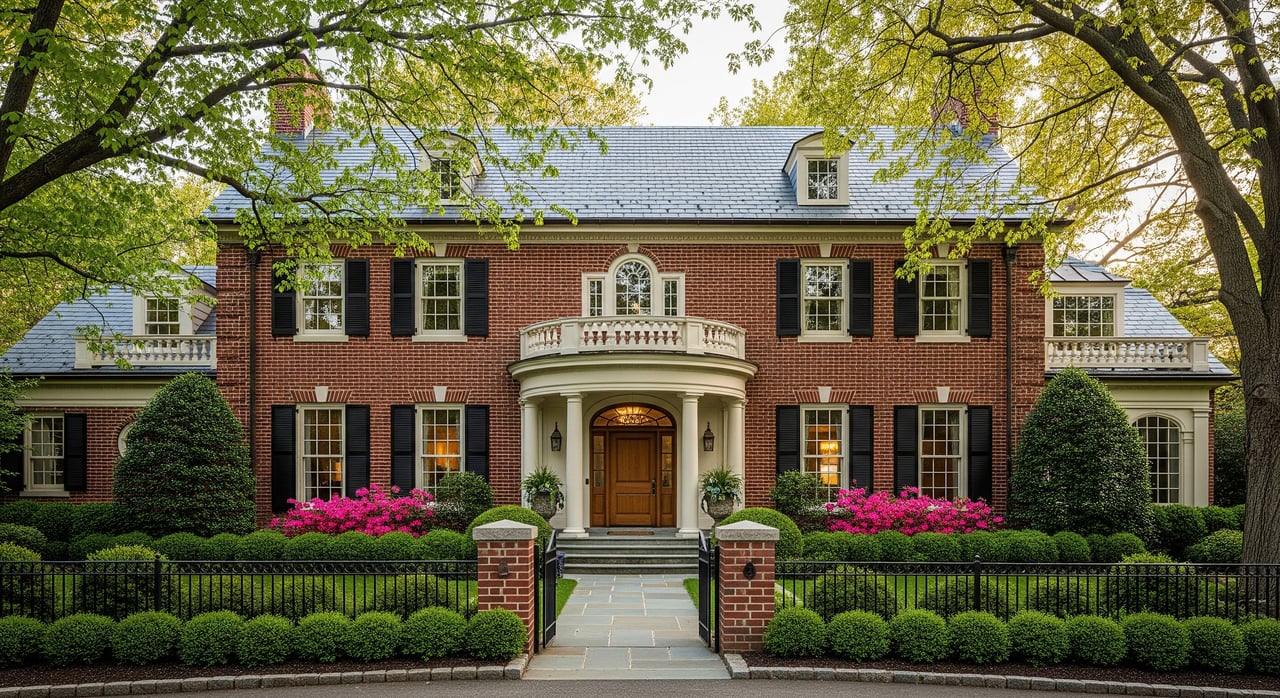
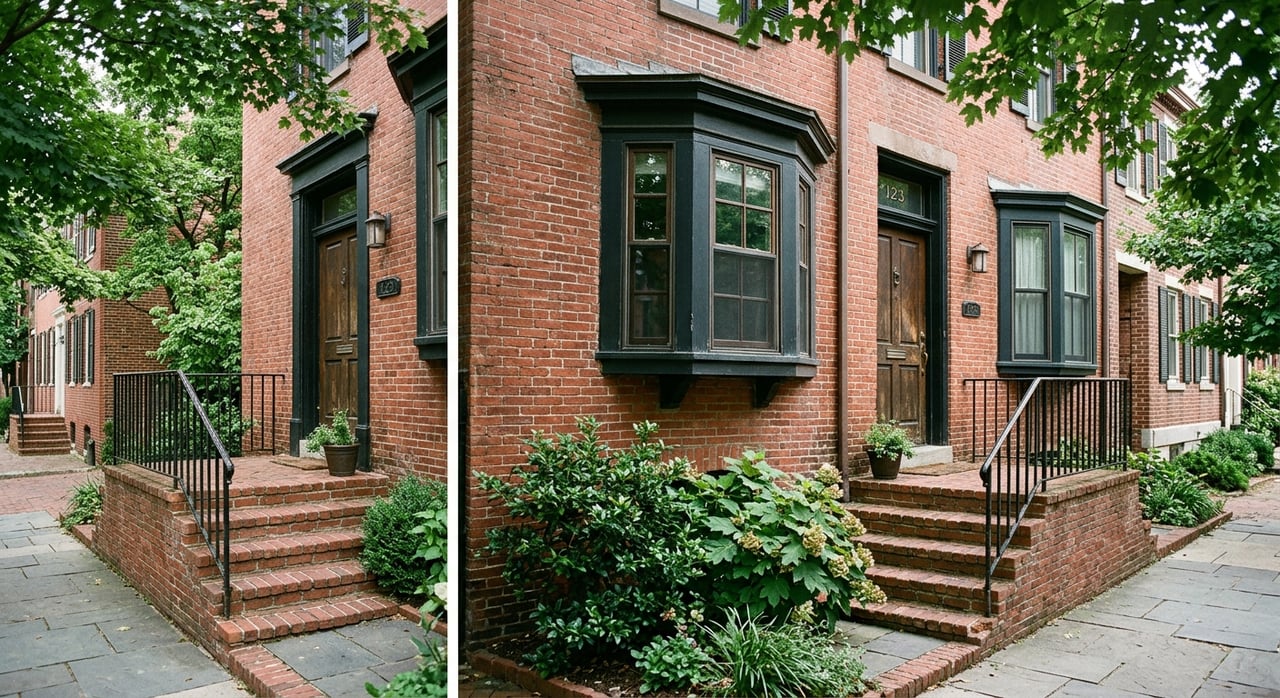
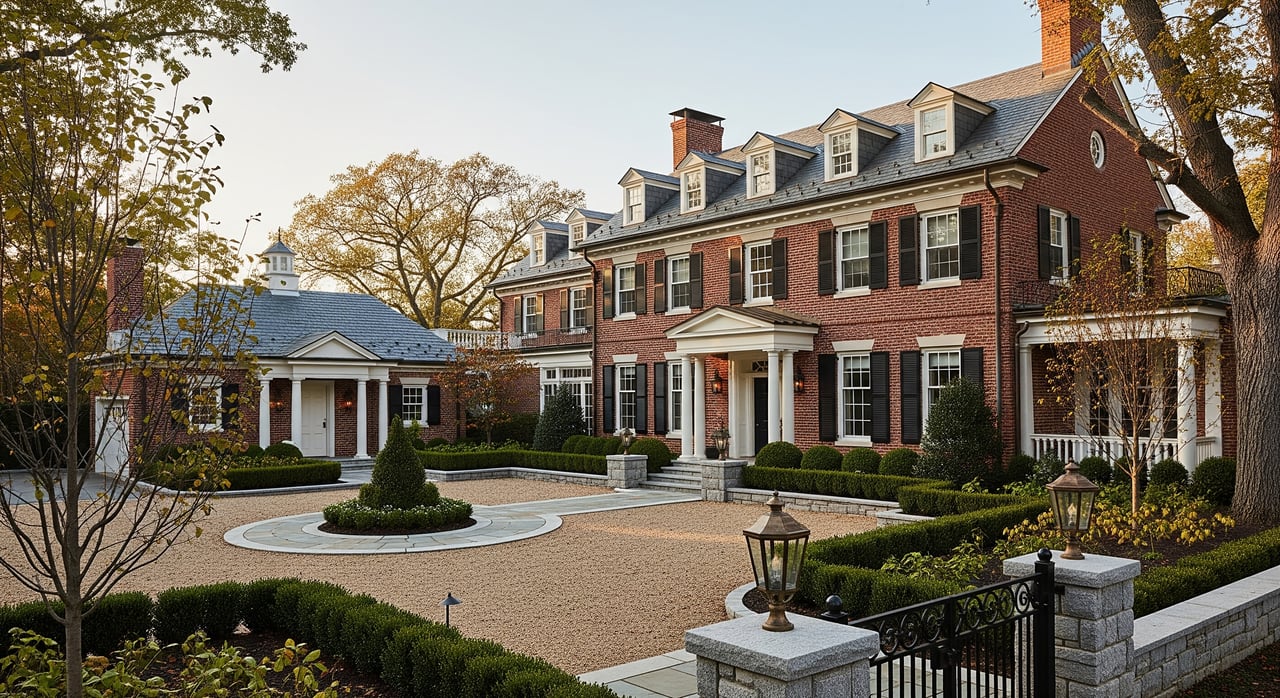
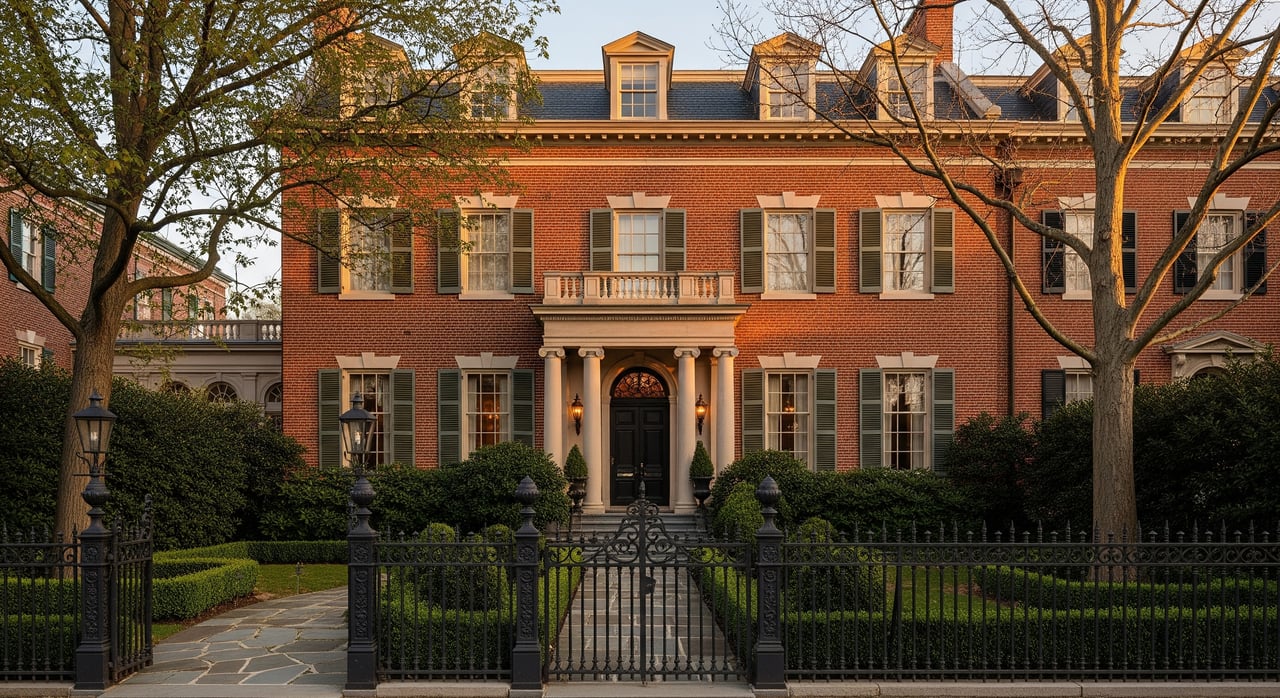
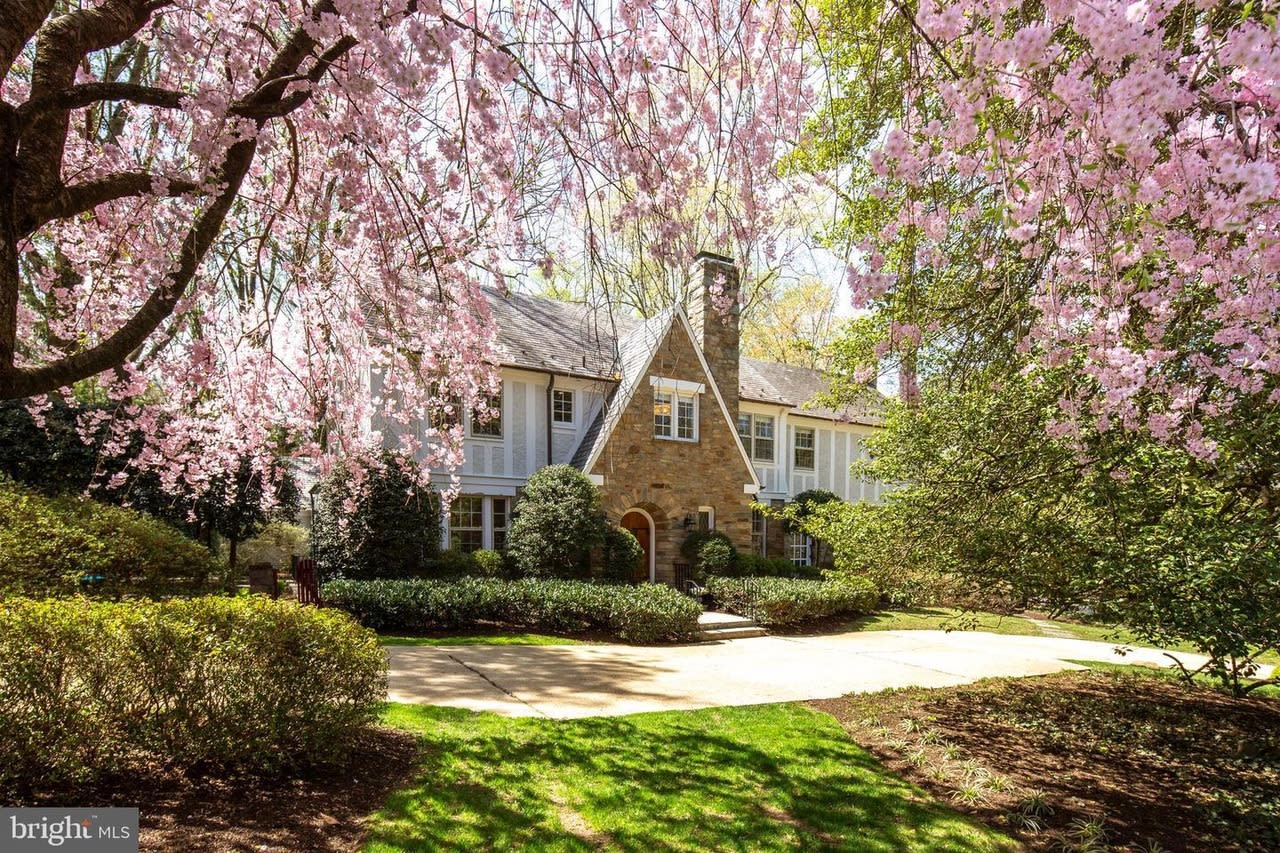
- Late‑19th and early‑20th century homes in styles like Colonial Revival, Tudor Revival, Craftsman, and classic DC rowhouses.
- Mature trees and landscaped lots that support outdoor living.
- Off‑street parking or easy street parking, where available, is a meaningful plus.
Period details buyers love
Cleveland Park buyers consistently value authentic historic elements that signal craftsmanship and a home’s original story.
Millwork and hardwood floors
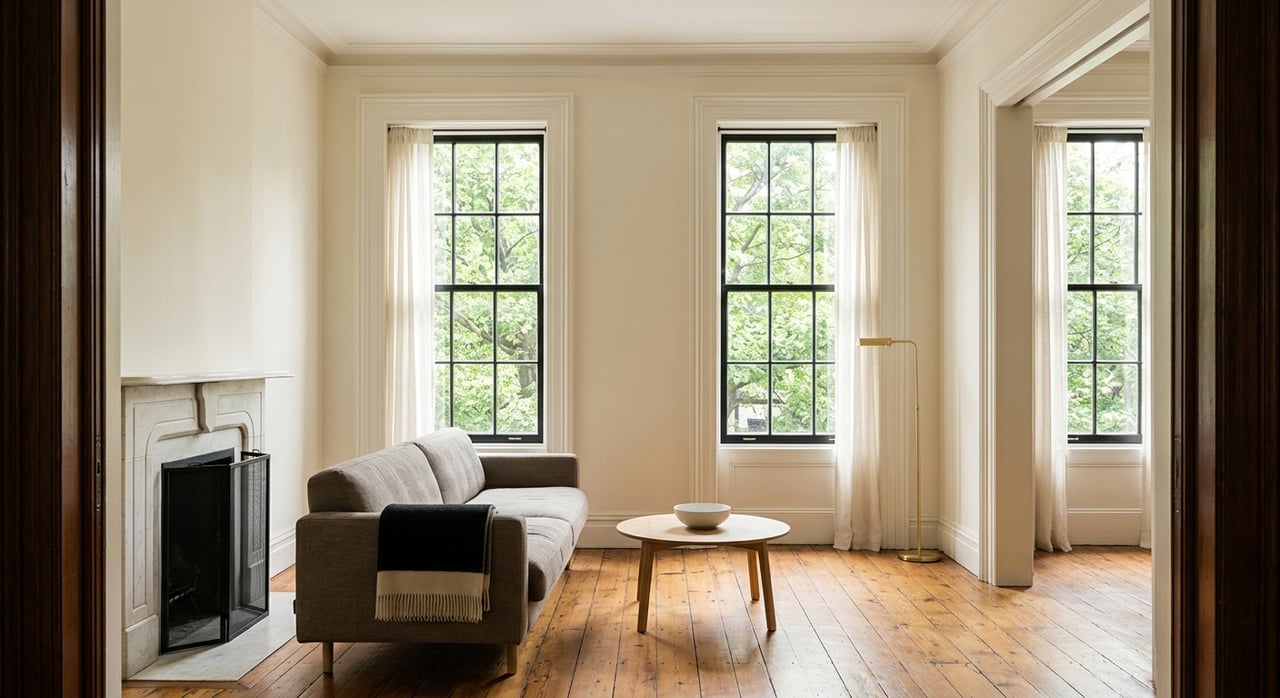
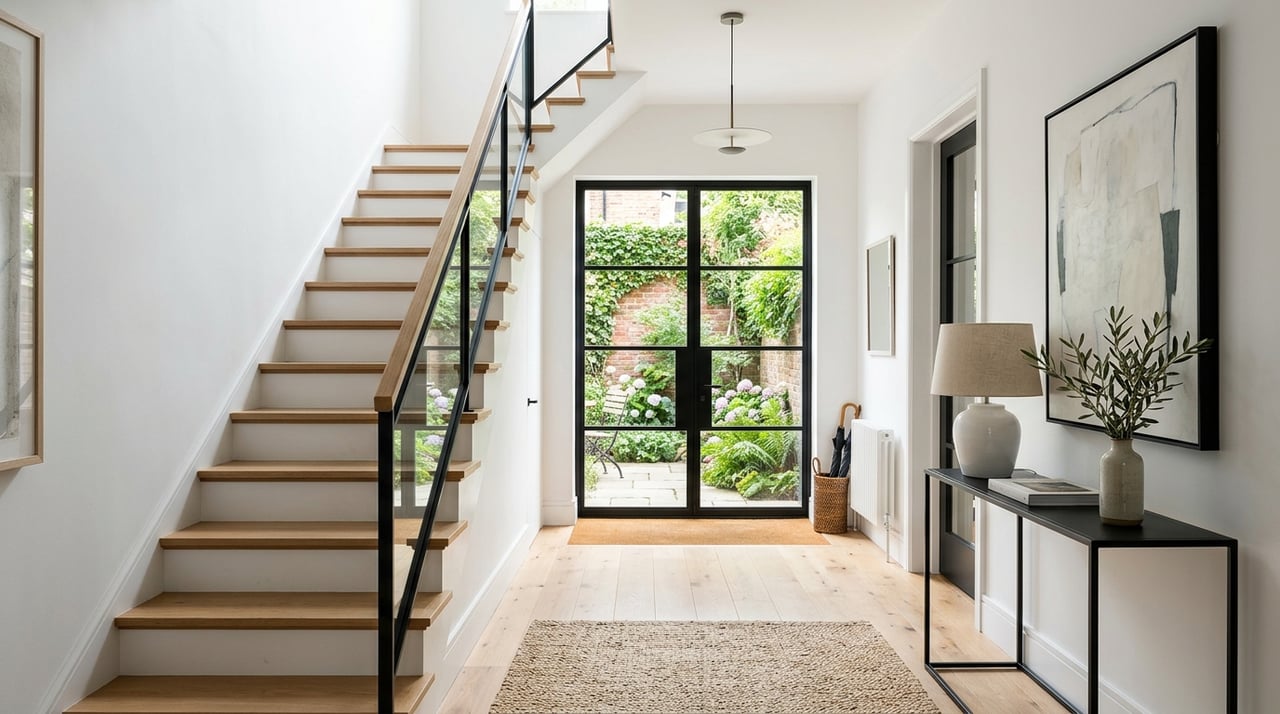
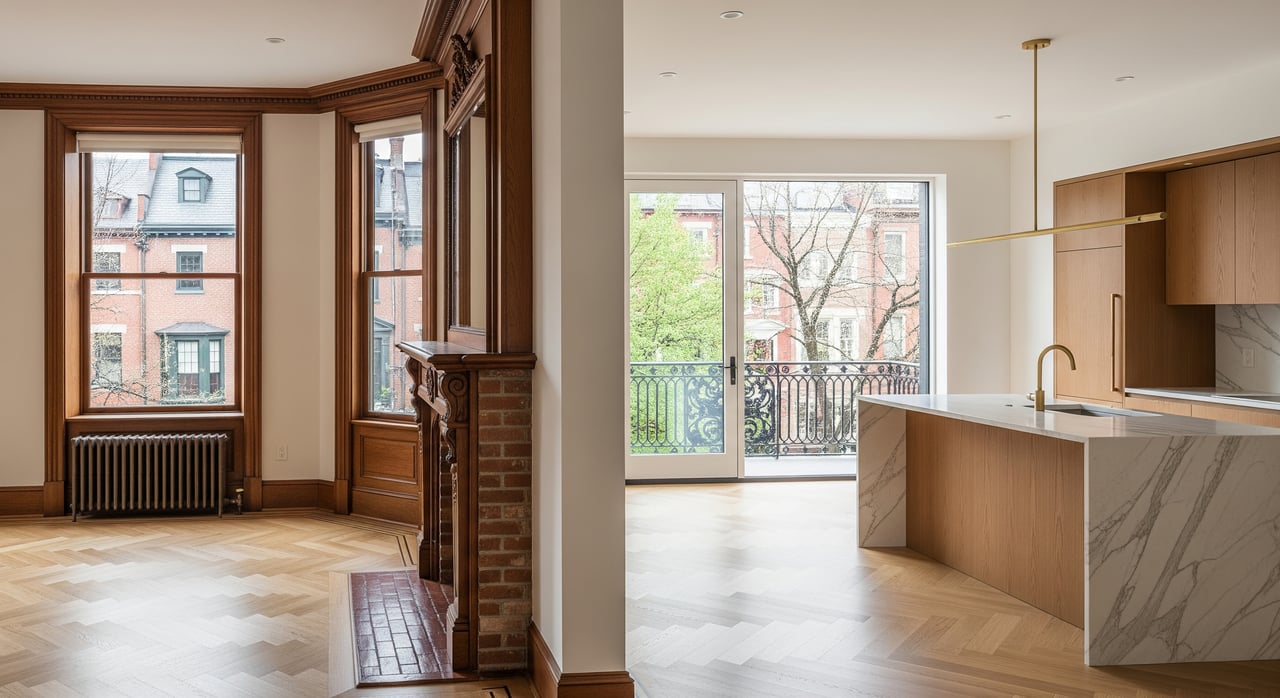
Original trim work stands out. Crown moldings, paneled doors, built-in bookcases, wainscoting, and detailed staircases are prized because they are difficult to replicate today. Well-preserved or restored hardwood floors, especially original boards, often carry more appeal than replacement materials.
Fireplaces and mantels
Working fireplaces or original mantels create a focal point and elevate the living space. Even when not used daily, a period mantel paired with original tile or surrounds adds notable character. Buyers often view these features as anchors for formal rooms.
Doors, transoms, and glass details
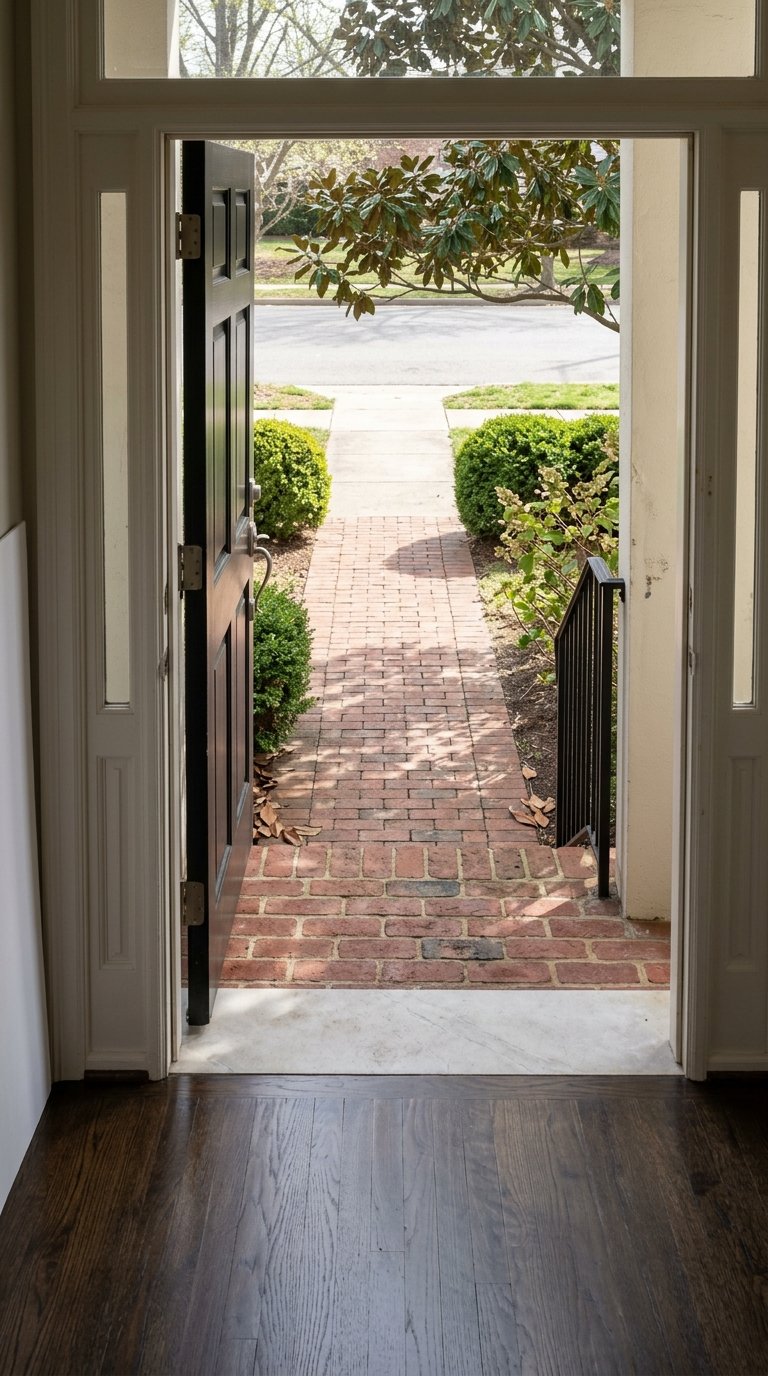
Original interior doors, glass transoms, and leaded or stained glass windows help define the home’s age and craftsmanship. Pocket doors, when present and functional, are conversation pieces that signal rarity and care.
Exterior curb appeal elements
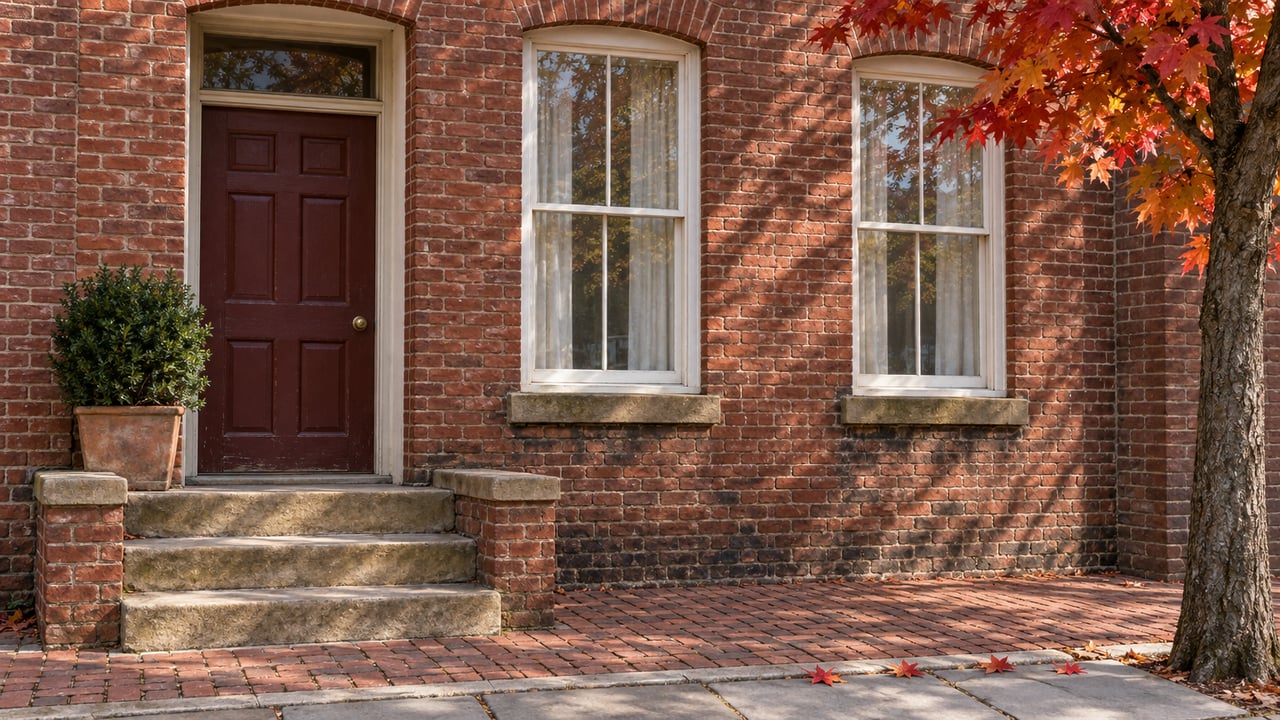
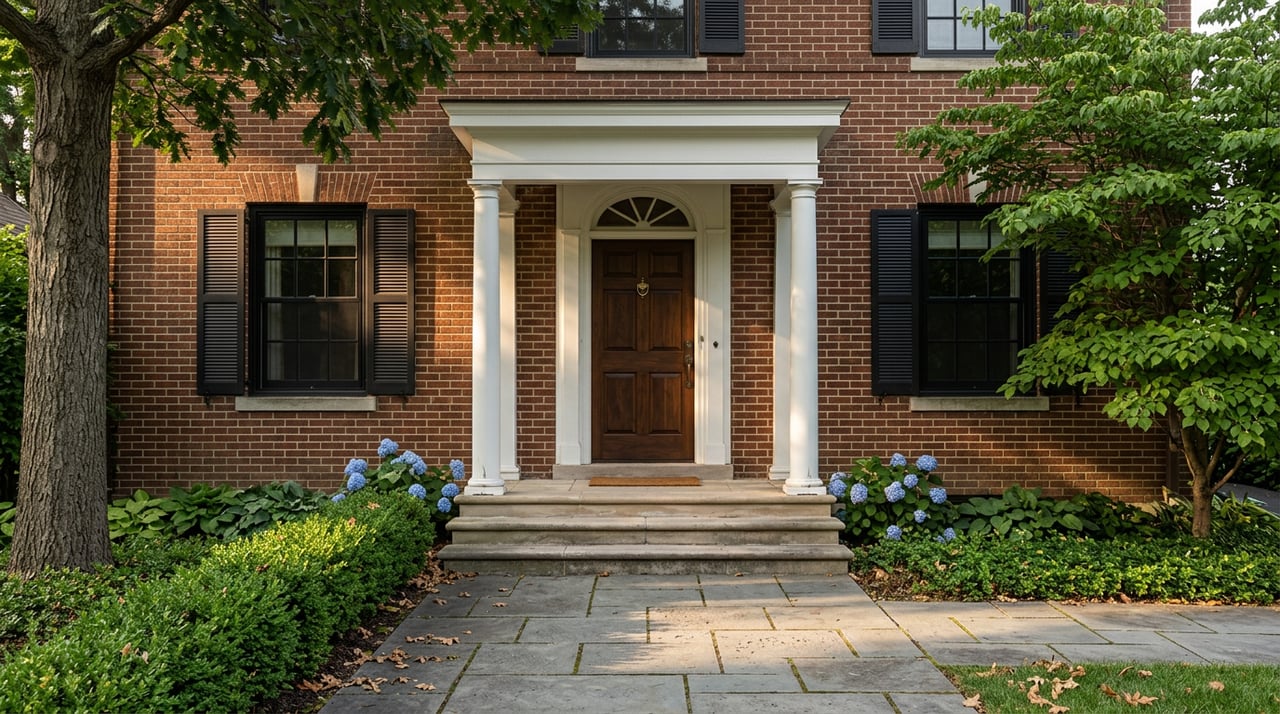
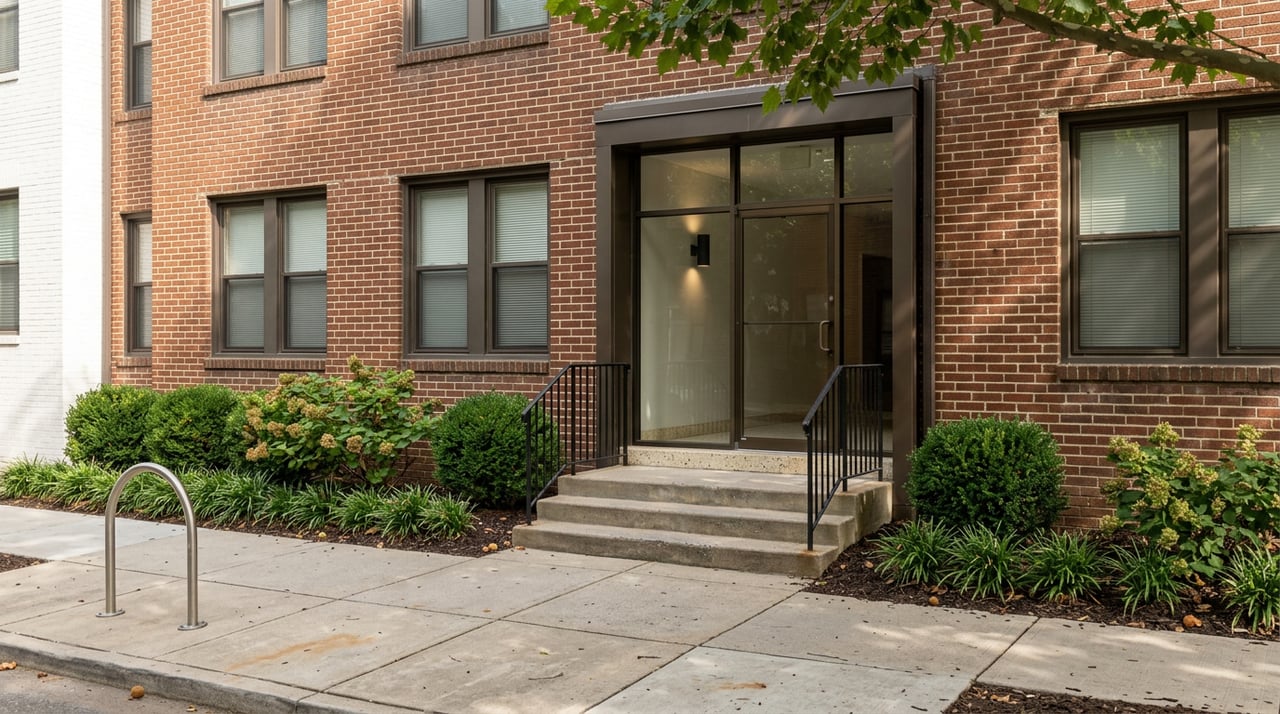
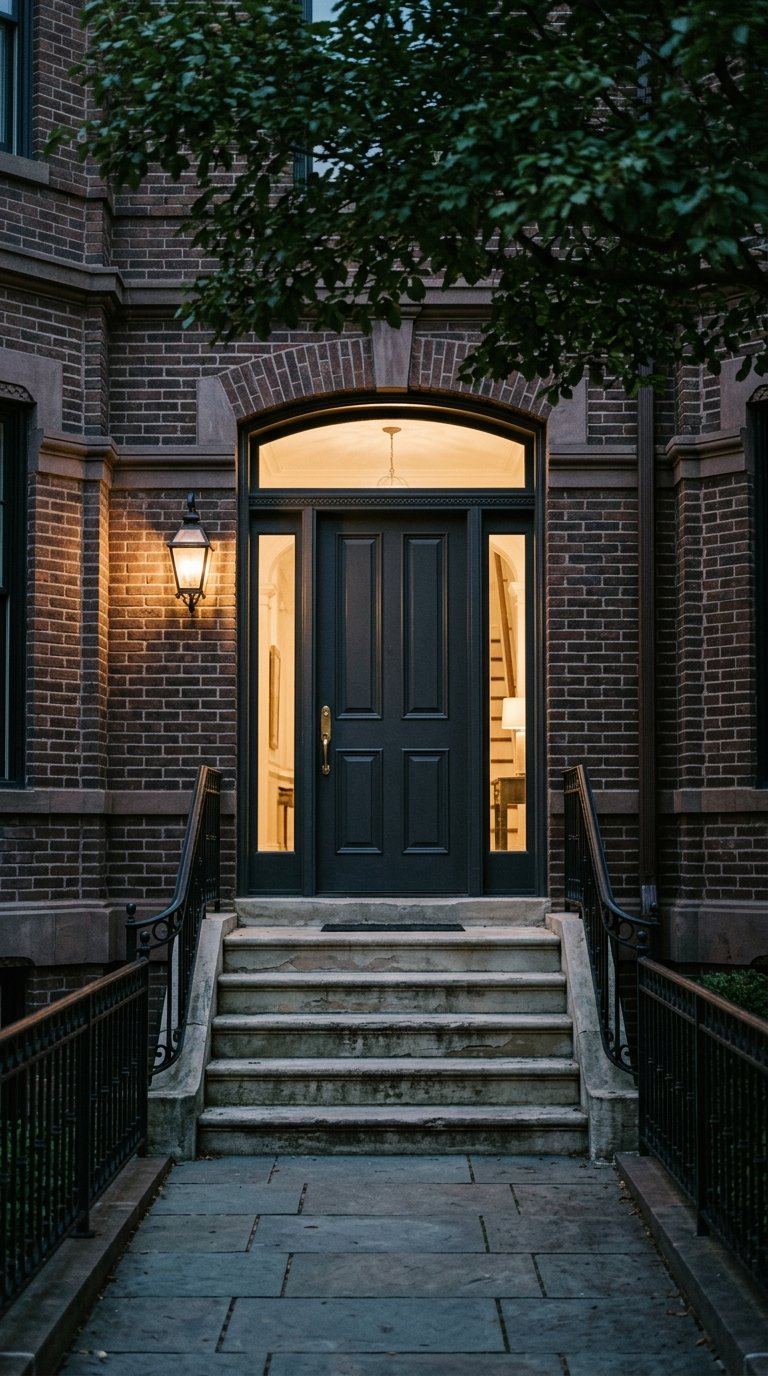
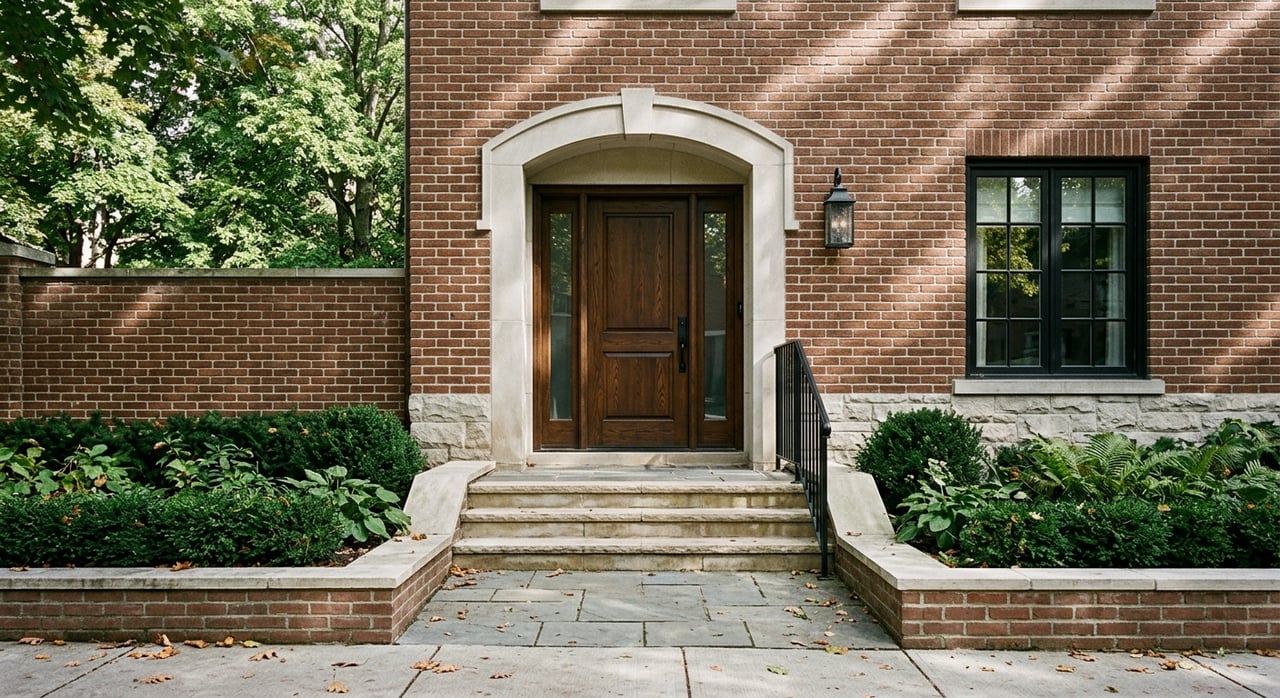
Front porches, classic rooflines, historic masonry, and mature street trees shape first impressions. Small changes that respect these elements can have an outsized impact on buyer interest. Preserving visible historic fabric typically supports stronger resale.
Modern upgrades that move the market
Cleveland Park buyers want the best of both worlds. They look for modern systems and functional layouts that honor the home’s historic character.
Kitchens that work today
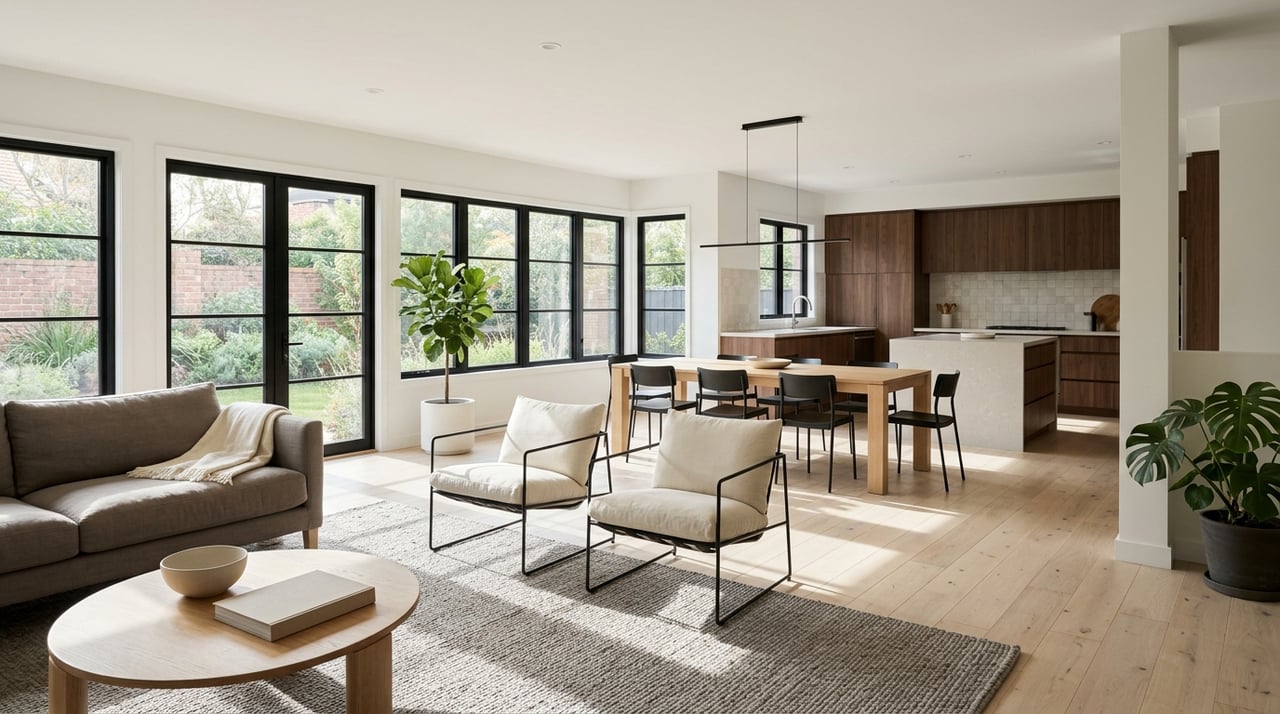
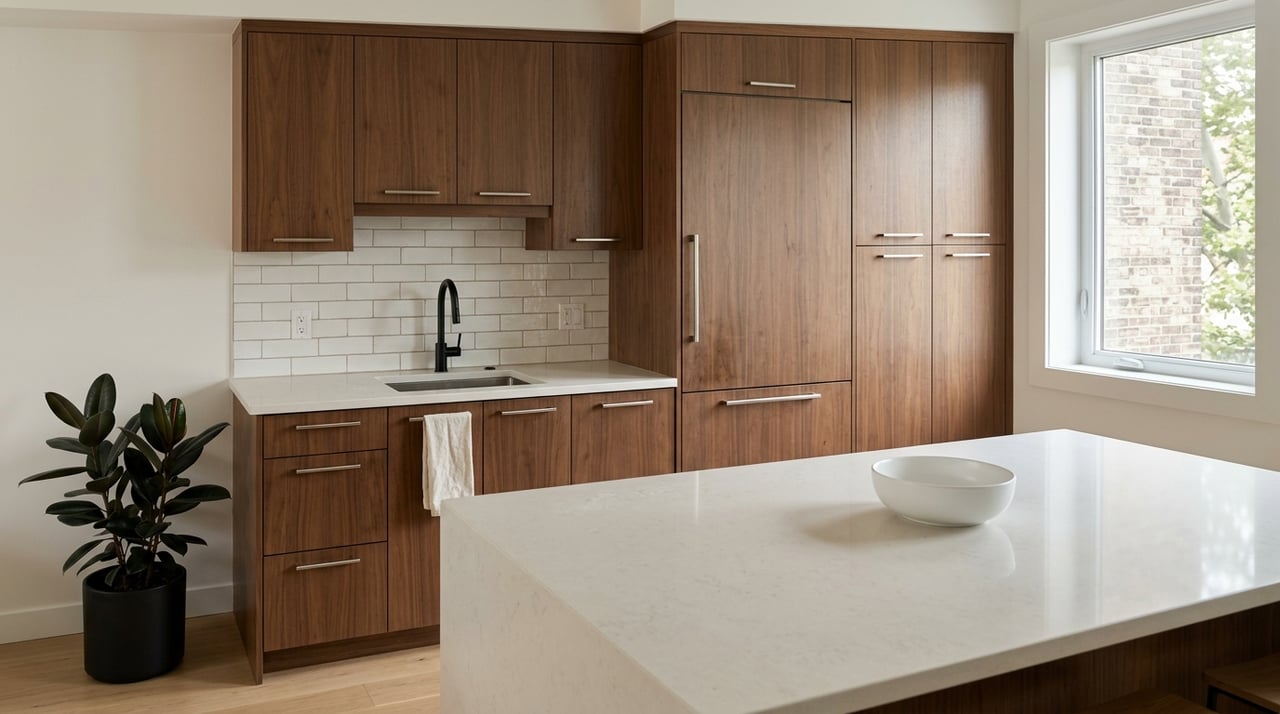
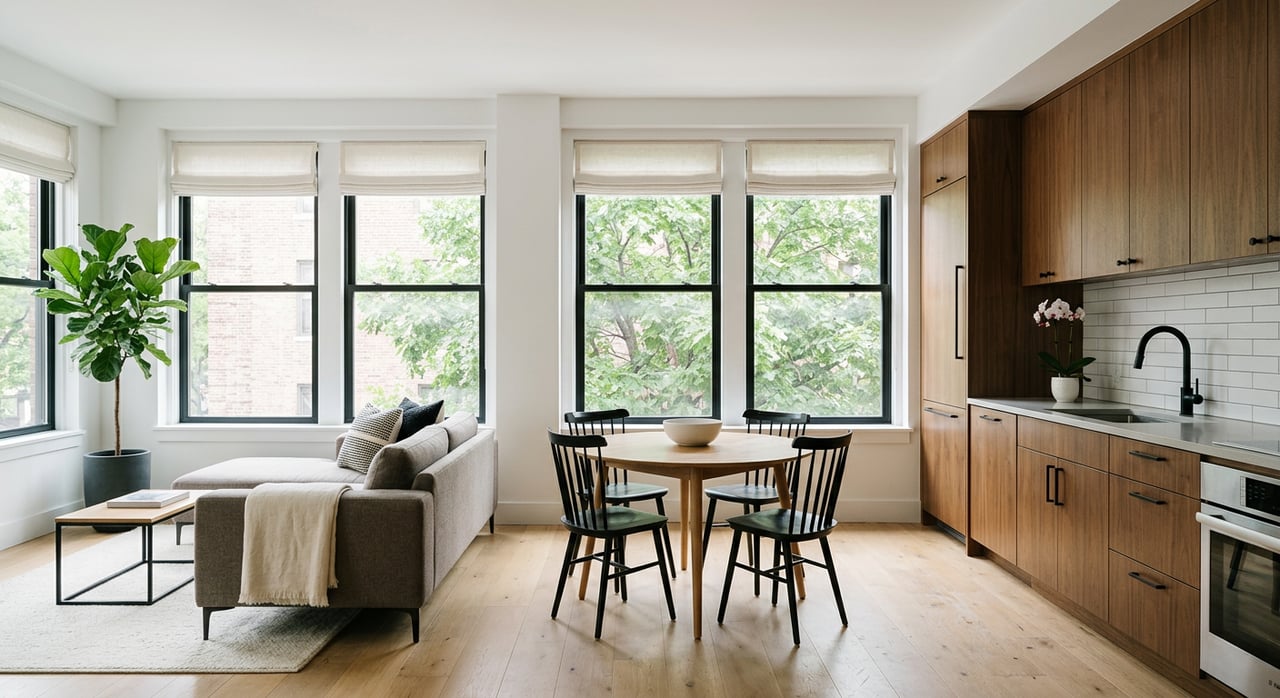
You will see strong interest in open or semi-open layouts that improve flow while protecting trim and sightlines where possible. Islands or large peninsulas, durable countertops like quartz, quality appliances, and ample lighting make daily living easier. Smart storage and under-cabinet solutions matter as much as finishes.
Renovated baths
Updated bathrooms with walk-in showers, efficient fixtures, and good ventilation feel fresh and low maintenance. Modern plumbing and water heaters are practical upgrades buyers expect. Timeless tile and neutral palettes help your space age well.
Systems and safety first
Reliability matters. Many buyers expect modern HVAC, updated electrical service suitable for today’s loads, and copper or PEX plumbing in place of outdated materials. For older homes, replacing knob-and-tube wiring and addressing lead-based paint where present are near-universal expectations. Clear documentation of system upgrades supports buyer confidence.
Windows and insulation
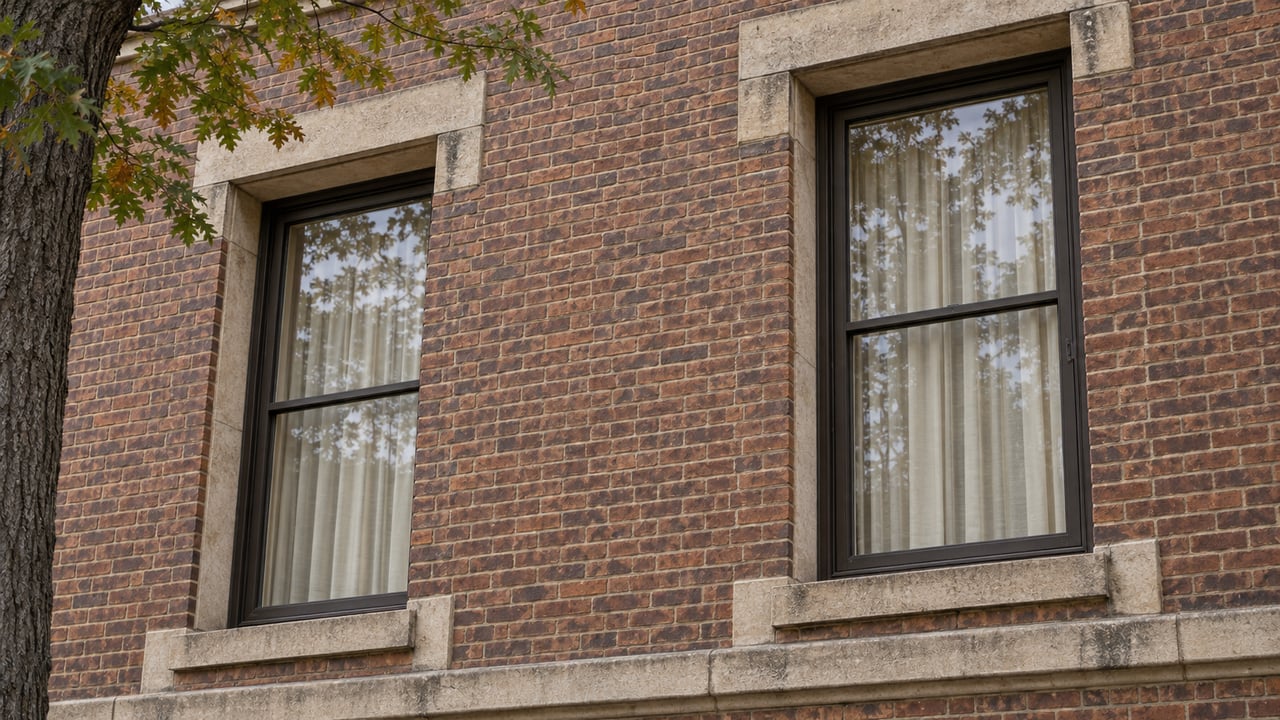
Energy improvements are a plus, but window changes in a historic district can be sensitive. Restored wood sashes with weatherstripping, interior or exterior storm windows, or historically appropriate replacements can improve comfort while retaining the façade. Pair window work with air sealing and insulation to realize real efficiency gains.
Basements and added living area
Finished lower levels add flexibility and value. A legal bedroom, full bath, and a home office or in-law suite can expand your buyer pool. Attic conversions and carefully designed roof decks can also add usable space, subject to zoning and historic review.
Outdoor living and landscaping
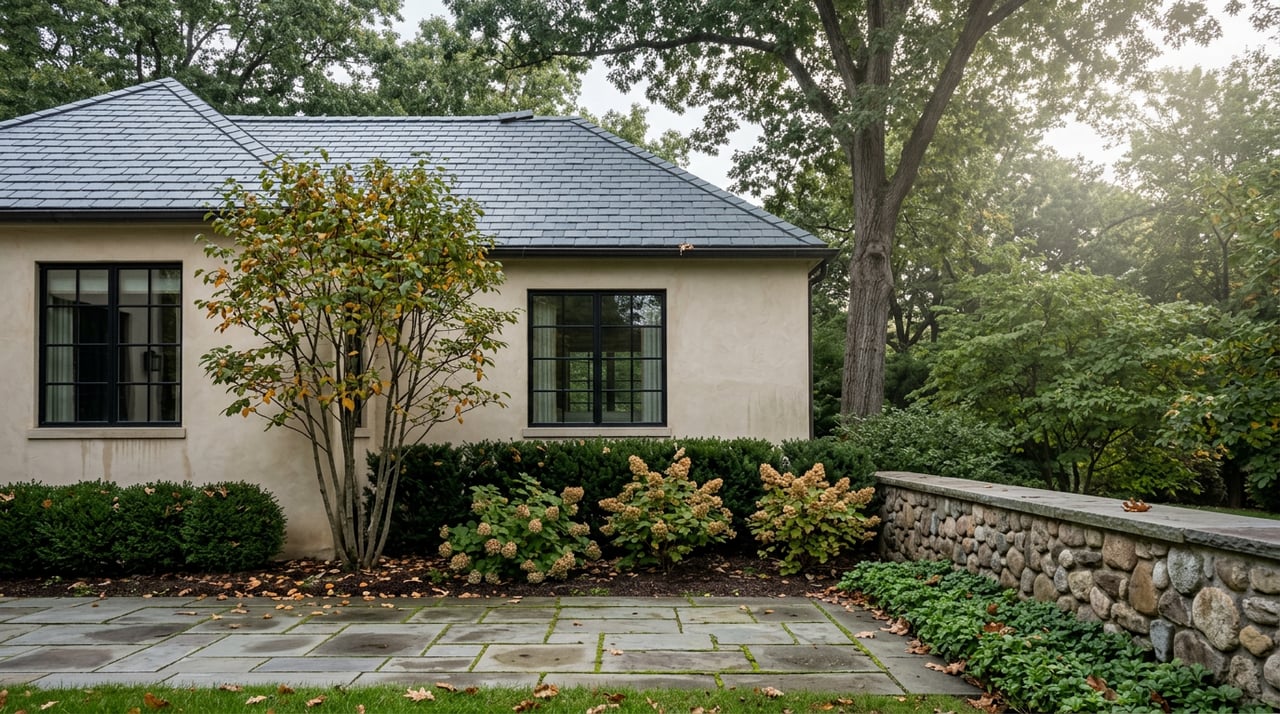
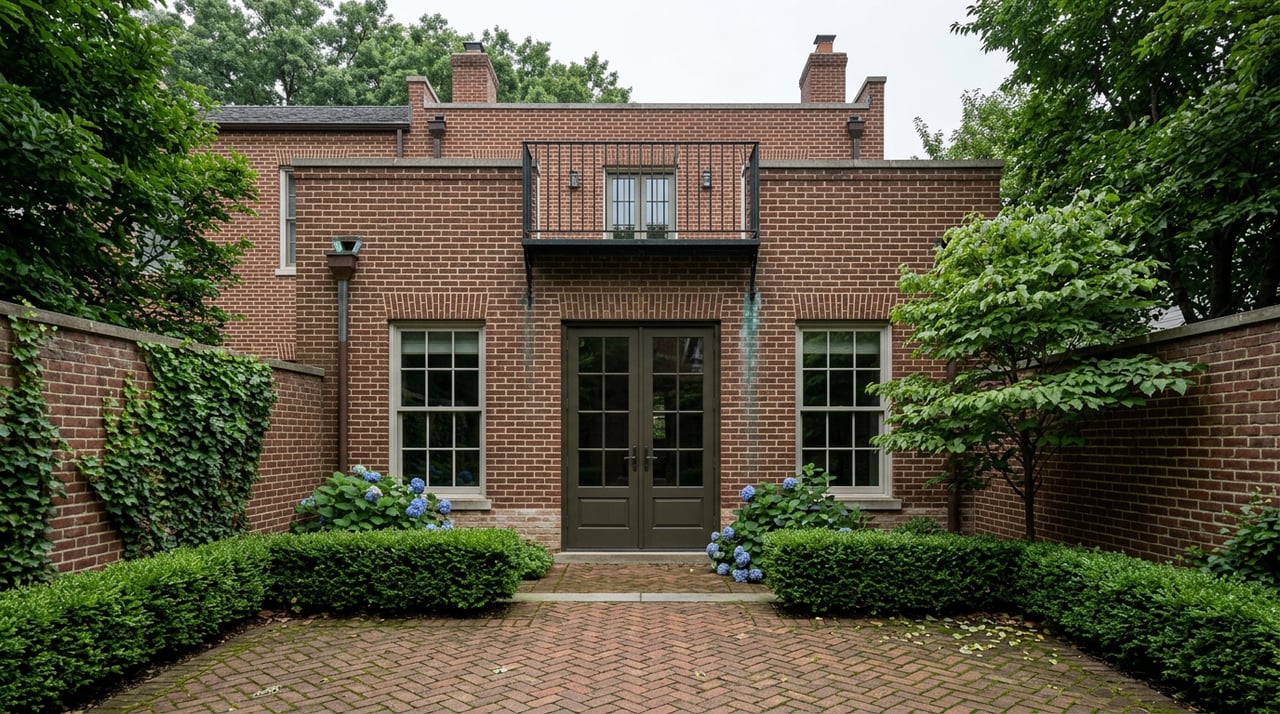
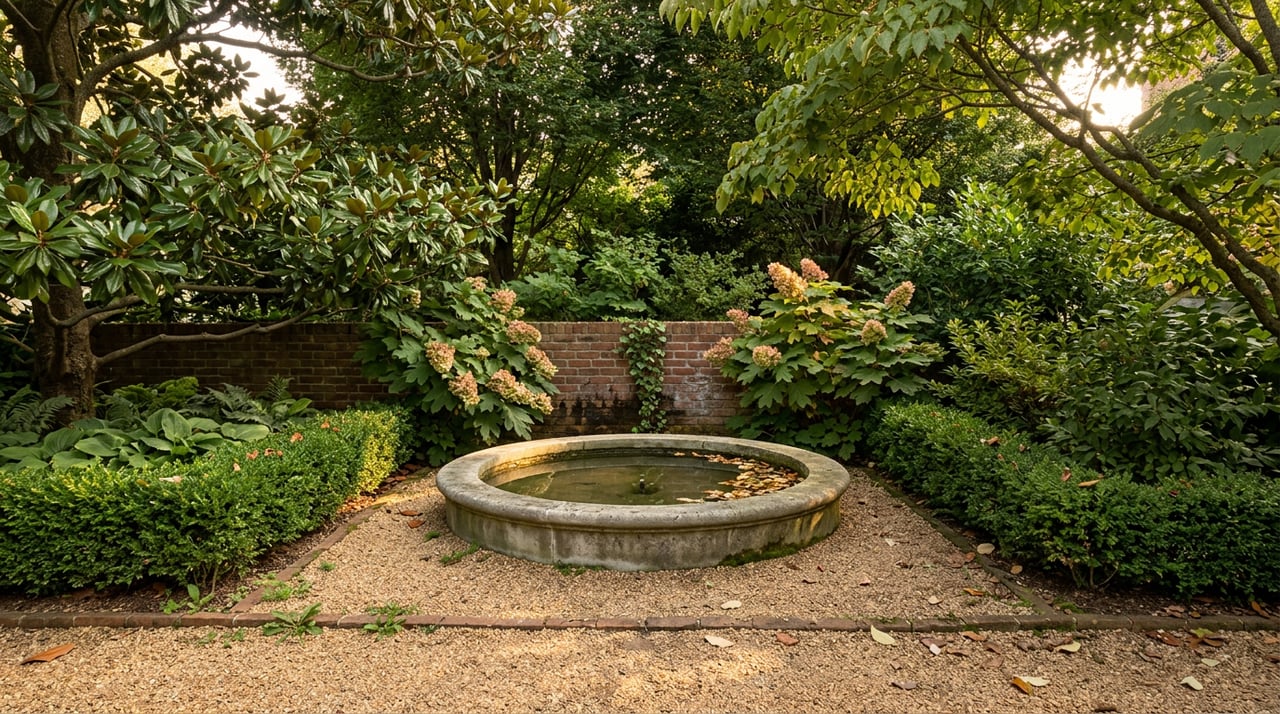
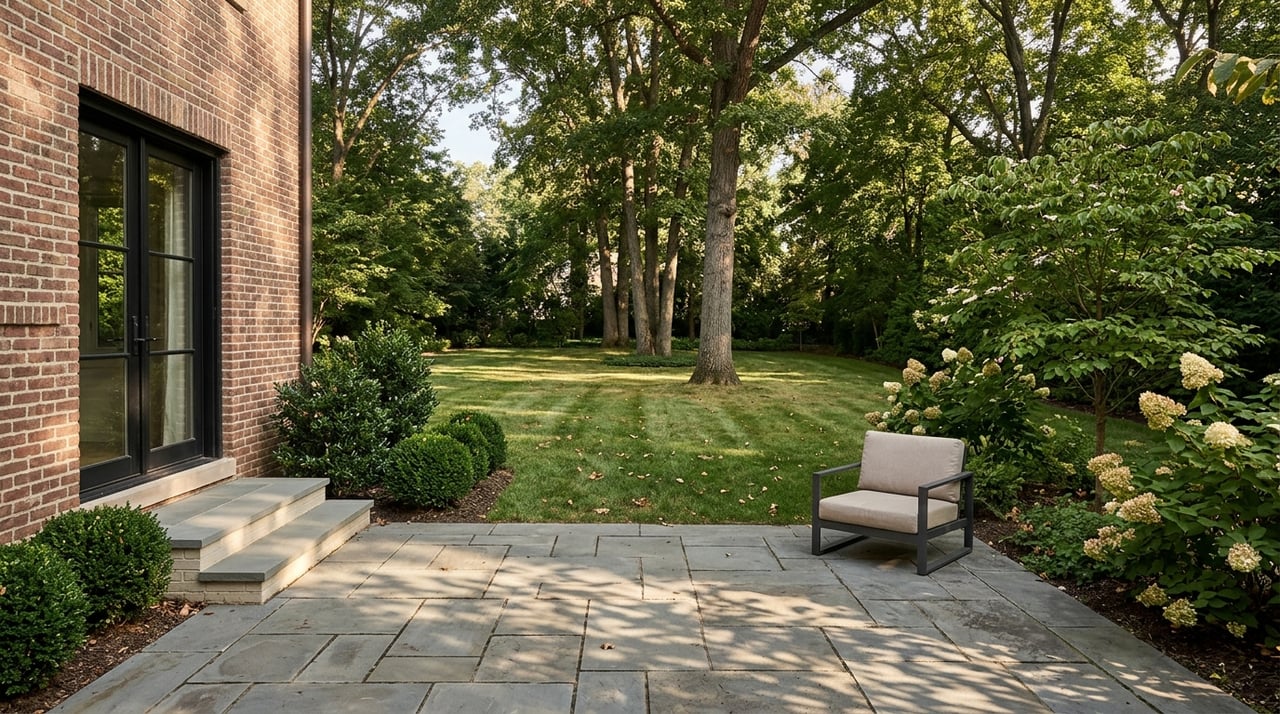
Private patios, decks, and well-planned small gardens get attention. Usable rear yards, mature trees, and privacy hedges help buyers envision daily life and entertaining. Even modest landscape updates that frame the architecture can lift the entire property.
Parking and access
In DC, parking influences demand. A garage, driveway, or deeded off-street space is a significant selling feature. Where parking is limited, highlight ease of street parking and proximity to Metro and buses.
Smart home features
Smart thermostats, security systems, and lighting controls are welcome, but they are secondary to core systems and kitchen or bath updates. Present them as helpful add-ons rather than headline features.
Balancing preservation and modernization
The strongest results keep visible period details while modernizing behind the scenes. Work with preservation-savvy architects and contractors who can route ductwork through basements and attics, protect original trim, and propose minimally invasive solutions. When you must replace, choose materials and profiles that echo the original. Document original conditions and save reusable pieces when possible.
Historic district and permits: what to know
Many Cleveland Park homes fall within a locally regulated historic district. Exterior work visible from the street typically requires review by the DC Historic Preservation Office and the Historic Preservation Review Board. This includes window changes, porch work, roofline alterations, and most additions. Interiors are generally not regulated unless the property is an individual landmark or subject to easements.
Plan ahead for:
- Building permits for additions, garages, basement dig-outs, and rooftop elements, which may also trigger zoning review.
- Sensitive items like window replacement, exterior materials, and condenser placement, which often need careful design and screening.
- Lead-safe practices for pre-1978 homes and federal lead disclosure rules during sale or lease.
Allow extra time for design review if your project affects visible exterior features. Older homes can reveal hidden conditions, so set realistic budgets and timelines.
ROI and planning your project
In Cleveland Park, the most reliable value drivers are practical, broadly appealing improvements. Kitchen remodels with quality, not excessive customization, help listings stand out. Updated bathrooms and modern HVAC and electrical upgrades reduce buyer risk. Finishing a basement or attic to add usable living area often expands your market.
Energy upgrades are increasingly attractive. Incentives from local and federal programs can offset the cost of heat pumps, insulation, and window improvements. Buyers appreciate lower operating costs and thoughtful efficiency measures, especially when paired with preserved character.
A few planning tips:
- Aim for mid-to-high quality finishes with timeless appeal.
- Preserve original millwork and restore hardwood floors where feasible.
- Gather permits, warranties, and contractor invoices into a single packet for buyers.
- Consult DC agencies early if your work will be visible from the street.
Presenting your Cleveland Park home for sale
You want buyers to feel the character and the care. Focus your presentation on the period details, the comfort upgrades, and the daily-life amenities that make the neighborhood special.
Highlight the following:
- Preserved features like mantels, millwork, transoms, and original floors.
- Recent system upgrades and any energy improvements or rebates used.
- Functional spaces such as finished lower levels, home offices, and outdoor areas.
- Proximity to the Red Line, Connecticut Avenue retail, parks, and community amenities.
- Parking availability, whether off-street or practical on-street options.
Ready to tailor a plan for your property or search with a clear strategy? Book a neighborhood consultation with Jack Realty Group. Our senior-led team brings neighborhood fluency, discreet guidance, and a steady process from first meeting to closing.
FAQs
Which original features should I preserve in a Cleveland Park home?
- Focus on visible elements like millwork, mantels, staircases, original doors, transoms, and hardwood floors, since buyers view these as high-value character features.
Which upgrades deliver the best value in Cleveland Park?
- Mid-to-high quality kitchen and bath updates, modern HVAC and electrical, and added usable space through finished basements or attics typically resonate most with buyers.
Can I replace windows in the historic district?
- You can improve efficiency, but visible window changes usually require review; consider restoring sashes with weatherstripping or using storm windows to retain the historic appearance.
What permits or reviews are common for exterior work?
- Window changes, porch and façade work, additions, roofline alterations, rooftop elements, and driveway or curb-cut changes commonly need permits and historic review.
How much does parking affect price and interest?
- A garage, driveway, or off-street space can broaden your buyer pool in DC; where parking is limited, emphasize transit access and practical street parking.
Are there incentives for energy upgrades?
- Yes, local and federal programs often provide rebates or tax incentives for heat pumps, insulation, and efficiency measures, which can improve comfort and reduce costs.
What hidden-condition issues should I expect in older homes?
- Outdated wiring, older plumbing, lead-based paint in pre-1978 areas, and unforeseen structural items are common; plan inspections and contingencies accordingly.
How should I present upgrades to buyers?
- Provide a clear list with dates, permits, warranties, and contractor documentation, and pair it with a narrative that highlights preserved character and everyday livability.