Wondering how to sell a Kalorama home without turning it into a public event? In this part of Washington, DC, a successful sale often depends on more than curb appeal and timing. If you want to protect privacy, respect the property’s character, and still reach the right buyers, a more deliberate plan matters. Let’s dive in.
Why Kalorama calls for a different approach
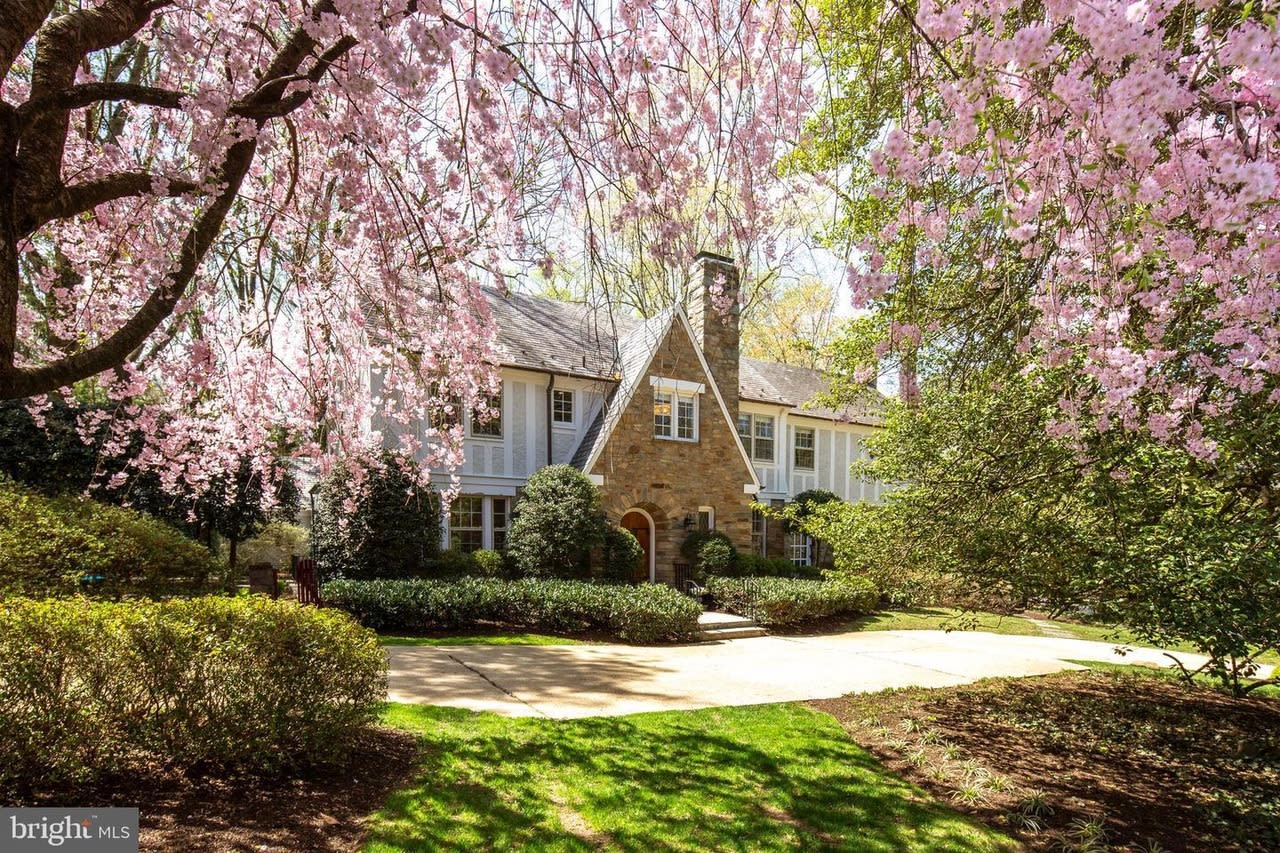
Kalorama is not one uniform market. It includes distinct historic areas such as the Kalorama Triangle Historic District and the Sheridan-Kalorama Historic District, each with different housing types, price points, and buyer expectations.
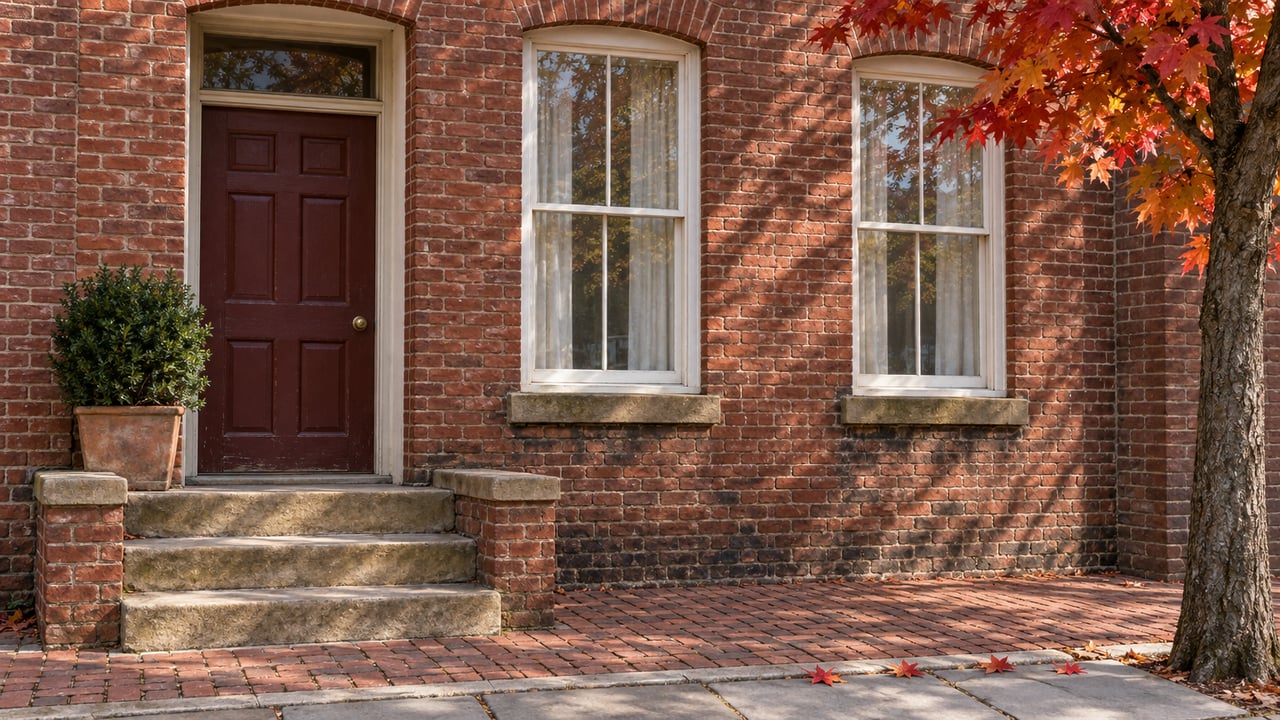
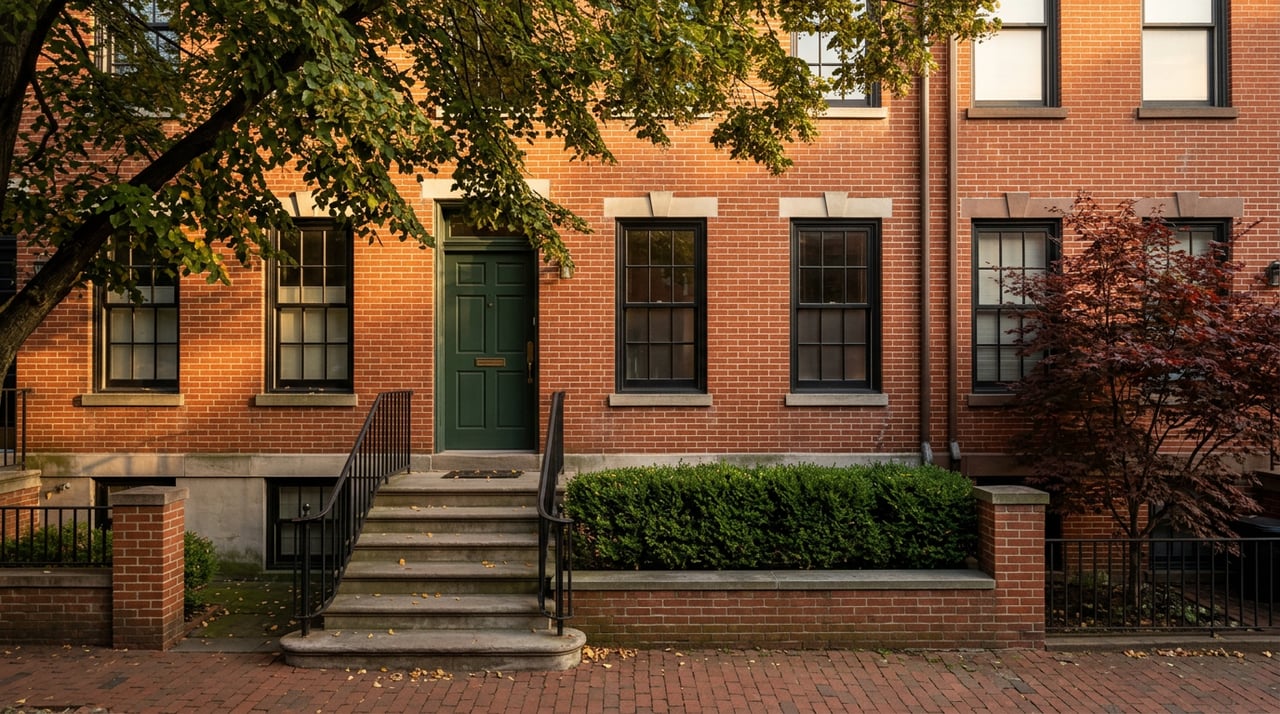
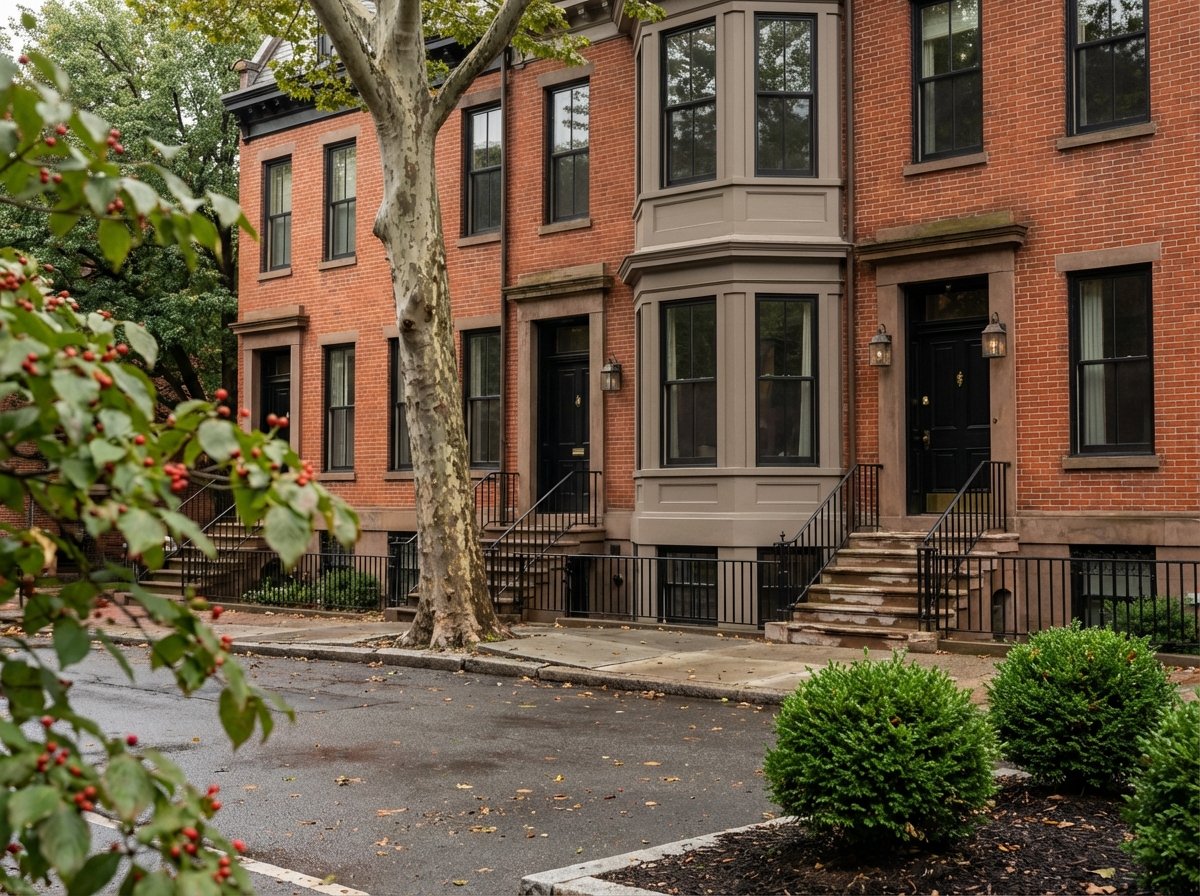
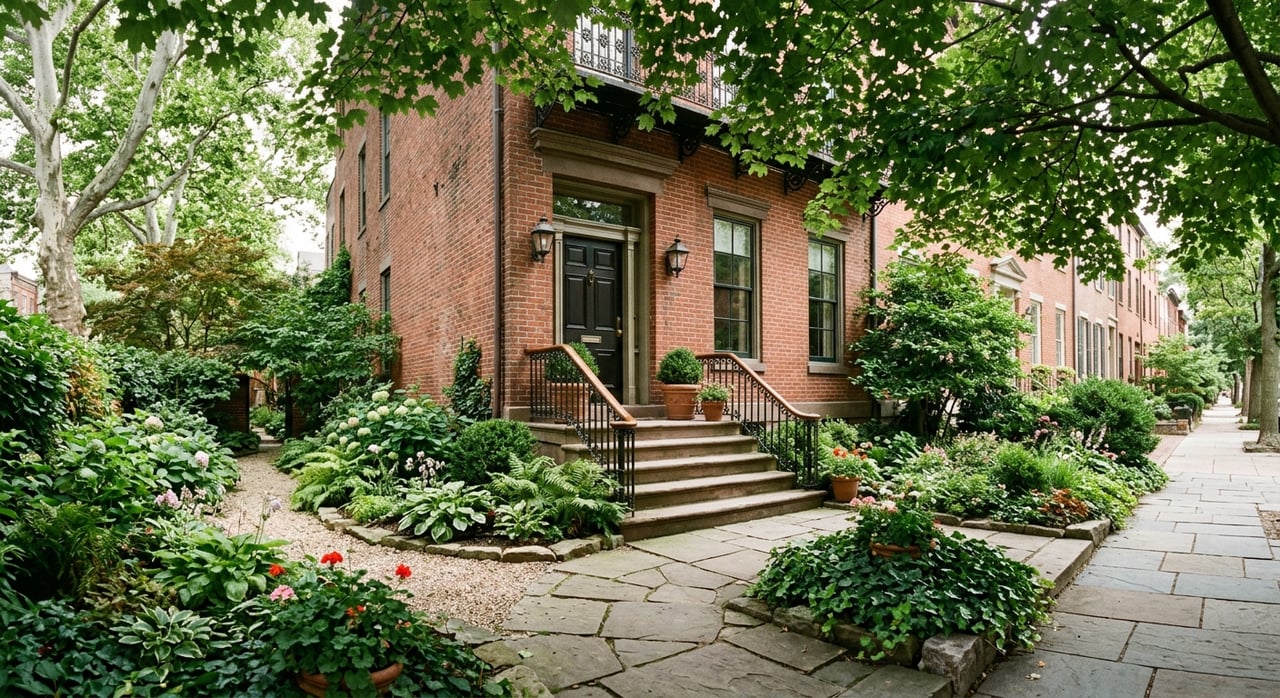
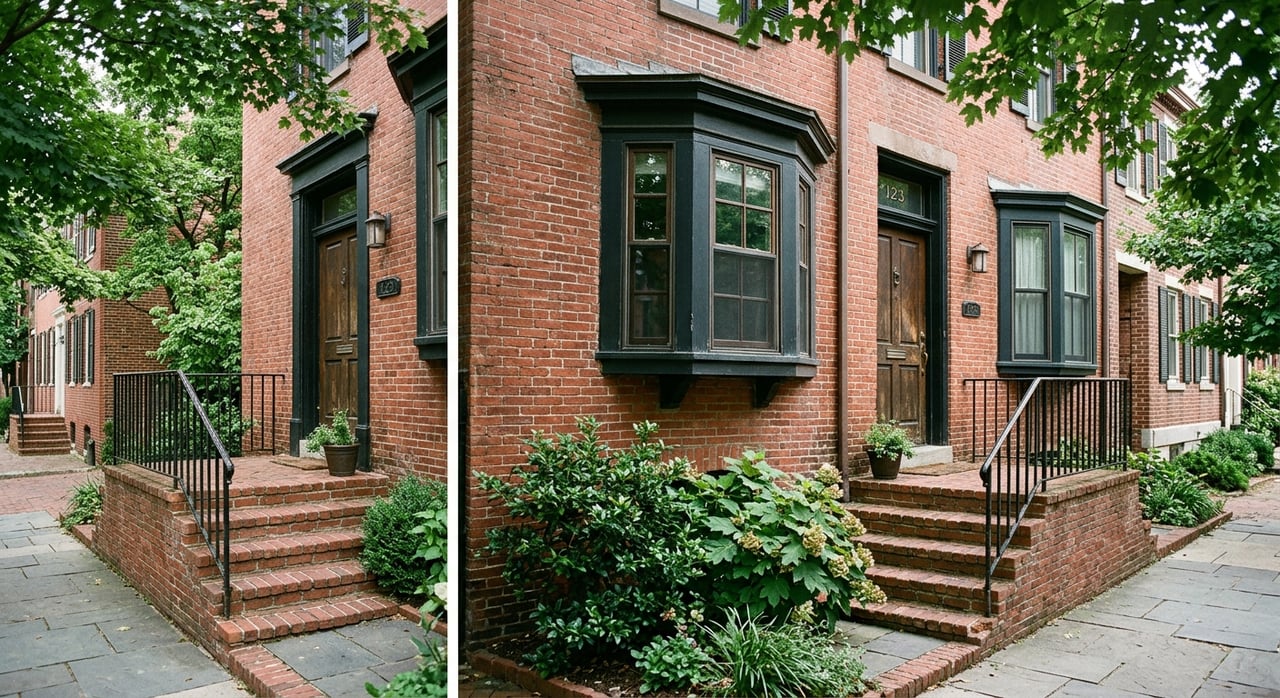
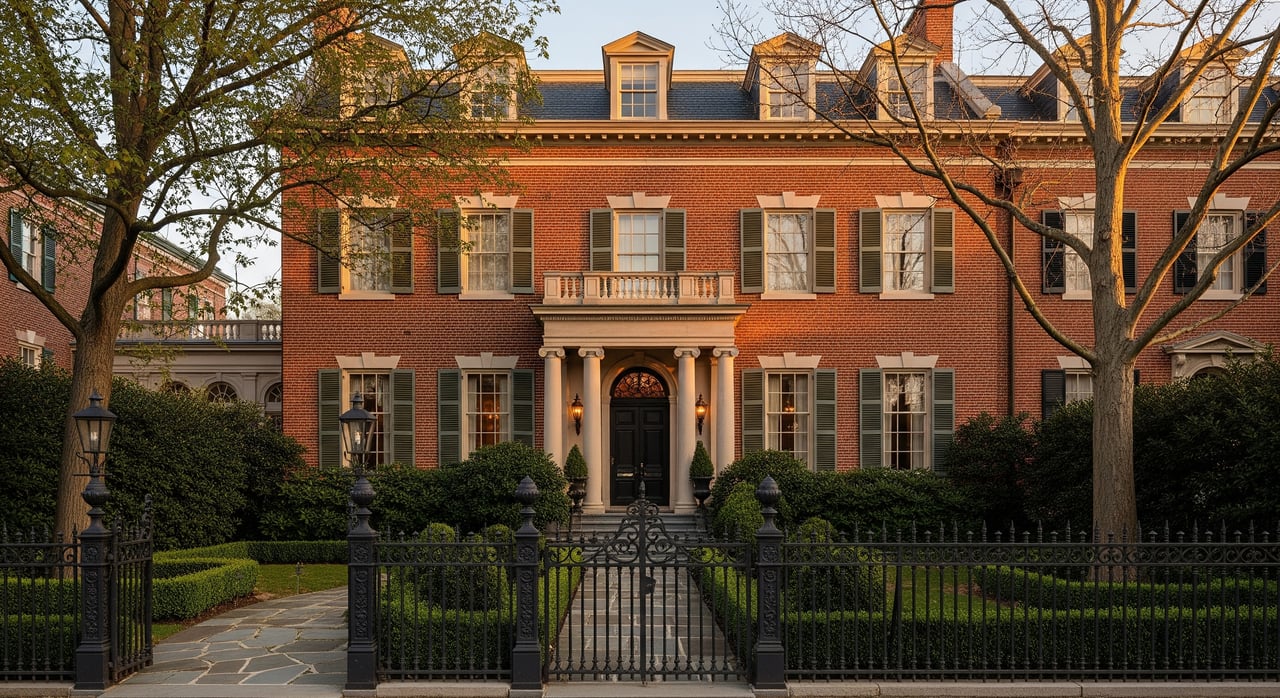
District preservation materials describe Kalorama Triangle as almost exclusively residential, with 353 historic buildings and a mix of late-19th- and early-20th-century dwellings and apartment buildings on curving, tree-lined streets. Sheridan-Kalorama is described as a quiet, elegant, urbane residential enclave that also includes embassies, chanceries, churches, and private schools, with Massachusetts Avenue known as Embassy Row.
For you as a seller, that setting changes the conversation. Buyers in Kalorama are often weighing architectural character, privacy, quiet surroundings, and the condition of original details alongside size and layout.
Read the micro-market before pricing
A quiet sale still needs a sharp pricing strategy. In Kalorama, active list prices can create a misleading picture, especially when one submarket is moving differently from another.
In April 2026, Realtor.com reported that Kalorama Triangle had 30 homes for sale, a median listing price of $760,000, a median sold price of $646,750, 46 median days on market, and a 99% sale-to-list price ratio. The site classified it as a buyer’s market.
Sheridan-Kalorama looked different. Realtor.com reported 15 homes for sale, a median listing price of $2,522,500, a median sold price of $1,423,260, 24 median days on market, and a 99% sale-to-list price ratio, and classified it as a seller’s market.
That gap between listing and sold prices matters. In a high-profile neighborhood, it can be tempting to anchor to the strongest asking prices, but recent closed comparables and current market speed usually give you a better guide.
Redfin’s March 2026 data for Sheridan-Kalorama reinforces that point, showing a median sale price of $1,265,000, 9 homes sold, and a median of 28 days on market. Zillow’s nearby neighborhood data also places Kalorama’s home value well above the broader Washington average, underscoring that this remains a premium market even when monthly results vary.
Use recent sales as reality checks
Public sales in Sheridan-Kalorama show how different outcomes can be. Some homes sold at list in under 40 days, while others took much longer or closed below asking.
Recent examples include 2210 Wyoming Ave NW at $3,200,000 after 28 days on market at list price, 2214 Wyoming Ave NW at $3,300,000 after 39 days at list price, and 2230 California St NW Unit 4DW at $1,265,000 after 47 days at 1% over list. Other examples took longer, including 2225 California St NW Ph 1, which sold for $1,740,000 after 94 days at 3% under list, and 2149 Florida Ave NW, which sold for $1,581,520 after 385 days at 1% under list.
These examples do not prove a single rule, but they do show something important. Preparation, pricing discipline, and matching the home to the right market segment can have a real effect on your timeline and result.
Focus on refreshes over disruptive renovations
If your home sits in a historic district, pre-list work should be planned carefully. The District’s preservation guidance says major exterior changes may need review, while many maintenance-focused items do not.
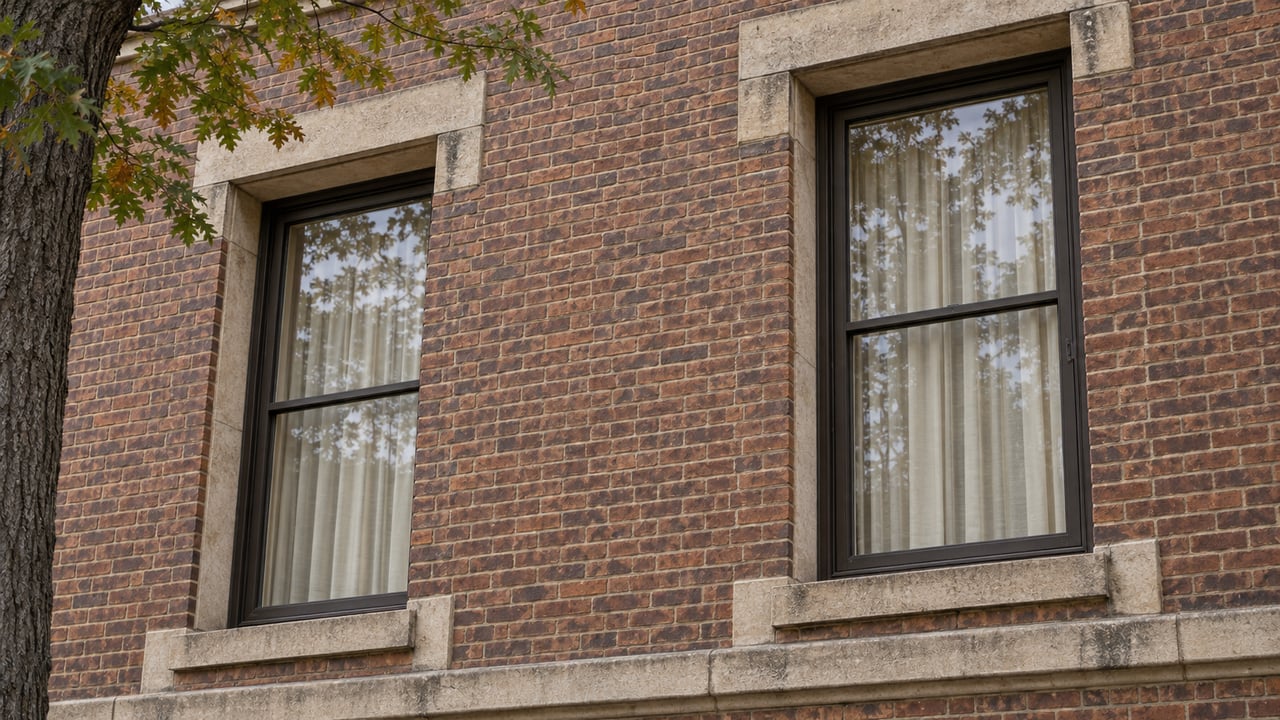
According to HPRB guidance, work that typically requires review includes front and side additions, large rear additions, front porch enclosures or new front porches, roof additions or roof decks visible from a street, significant changes to front window or door openings, and major alterations to important architectural features. By contrast, routine exterior maintenance, painting and paint color selection, routine window work, and interior alterations are exempt from preservation review.
That makes the smartest prep plan fairly clear for many Kalorama sellers. If you are working on a 6 to 12 month timeline, it often makes more sense to prioritize maintenance, repairs, painting, and interior improvements rather than launching a last-minute exterior redesign.
Match staging to the property type
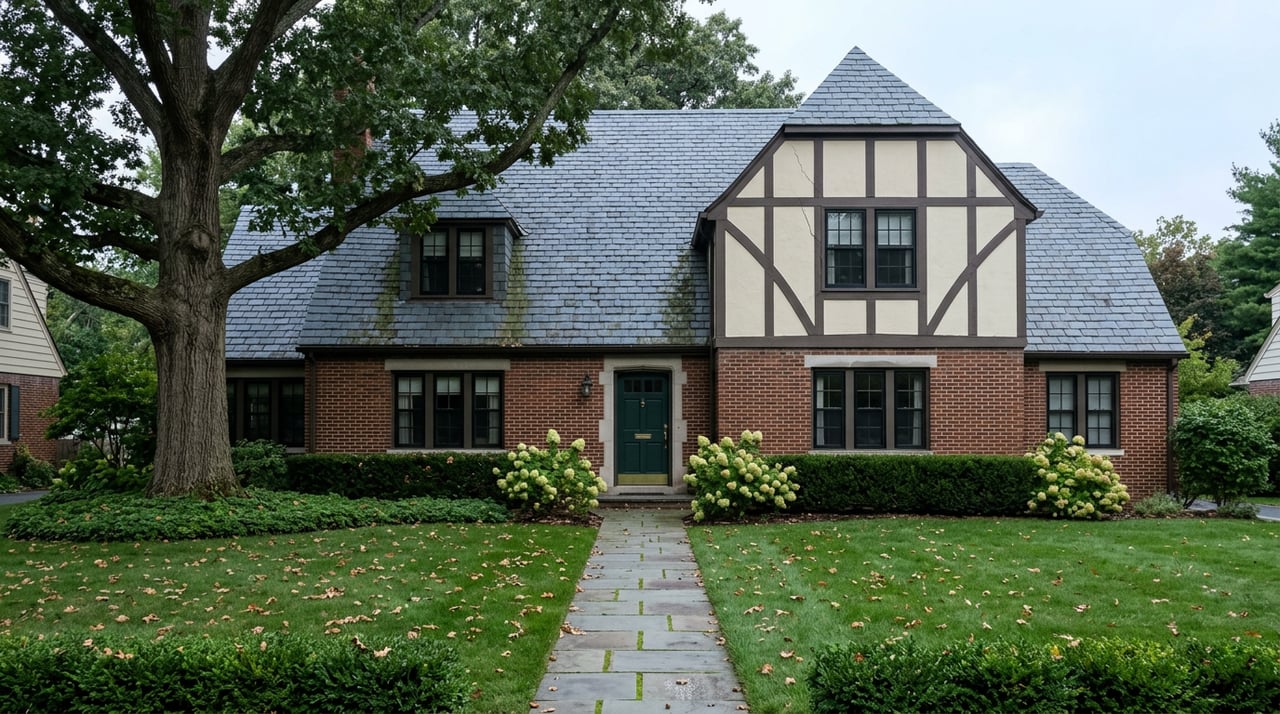
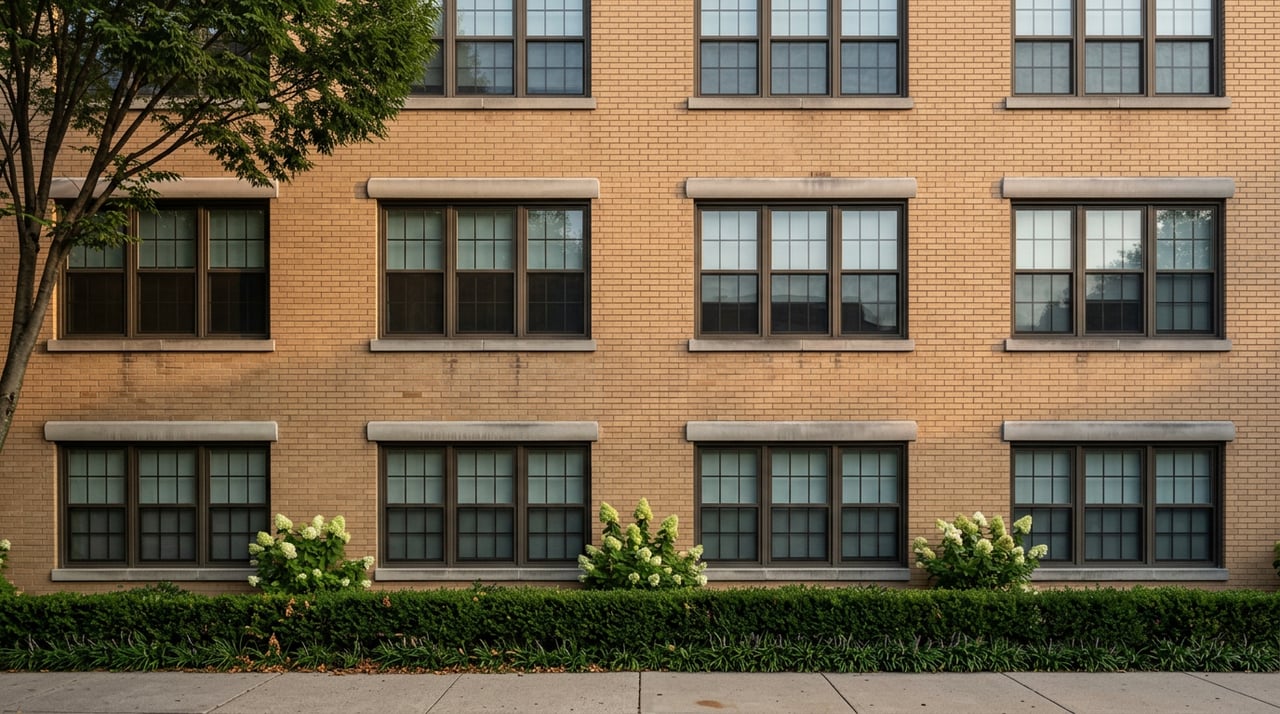
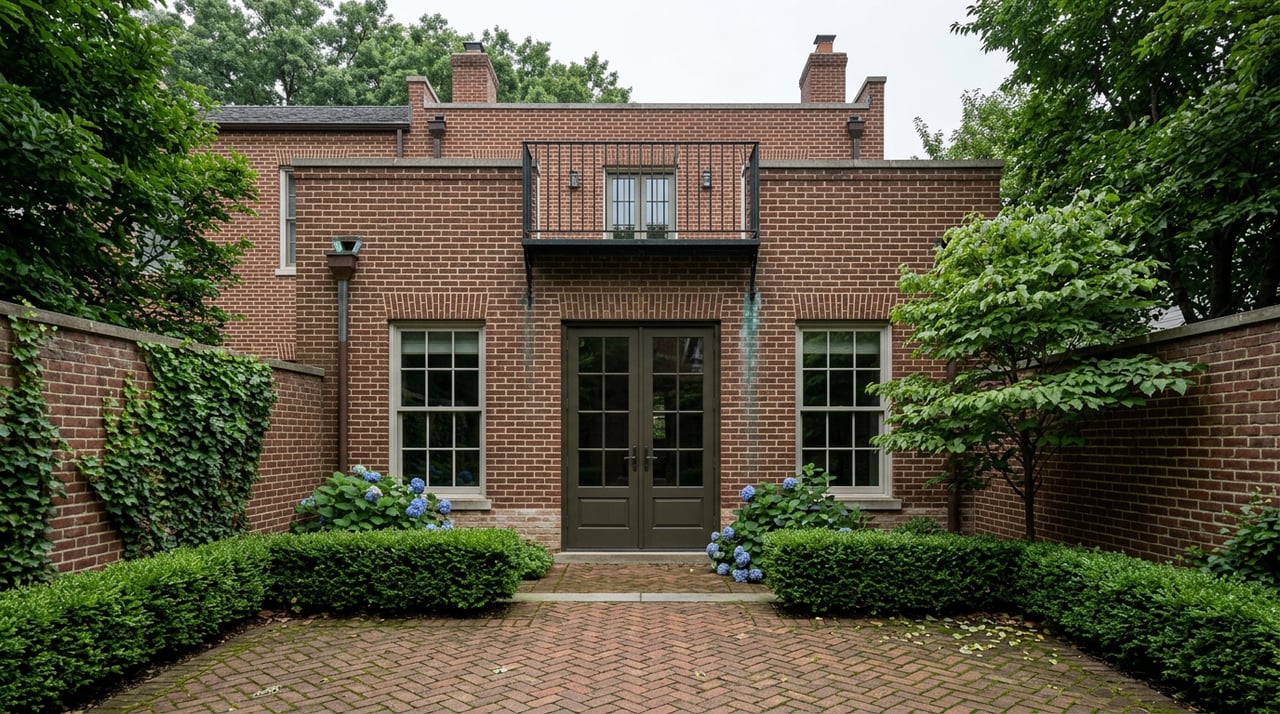
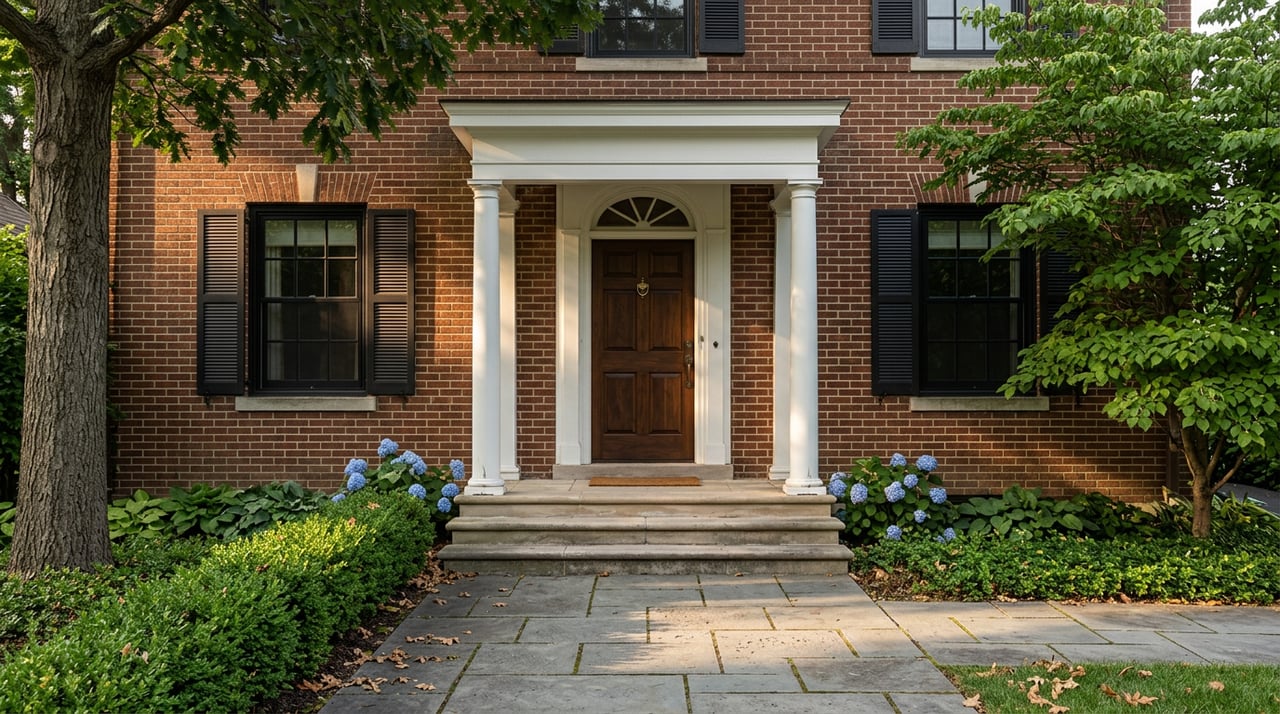
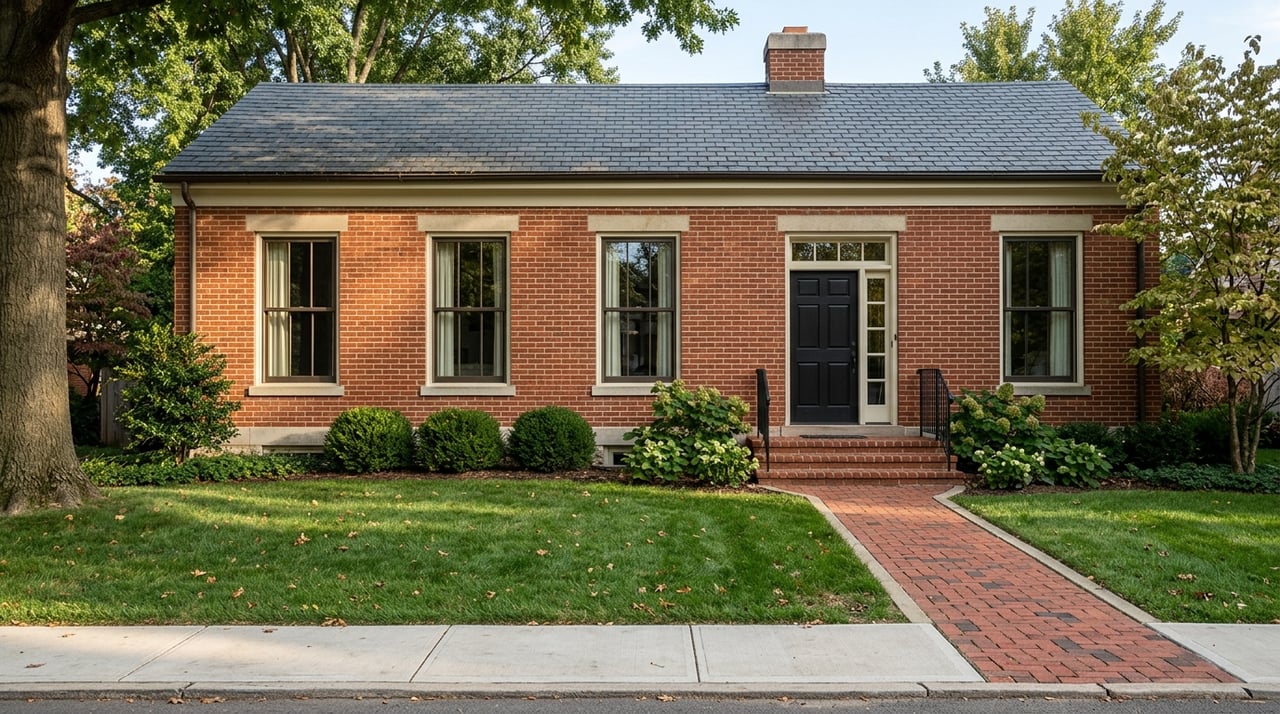
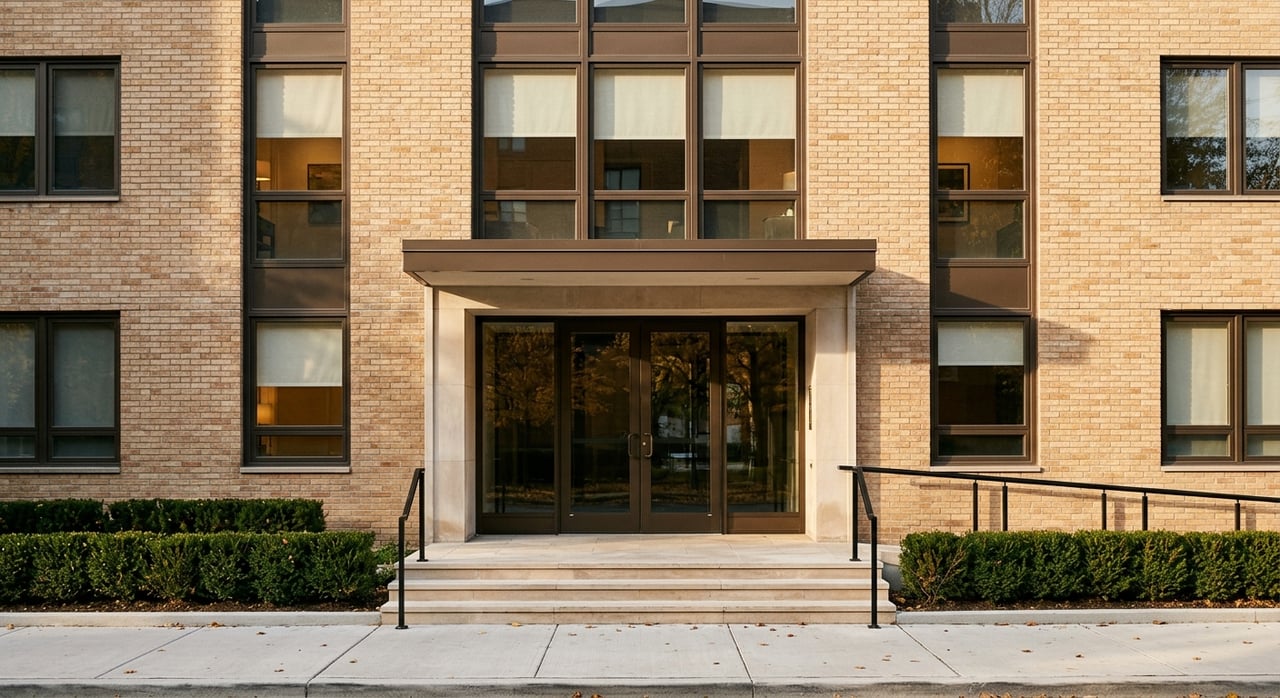
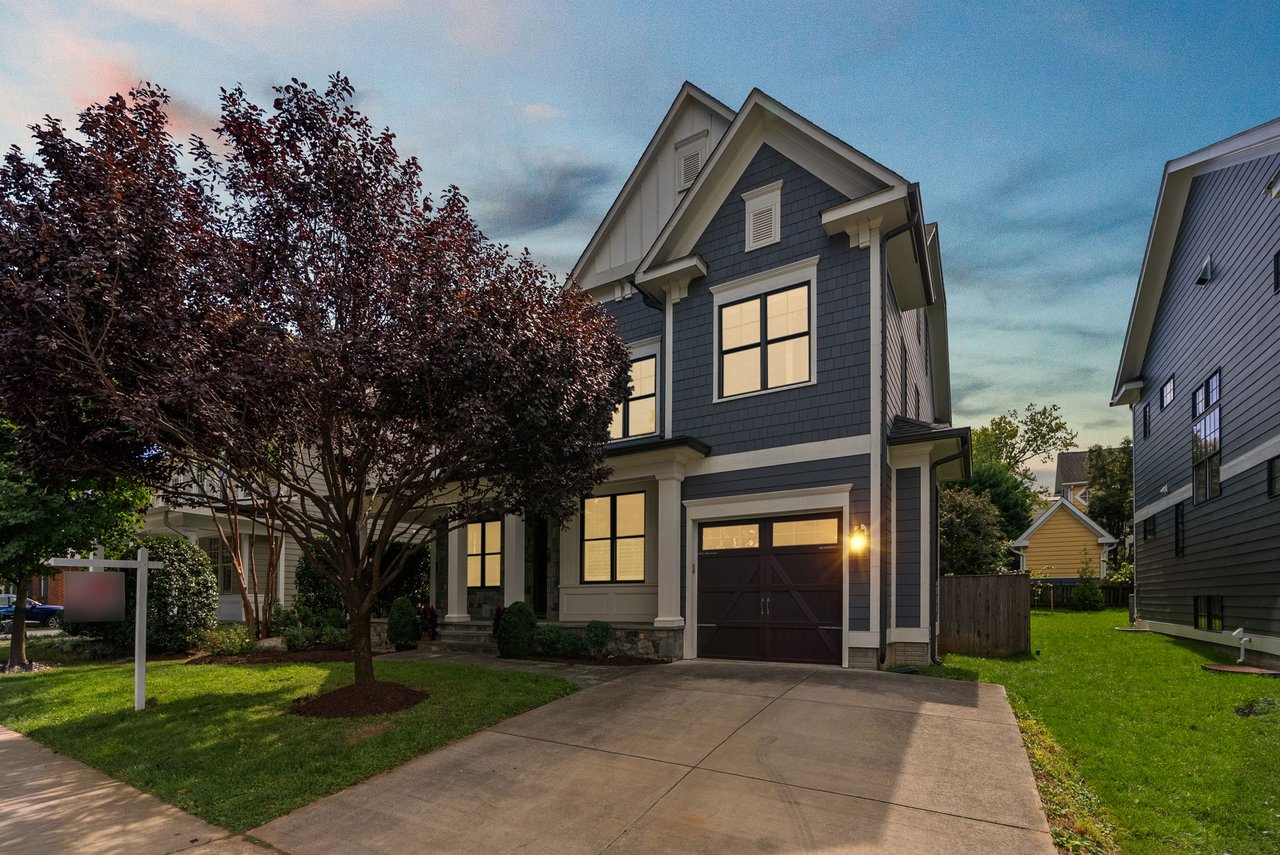
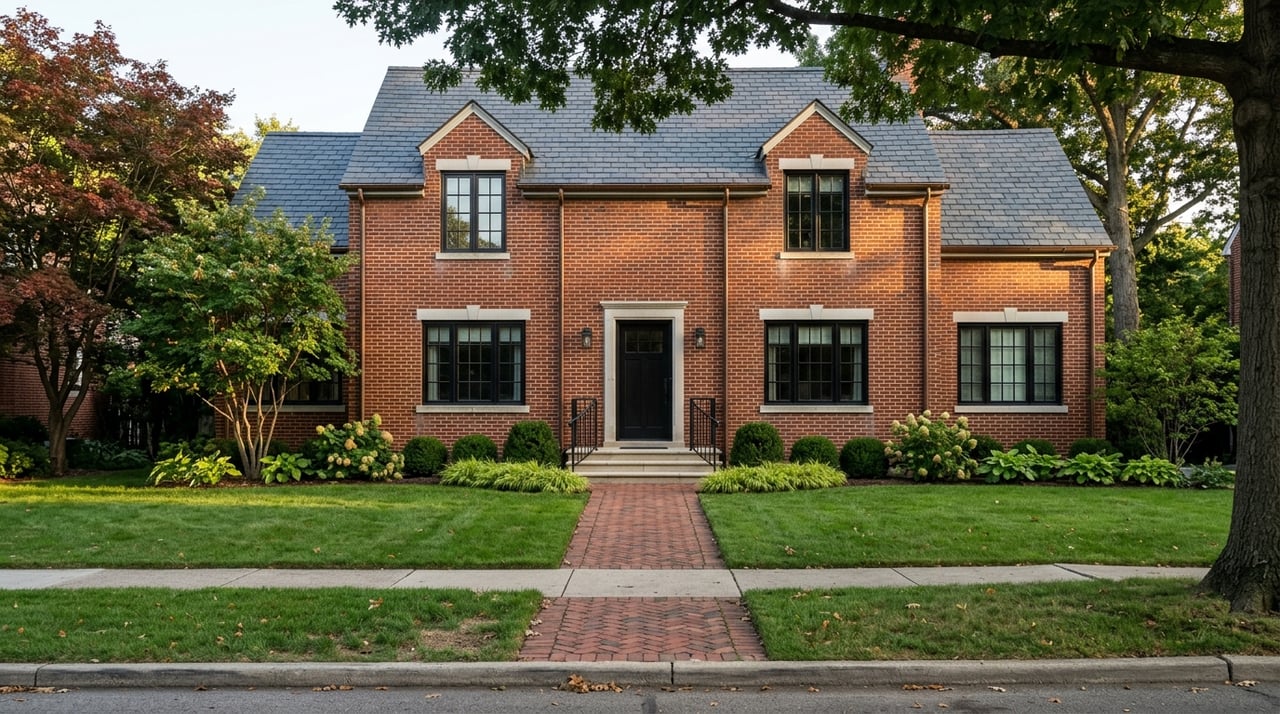
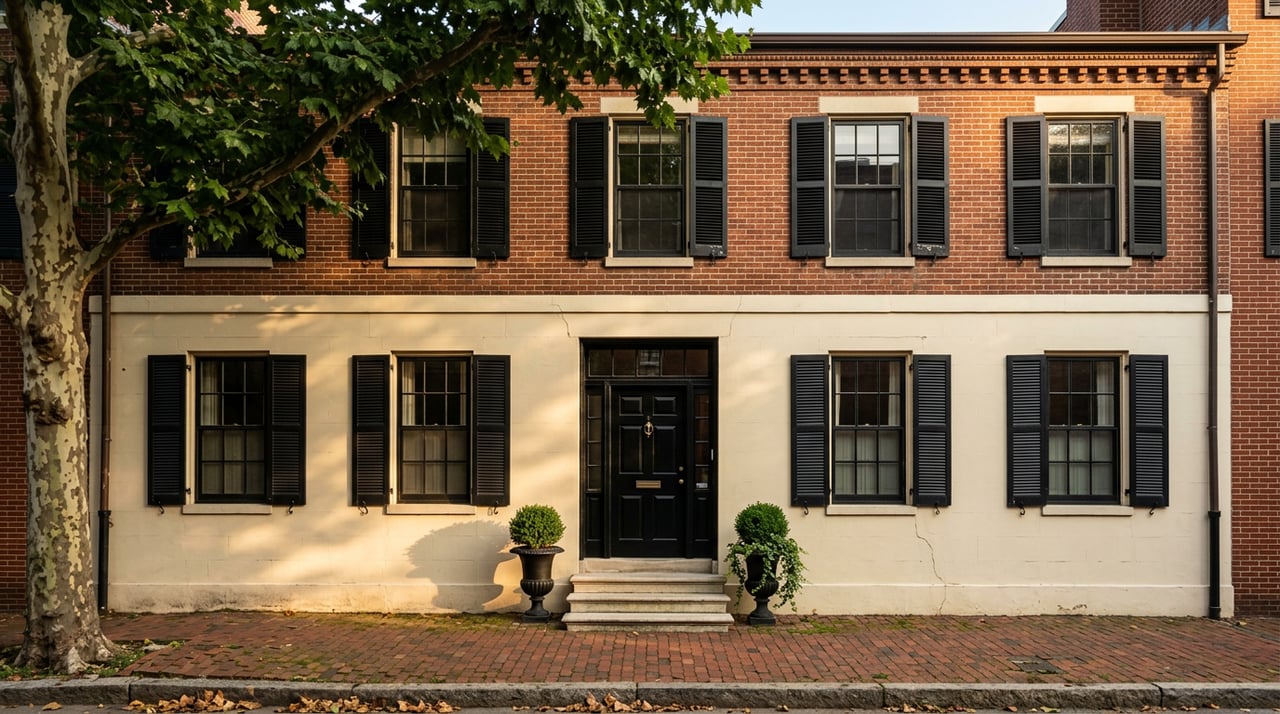
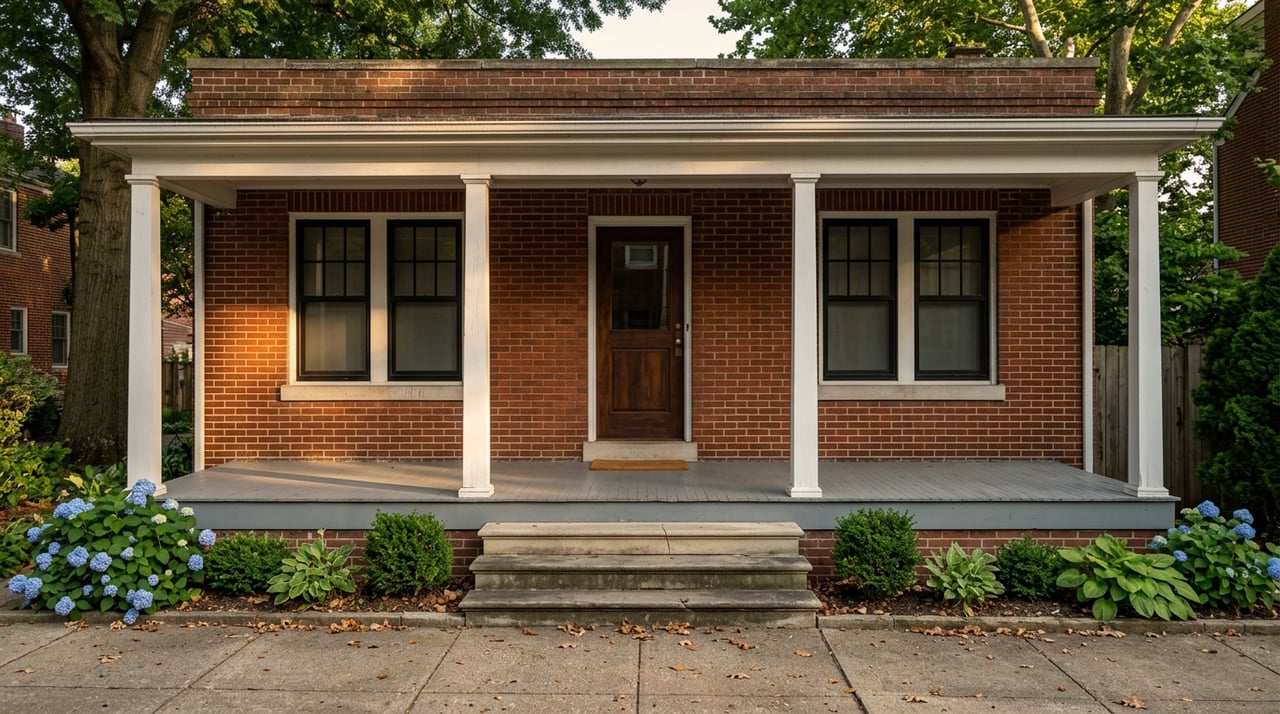
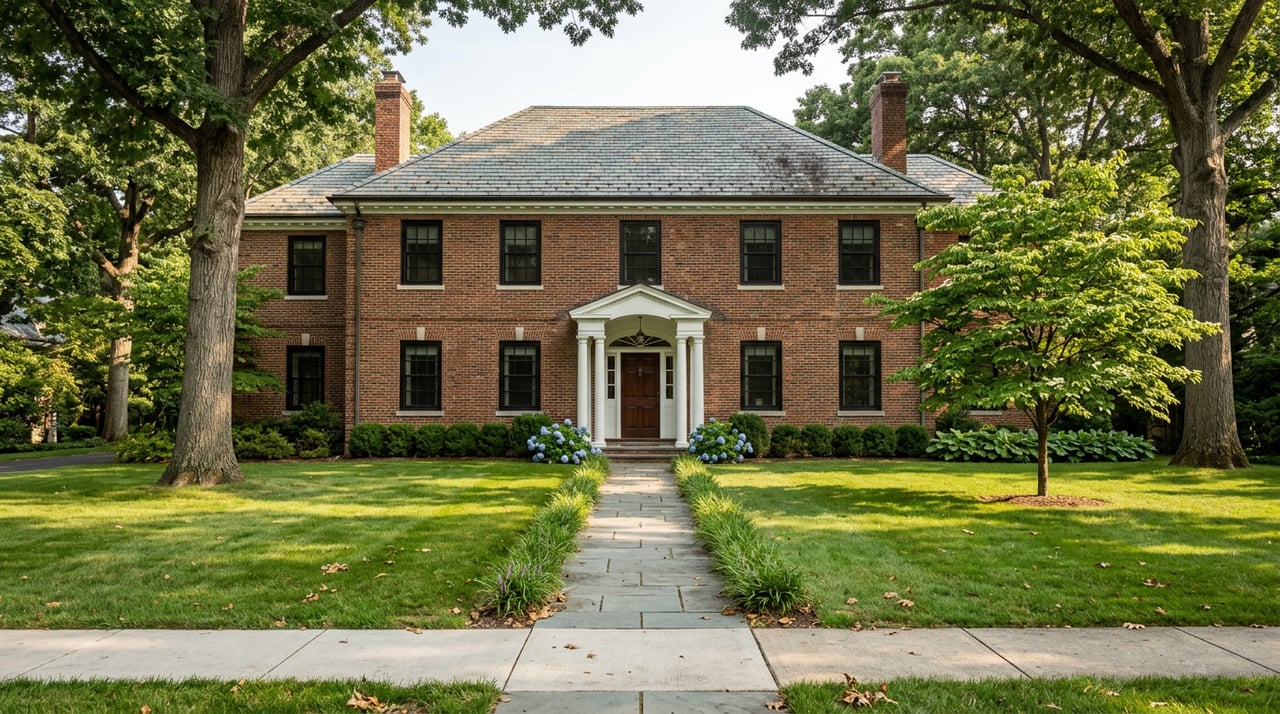
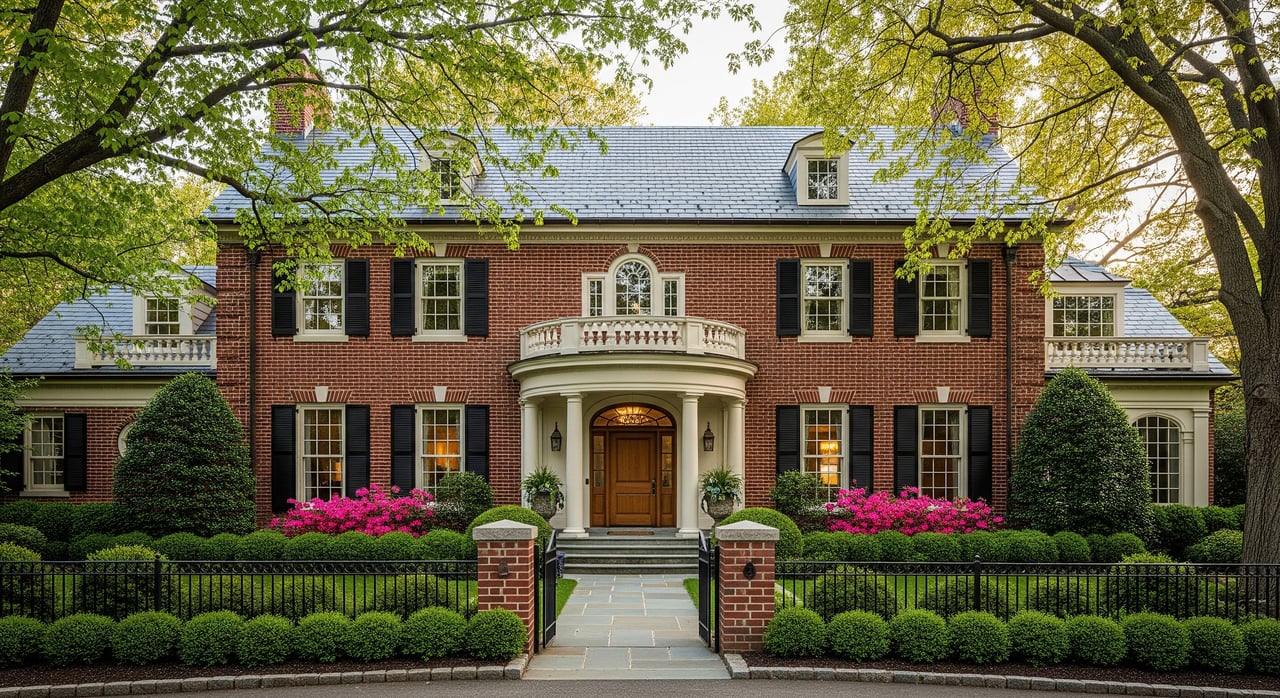
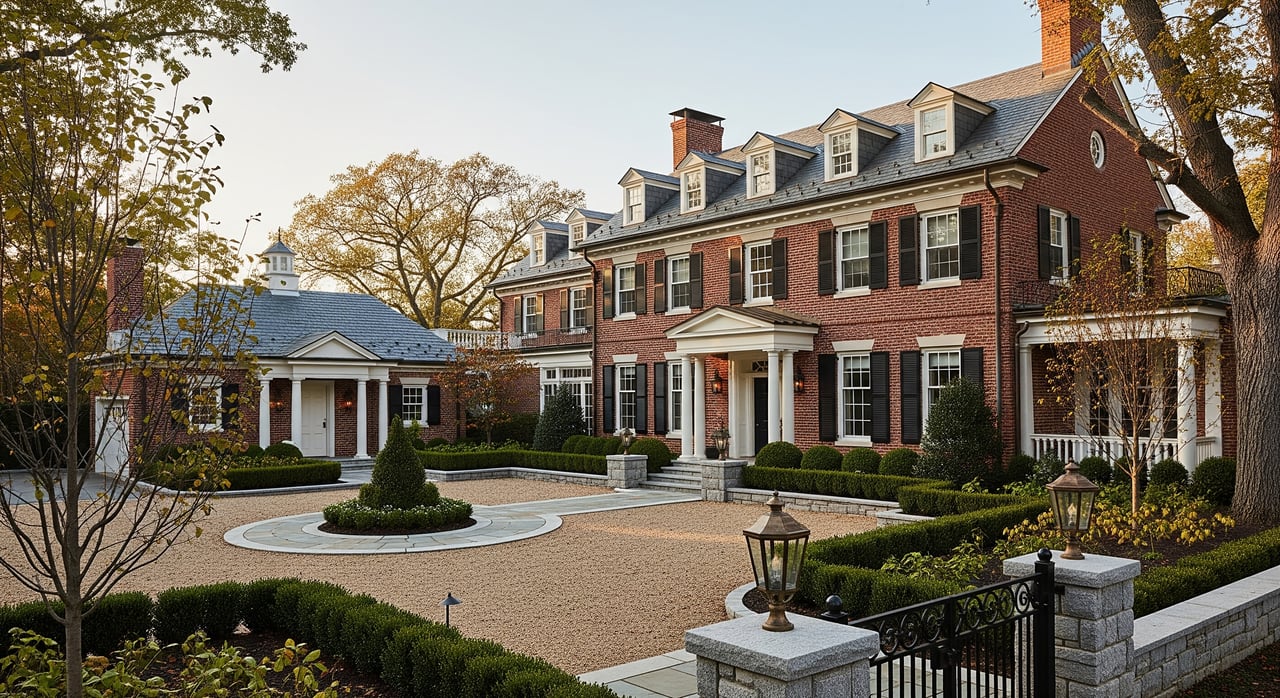
Kalorama’s housing stock is varied, so staging should be tailored to the home itself. The district’s preservation materials describe everything from urban villas, rowhouses, town houses, and detached houses to mansions, apartment buildings, carriage houses, and garages.
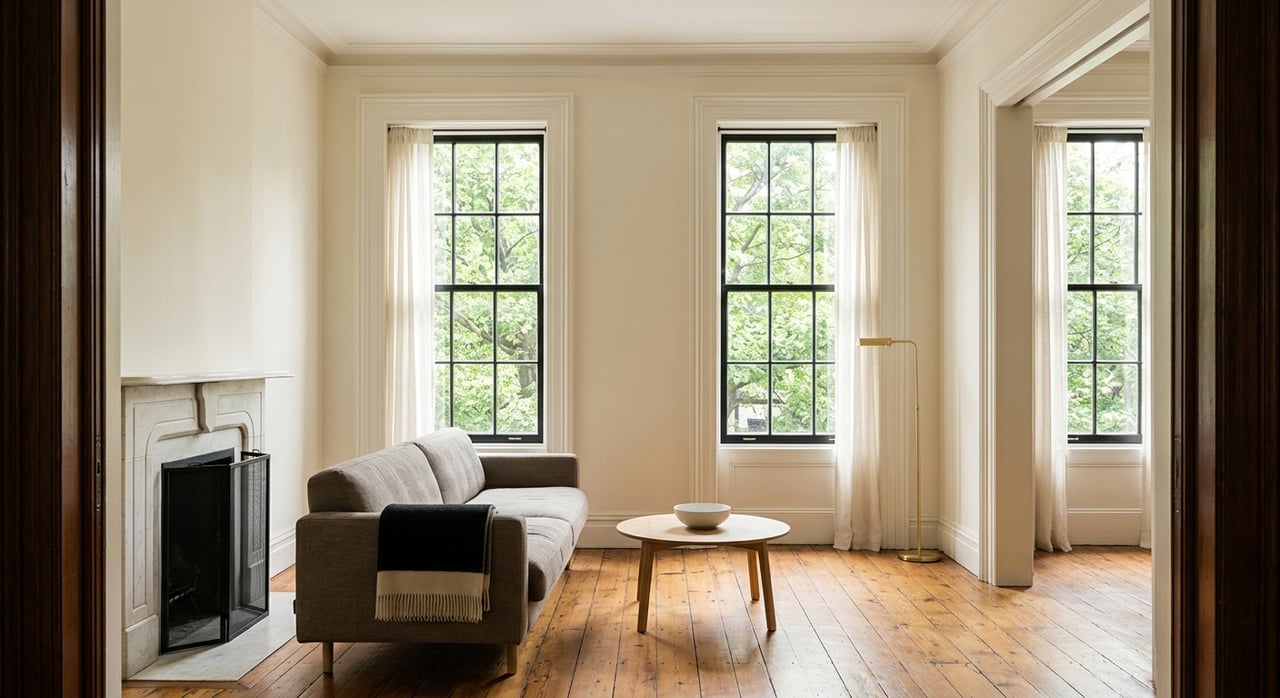
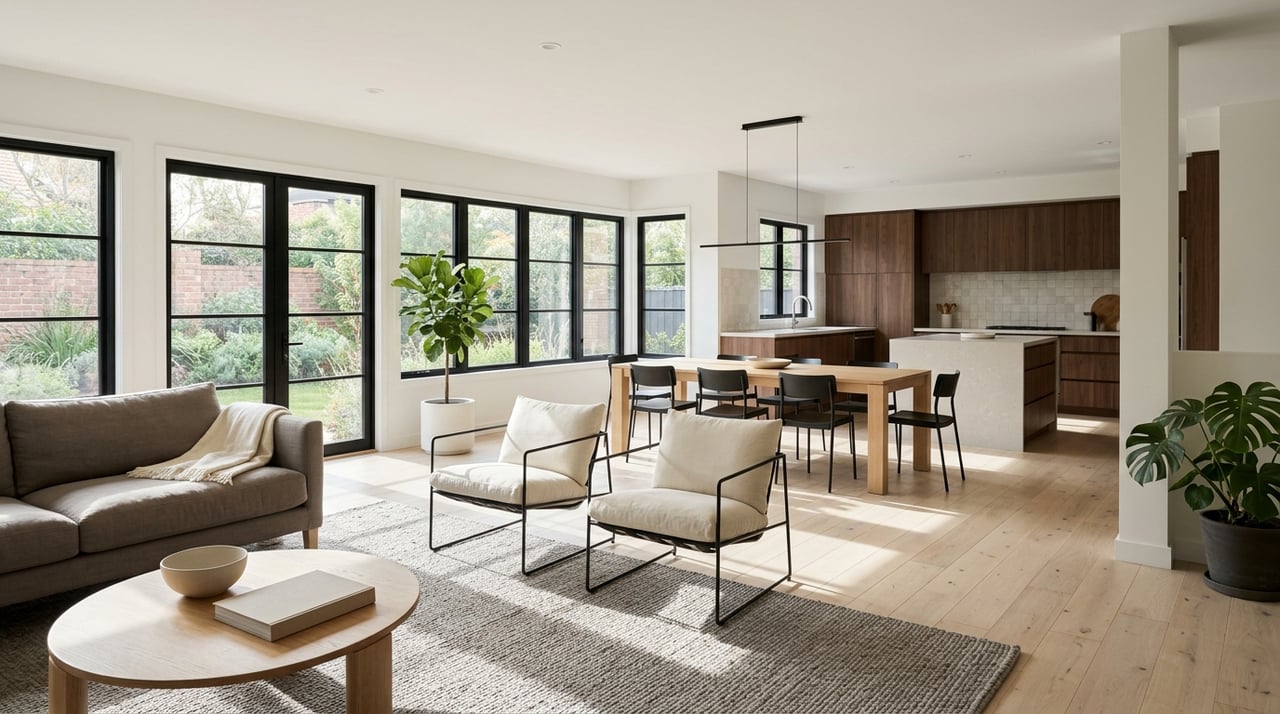
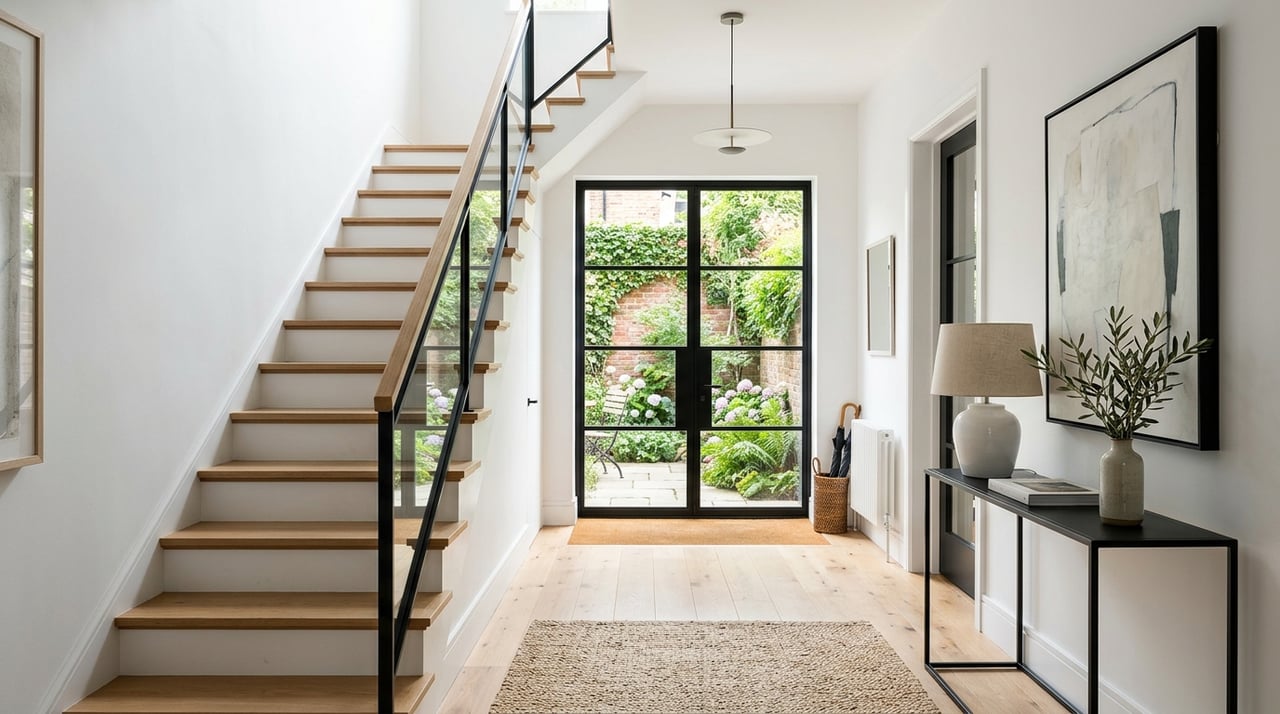
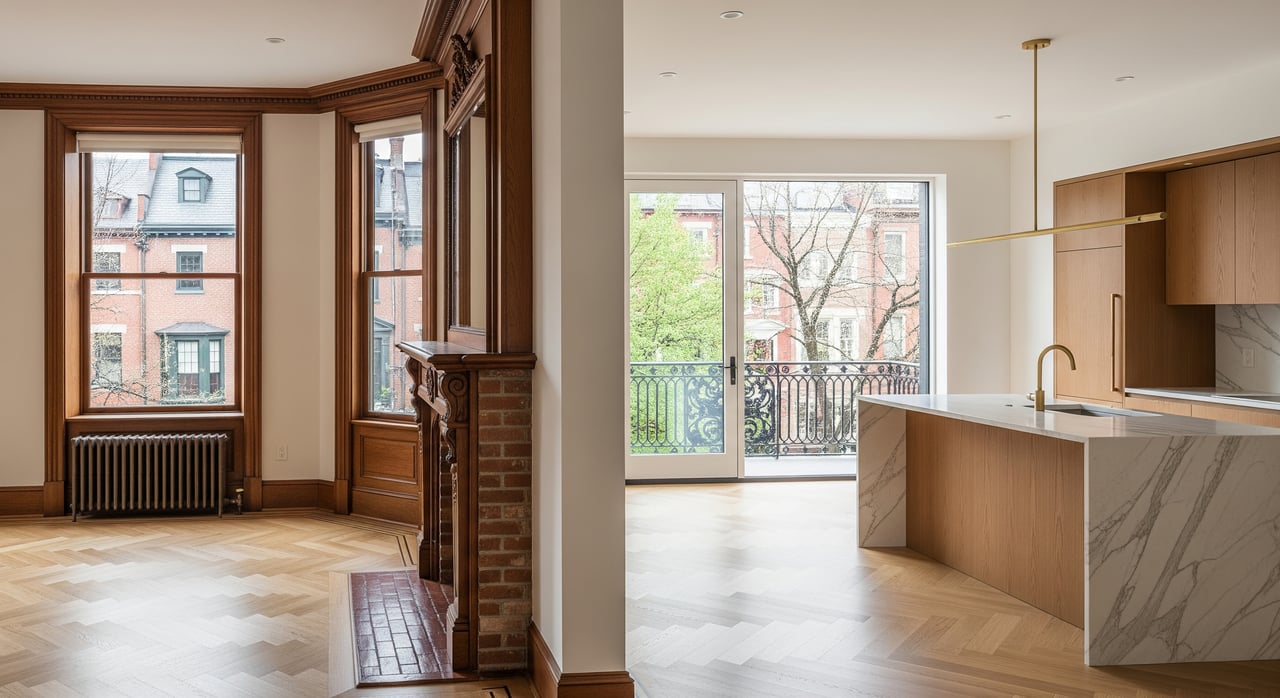
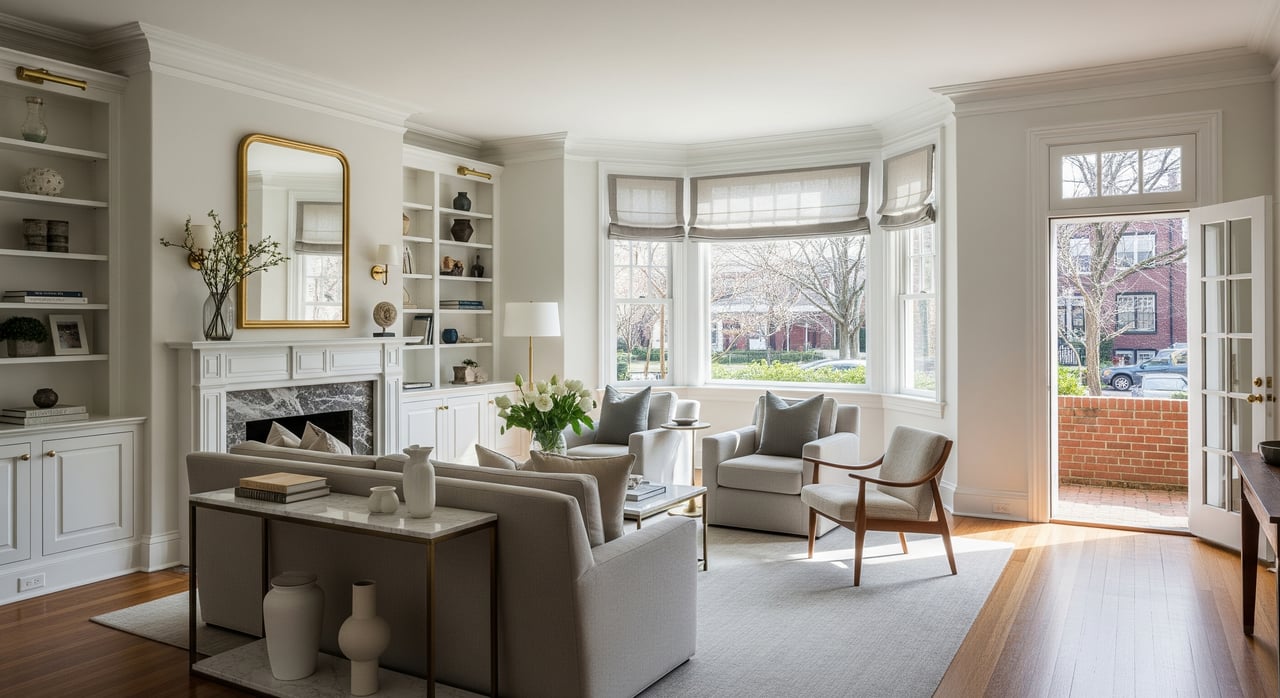
In larger houses, staging should help buyers understand room proportions, flow, and architectural details. Clean sightlines, restrained furnishings, and a layout that highlights circulation can make older homes feel both elegant and livable.
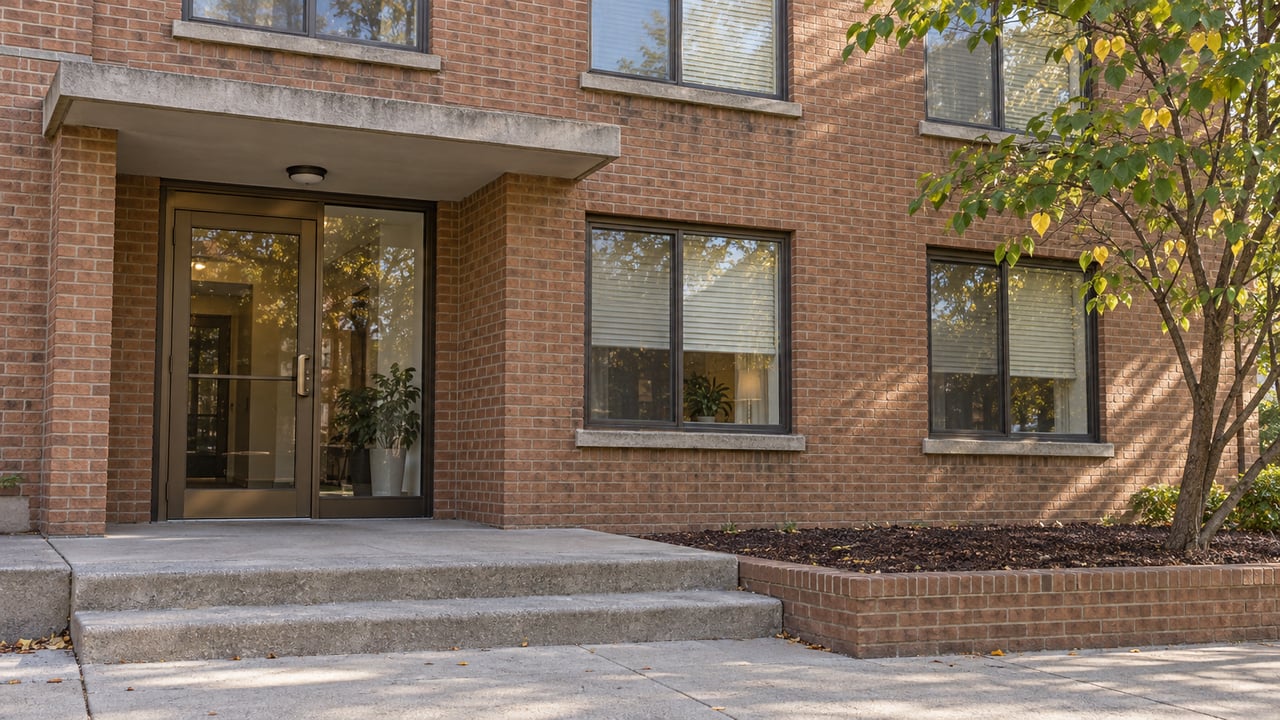
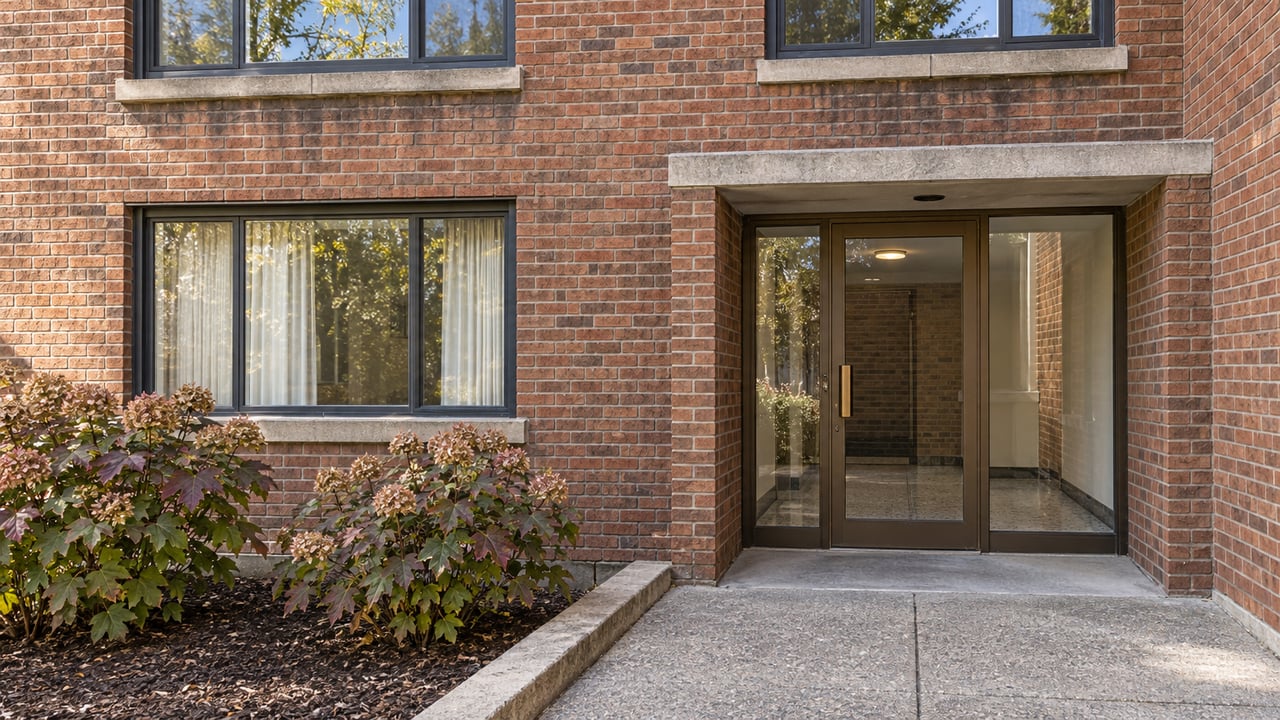
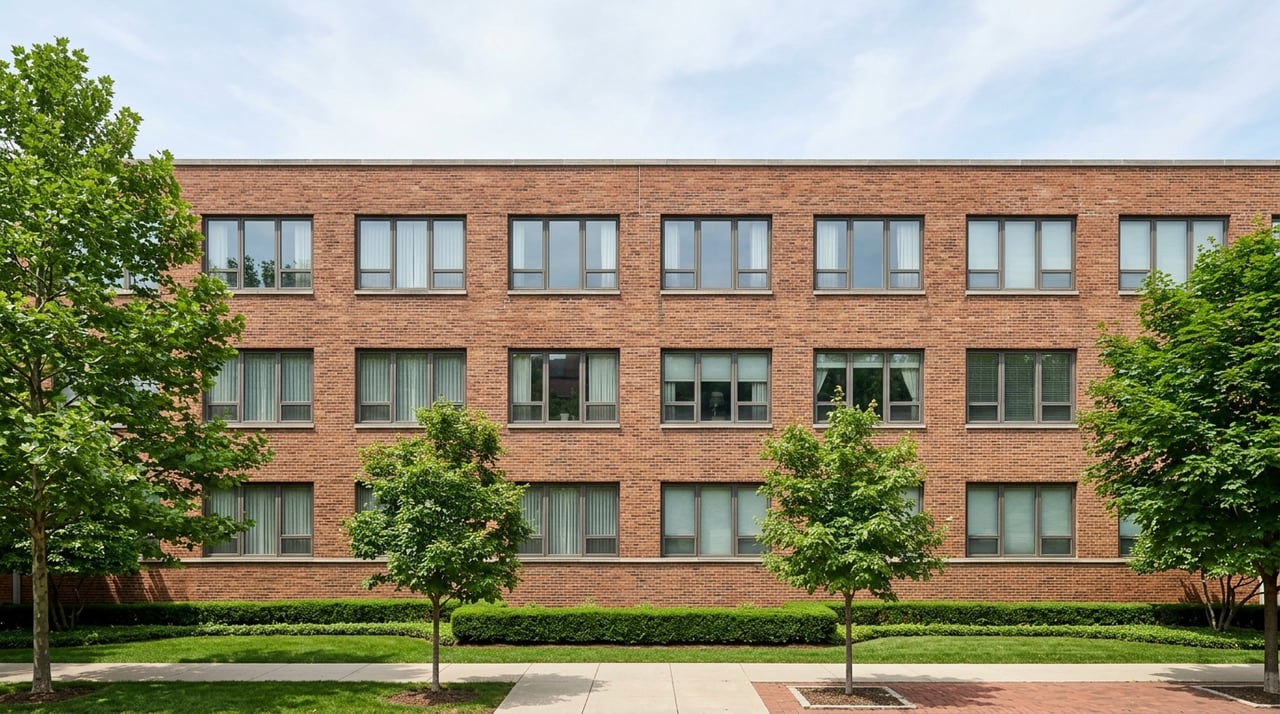
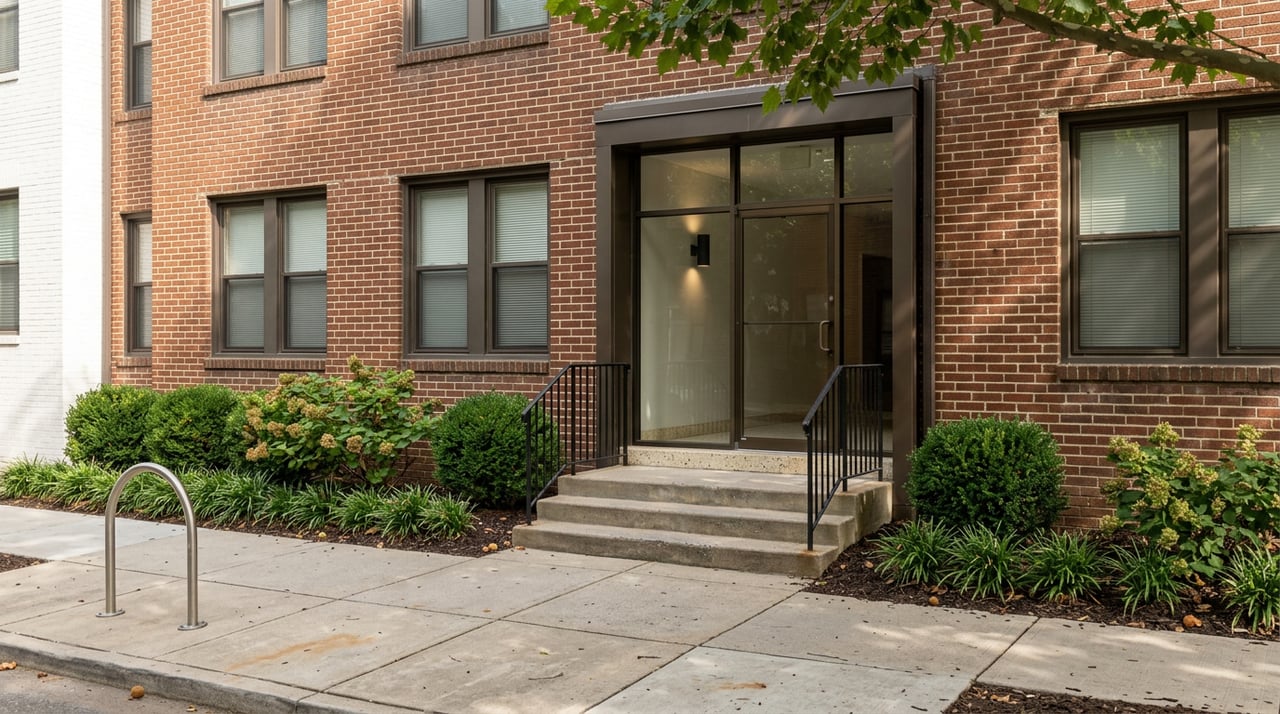
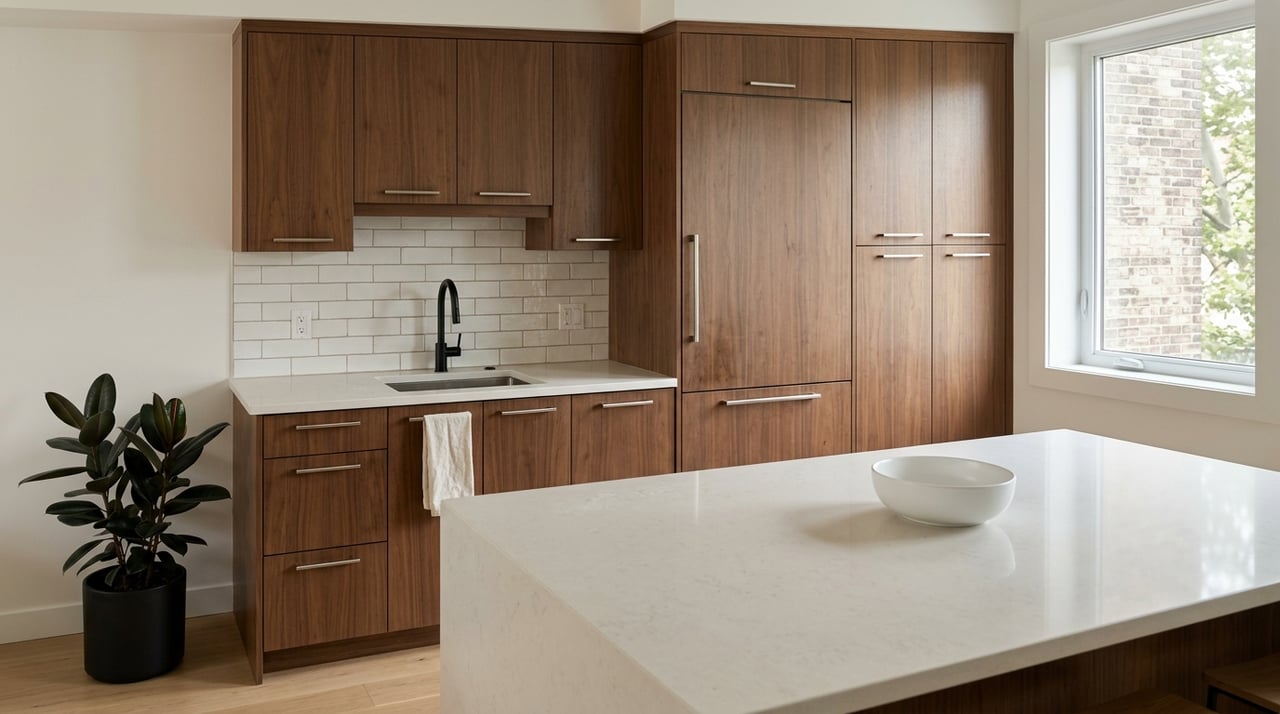
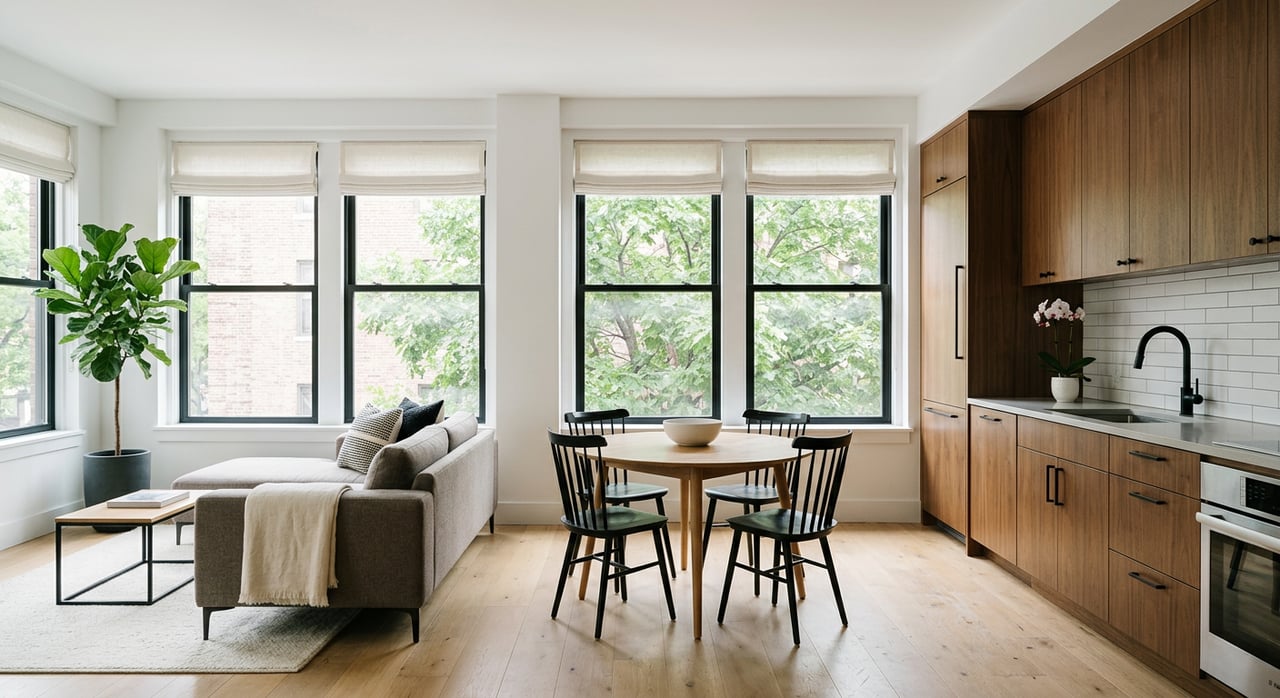
For apartments and condos, the goal is often different. Buyers tend to respond to clean finishes, practical storage, and a true move-in-ready impression.
Recent Sheridan-Kalorama sales support that point. A 1,701-square-foot condo at 2230 California St NW Unit 4DW sold 1% over list in 47 days, while a 1,495-square-foot penthouse at 2225 California St NW Ph 1 sold 3% under list after 94 days.
Build a quiet-sale plan around privacy
In Kalorama, privacy is not just a preference. It is part of the neighborhood’s character.
District materials describe Sheridan-Kalorama as quiet, elegant, and urbane, and note its concentration of embassies and related institutional uses. That context supports a more discreet listing strategy for some homes, especially when you want to balance exposure with control.
A quiet-sale approach can include:
- Appointment-only showings
- Carefully managed photography
- Limited public disclosure of personal details
- Thoughtful timing for launch and tours
- A curated presentation aimed at the most likely buyer pool
This can be especially helpful in a neighborhood where likely buyers may include local move-up or downsizing households, relocation clients, and internationally mobile purchasers. The goal is not less strategy. It is more control.
Clean up records before going live
A smooth sale often starts with basic due diligence. Before listing, it can help to review the public record and fix factual issues that could slow contract or closing timelines.
The DC Office of Tax and Revenue says its real property tax database provides online access to property value, owner name and address, square footage, and use code. The Recorder of Deeds maintains land records including deeds, leases, easements, liens, exemptions, condominiums, and foreclosures.
If anything looks inconsistent, it is better to address it early. In a quiet sale, fewer surprises usually means fewer disruptions.
Understand carrying costs and transfer taxes
If you are taking time to prepare the home properly, carrying costs matter. That is especially true when your strategy involves a longer runway before going to market.
The Office of Tax and Revenue states that deed recordation tax and deed transfer tax are triggered when the deed is submitted for recordation. Current residential rates are 1.1% below $400,000 and 1.45% at or above $400,000.
OTR also says that Class 1A residential real property is taxed at $0.85 per $100 of assessed value. That does not tell you what your best sale date should be, but it does give you a clearer sense of the cost of holding the property while you prepare it carefully.
A practical timeline for a discreet sale
If your goal is a quiet, well-managed sale, it helps to think in stages rather than rushing to list.
Six to twelve months out
- Review any visible exterior work for possible preservation issues
- Begin maintenance and repair planning
- Pull public property records and confirm key facts
- Start discussing pricing based on recent closed comparables
One to three months out
- Complete painting, interior touch-ups, and routine exterior maintenance
- Refine staging based on the home’s layout and architecture
- Finalize a photography and showing plan that respects privacy
- Recheck market conditions in your specific Kalorama submarket
At launch
- Use a pricing strategy tied to current market reality
- Keep access controlled and organized
- Present the home as polished, calm, and ready for occupancy
- Adjust based on early buyer feedback and showing activity
Why steady guidance matters in Kalorama
A successful Kalorama sale rarely comes down to one big move. More often, it is the result of dozens of small decisions made thoughtfully, from pricing and prep to timing and privacy.
That is where a senior-led, neighborhood-savvy approach can make a difference. In a market where architecture, discretion, and micro-location all shape buyer response, careful planning tends to outperform noise.
If you are thinking about selling in Kalorama, Jack Realty Group can help you build a discreet, well-prepared strategy tailored to your home, your timeline, and the way you want the sale handled.
FAQs
Should I renovate a historic Kalorama home before listing?
- In many cases, routine maintenance, painting, repairs, and interior refreshes are the safer path because major exterior changes may require preservation review.
How should I price a Kalorama home for a quiet sale?
- Base pricing on recent closed comparables and current market velocity in your specific Kalorama submarket, not just the highest active listing prices.
How much lead time do I need to prepare a Kalorama property for sale?
- A 6 to 12 month runway is sensible if you are considering visible exterior work, while many interior and maintenance projects can be completed on a shorter timeline.
How can I protect privacy when selling a home in Sheridan-Kalorama?
- A more discreet strategy can include appointment-only showings, controlled media use, and a carefully managed launch plan.
What public records should I check before listing a Kalorama property?
- Review DC property records for details like ownership, square footage, use code, deeds, liens, easements, and condominium records so issues can be addressed before a buyer raises them.
What DC taxes should sellers keep in mind before closing on a home sale?
- DC’s Office of Tax and Revenue says deed transfer and recordation taxes are due when the deed is submitted for recordation, and Class 1A residential property tax can affect carrying costs during a longer prep period.