If you want a quieter home base without losing your connection to Washington, D.C., Westmoreland Hills is worth a close look. For many buyers, the challenge is finding a neighborhood that feels established and residential while still supporting a realistic daily commute. In Westmoreland Hills, you can see how that balance comes together through housing, parks, trails, and transit options. Let’s dive in.
Why Westmoreland Hills Stands Out
Westmoreland Hills sits in Bethesda, just northwest of Washington, D.C., in Montgomery County. The broader Westmoreland community has been organized since 1935, and the Westmoreland Citizens Association notes that the area includes about 1,000 households across Westmoreland Hills and nearby subdivisions.
That long history shows up in the neighborhood’s feel. Instead of reading like a newer, high-density area, Westmoreland Hills comes across as an established residential enclave with a strong local identity and a community-centered rhythm.
A Residential Setting Near D.C.
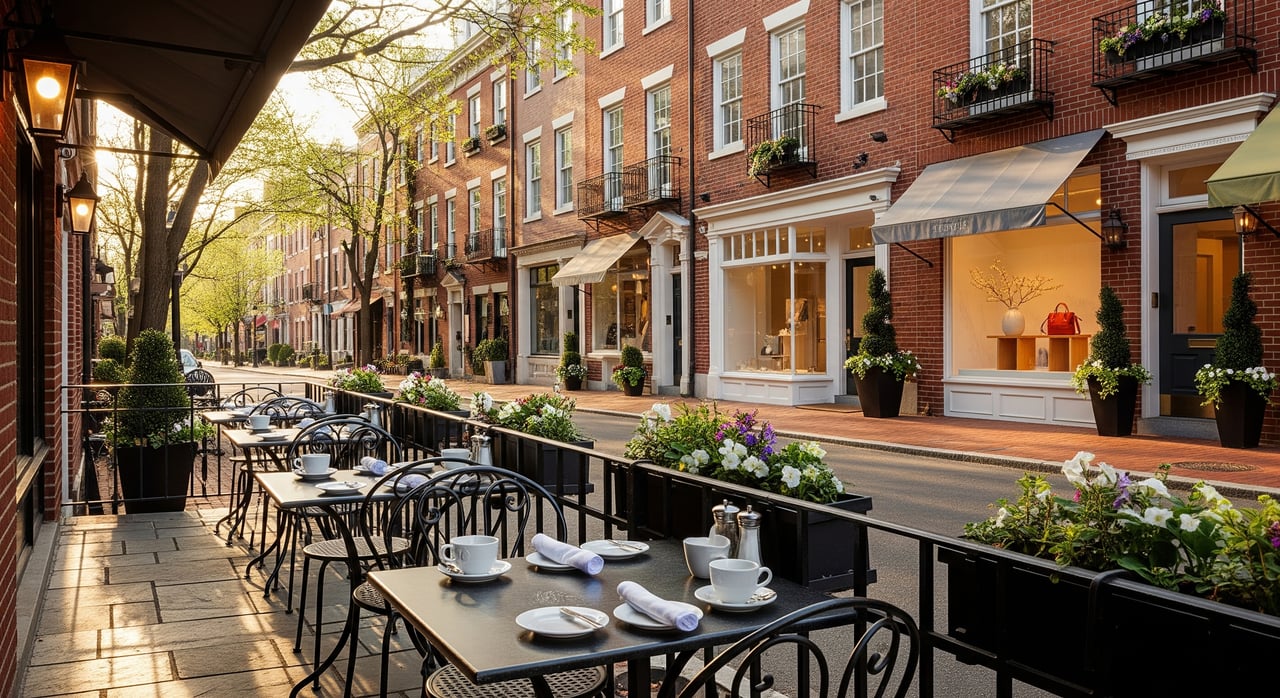
For commuters, location is only part of the story. You also want a neighborhood that feels calm when the workday ends, and Westmoreland Hills offers that contrast with downtown D.C. access still within reach.
Community life here appears to center on neighborhood traditions and shared spaces. The Westmoreland Citizens Association highlights recurring events like Fourth of July celebrations, Halloween gatherings, and the Turkey Trot, with the Little House serving as a longstanding local gathering place.
Housing in Westmoreland Hills
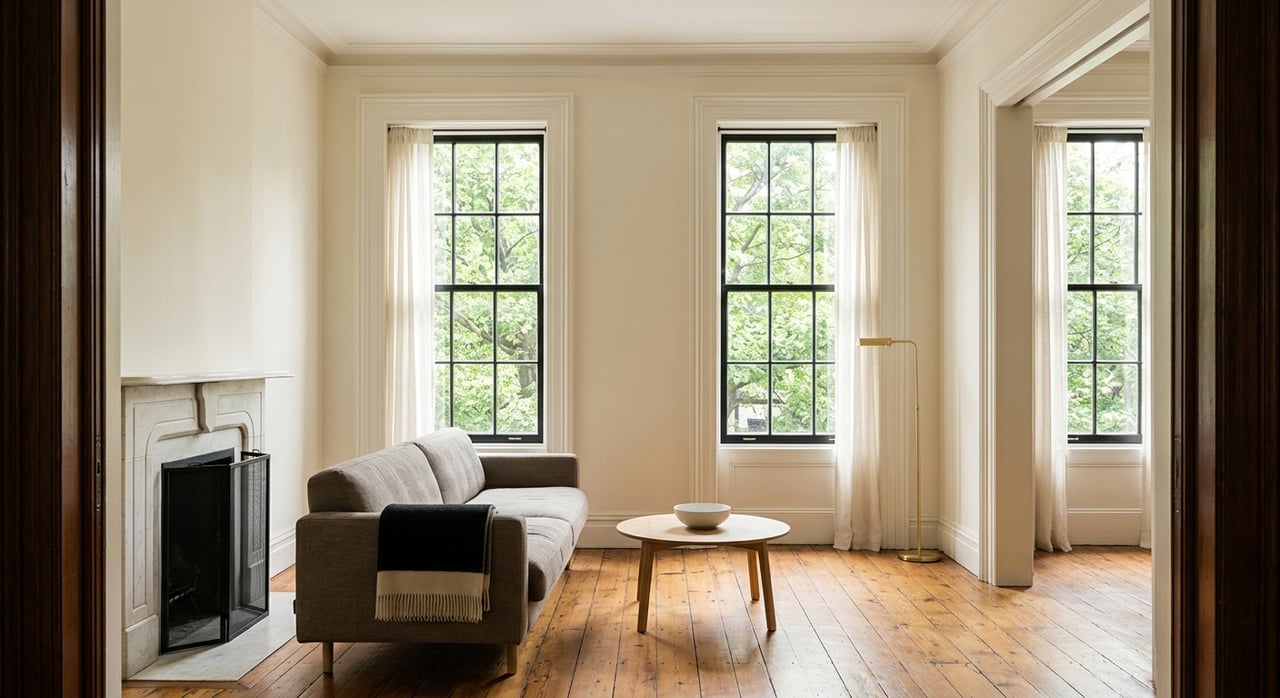
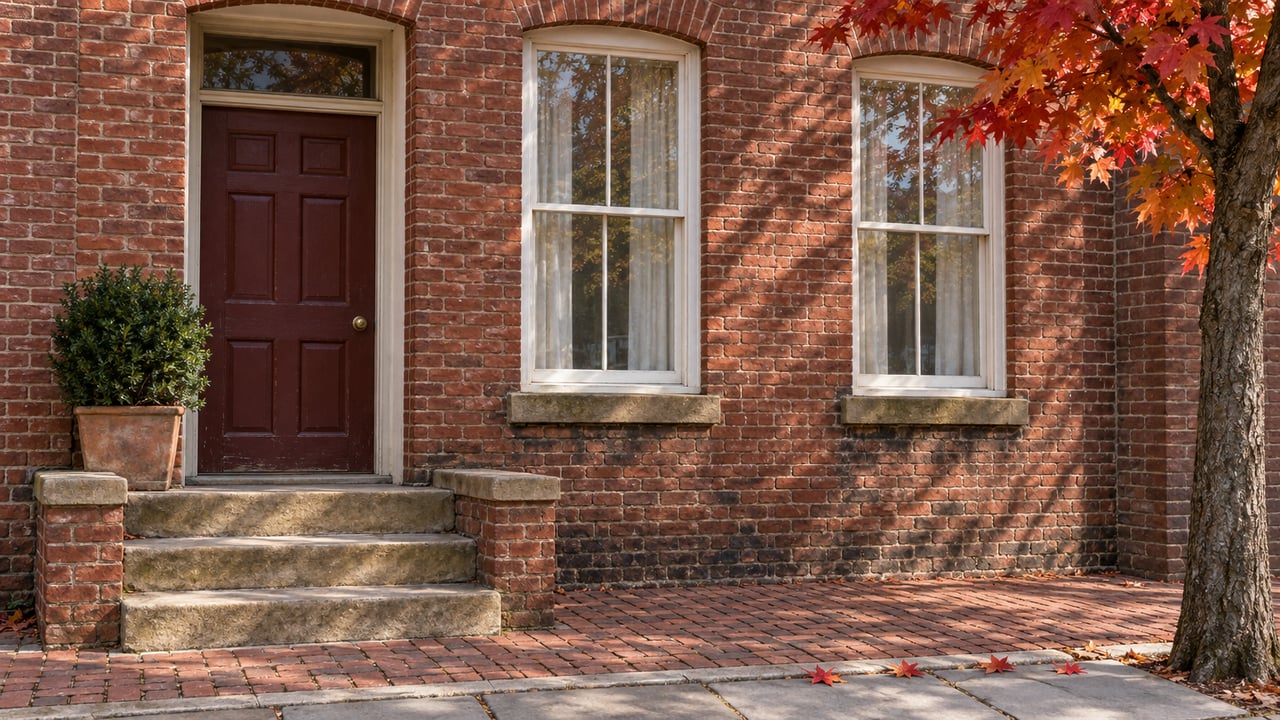
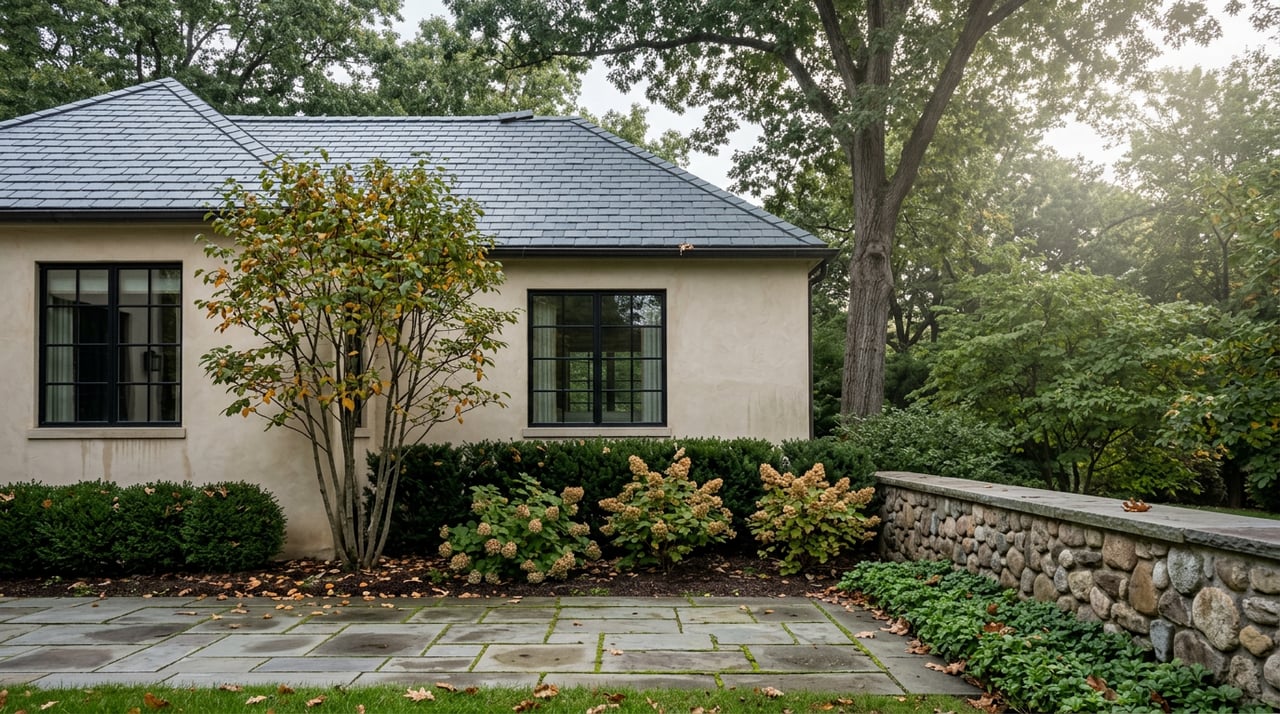
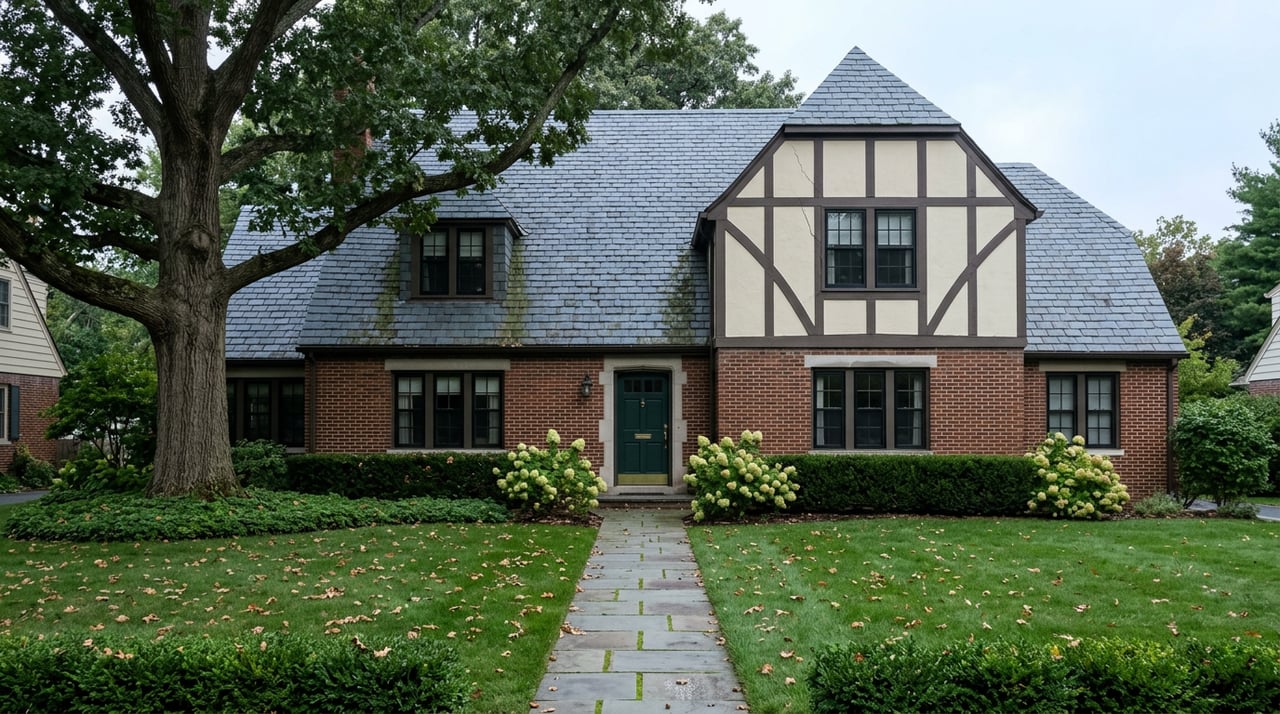
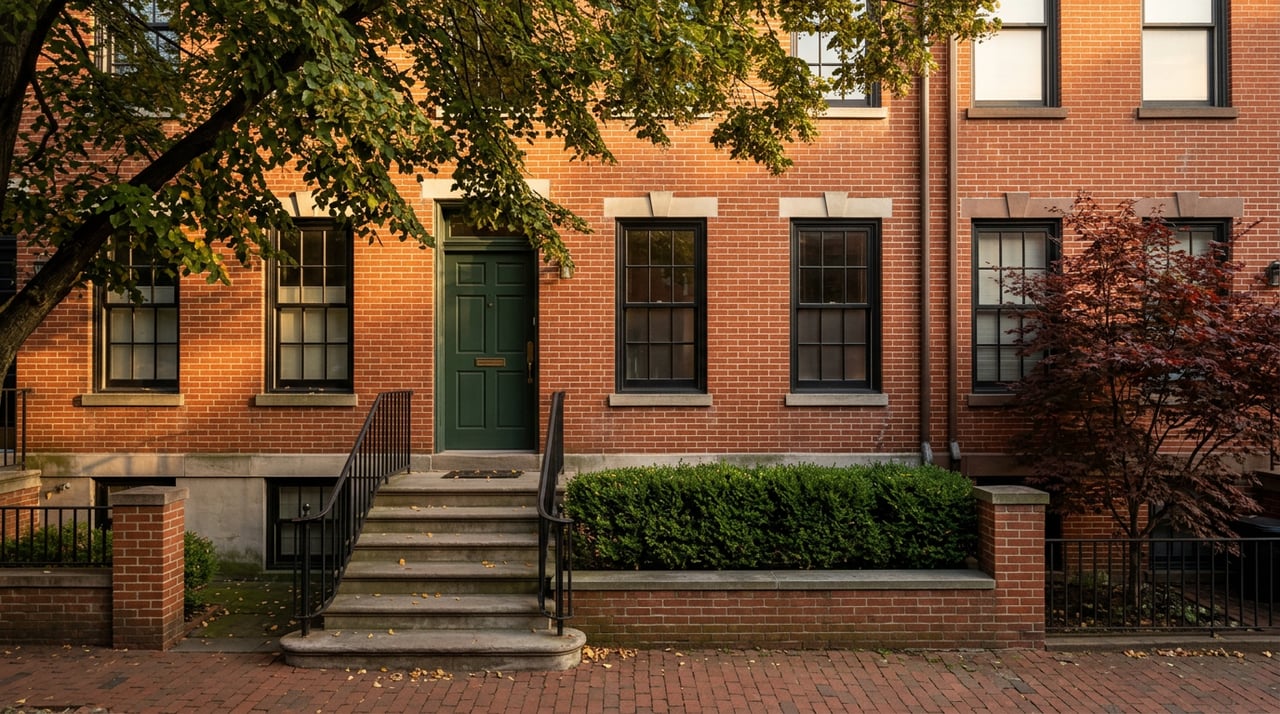
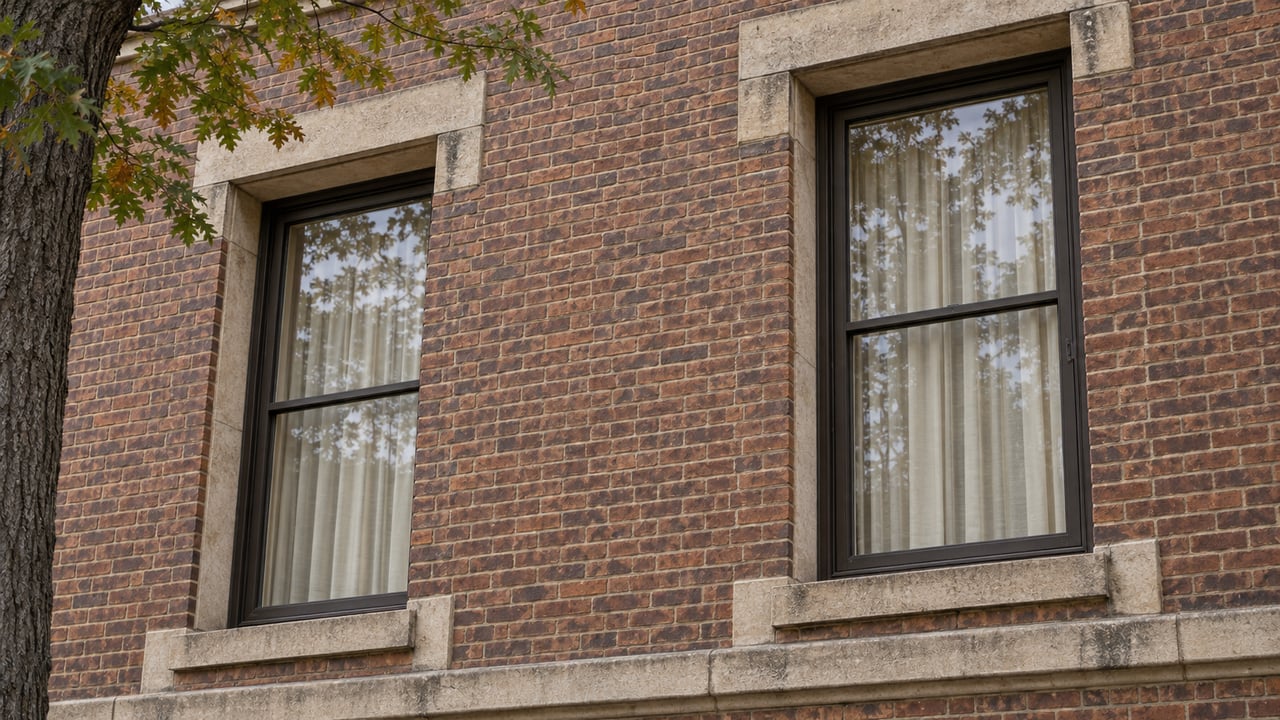
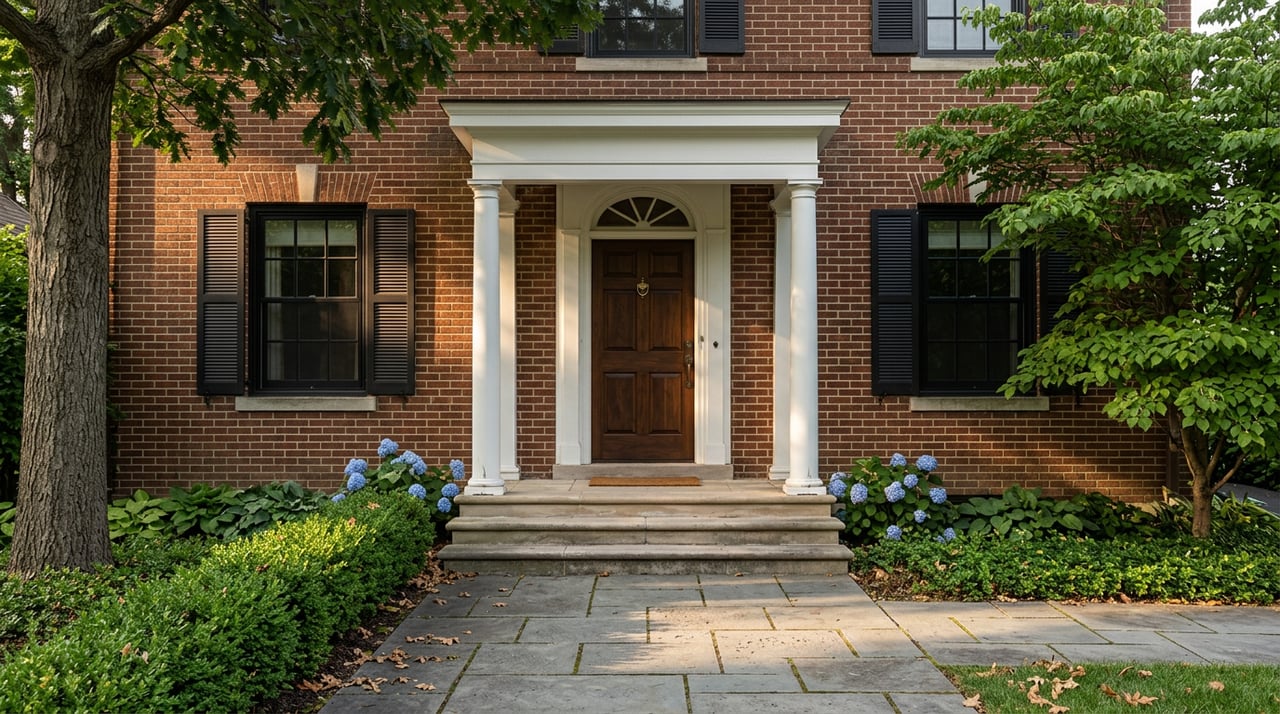
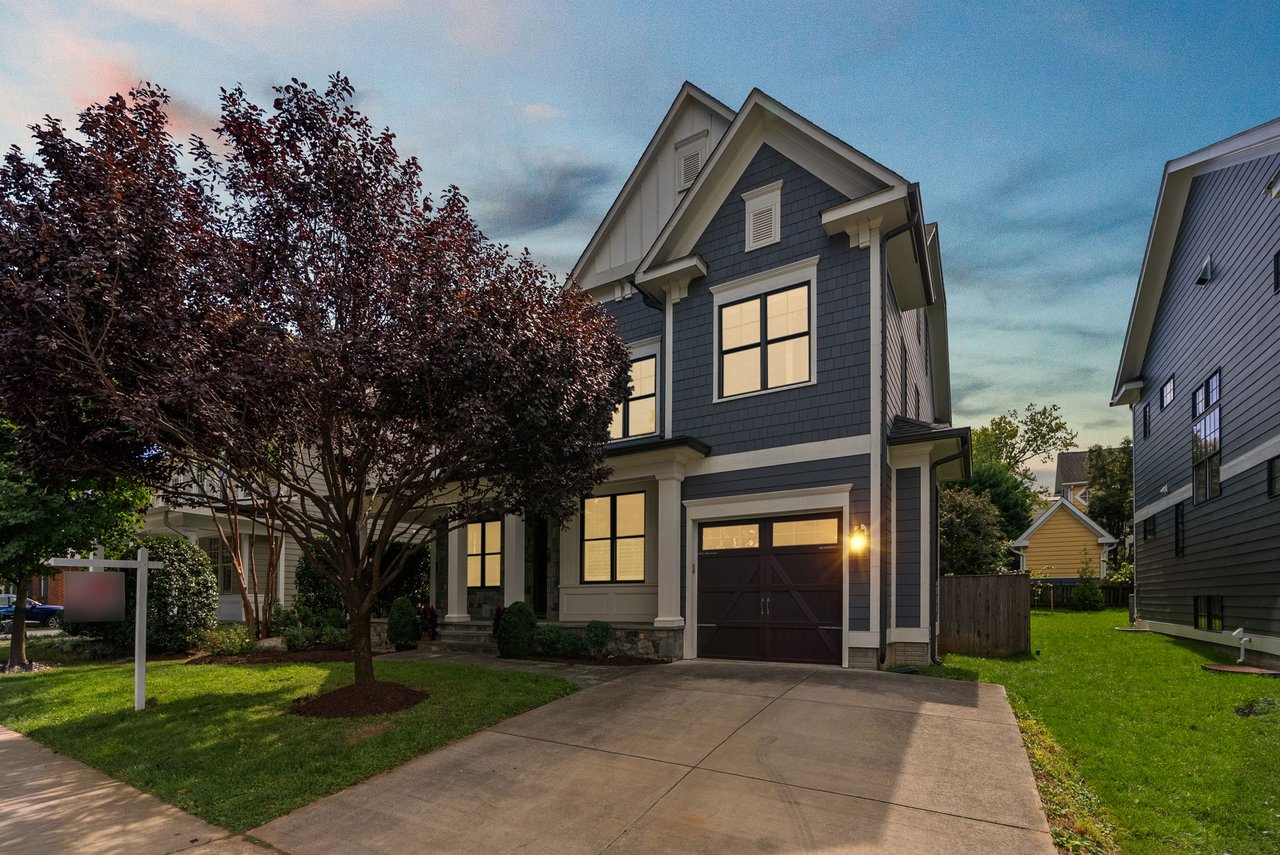
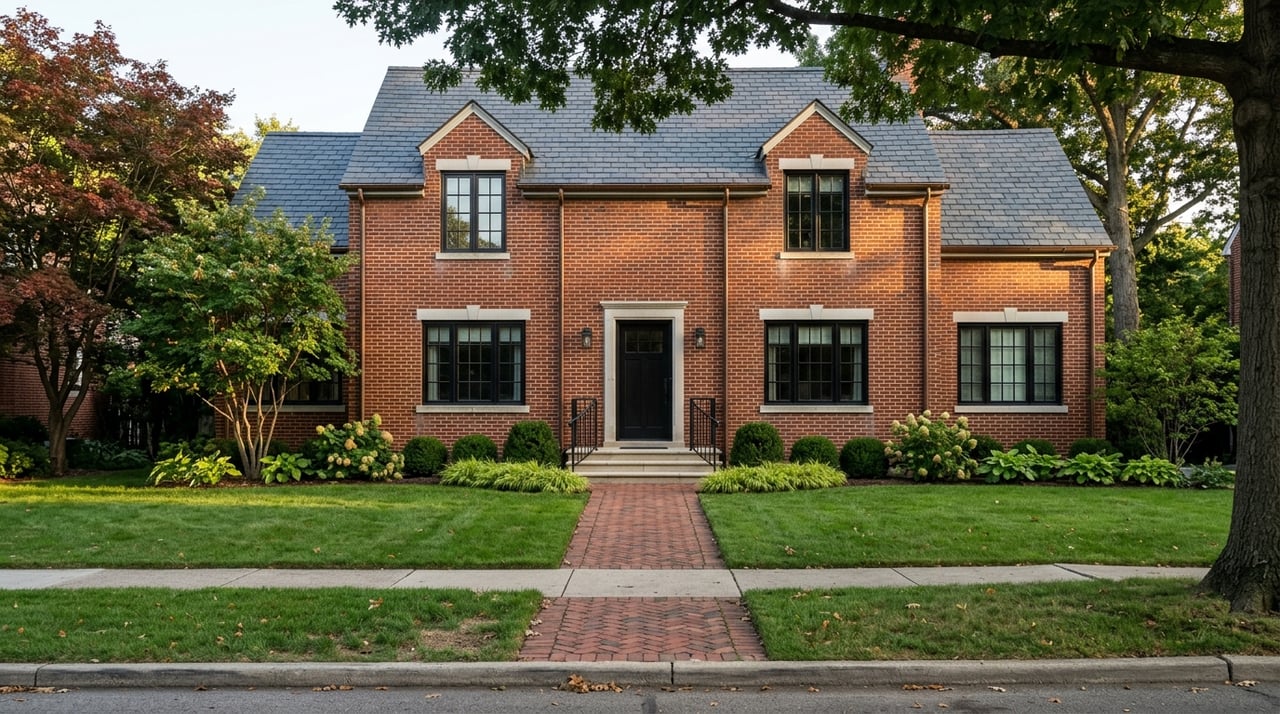
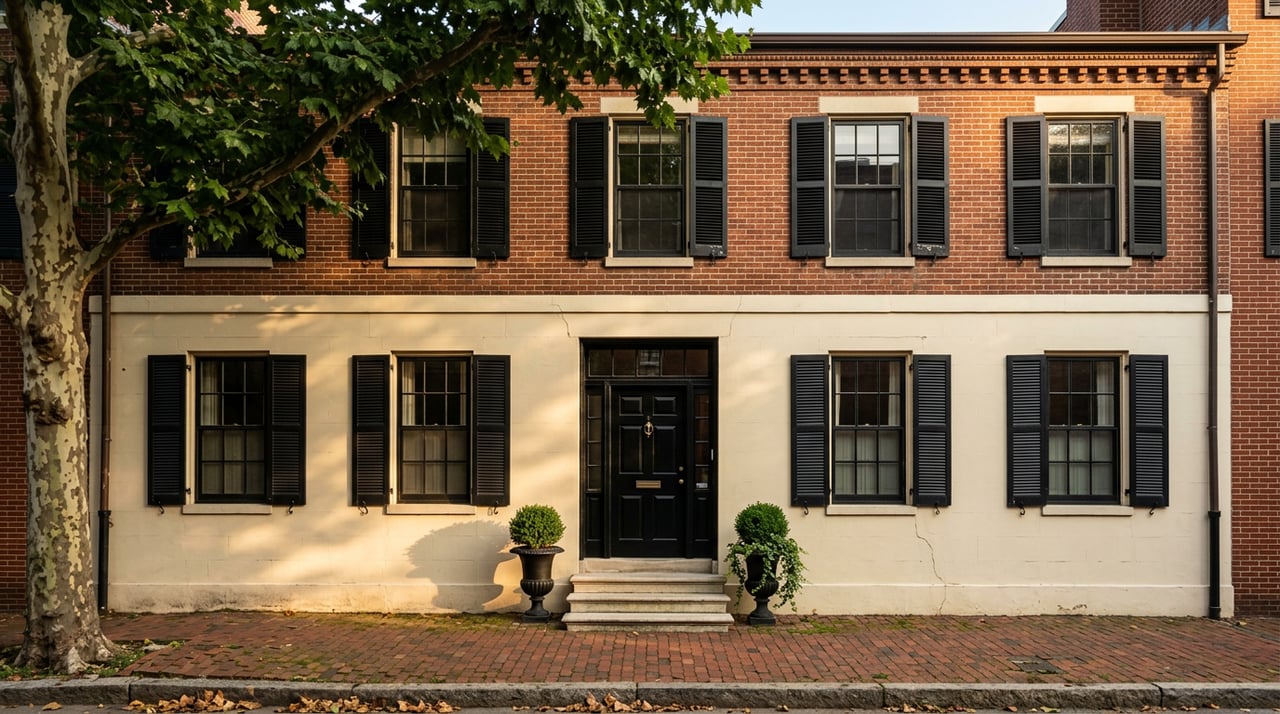
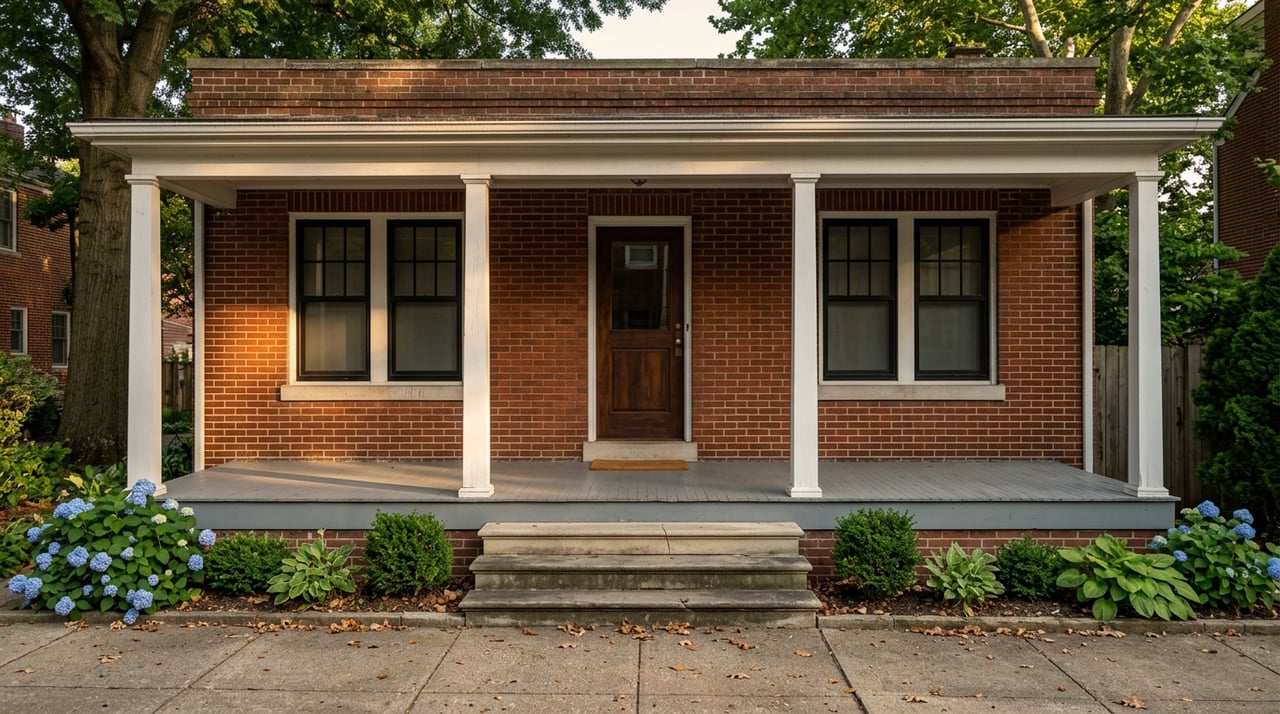
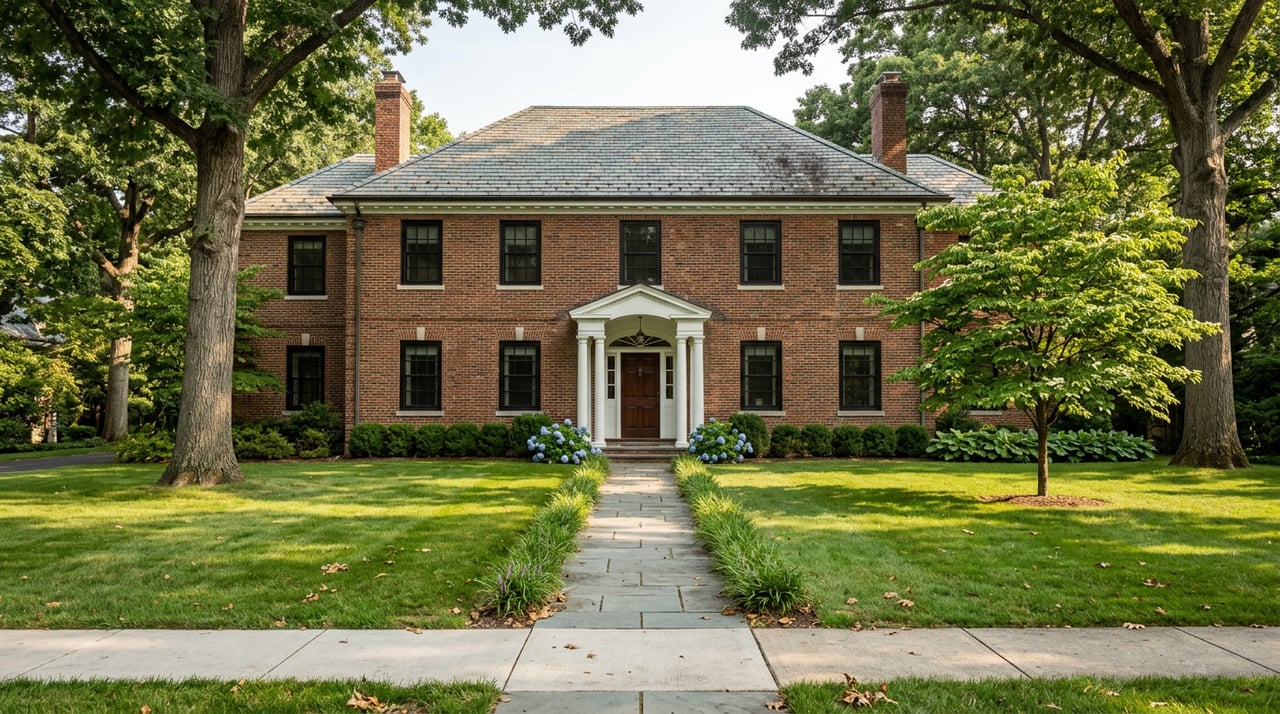
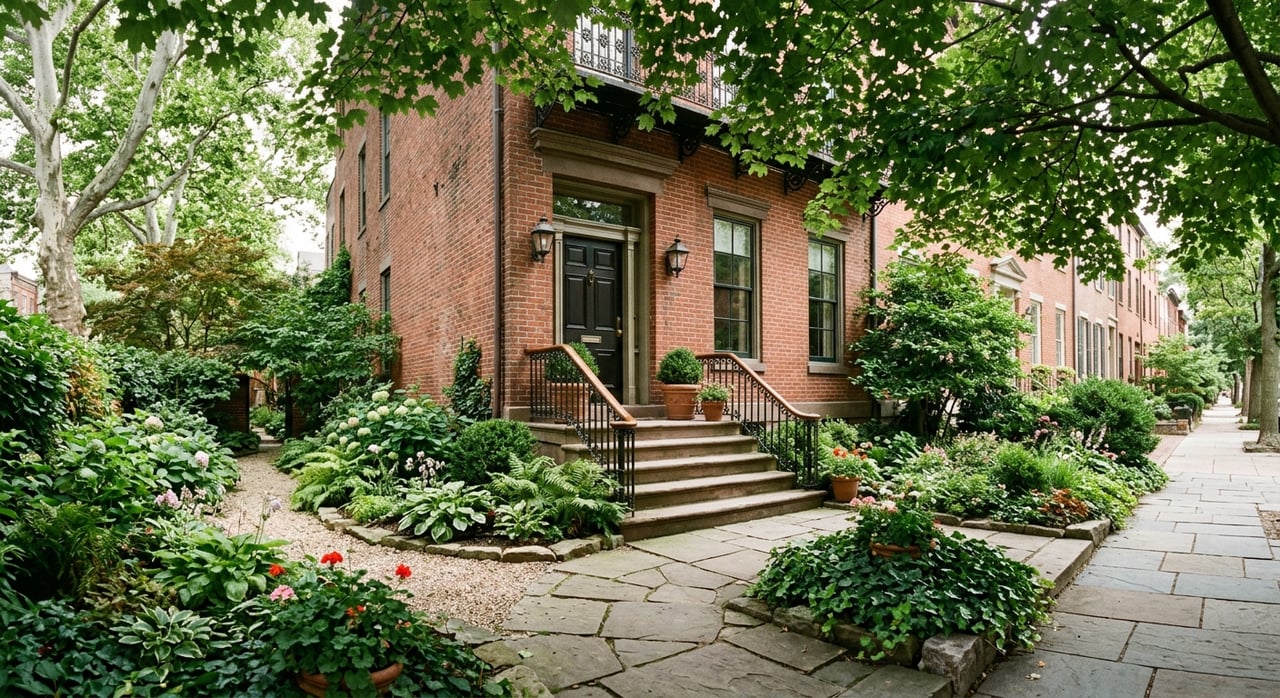
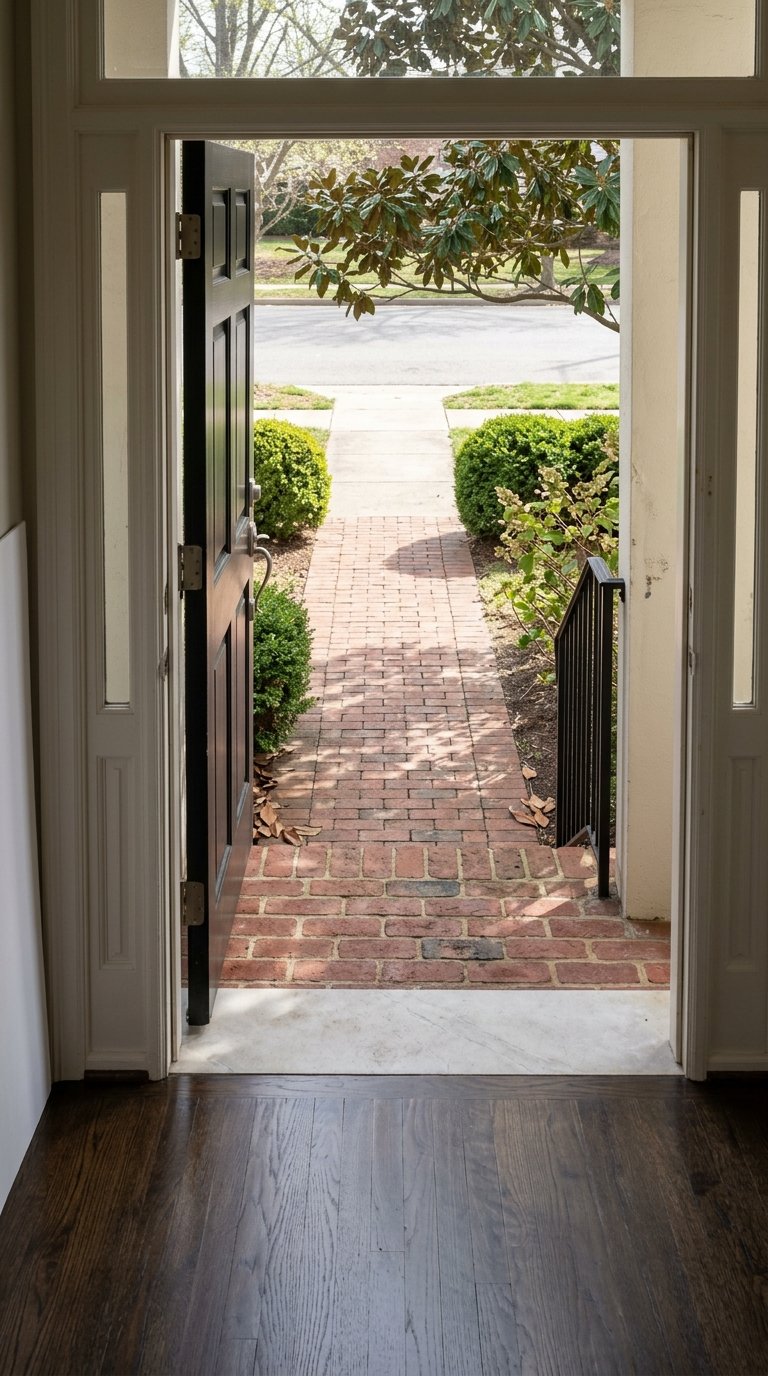
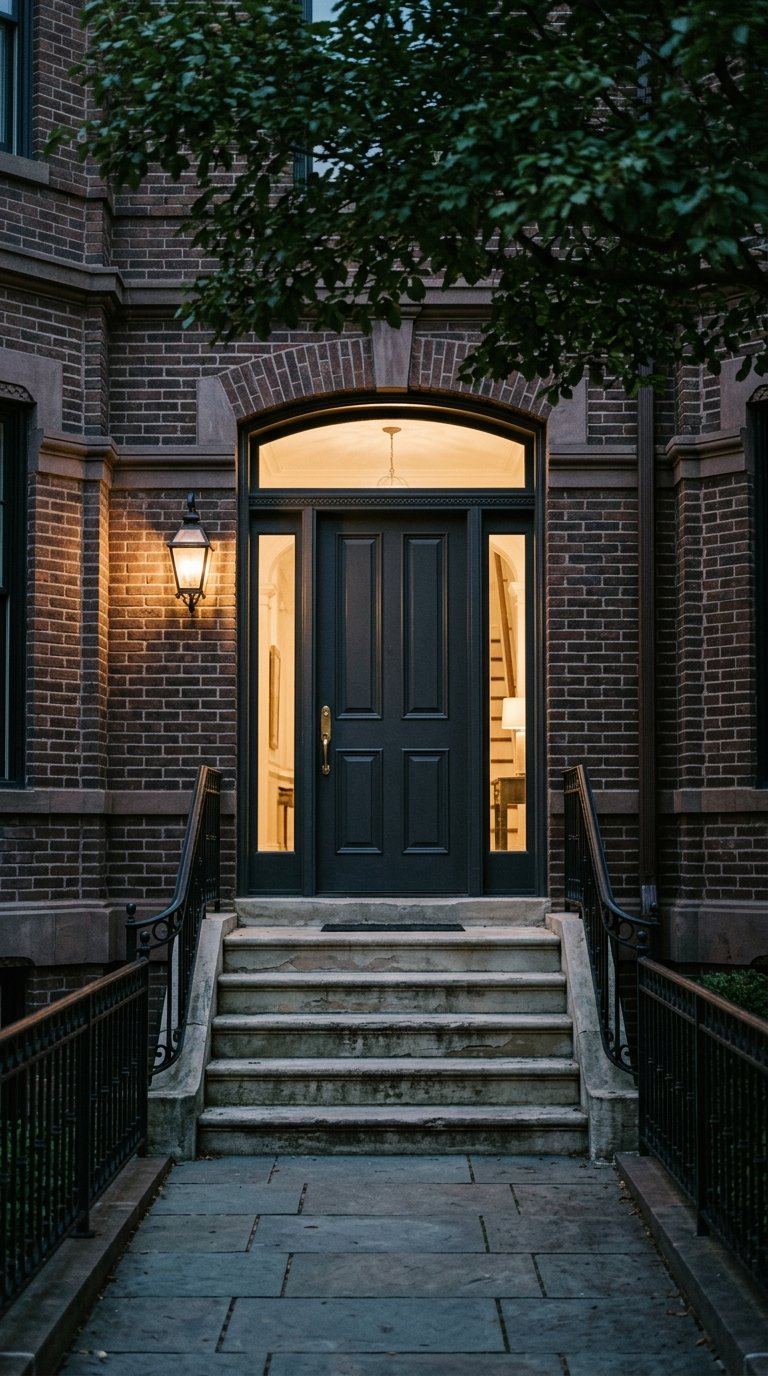
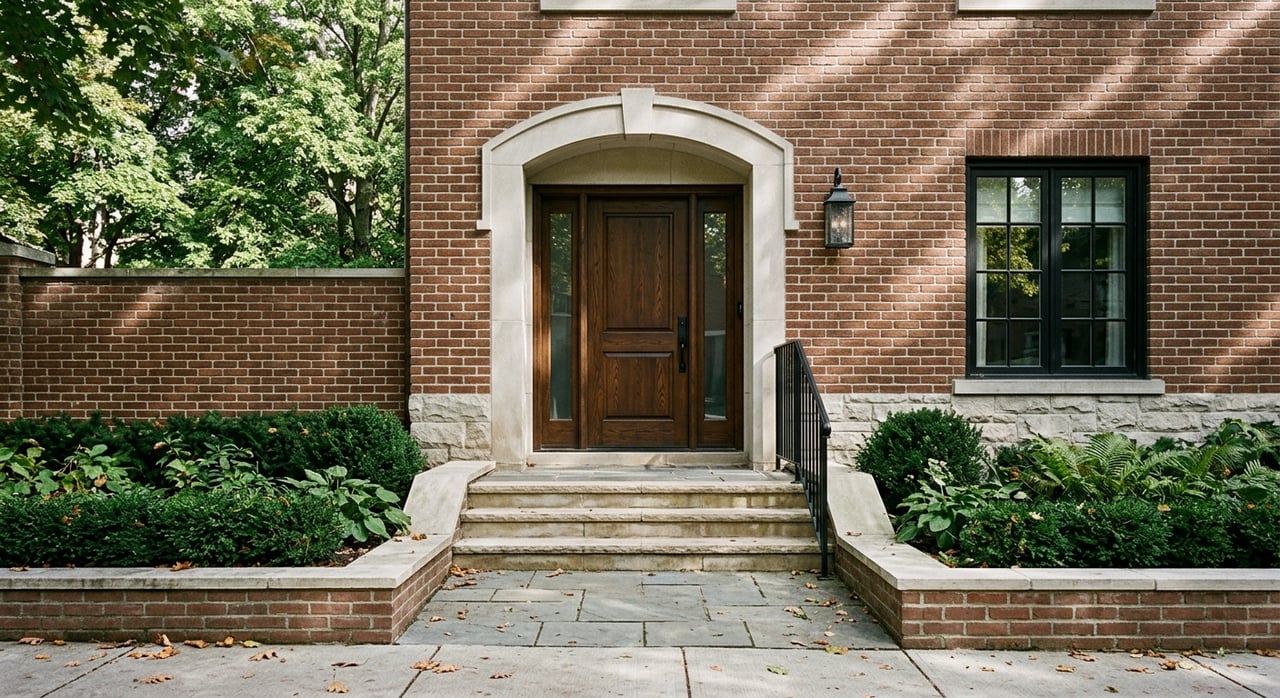
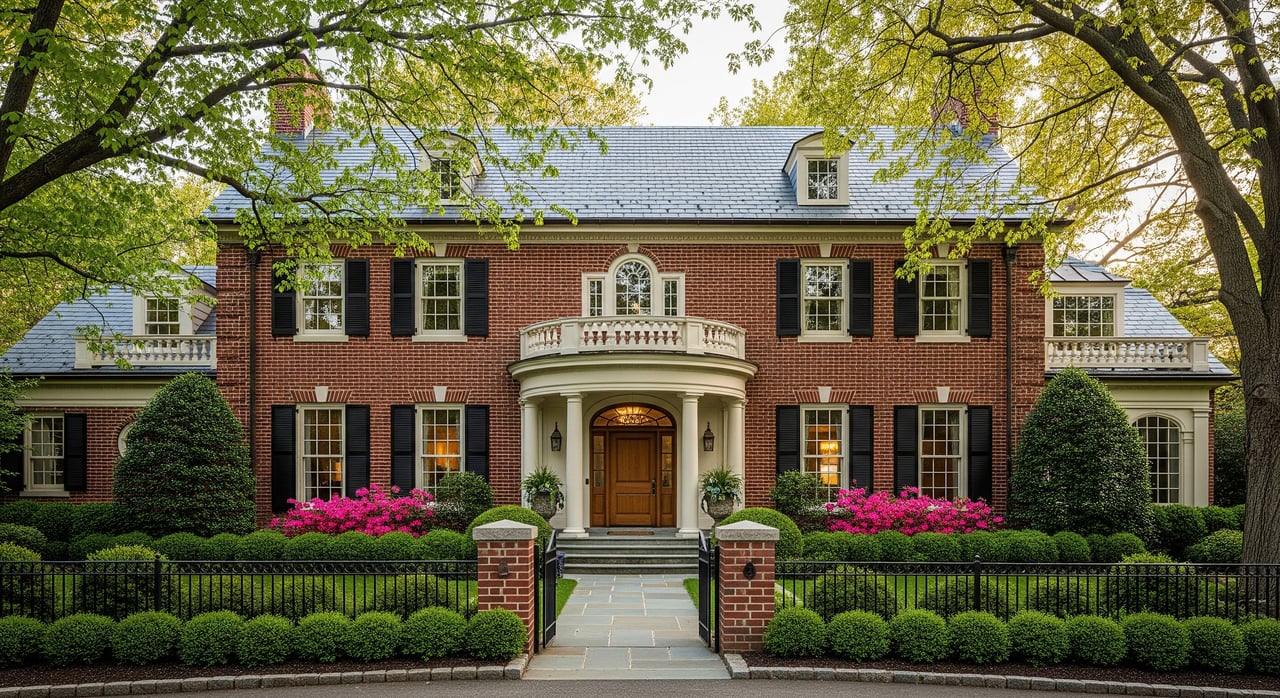
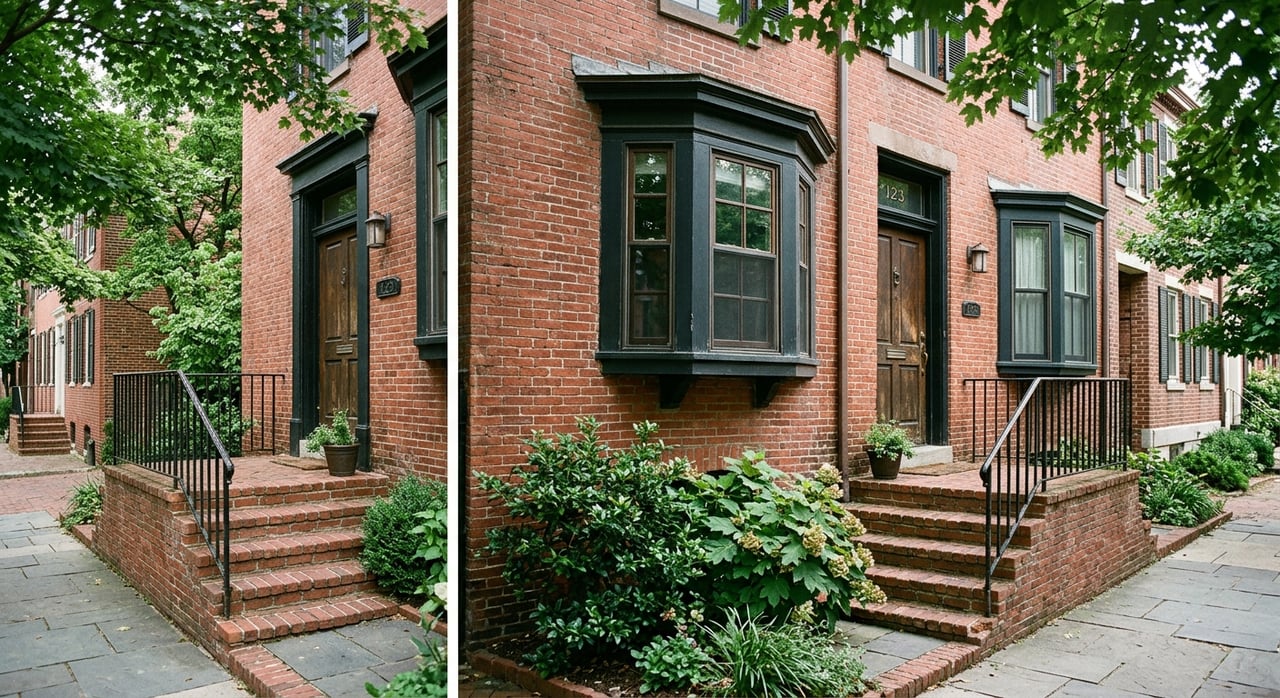
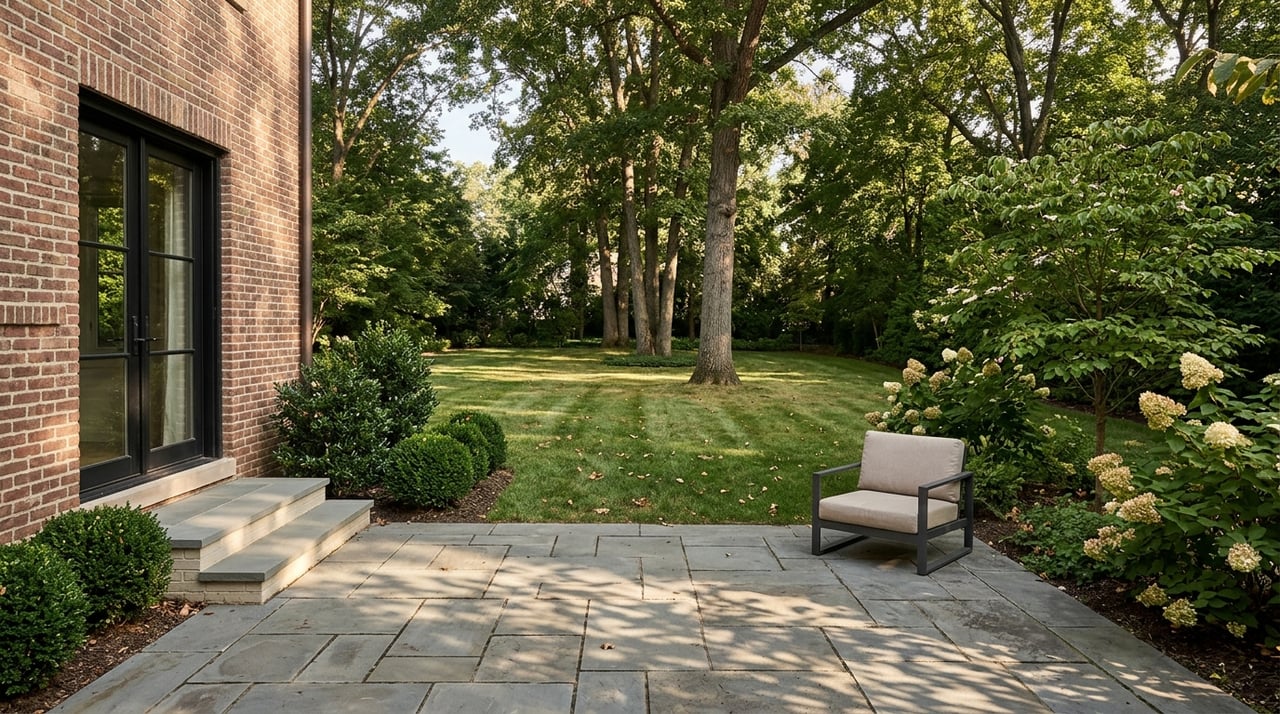
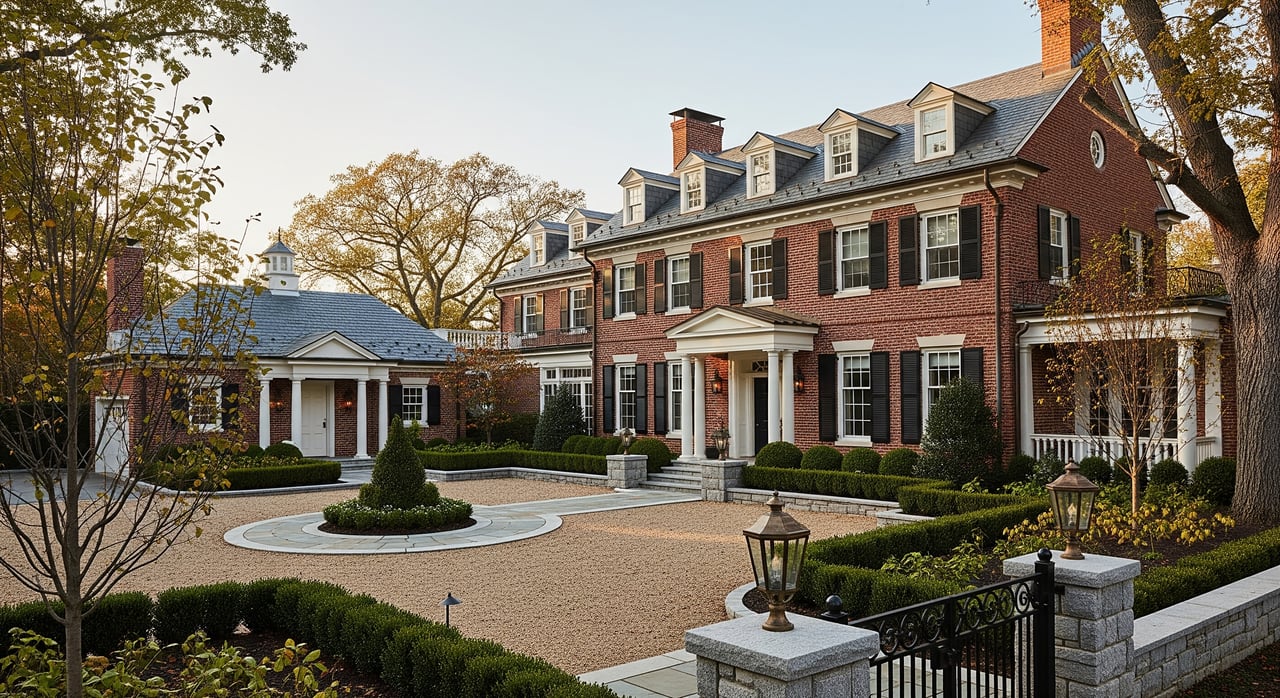
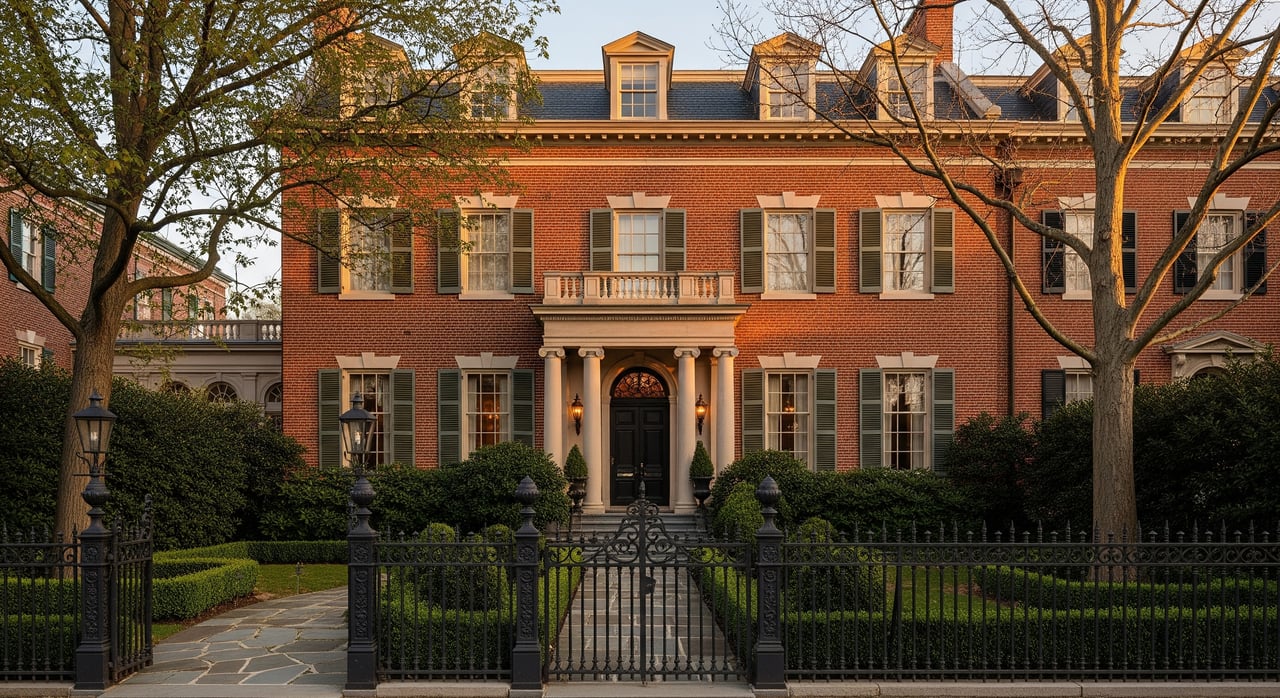
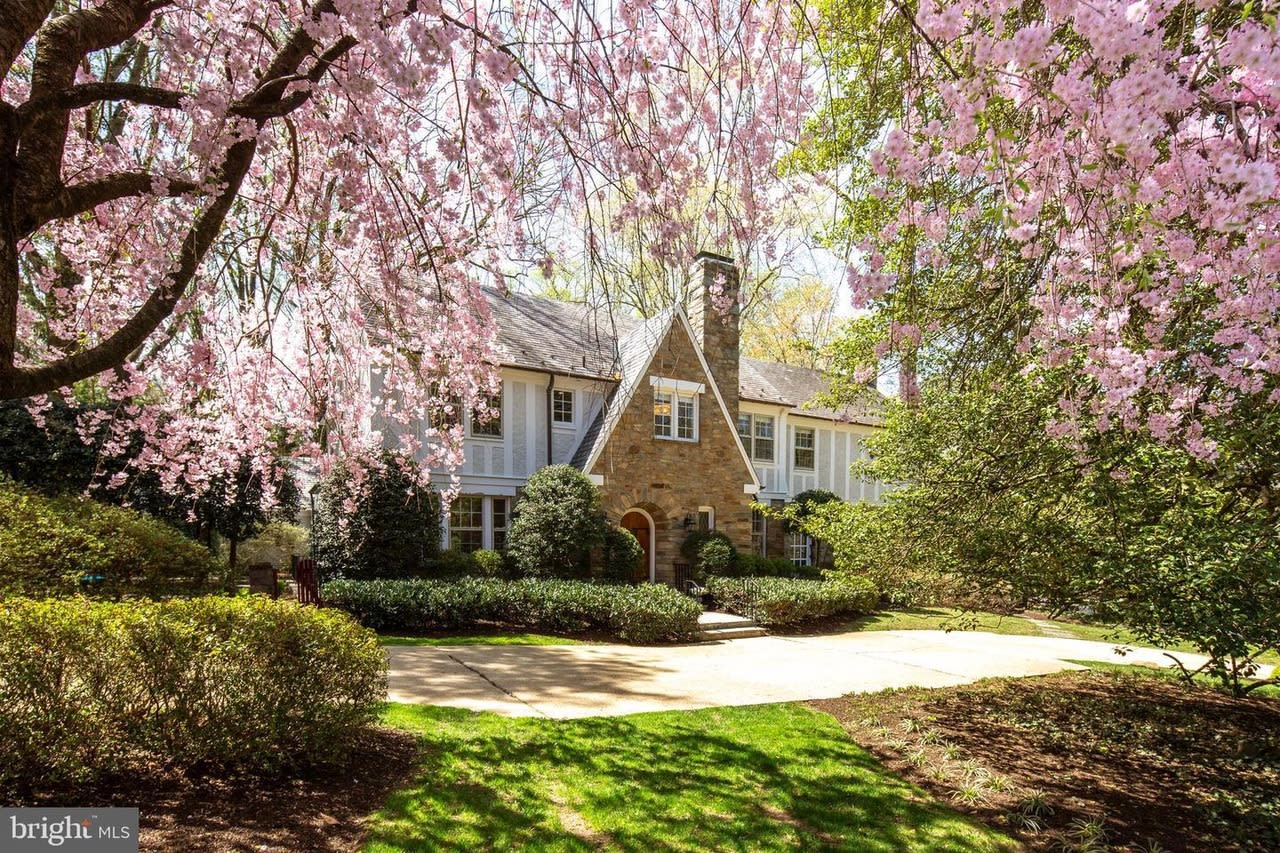
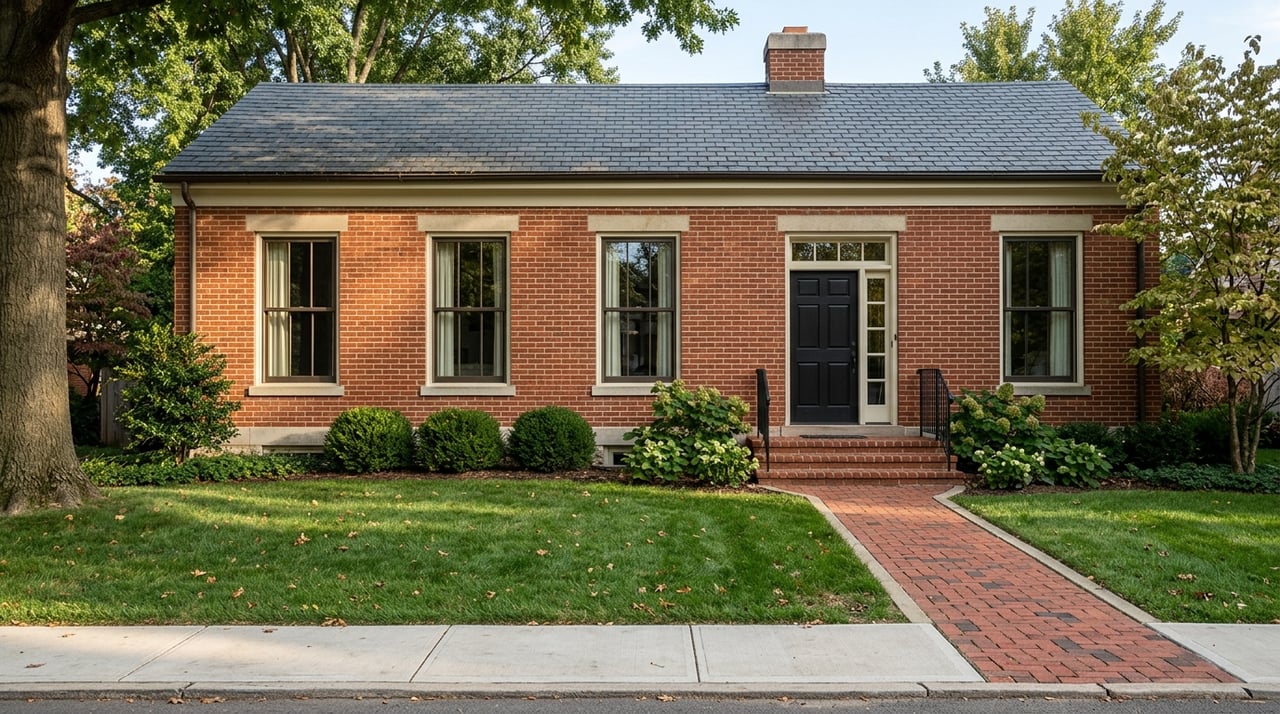
One of the clearest features of Westmoreland Hills is its housing stock. Public descriptions consistently point to mostly single-family homes dating from the 1930s, 1950s, and 1960s.
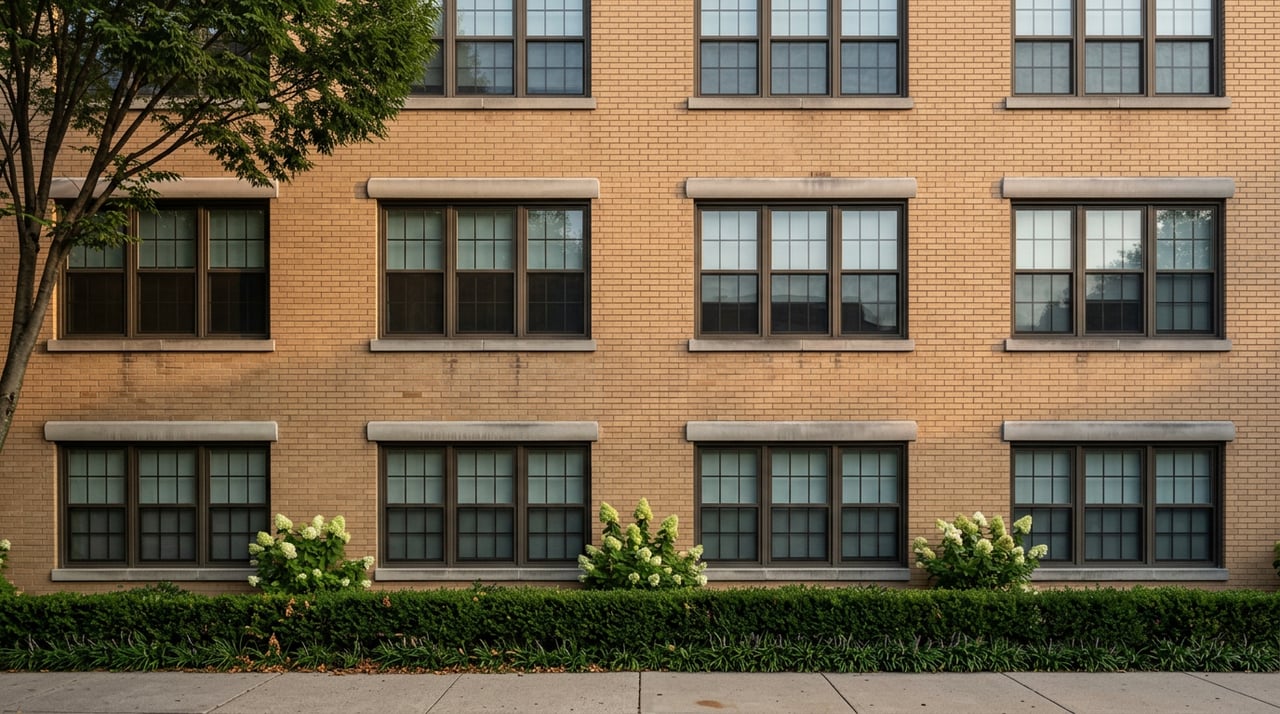
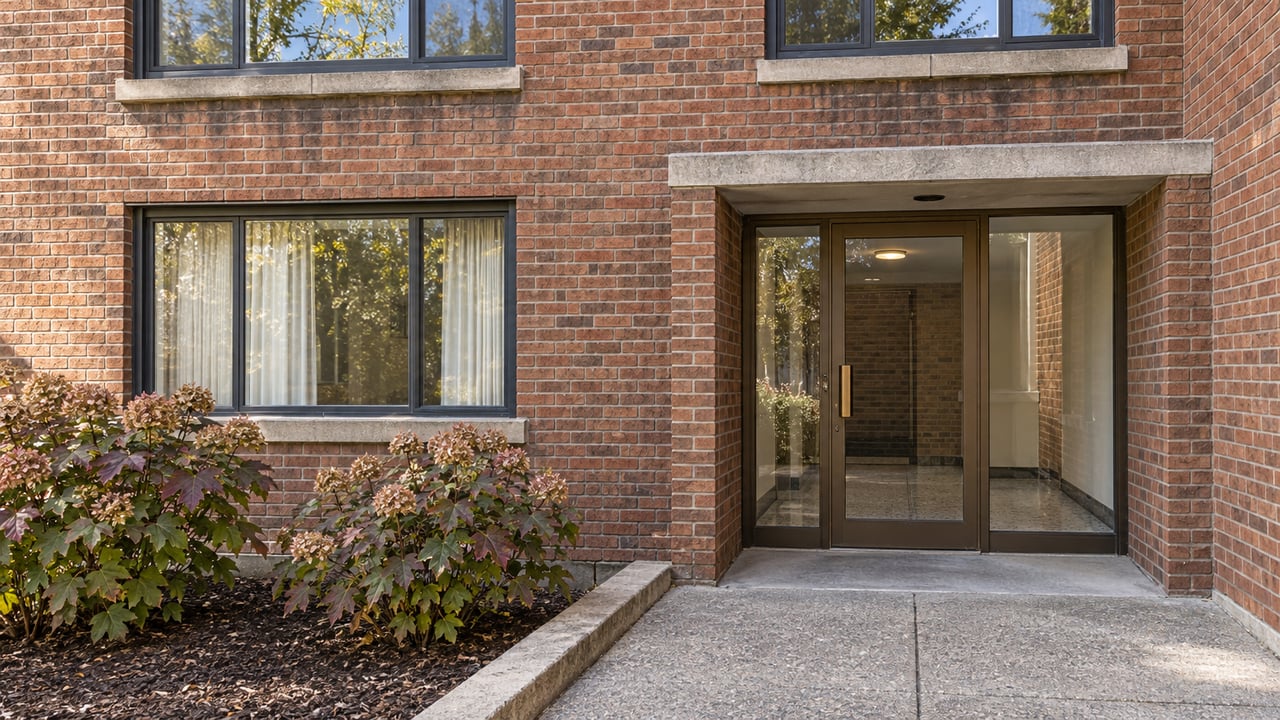
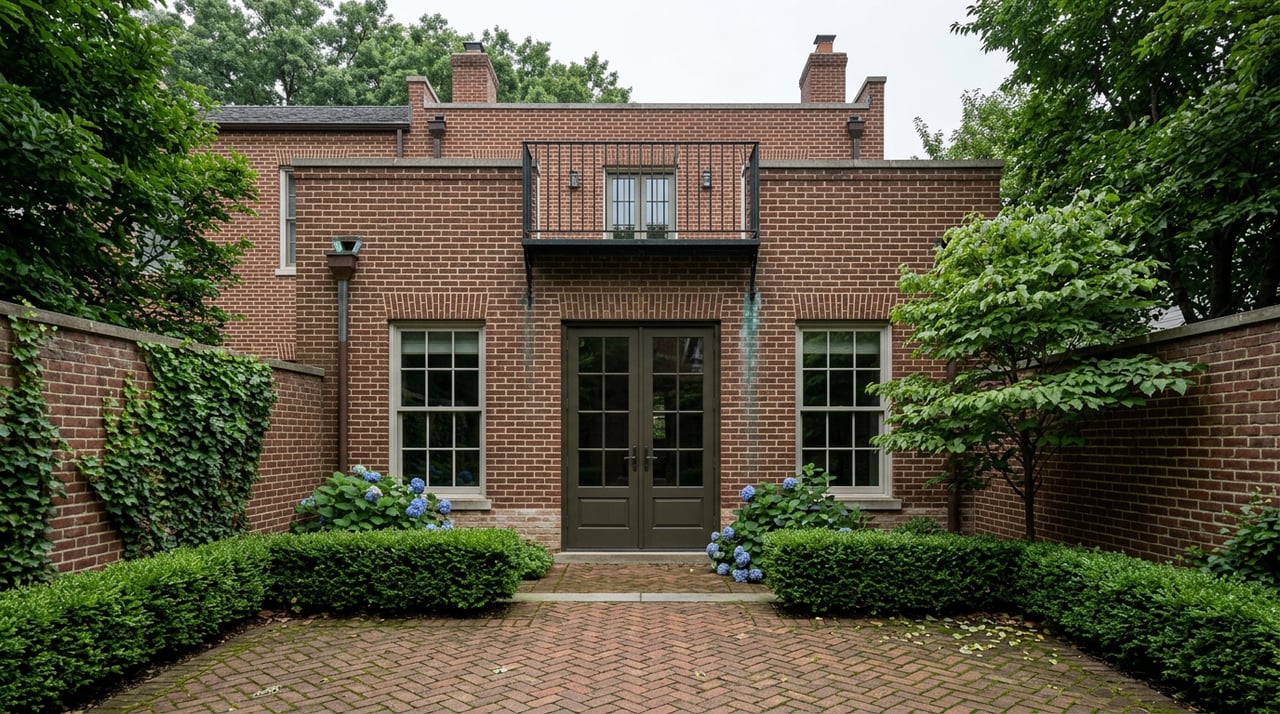
That gives the neighborhood a character-rich, mature housing profile that differs from denser parts of central Bethesda. Sources describing the area reference architectural styles such as Federal, Colonial Revival, and Cape Cod, which helps explain why many buyers see Westmoreland Hills as a place with visual variety and a more established streetscape.
What Buyers Often Notice
If you are comparing Bethesda neighborhoods, Westmoreland Hills may appeal to you for a few practical reasons:
- A largely detached-home setting
- Older homes with established architectural character
- A residential atmosphere that feels removed from the busiest commercial corridors
- Access to both recreation and commuter routes
For buyers who want space and neighborhood texture without feeling cut off, that combination can be especially appealing.
Parks and Green Space Shape Daily Life
Westmoreland Hills Local Park is a major part of the neighborhood’s everyday appeal. Montgomery Parks says the 10.1-acre park includes a playground, softball field, multiuse field, basketball court, two tennis courts, a picnic area, and Battery Bailey, a Civil War earthwork. The park is located at 5315 Elliott Drive and is open from sunrise to sunset.
That mix of amenities gives the neighborhood more than just a patch of green. It creates a practical place for weekend downtime, casual recreation, and a little local history in one setting.
Battery Bailey Adds Historic Interest
Not every neighborhood park has a landmark that ties into regional history. In Westmoreland Hills Local Park, Battery Bailey gives the space an added point of identity beyond courts and fields.
For buyers who value places with a sense of context, that detail matters. It reinforces the idea that Westmoreland Hills is not just convenient, but also rooted and distinct.
Trails Support Recreation and Commuting
One of the strongest lifestyle advantages in this area is the nearby trail network. Montgomery Parks says the Little Falls Trail runs 3.5 miles, is paved, largely shaded, and parallels the Capital Crescent Trail for about a mile. There is also parking at Westmoreland Hills Local Park.
The Capital Crescent Trail adds another layer of convenience. Montgomery Parks describes it as an 11-mile trail running from Georgetown to Silver Spring and notes that it is the most popular trail in Montgomery County.
A Useful Option for Active Commuters
For some residents, trails are not only recreational. Montgomery Parks notes that the Capital Crescent Trail is heavily used as a commuter route to Georgetown and D.C. during the week.
That matters if you prefer to mix exercise into your routine or want an alternative to driving every day. It also adds flexibility when your schedule, destination, or weather calls for a different commuting plan.
Check Access Before Relying on It
If you plan to use the trail system regularly, it is smart to confirm current access points. Montgomery Parks notes that some entrances are currently closed during Purple Line construction.
That does not change the long-term value of the trail network, but it is an important day-to-day detail for anyone planning a regular active commute.
Commuting From Westmoreland Hills to D.C.
Westmoreland Hills works best for many buyers because it offers more than one way to reach D.C. Instead of relying on a single option, you can often choose between bus service, Metrorail connections, driving routes, and trail access.
That flexibility can make a real difference in daily life. A neighborhood does not need to sit in the urban core to be practical for commuters, and Westmoreland Hills is a good example of that.
Bus Connections
Montgomery County’s Ride On Route 29 is a key local transit link. The county timetable lists timepoints including Westmoreland Circle, Massachusetts and Westbard Aves, River Road and Goldsboro Road, Glen Echo, Bethesda, and Friendship Heights.
In practical terms, that places the neighborhood within an established bus corridor. For commuters who want an alternative to driving, that can be a meaningful advantage.
Red Line Access
For rail commuters, the most relevant nearby Metrorail stations are Bethesda and Friendship Heights. WMATA identifies both as Red Line stations, and Bethesda station is located at 7460 Wisconsin Avenue.
If your routine includes downtown D.C. destinations or transfers elsewhere in the system, access to those stations helps broaden your commuting options. It also gives you another way to structure the trip depending on your schedule.
Driving Routes
Drivers also benefit from strong regional connections. National Park Service directions for Glen Echo Park route drivers through Massachusetts Avenue, Goldsboro Road, MacArthur Boulevard, and the Clara Barton Parkway and I-495 network.
That road framework supports access across this side of Bethesda and into D.C. For many households, having dependable car routes alongside transit choices is part of what makes the location workable.
What Westmoreland Hills Means for Buyers
If you are choosing a neighborhood with commuting in mind, Westmoreland Hills offers a specific kind of value. It is not trying to compete with the most urban parts of Bethesda on density or nightlife. Instead, it offers an established residential setting with multiple ways to stay connected to D.C.
That distinction is important. Some buyers want to step away from the pace of central commercial districts while still keeping their commute manageable, and Westmoreland Hills fits that goal well.
Best Fit for Your Lifestyle
Westmoreland Hills may be worth a closer look if you are looking for:
- An established Bethesda neighborhood near D.C.
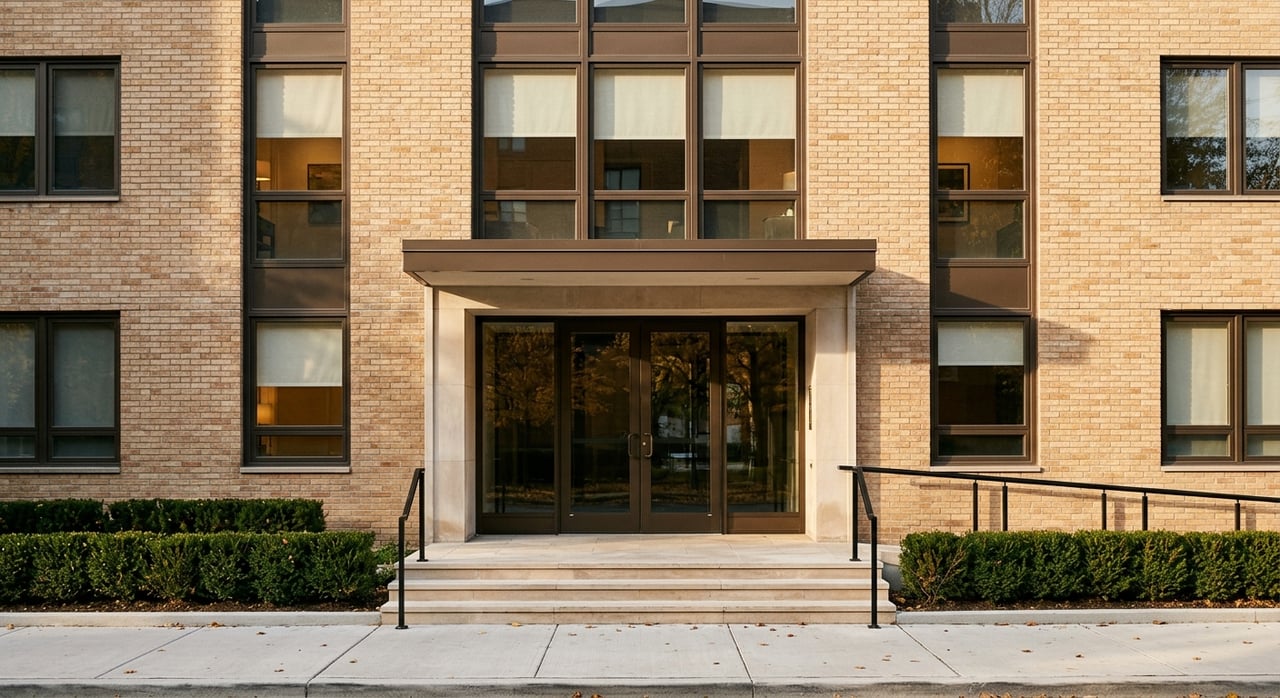
- Mostly detached homes instead of newer condo or townhouse-heavy inventory
- Easy access to parks and trails
- More than one commuting option
- A neighborhood setting with a visible community identity
If that sounds like your priorities, Westmoreland Hills deserves a place on your shortlist.
A neighborhood choice is never only about distance on a map. It is about how your home, commute, and daily routine work together over time. If you want steady guidance as you evaluate Bethesda and close-in commuter neighborhoods, Jack Realty Group can help you make a confident, well-informed move.
FAQs
Is Westmoreland Hills a good neighborhood for D.C. commuters?
- Westmoreland Hills can work well for D.C. commuters because it offers several options, including Ride On Route 29, access to the Red Line through Bethesda and Friendship Heights, driving routes, and trail connections.
What kind of homes are in Westmoreland Hills, Bethesda?
- Westmoreland Hills is known mostly for single-family homes, with housing commonly described as dating from the 1930s, 1950s, and 1960s and including styles such as Federal, Colonial Revival, and Cape Cod.
What park amenities are in Westmoreland Hills?
- Westmoreland Hills Local Park includes a playground, softball field, multiuse field, basketball court, two tennis courts, a picnic area, and the historic Battery Bailey earthwork.
Can you bike or walk to D.C. from Westmoreland Hills?
- The nearby trail network supports active transportation, and Montgomery Parks notes that the Capital Crescent Trail is heavily used as a commuter route to Georgetown and D.C. during the week.
Which Metro stations serve Westmoreland Hills commuters?
- The most relevant nearby Red Line stations for Westmoreland Hills commuters are Bethesda and Friendship Heights.
What makes Westmoreland Hills different from central Bethesda?
- Westmoreland Hills is generally defined by older detached homes, a more established residential feel, and strong access to parks and trails, rather than the denser housing patterns found in more central parts of Bethesda.