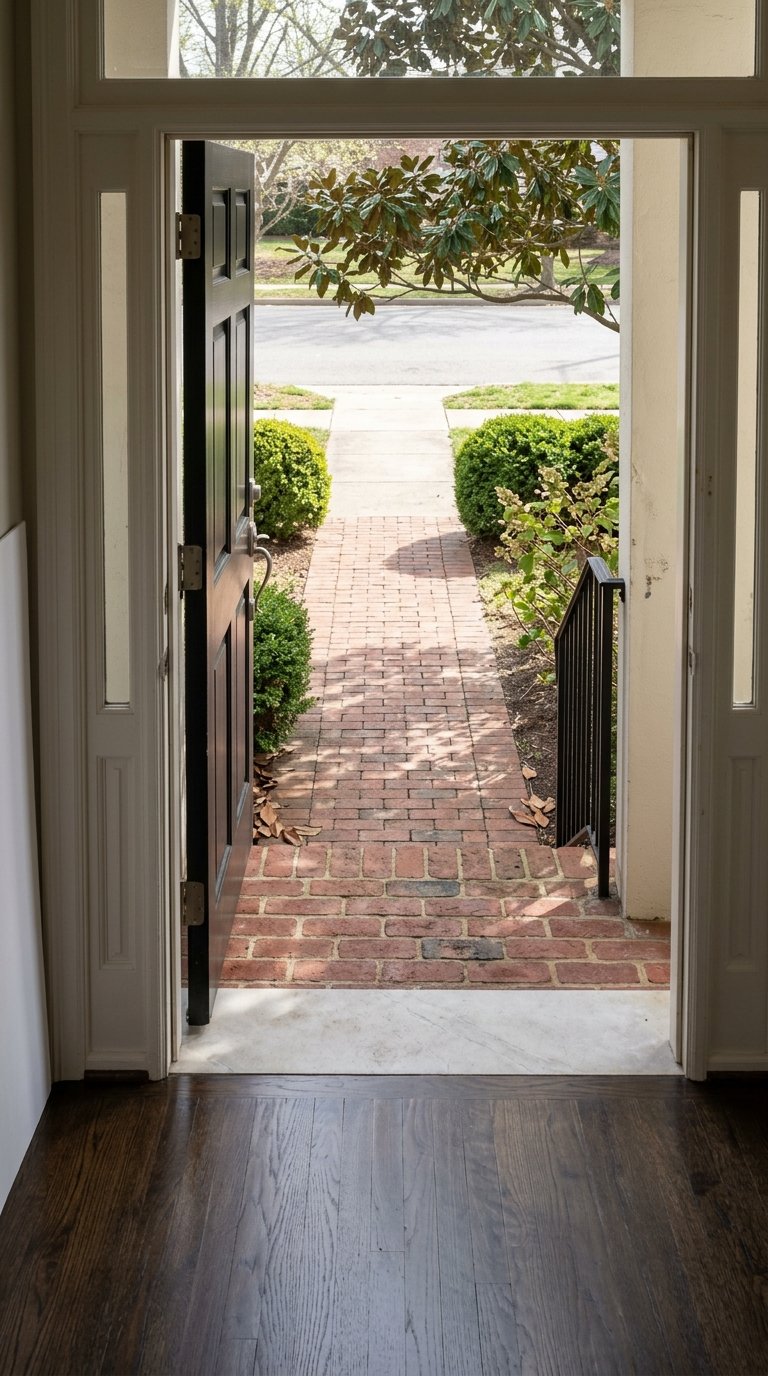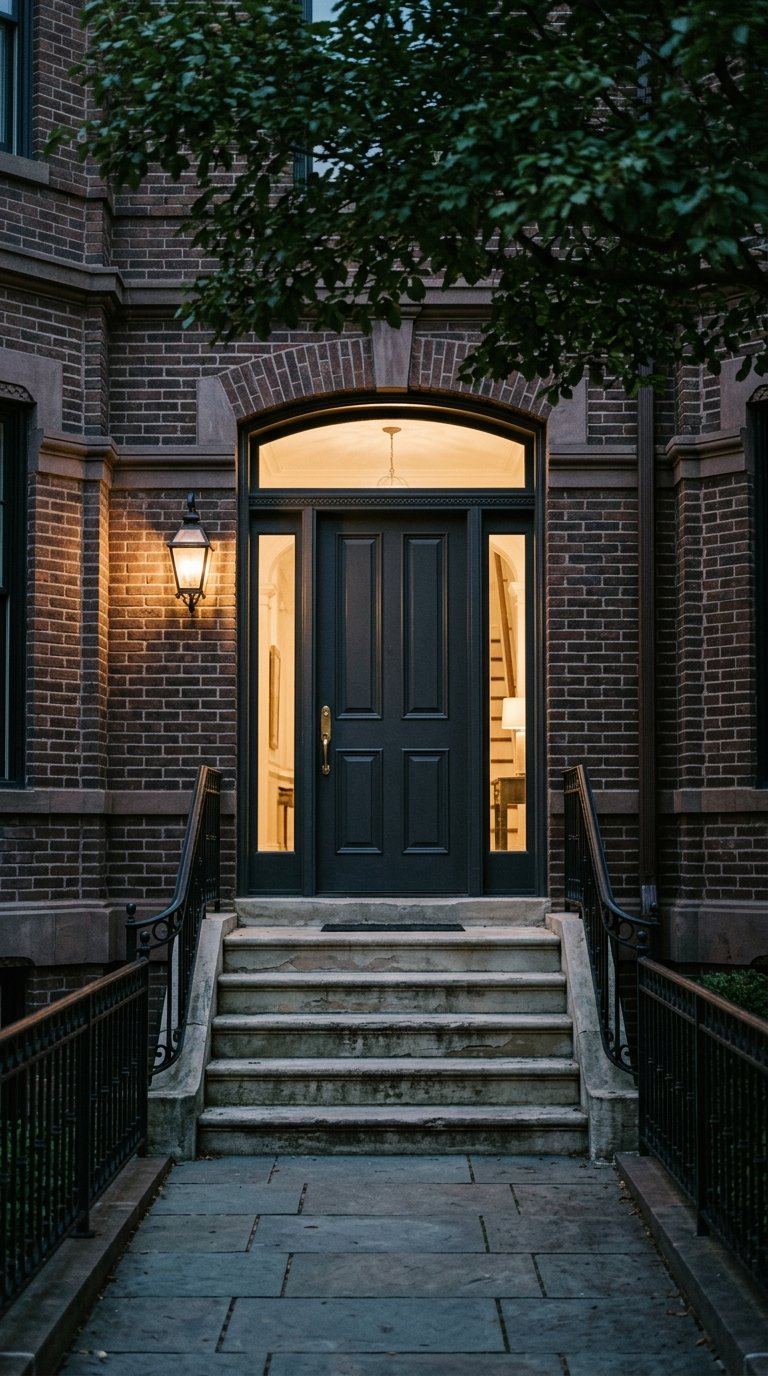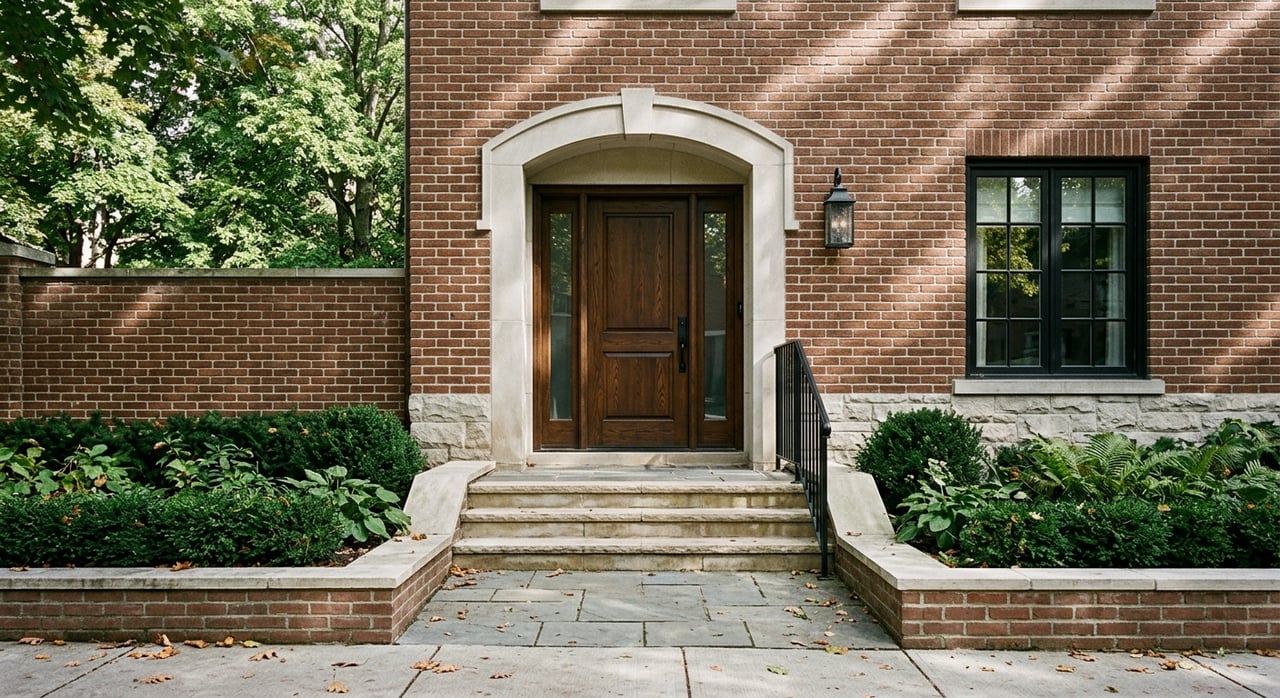
Wondering what it really takes to buy a single-family home in Cleveland Park? You are not alone. This northwest D.C. neighborhood draws buyers who want historic architecture, larger lots than many city neighborhoods, and easy access to the Connecticut Avenue corridor, but the housing stock is anything but one-size-fits-all. If you are weighing block, lot, layout, and renovation potential, this overview will help you understand the trade-offs and shop with more confidence. Let’s dive in.
Cleveland Park at a glance
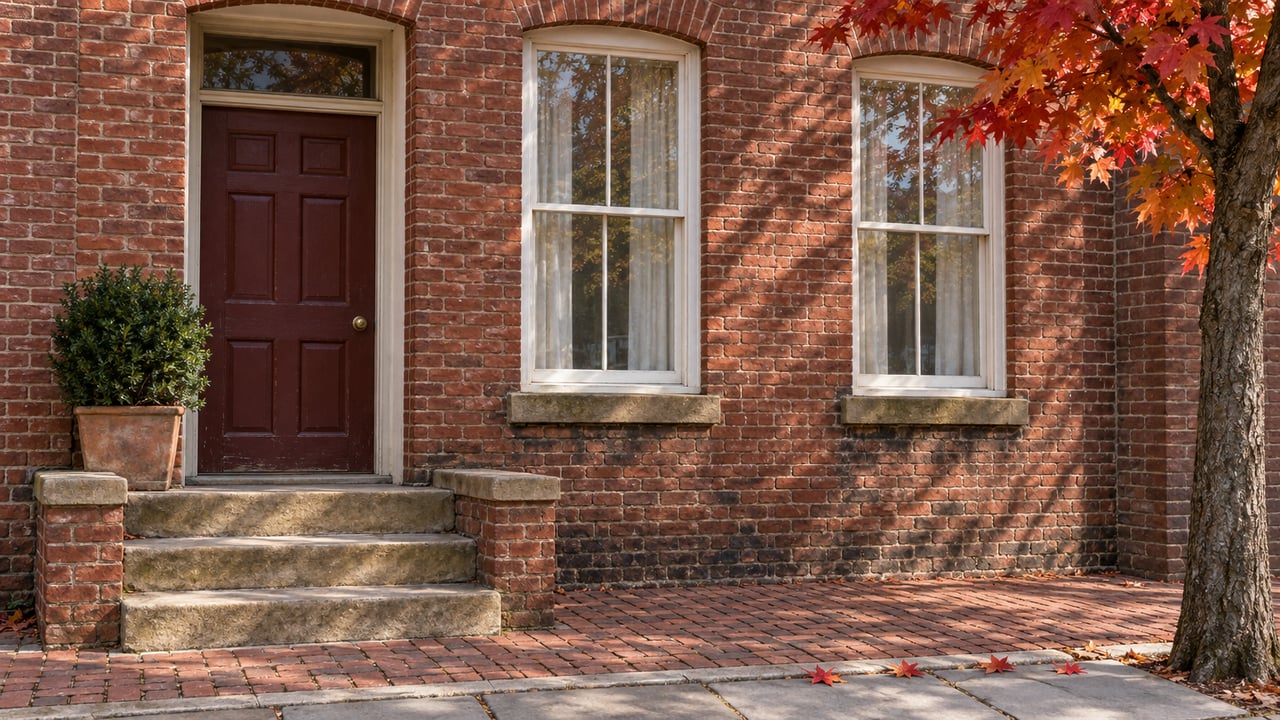
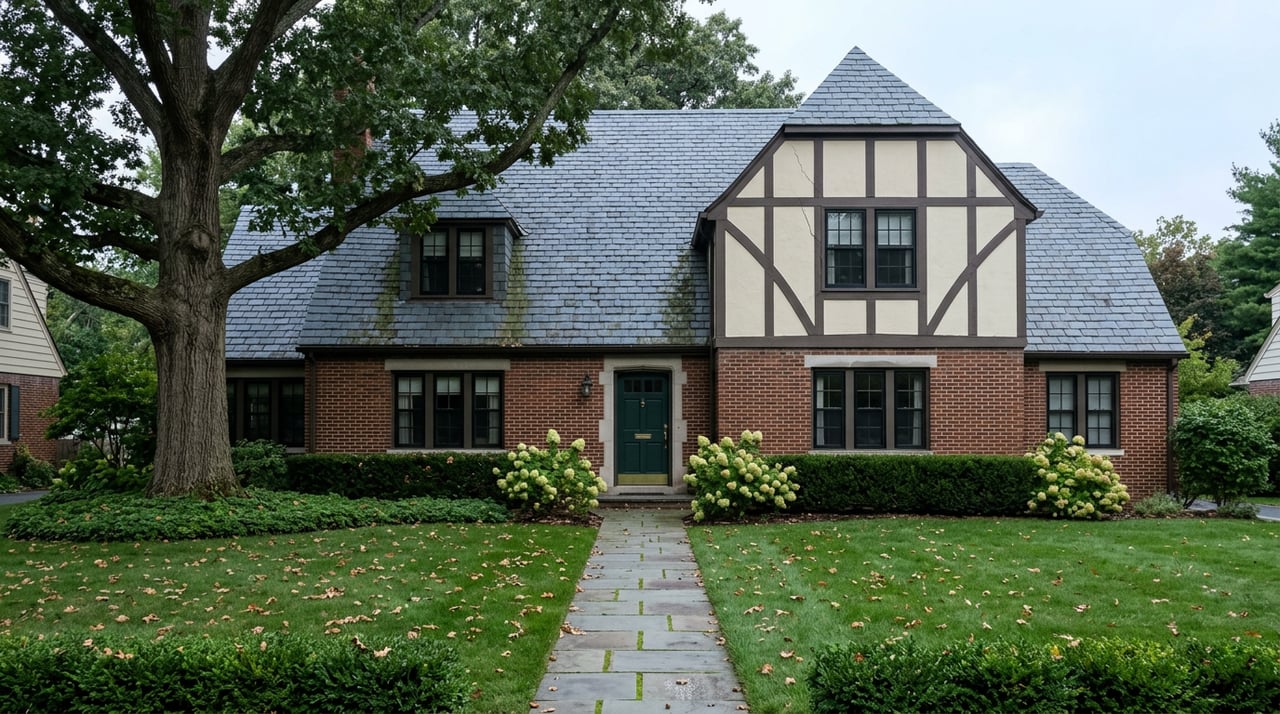
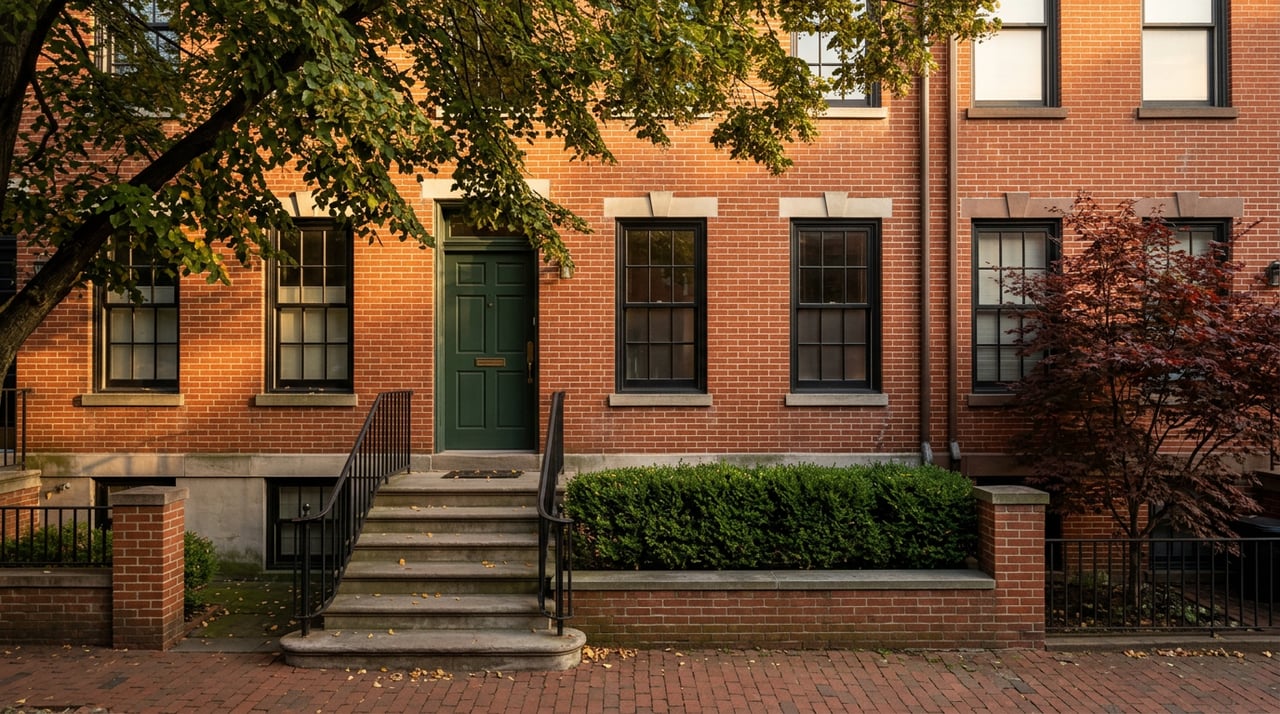
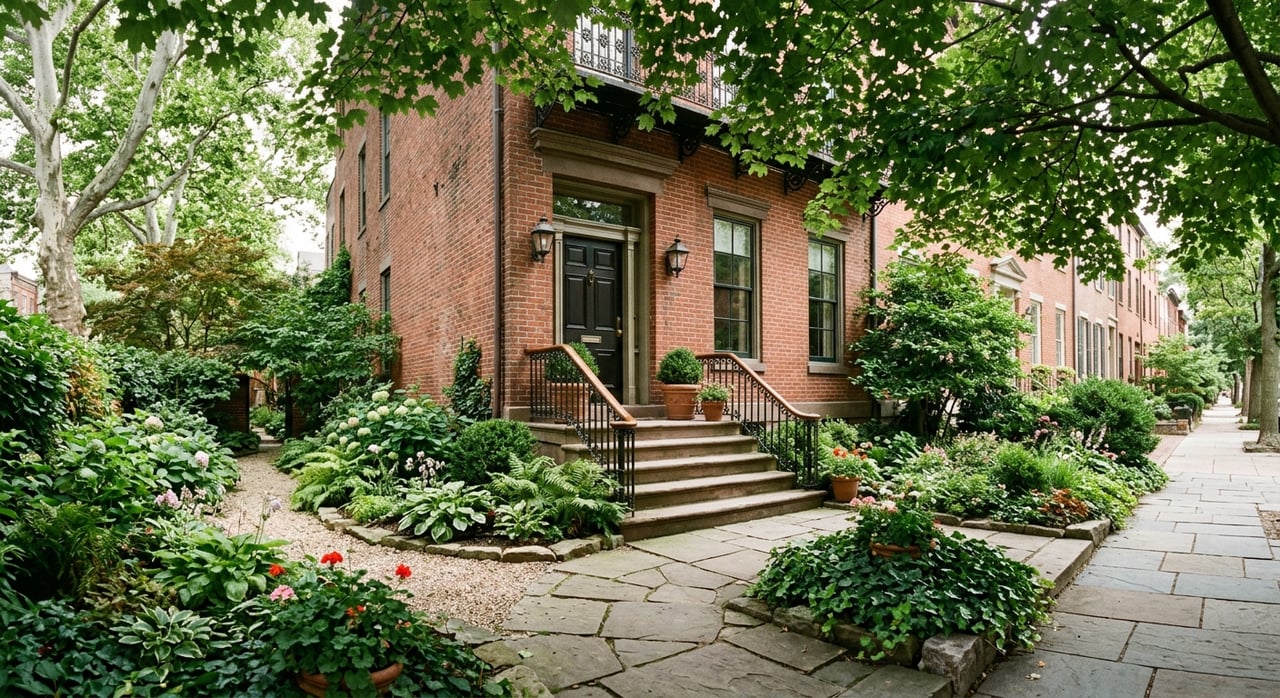
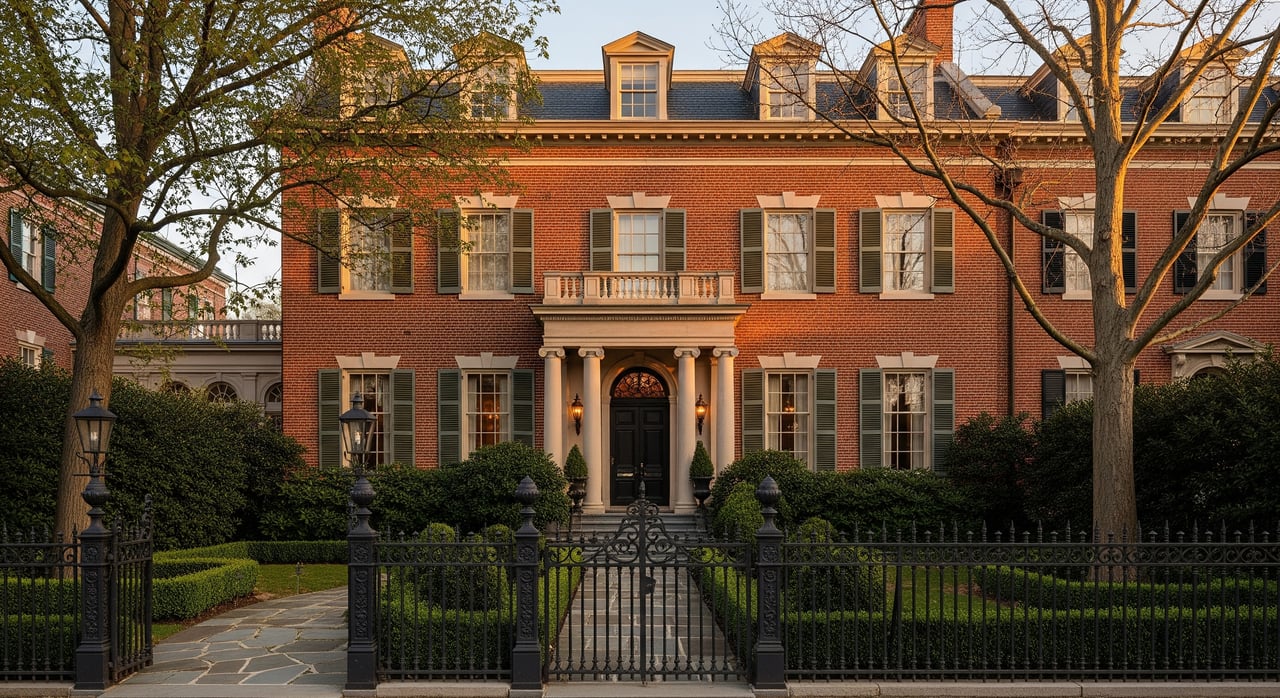
Cleveland Park is best understood as a historic single-family neighborhood with a distinct residential feel. Preservation materials describe it as a streetcar suburb with layered domestic architecture and a park-like setting, especially within the historic district between Connecticut and Wisconsin Avenues.
Much of the neighborhood’s residential fabric was built between 1894 and 1930, with the broader district largely built out by 1941. That means many homes share historic character, but they can differ quite a bit in size, condition, lot shape, and how updated they feel inside.
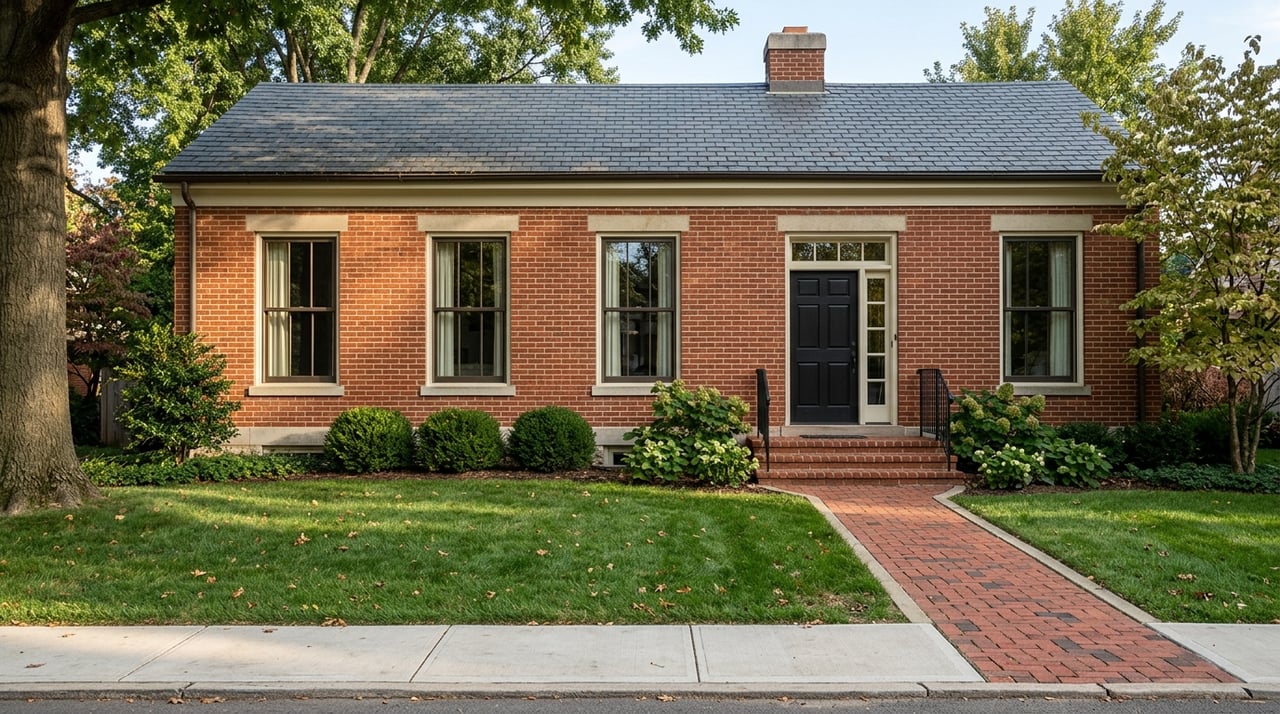
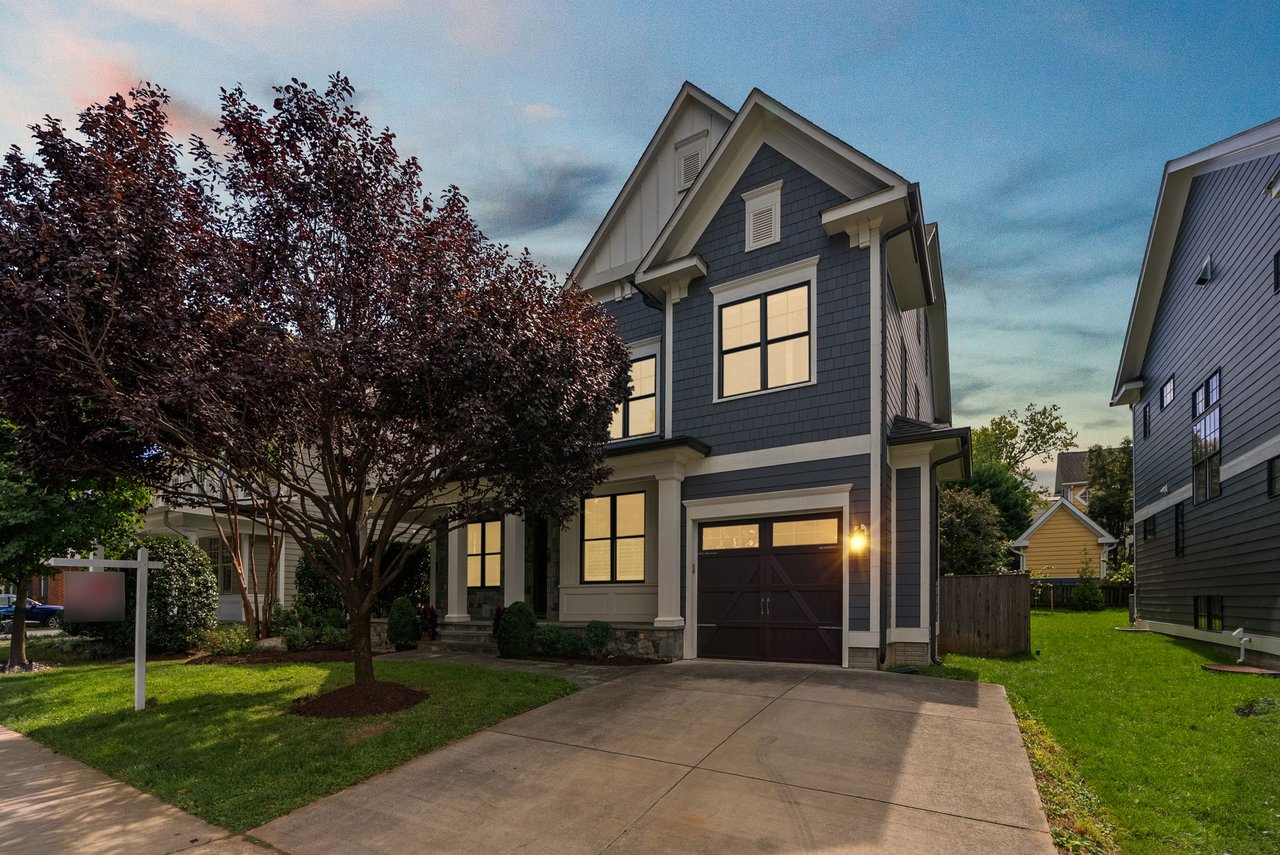
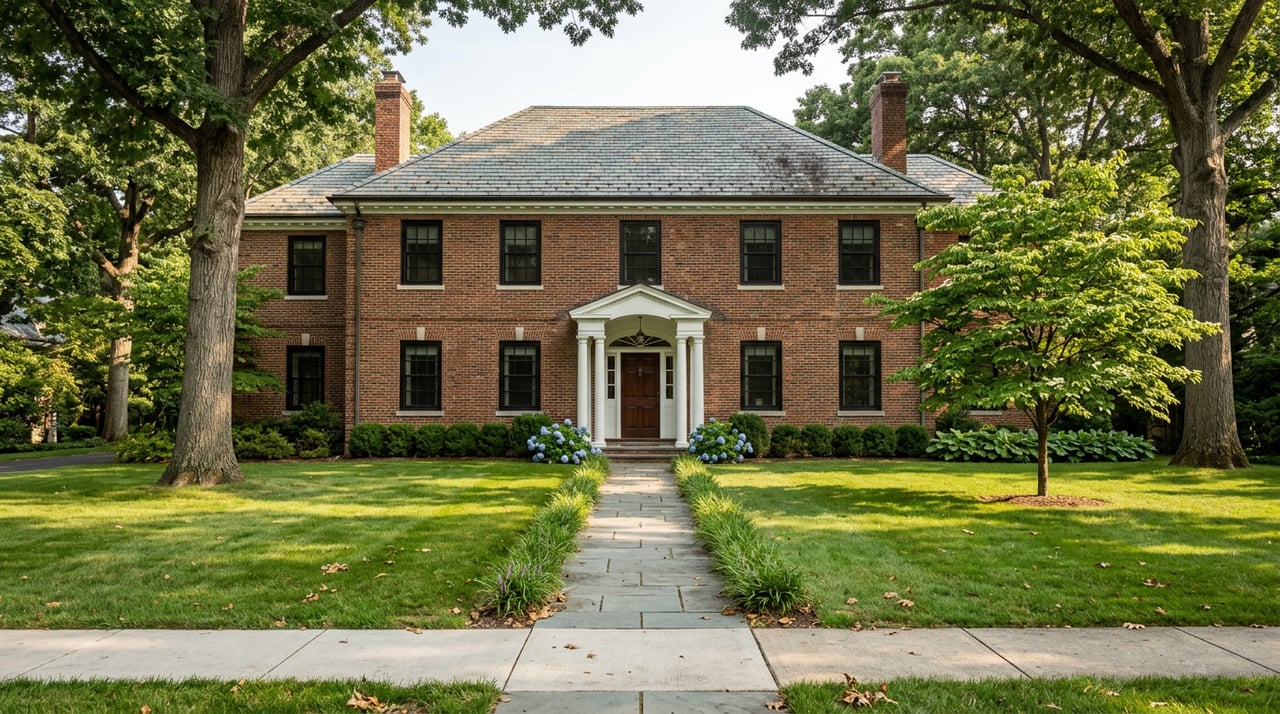
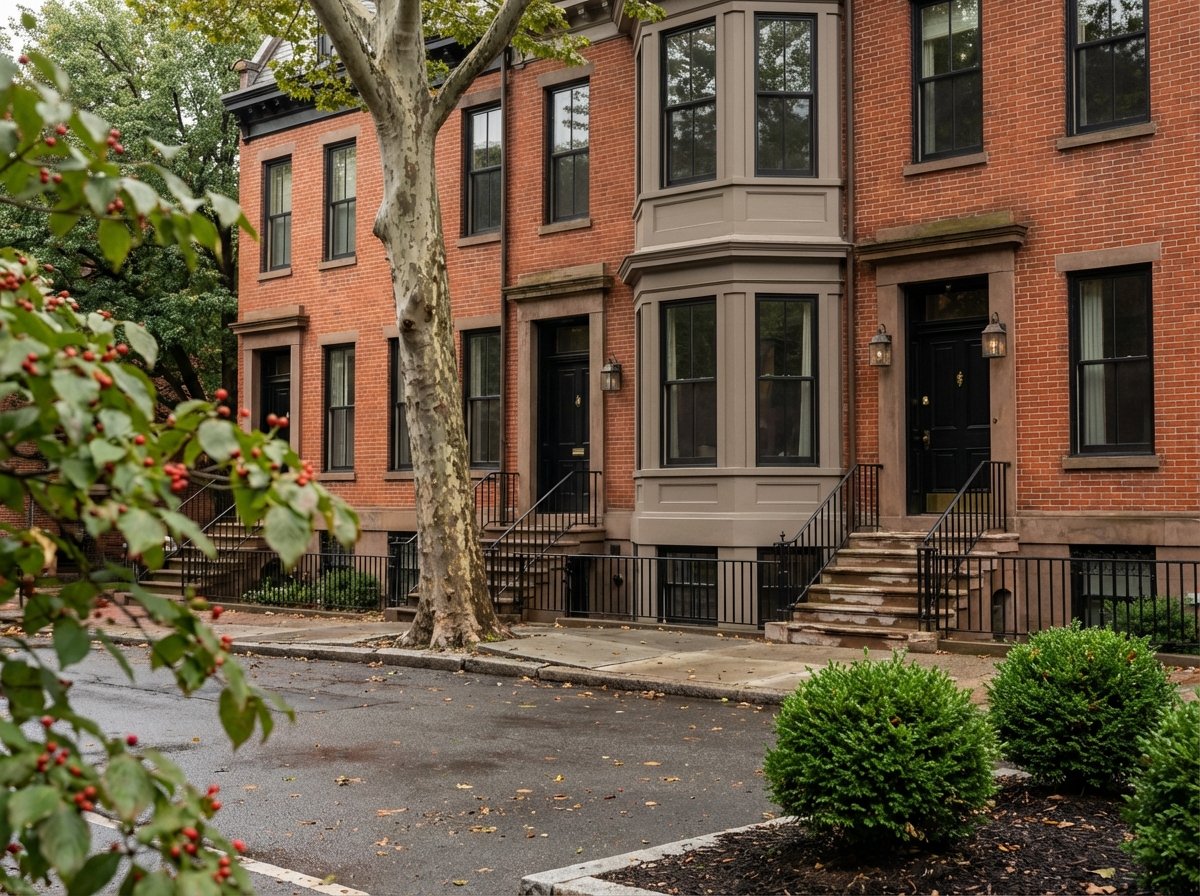
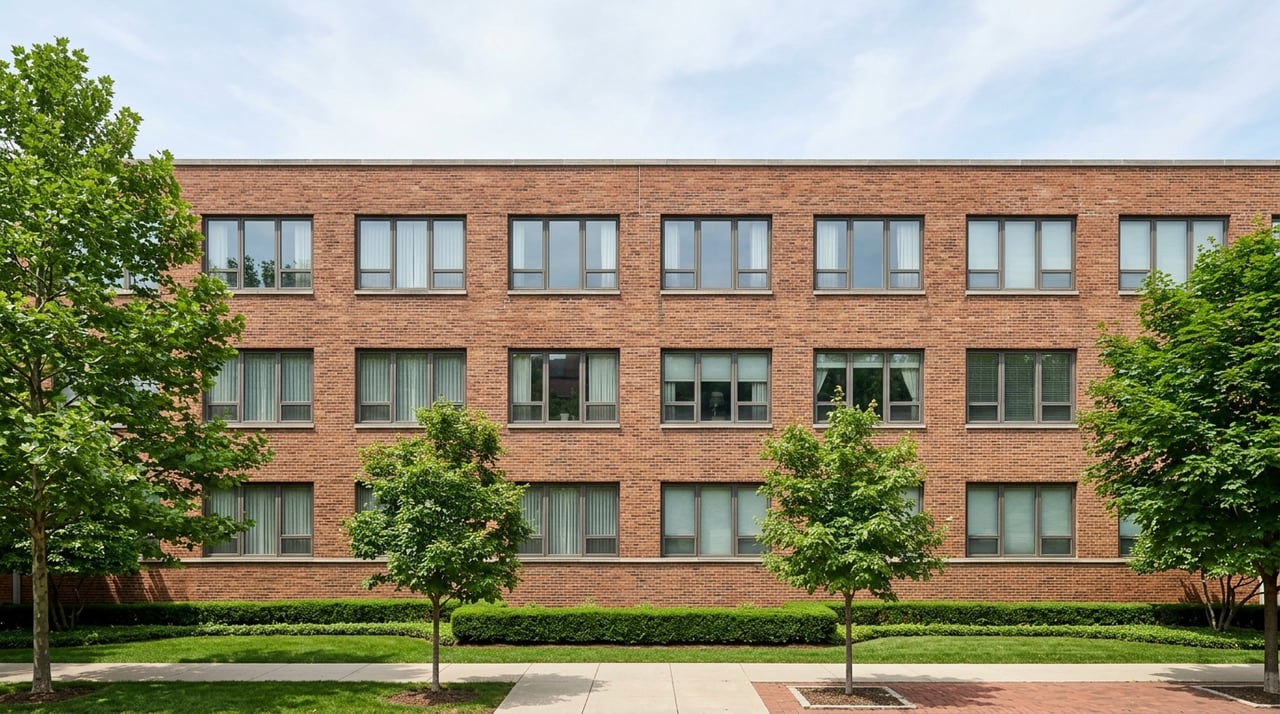
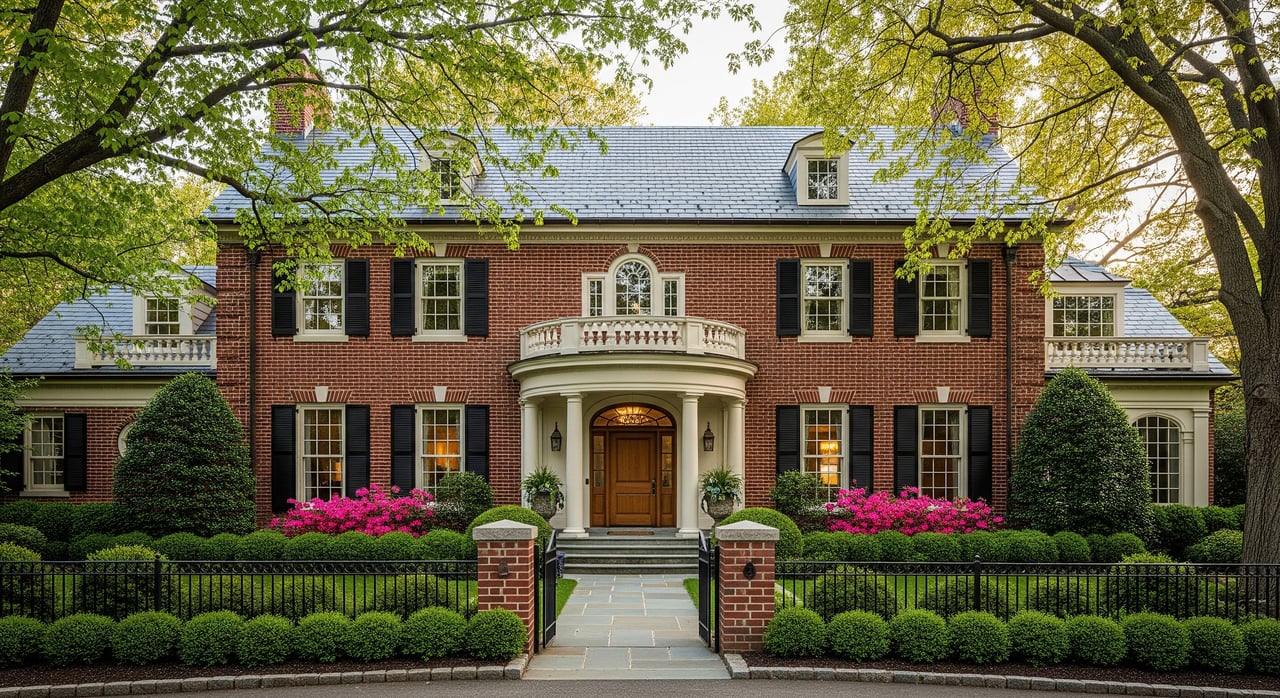
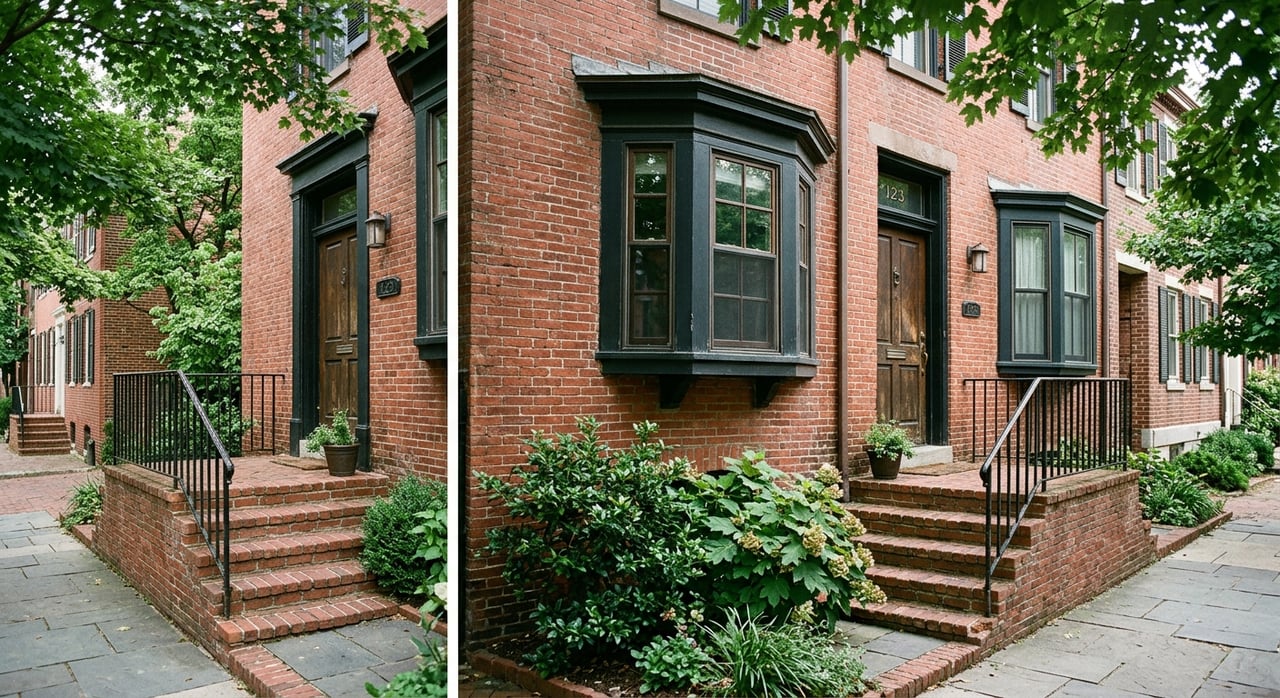
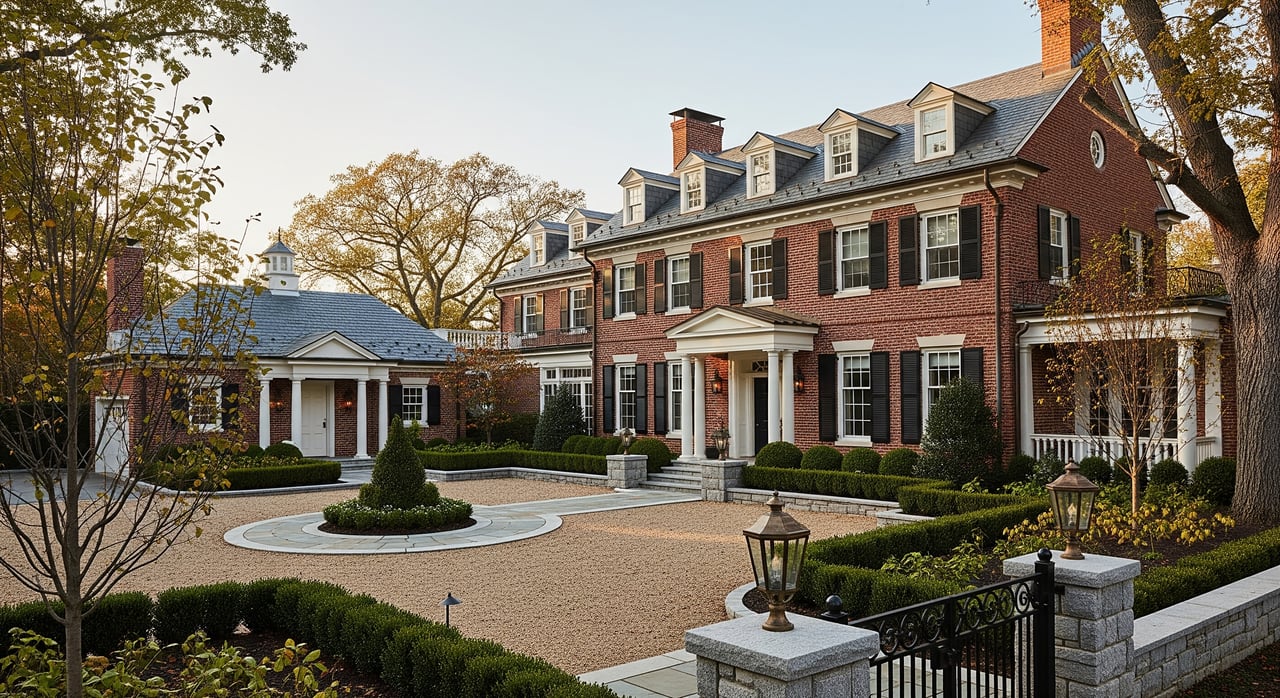
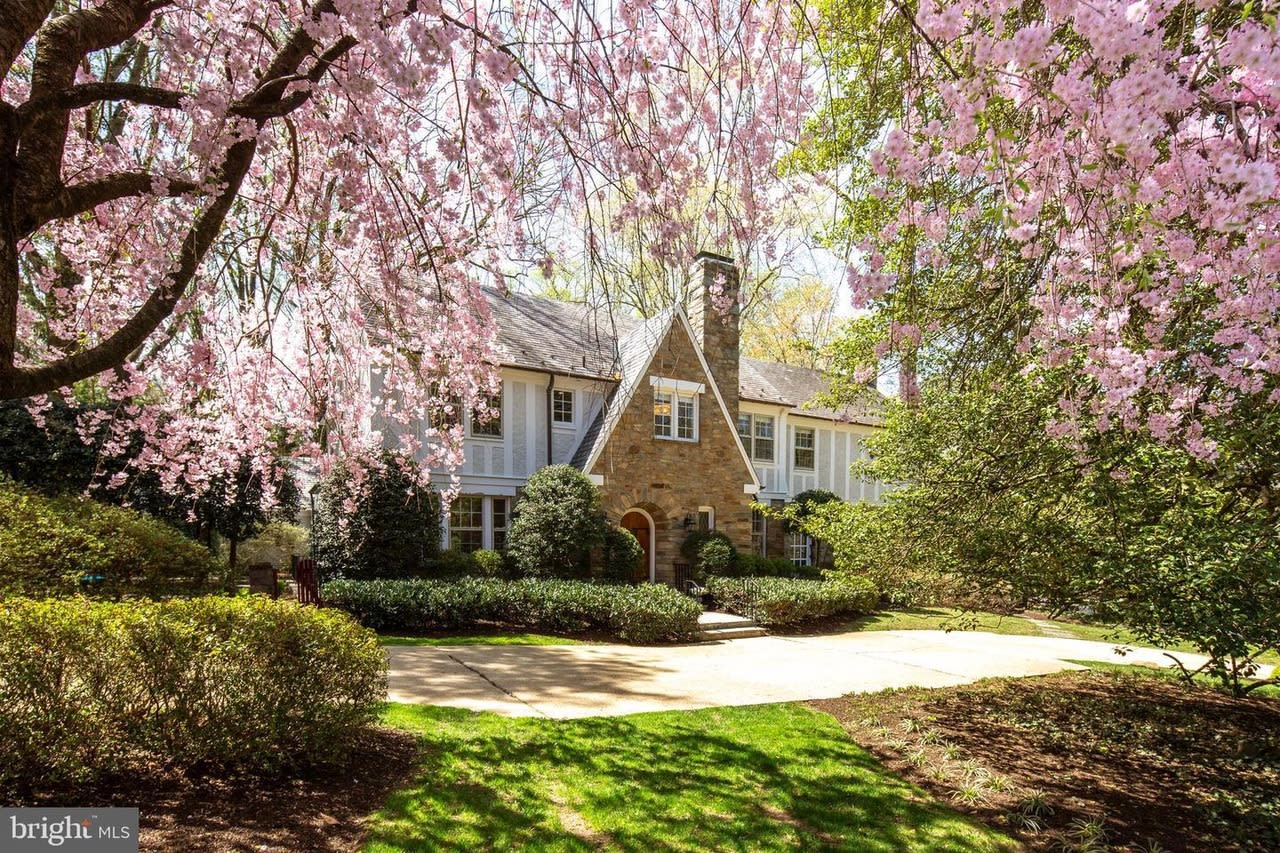
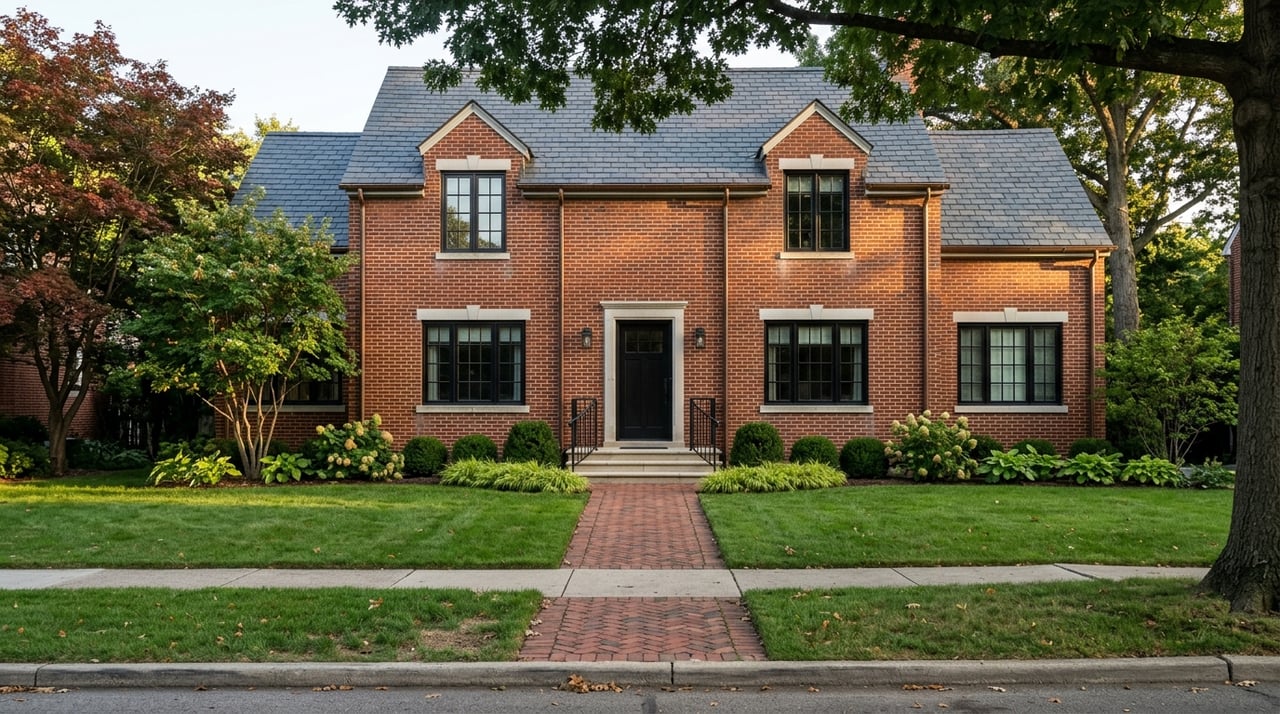
For buyers, that combination creates both appeal and complexity. You may find a charming semi-detached home on a smaller lot, a detached house with more yard space, or a much larger historic residence with estate-level scale.
Why single-family homes vary so much
One of the biggest surprises in Cleveland Park is how much single-family inventory can differ from one block to the next. Even homes that are close together can have very different lot sizes, footprints, and renovation histories.
Recent examples show smaller semi-detached homes around 1,400 to 1,600 square feet on lots of roughly 2,250 to 2,842 square feet. Detached homes on comparable blocks often land closer to 1,800 to 2,000 square feet on lots around 4,300 to 5,000 square feet, while larger historic detached houses can exceed 3,000 square feet and, in premium cases, 6,500 to 7,000 square feet.
That range matters because your buying strategy may change depending on what you need most. If you want more privacy, more yard, or room to expand, the detached-versus-semi-detached distinction can be one of your most useful early filters.
Size examples in the neighborhood
A few recent property examples help show the spread:
- 3321 Idaho Ave NW: about 1,401 square feet on a 2,842 square foot lot
- 3514 34th St NW: about 1,580 square feet on a 2,250 square foot lot
- 3130 Ordway St NW: about 1,818 square feet on a 4,347 square foot lot
- 3067 Ordway St NW: about 1,945 square feet on a 5,000 square foot lot
- 3415 Lowell St NW: about 6,583 square feet on a much larger lot
These examples are useful because they show how quickly the product type changes within the same neighborhood name. In practice, your budget may buy a very different experience depending on the block and house type.
What to expect from home age and architecture
Cleveland Park is firmly historic, but it is not frozen in one exact era. Current examples span homes built in 1916, 1921, 1926, 1939, 1950, and 1953.
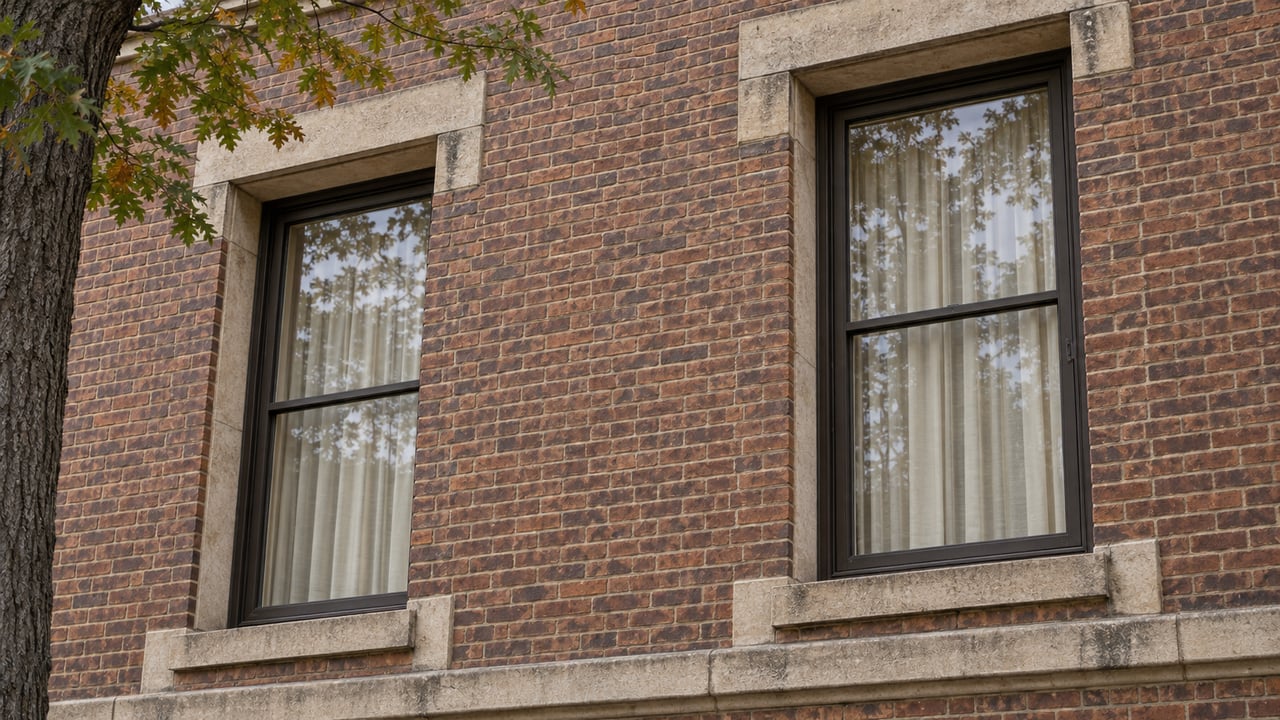
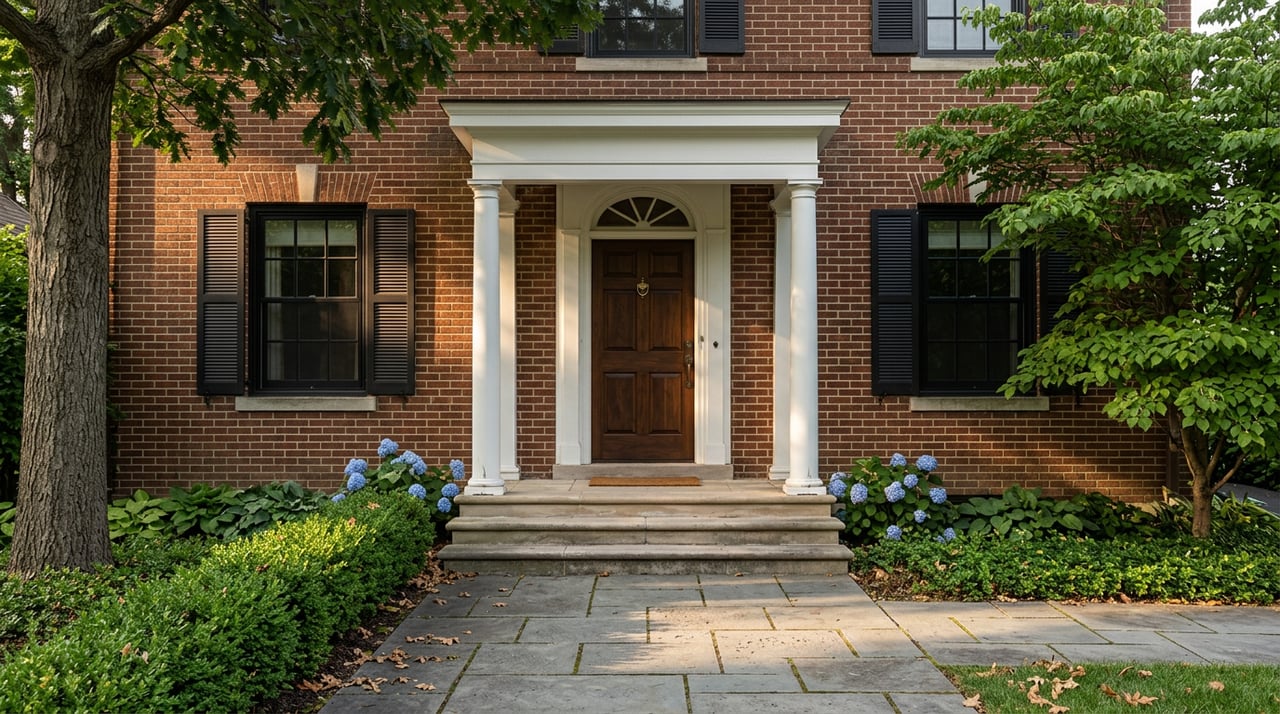
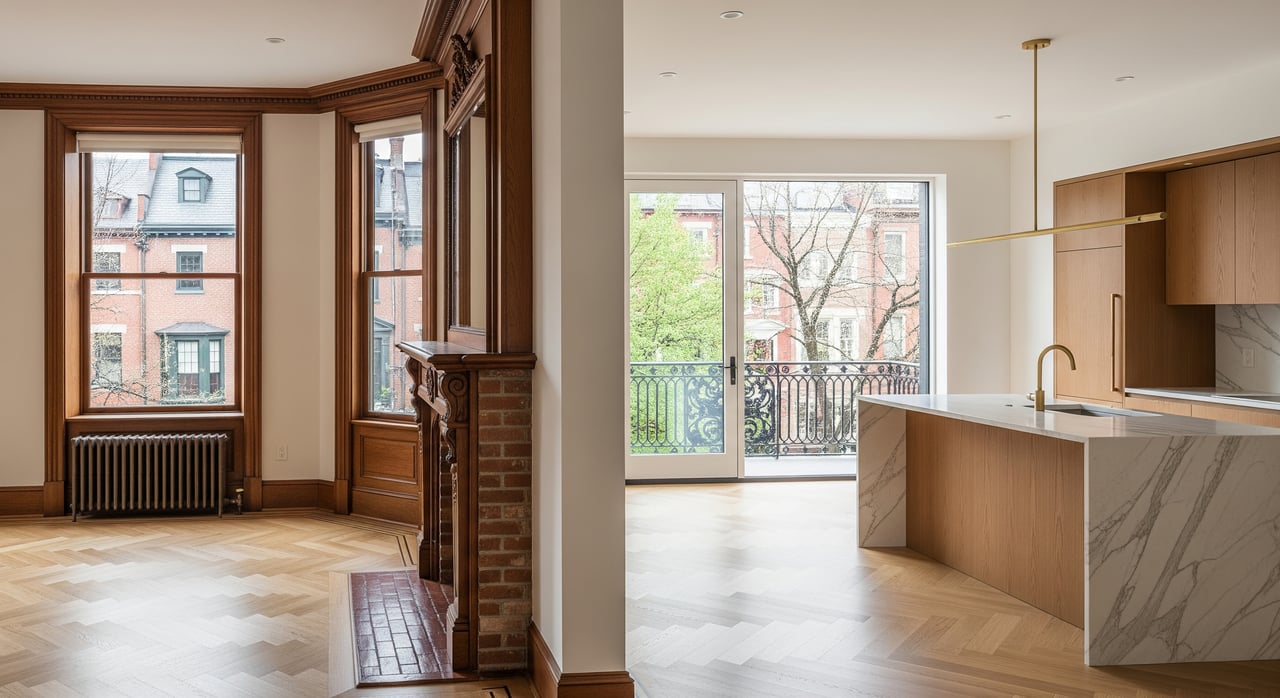
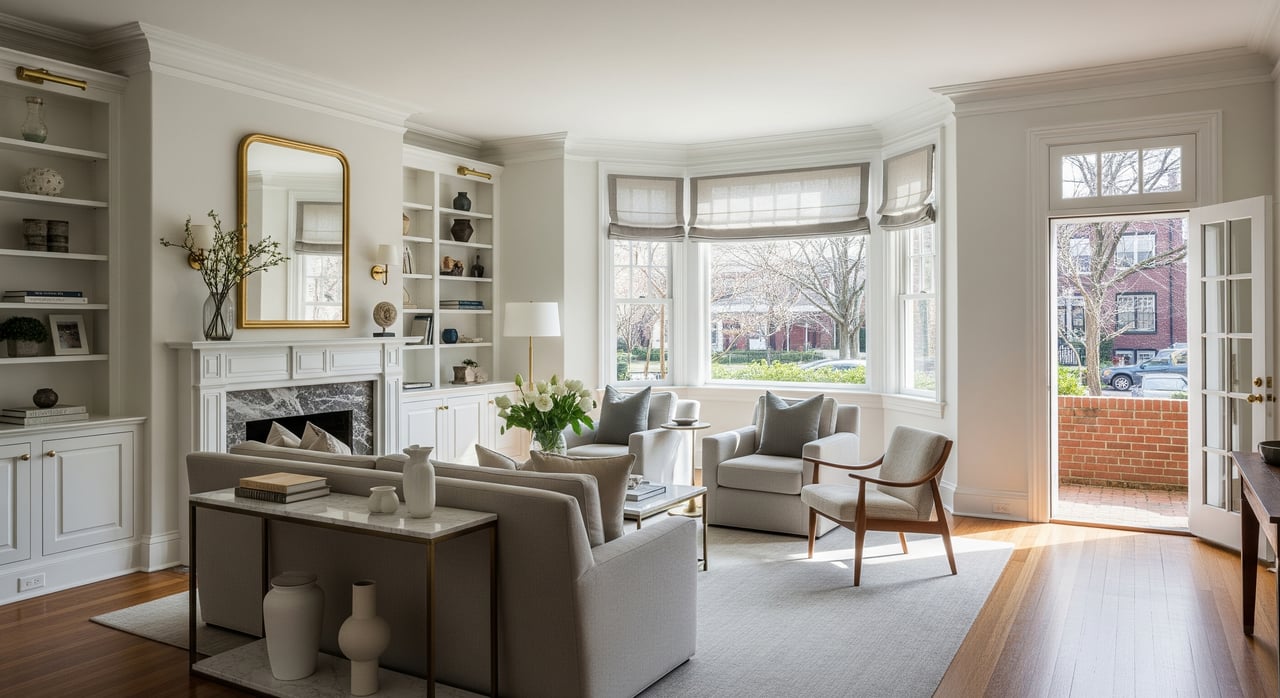
That means you may encounter prewar homes with original details, later houses with somewhat different layouts, and properties that have been updated to very different degrees. Some buyers love the architectural texture and setbacks common in the neighborhood, while others focus more on whether the interior already fits modern daily life.
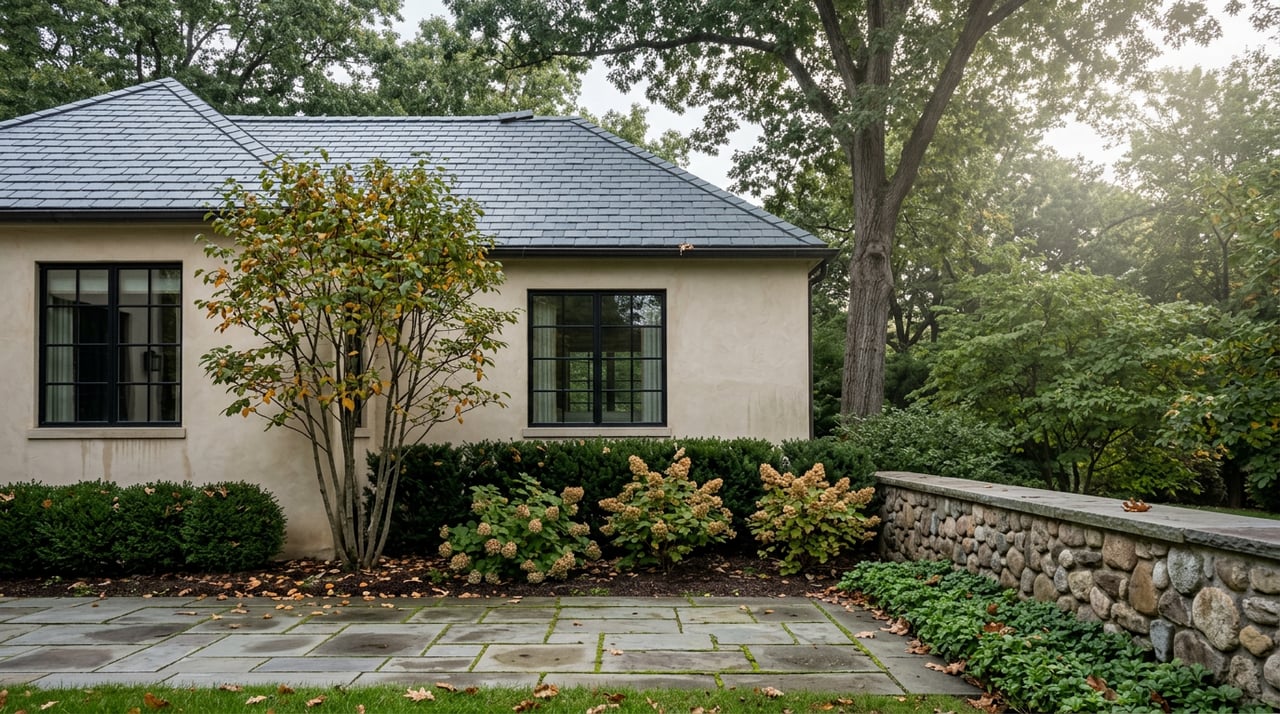
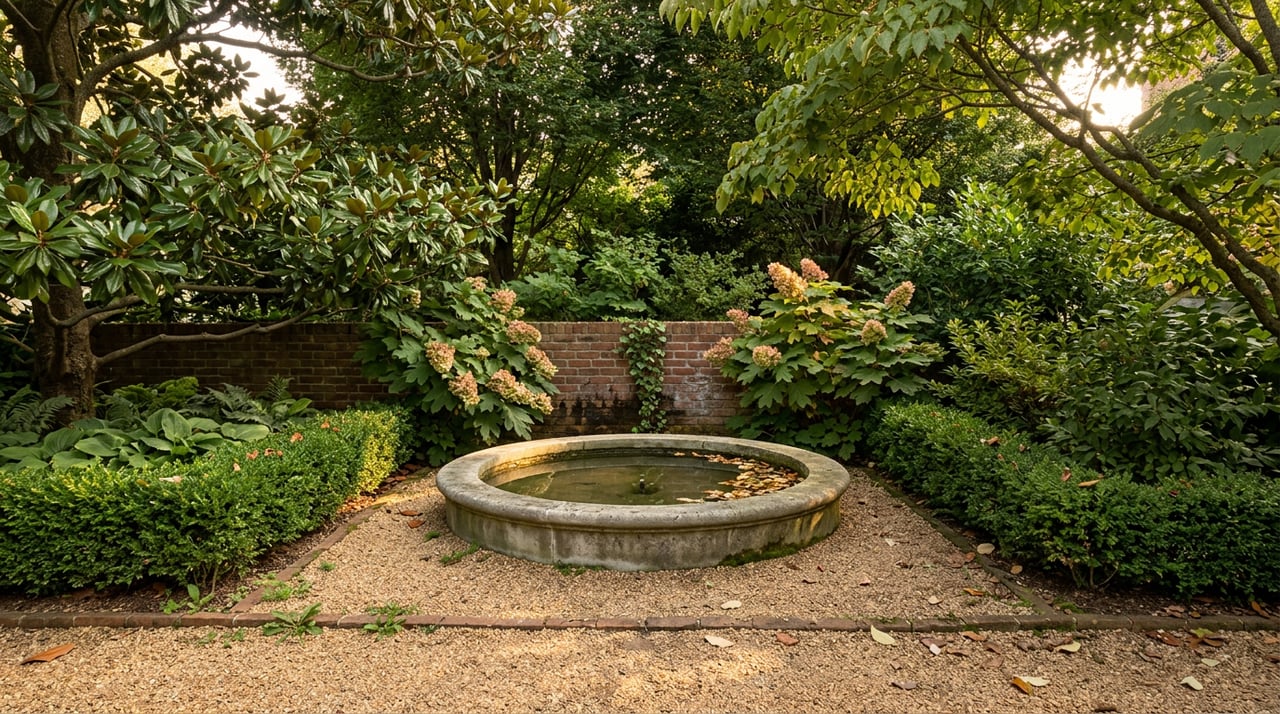
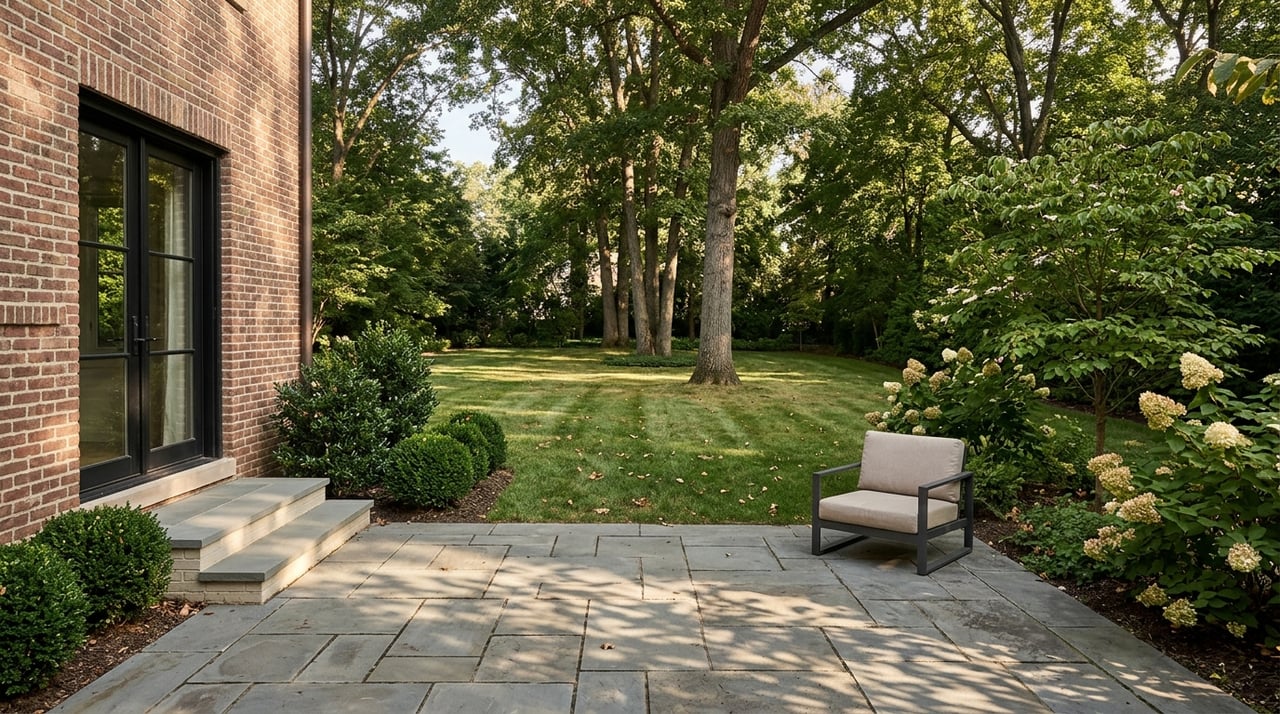
Lots are often generous and irregular, and houses are generally set back from the street. That pattern contributes to the neighborhood’s leafy, residential feel and can create a different sense of space than tighter urban blocks elsewhere in D.C.
How zoning affects your search
Zoning helps explain why lot sizes and home configurations vary so much. In Cleveland Park, sample homes show both R-1B and R-2 zoning, so it is important to verify each property rather than assume every home follows the same rules.
DC’s R-1B zone allows detached houses with a minimum lot area of 5,000 square feet and a minimum width of 50 feet. DC’s R-2 zone allows detached houses on 4,000 square foot lots and semi-detached houses on 3,000 square foot lots.
For buyers, this matters because zoning can shape what already exists on the lot and may affect how you think about future use. If lot size is a priority, or if you are comparing detached and semi-detached options, it helps to confirm the lot dimensions and zoning classification early.
Renovated vs. ready-for-work homes
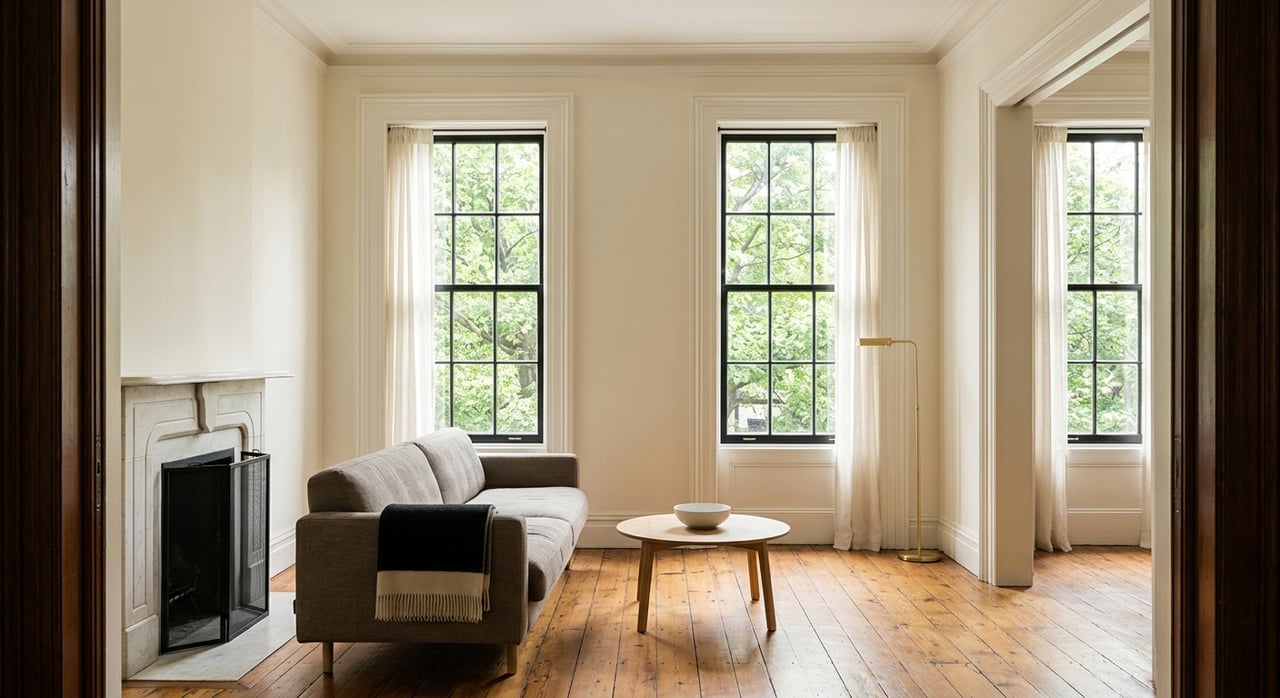
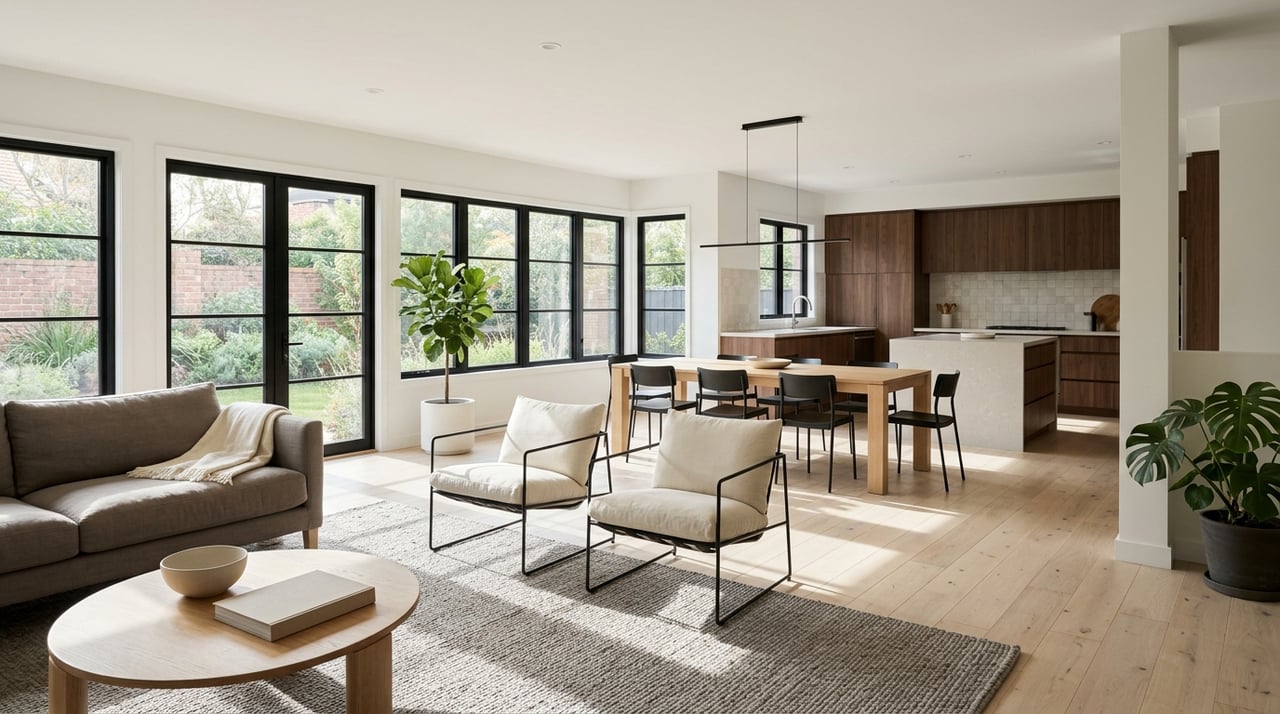
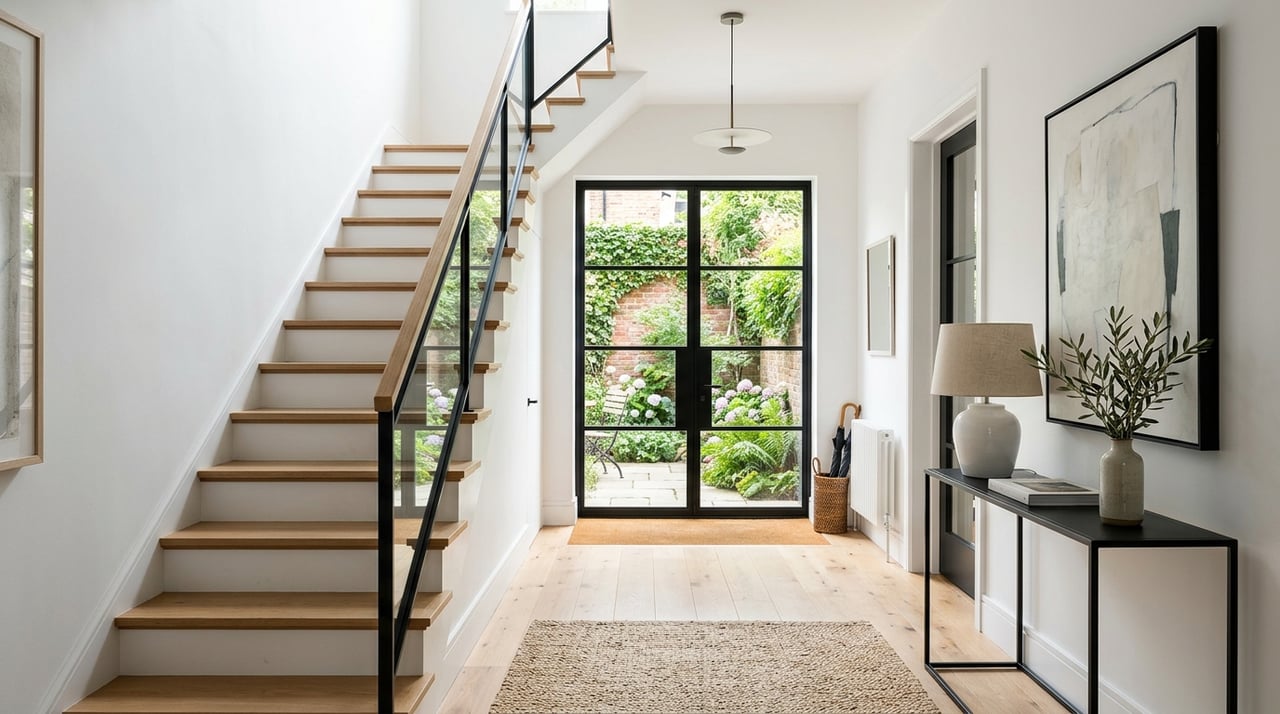
Cleveland Park does not offer a single standard level of finish. Some homes have already been refreshed or reworked for today’s buyers, while others lean more heavily on original layout and character.
For example, 3130 Ordway St NW was sold after updates that included a refreshed kitchen and baths, new hardwood, and HVAC. 3514 34th St NW has been marketed with an open layout, updated baths, and a gourmet kitchen. By contrast, 3415 Lowell St NW reads more like a classic early-20th-century Foursquare, and 3067 Ordway St NW does not list a renovation year.
This renovation spread is important when you compare asking prices. A lower-priced home may offer an entry point into the neighborhood, but it may also require more planning, more work, or more compromise on layout.
A practical way to assess condition
As you tour homes, try to separate cosmetic appeal from the harder-to-change features:
- Overall square footage
- Detached or semi-detached setup
- Lot size
- Floor plan and room placement
- Level of completed renovation
- Historic exterior constraints
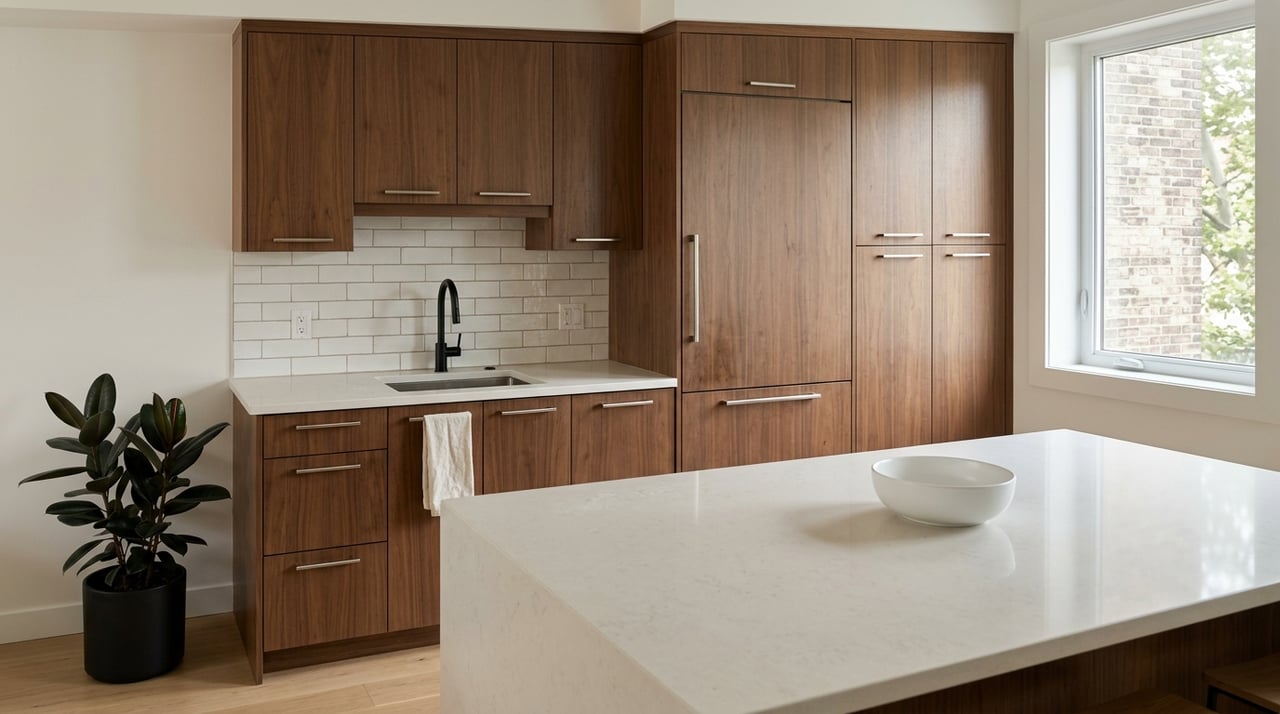
A beautifully staged kitchen can attract attention, but the deeper value often comes from the lot, structure, and how well the house already fits your needs.
Historic district rules buyers should know
Because Cleveland Park is in a historic district, renovation plans need extra care. Interior alterations and routine maintenance are generally exempt from preservation review, but exterior work that affects the building envelope or streetscape often requires review by the Historic Preservation Office or Historic Preservation Review Board.
Typical triggers include major additions, new front porches, visible roof decks, significant facade changes, and new curb cuts or parking pads. If you are buying with a major remodel in mind, this is one of the most important parts of your due diligence.
In simple terms, the question is not just “Can this house be improved?” The better question is “Does this house already have most of the space, layout, and exterior form I want?” That can save time and reduce uncertainty after closing.
Block-by-block pricing matters most
In Cleveland Park, neighborhood averages only go so far. The more useful lens is block-by-block pricing, because lot size, house type, architectural scale, and renovation quality can all outweigh the neighborhood label alone.
Recent examples show that range clearly. A smaller semi-detached home on Idaho is around $1.22 million, a renovated semi-detached on 34th is around $1.295 million, a detached house on Ordway sold for $1.789 million in 2020 and now carries an estimate near $2.27 million, another Ordway home is estimated around $2.02 million, a classic Lowell Foursquare is estimated around $3.34 million to $4.04 million, and a recently renovated double-lot Lowell estate is listed at $10.995 million.
That spread tells you something important: your budget should be matched not only to the neighborhood, but to the exact type of Cleveland Park home you want. Detached versus semi-detached, lot depth, renovation quality, and scale can all move pricing in a major way.
Connecticut Avenue trade-offs
Connecticut Avenue is the neighborhood’s historic commercial spine. Homes closer to it often emphasize access to Metro, shops, restaurants, and daily convenience.
By contrast, quieter interior streets tend to emphasize tree-lined settings, private yards, and a more residential atmosphere. The core trade-off is often convenience versus quiet, though lot size and renovation quality may still matter more than distance to the avenue alone.
This is why touring the neighborhood in person can be so useful. Two homes with similar square footage may feel very different depending on their block setting and how you prioritize walkability, traffic, and privacy.
Smart first-pass filters for buyers
If you want to narrow your search quickly, start with a few practical filters. These can help you sort listings more effectively before you get too attached to finishes or photos.
Best filters to use early
- Detached versus semi-detached
- Lot size, especially whether it is at or above 5,000 square feet
- Year built before 1940 versus postwar
- Extent of completed renovation
- Location closer to Connecticut Avenue versus a quieter interior street
These filters can help you compare homes on the factors that most shape daily life and long-term value. They also make it easier to decide where you may be willing to compromise.
What this means for your buying strategy
A strong Cleveland Park buying strategy usually starts with clarity, not speed. Before you focus on finishes, it helps to decide whether your true priority is lot size, detached living, historic character, walkability, or a home that already has the updates you want.
From there, it becomes easier to judge each property in context. A smaller semi-detached home near Connecticut Avenue may be the right fit if convenience is your priority. A detached home on an interior street may make more sense if you value yard space, privacy, and a more residential setting.
Because the neighborhood has real variation in age, scale, zoning, and preservation constraints, careful comparison matters. In a place like Cleveland Park, buying well often comes down to understanding the specific block and the specific house, not just the ZIP code.
If you are considering a single-family purchase in northwest D.C., Jack Realty Group offers steady, neighborhood-savvy guidance to help you evaluate the trade-offs and move forward with confidence.
FAQs
What types of single-family homes are common in Cleveland Park?
- Cleveland Park includes both semi-detached and detached single-family homes, with many built between the late 1890s and early 1940s.
How large are Cleveland Park single-family lots?
- Lot sizes vary widely, with recent examples ranging from about 2,250 square feet for smaller semi-detached homes to 5,000 square feet or more for detached homes, plus larger premium parcels.
Do Cleveland Park historic district rules affect renovations?
- Yes. Interior alterations and routine maintenance are generally exempt, but many exterior changes that affect the building envelope or streetscape may require preservation review.
How much do Cleveland Park single-family homes cost?
- Recent examples range from about $1.22 million for a smaller semi-detached home to more than $10 million for a renovated estate property, with many pricing differences driven by block, lot size, house type, and renovation quality.
Is it better to buy near Connecticut Avenue in Cleveland Park?
- It depends on your priorities. Homes near Connecticut Avenue may offer easier access to Metro, shops, and restaurants, while interior streets may offer a quieter residential setting.
What should Cleveland Park buyers compare first?
- A strong starting point is to compare detached versus semi-detached homes, lot size, year built, renovation level, and whether the location favors walkability or a quieter setting.