Renting out a home in Kalorama can look simple from the outside, but this corner of Washington, DC asks for more care than a standard lease-up. Between historic housing stock, premium rent expectations, and DC’s detailed rental rules, small oversights can create costly delays. If you want to protect your property, attract qualified tenants, and move forward with confidence, it helps to understand both the neighborhood and the process. Let’s dive in.
Why Kalorama Rentals Need Extra Preparation
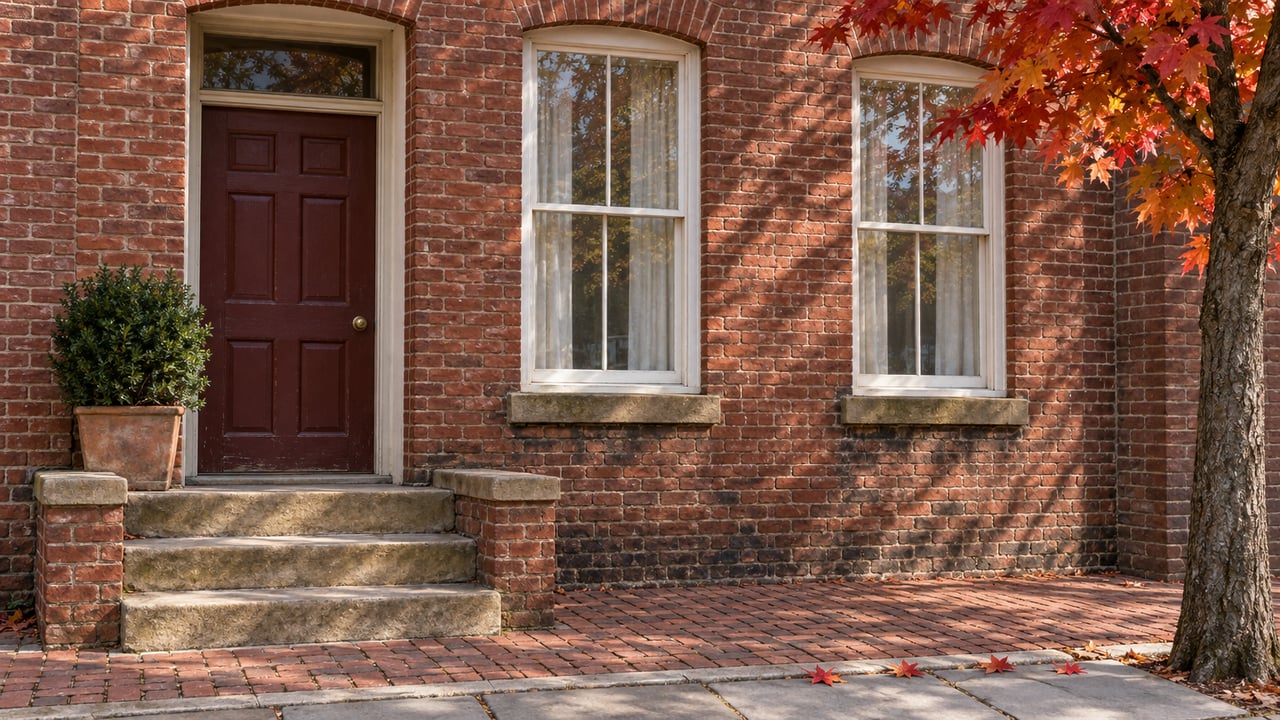
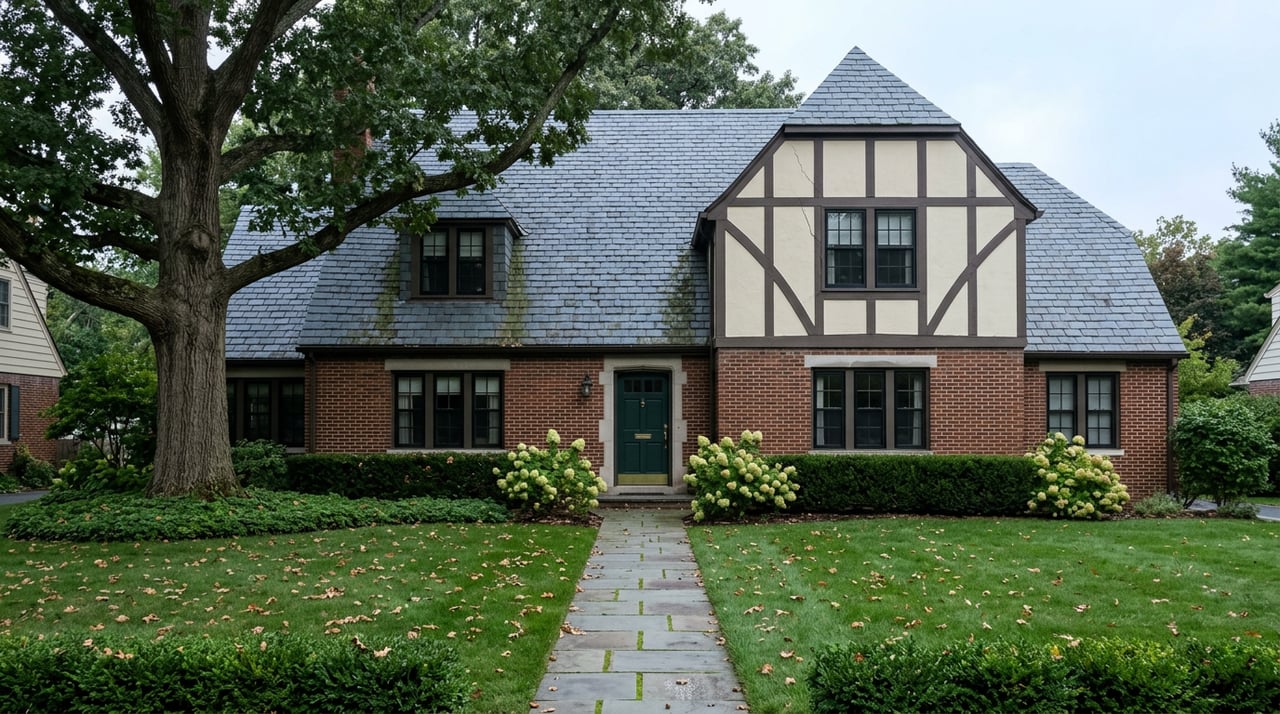
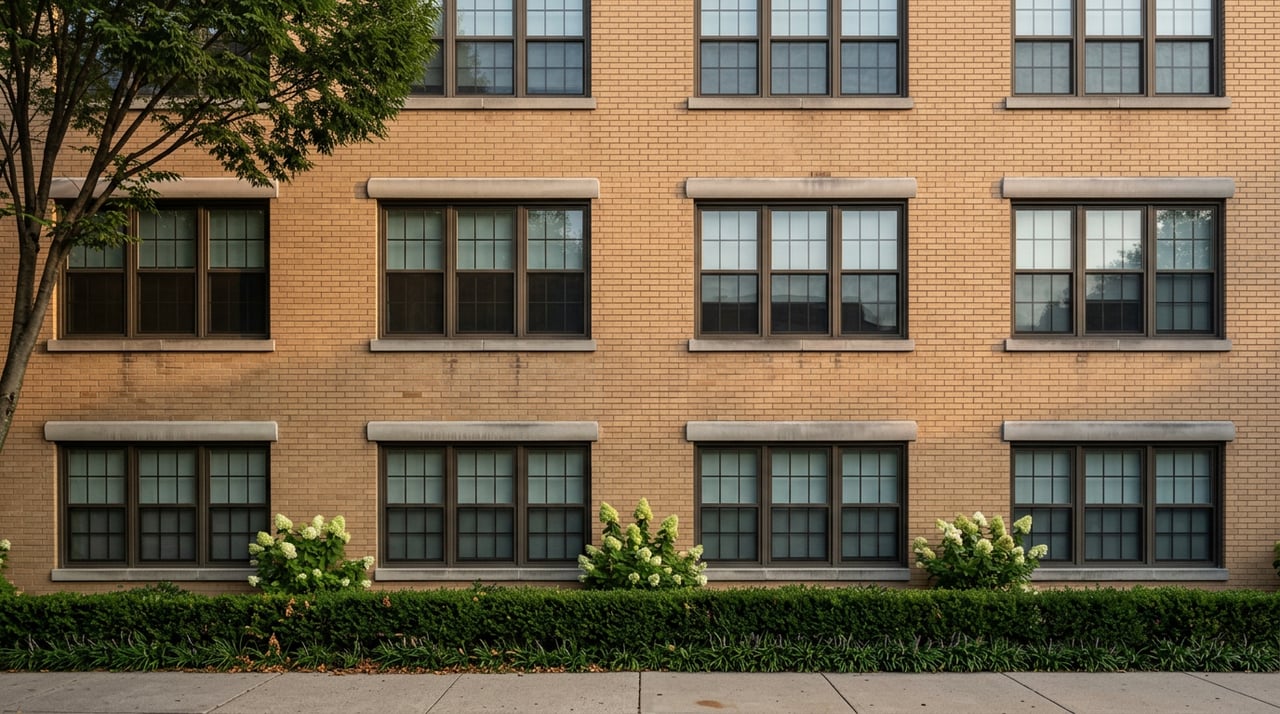
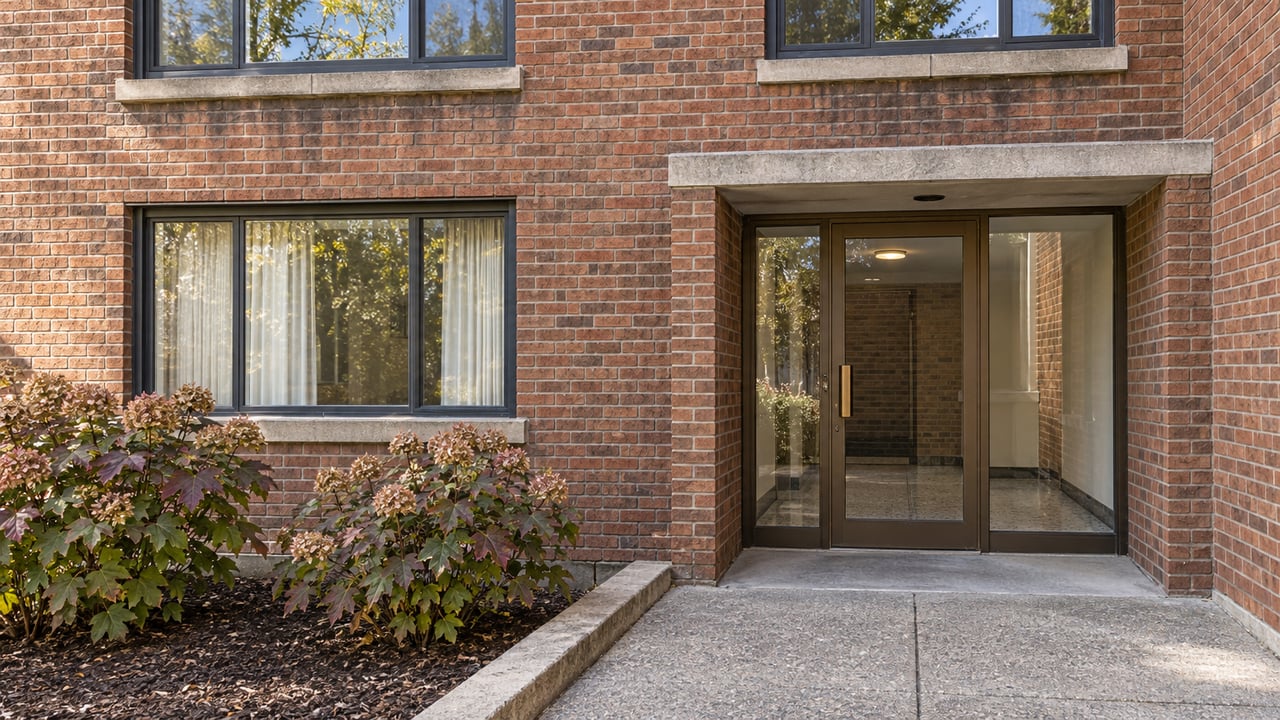
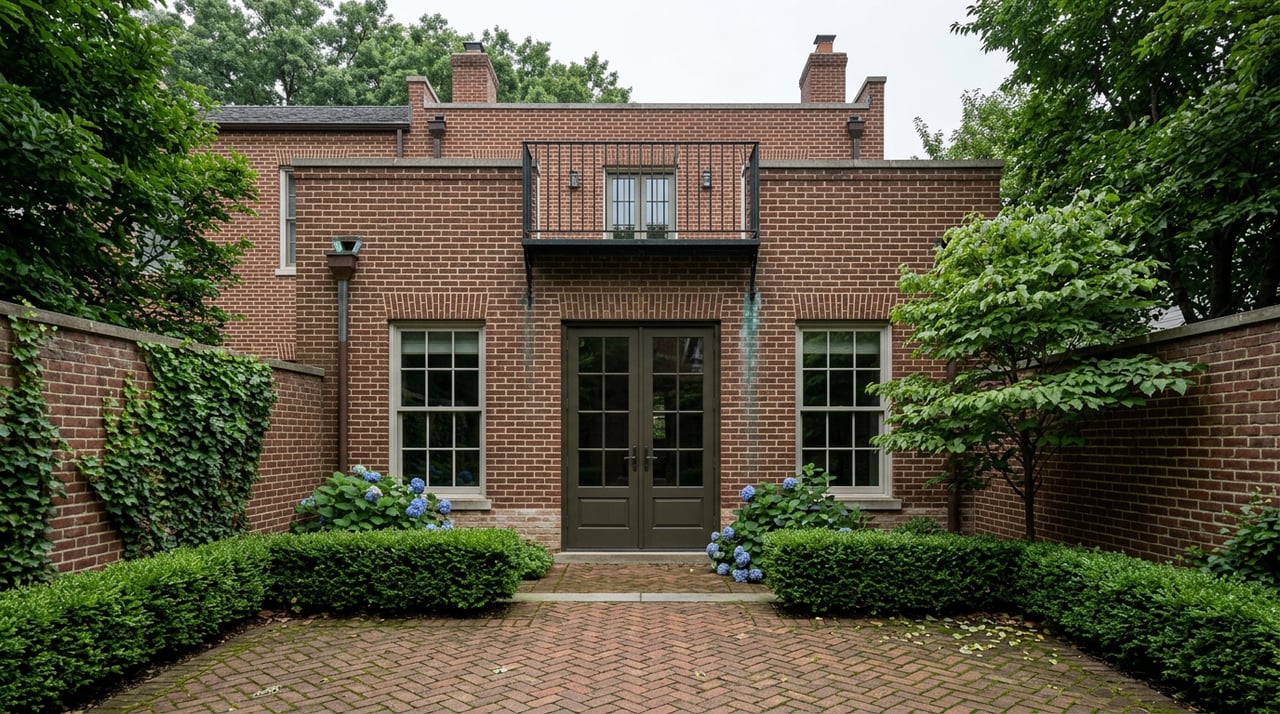
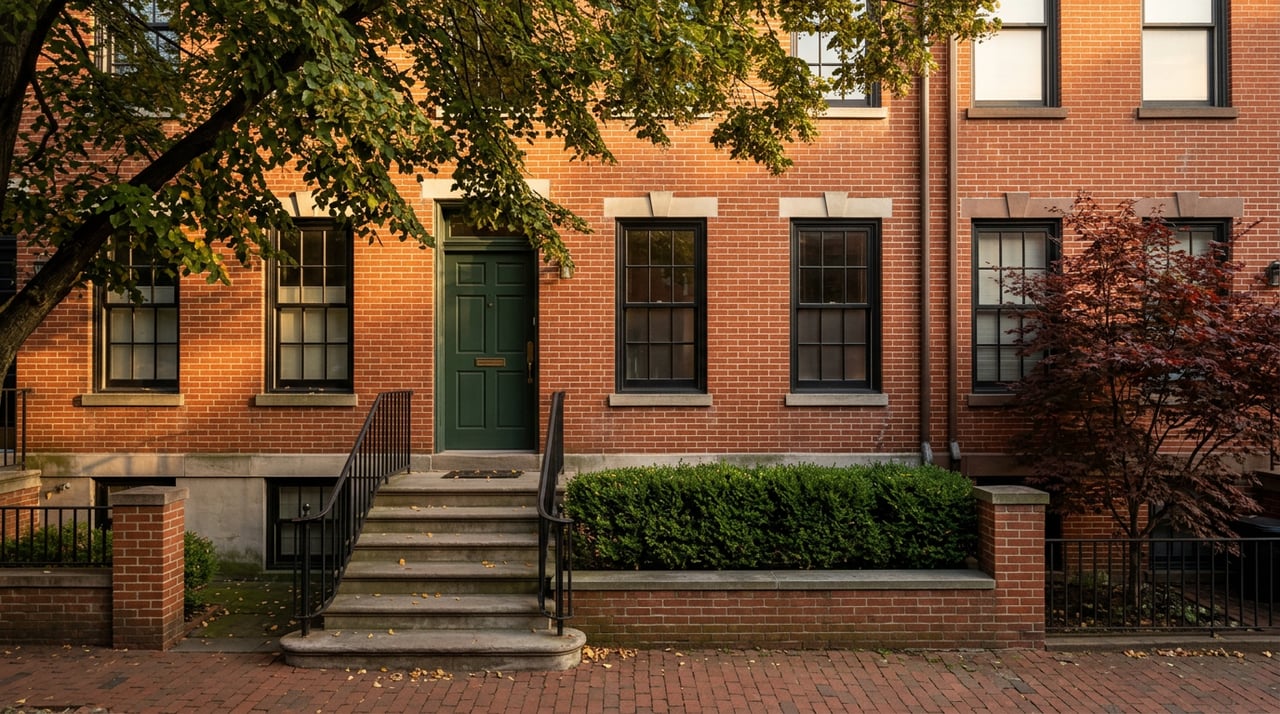
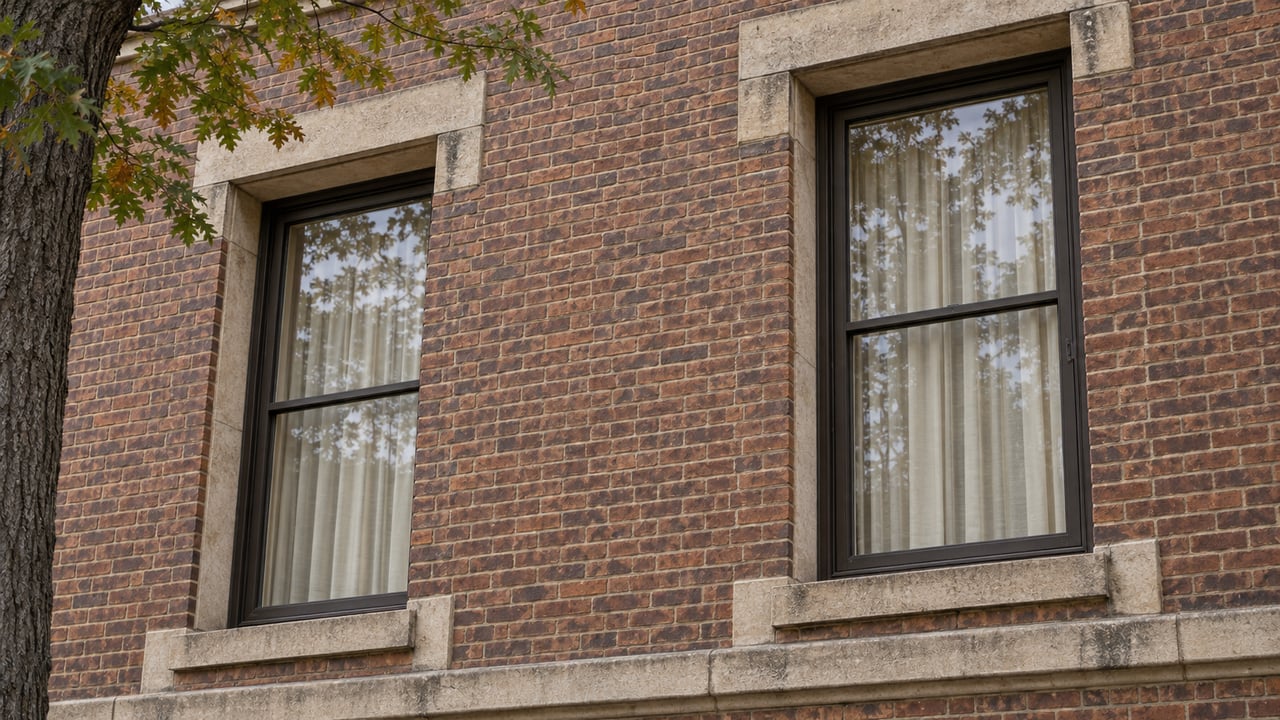
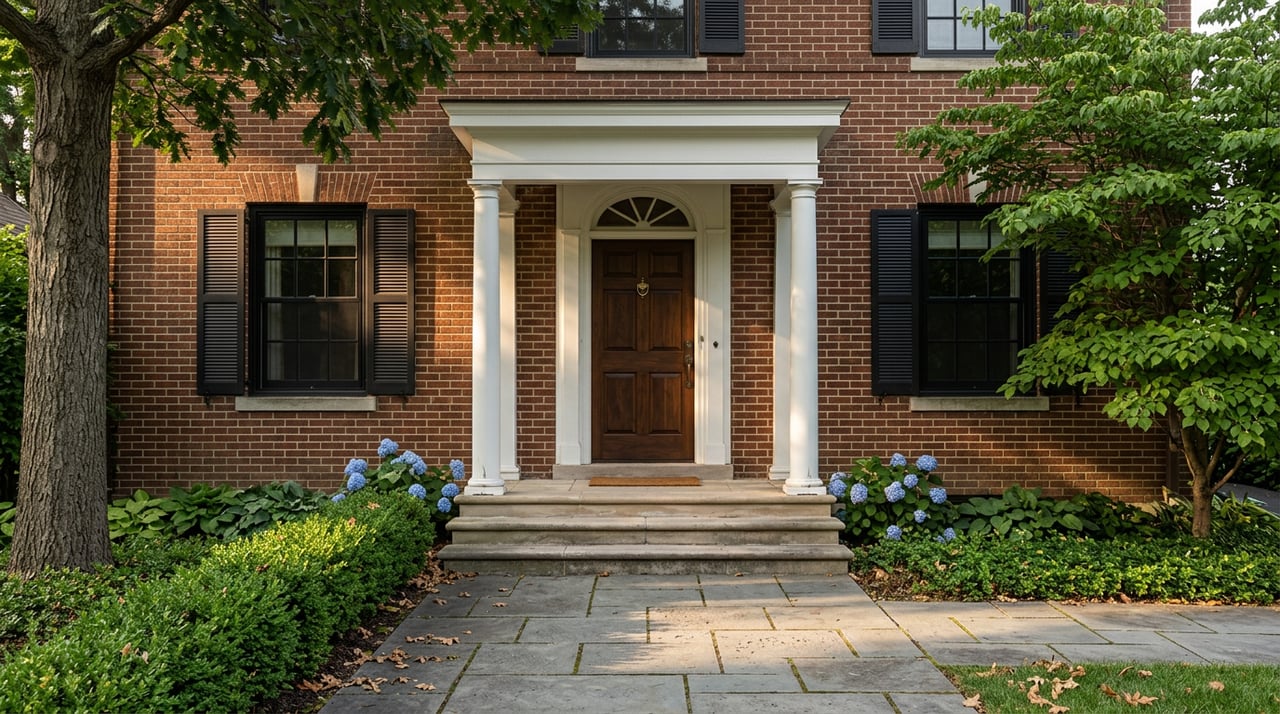
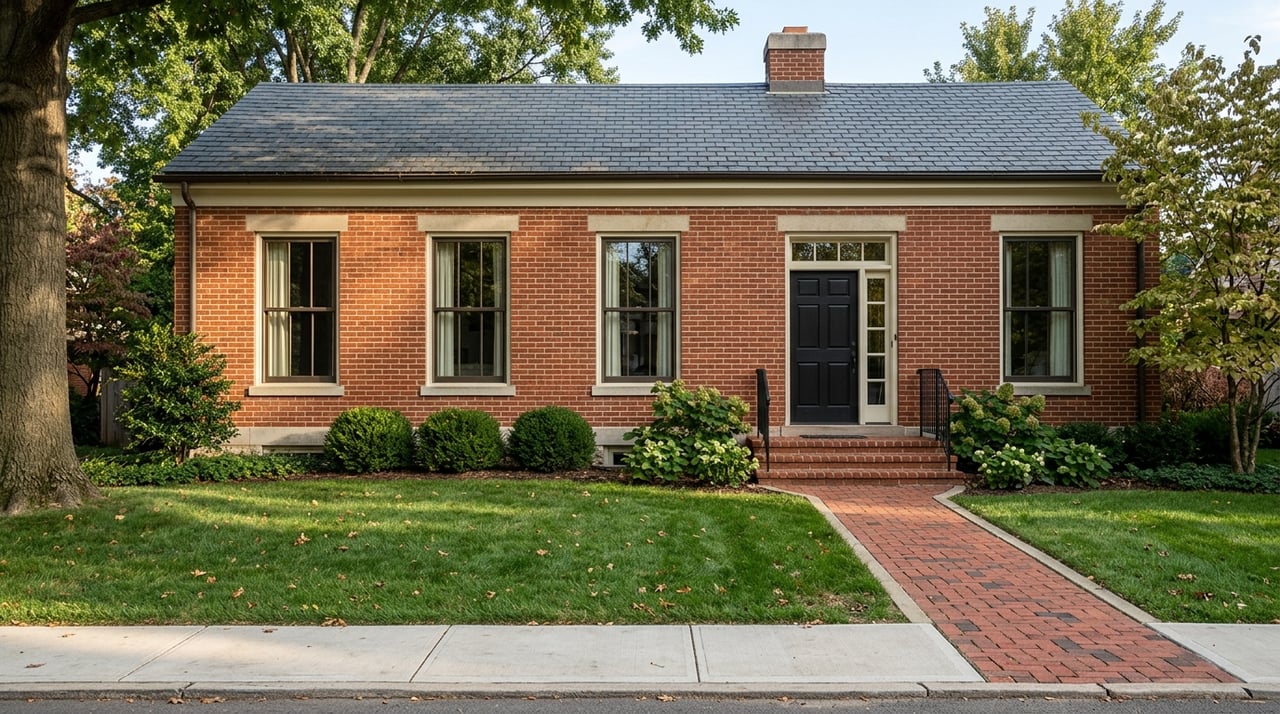
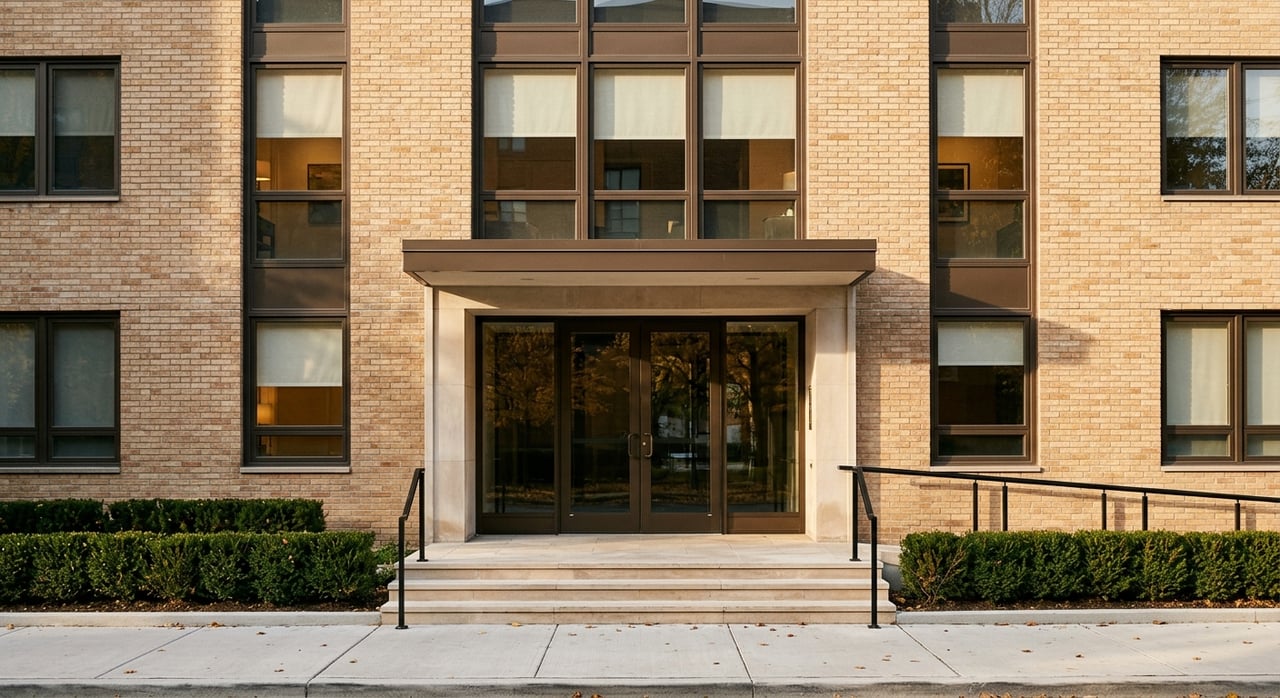
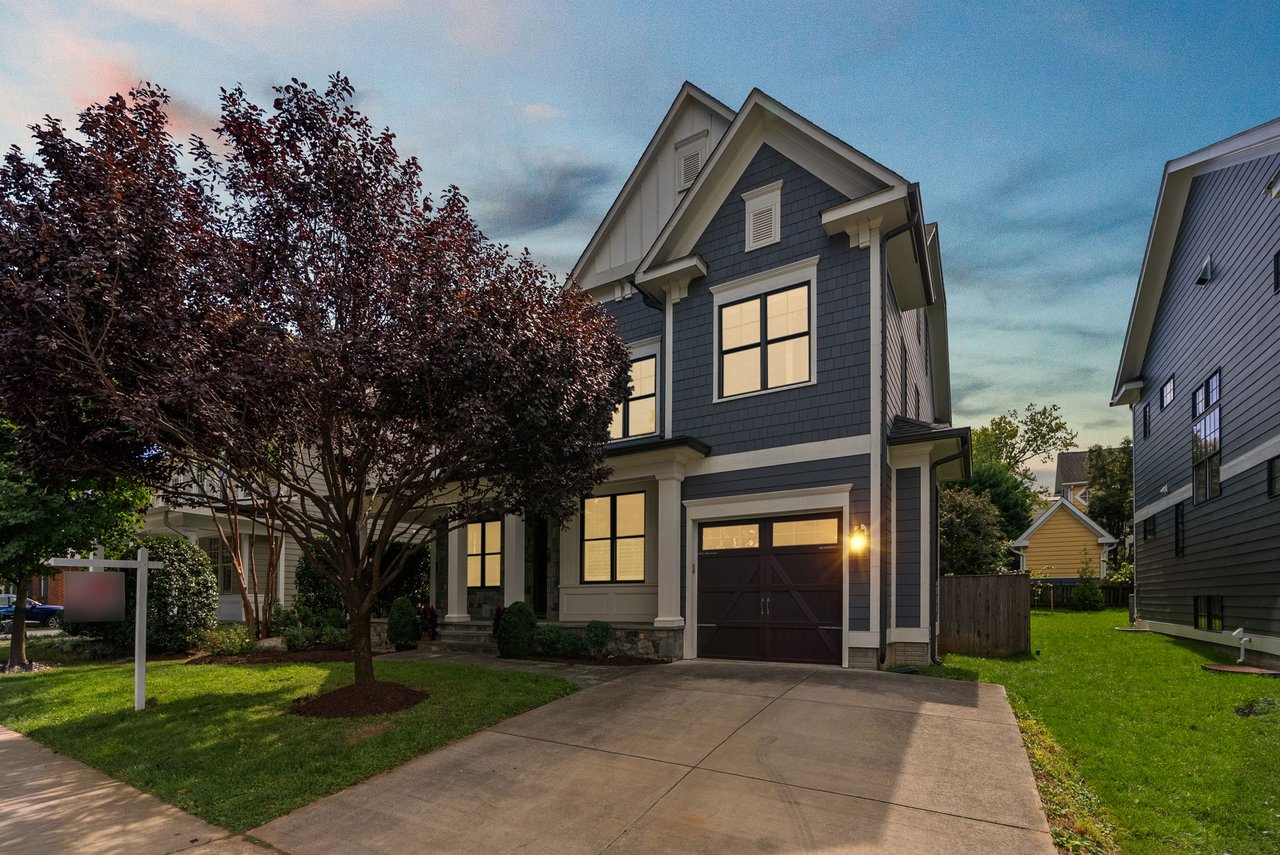
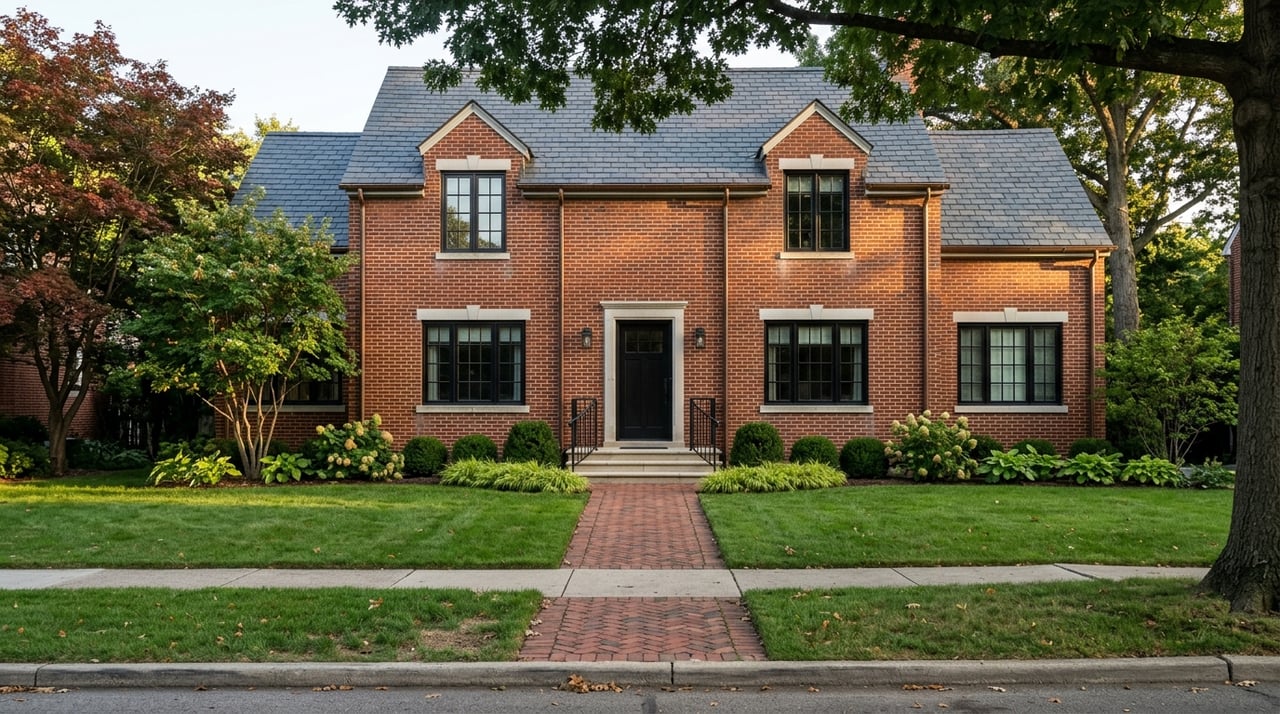
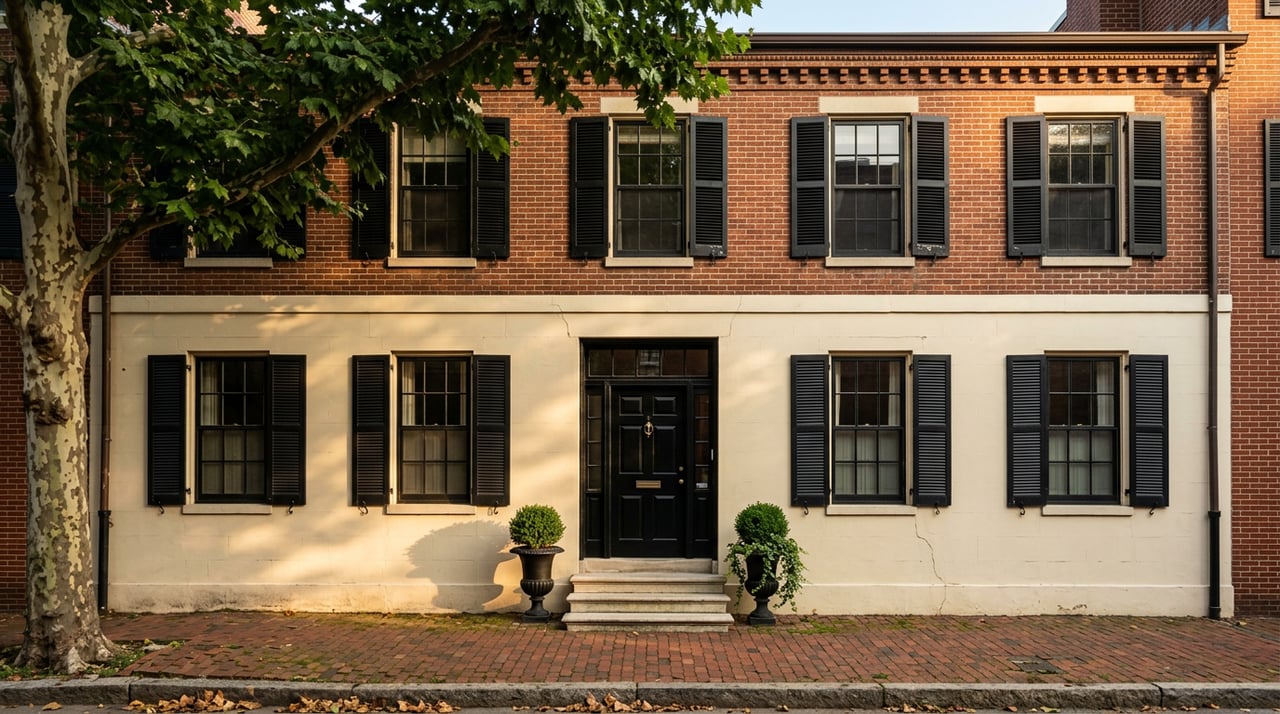
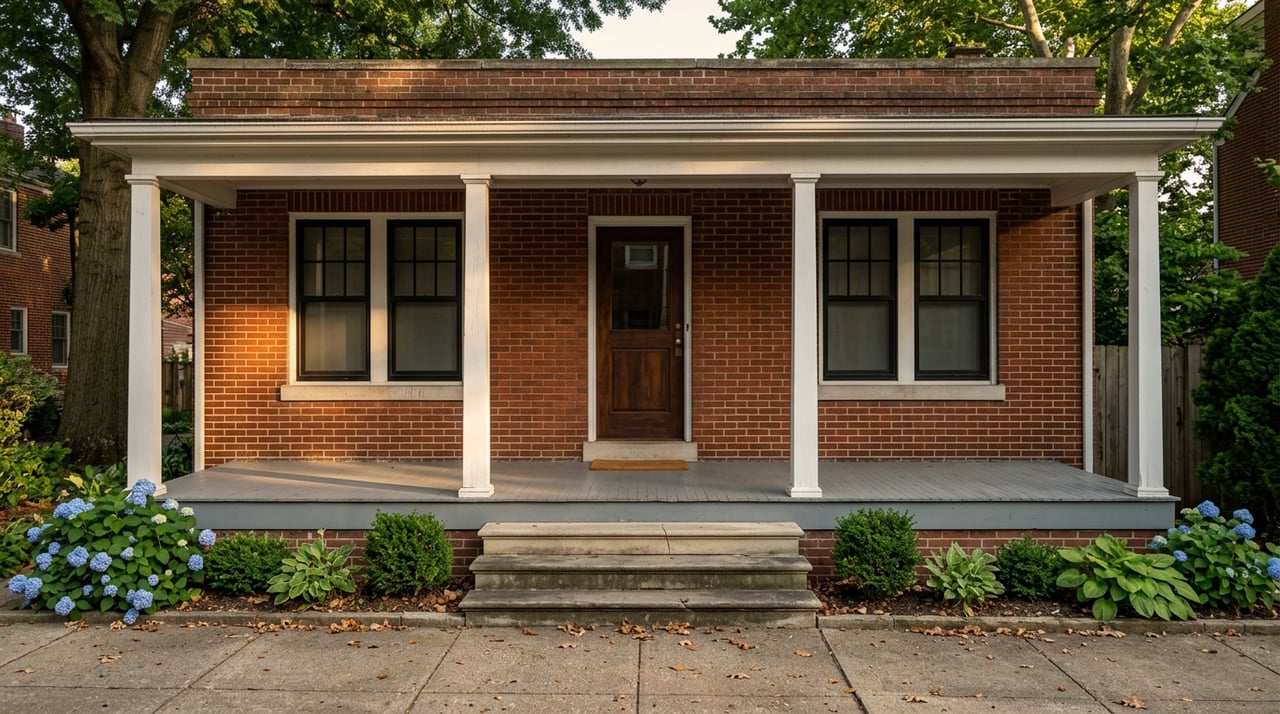
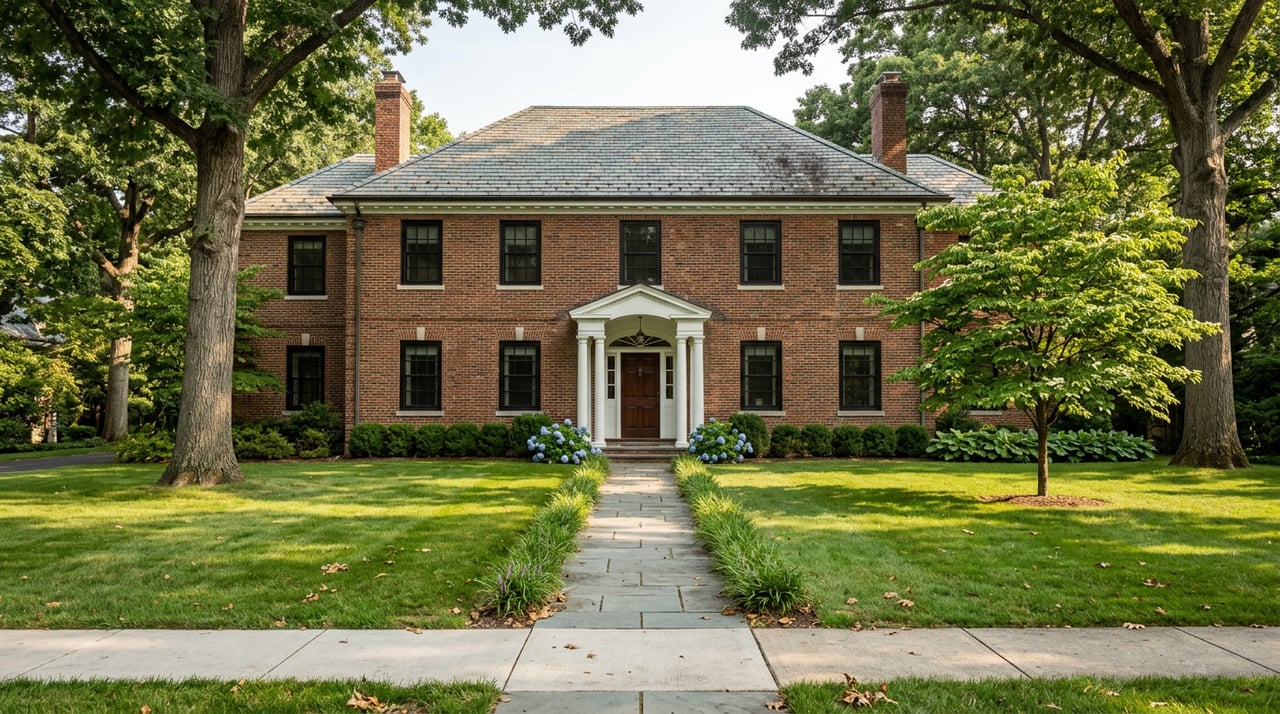
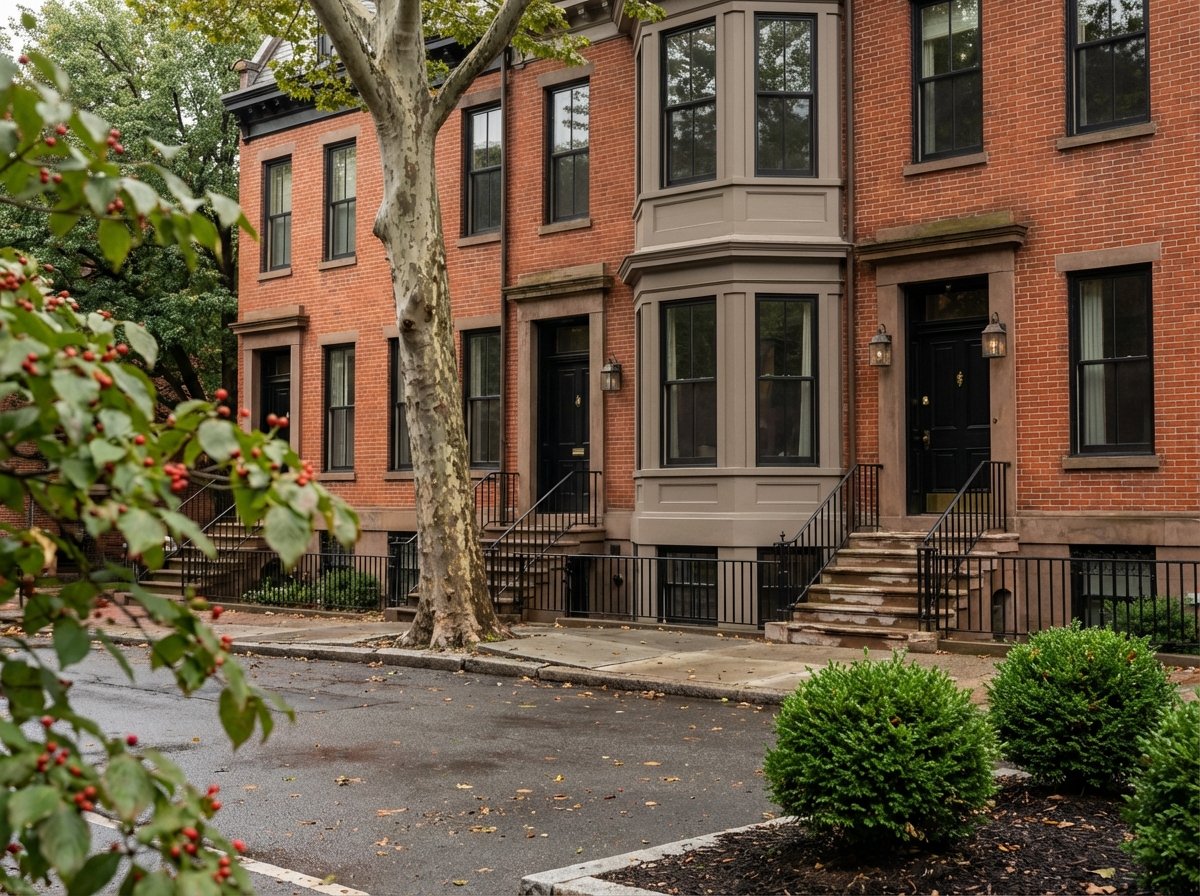
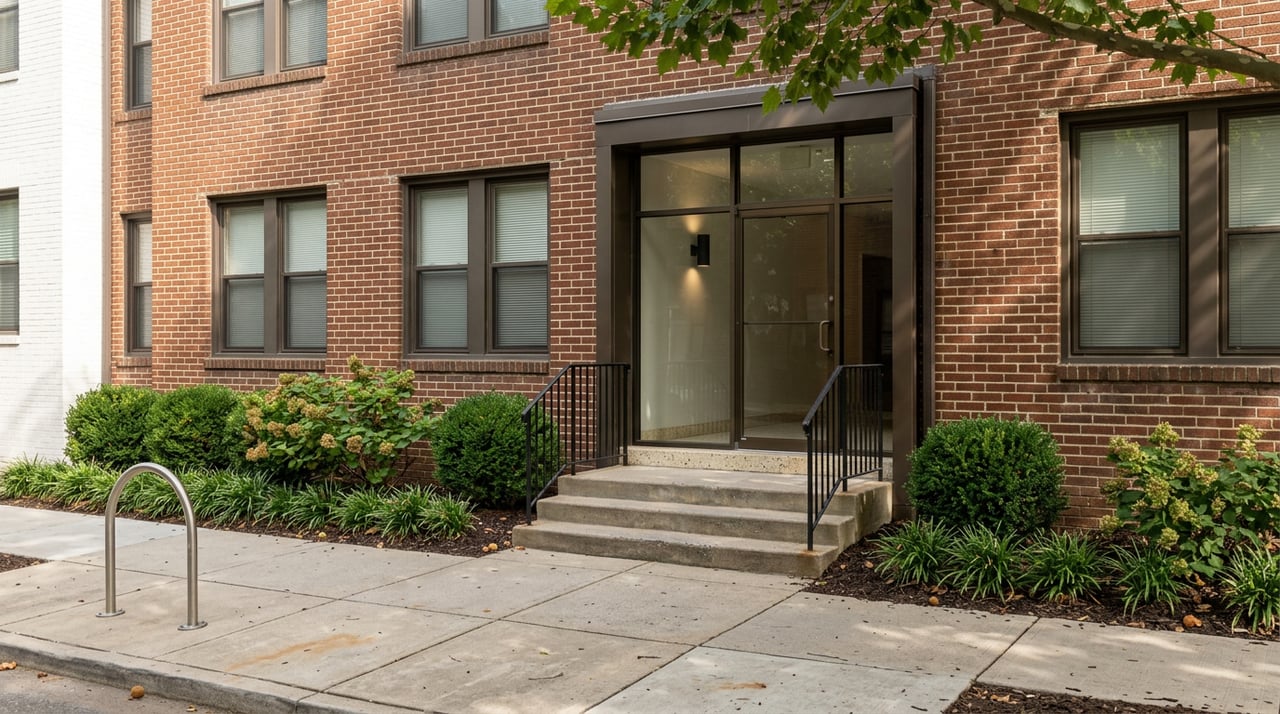
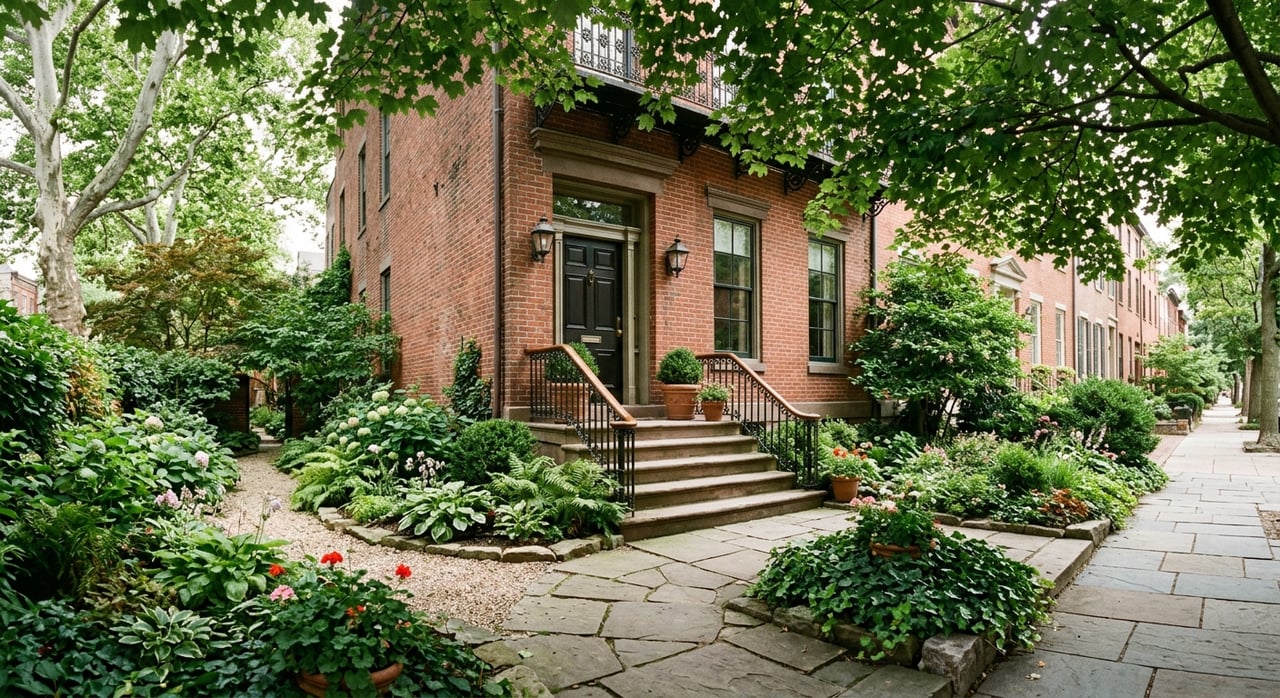
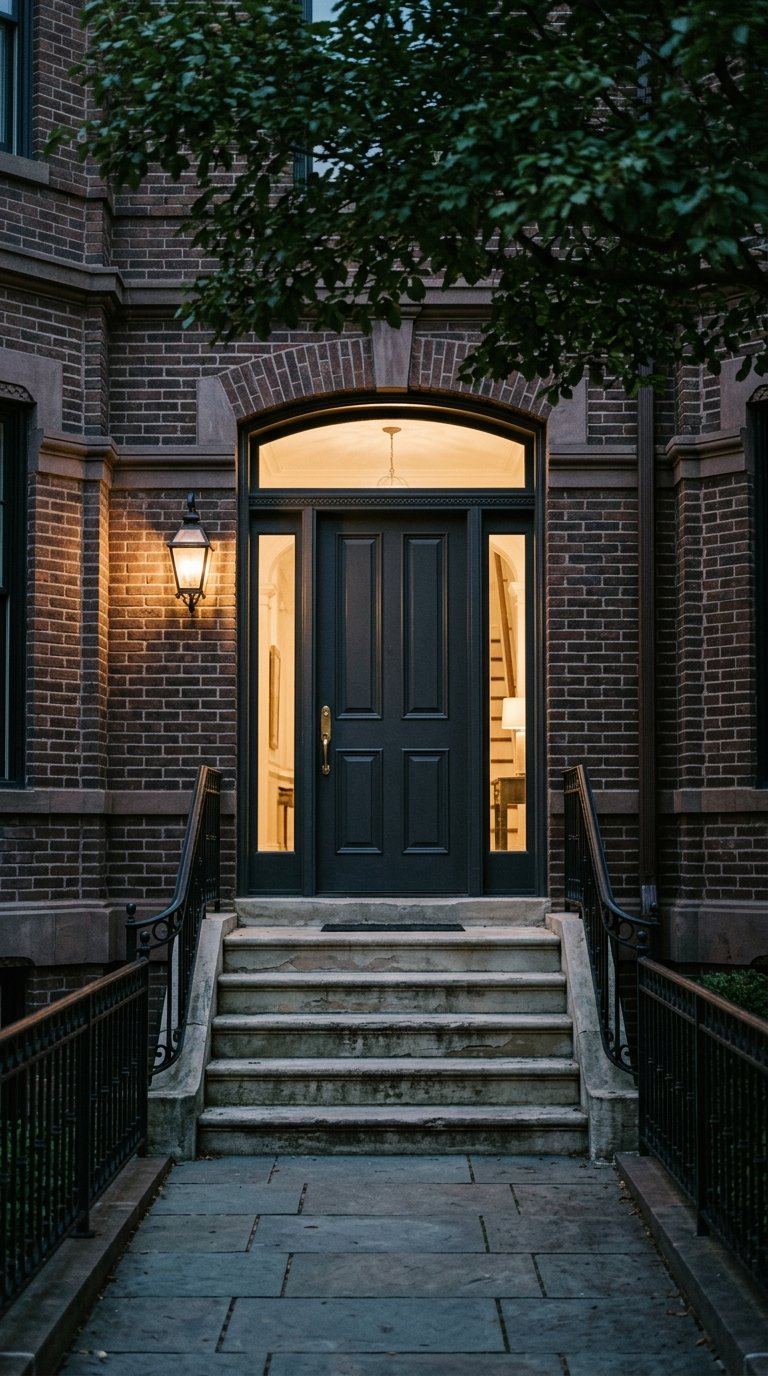
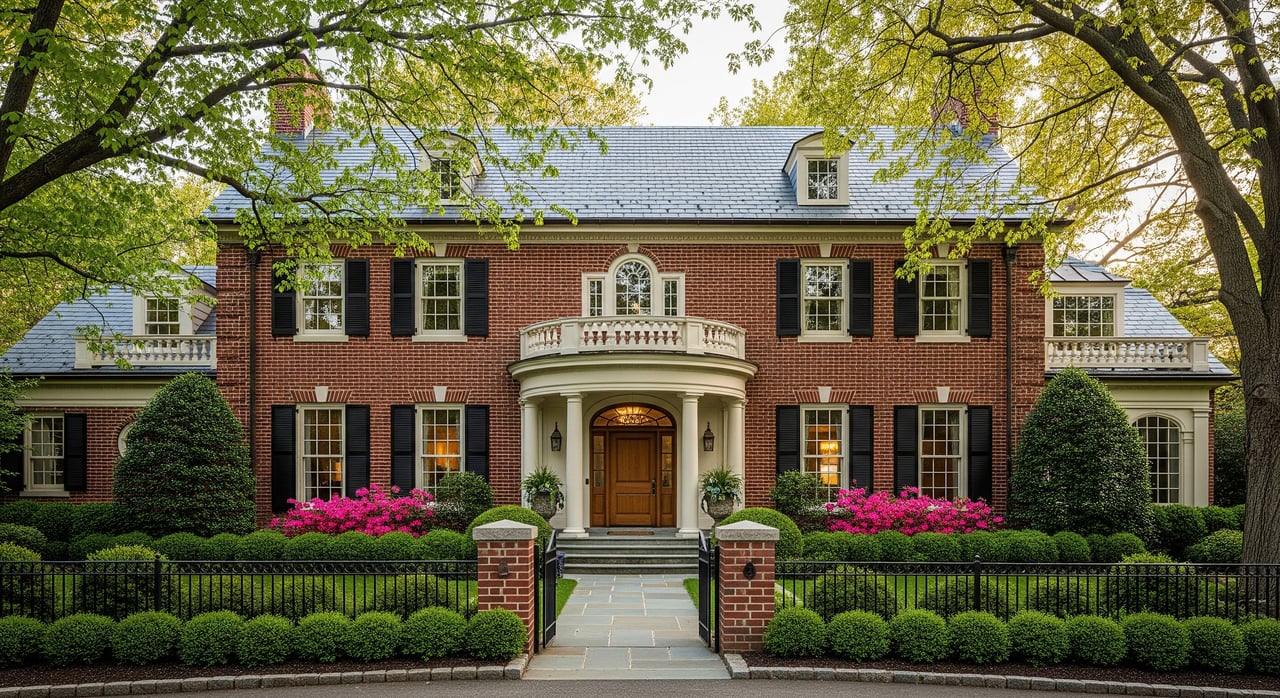
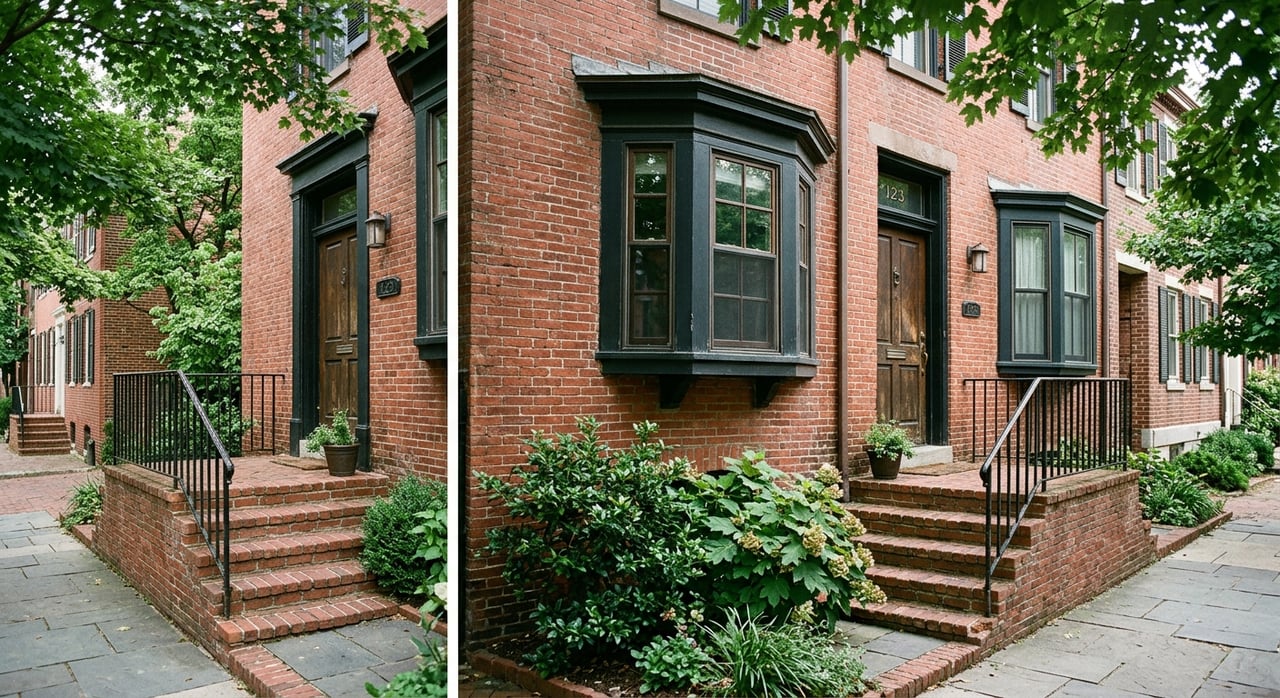
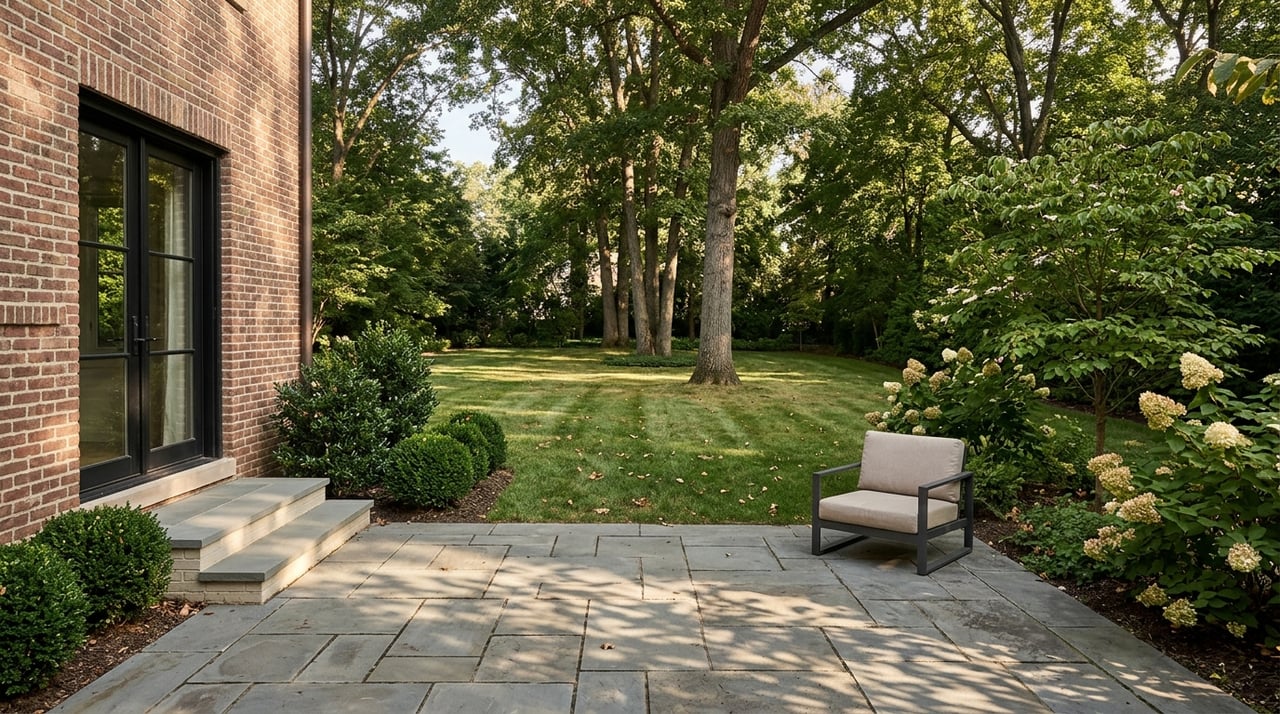
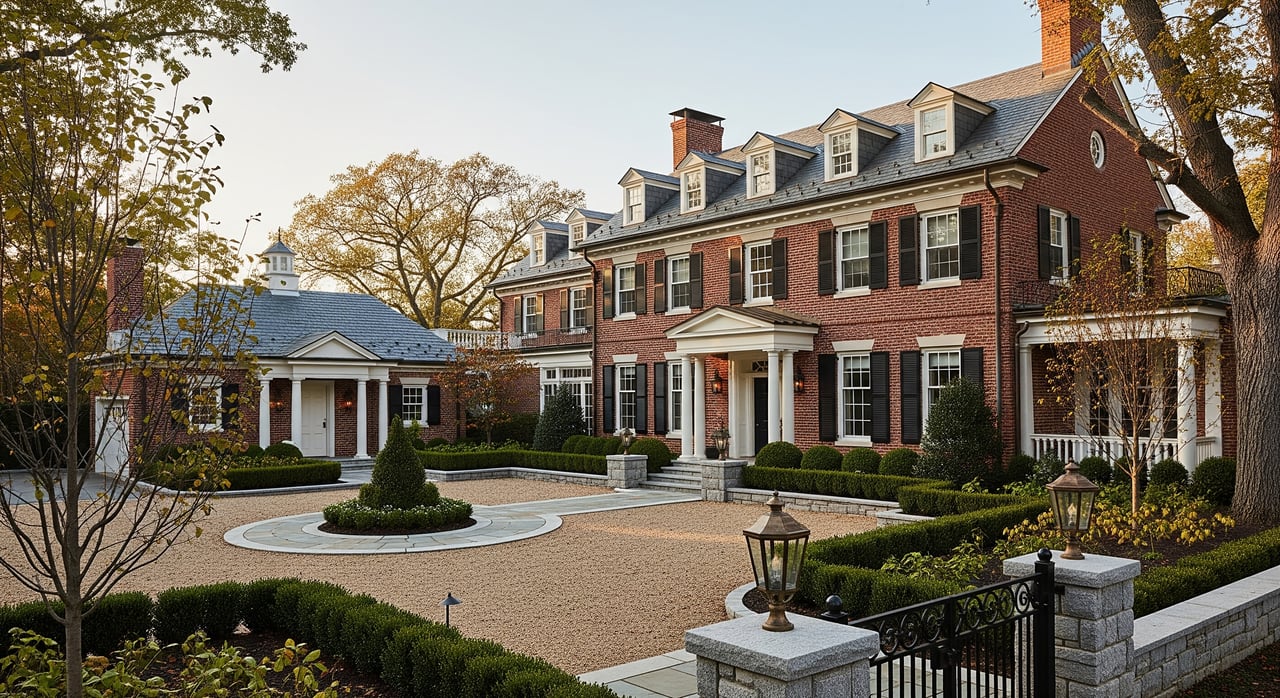
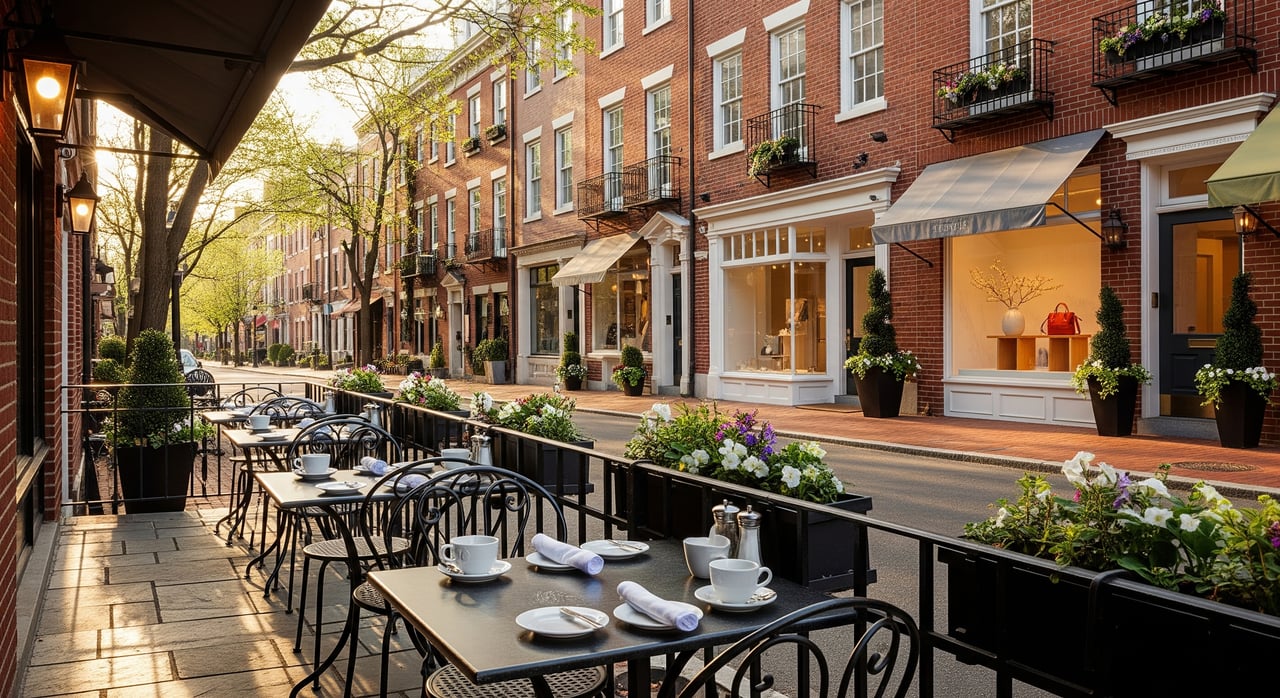
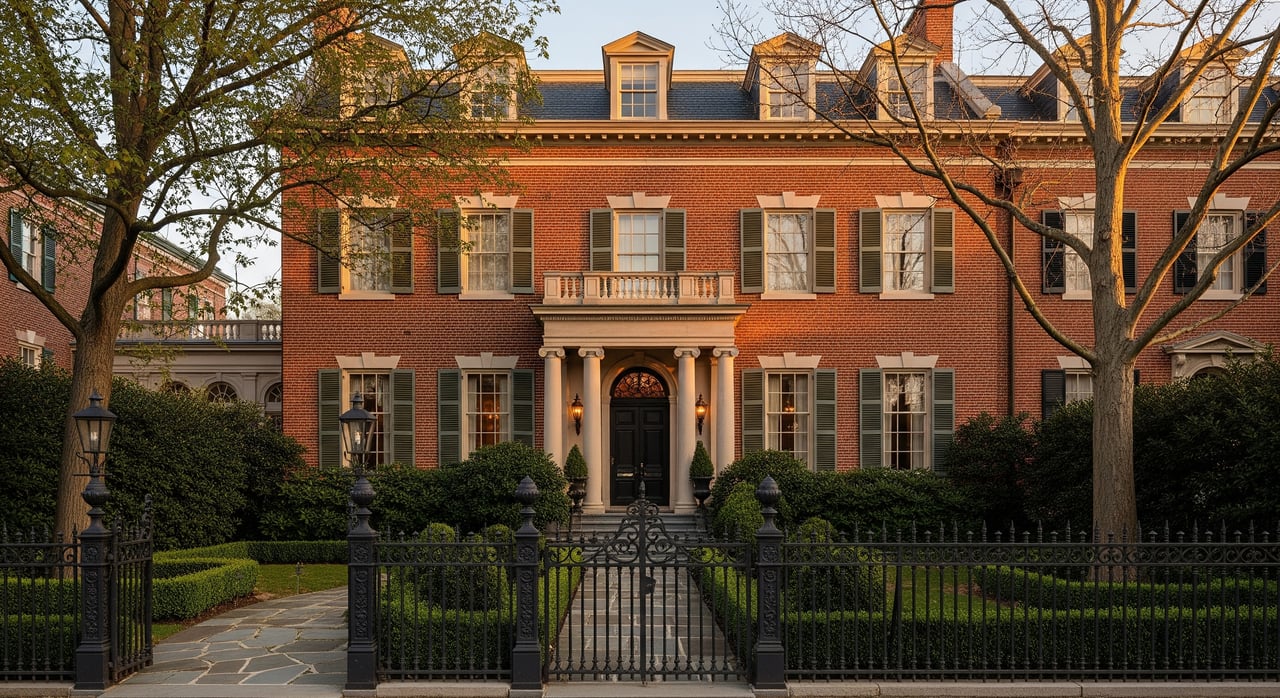
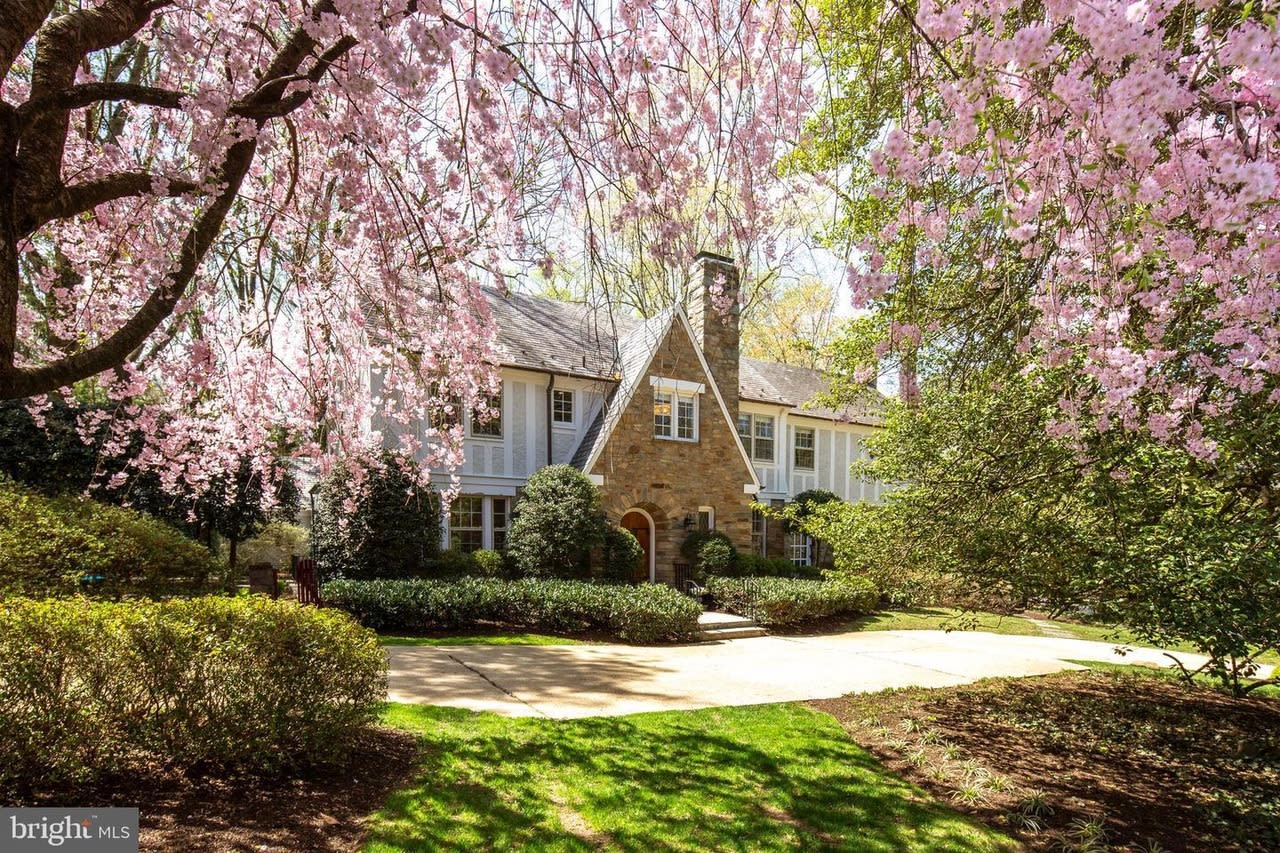
Kalorama stands apart in DC for its mix of historic character, quiet residential streets, embassies, rowhouses, detached homes, mansions, and early apartment buildings. Planning materials for Kalorama Triangle and Sheridan-Kalorama show just how much of the area’s identity is tied to homes built between the late 1800s and mid-1900s. That history adds value, but it also means many properties need closer review before they are rented.
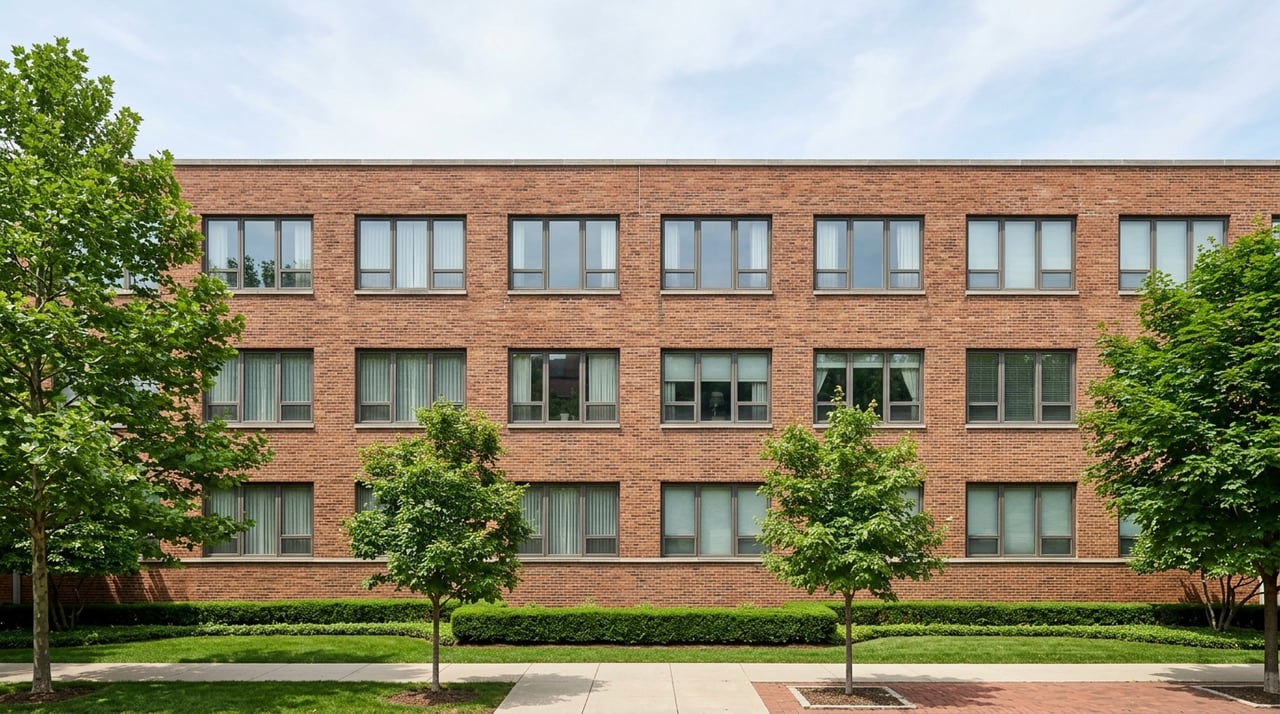
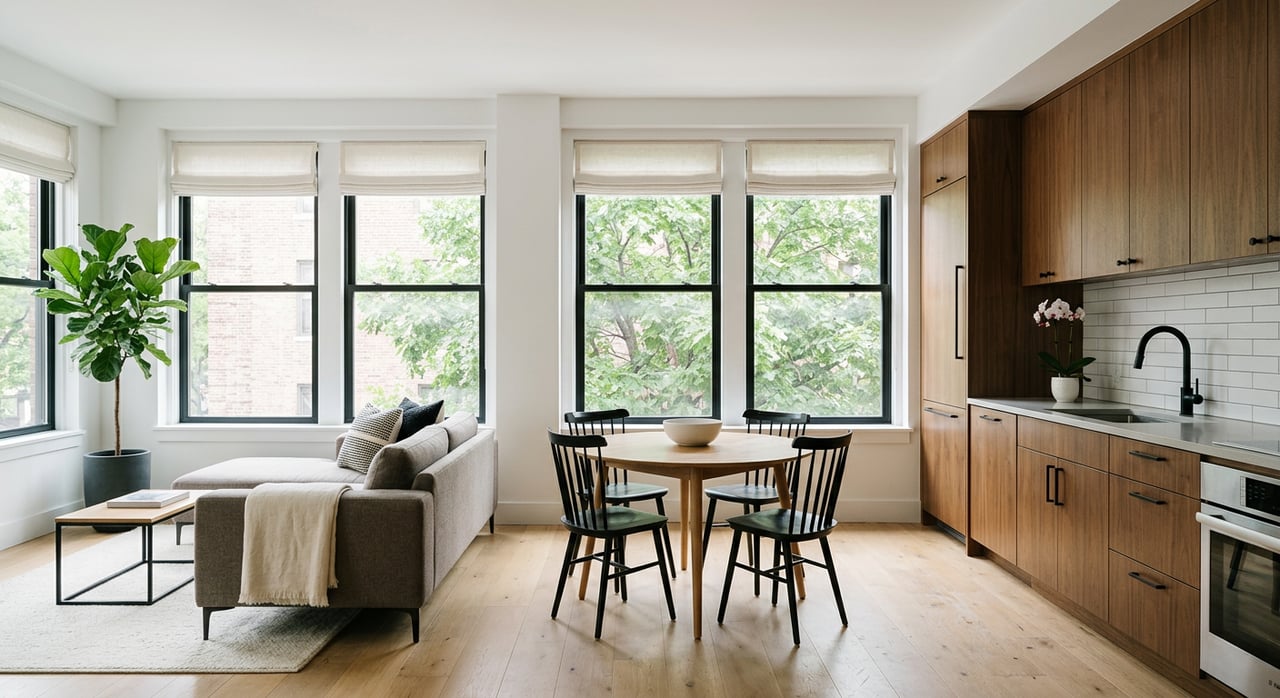
Current asking rents in Kalorama also span a wide range. Apartments.com reported an average asking rent of $2,659 as of June 2026, with studios around $1,951, one-bedrooms around $2,659, two-bedrooms around $4,591, and three-bedrooms around $3,708. At the same time, active inventory includes everything from apartments to luxury homes, so if you own a townhouse, house, or larger condo, broad neighborhood averages are only a starting point.
In practical terms, confidence comes from using the right comparable rentals, preparing the home carefully, and making sure your paperwork is in order before marketing begins. In a neighborhood like Kalorama, tenants are often looking closely at condition, privacy, and day-to-day professionalism.
Start With DC Rental Compliance
Before you focus on photos, pricing, or showings, make sure the property is legally ready to rent. DC’s landlord guidance says an owner generally needs a Basic Business License with a housing endorsement. If the building has two or more rental units, you may also need a Certificate of Occupancy, though condo and co-op owners may already be covered by a master certificate for the building.
You also need to register the unit in RentRegistry or file a valid exemption claim. This step matters more than many owners realize. DC states that rent cannot be increased unless the housing accommodation is registered.
If a tenant is already in place and the property is not registered, the lease can still remain valid. However, rent increases and evictions are blocked until licensing and registration are completed. That can create major issues for owners who wait too long to handle filings.
Rent Control Deserves Careful Review
Kalorama includes many older homes, and age matters in DC. Common rent-control exemptions include subsidized units, units built after 1975, and certain small landlords who own no more than four DC rental units. If the property is held in an LLC or trust, the small-landlord exemption is not available.
Because Kalorama’s historic districts cover homes from 1890 to 1945 and 1893 to 1939, many properties may fall outside the post-1975 exemption. You should verify the actual construction date of your property rather than assume an exemption applies. If a unit is unregistered, it defaults to rent-stabilized status unless an exemption is approved by RAD.
For rent-control year 2026, running from May 1, 2026 through April 30, 2027, the standard annual increase cap is 4.1% for most tenants and 2.1% for registered elderly or disability tenants. DC also requires a current registration, an active business license, substantial housing-code compliance, 60 days’ notice, and filing the adjustment with RAD within 30 days after the increase is implemented.
Prepare the Property Like a Kalorama Home
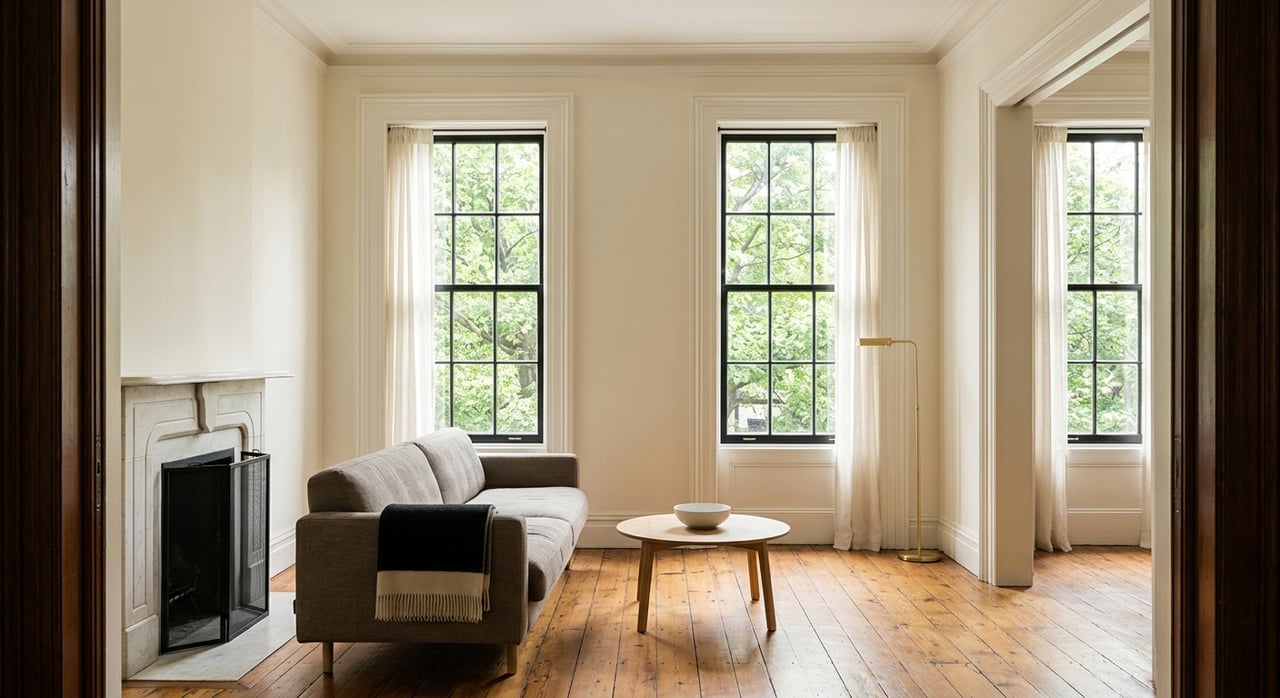
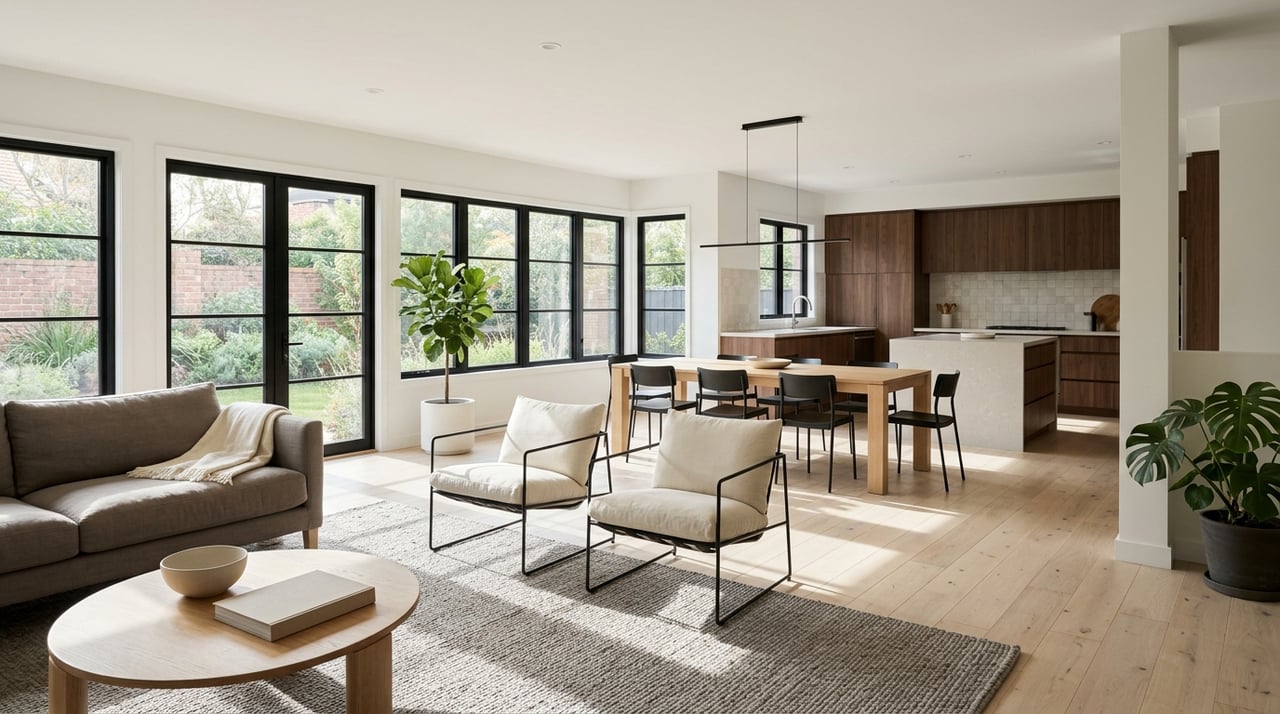
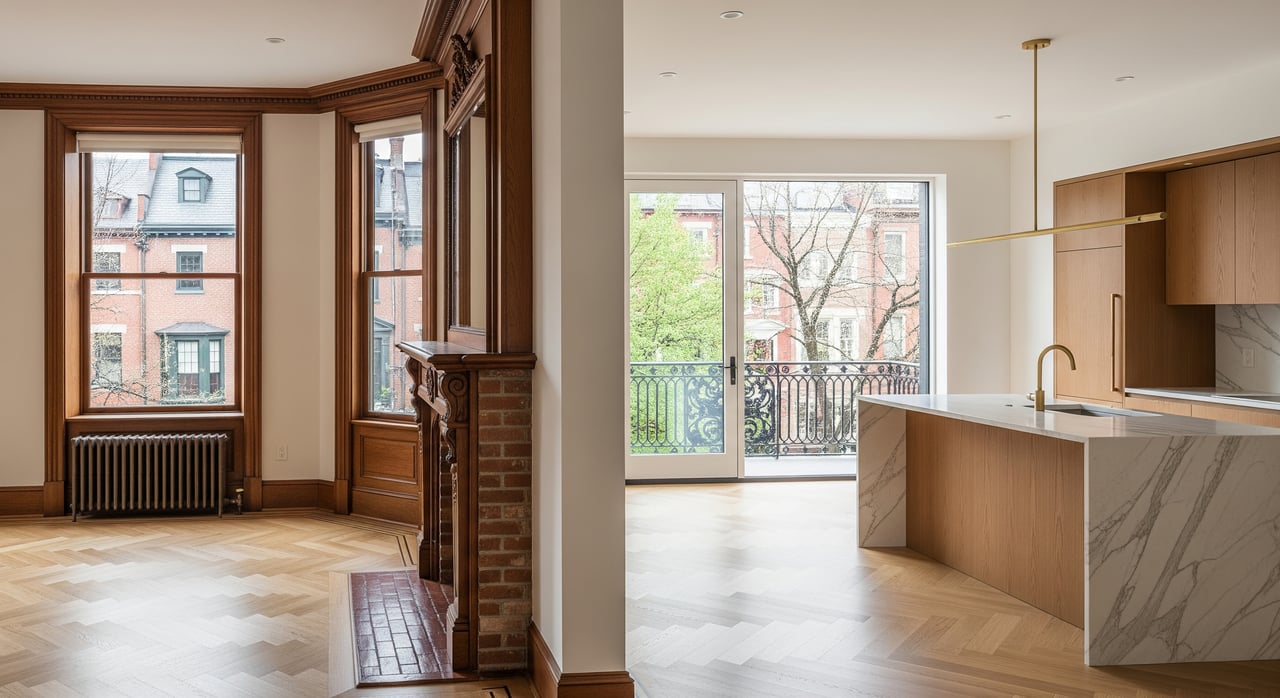
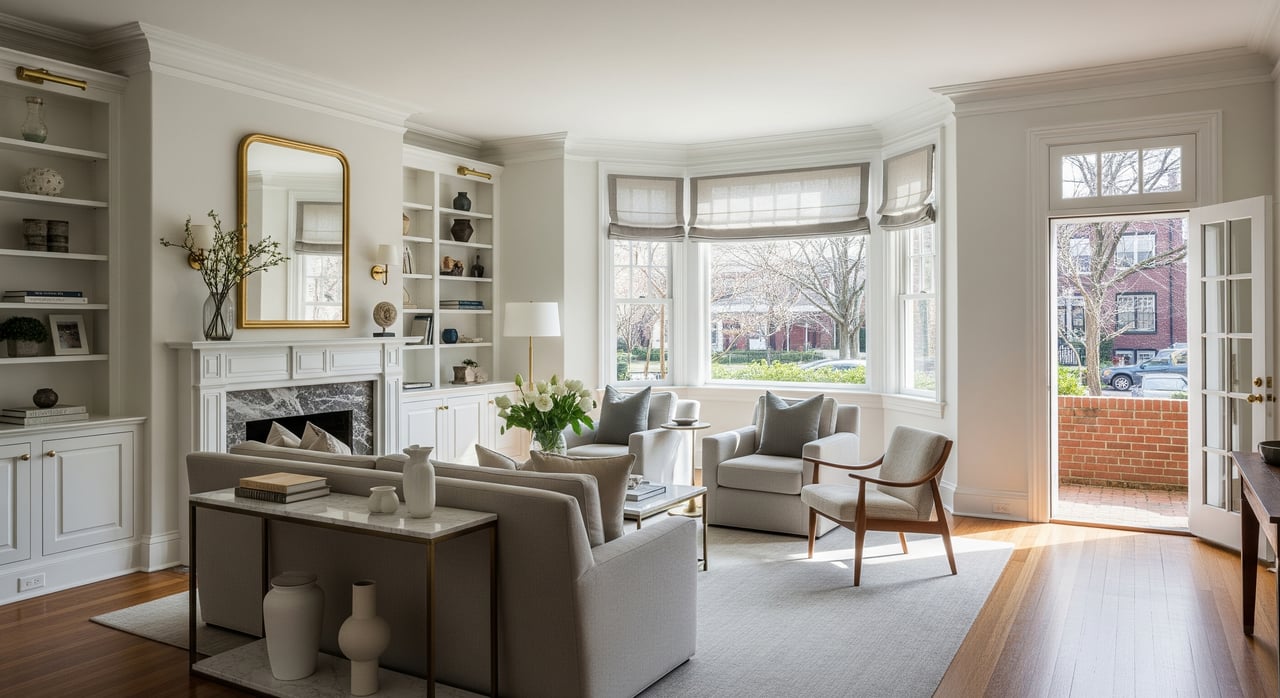
In many neighborhoods, basic cosmetic updates may be enough. In Kalorama, presentation usually carries more weight because the housing stock is older and the surrounding streetscape sets a high standard. Tenants considering this area are often comparing design, upkeep, and privacy just as much as square footage.
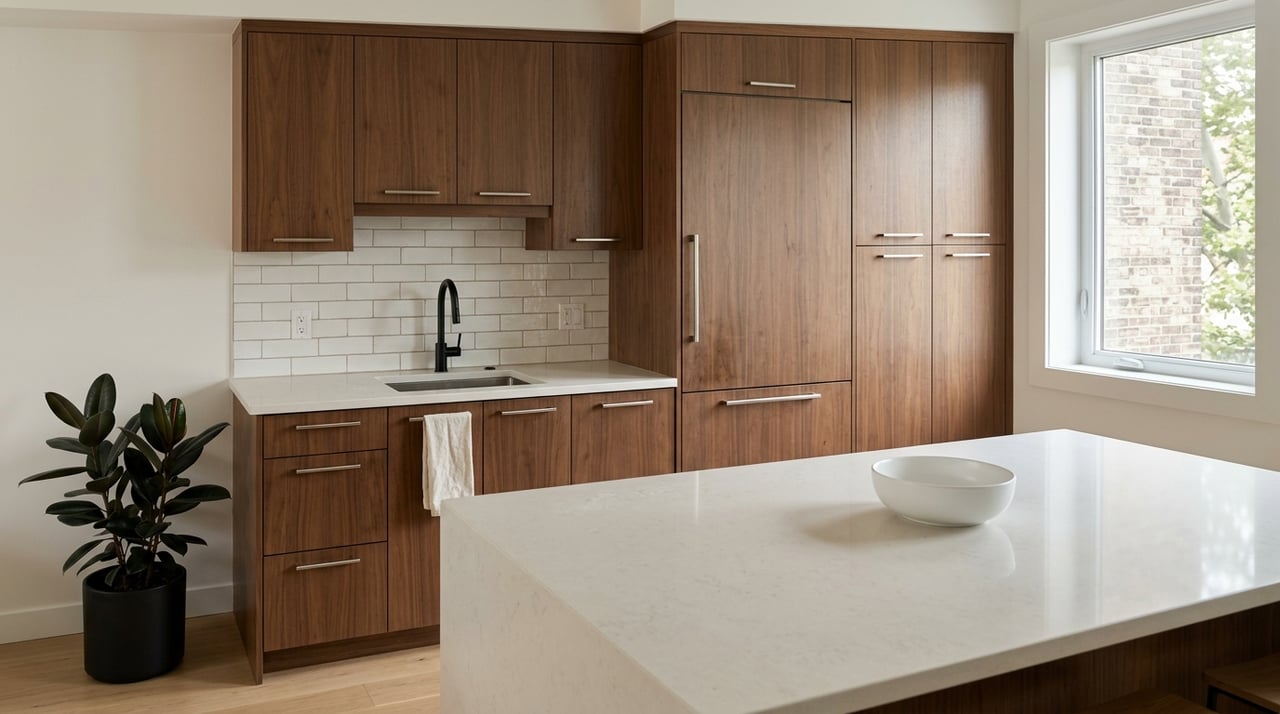
That does not mean every home needs a full renovation. It does mean deferred maintenance tends to stand out more. Clean finishes, working systems, intact paint, polished common areas, and smooth access for showings and move-in can shape how your property is perceived.
Check Lead Safety Requirements
If your property was built before 1978, DC lead rules may apply. Owners must keep paint intact and non-deteriorating, and when required, they must provide lead-safety documentation or clearance reports to prospective and current tenants. Since many Kalorama homes may fall into this age range, confirming the build year and compliance status early is a smart step.
Review Historic District Limits Before Exterior Work
If you are thinking about visible exterior repairs or changes before leasing, confirm whether preservation review is needed. DC requires approval for certain exterior repairs, alterations, and changes in historic districts. Major additions, street-visible roof decks, and significant facade changes often trigger review, while interior alterations are generally not subject to historic-preservation review.
Price the Home With Like-Kind Comparables
One of the biggest pricing mistakes in Kalorama is relying on a single neighborhood average. The area includes apartments, condos, townhomes, and large houses, and those categories do not compete in the same way. A luxury house should not be priced from apartment data, and a smaller condo should not be benchmarked against detached-home listings.
Instead, use like-kind comparable rentals based on property type, size, condition, and level of finish. In a premium submarket, accurate pricing matters because overpricing can lengthen vacancy while underpricing can leave meaningful income on the table. A measured pricing strategy usually leads to stronger interest and better applicant quality.
Use a DC-Specific Lease and Clear Policies
A written DC-specific lease is strongly preferred. DC guidance recognizes that oral leases can exist, but it also warns that out-of-state model leases may leave important terms unenforceable. For owners in Kalorama, especially those managing a premium property or living outside DC, that is not a risk worth taking.
Your lease should align with how the property will actually be managed. That includes rent due dates, maintenance procedures, any optional parking or storage charges, renewal timing, notice requirements, and rules around subletting if applicable.
Know Entry and Access Rules
For nonemergency access, tenants generally must receive at least 48 hours’ written notice. Entry should happen between 9 a.m. and 5 p.m., not on Sundays or federal holidays unless the tenant agrees, and it must be for a reasonable purpose. These rules are important for owners who expect routine vendor visits, property checks, or pre-sale planning later on.
Handle Deposits Correctly
In DC, a security deposit may not exceed one month’s rent and may only be charged once. The deposit must be held in an interest-bearing account. When the tenancy ends, the landlord must return the deposit and interest within 45 days or send a withholding notice, and if funds are withheld, an itemized accounting must follow within 30 more days.
Deductions are limited to damage beyond ordinary wear and tear. Clear move-in documentation and consistent recordkeeping can make this process much smoother.
Follow DC Screening Rules Carefully
Tenant screening in DC is regulated, and the rules apply whether the unit is rent-controlled or not. For 2026, rental housing application fees are capped at $54. Before screening begins, landlords must disclose their screening standards and provide the required DHCD forms.
Advertising and screening practices also need care. Ads may not say “no vouchers,” credit score alone cannot be the sole cutoff, and criminal-history questions are restricted until after a conditional offer. For owners, that means your process needs to be organized before the listing goes live, not adjusted midway through applications.
A consistent, documented approach helps reduce risk and creates a better experience for applicants. It also supports fair, professional decision-making when multiple applicants show interest at once.
Understand Ongoing Landlord Duties
Leasing the home is only the first step. DC requires the registration statement and other required records to be kept available to tenants, and the registration statement must be publicly posted at the building or mailed for a single-unit accommodation.
There are also practical day-to-day rules that affect turnover and renewals. A month-to-month tenant generally owes no more than 30 days’ notice to vacate. If a tenant leaves early, the landlord must make good-faith efforts to re-let the unit.
If your lease does not expressly prohibit subletting, tenants may have a reasonable expectation that it is allowed subject to reasonable qualification guidelines. That is another reason clear lease drafting and management consistency matter.
When Property Management Makes Sense
For some owners, self-management works well. For others, especially absentee owners, investors, or homeowners transitioning a former residence into a rental, professional management can reduce friction and help protect the asset.
DC’s landlord guide specifically recommends considering a licensed property manager to help balance income and expenses while meeting tenant obligations. In Kalorama, that can be especially useful when the property needs coordinated maintenance, compliant notices, careful screening, renewals, and accurate move-out accounting.
A well-run management plan can also support longer-term goals. If you may eventually sell the home, keeping records, maintenance, and tenant communication organized now can make that future transition easier.
A Steady Path to Renting With Confidence
Renting out a Kalorama home successfully is not just about finding a tenant. It is about matching neighborhood expectations with sound pricing, careful preparation, and full DC compliance from the start. When those pieces come together, you put yourself in a better position to protect the property, reduce vacancy, and create a smoother experience for everyone involved.
If you want experienced, discreet help with leasing, pricing, or ongoing management for a Kalorama property, Jack Realty Group offers neighborhood-savvy guidance across rentals and property management.
FAQs
What license do you need to rent out a home in Kalorama?
- In most cases, you need a DC Basic Business License with a housing endorsement, and some properties also need a Certificate of Occupancy depending on the building type and number of units.
Does a Kalorama rental home have to be registered in DC?
- Yes, a rental unit generally must be registered in RentRegistry or have an approved exemption on file, and DC says rent cannot be increased unless the housing accommodation is registered.
Are Kalorama homes usually subject to DC rent control?
- Many may be, because Kalorama includes a large number of older homes, but rent-control status depends on the property’s specific facts, including build year, ownership structure, and whether a valid exemption applies.
How much can a landlord charge for a rental application in DC?
- For 2026, DC caps rental housing application fees at $54 for both rent-controlled and non-rent-controlled units.
How much notice must a landlord give before entering a DC rental property?
- For nonemergency access, a landlord generally must give at least 48 hours’ written notice, enter between 9 a.m. and 5 p.m., and avoid Sundays or federal holidays unless the tenant agrees.
How are security deposits handled for a DC rental home?
- A security deposit cannot exceed one month’s rent, must be kept in an interest-bearing account, and generally must be returned with interest within 45 days after the tenancy ends unless a proper withholding notice is sent.