Buying your first condo in Glover Park can feel exciting and a little tricky at the same time. You may be wondering how far your budget will go, whether condo fees are reasonable, and how to compare a full-service building on Wisconsin Avenue with a smaller side-street walk-up. This guide will help you understand the local condo landscape, the costs that matter most, and the questions to ask before you make an offer. Let’s dive in.
Glover Park at a glance
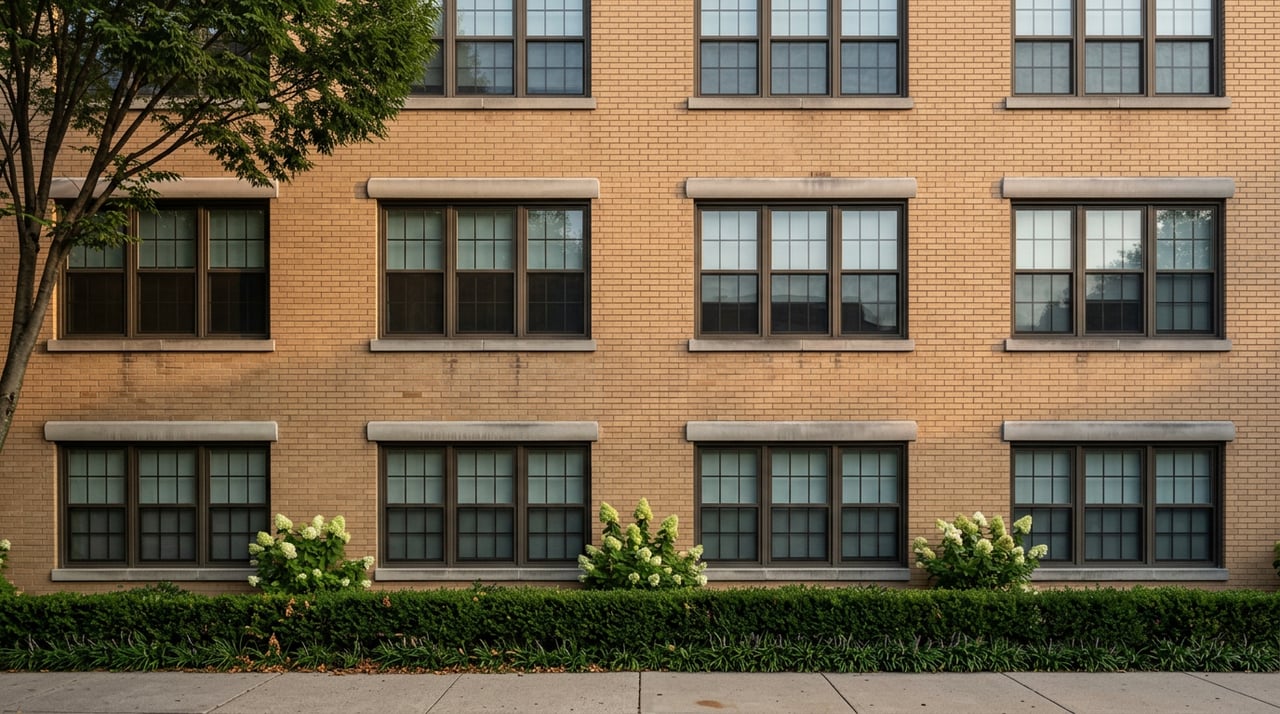
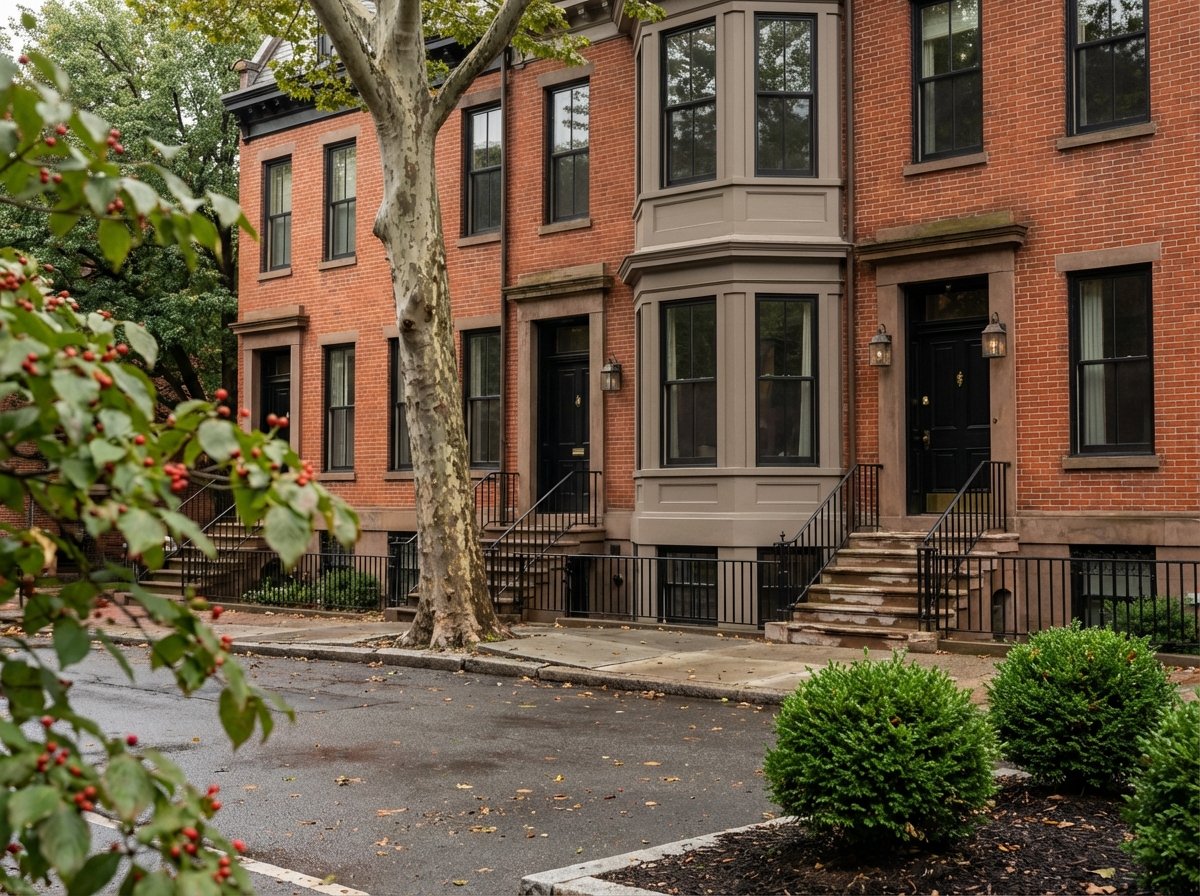
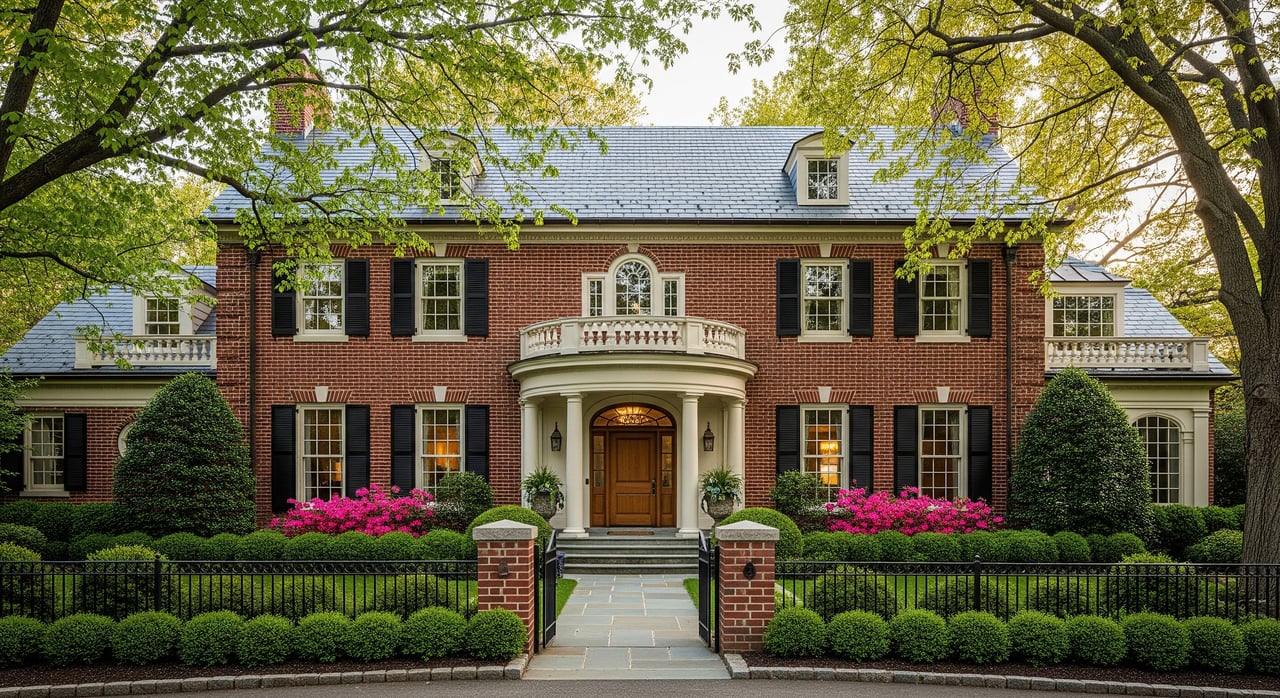
Glover Park sits just north of Georgetown in northwest Washington, DC, and has a mix of row houses, apartment buildings, and a commercial strip along Wisconsin Avenue. According to local neighborhood and planning sources, the area includes historic housing from the 1920s and 1930s along with mid-rise apartments and flats built from the mid-1930s to 1960.
That mix matters if you are a first-time condo buyer. In practical terms, Glover Park offers more than one condo experience. You may find an elevator building with amenities, a smaller walk-up with lower fees, or a newer boutique project with a very different monthly cost structure.
What the Glover Park condo market looks like
Current market snapshots show that Glover Park condos cover a broad price range. Redfin shows 31 condos for sale with a median listing price of $315,000, while Realtor.com shows a broader neighborhood median listing price of $399,000 and a median of about 38 days on market in May 2026.
For you as a first-time buyer, that range is helpful. It suggests there may be entry points into the neighborhood, but it also shows why looking only at list price can be misleading. Two condos with similar square footage may come with very different fees, amenities, parking options, and long-term ownership costs.
Wisconsin Avenue condos
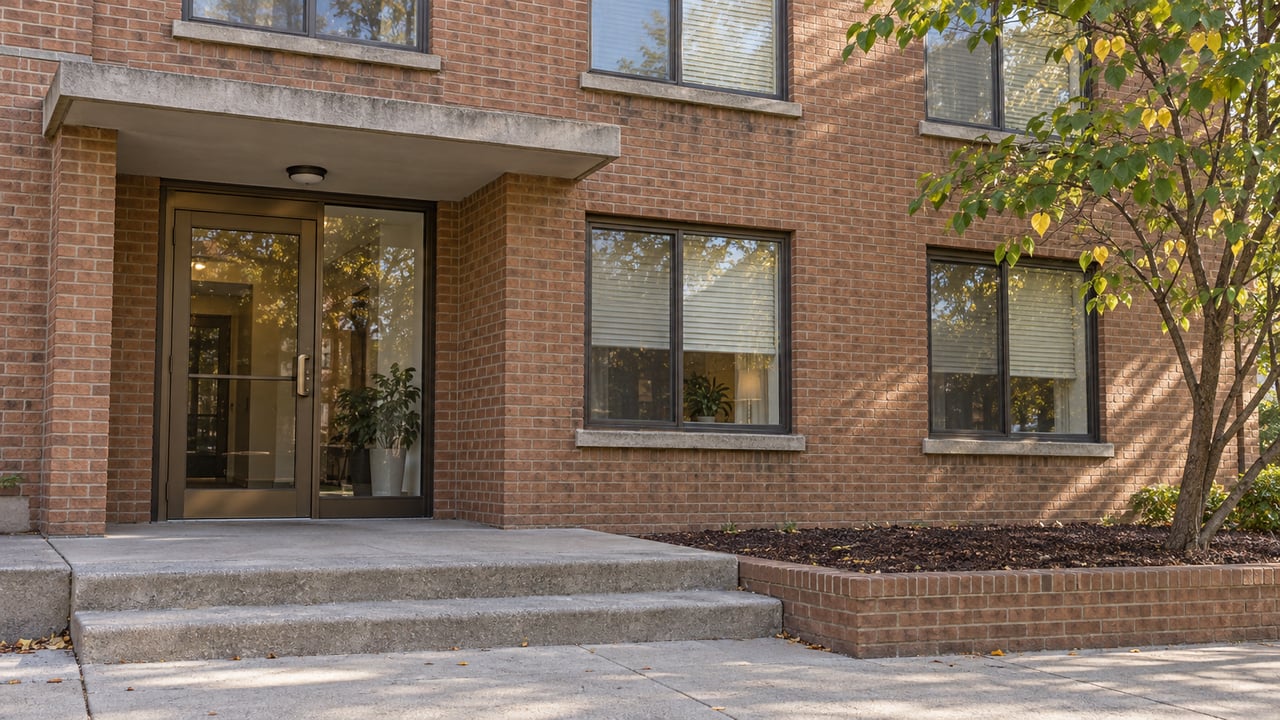
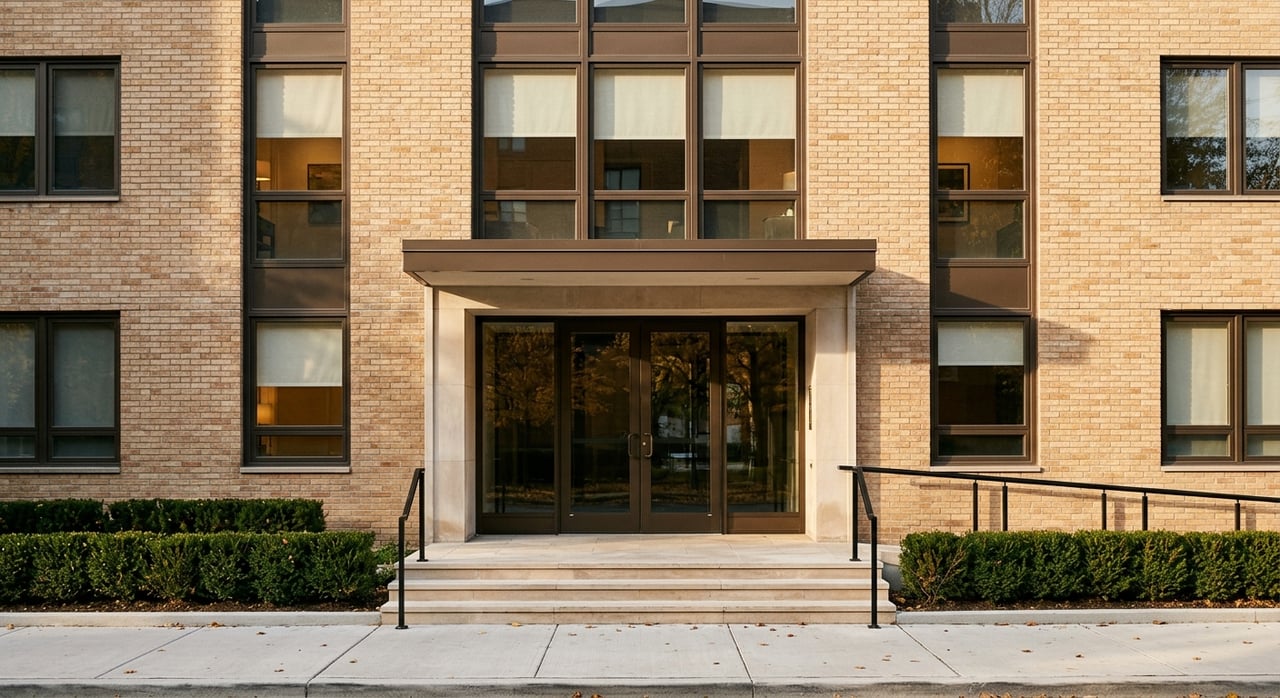
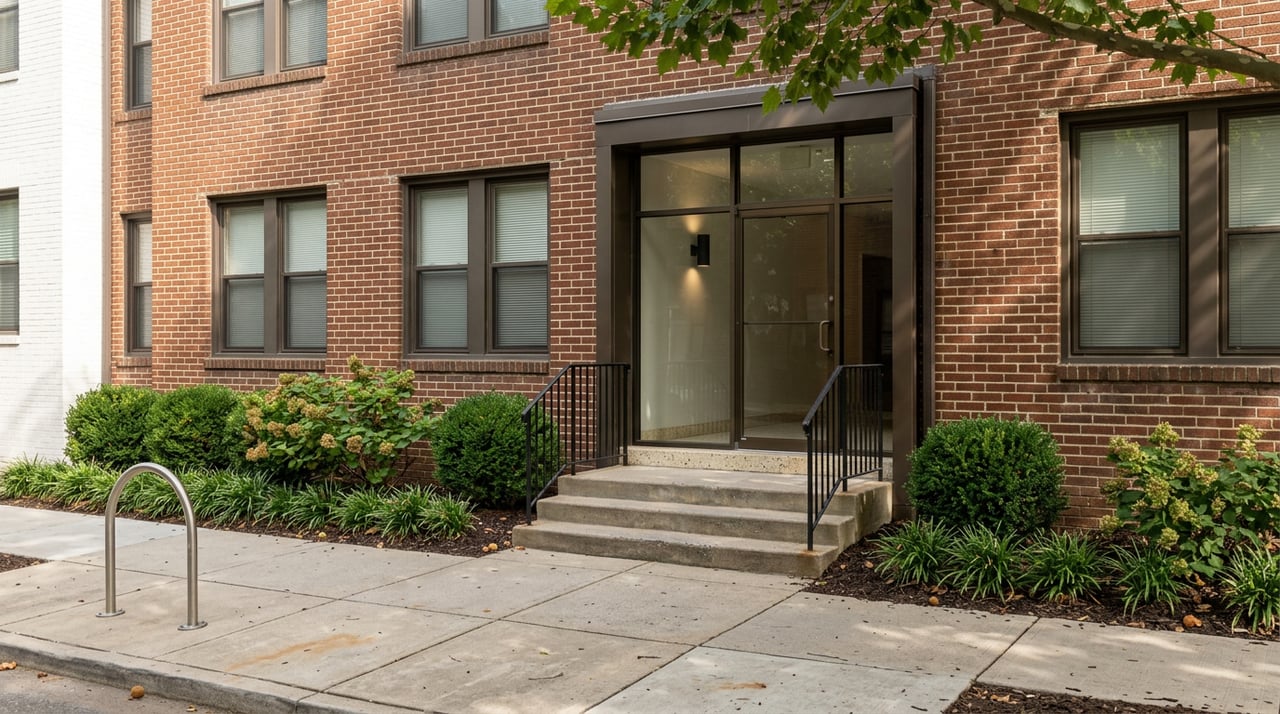
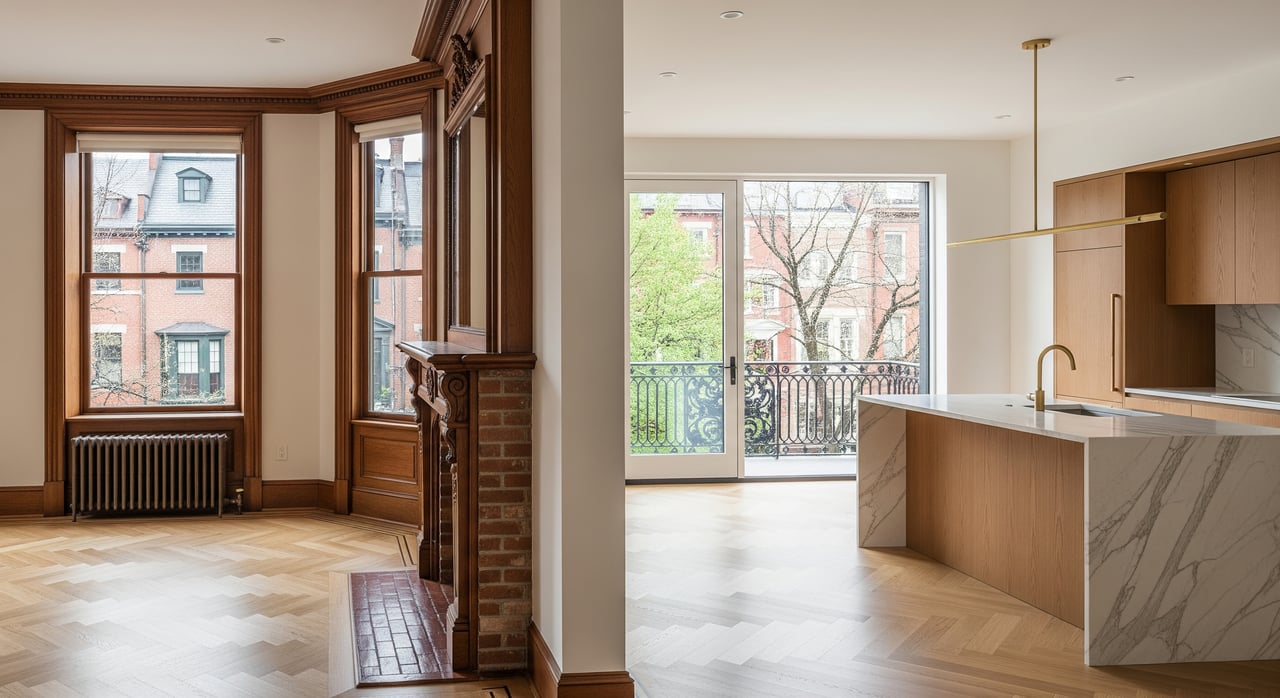
Buildings along Wisconsin Avenue often deliver the most amenities. Current examples in the neighborhood include elevator buildings with features such as a fitness center, outdoor pool, club room, concierge service, garage parking, and in-unit laundry.
Those features can make daily life easier, especially if you want a more turnkey ownership experience. At the same time, the monthly condo fee can be significantly higher. One current listing at 2111 Wisconsin Ave NW has a $1,670 monthly fee, while another at The Sheffield has a $563 monthly fee.
For many first-time buyers, the tradeoff is straightforward. You may pay more each month for convenience, service, and fewer building-related maintenance worries. If you value parking, elevator access, or a staffed building, the corridor may be worth the premium.
Side-street condos
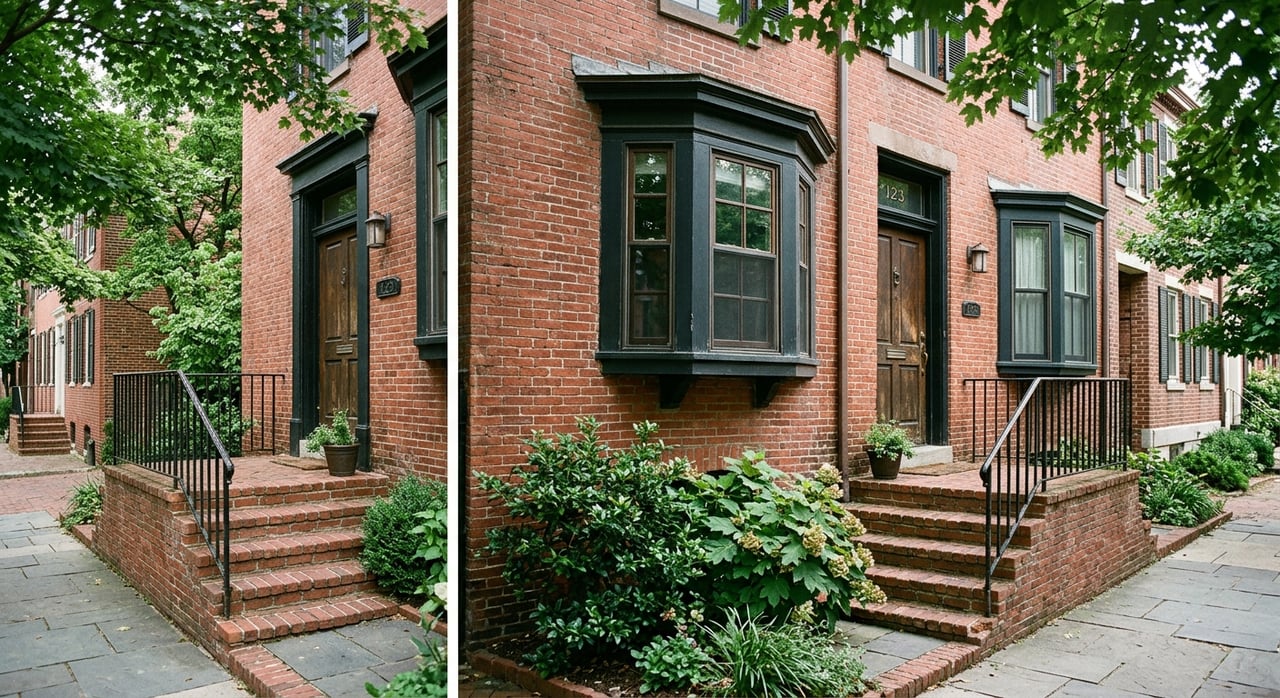
Side-street condos in Glover Park often feel different from the Wisconsin Avenue corridor. DDOT describes Wisconsin Avenue as a commercial-supporting street, while streets like Tunlaw Road, Hall Place, and Calvert Street are primarily residential-supporting, which helps explain why side streets usually feel quieter.
Smaller buildings off the corridor may come with lower fees and a simpler setup. A current example at 3817 Davis Place NW is listed at $270,000 with a $377 monthly fee. Another example at 4000 Tunlaw Road NW is listed at $219,900 with an $842 monthly fee that includes all utilities, assigned parking, a pool, concierge service, and rooftop access.
That contrast shows why you should never judge value by fee amount alone. A lower fee may mean fewer included services. A higher fee may cover utilities, parking, or amenities that reduce your out-of-pocket costs elsewhere.
Boutique buildings and newer options
Glover Park also includes boutique condo projects that do not fit neatly into the corridor-versus-walk-up comparison. Current listings at 2606 41st Street NW include two-bedroom, two-bath units in roughly the 784- to 946-square-foot range, with one 946-square-foot unit listed at $479,900 and a $126 HOA.
For first-time buyers, that kind of building can be appealing because it may offer newer construction and lower monthly fees. Still, a lower fee is only part of the picture. You will want to understand what the fee covers and whether the building has adequate reserves for future repairs.
Why condo fees matter so much
Your mortgage is only one part of your monthly cost. In a condo, the fee is a major part of your all-in budget because it helps pay for shared building expenses. Under DC law, condo associations can adopt budgets for revenues, expenses, and reserves, and they collect assessments from owners to fund those items.
In plain language, the condo fee is the monthly bill for the building’s shared costs. Depending on the building, it may cover common-area maintenance, insurance, trash, snow removal, and reserve contributions. In some buildings, it may also include water, gas, electricity, parking, pool access, or concierge service.
This is why two condos with similar prices can feel very different financially. Before you decide a condo is affordable, look at the full monthly carrying cost, not just the asking price.
What reserves mean for you
Reserves are the building’s savings account for future major repairs or replacements. They matter because a building with stronger reserves may be better prepared for capital projects, while a building with weak reserves may be more likely to rely on special assessments or future fee increases.
DC resale documents must disclose the status and amount of reserves, any approved capital expenditures, the current operating budget, pending suits or judgments, and the association’s insurance coverage. That information gives you a clearer picture of the building’s financial health before you close.
For a first-time buyer, this review can protect you from surprises. A condo that looks affordable upfront may feel less attractive if a large assessment is looming.
Financing questions to ask early
Condo financing is not only about your income and credit. Lenders often review the condo project itself, including budgets, financial statements, and reserve studies, as part of their project standards review.
That means it is smart to ask your lender early whether a specific building is likely to be financeable under your loan program. Doing this before you get deep into negotiations can save time and reduce stress. It can also help you focus on buildings that fit both your budget and your financing path.
Parking, pets, and leasing rules
In Glover Park, building rules can have a big effect on day-to-day life and future flexibility. Parking, for example, may be deeded with the unit, assigned separately, or not included at all. That is especially important in a neighborhood where many residential streets are relatively narrow and parking can shape convenience.
Pet rules also vary by building. Because these rules are usually found in the condo documents and bylaws, you should confirm the current policy during document review rather than assume there is a neighborhood-wide standard.
Leasing rules deserve the same attention. DC law allows condo associations to reasonably restrict leasing, so if you think you may want to rent the unit in the future, you should verify those limits before you buy.
Your first-offer checklist
Before you make an offer on a Glover Park condo, keep your review focused on the items that have the biggest effect on cost and flexibility.
- Calculate your full monthly cost, including mortgage, condo fee, taxes, and insurance
- Confirm what the condo fee includes
- Verify whether parking is deeded, assigned, separately purchased, or not included
- Review reserve levels and any planned capital projects or special assessments
- Ask your lender whether the building is likely to meet financing standards
- Check leasing restrictions if you want future rental flexibility
- Confirm current pet rules in the resale documents
- Compare the lifestyle tradeoff between a corridor building and a side-street building
A clear checklist makes the process easier. It also helps you compare condos on the factors that matter after move-in, not just on showing day.
How to think about value in Glover Park
The best first condo is not always the one with the lowest price or the biggest amenity package. In Glover Park, value often comes down to fit. You may prefer a full-service building on Wisconsin Avenue because you want convenience and parking, or you may prefer a quieter side street and a simpler monthly fee structure.
The key is to compare homes based on how you will actually live. A modest one-bedroom with a manageable fee and solid building finances may serve you better than a larger unit that stretches your budget every month.
With a neighborhood like Glover Park, local building-by-building context matters. A careful review of fees, reserves, rules, and location can help you buy with more confidence and fewer surprises.
If you are weighing your first condo purchase in Glover Park, a steady, neighborhood-specific strategy can make the process much clearer. Jack Realty Group offers experienced guidance for buyers who want practical advice, responsive support, and a clear read on northwest DC condo options.
FAQs
What is the typical price range for first-time buyer condos in Glover Park?
- Current examples and market snapshots show that Glover Park condos can range from the low $200,000s for some one-bedroom units to the $400,000s and $600,000s for larger or more amenity-rich condos.
What should first-time buyers know about Glover Park condo fees?
- Condo fees can vary widely in Glover Park, and the amount often reflects what is included, such as utilities, parking, pool access, concierge service, maintenance, insurance, and reserve funding.
Are Wisconsin Avenue condos different from side-street condos in Glover Park?
- Yes. Wisconsin Avenue buildings often offer more services and amenities, while side-street condos may offer a quieter setting, smaller buildings, and a different fee structure.
What documents should a Glover Park condo buyer review in DC?
- In a DC condo resale, you should review the condo certificate and related documents for reserves, budget, approved capital expenditures, insurance coverage, and any pending suits or judgments.
Can you rent out a condo later in Glover Park?
- Possibly, but leasing rules are set at the building level, and DC law allows associations to reasonably restrict leasing, so you should confirm the specific policy before buying.