Thinking about giving up extra square footage without giving up character? In Kalorama, that trade can feel less like a compromise and more like a smart next step. If you want a smaller home in Northwest D.C. with architectural presence, privacy, and a more settled residential setting, this neighborhood offers a distinct option. Here’s what to know before you focus your search.
Why Kalorama works for downsizers
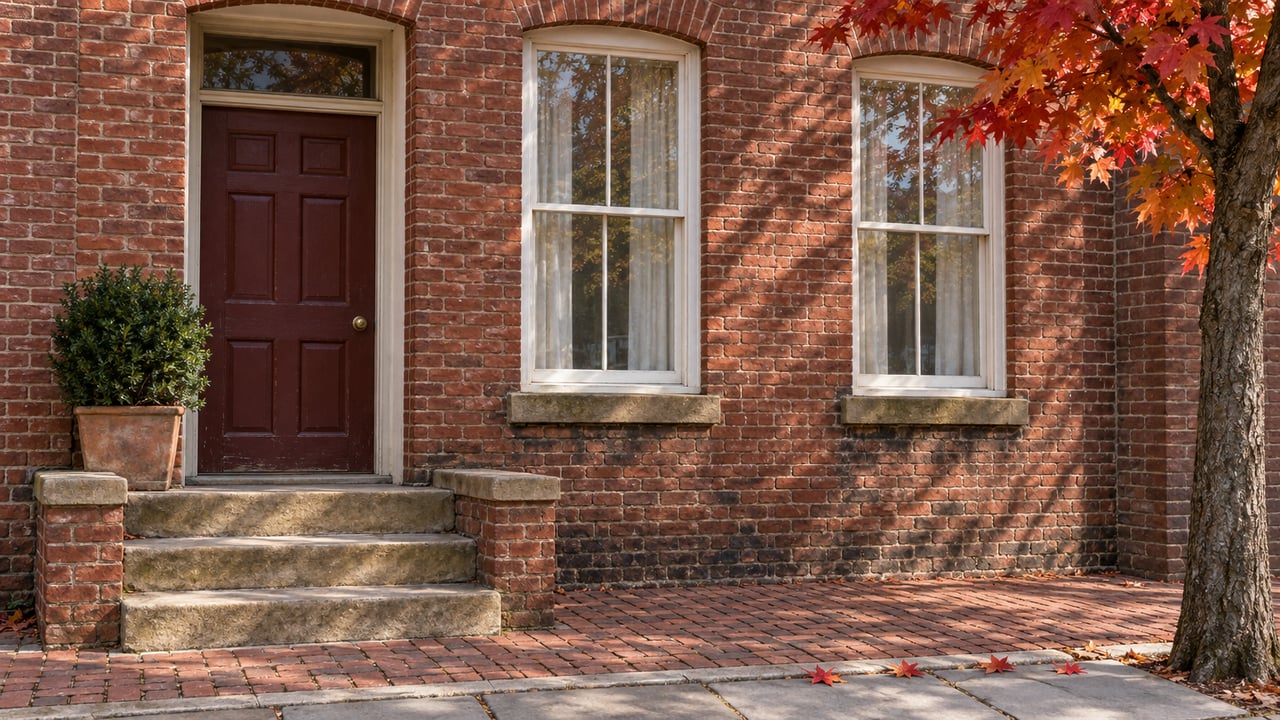
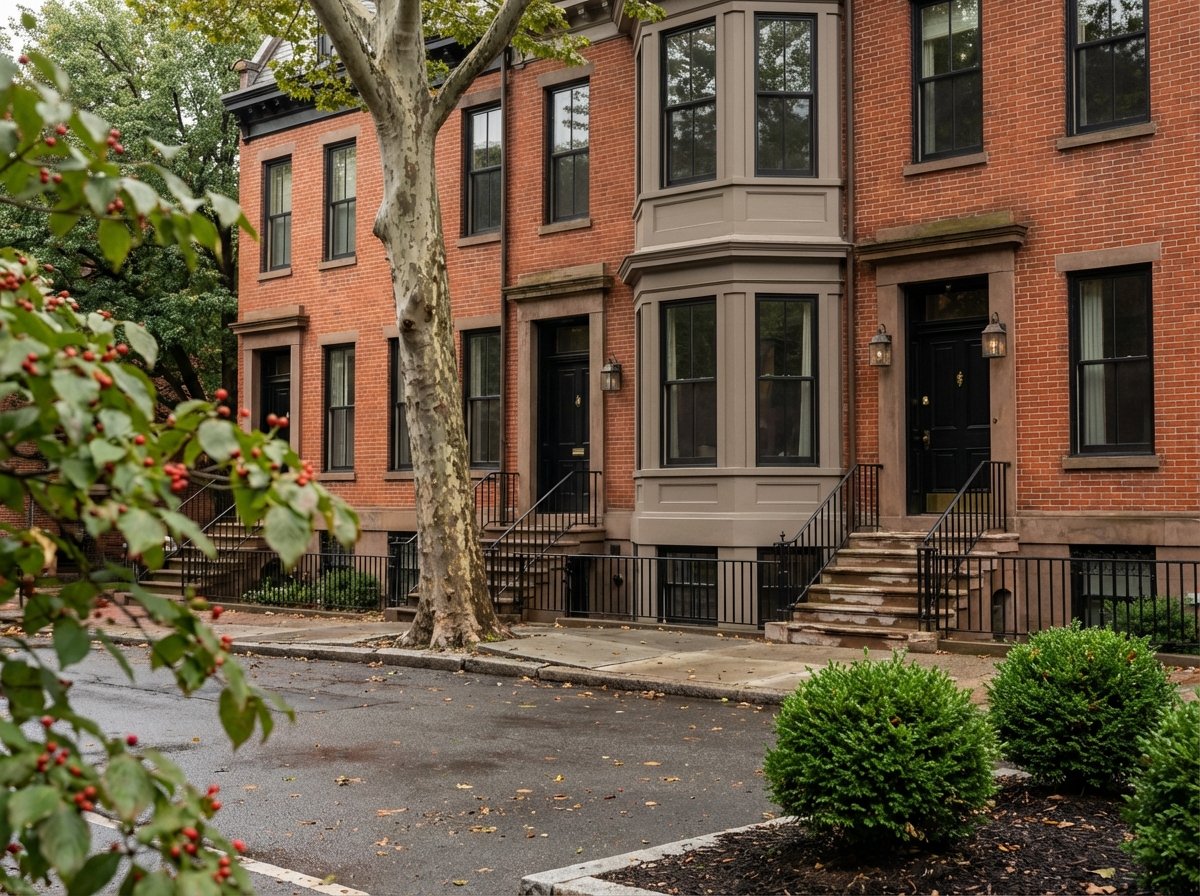
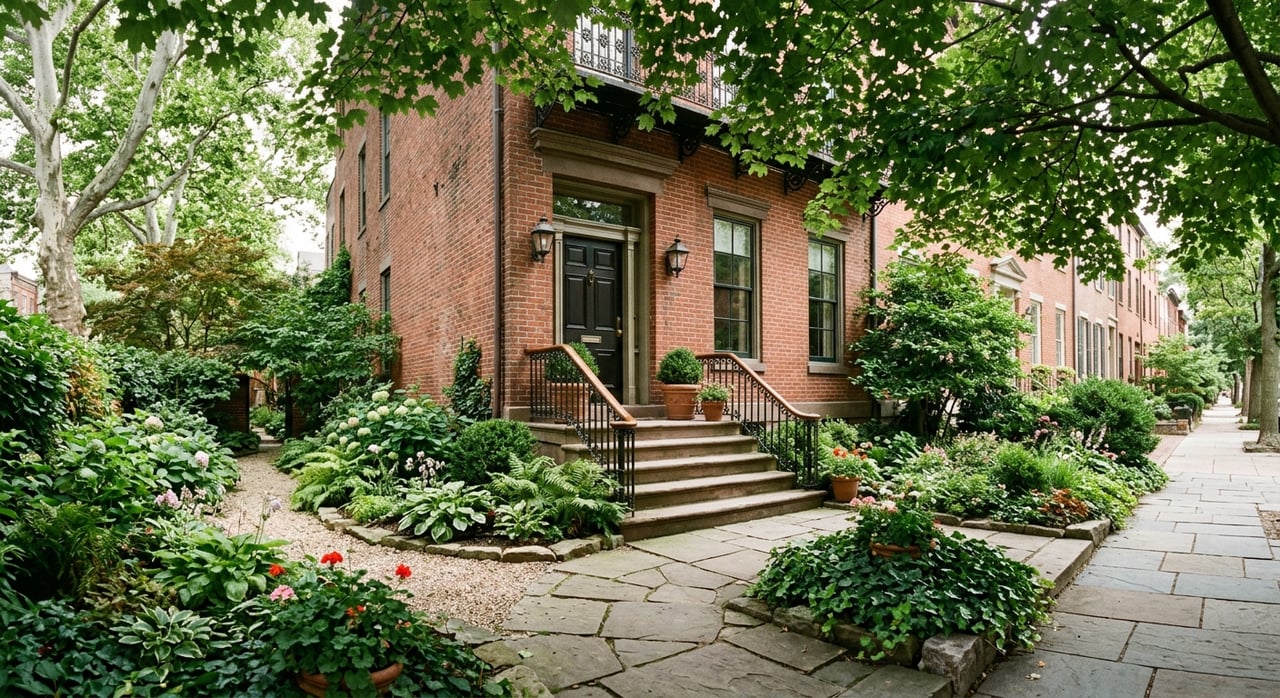
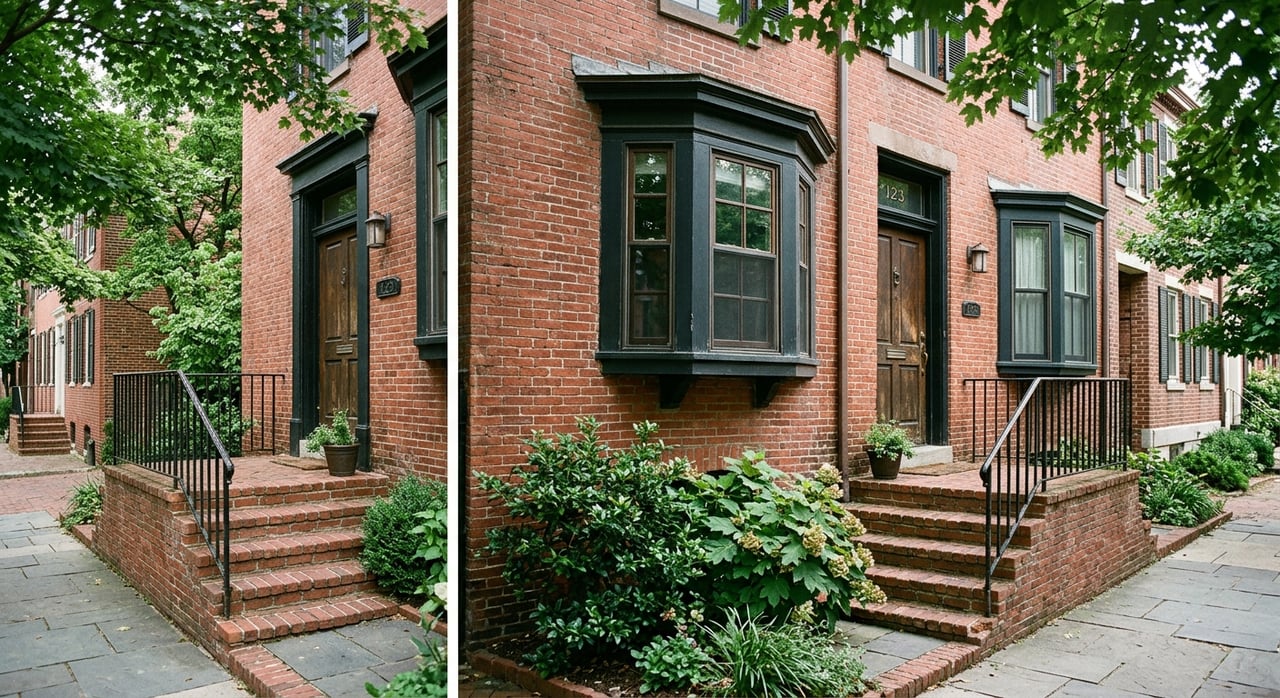
Kalorama is often discussed as two adjacent historic districts: Kalorama Triangle and Sheridan-Kalorama. District documentation describes Kalorama Triangle as a stable residential area with rowhouses and apartment buildings, while Sheridan-Kalorama includes embassies, mansions, apartment buildings, and notable topographic boundaries.
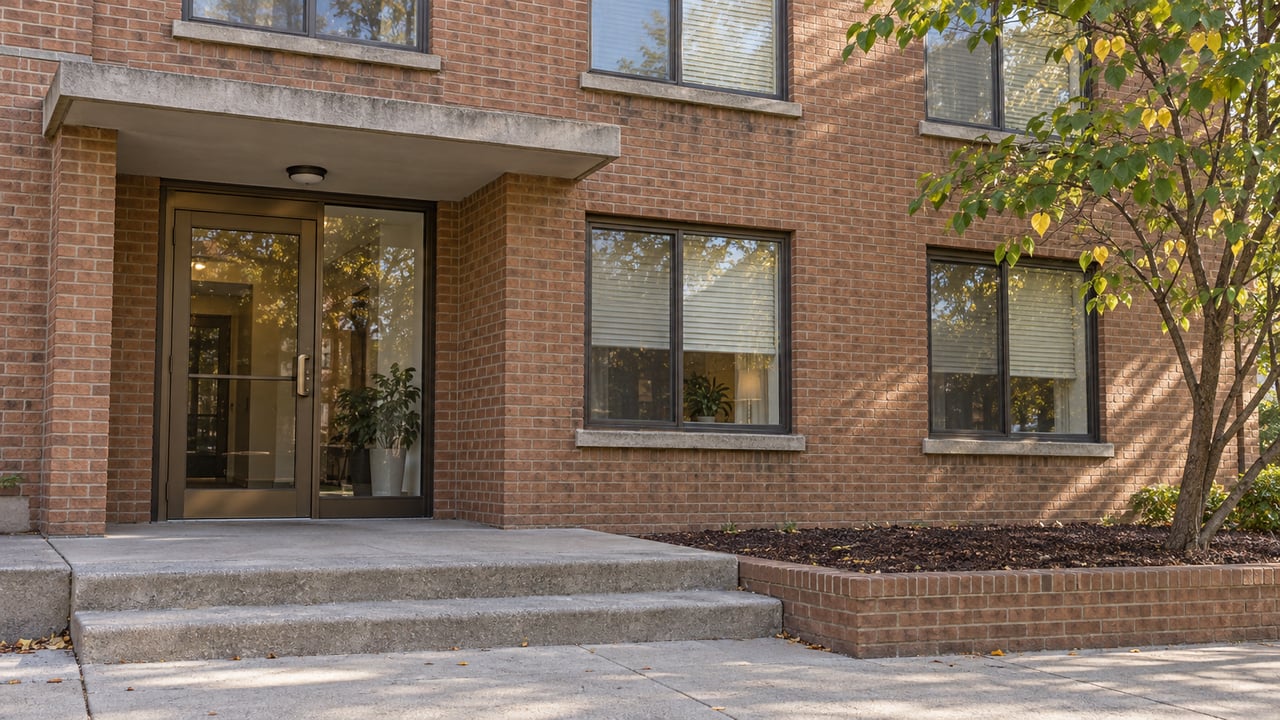
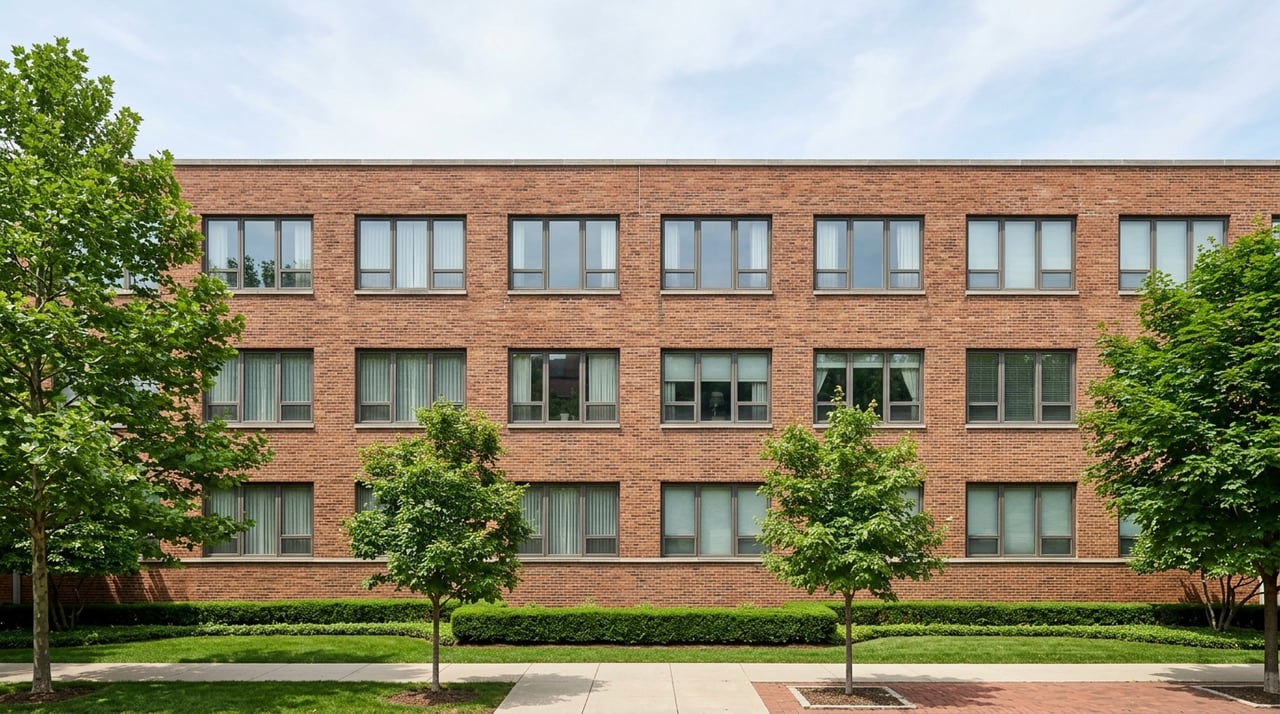
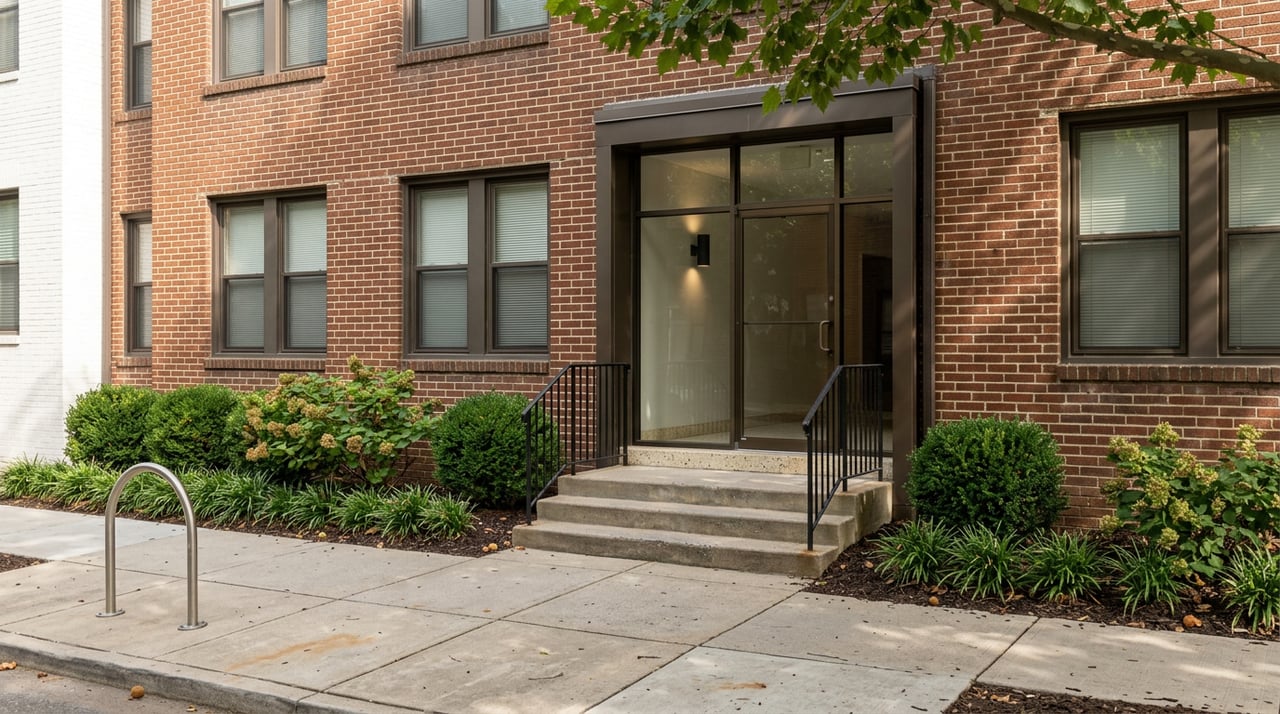
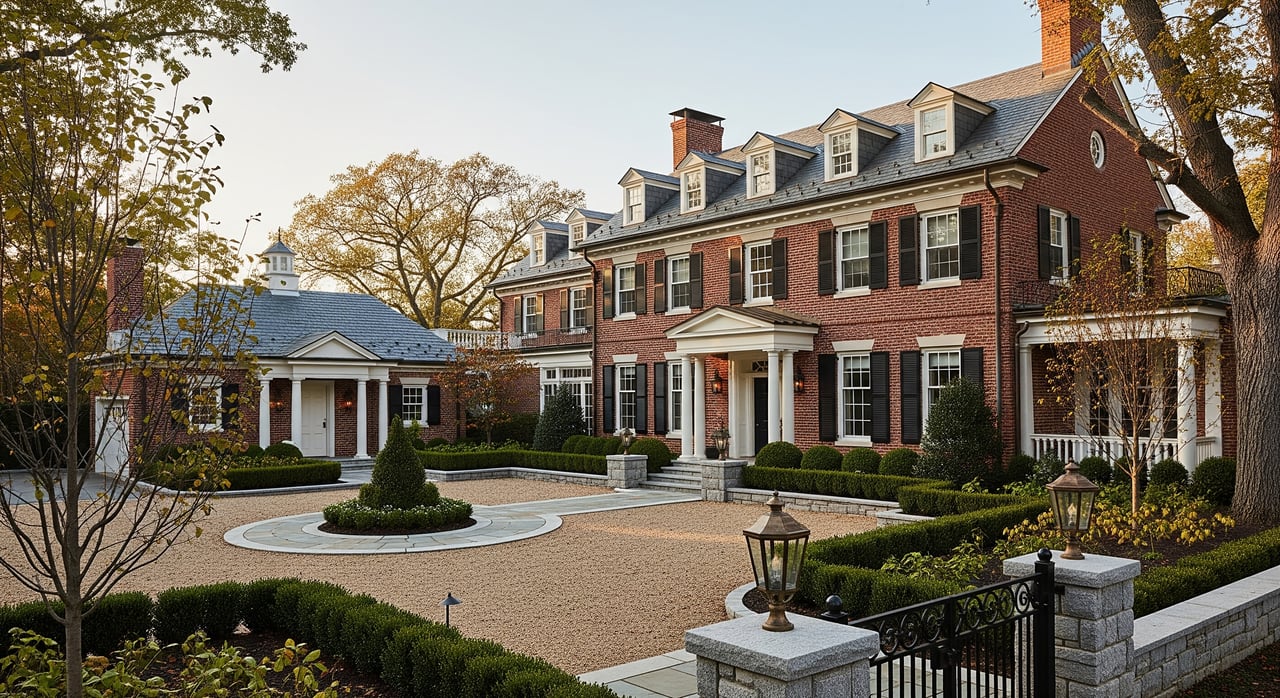
For you as a downsizer, that matters because Kalorama is not a one-note condo market. It is a historic residential landscape with low- to mid-rise buildings where the setting and the architecture are part of the value. The neighborhood is also widely described as quieter than more retail-heavy parts of Northwest D.C., which can appeal if you want a calmer daily pace.
What the housing stock feels like
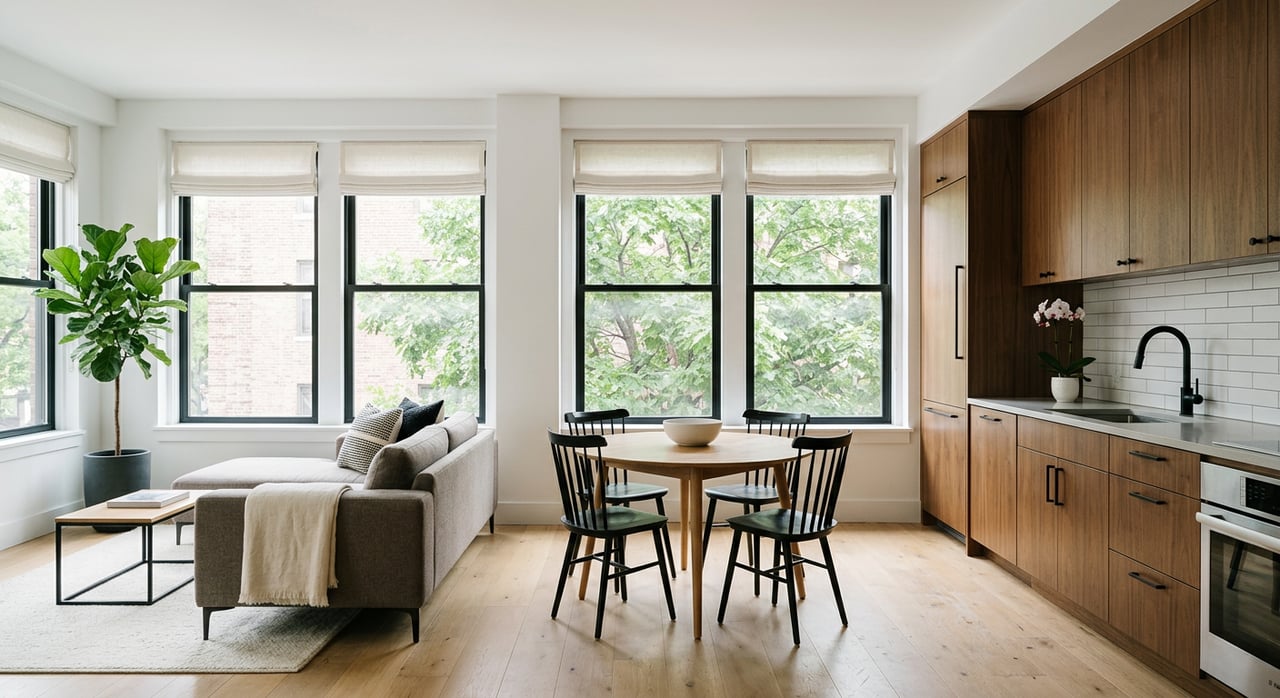
One of Kalorama’s strengths is variety within a compact footprint. You can find smaller one-bedroom homes that work well as a full-time residence or pied-à-terre, but you can also find larger one-bedroom-plus-den and two-bedroom layouts if you still want room for guests, work, or storage.
Recent examples in Sheridan-Kalorama and the immediate area include one-bedroom sales around 580, 607, 625, and 665 square feet. Larger examples include a 904-square-foot penthouse at the Altamont and Wyoming residences ranging from 961 square feet to about 1,960 square feet for a two-bedroom, two-bath home.
That range is important if you are trying to right-size rather than simply go as small as possible. In Kalorama, downsizing can mean choosing a more efficient layout in a building with lasting character, not just moving into a generic compact unit.
Character-rich buildings set Kalorama apart
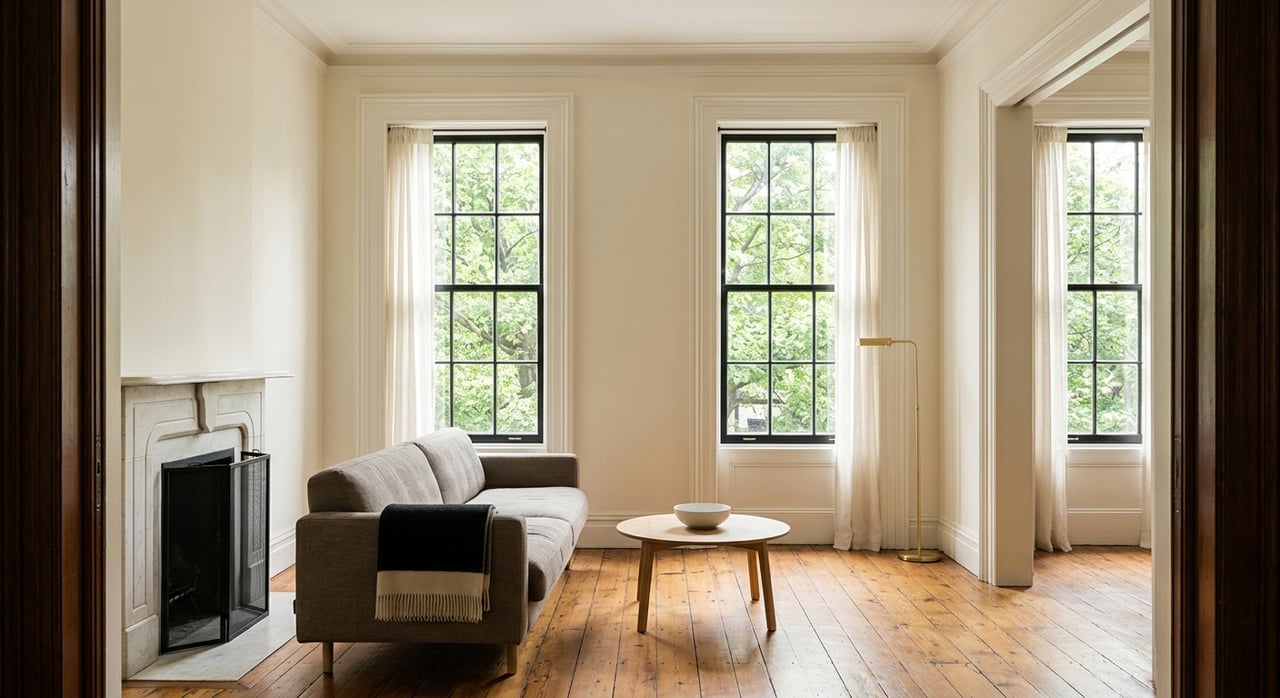
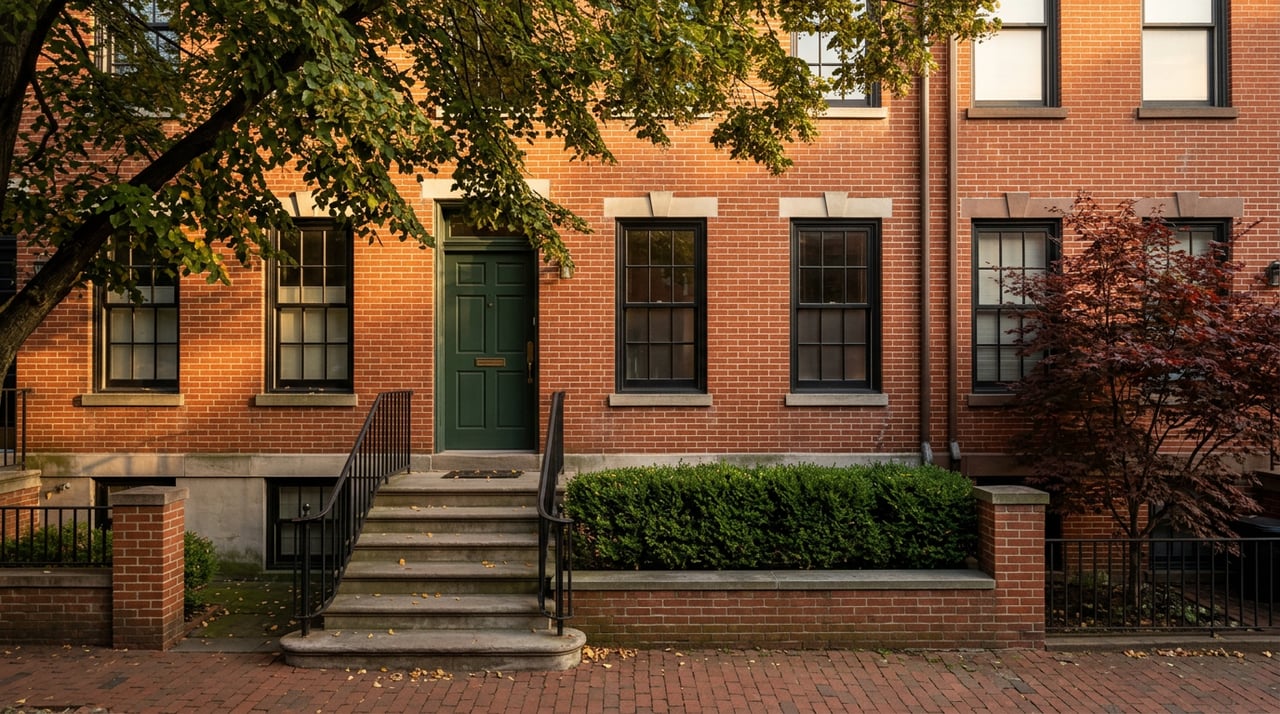
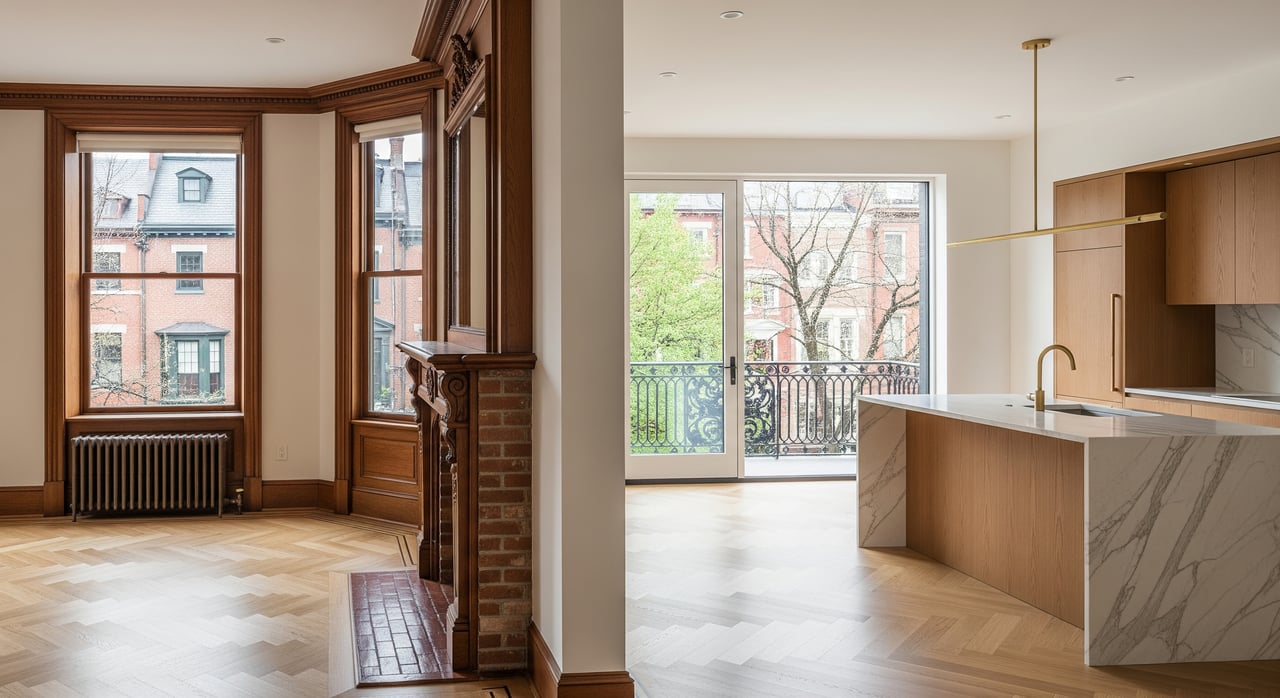
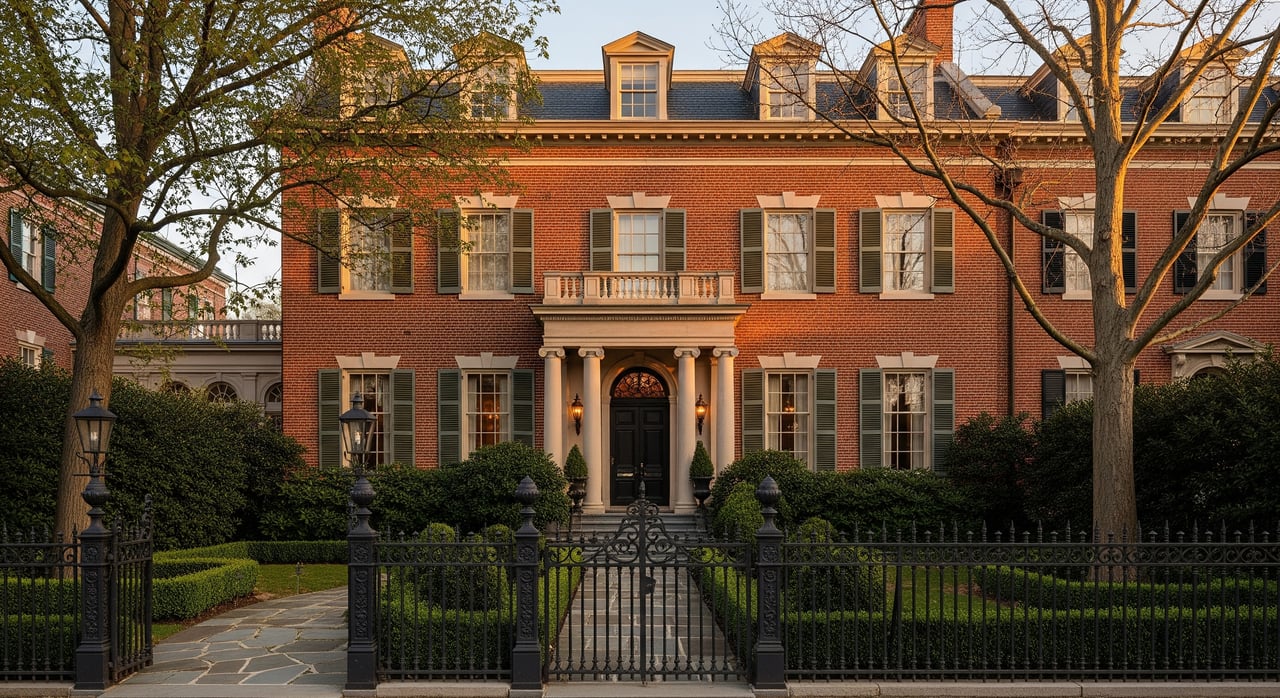
Kalorama’s smaller homes often come with a level of architectural identity that can make them feel more substantial than the square footage suggests. That is a major reason the neighborhood stands out for buyers who care about design and setting.
Examples from the area include the Altamont, a Beaux-Arts co-op designed by Arthur Heaton, and the Wyoming, described as a landmark Beaux-Arts condominium with a monumental entrance pavilion. Copley Plaza, nearby in Dupont Circle, is a 1916 Wardman co-op, while Dupont West is a 1980 condo that emphasizes spacious units and urban convenience.
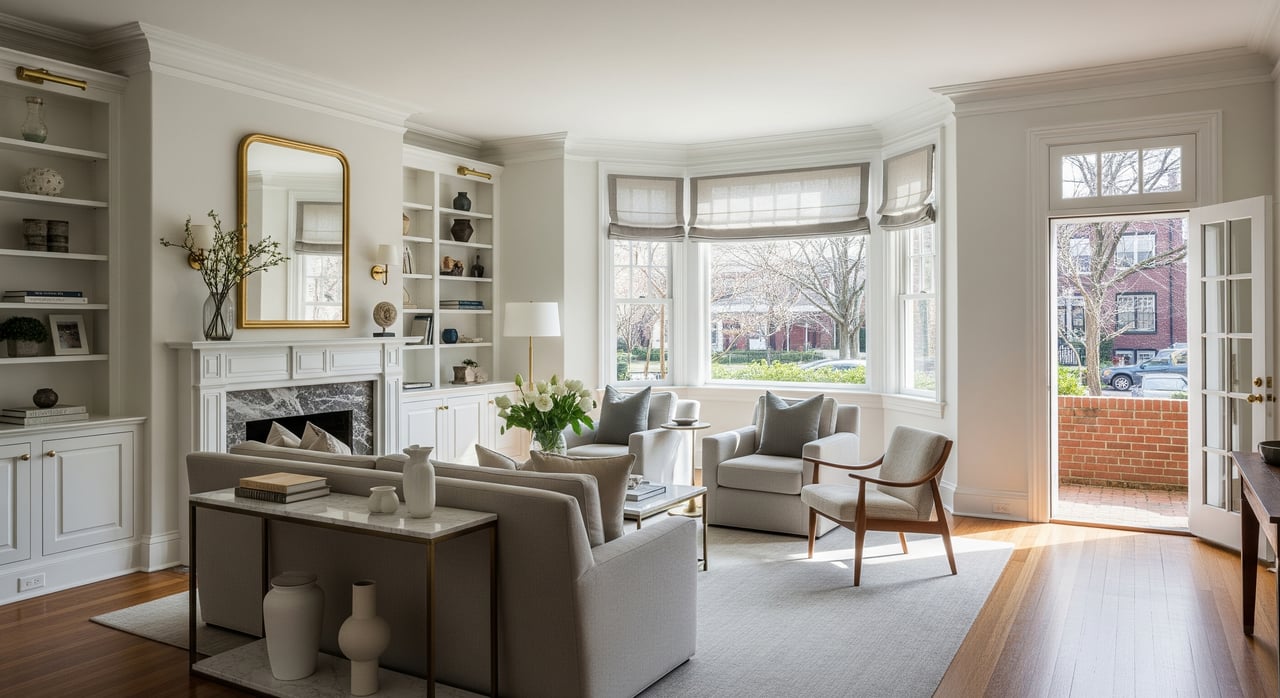
If you are leaving a larger house, this can help soften the transition. Original detailing, gracious common areas, and more substantial building materials can make a smaller residence feel intentional and elevated.
Building services can change the equation
When you compare condos and co-ops in Kalorama, look beyond the unit itself. Building services can play a big role in daily comfort, especially if you want fewer household responsibilities.
At the Altamont, features include a 24-hour front desk, a historic reception room, a roof terrace, extra storage, and concierge-style services. The Wyoming offers a 24-hour concierge, an arts-and-crafts room, a bike room, extra storage, and a roof deck.
For some downsizers, those features replace tasks and expenses they once handled on their own. Front desk coverage, managed common areas, and included storage can add convenience that is hard to measure by square footage alone.
Condo versus co-op in Kalorama
This is one of the most important distinctions to understand early. In practical terms, condos and co-ops can differ in monthly costs, approval processes, and house rules.
The Altamont is a co-op, while the Wyoming is a condominium. Copley Plaza is also a co-op, and nearby Newport is a condominium. Those categories alone do not tell you everything, but they should prompt closer review of each building’s financial structure and rules.
For example, the Altamont notes that the board will consider leasing only after two years of ownership, prefers 10 percent down, caps pet weight at 35 pounds, and has parking on a wait list. That is a good reminder that building-specific rules can matter just as much as the floor plan.
Monthly fees deserve a closer look
If you are downsizing from a house, the monthly fee may seem high at first glance. But in Kalorama and nearby buildings, those fees often include expenses you might otherwise pay separately.
At the Altamont, a listed monthly fee of $743 includes electricity, heat, management, reserve funds, sewer, snow removal, taxes, trash, and water. Copley Plaza’s co-op fee includes all utilities, high-speed internet, and property taxes. Newport’s $722.11 condo fee includes front desk services, building insurance, reserves, maintenance, and all utilities.
By contrast, a smaller Kalorama-area condo at 2010 Kalorama Road carried a $395 monthly HOA, while a two-bedroom example at the Wyoming had an $861 monthly condo fee. The lesson is simple: do not compare fees by number alone. Compare what is actually included, because that is what shapes your real carrying cost.
Read the house rules early
In Kalorama, building rules can affect whether a home truly fits your lifestyle. This is especially important if you expect to travel often, keep a pet, rent the unit later, or need parking.
Some buildings are more flexible, while others are more structured. Newport, for example, is marketed as pet-friendly. At the Altamont, parking is on a wait list and pet size is limited.
If you are buying a pied-à-terre or planning for future flexibility, ask for the rules as early as possible. It is better to sort out leasing, pets, and parking before you become attached to a specific unit.
Historic status affects renovations
Kalorama’s historic setting is part of its appeal, but it can also shape what you can change. If you are used to making exterior updates on your own timeline, this is worth understanding upfront.
According to the District’s Historic Preservation Office, exterior work that requires a building permit also requires historic preservation review. The city’s design-guideline framework governs alterations to historic properties.
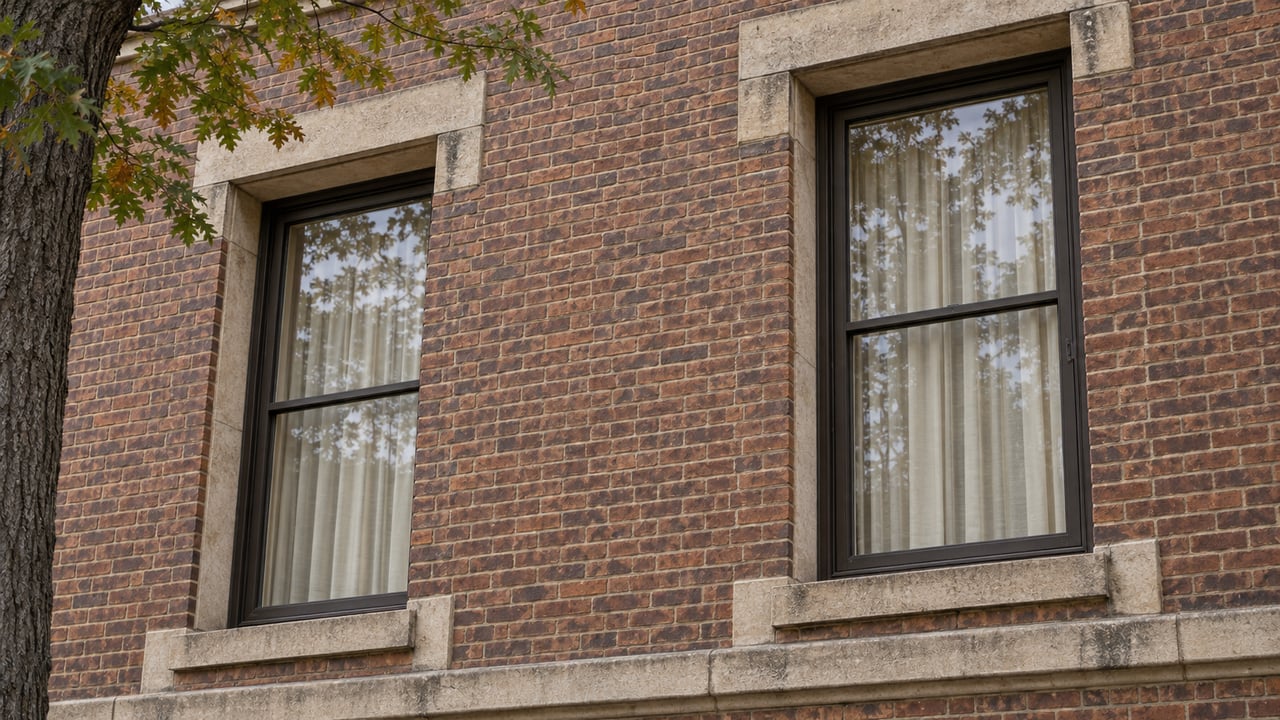
For you, that means visible exterior changes such as windows, roof work, or similar updates may involve less flexibility than they would in a newer building. Interior projects are a separate question, but exterior scope should always be reviewed carefully in advance.
Kalorama versus Dupont Circle
Many downsizers compare Kalorama with Dupont Circle because both offer central Northwest D.C. locations and a mix of condos and co-ops. The difference often comes down to pace and setting.
Dupont Circle is widely described as lively and cosmopolitan, with bistros, bars, boutiques, museums, the 17th Street corridor, Embassy Row, and the Sunday farmers’ market. It also shows a more visibly active condo and co-op market, with Redfin reporting a median sale price of about $540,000 and average days on market of 54 in the three months ending May 2026.
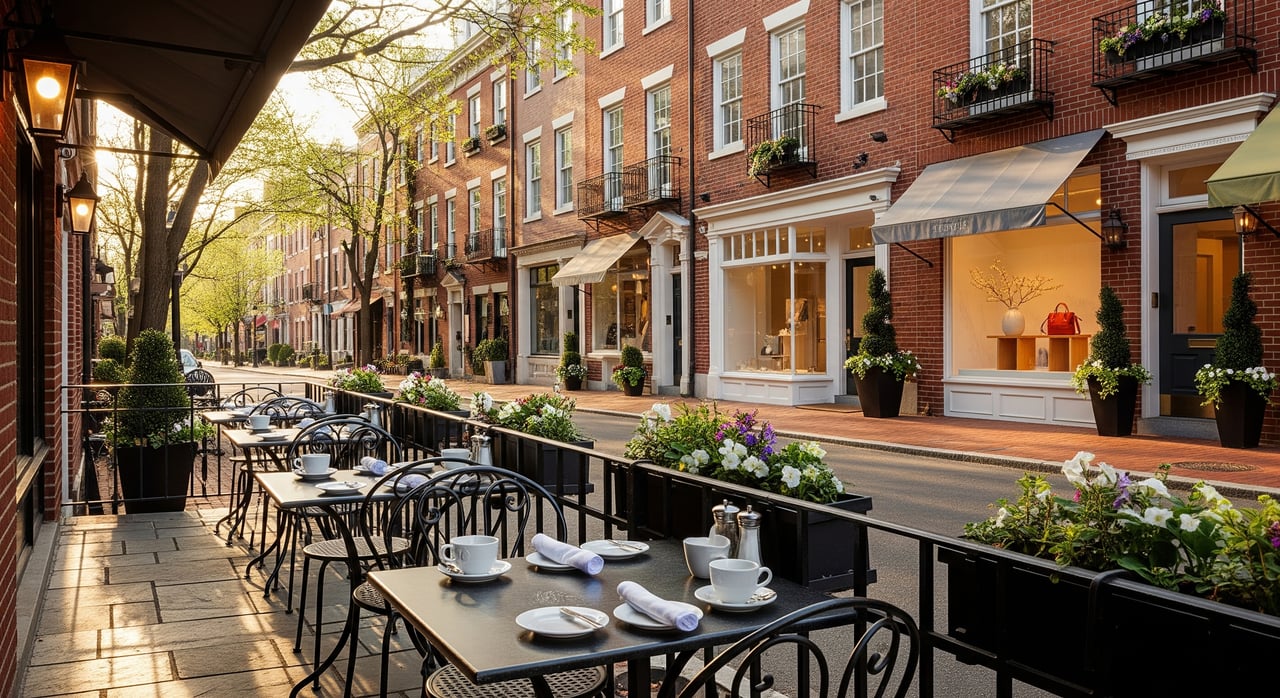
Kalorama presents a different feel. Its appeal leans more toward quieter streets, embassy-adjacent blocks, historic apartment buildings, and a more secluded residential atmosphere. If you want immediate retail energy and heavier transit-driven activity, Dupont may pull you in. If you want privacy, architecture, and a calmer backdrop, Kalorama may be the better fit.
A practical downsizing checklist
Before you make a move in Kalorama, focus on the details that shape everyday livability.
- Decide your real size range, not just your maximum budget
- Compare condo and co-op structures building by building
- Review what monthly fees include
- Ask about rental policies, board review, and ownership requirements
- Confirm pet policies and parking options
- Check storage availability and front desk services
- Understand whether planned exterior work would require historic review
- Compare Kalorama’s quieter setting with nearby Dupont’s busier street life
Why local guidance matters here
Kalorama can be a rewarding place to downsize, but it is rarely a plug-and-play search. The neighborhood’s building stock, ownership structures, fee inclusions, and house rules vary widely from one address to the next.
That is why careful, building-level guidance matters. A smaller home can absolutely support a simpler lifestyle, but only if the building’s rules, services, and long-term costs line up with how you plan to live.
If you are weighing a move in Kalorama or comparing it with nearby Northwest D.C. options, Jack Realty Group can help you evaluate the details with a steady, neighborhood-savvy approach.
FAQs
What makes Kalorama appealing for downsizers in Washington, DC?
- Kalorama offers a mix of historic apartment buildings, condos, and co-ops in a quieter residential setting, with smaller one-bedroom options as well as larger layouts for buyers who still want guest or work space.
What size condos and co-ops can downsizers find in Kalorama?
- Recent examples in and around Kalorama include one-bedroom homes around 580 to 665 square feet, along with larger residences such as a 904-square-foot penthouse and two-bedroom homes up to about 1,960 square feet.
What is the difference between a Kalorama condo and co-op for buyers?
- The main differences can include ownership structure, monthly fee inclusions, board oversight, leasing rules, and purchase requirements, all of which should be reviewed on a building-by-building basis.
What do monthly fees usually cover in Kalorama buildings?
- In reviewed examples, fees may include some or all utilities, taxes, management, reserve funds, building insurance, maintenance, trash, water, snow removal, internet, and front desk services.
Are pets and parking easy to find in Kalorama condos and co-ops?
- It depends on the building. Some properties are pet-friendly, while others limit pet size, and parking may be available only by wait list or under separate building rules.
Can buyers renovate historic condos or co-ops in Kalorama?
- Exterior work that requires a building permit also requires review by the District’s Historic Preservation Office, so buyers should confirm limits and approval steps before planning visible exterior changes.
How does Kalorama compare with Dupont Circle for downsizers?
- Kalorama generally offers a quieter, more private, architecture-focused setting, while Dupont Circle offers a more active, retail- and restaurant-oriented environment with a broader and more frequently traded condo and co-op market.