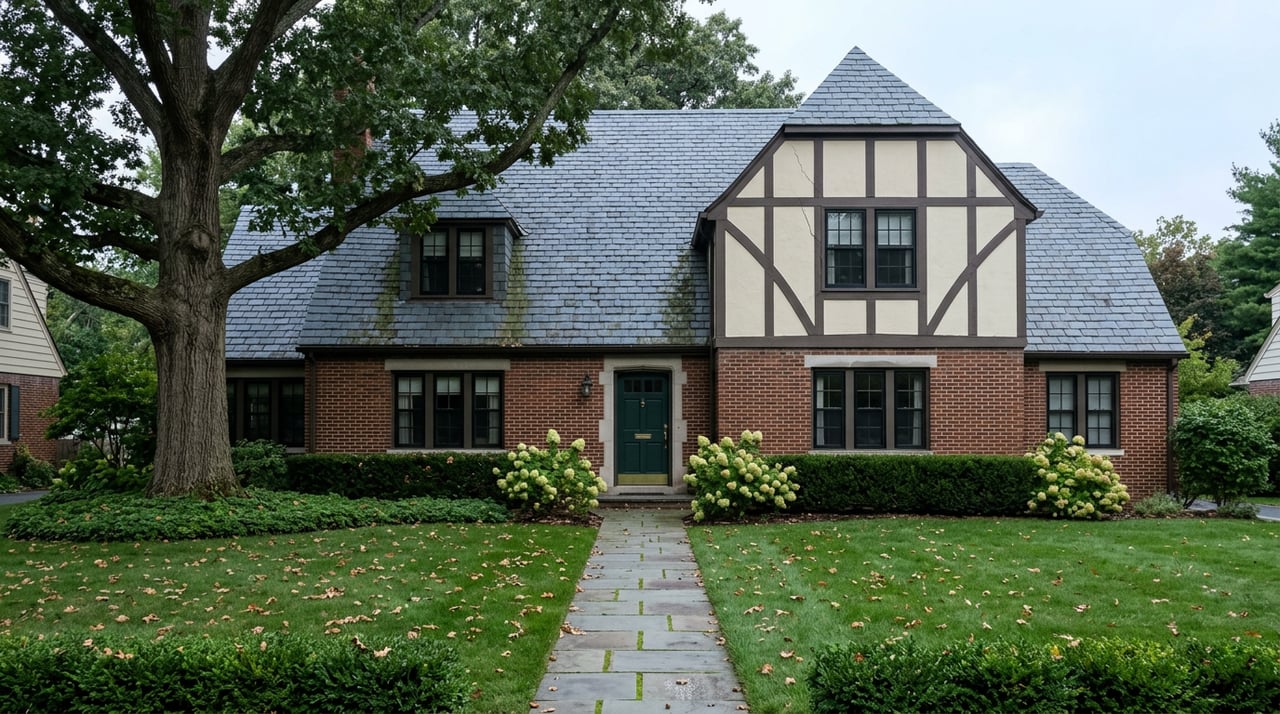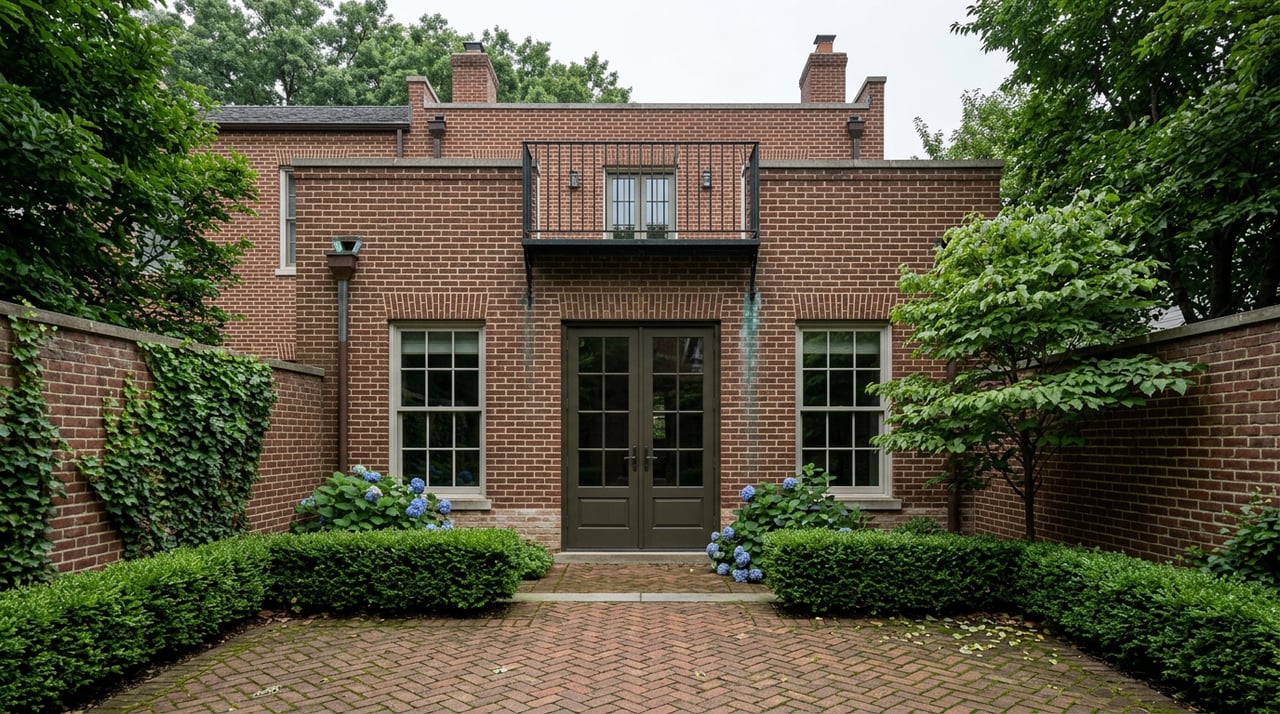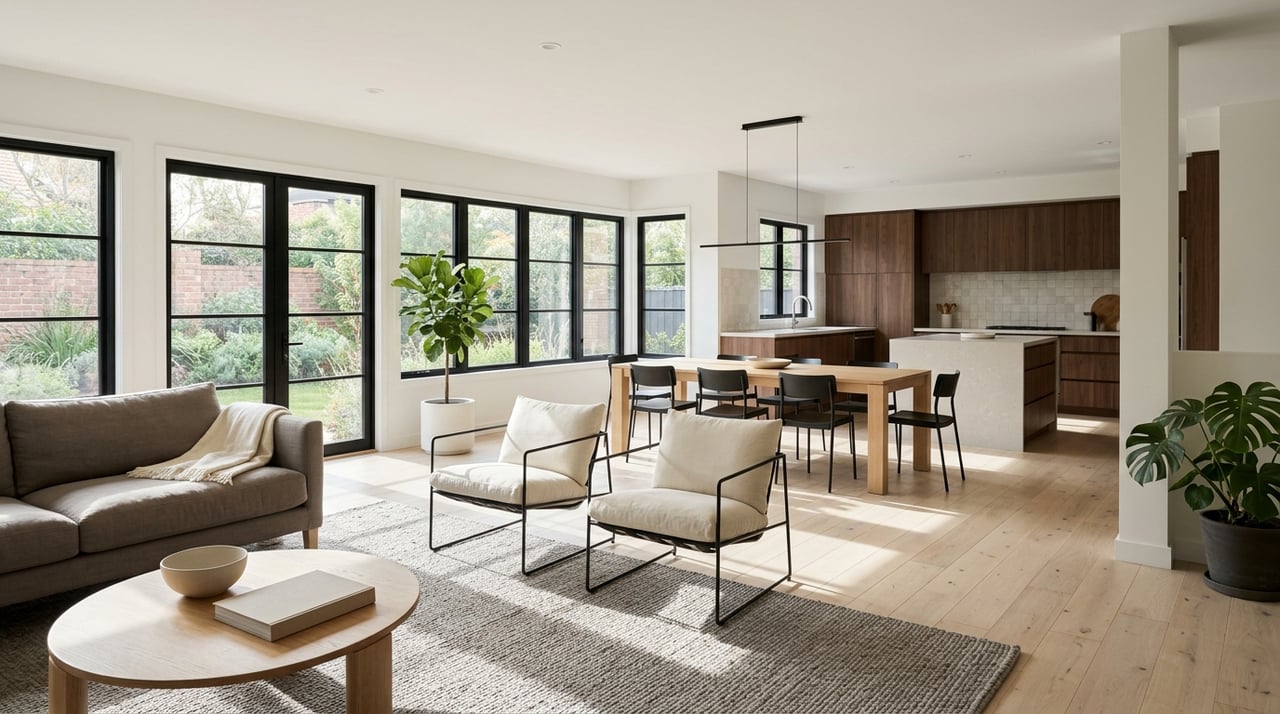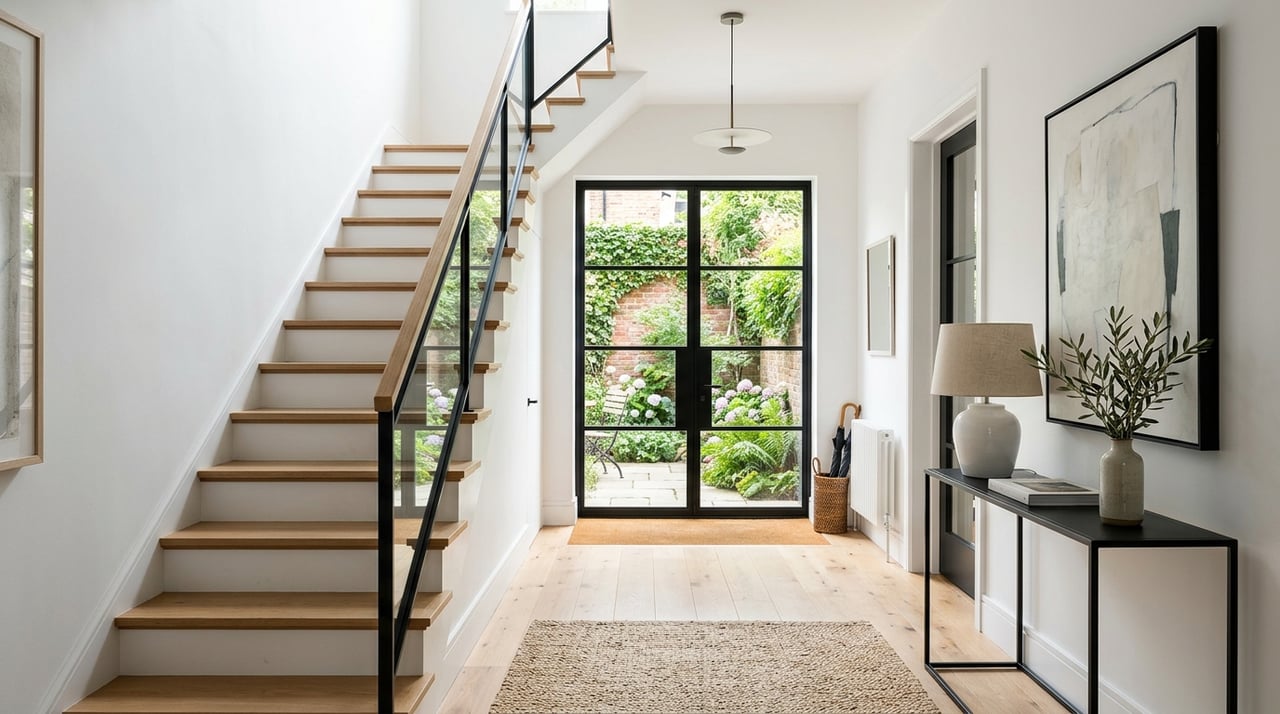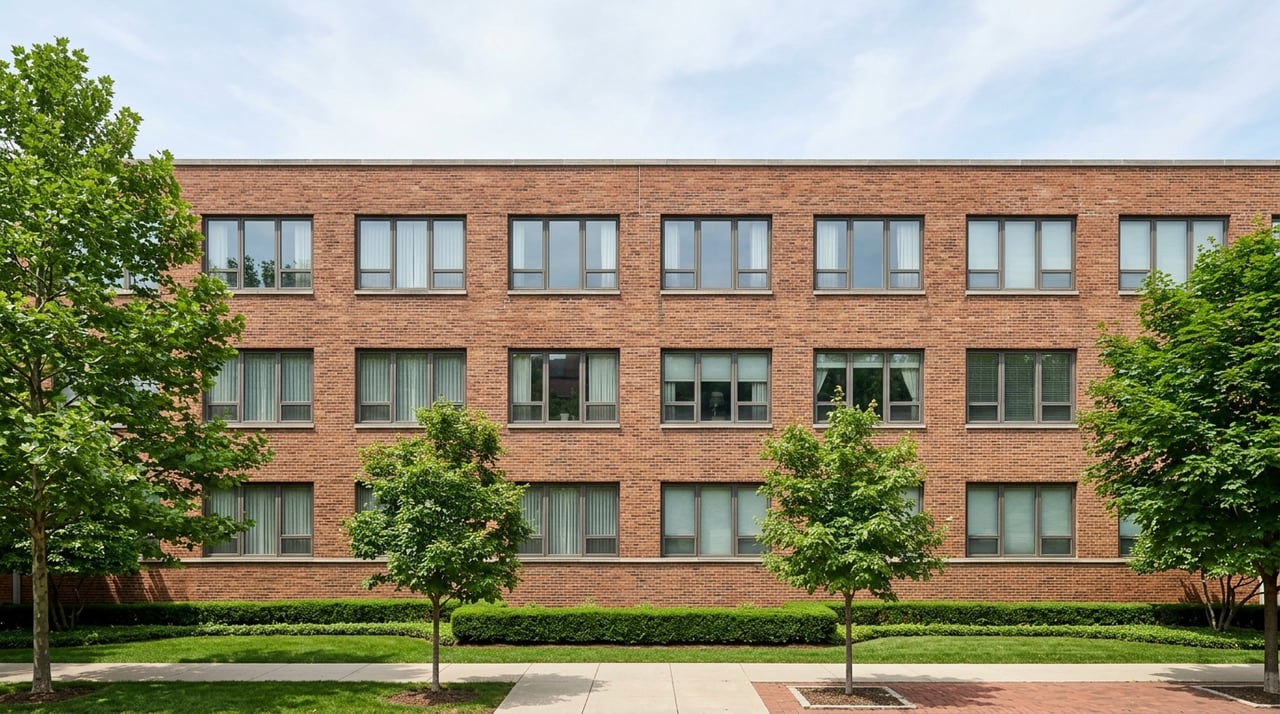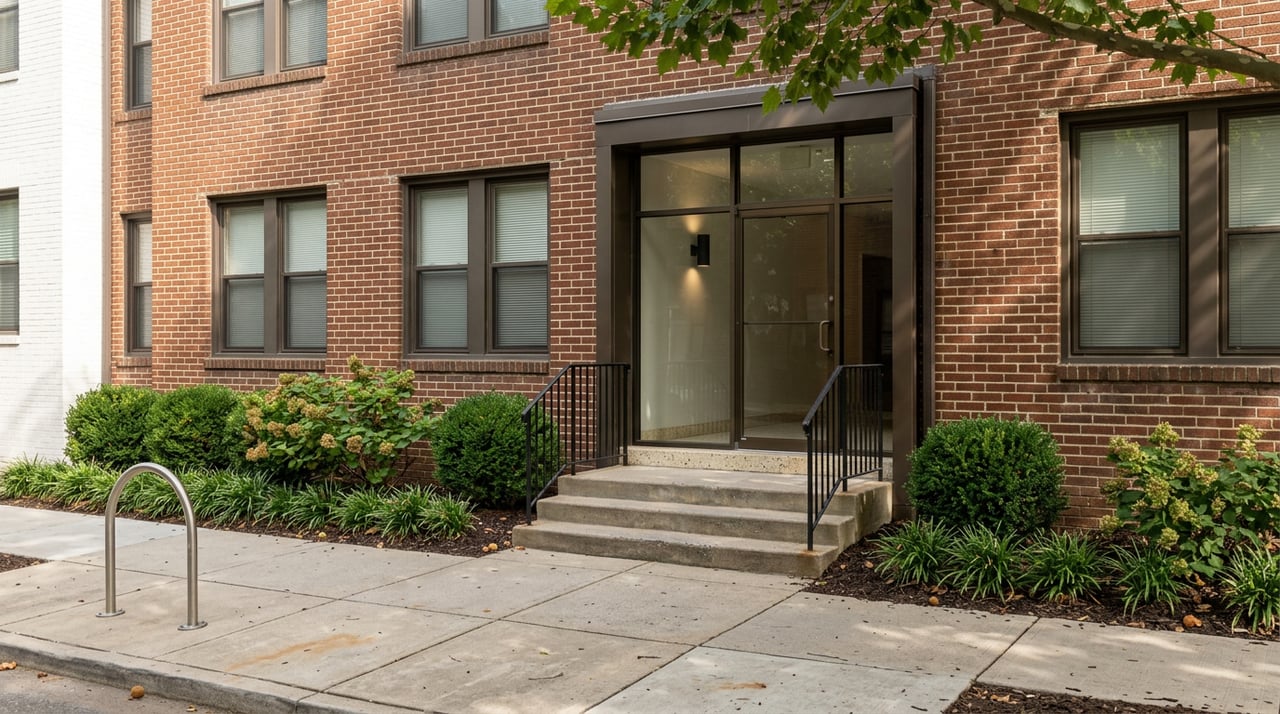
If you are thinking about renting out your Glover Park rowhome, you are not alone. Many owners in Northwest DC want to hold onto a well-located property, create income, and keep future options open, but the process can feel more complex than expected. The good news is that with the right plan, you can price the home thoughtfully, stay compliant with DC rules, and protect a valuable asset over time. Let’s dive in.
Why Glover Park rowhomes attract renters
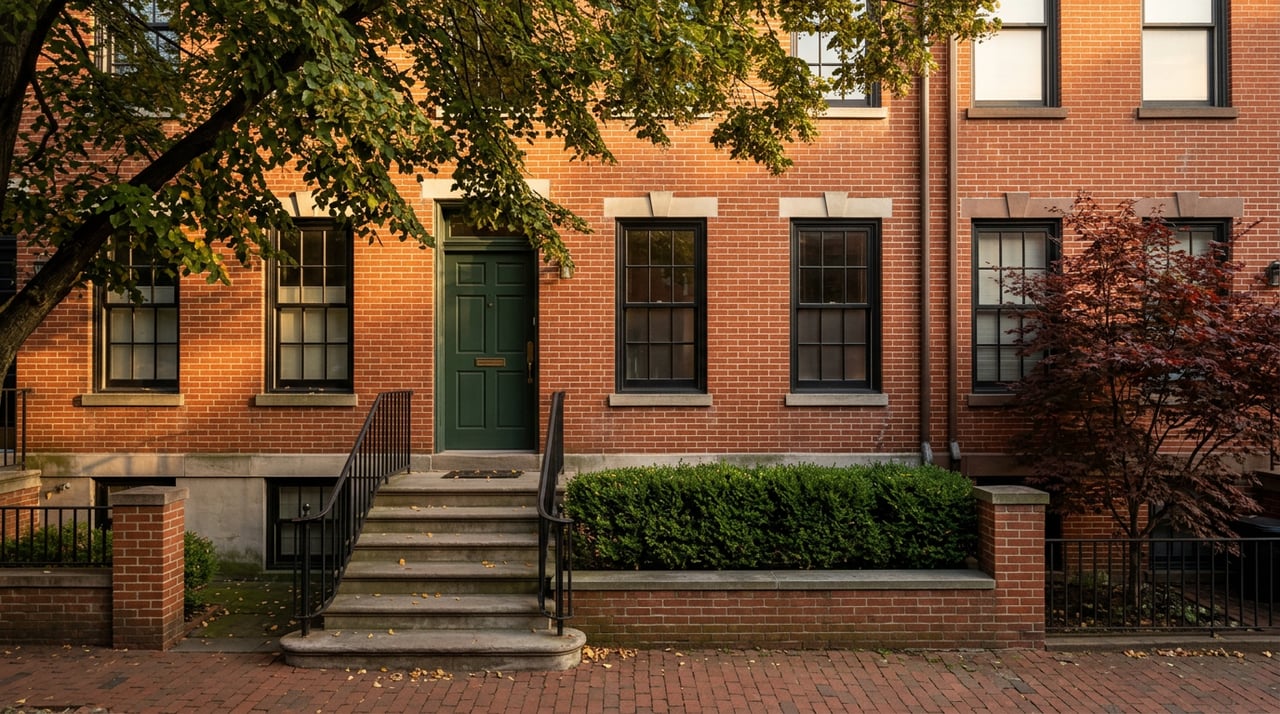
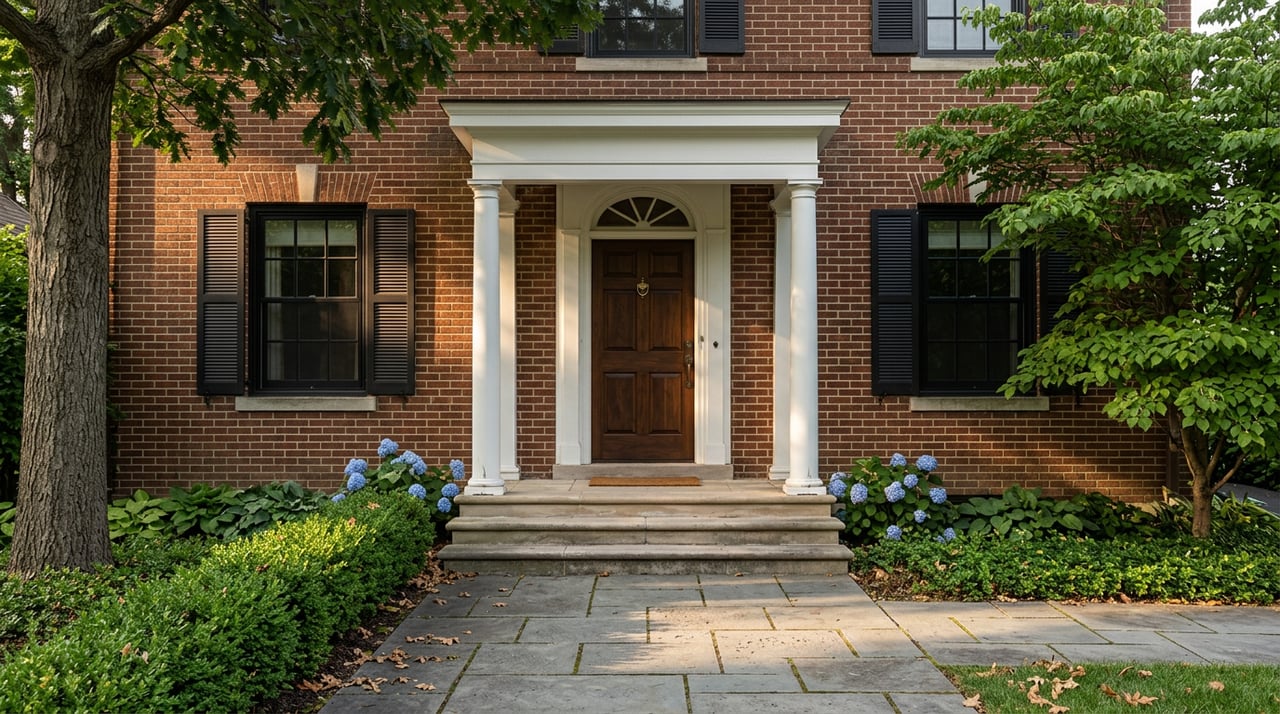
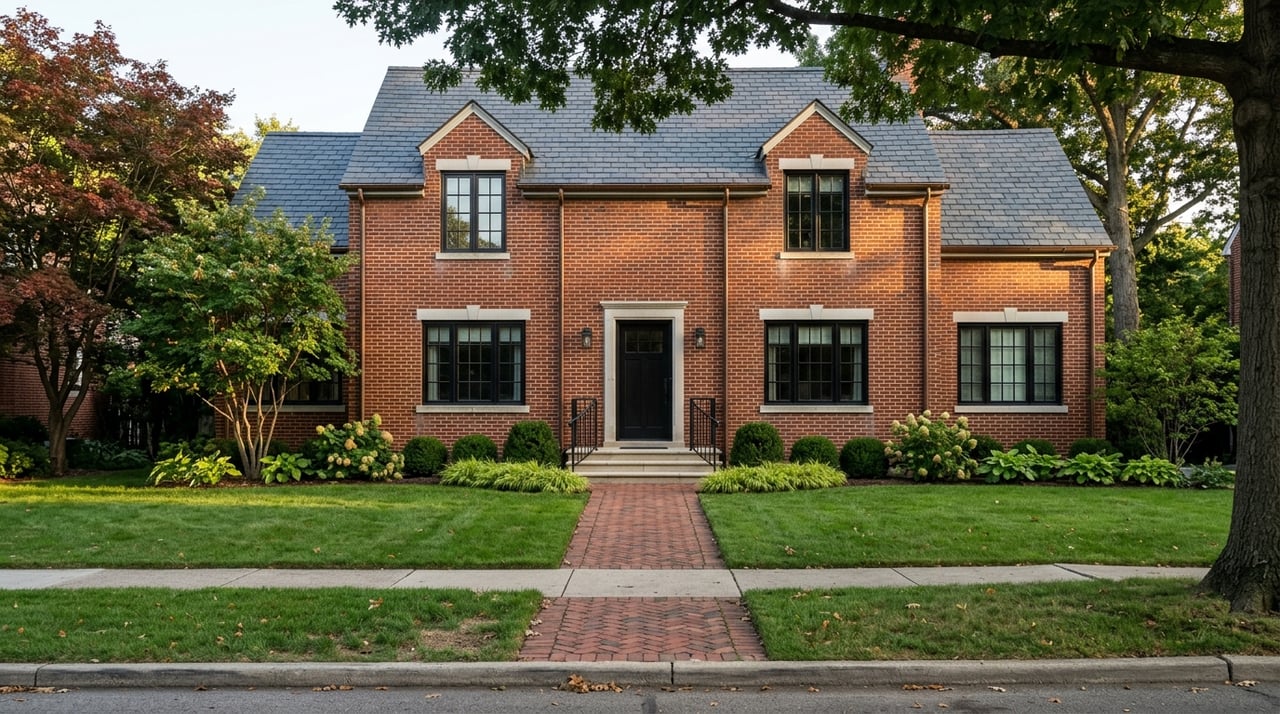
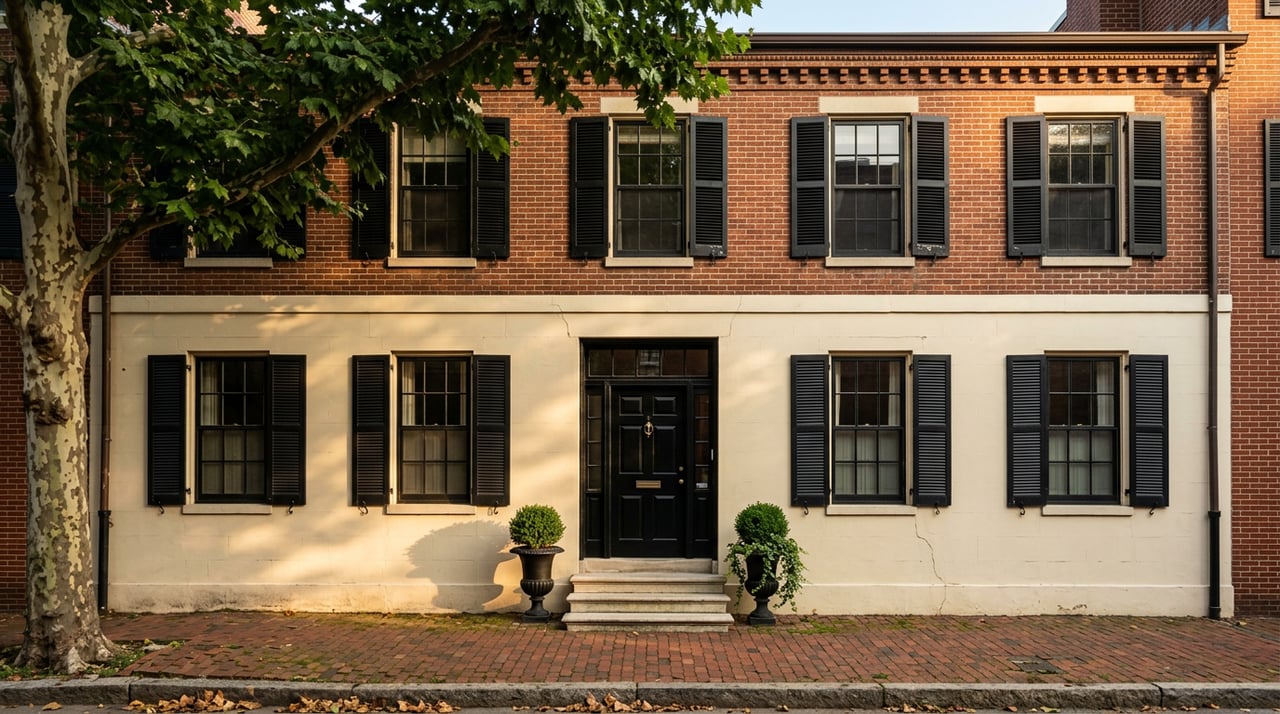
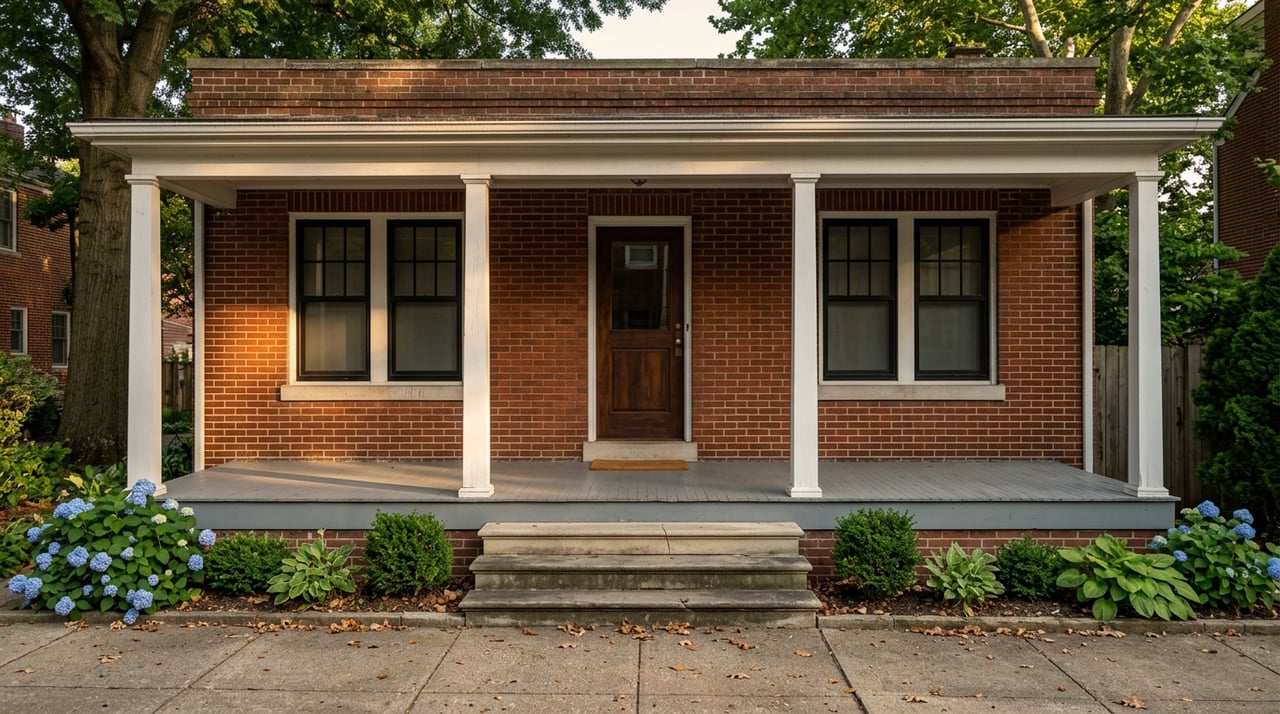
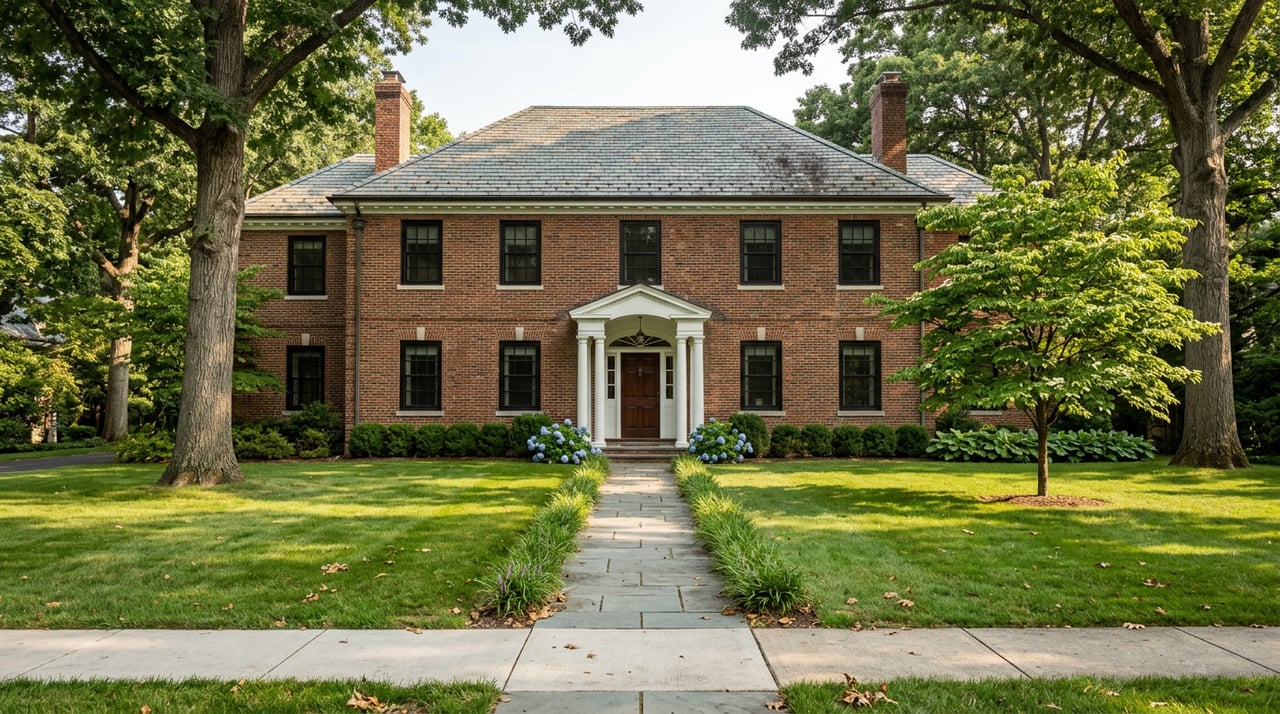
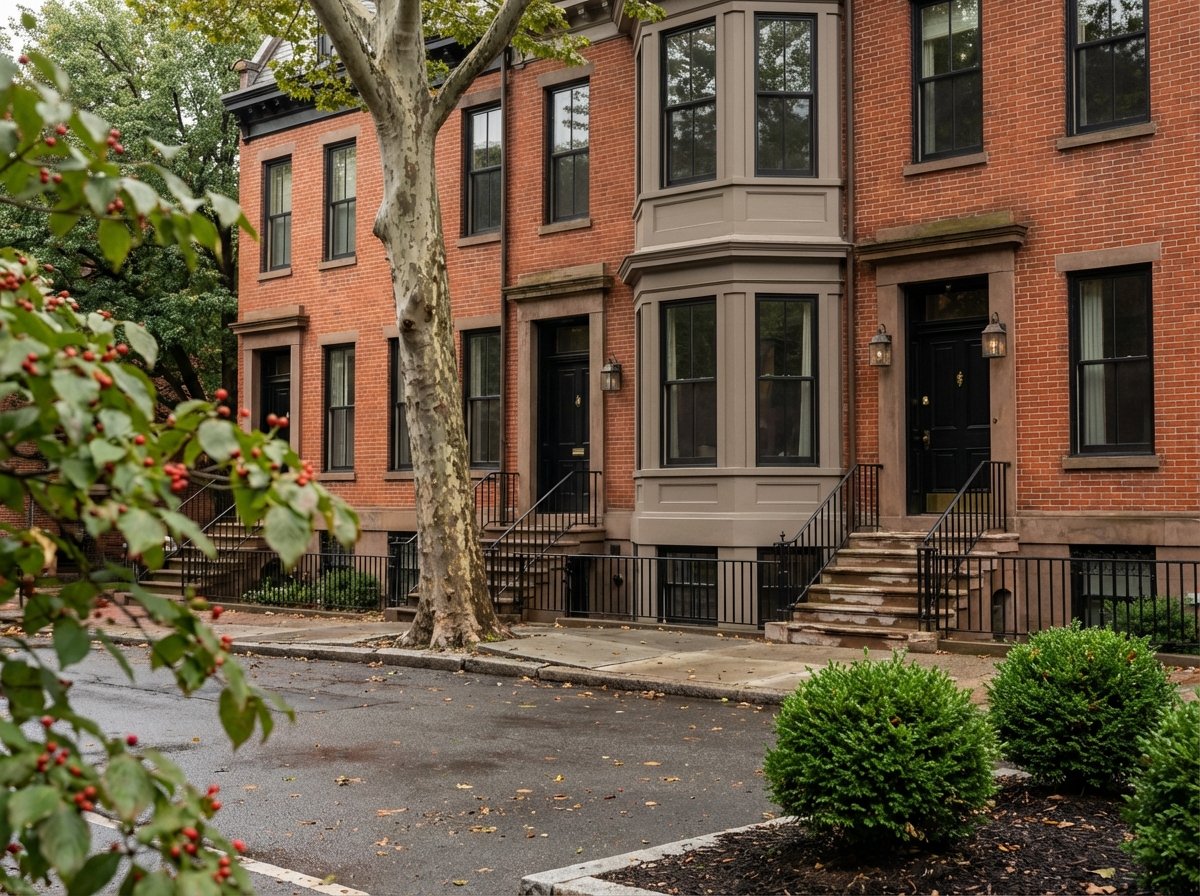
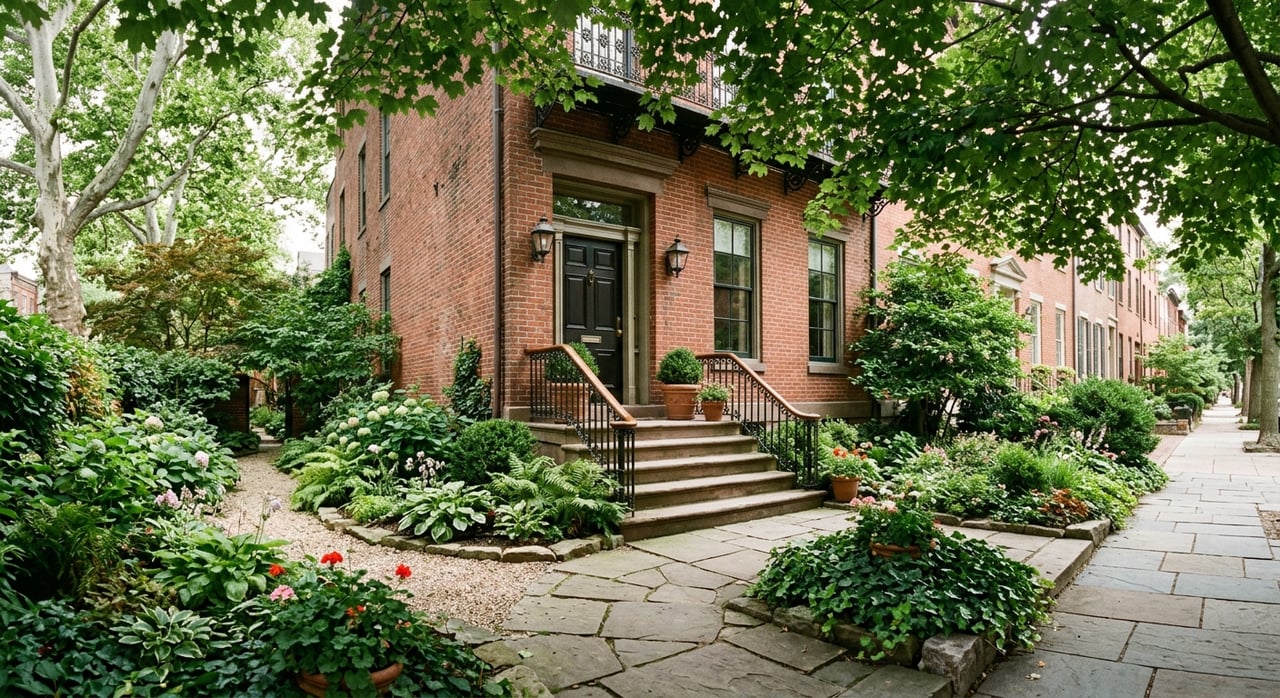
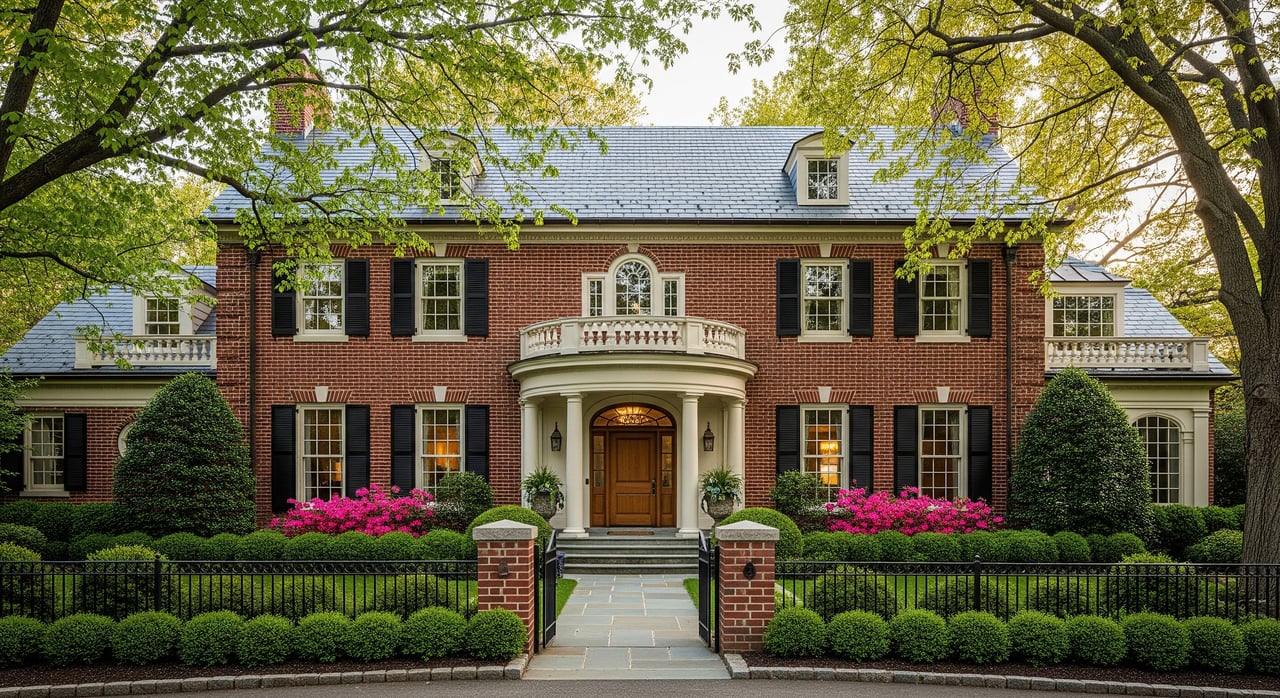
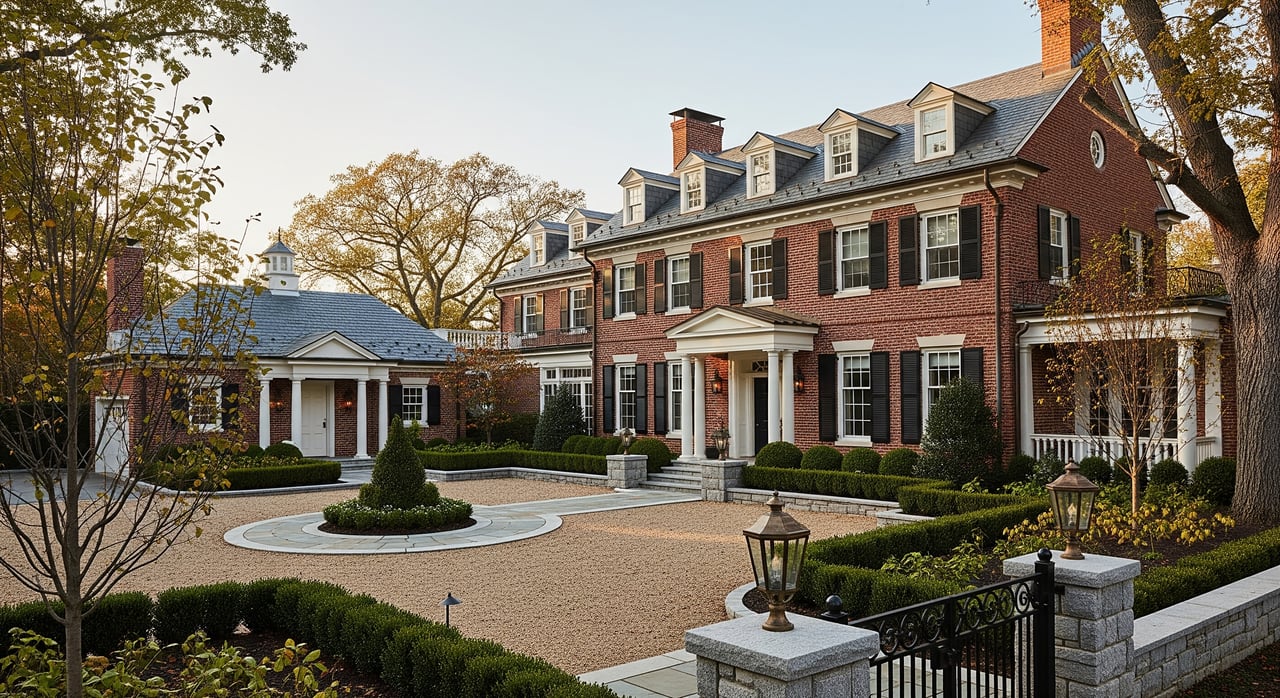
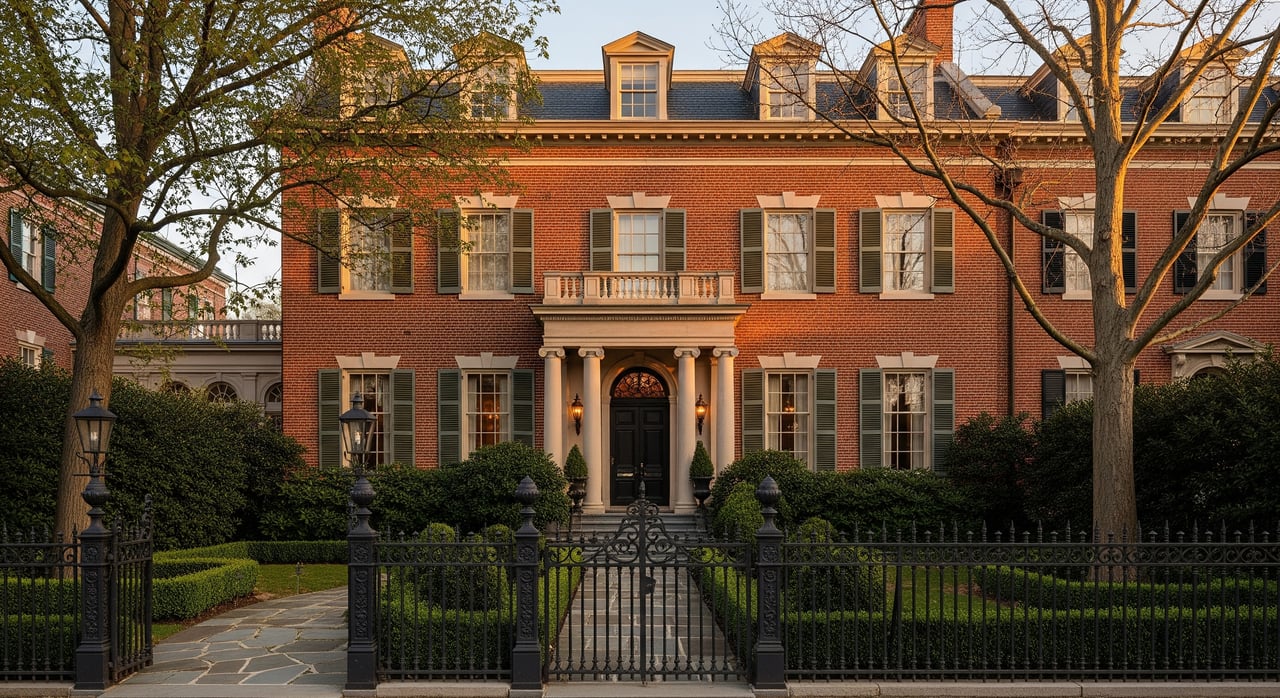
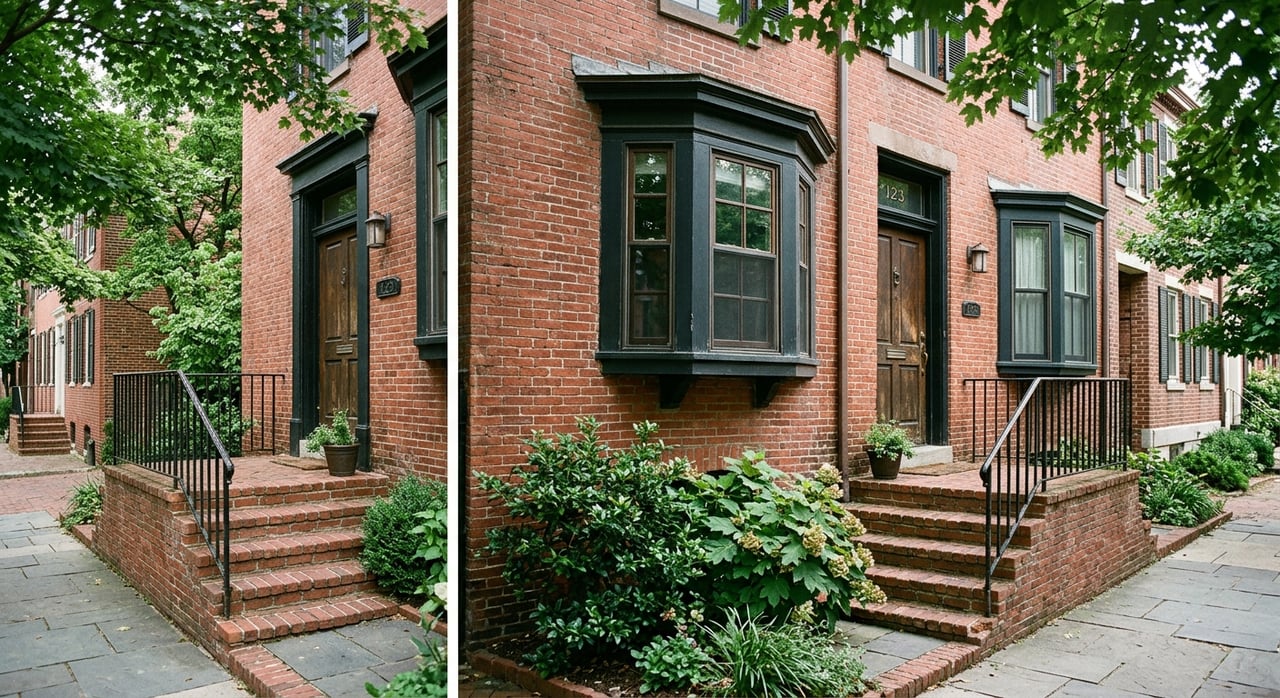
Glover Park has a distinct housing mix that matters if you are evaluating rental demand. Neighborhood data shows that 52.1% of the area’s residential real estate is made up of row houses and attached homes, and many of those homes were built no later than 1939.
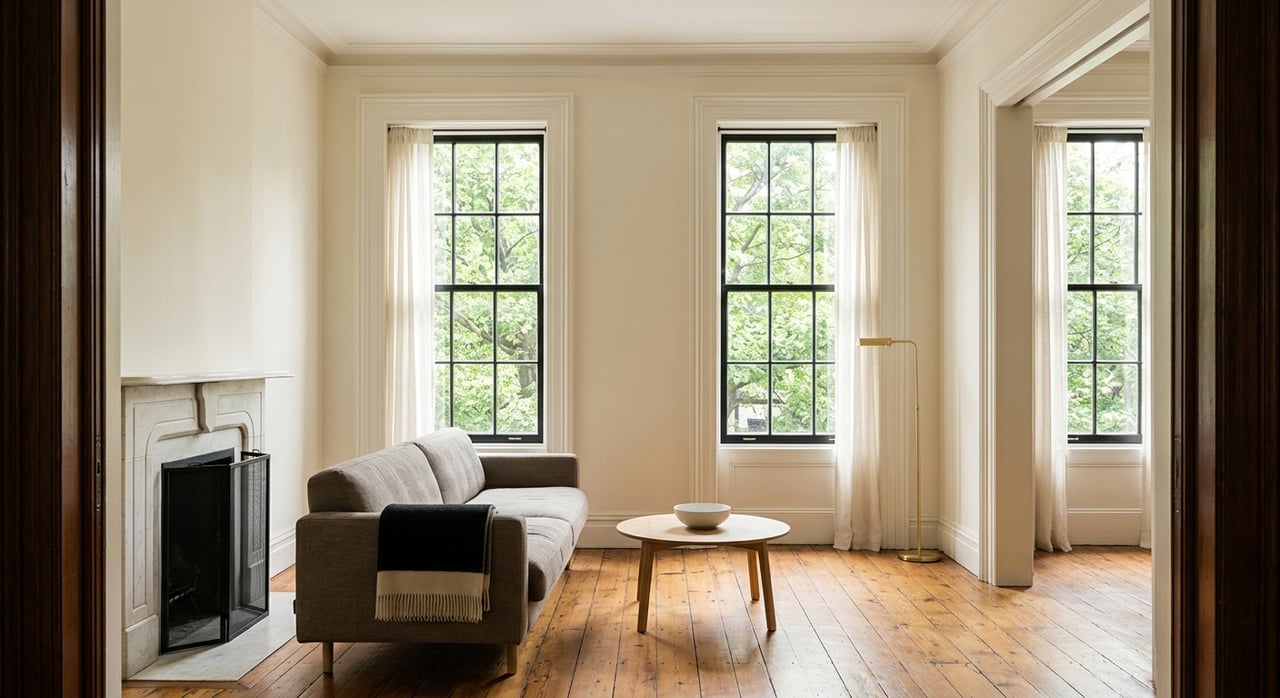
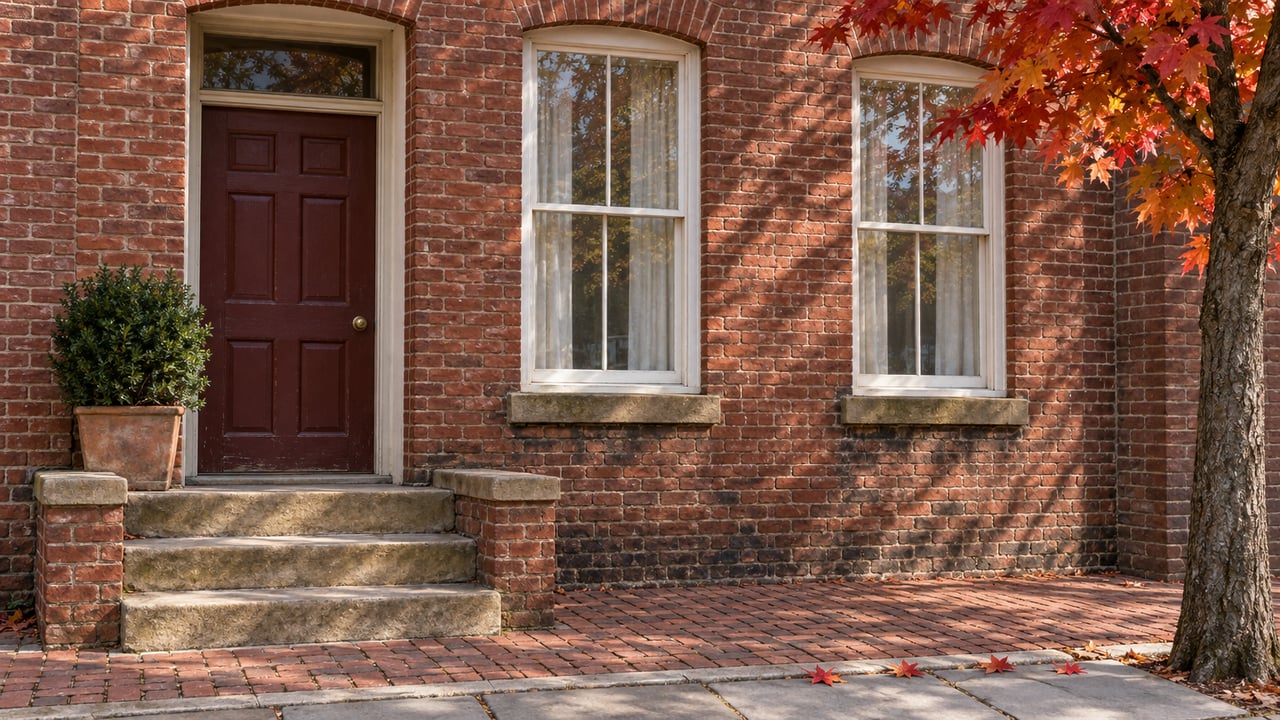
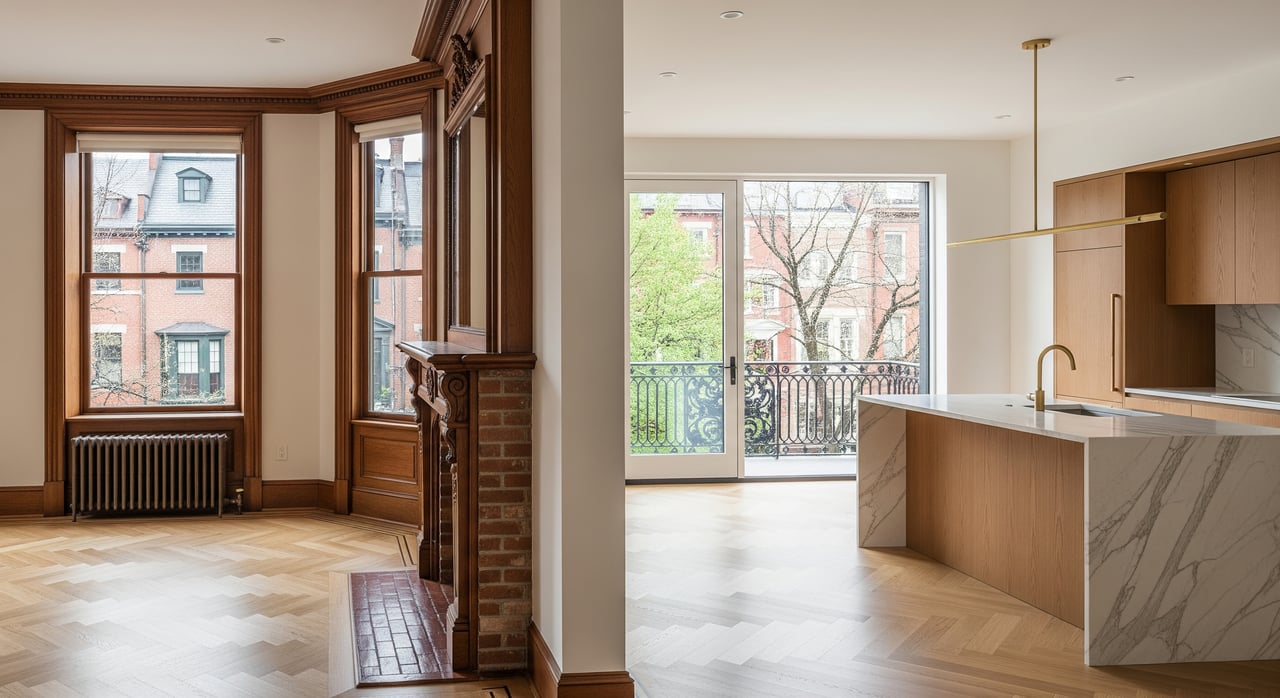
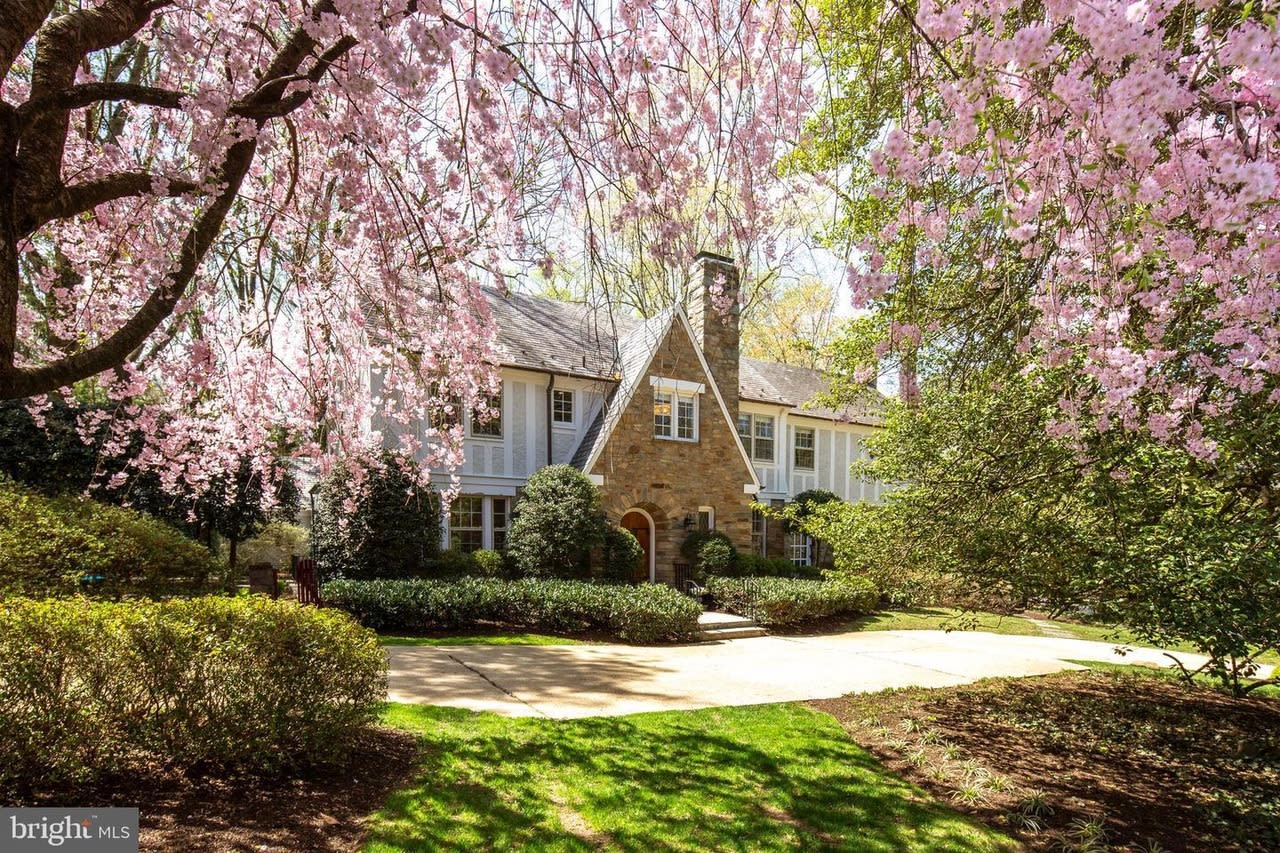
That combination gives the neighborhood a clear identity. Renters who want more room than a typical apartment, while staying connected to the city, often look closely at rowhomes here because they offer space, character, and a familiar Northwest DC setting.
Neighborhood descriptions also point to broad appeal across different renter profiles, including households looking for more space, professionals, and people who value a walkable neighborhood feel. For an owner, that means your rowhome may appeal to renters who are specifically searching for a full home rather than a standard apartment layout.
What a Glover Park rowhome may rent for
It helps to separate apartment averages from rowhome pricing. Recent neighborhood-wide rent metrics for apartments show averages around $2,224 according to RentCafe, a median of $2,260 according to Zumper, and a median of $2,500 with 48 listings according to Realtor.com.
Those numbers are useful for neighborhood context, but a full rowhome often commands more. Based on current active townhome and house listings in Glover Park, many whole-home rentals appear to land roughly from the mid-$3,000s to the mid-$5,000s, with larger or more updated properties reaching the high-$5,000s or low-$6,000s.
Examples from active listings include a 3-bedroom, 1-bath townhouse at $3,550, a 3-bedroom, 2-bath townhouse at $4,600, a 4-bedroom, 2-bath townhouse at $4,900, a 4-bedroom, 2.5-bath townhouse at $5,500, and a 4-bedroom, 3.5-bath house at $5,750. A Zillow rent estimate for a 5-bedroom, 3-bath townhouse was even higher at $6,762.
The key point is simple: pricing should be based on your property type, condition, bedroom and bath count, updates, and overall presentation, not apartment averages alone. In Glover Park, that distinction can materially affect your expectations.
Price your home with nuance
A rowhome lease rate is rarely just about square footage. In a neighborhood with many older attached homes, renters often compare layout, renovation level, natural light, storage, outdoor space, and the condition of kitchens, baths, windows, and mechanical systems.
If your home has been updated and shows well, it may compete toward the higher end of the range. If it has older finishes, limited baths, or deferred maintenance, pricing too aggressively can lead to longer vacancy and more negotiation.
A careful pricing strategy should account for both market competition and the cost of turnover. A few hundred dollars in monthly rent matters, but so does placing a qualified tenant efficiently and reducing wear from frequent re-leasing.
Understand DC licensing first
Before you market the property, make sure you understand the District’s licensing framework. For most Glover Park rowhomes, the property will usually fall under the District’s one-family rental category, which includes single-family homes, townhouses, duplexes, individual condo units, and even individual rooms.
If you are renting an owner-occupied home with a separate basement apartment or carriage house, that setup is usually treated differently as a two-family rental. That distinction matters because licensing requirements can change based on how the property is configured and occupied.
For a one-family rental, DC’s process includes tax registration and clean-hands certification, a Department of Buildings inspection, self-certification, and rental-accommodation registration. DLCP lists the one-family rental license fee at $149 for two years or $298 for four years, and RAD registration is $43 per unit per two-year license period.
The DOB inspection is free, but there is a $90 reinspection fee if the property fails inspection or if a rescheduling happens too late. Building this into your timeline can help you avoid preventable delays before the home goes to market.
Certificate of Occupancy rules for rowhomes
One common point of confusion is whether a Certificate of Occupancy is required. For a typical one-family rowhome rental, the answer is usually no.
The District says single-family residences in R-1A, R-1B, R-2, and R-3 zones are generally exempt. Townhomes and condos are treated as single-family homes for this purpose, so many Glover Park owners will not need a Certificate of Occupancy before renting.
That said, exemption from a Certificate of Occupancy does not mean exemption from licensing or inspection. You still need to work through the proper rental registration and compliance steps.
Rent control can still apply
Even owners of a single rowhome should pay close attention to rent control rules. In DC, all rental units must be registered with the Rental Accommodations Division as either rent-controlled or exempt.
If a unit is not registered, it is automatically subject to rent control. That alone makes registration too important to treat as an afterthought.
Common exemptions include units built after 1975 and homes owned by a natural person who owns no more than four rental units in the District. Whether your rowhome is exempt depends on the facts of your ownership and the property itself, so proper registration is essential.
For 2026, the standard annual increase cap is 4.1% for most rent-controlled units and 2.1% for rent-controlled units occupied by an elderly tenant or a tenant with a disability. The 2026 maximum rental housing application fee is $54, and that cap applies to both rent-controlled and non-rent-controlled units.
Lead disclosure matters in older homes
Because many Glover Park rowhomes were built long before 1978, lead compliance should be part of your planning from day one. DC requires a rental lead disclosure form for properties built before 1986, and housing built before 1978 is presumed to contain lead-based paint.
The District’s rental disclosure form also addresses lead plumbing and water systems. This is not a paperwork detail to leave until lease signing, especially if you are preparing an older rowhome for occupancy after repainting or repairs.
If work disturbs lead-based paint in a pre-1978 home, DOEE says a DC-certified contractor is required for most projects. For demolition and many major renovations in pre-1978 properties, lead-safe work practices and certified professionals may be required.
Prepare for turnover in an older rowhome
Older rowhomes can rent very well, but they often require more disciplined turnover planning. DC’s one-family self-certification checklist highlights practical items that owners should review before a tenant moves in.
That includes smoke alarms and carbon monoxide detection, functional egress doors and emergency escape openings, weather-tight windows and doors, sound stairs, porches, decks, and railings, working electrical and plumbing fixtures, and maintained roofs, gutters, downspouts, and walkways.
The same checklist also flags peeling or chipping paint, cracked plaster, decayed wood, and water damage as conditions that must be corrected. In an older Glover Park home, these issues are not just cosmetic. They can affect safety, compliance, and long-term maintenance costs.
It is also important to use spaces properly. The checklist warns against occupying basements, crawlspaces, decks, dens, or garages as sleeping areas, which is especially relevant in rowhomes where flexible spaces can be tempting to market too aggressively.
Fast repairs protect your property
Responsive maintenance is part of protecting a valuable home. The District tells tenants to report repair issues to the landlord or property manager first, then file a complaint if the issue is not fixed within 10 days, or within 24 hours for emergencies.
For owners, that creates a practical standard for response times. A slow repair process can create bigger building problems, increase tenant frustration, and expose you to avoidable compliance issues.
In an older rowhome, small issues can escalate quickly. A minor leak can turn into plaster damage, wood decay, or paint failure faster than many owners expect.
When professional management makes sense
Some owners want to self-manage, and some do it well. But DC’s licensing, registration, lead-disclosure, maintenance, and rent-control framework can be a lot to learn if you are renting out a home for the first time or only for a few years.
Professional property management in DC typically covers leasing, marketing, tenant screening, rent collection, expense tracking, maintenance coordination, and compliance support. That can be especially useful if you live out of the area, have a demanding schedule, or want a more structured process.
Jack Realty Group’s property management approach includes marketing rentals on its own site, the MLS, Zillow, HotPads, and other rental sites, screening applicants through income or asset review, credit, public records, eviction history, and employment verification, tracking rent and expenses in cloud software, and coordinating with contractors and other professionals for repairs.
The firm also separates day-to-day management fees from leasing commissions tied to marketing and placement. That kind of structure can help owners understand which services support ongoing operations and which are tied to securing a tenant in the first place.
A practical checklist before listing
If you want a smoother leasing process, start with a clear pre-listing checklist:
- Confirm whether your property falls under the one-family or two-family rental category
- Complete DC tax registration and clean-hands certification
- Schedule the required DOB inspection
- Complete self-certification and RAD registration
- Confirm whether your unit is rent-controlled or exempt
- Review the 2026 application fee cap of $54
- Prepare required lead disclosures for older homes
- Address peeling paint, water damage, cracked plaster, decayed wood, and safety issues
- Test smoke alarms and carbon monoxide detection
- Review stairs, railings, windows, doors, roofs, gutters, and walkways
- Set a pricing strategy based on rowhome comparables, not apartment averages alone
- Decide whether you will self-manage or hire professional management
Renting with a long-term mindset
A Glover Park rowhome is usually more than just a short-term income play. It is often a long-term asset in one of Northwest DC’s established residential areas, and the way you prepare, price, and manage it can affect both income and future resale position.
The strongest rental outcomes usually come from steady planning rather than shortcuts. If you stay ahead of DC compliance, invest in good turnover work, and respond quickly when the property needs attention, you put yourself in a better position to attract qualified tenants and preserve the home’s value.
If you are weighing whether to lease your home, how to price it, or whether management would make the process easier, a neighborhood-specific strategy can save time and reduce guesswork. To talk through your options, book a neighborhood consultation with Jack Realty Group.
FAQs
What does a Glover Park rowhome typically rent for?
- Based on current active townhome and house listings in Glover Park, many whole-rowhome rentals appear to fall roughly from the mid-$3,000s to the mid-$5,000s, with some larger or renovated homes reaching the high-$5,000s or low-$6,000s.
Does a Glover Park rowhome need a DC rental license?
- Yes, most owners renting out a Glover Park rowhome will need to follow DC’s rental licensing process for a one-family rental, which includes registration, inspection, self-certification, and RAD registration.
Does a Glover Park rowhome rental need a Certificate of Occupancy?
- Usually not, because the District generally exempts single-family residences in certain residential zones, and townhomes are treated as single-family homes for this purpose.
Can a Glover Park rowhome be exempt from DC rent control?
- Yes, some homes may qualify for an exemption, including units built after 1975 and homes owned by a natural person who owns no more than four rental units in the District, but the unit still must be properly registered.
What lead disclosure is required for an older Glover Park rental home?
- DC requires a rental lead disclosure form for properties built before 1986, and homes built before 1978 are presumed to contain lead-based paint.
What maintenance items matter most before renting out a Glover Park rowhome?
- Key items include smoke and carbon monoxide alarms, safe exits, sound stairs and railings, weather-tight windows and doors, working plumbing and electrical fixtures, and correction of peeling paint, water damage, cracked plaster, and decayed wood.
When should a Glover Park owner consider professional property management?
- Professional management can make sense if you are busy, live out of the area, or want help with leasing, screening, rent collection, maintenance coordination, expense tracking, and DC compliance.