Trying to choose between Georgetown’s waterfront condos and its historic interior homes? It is a smart question, because Georgetown is not one uniform housing market. Your day-to-day experience, ongoing costs, and even resale path can look very different depending on which pocket you choose. This guide breaks down the Georgetown Waterfront versus the Historic Core so you can compare lifestyle, housing stock, maintenance, and market realities with more confidence. Let’s dive in.
Georgetown Is a Market of Micro-Locations
If you have spent time in Georgetown, you have probably noticed that one block can feel very different from the next. The Georgetown BID neighborhood map separates the area into distinct pockets, including the Residential Neighborhood, the Georgetown Waterfront, M Street, Book Hill, Wisconsin Avenue, and the C&O Canal.
That matters if you are buying a home. A condo near Washington Harbour offers a very different ownership experience than a rowhome north of M Street. In Georgetown, your exact pocket often matters just as much as your budget or bedroom count.
Georgetown Waterfront at a Glance
The Georgetown Waterfront centers on Georgetown Waterfront Park and Washington Harbour. According to the Georgetown BID, this area is known for waterfront dining, river cruises, water taxis, and seasonal attractions like DC’s largest outdoor ice skating rink in winter.
The pace here tends to feel active and amenity-driven. Georgetown also drew 13.2 million domestic visitors in 2024, with a 5% increase in foot traffic over 2023, according to the BID’s neighborhood overview. That helps explain why the waterfront often feels more animated than the quieter residential streets inland.
What Waterfront Living Often Means
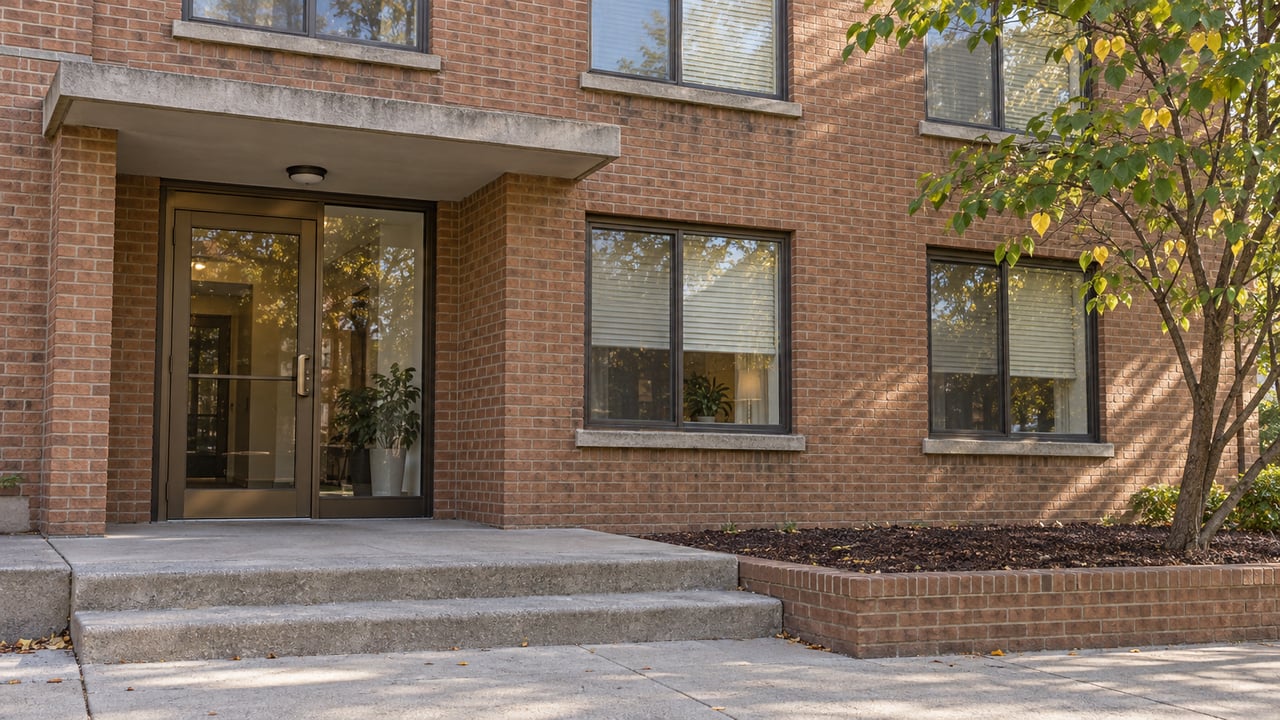
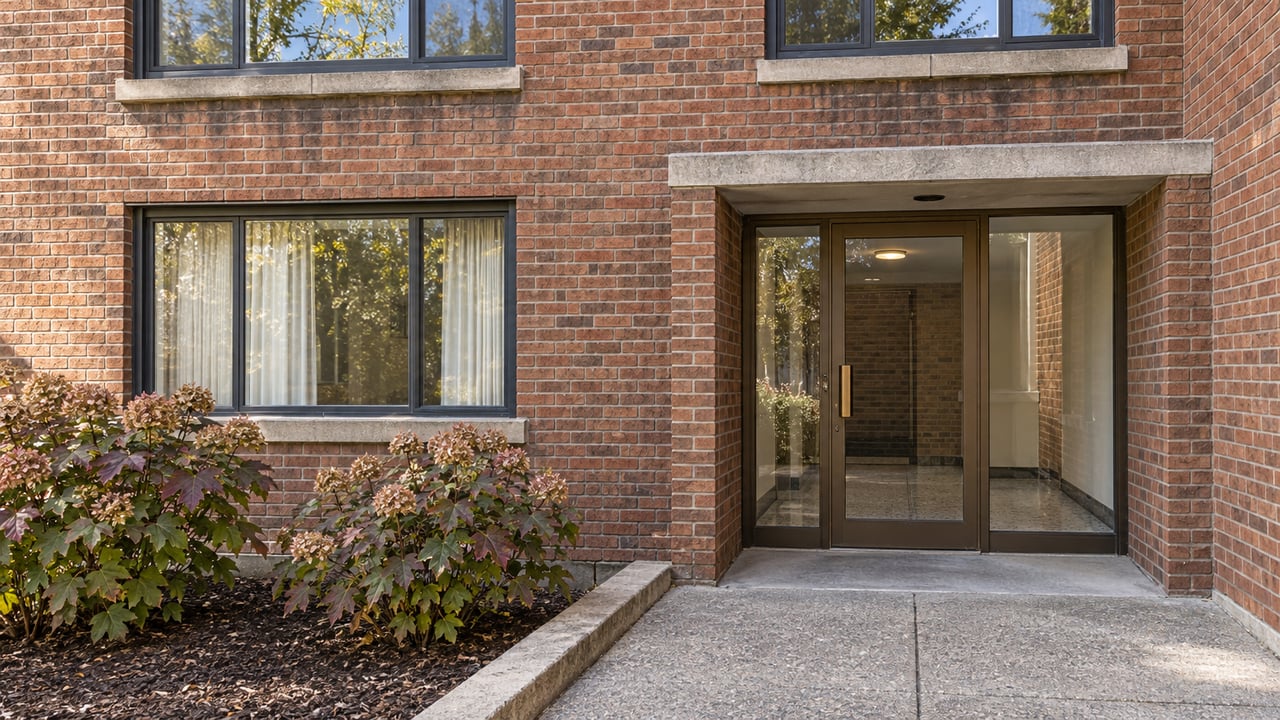
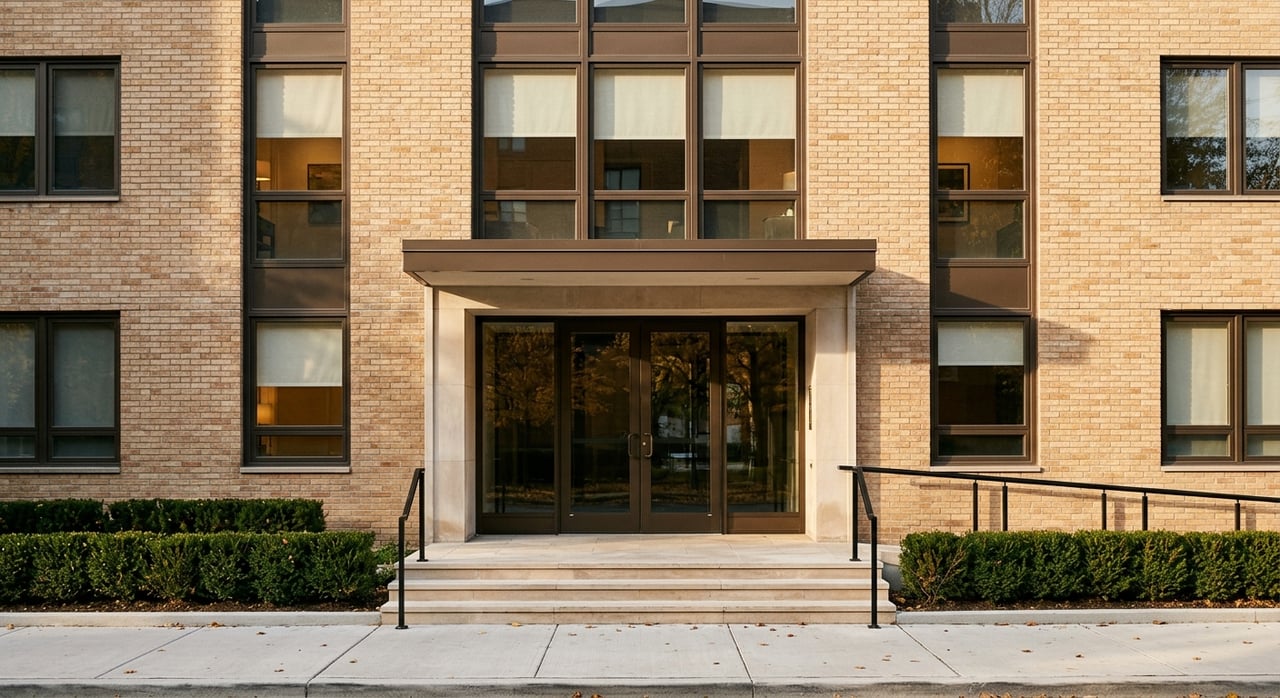
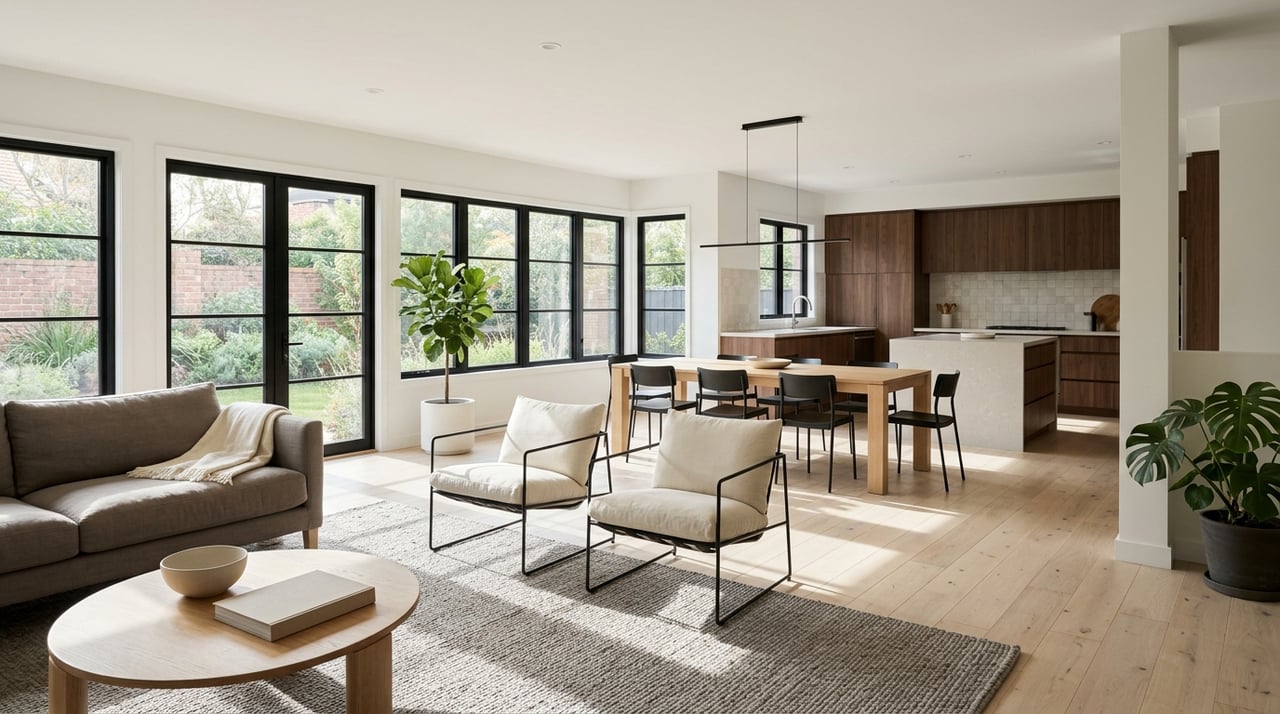
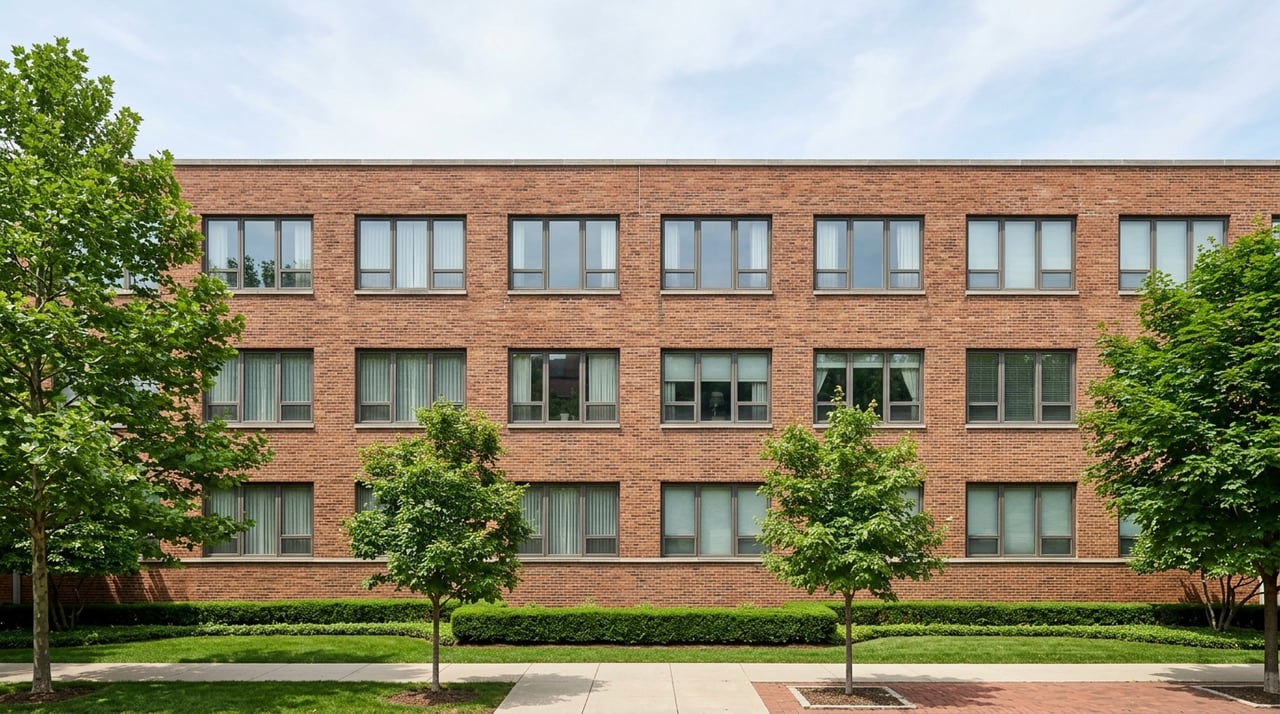
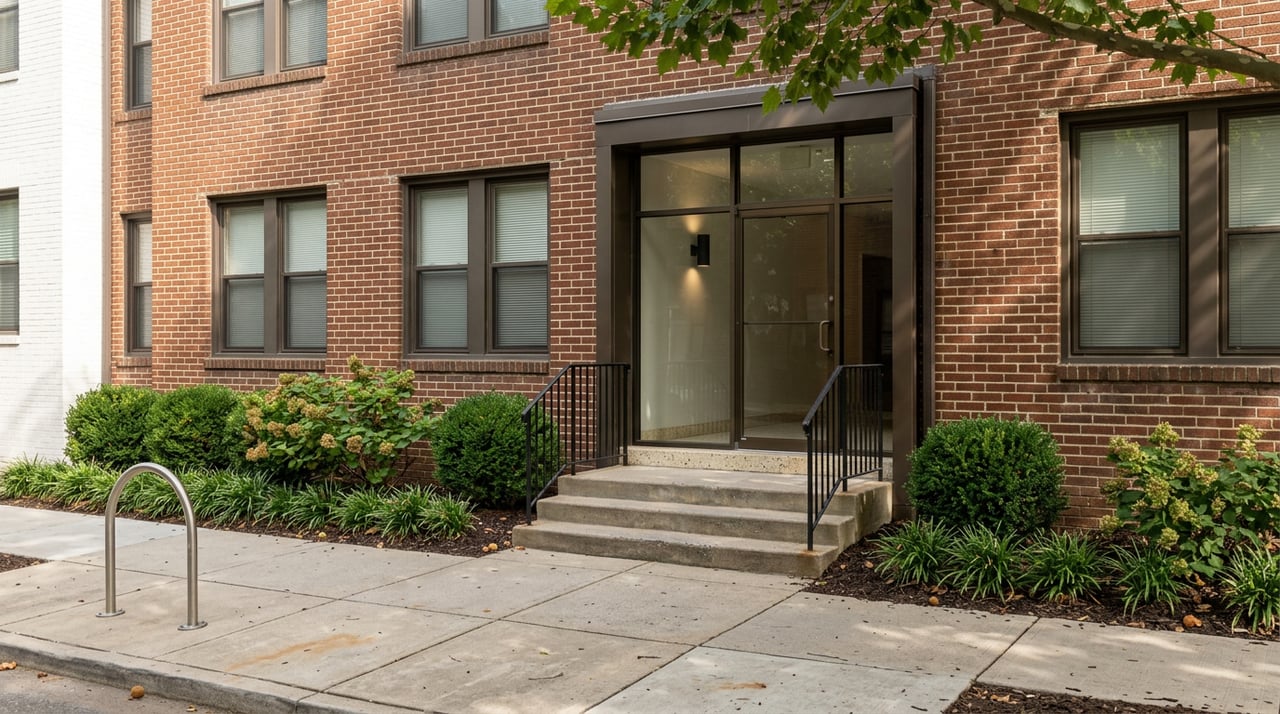
If you choose the waterfront, you are often prioritizing convenience and building services. Many homes here are condos, and that usually means features like concierge service, elevators, fitness facilities, pools, or garage parking, depending on the building.
For some buyers, that tradeoff is worth it. You may have fewer exterior maintenance responsibilities and easier access to Georgetown’s riverfront trails, dining, and shopping areas.
Historic Core at a Glance
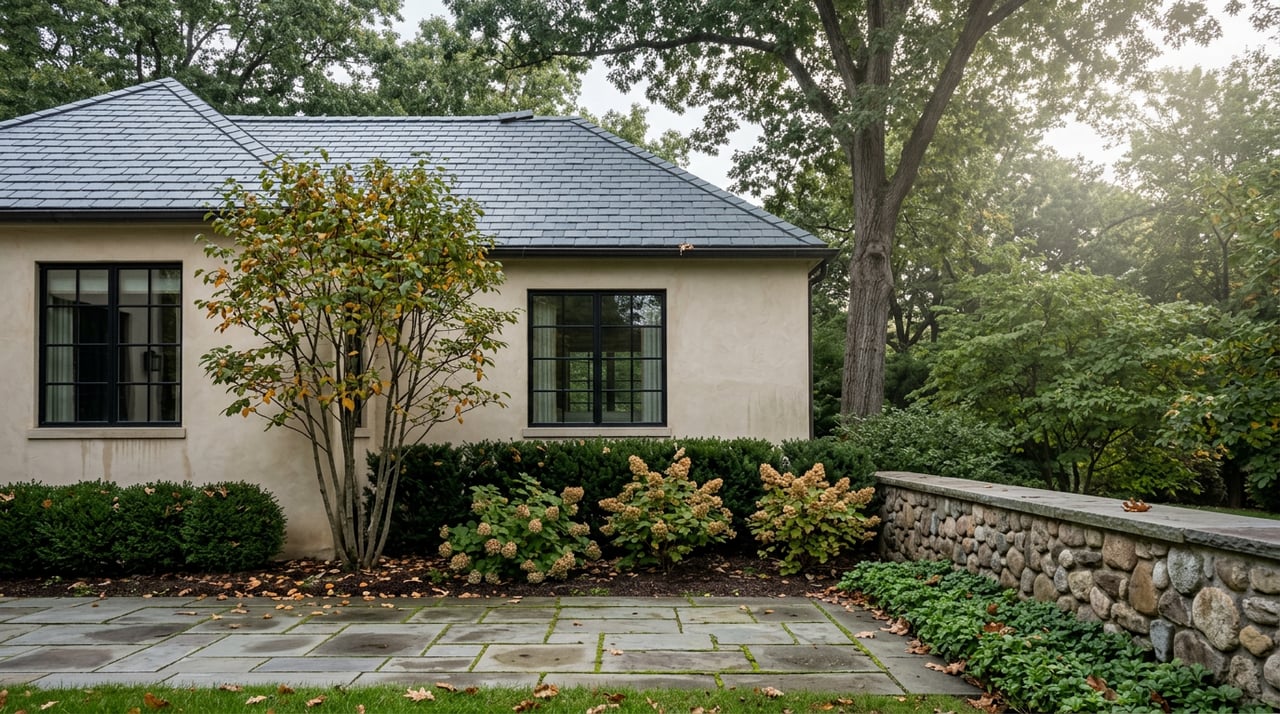
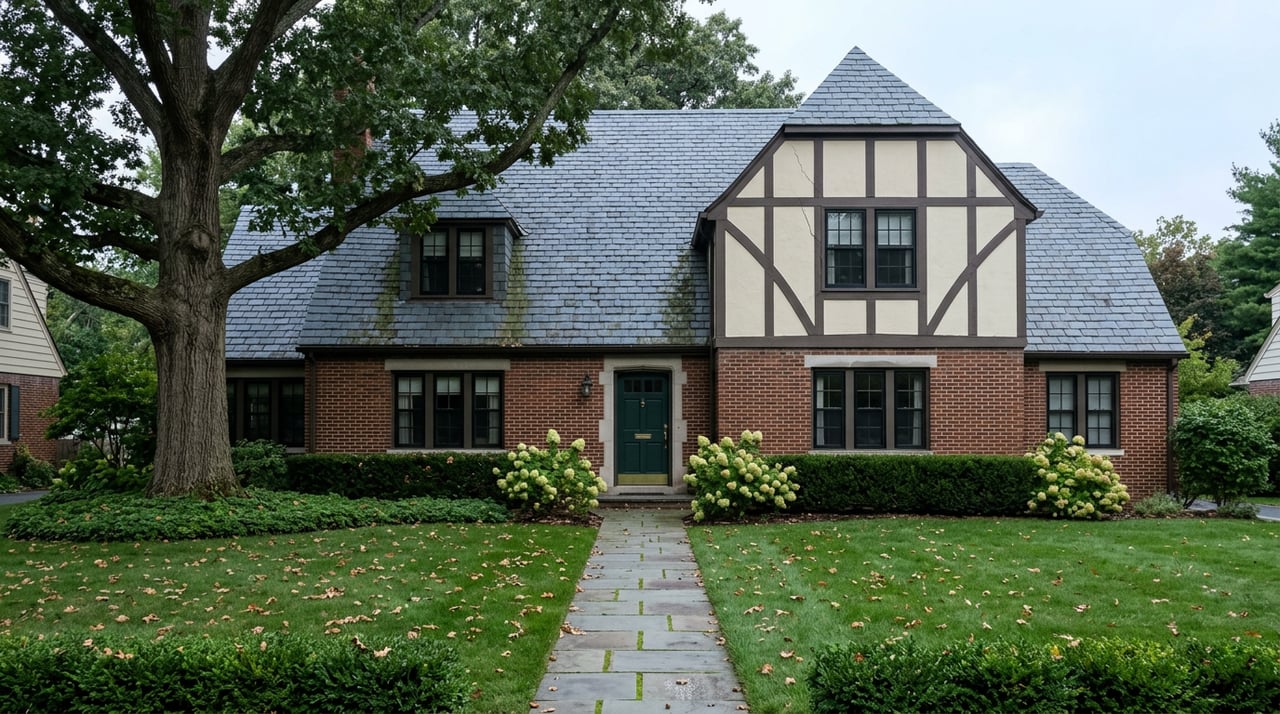
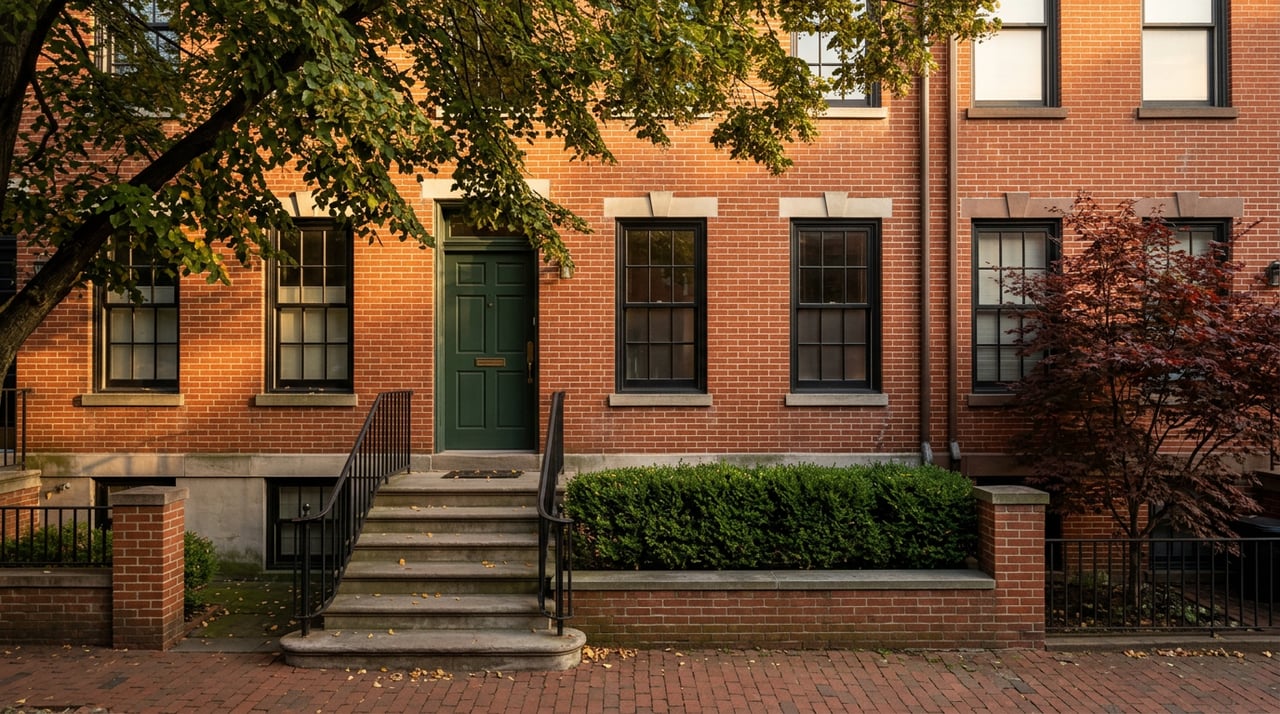
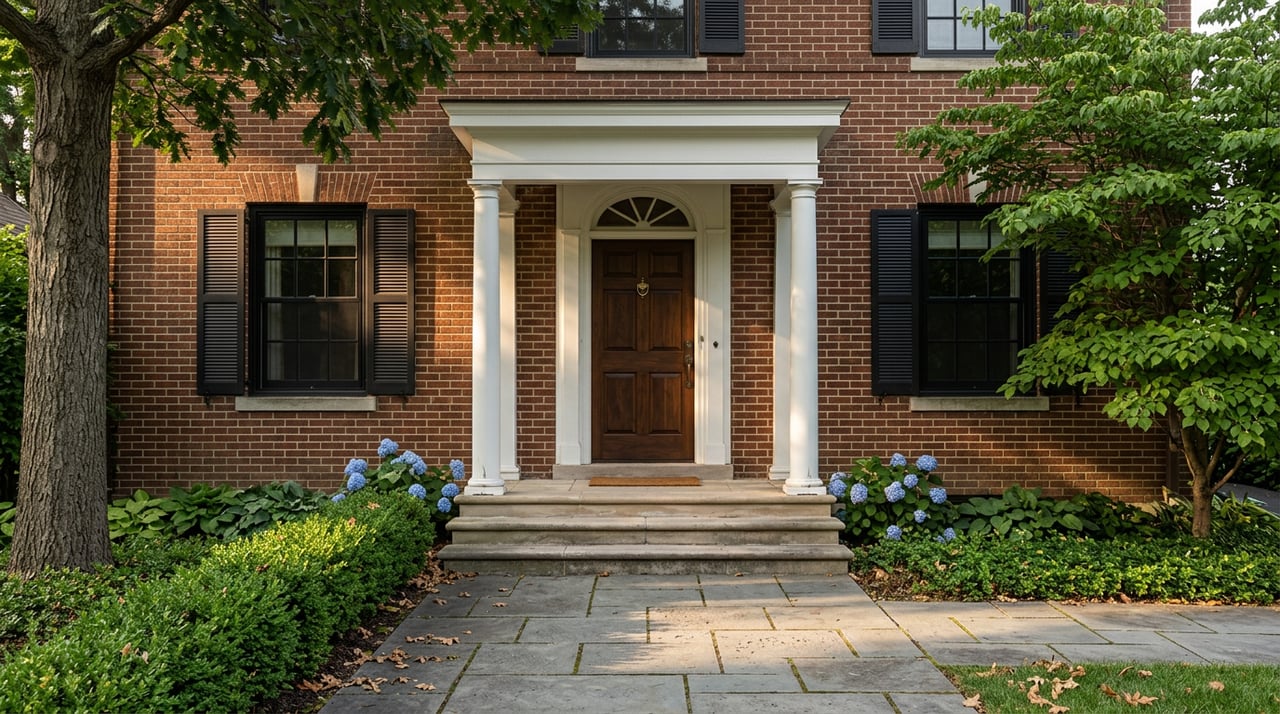
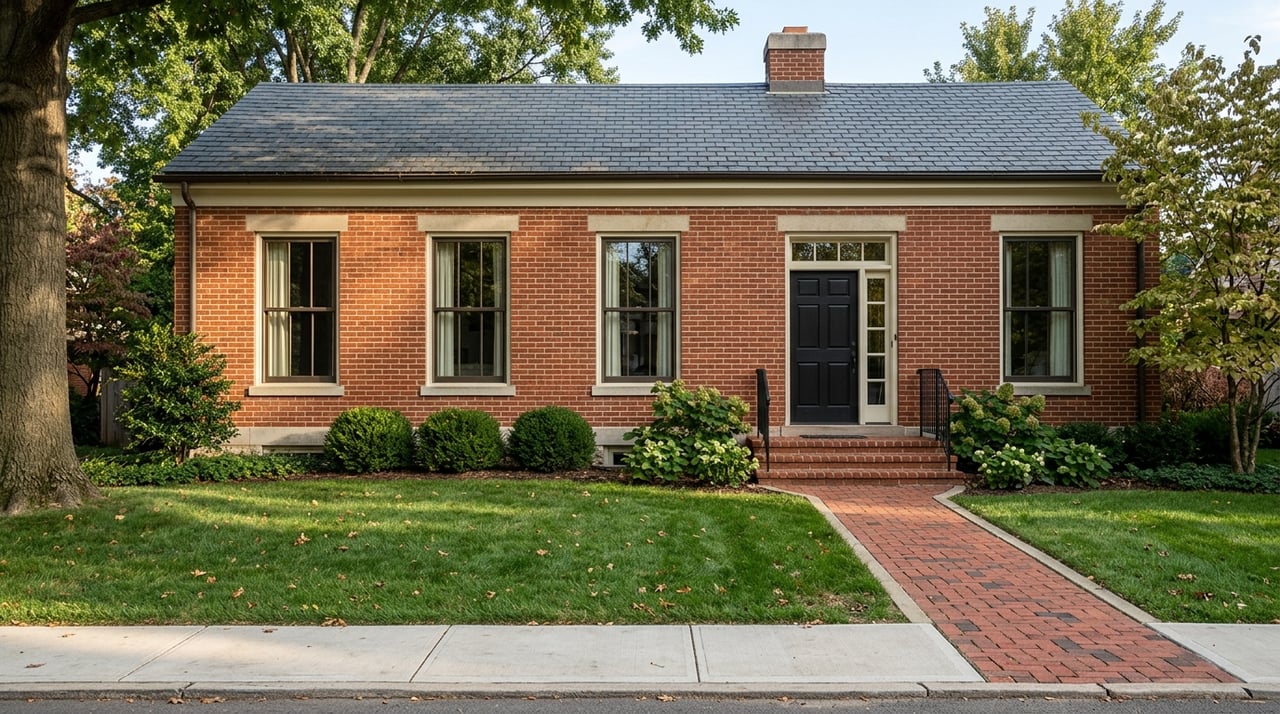
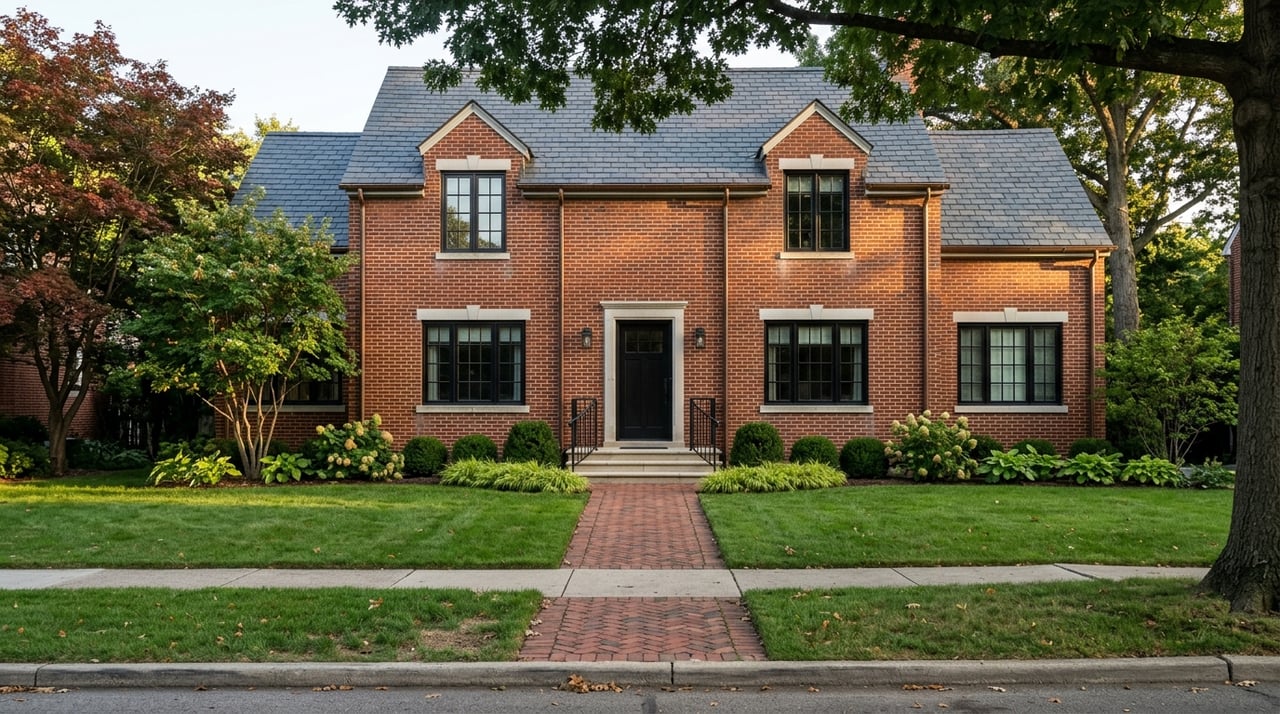
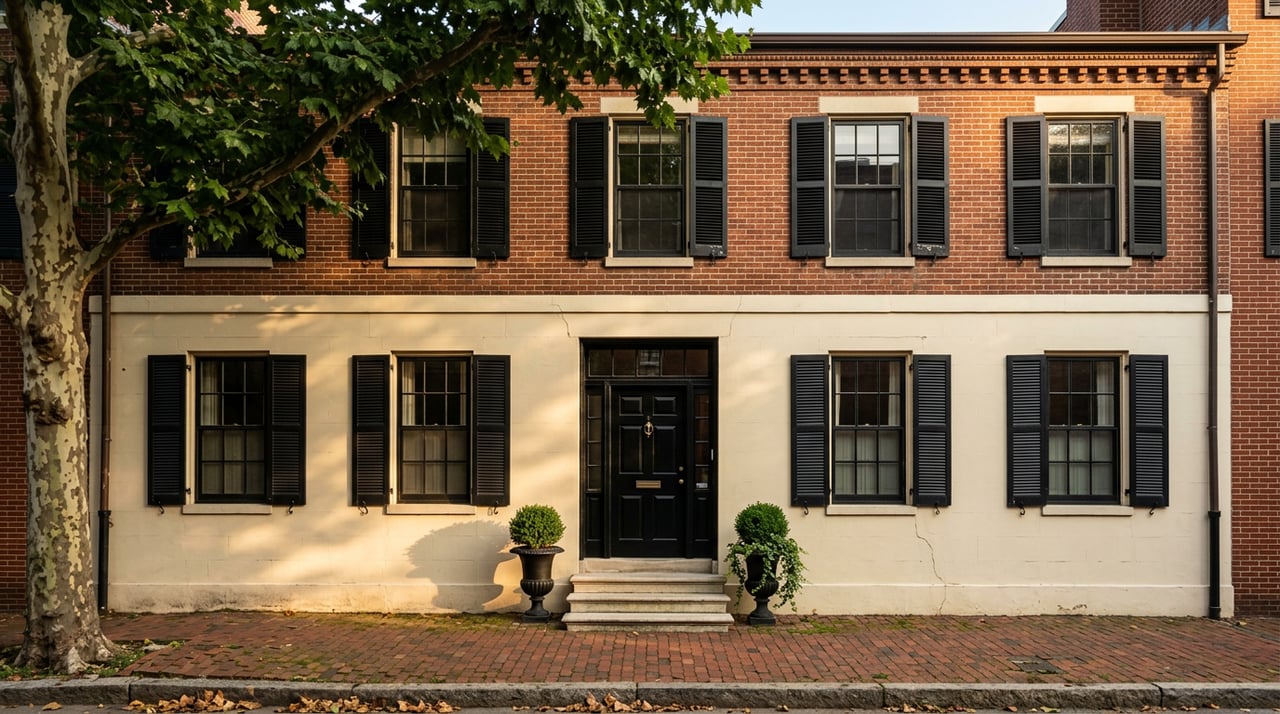
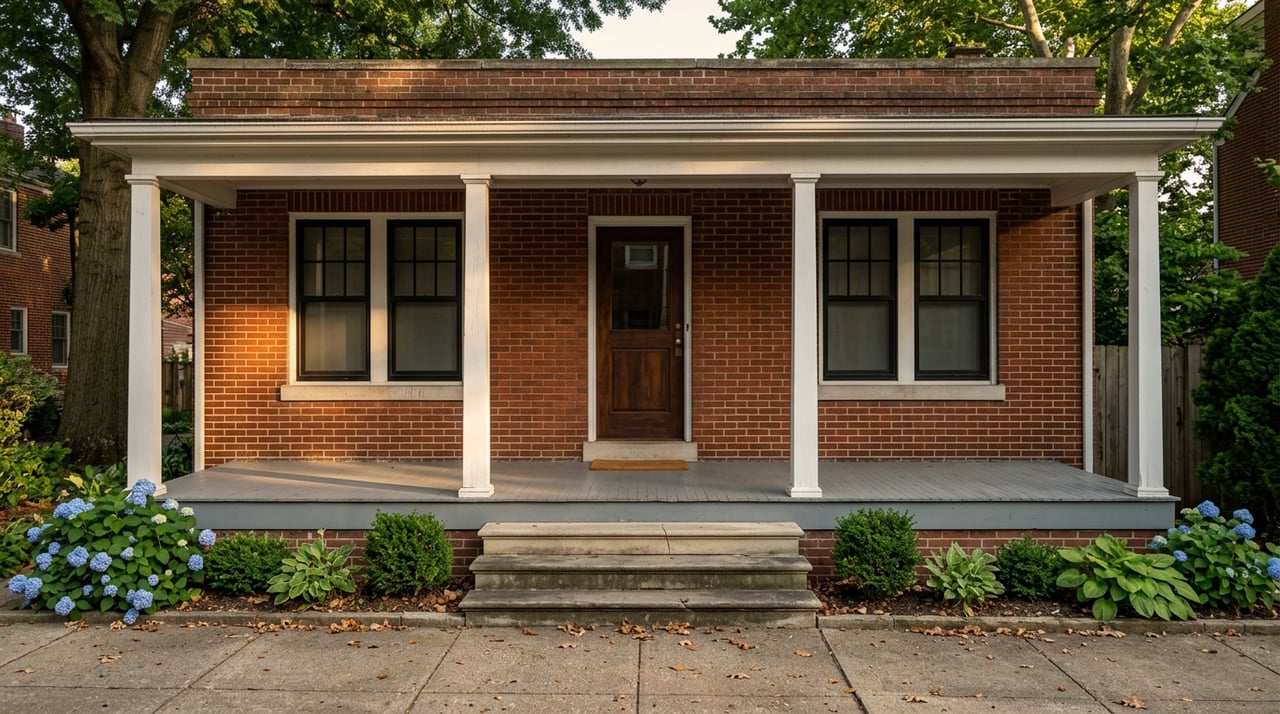
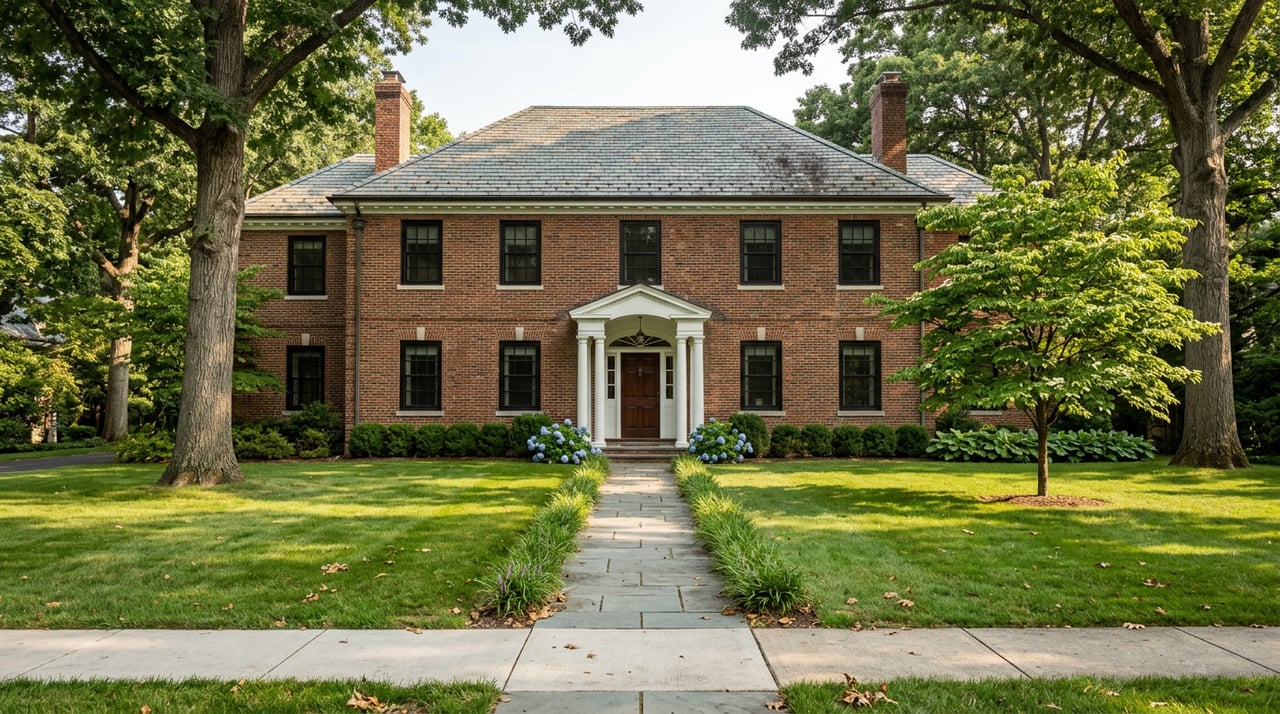
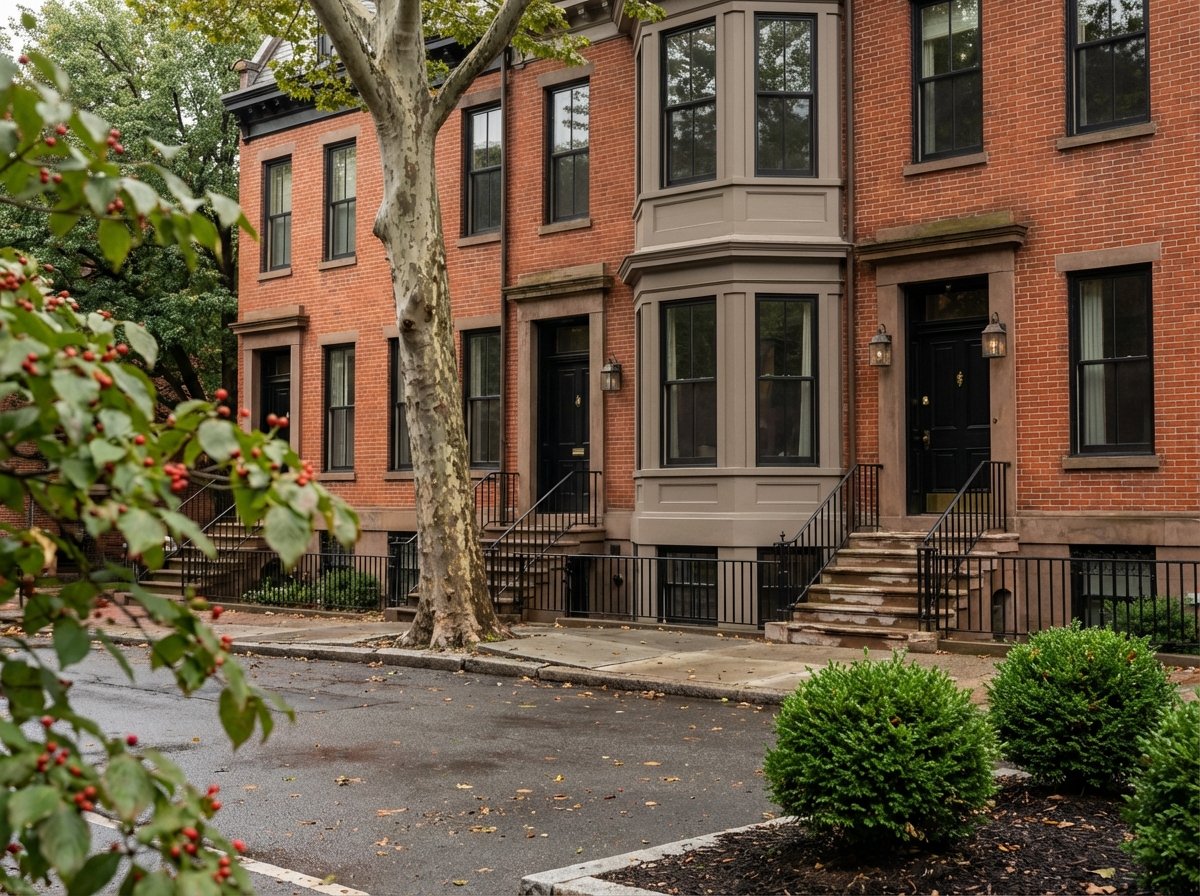
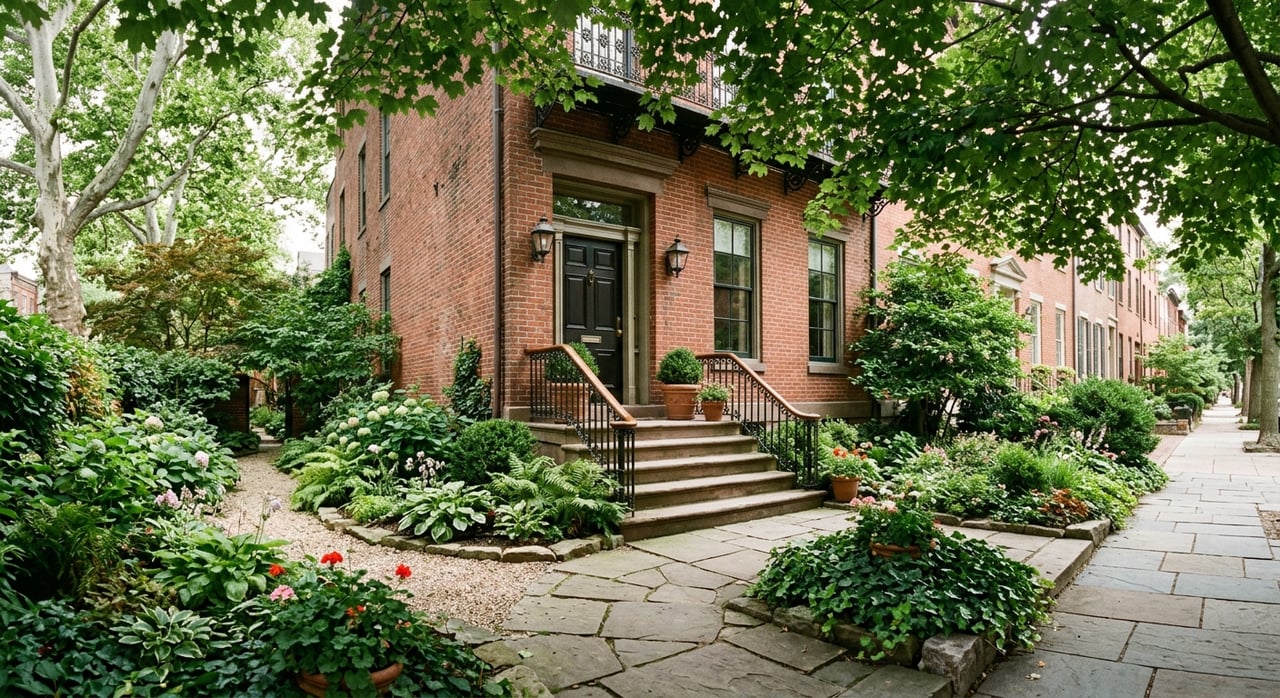
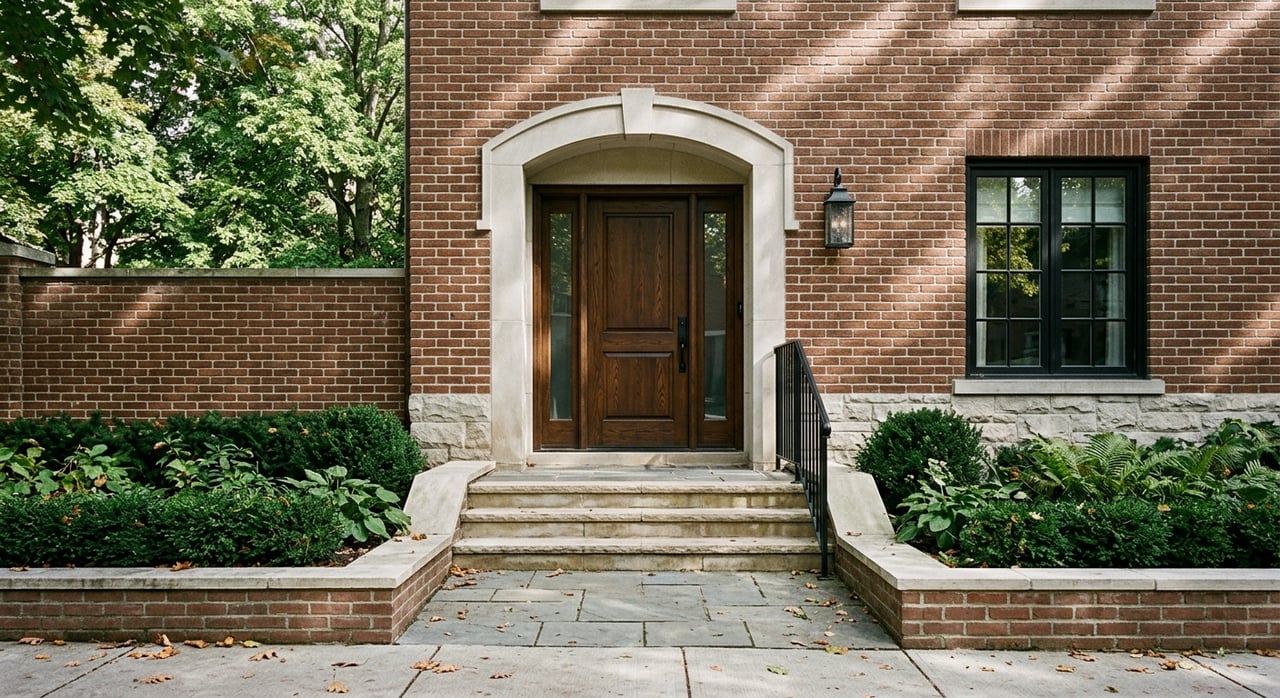
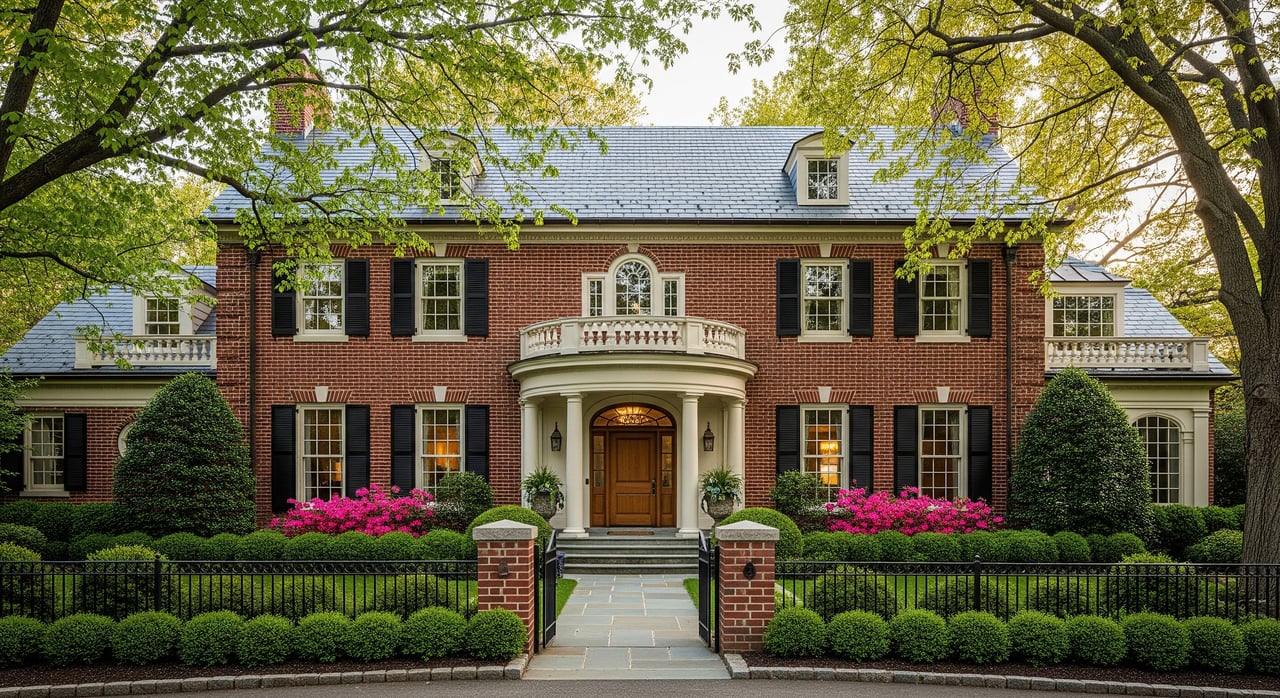
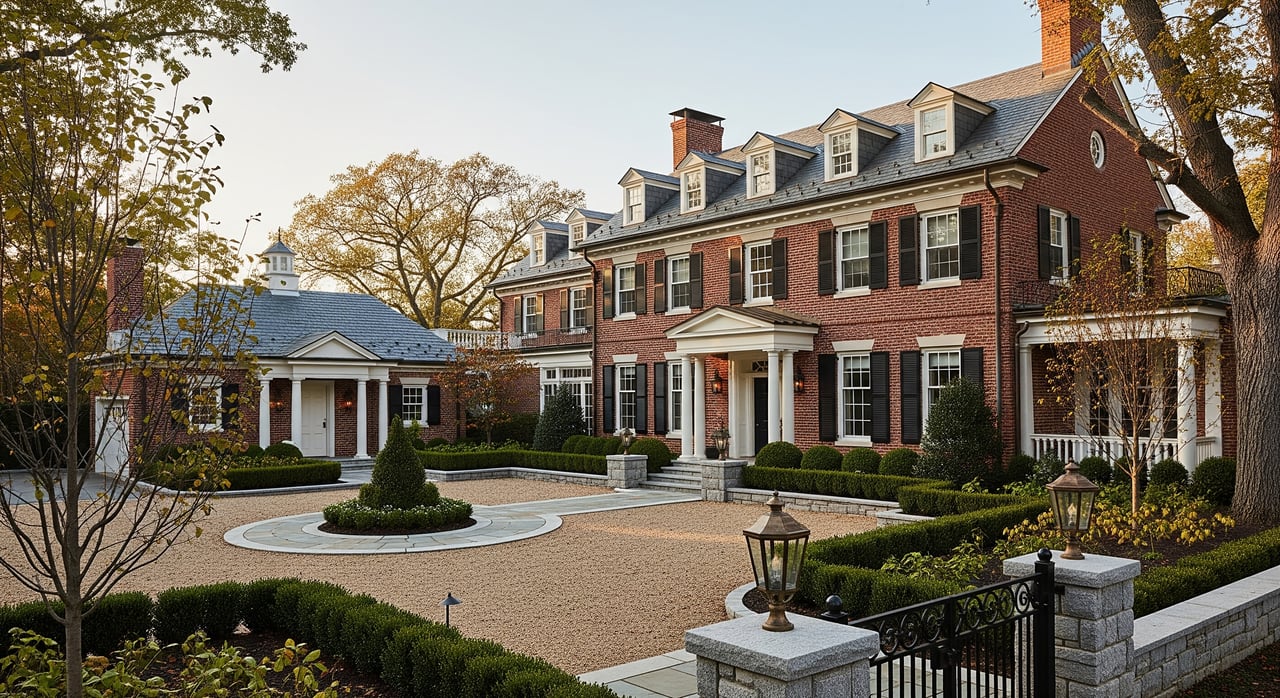
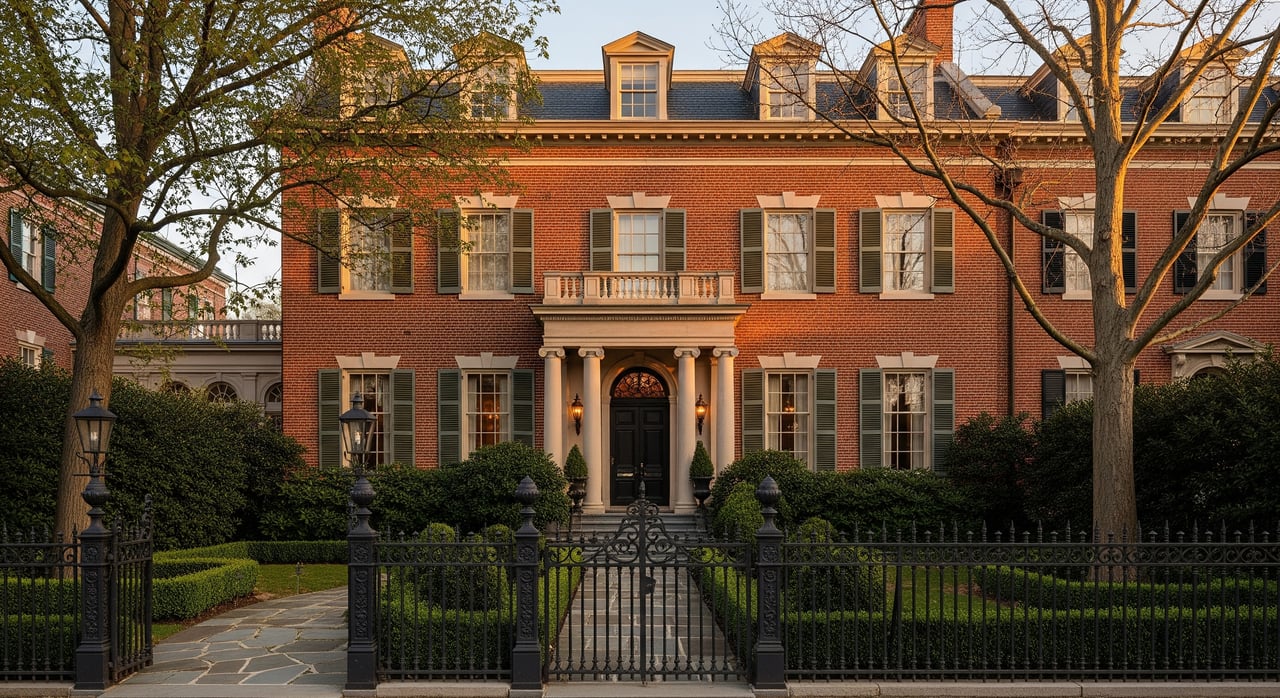
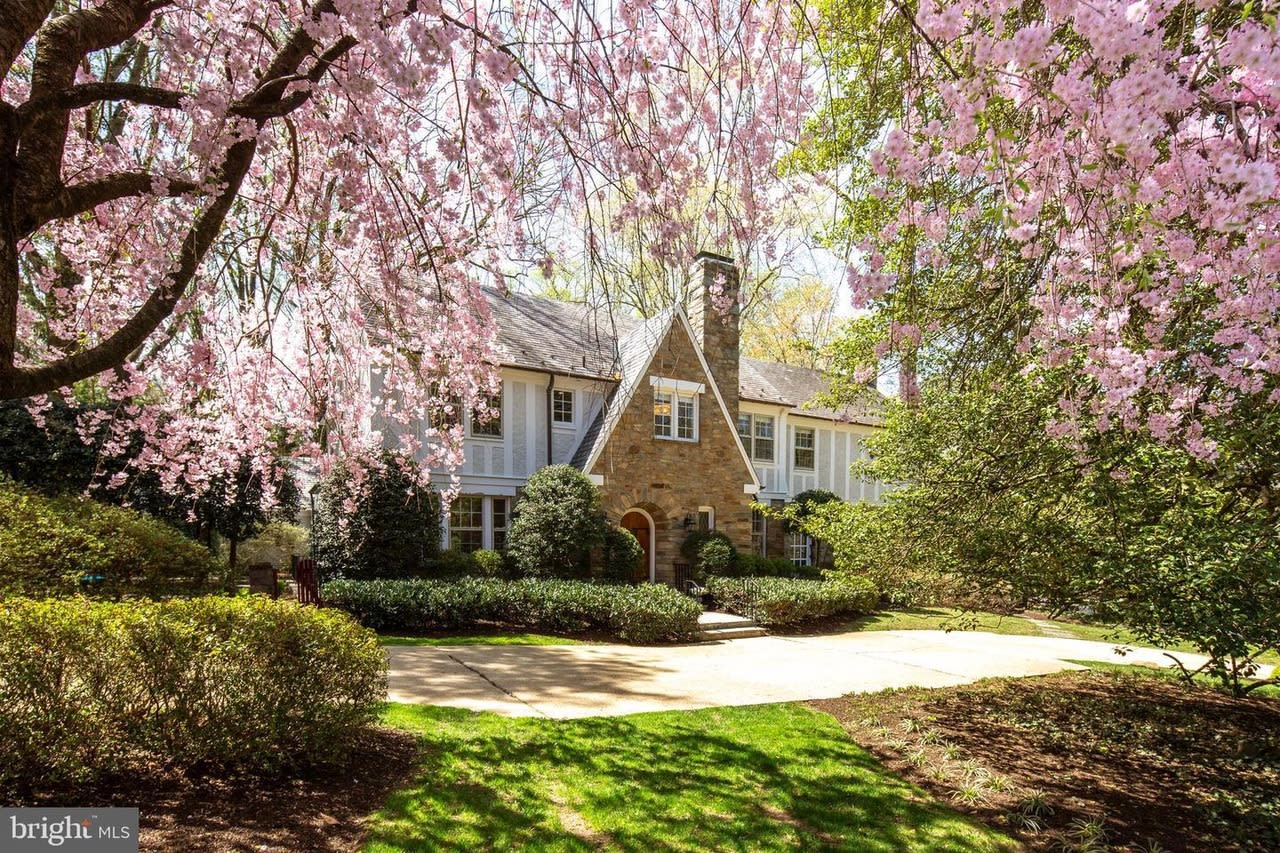
Georgetown’s historic core is best understood through the BID’s Residential Neighborhood description: quiet, tree-lined streets north of M Street on either side of Wisconsin Avenue, with homes dating back as early as the 18th century. Housing ranges from modest row houses to large estates, which creates a more traditional residential feel than the waterfront pocket.
The setting is part of the appeal. The C&O Canal is described by the BID as a serene urban oasis that draws runners, cyclists, and people looking for a quieter outdoor setting.
Why the Historic Core Feels Different
The historic core is not just older. It is shaped by preservation rules and long-established streetscapes. The Georgetown Historic District was created in 1950, was the first historic district in Washington, and is also a designated National Historic Landmark.
That preservation status supports Georgetown’s strong architectural identity. It also means ownership can involve more process when exterior changes are planned, especially compared with a condo where much of the exterior is managed at the building level.
Home Types and Price Points
The broad Georgetown market remains strong, but exact numbers vary by source. Redfin’s Georgetown market data shows a February 2026 median sale price of $1.726 million, 60 days on market, and a 97.5% sale-to-list ratio.
That headline number is useful, but it does not tell the full story. Georgetown includes very different housing types, and current listings show how wide the range can be.
Waterfront Example
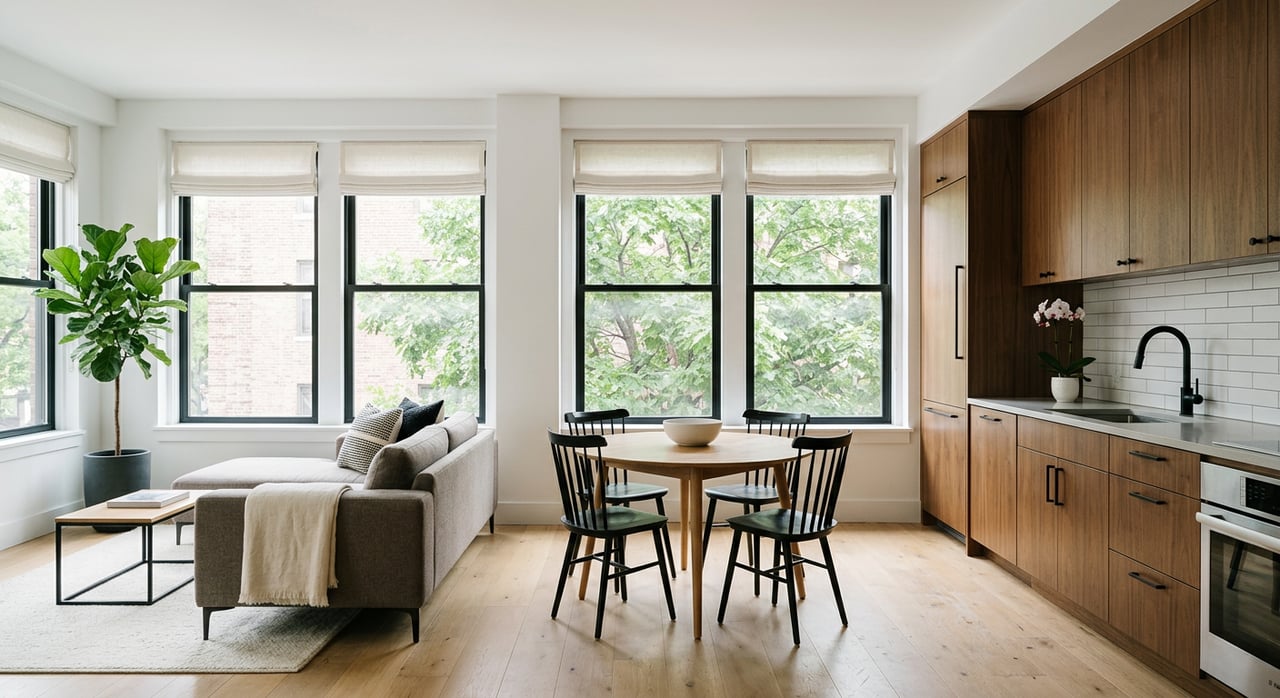
At the waterfront, 3303 Water St NW Unit 3B is listed at $925,000 for 934 square feet, with 1 bedroom, 1 bathroom, $1,650 per month in HOA dues, and 1 garage space. The building includes a 24-hour doorman or concierge, rooftop pool, fitness center, and club room, and the HOA covers a long list of services and utilities.
This is a good example of the waterfront value proposition. You may pay significant monthly dues, but you are also buying into a service package and amenity set that can make ownership more predictable.
Historic Core Example
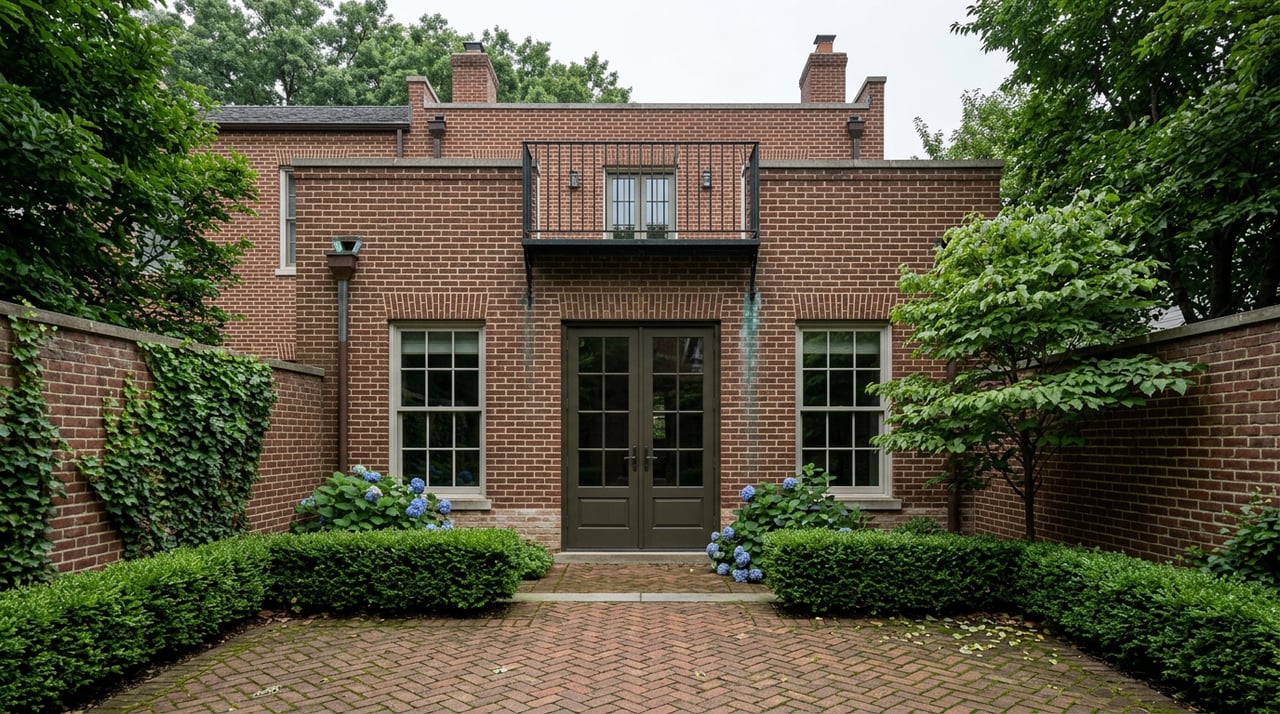
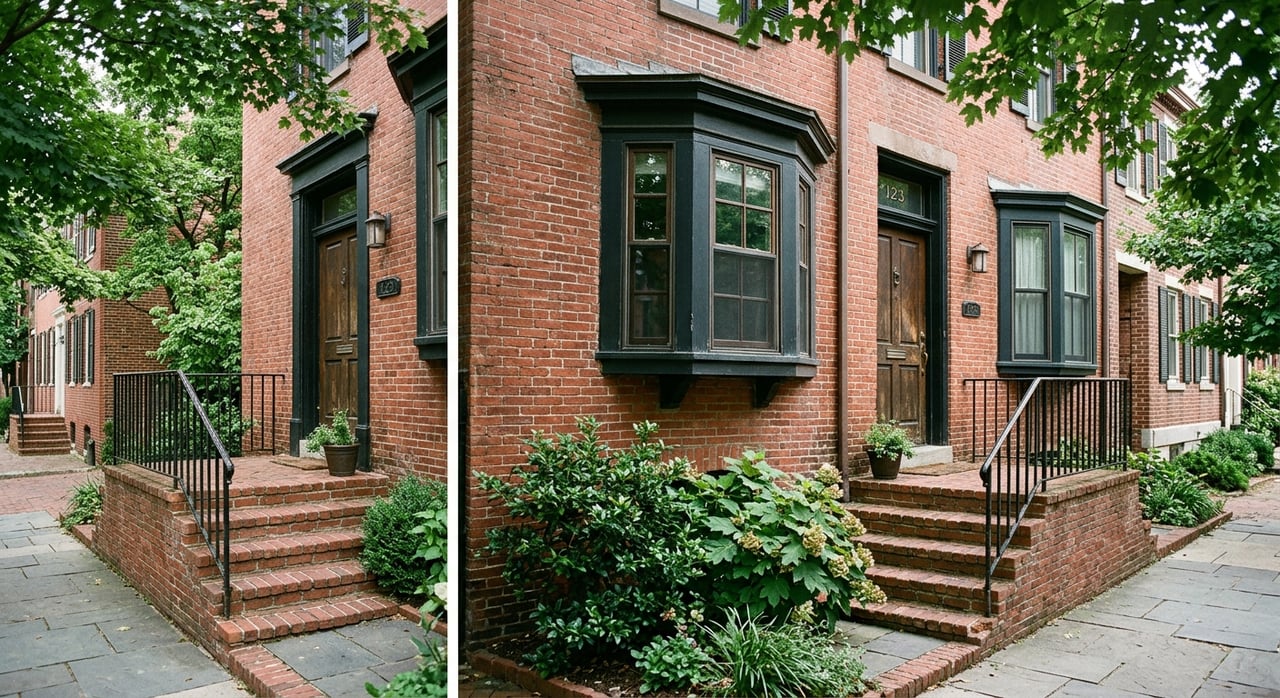
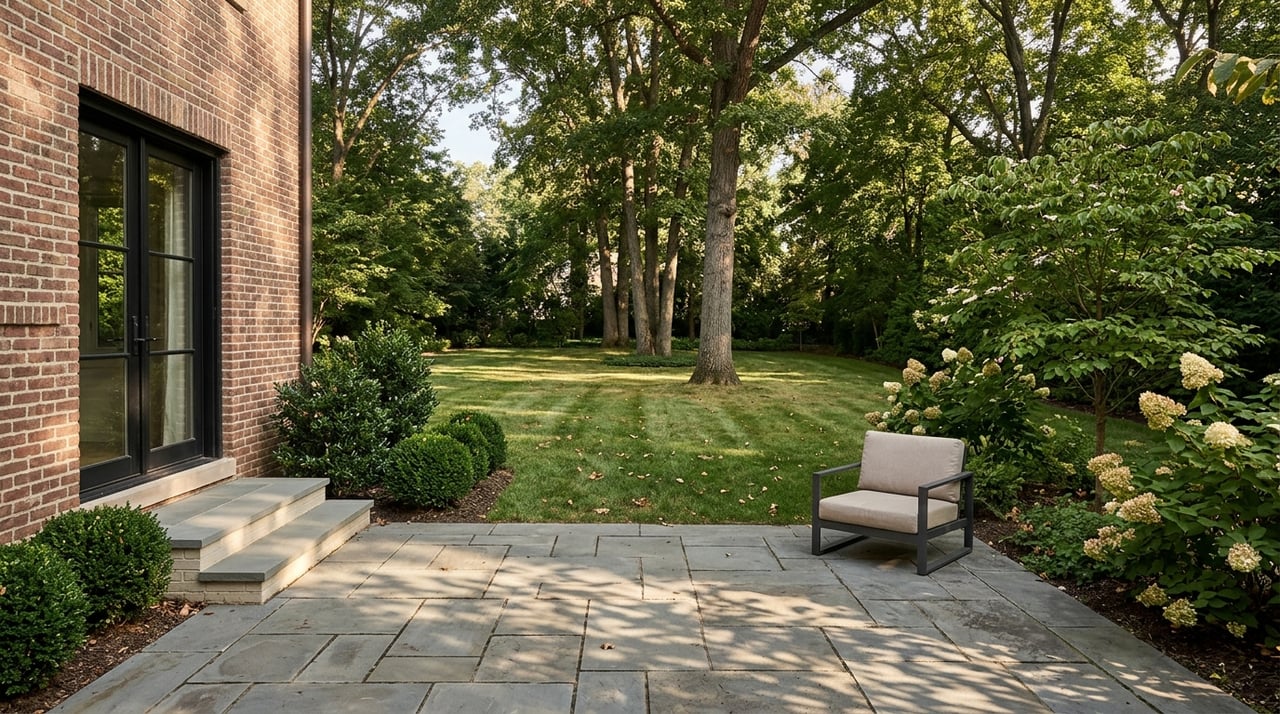
In the historic core, 1233 Potomac St NW is listed at $1.5 million for 1,152 square feet, with 2 bedrooms, 2.5 bathrooms, and $0 HOA dues. The listing describes it as an 1880 townhouse on a quiet, tree-lined one-way street with a private brick patio and garden.
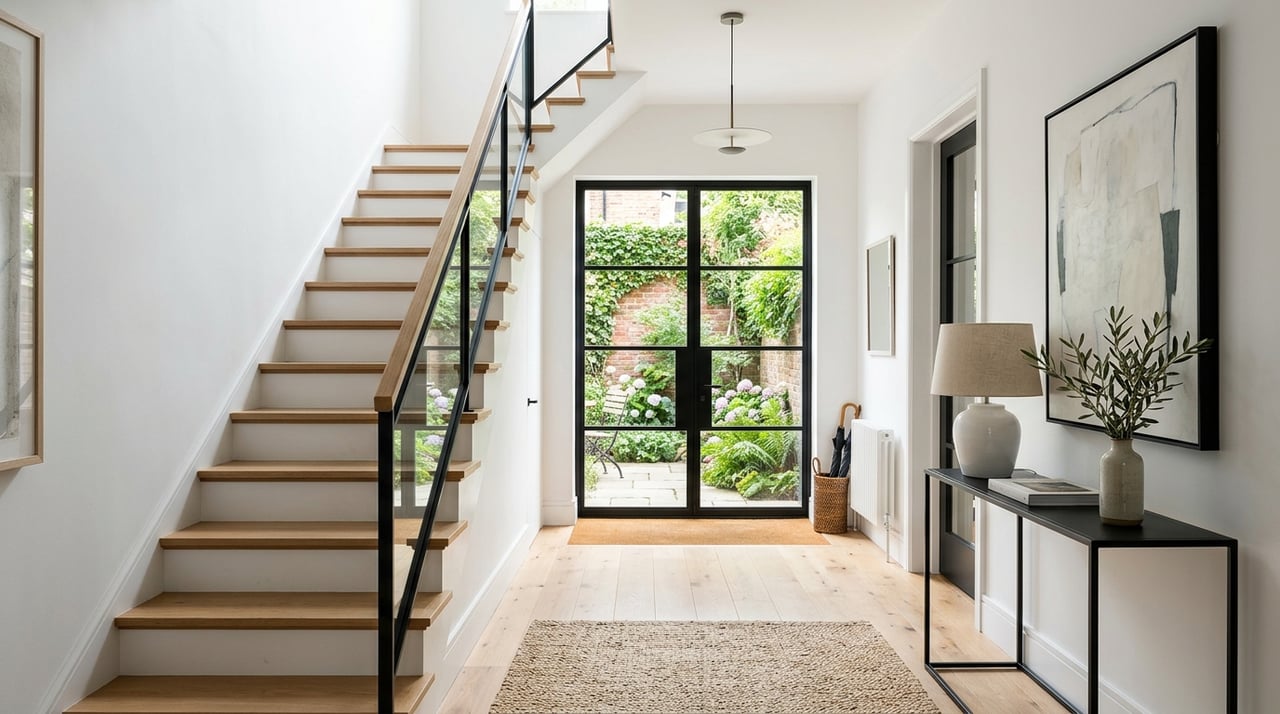
This illustrates a very different kind of ownership. Instead of paying for building amenities and shared services, you may gain more independence, more private outdoor space, and a stronger connection to Georgetown’s historic residential fabric.
HOA Costs vs Owner Control
For many buyers, this is the key comparison.
Waterfront condos often come with higher monthly HOA dues, but those fees can include major services, utilities, and building amenities. In the Water Street example, the monthly dues cover common area maintenance, exterior building maintenance, management, pool access, water, air conditioning, cable TV, electricity, gas, and sewer, along with health club access and insurance-related items.
Historic rowhomes often have little to no HOA burden. The Potomac Street example has $0 HOA dues, and the research also notes another Georgetown townhouse listing that explicitly states no HOA.
Which Setup Fits You Best?
A waterfront condo may fit you well if you value:
- Predictable monthly costs
- Building staff and shared amenities
- Less direct responsibility for exterior upkeep
- A more lock-and-leave ownership style
A historic core rowhome may fit you well if you value:
- More autonomy over your home
- Lower recurring association costs
- Architectural character and private outdoor space
- A more traditional townhouse ownership experience
Neither option is automatically better. It depends on whether you want convenience packaged into a monthly fee or more control with more direct responsibility.
Exterior Changes and Preservation Review
If you are drawn to Georgetown’s older homes, it is important to understand the review environment. According to DC Planning, the Old Georgetown Board reviews most exterior construction in the neighborhood, and Georgetown follows unique permit-review procedures because the historic district predates the city’s broader preservation law.
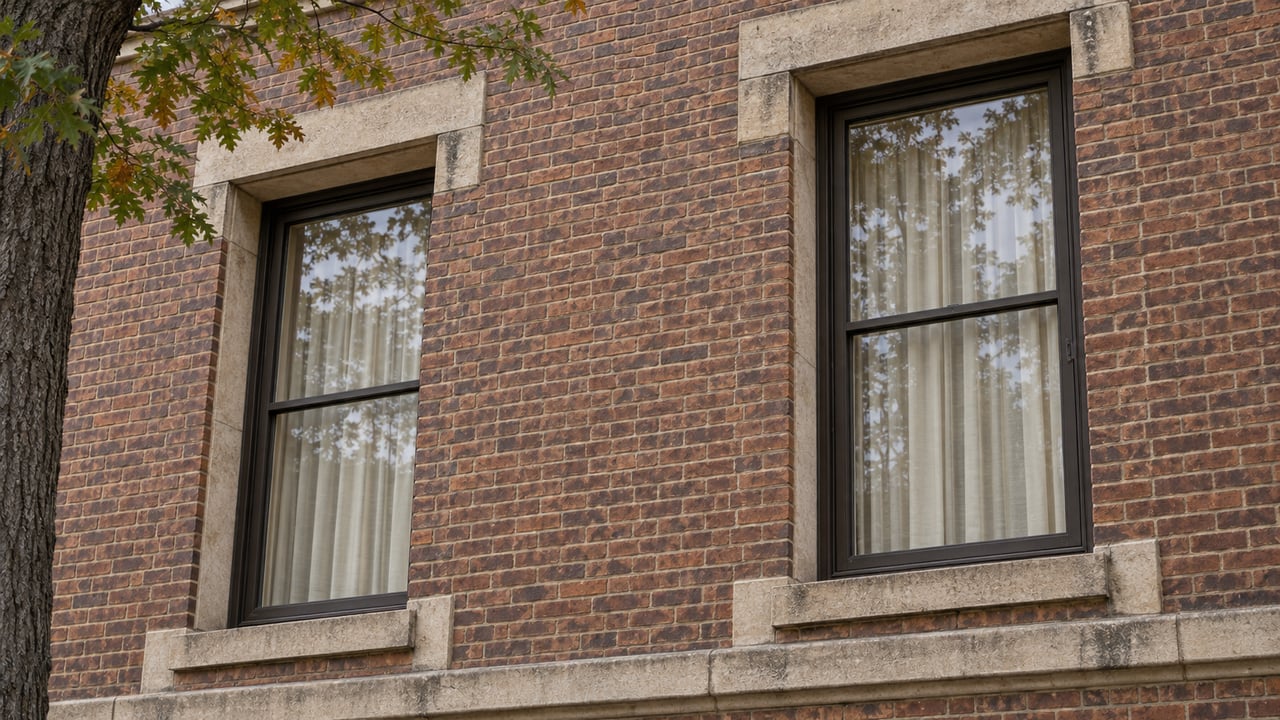
In practical terms, that means visible exterior work in the historic core can involve more process. If you want to change windows, modify a façade, or alter street-facing exterior features, you should expect added review compared with many non-historic settings.
That does not make historic ownership a bad choice. It simply means you should go in with clear expectations about timing, approvals, and the level of stewardship involved.
Noise, Foot Traffic, and Daily Feel
Lifestyle is often where the difference becomes clearest.
The waterfront sits close to dining, visitor activity, river access, and event programming. The BID notes that M Street is one of the best shopping streets in the country and often serves as a starting point for visitors, while the waterfront itself connects to a larger trail and river network.
By contrast, the Residential Neighborhood is described by the BID as quiet and tree-lined. If your priority is a more residential atmosphere, the historic core may feel more settled on a day-to-day basis.
A Simple Way to Think About It
Here is a practical comparison:
| Feature | Georgetown Waterfront | Historic Core |
|---|---|---|
| Overall feel | More active and visitor-oriented | Quieter and more residential |
| Common home type | Condo | Rowhome or townhouse |
| HOA pattern | Often significant | Often low or none |
| Maintenance style | More shared and building-managed | More owner-managed |
| Exterior changes | Often simpler at unit level | More review for visible exterior work |
| Amenities | Concierge, pool, fitness, garage in some buildings | Character, patios, gardens, historic details |
Parking Is Not One-Size-Fits-All
Parking is another area where buyers should avoid assumptions. Some waterfront condos include garage parking, and some historic homes include off-street spaces, but neither is guaranteed.
The current Water Street condo example includes 1 garage space, while a sold waterfront condo at 3303 Water St NW Unit 3I sold in October 2025 for $1.85 million with two-car garage parking. On the historic-home side, the sold rowhouse at the same Redfin source notes that 1020 29th St NW sold in July 2025 with two-car off-street parking.
The takeaway is simple: verify parking property by property and block by block. In Georgetown, it is a meaningful value driver.
Resale Depends on the Micro-Market
It is tempting to ask which option is the better investment, but Georgetown rarely rewards overly broad assumptions. Research shows that resale conditions can vary even within Georgetown itself.
According to Redfin’s local data referenced through a Georgetown area listing, West Village posted a February 2026 median sale price of $1.7 million with 39 days on market, while East Village posted $1.8 million with 66 days on market. That difference reinforces how much building, block, parking, and condition affect outcomes.
A Note on Condo Resale Sensitivity
There is also broader national context worth keeping in mind. Redfin reported that condos are more likely than single-family homes or townhouses to be at risk of selling at a loss, and a larger share of condo buyers buy below list price than townhouse buyers.
That does not mean Georgetown waterfront condos are weak assets. It does mean buyers should look carefully at HOA costs, building quality, recent comparable sales, and the unit’s exact position within the building when weighing long-term resale potential.
Which Georgetown Home Style Fits You?
If you want a home that feels turnkey, amenity-rich, and close to riverfront activity, the waterfront may be the better fit. If you want a quieter setting, classic Georgetown architecture, and more direct control over your property, the historic core may suit you better.
The right answer usually comes down to how you plan to live. Monthly carrying costs, tolerance for maintenance, need for parking, and sensitivity to noise all matter just as much as purchase price.
A side-by-side neighborhood analysis can make that decision much clearer. If you are comparing Georgetown condos, townhouses, or investment property strategies, Jack Realty Group offers steady, neighborhood-savvy guidance across sales, rentals, and property management in Northwest DC.
FAQs
What is the main difference between Georgetown Waterfront and Georgetown’s historic core homes?
- The waterfront is generally more condo-oriented, amenity-driven, and active, while the historic core is generally quieter, more rowhome-focused, and shaped by preservation rules.
Are HOA fees higher for Georgetown Waterfront homes?
- Waterfront condos often have significant HOA dues, and the Water Street example in this article shows $1,650 per month with many services and utilities included.
Do historic Georgetown rowhomes usually have HOA fees?
- Some historic Georgetown rowhomes have no HOA dues, including the Potomac Street example in this article, but each property should be verified individually.
Is Georgetown Waterfront noisier than the historic core?
- The research suggests the waterfront usually feels more animated because of dining, visitor traffic, and riverfront activity, while the Residential Neighborhood is described as quiet and tree-lined.
Do Georgetown historic homes face renovation restrictions?
- Many visible exterior changes in Georgetown are reviewed through historic-district processes, including review by the Old Georgetown Board.
Is parking easier at Georgetown Waterfront condos or historic Georgetown homes?
- Parking varies by building and block. Some waterfront condos include garage parking, and some historic rowhomes include off-street parking, so it should always be confirmed property by property.