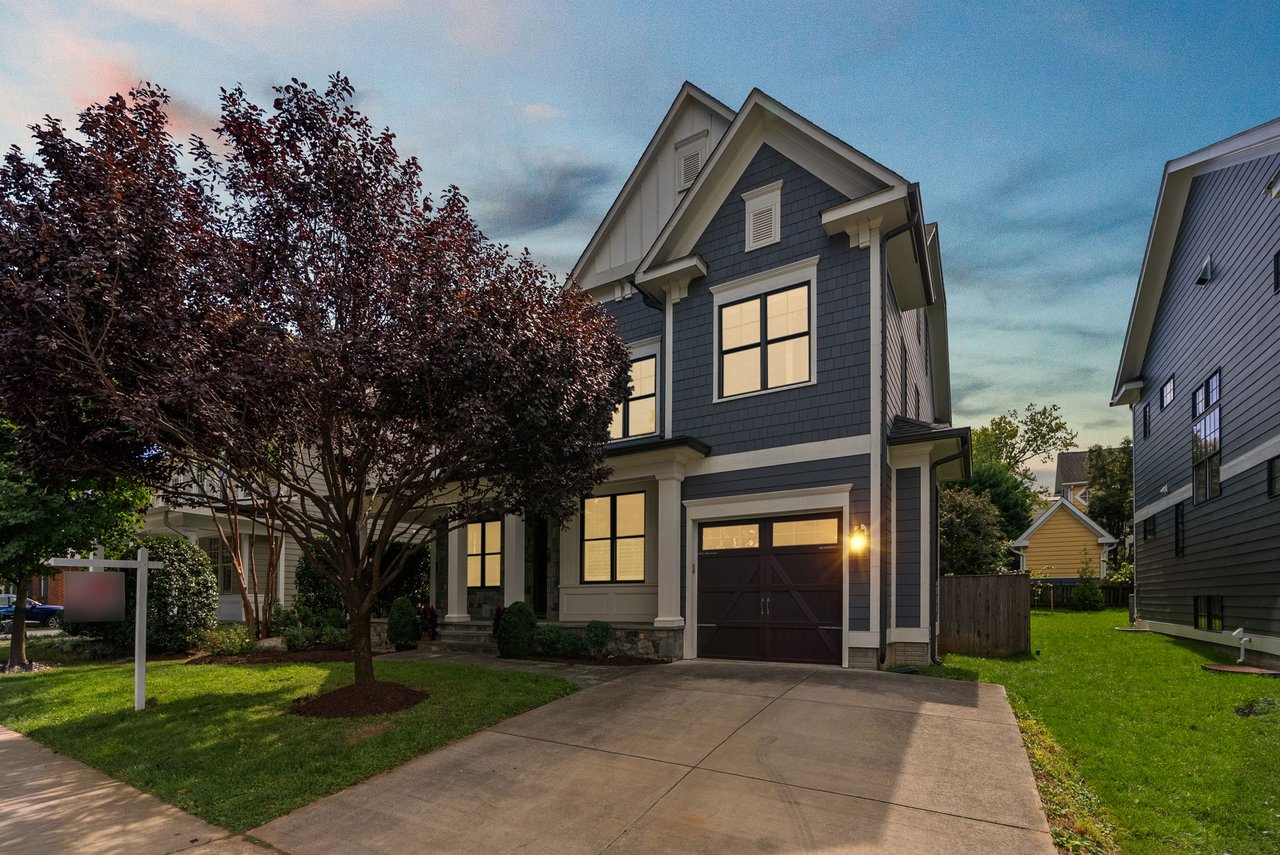
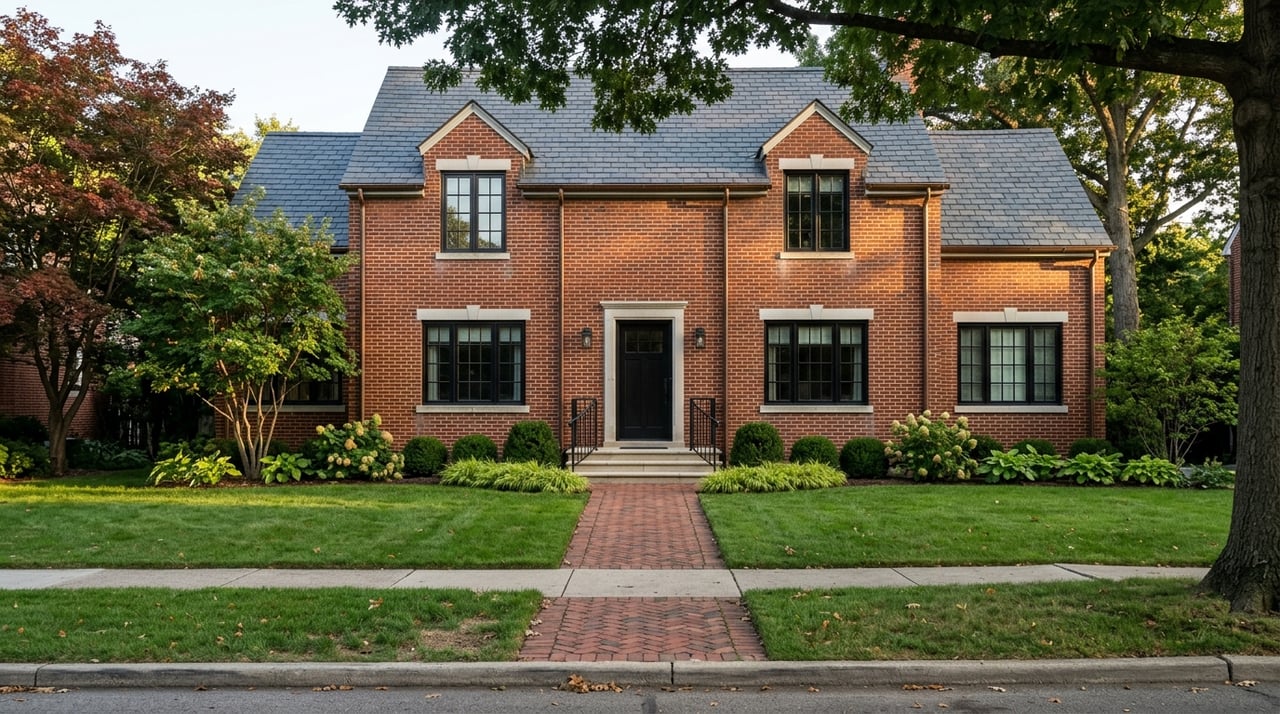
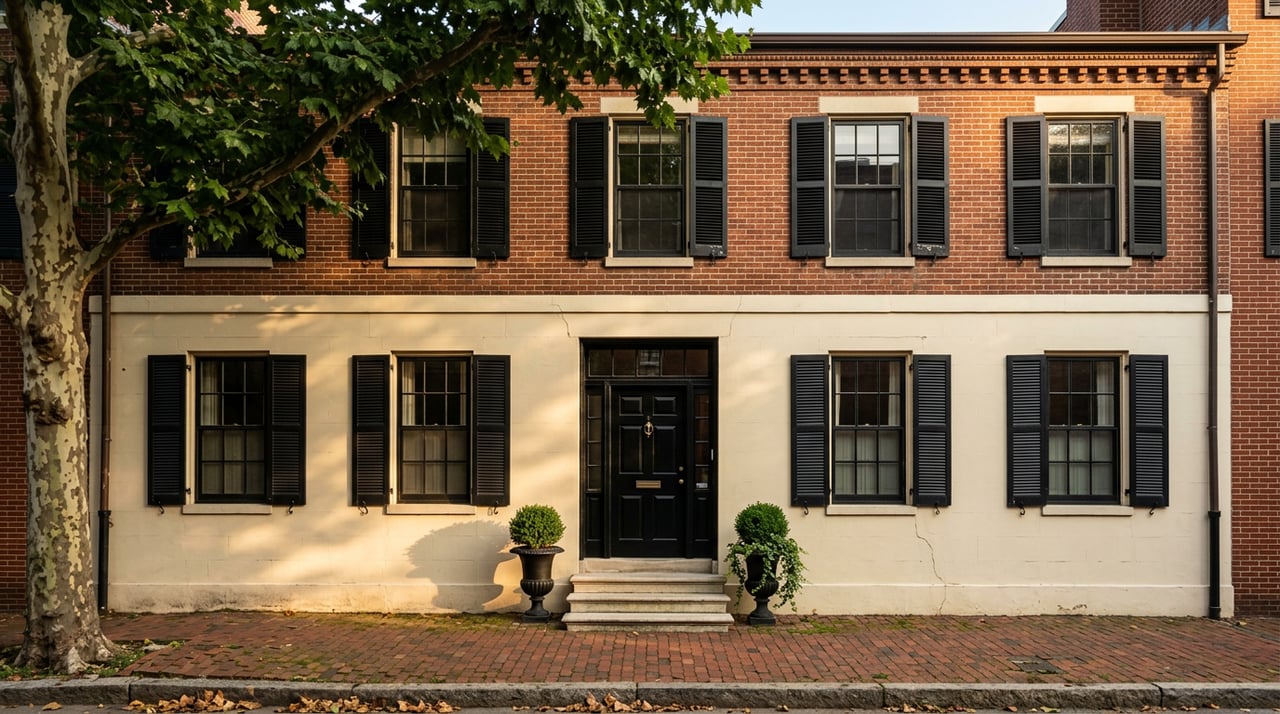
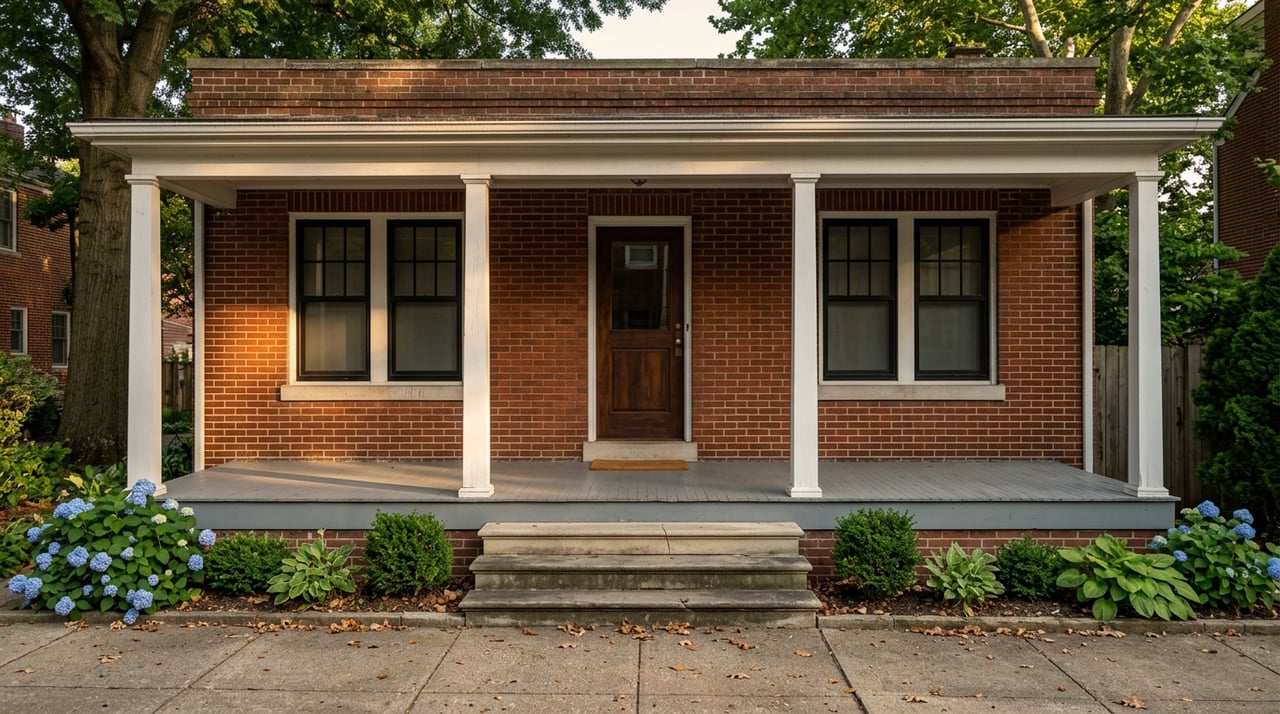
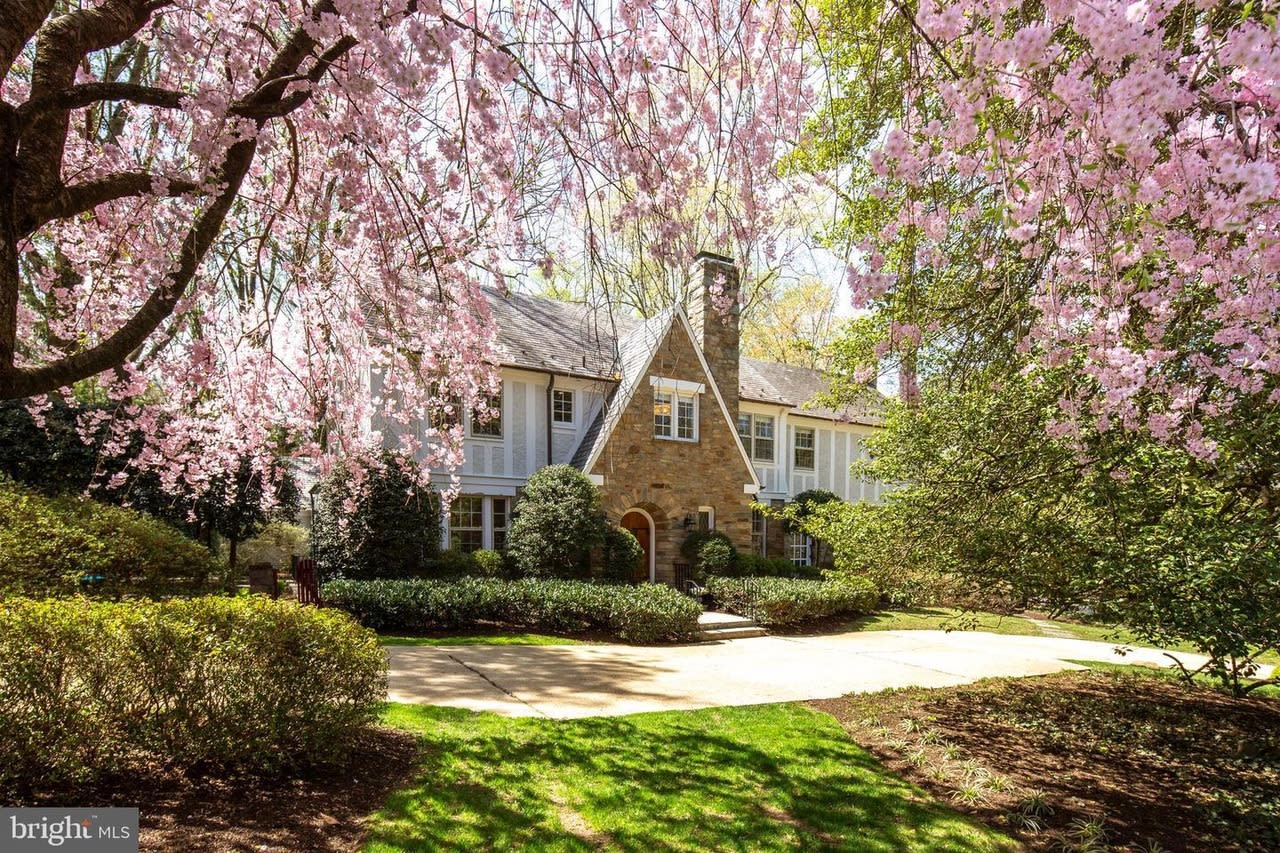
Two homes closed in Spring Valley within four weeks of each other this summer, both for the same price. One took four days to sell and went for $300,000 over its ask. The other took twenty-seven days and closed just under list. If you're comparing neighborhoods based on the headline market label, that pairing should not be possible in the same submarket, in the same season, at nearly the same price point.
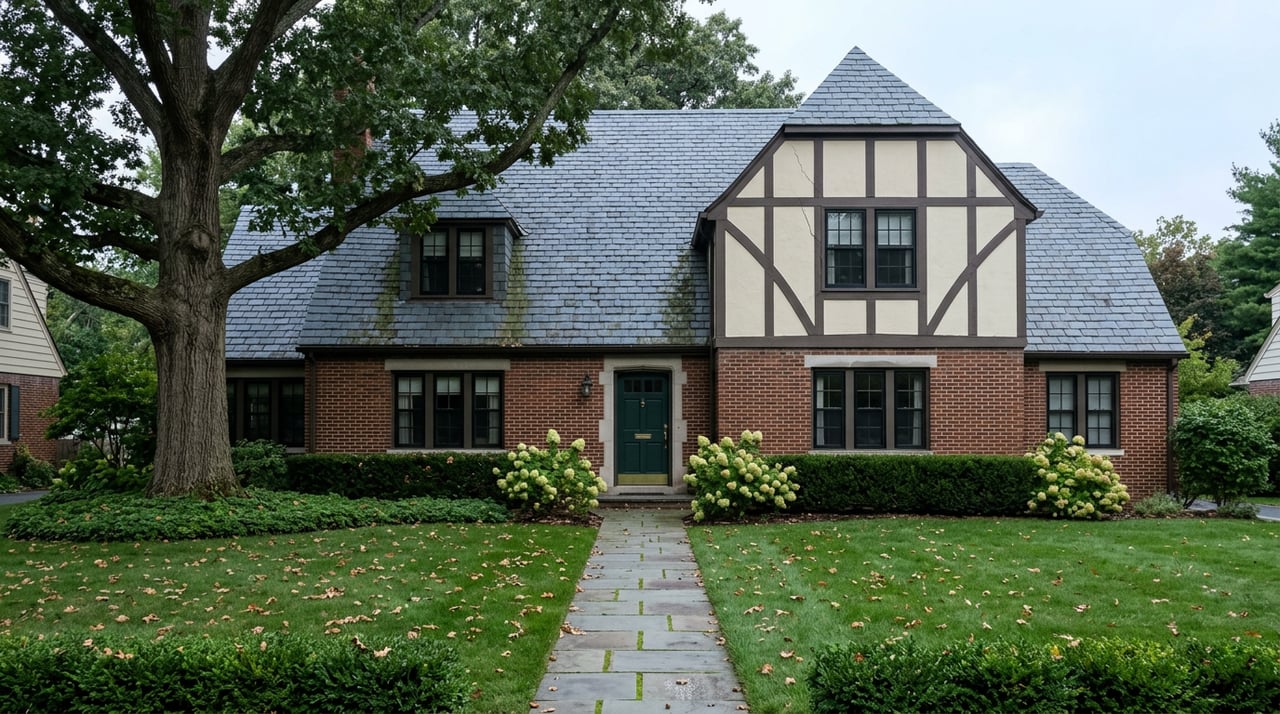
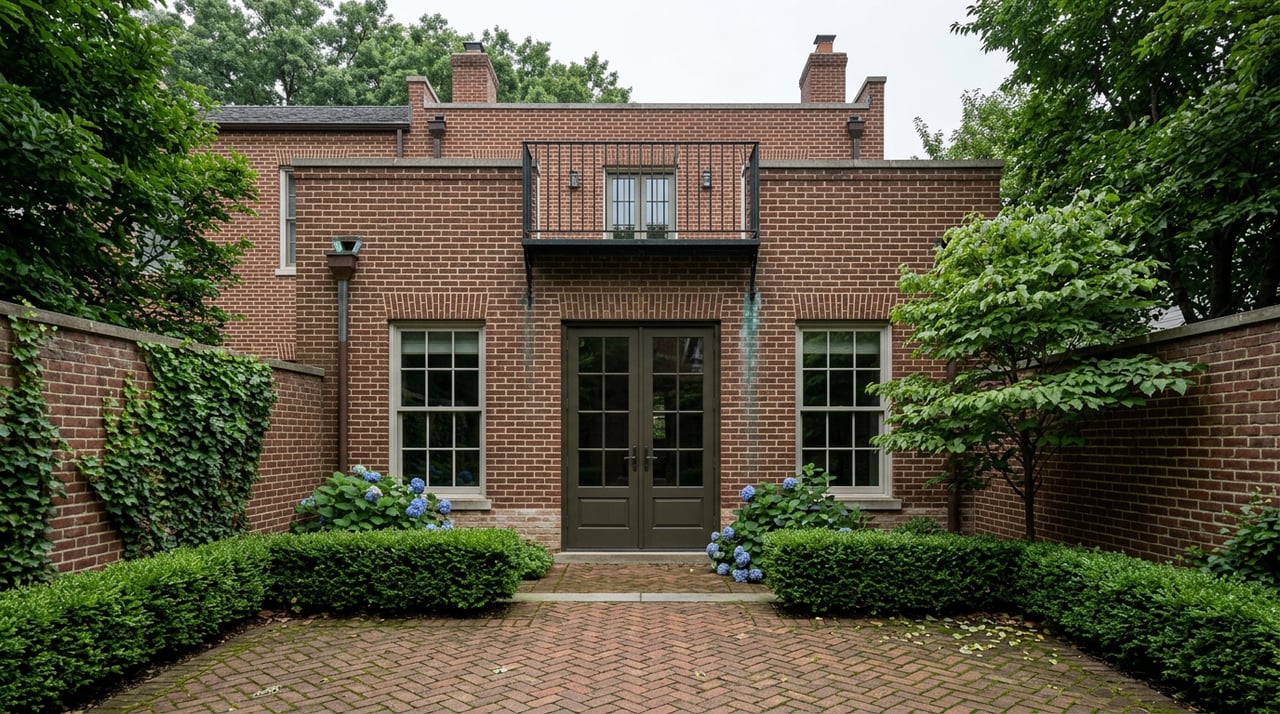
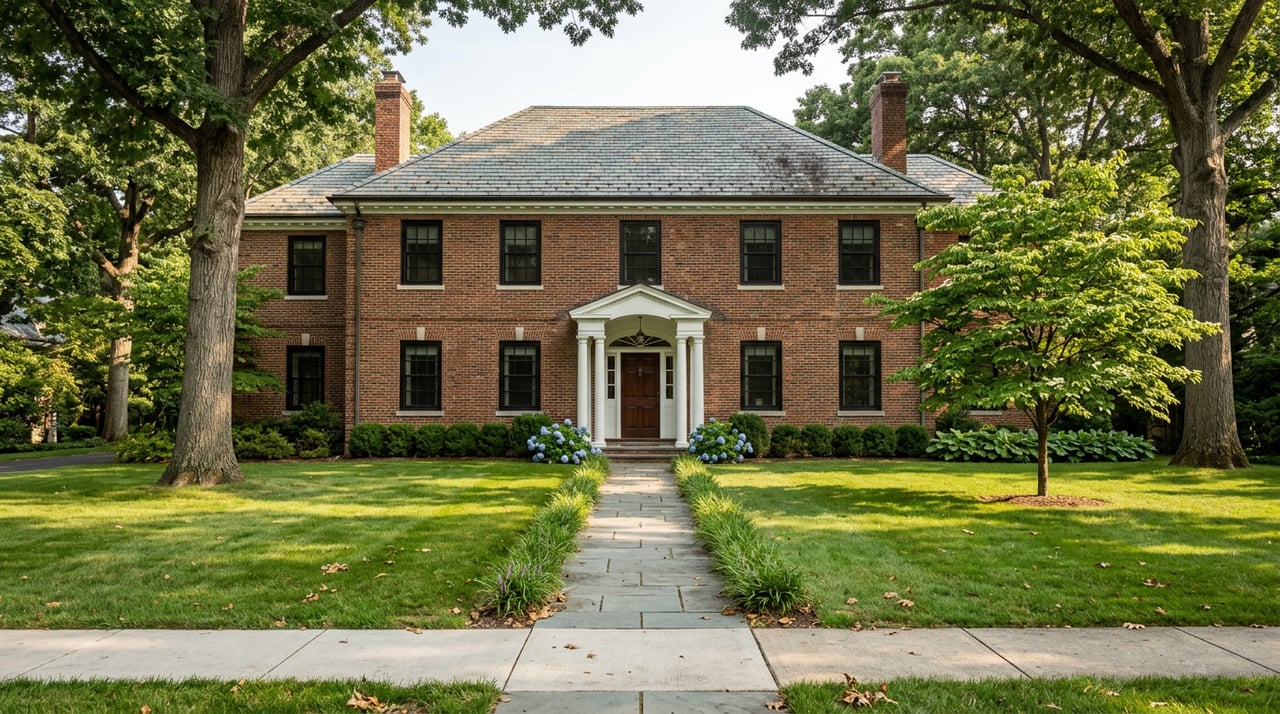
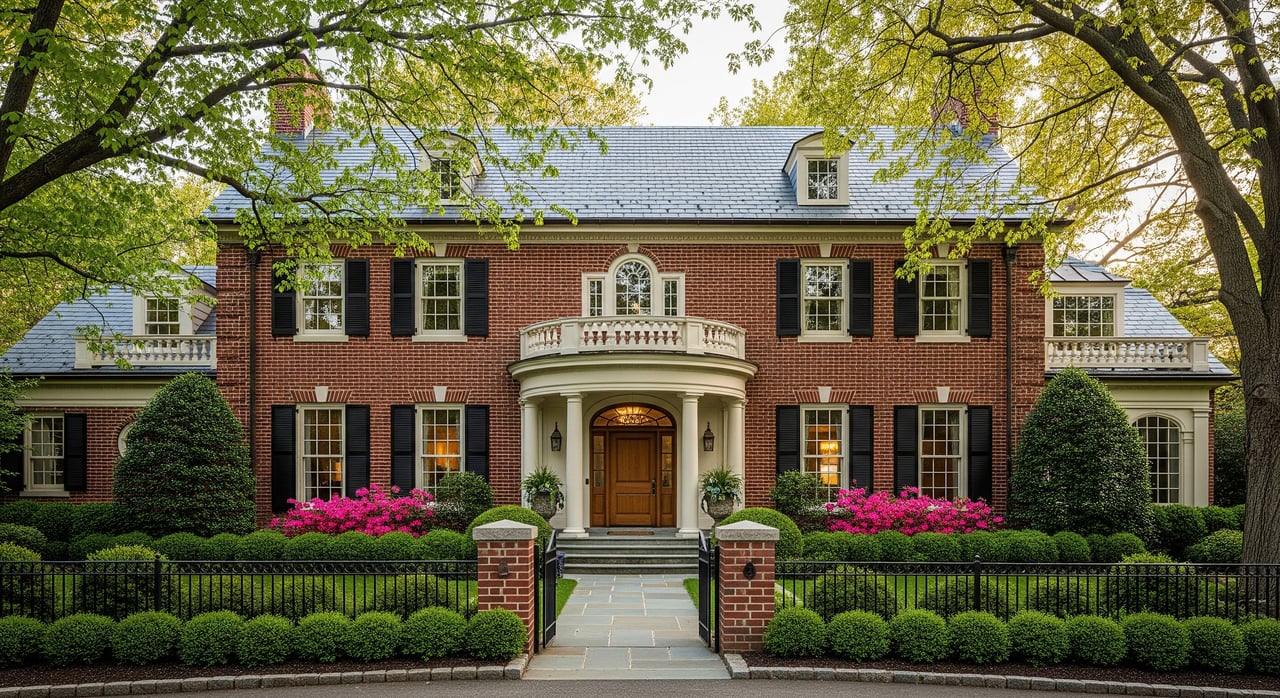
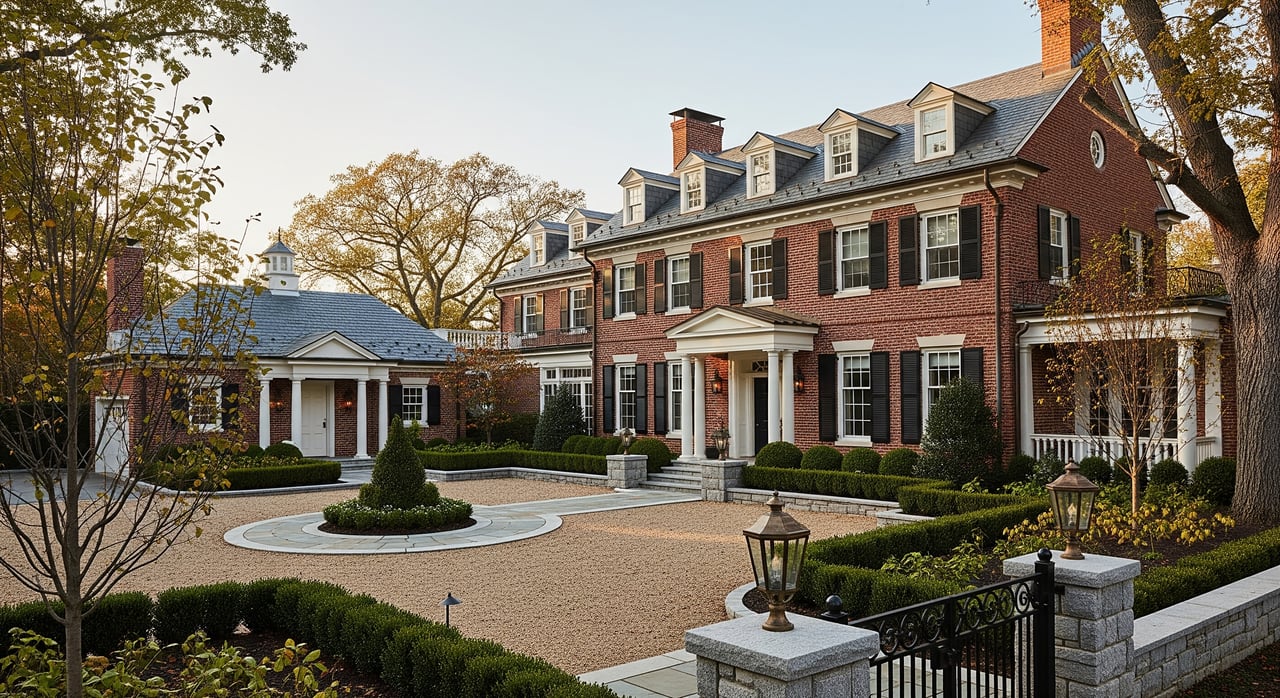
The circa-1930 Tudor on the faster-selling side went to Samuel P. Boyd, founder of Confido Advice & Investments, and Christina I. Boyd, according to Washingtonian's August 2026 roundup of DMV luxury sales. It listed at $4.5 million and sold at $4.8 million in four days. The other, a renovated 1950s mansion, sold to Isaac Flattau, founder and CEO of the AI media company B17GV, and Rebecca O'Brien, a global finance lawyer at Sidley, for $4.8 million after twenty-seven days on the market against a $4.895 million ask.
Same neighborhood. Same final sale price. Opposite trajectories.
| Circa-1930 Tudor | Renovated 1950s Mansion | |
|---|---|---|
| List price | $4,500,000 | $4,895,000 |
| Sale price | $4,800,000 | $4,800,000 |
| Days on market | 4 | 27 |
| Buyer | Samuel P. Boyd, Confido Advice & Investments | Isaac Flattau, B17GV, and Rebecca O'Brien, Sidley |
What "Buyer's Market" Actually Meant in April
If you'd looked at Spring Valley through the aggregator lens a few months earlier, you'd have seen a different story. Realtor.com's April 2026 snapshot put the median listing price at $2.65 million across 21 active homes, with a median 26 days on market, and flagged the neighborhood as a buyer's market. At roughly the same time, Redfin was reporting a median sale price of $2.55 million for March 2026, up 18.6% year over year. A market can't be softening for buyers and appreciating by nearly a fifth in the same stretch unless the label is describing something narrower than it sounds.
Zoom out and the regional numbers add more texture without resolving the contradiction. Bright MLS data reported by Axios showed DMV pending sales up 9.3% in April 2026 compared to a year earlier, with new listings up 7.1%, a sign of a market that was thawing after a sluggish stretch tied to federal workforce uncertainty. None of that regional recovery explains why one $4.8 million Spring Valley home moved in four days while another sat for most of a month. The "buyer's market" framing was never wrong exactly. It was just describing an average across a neighborhood that doesn't behave like an average.
The Rule That Broke
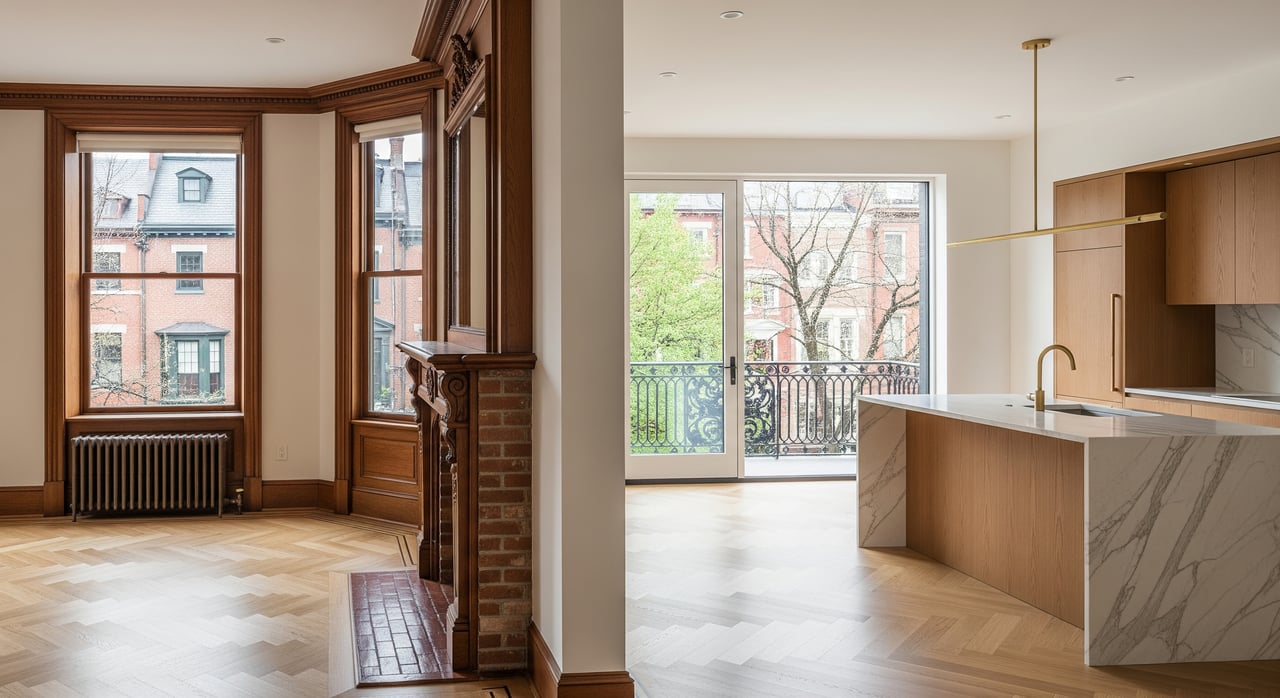
The broader DC-area story this year has been fairly consistent: renovated homes are winning. Washingtonian's 2026 reporting on regional buyer preferences found that DC-area buyers are strongly favoring fully renovated homes, especially ones with updated kitchens and baths, and showing far less appetite for anything that reads as a project. That preference shows up in the numbers too. Renovated homes have been drawing more attention and spending noticeably fewer days on market than older, untouched stock, though the advantage has been narrowing. Fixer-uppers, meanwhile, have been selling at a growing discount compared to renovated comparables.
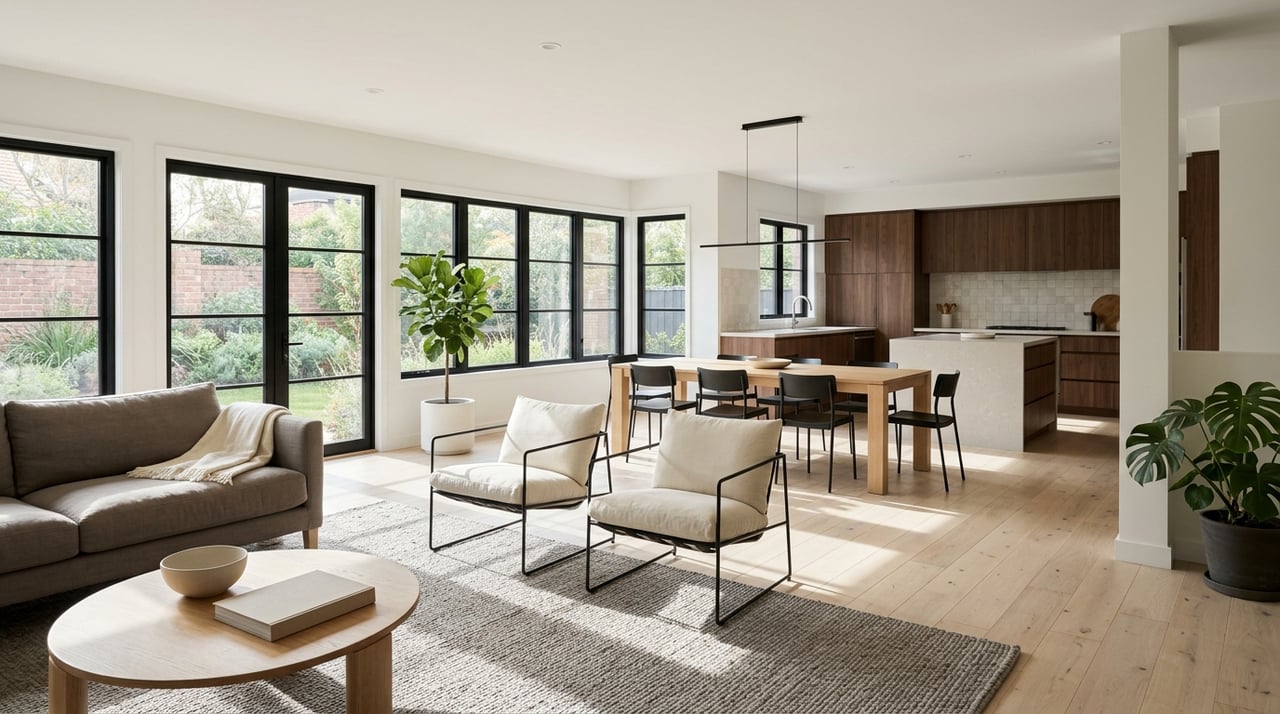
By that logic, the renovated 1950s mansion should have been the fast sale. It wasn't. The home that moved in four days over asking was the circa-1930 Tudor, not the one explicitly marketed as renovated.
That's worth sitting with if you're comparing Spring Valley to other close-in neighborhoods on the theory that "renovated wins" is a universal rule you can apply anywhere. In Spring Valley's top tier, it may not be the finish level doing the work at all. It may be the specific address, the lot, and the architectural character of the house itself. A well-proportioned original-era Tudor on a distinguished block can generate its own urgency among buyers who have the resources to renovate on their own terms and would rather buy the bones and the site than someone else's finished product.
That reading lines up with what's actually being built in Spring Valley right now. Akseizer Residential, the design and development firm led by Jeff Akseizer, is behind a ground-up new construction project on Quebec Street NW built around custom millwork and disciplined architectural symmetry, not a generic spec flip. On Sedgwick Street NW, Kent Construction & Development worked with designer Lisa Najafi to take a 1948 colonial down to a shell and rebuild it into a nearly 5,000-square-foot home across four levels. A third project elsewhere in the neighborhood came from District495, described as a full reimagining of an existing residence. None of this is volume homebuilding. It's bespoke work tied to specific lots, which suggests the buyers writing seven-figure checks in Spring Valley are shopping for a particular kind of house and street more than they're shopping for a checkbox marked "renovated."
The Cleanest Ground in Town
Spring Valley carries a piece of history that doesn't show up in a comps sheet but does come up in conversation with buyers new to the neighborhood. From 1917 to 1918, the Army used land at American University to research chemical weapons under a program known as the American University Experiment Station. Buried munitions and lab debris were discovered on residential properties starting in 1993, and the Army Corps of Engineers spent close to three decades excavating soil and ordnance across the neighborhood under a formal cleanup program.
The most contaminated single property, at 4825 Glenbrook Road, was declared fully clean and safe to build on in November 2021, according to Army Corps officials cited by DCist and NBC4. The house that once stood there had been demolished years earlier during the excavation. When the now-empty lot came on the market the following year, the listing agent described it to FOX 5 as probably the cleanest ground in town, a description backed by two decades of soil testing that most residential lots never receive.
That history hasn't shown up as a discount in the neighborhood's pricing. If anything, the Glenbrook Road lot sold at a price that reflected its location on one of Spring Valley's most desirable streets, not its past. For a buyer evaluating an older home in the neighborhood, the practical takeaway isn't concern. It's that the cleanup is documented, the timeline is public record through the Army Corps' own project pages, and an agent who knows the neighborhood should be able to speak to it plainly rather than treat it as something to avoid discussing.
What This Means If You're Comparing Neighborhoods
A few things worth carrying into a side-by-side comparison with other Northwest DC neighborhoods:
- A neighborhood-wide "buyer's market" label describes an average, not a guarantee of leverage on any specific listing. A well-sited, character-rich home can still generate a bidding war in a market that's technically favoring buyers.
- Renovation status is a useful signal almost everywhere in the DC area, but at Spring Valley's top end, site and architectural pedigree appear to be carrying at least as much weight, based on the two closings above.
- The neighborhood's newest inventory is coming from a handful of builders doing bespoke, ground-up work rather than standardized flips, which means every new listing is worth evaluating on its own terms rather than assuming a common formula.
- The area's WWI-era environmental history is well documented and resolved. It's a legitimate diligence question, not a reason for hesitation on its own.
A Few Questions Worth Asking
Does Spring Valley's cleanup history affect financing or insurance today? The remediation was carried out and documented by the Army Corps of Engineers for close to three decades, with the most significant site declared complete in 2021. Ask your agent for the property's specific history if you're considering a lot near the original testing area, and treat it as a factual diligence item rather than a financing obstacle.
Was 26 days on market actually typical for Spring Valley in April 2026? It was the median in the April snapshot, and the two closings above show how wide the range can be around that figure. A prepared, well-located listing can move in days. One that needs the buyer to imagine the finished version can sit for a month or more, even at a similar final price.
If you're weighing Spring Valley against another Northwest DC neighborhood and want a read on what a specific street or lot is actually worth right now, rather than what the aggregate label suggests, Jack Realty Group can walk through the comparison with you. Book a neighborhood consultation and we'll talk through what the data means for your specific situation.
This article is general information, not legal, tax or financial advice. Consult a qualified professional about your situation.