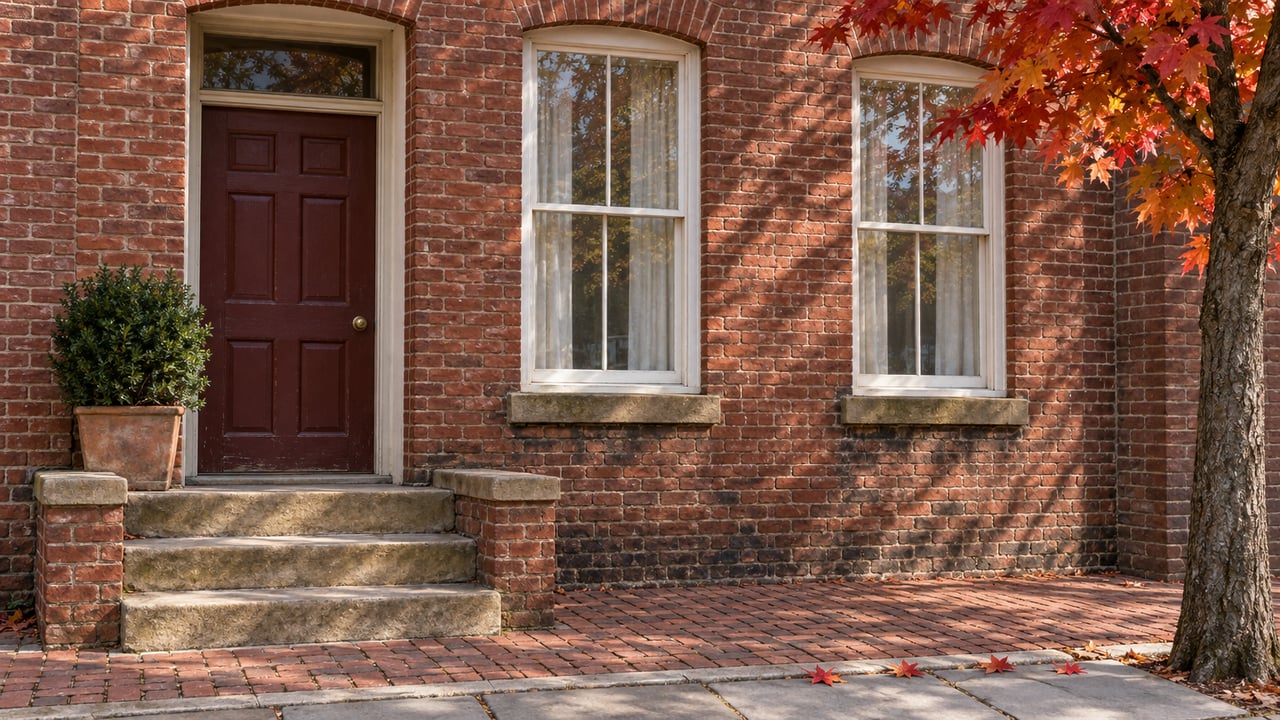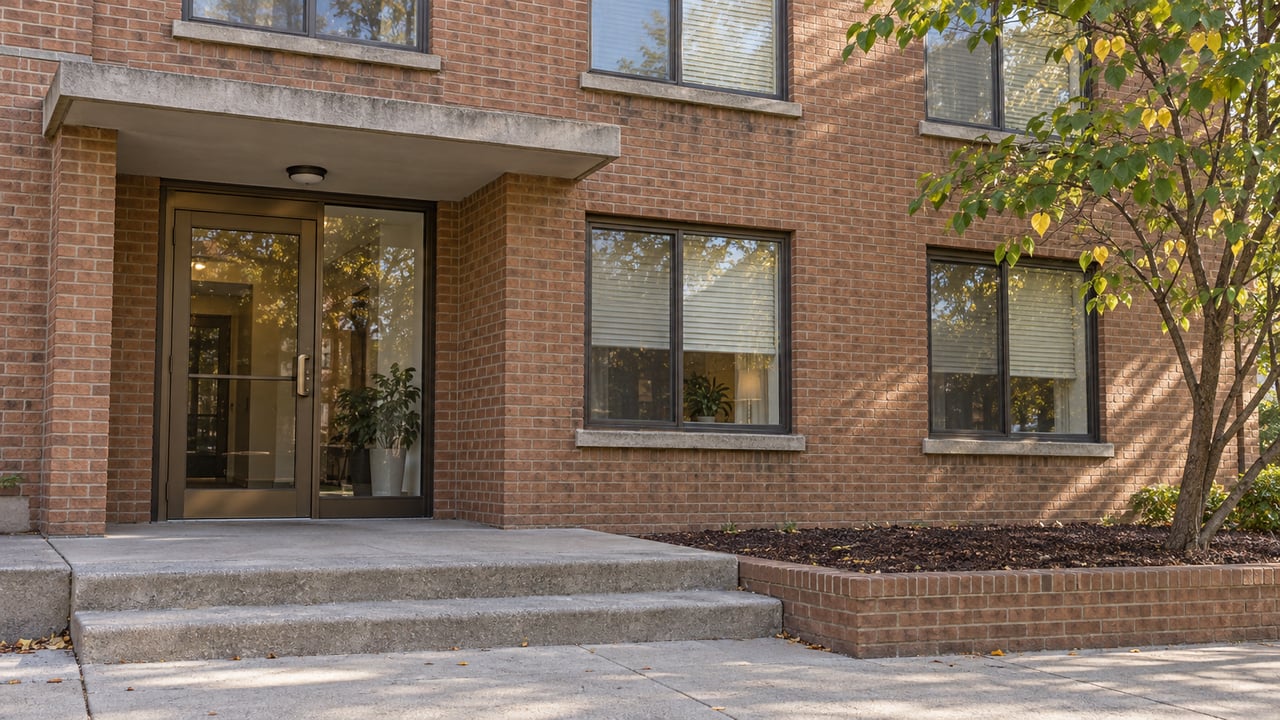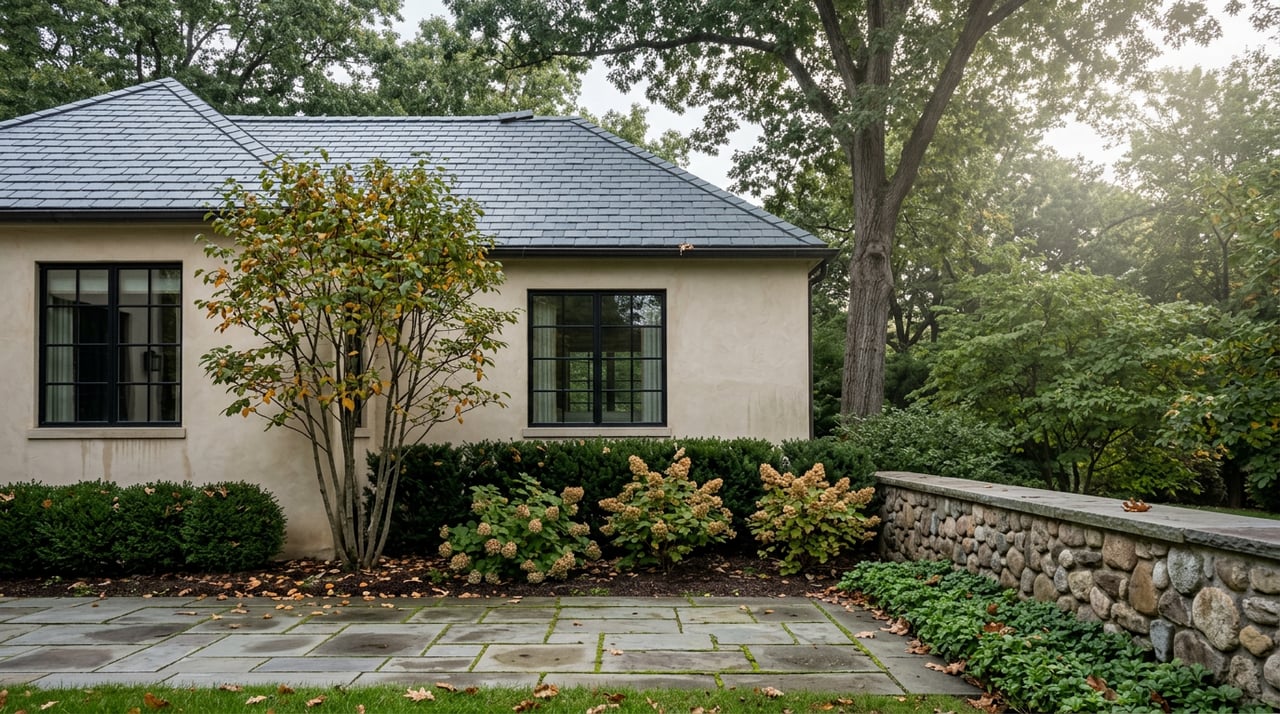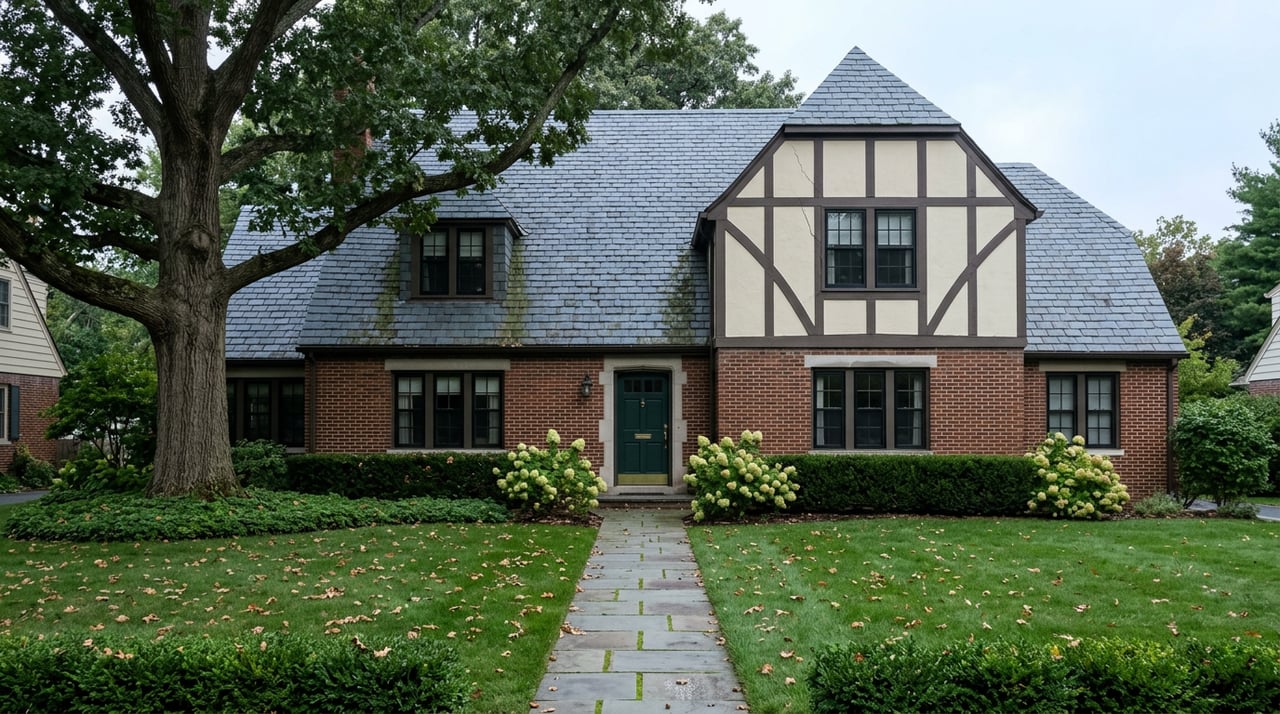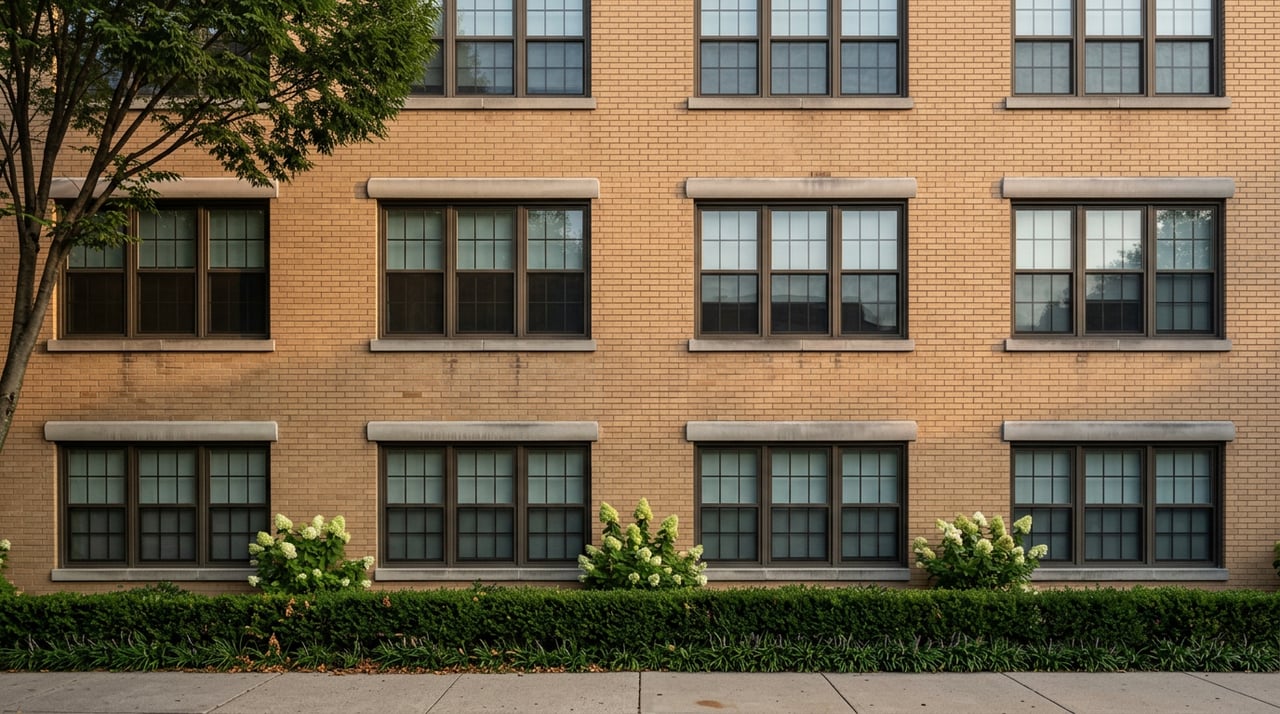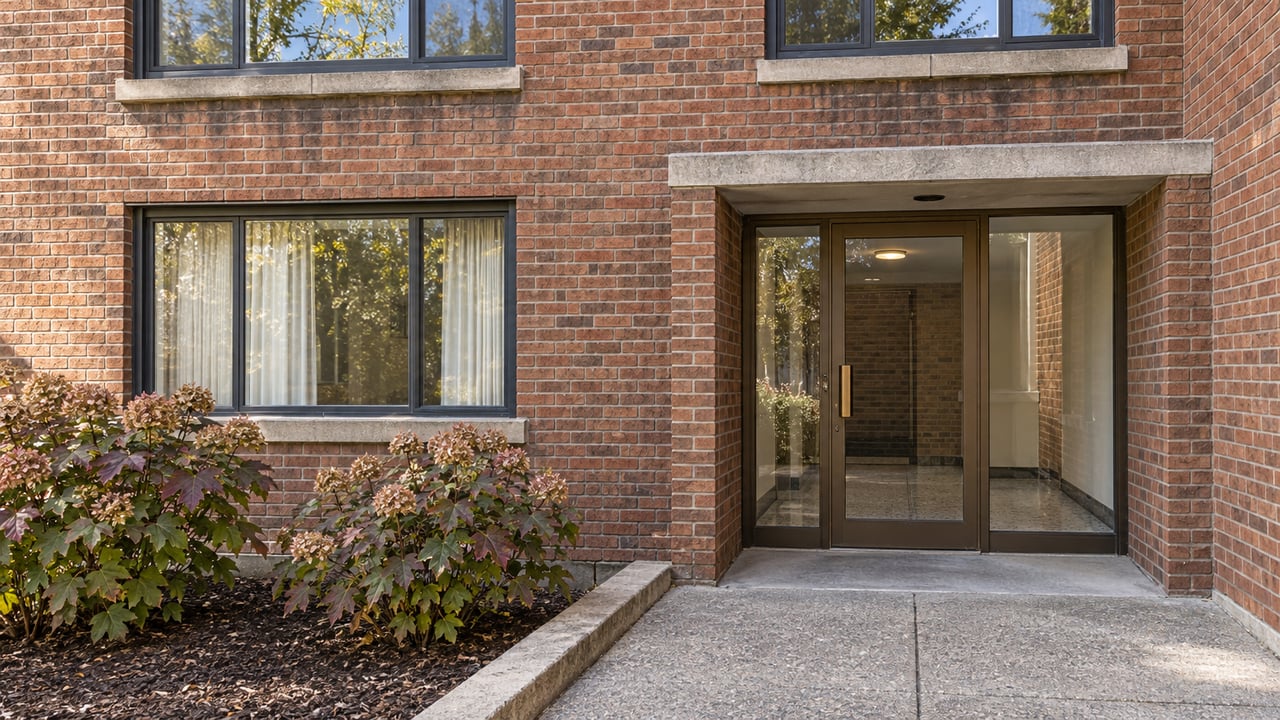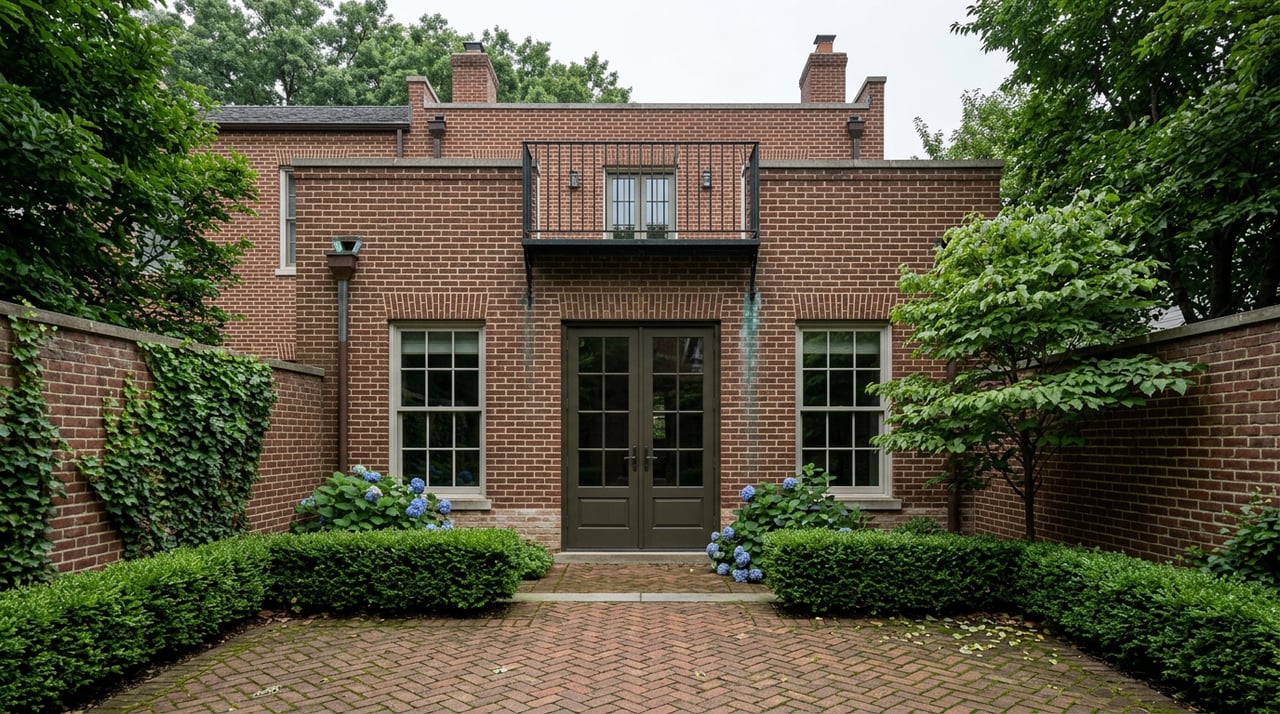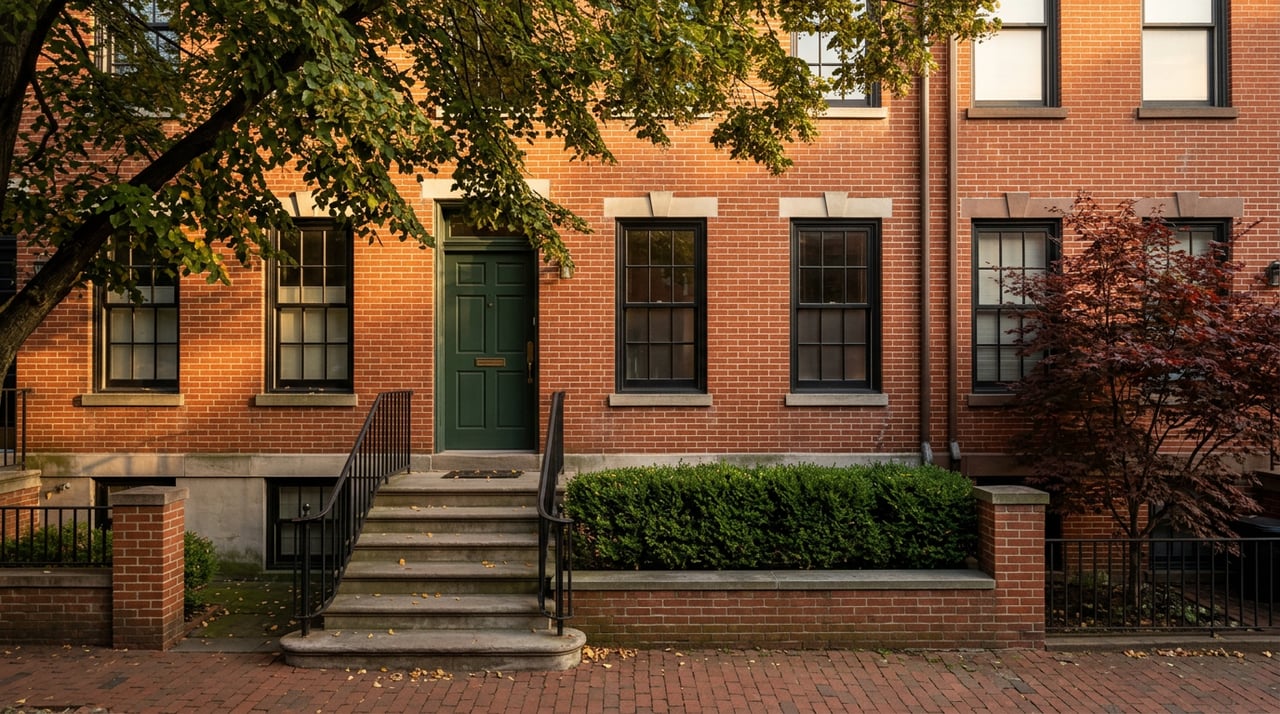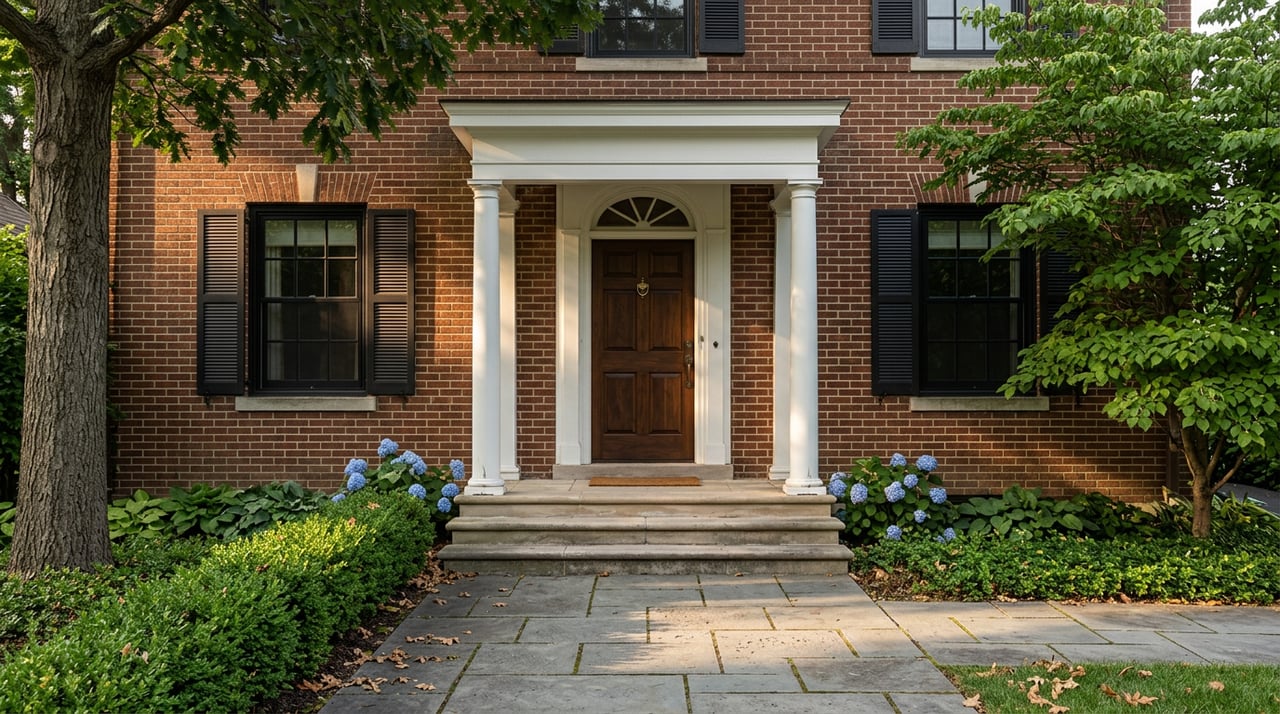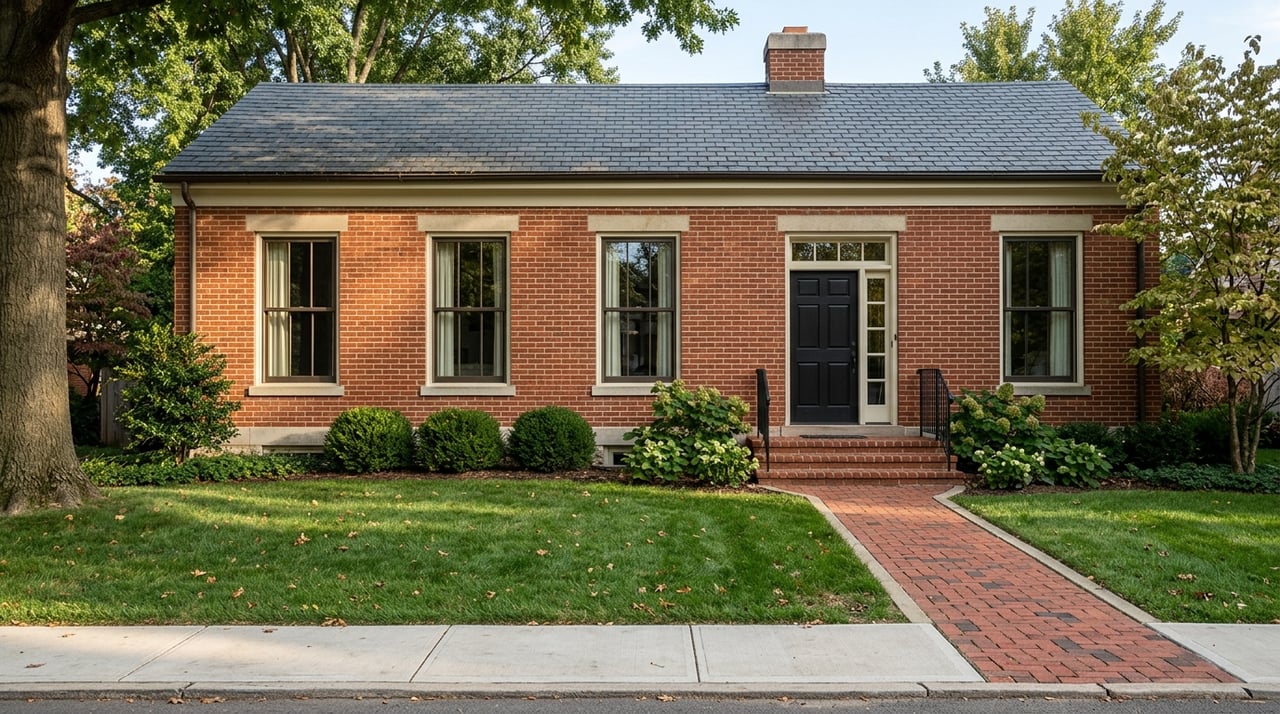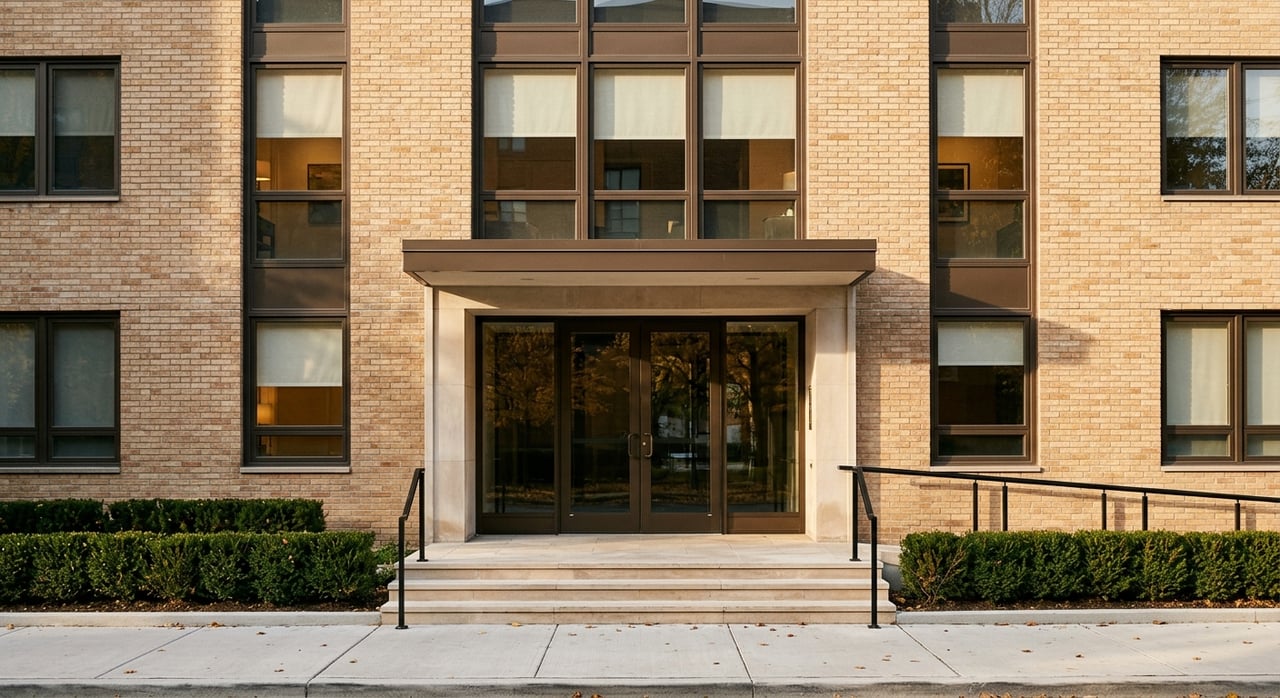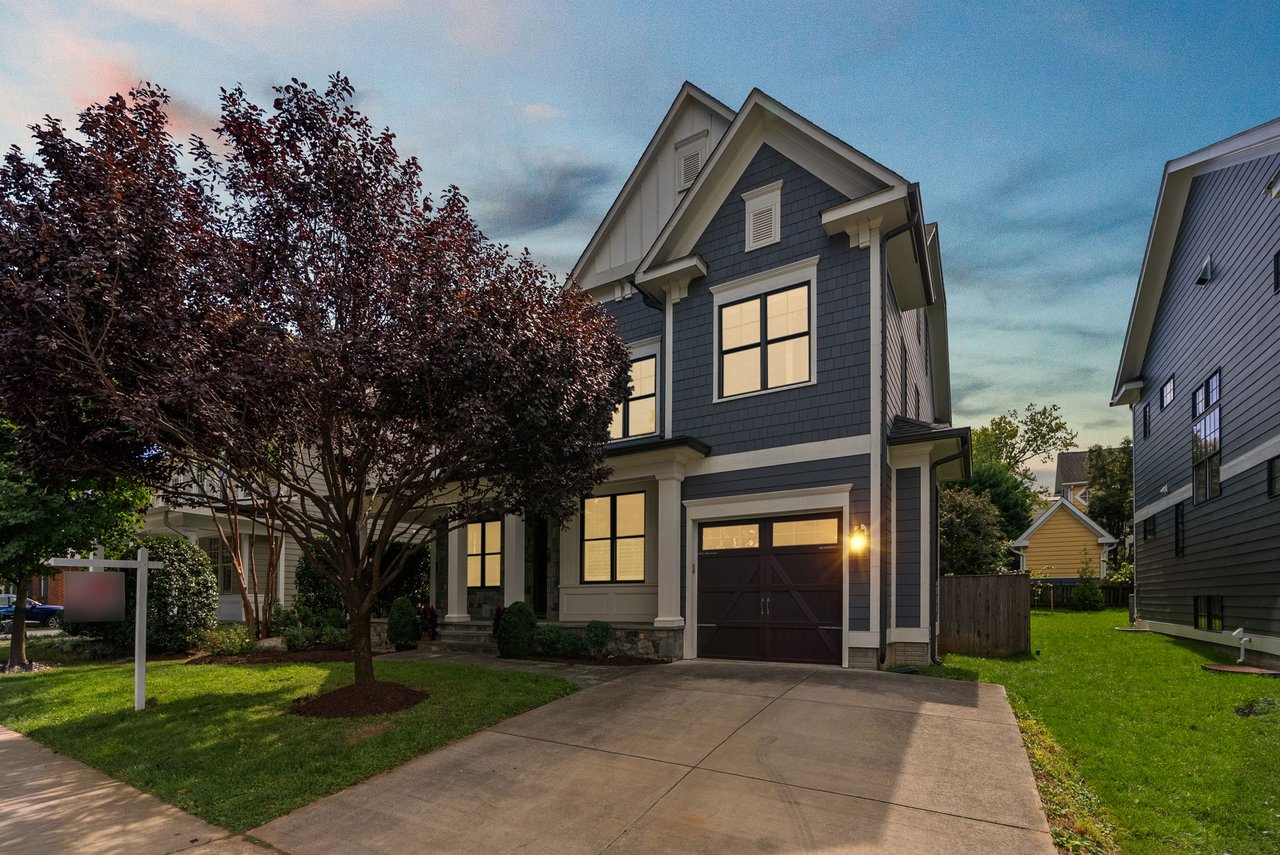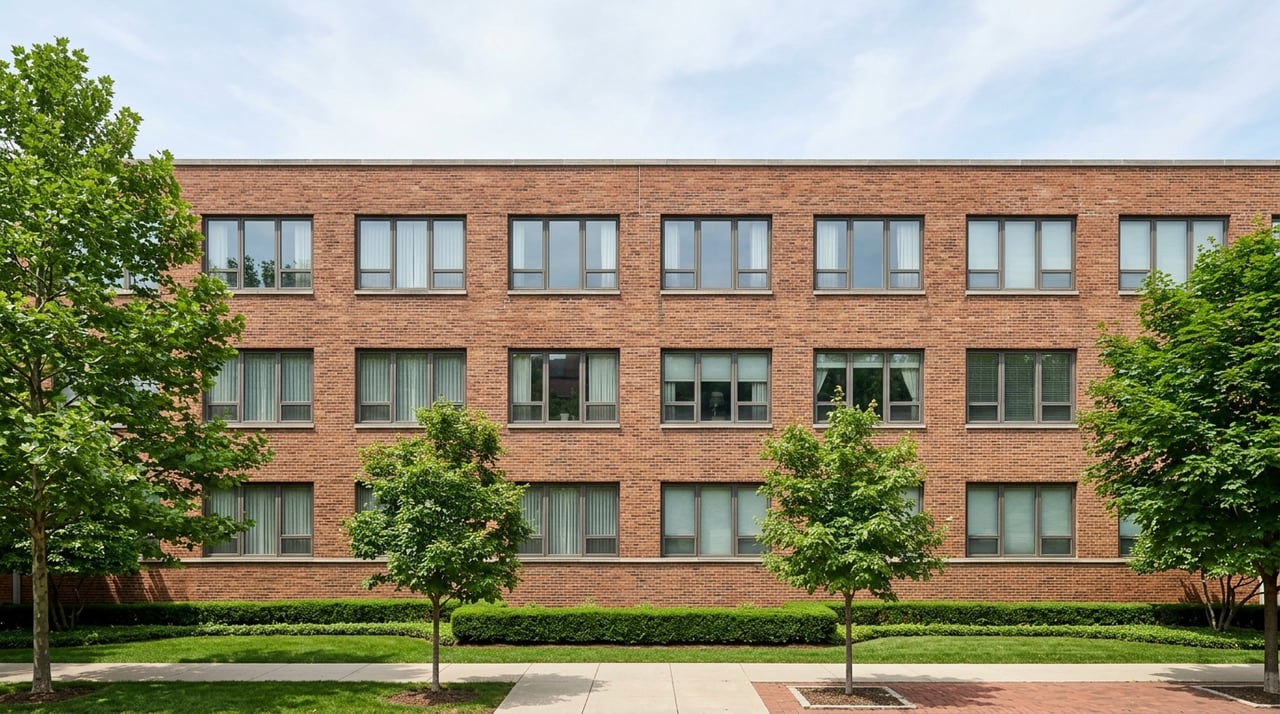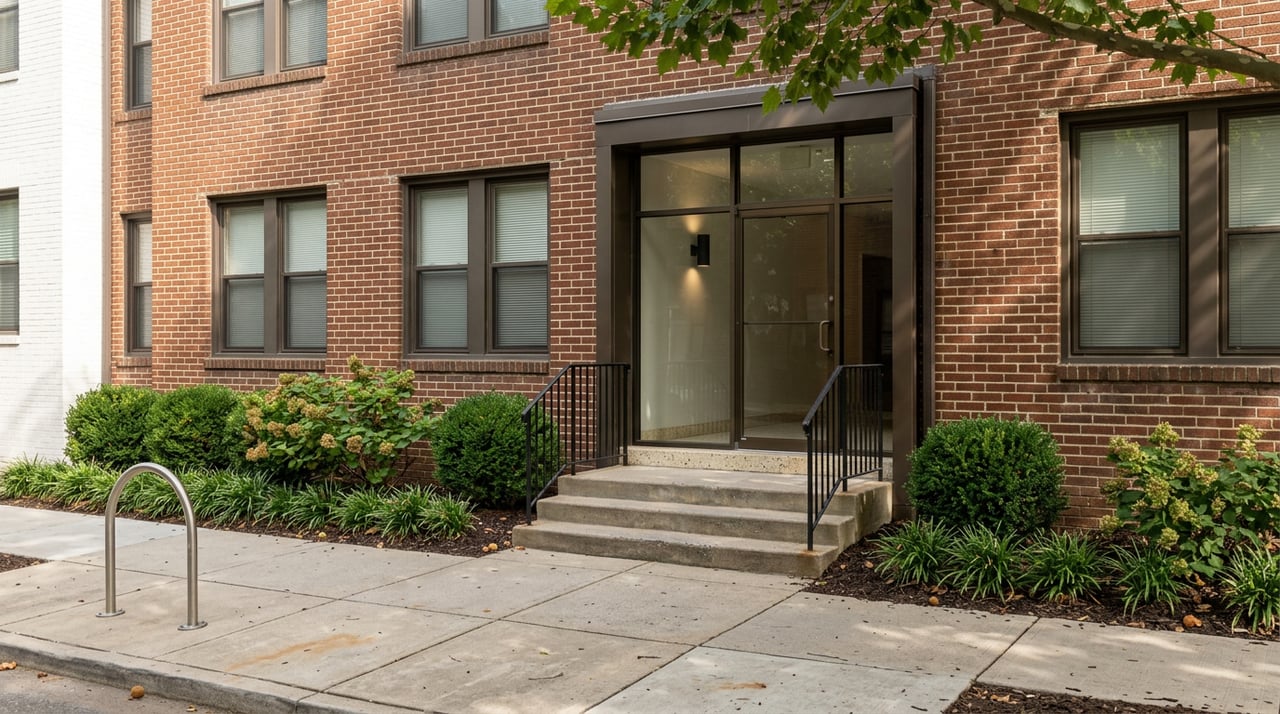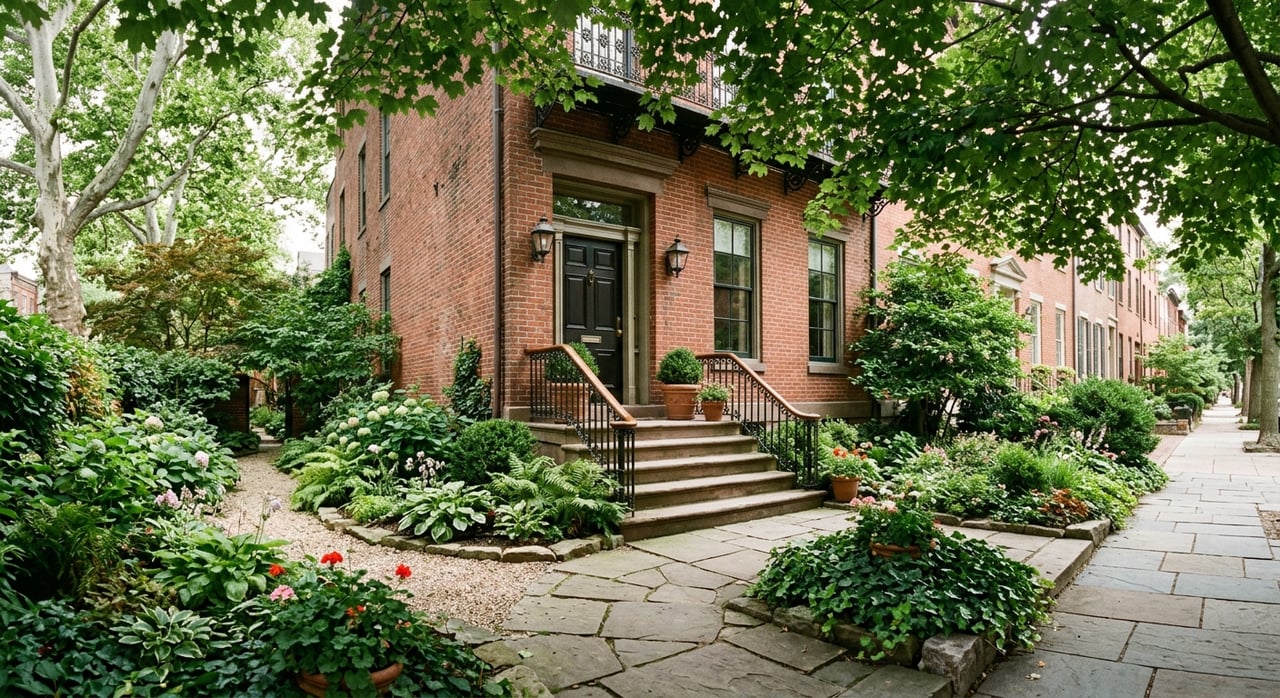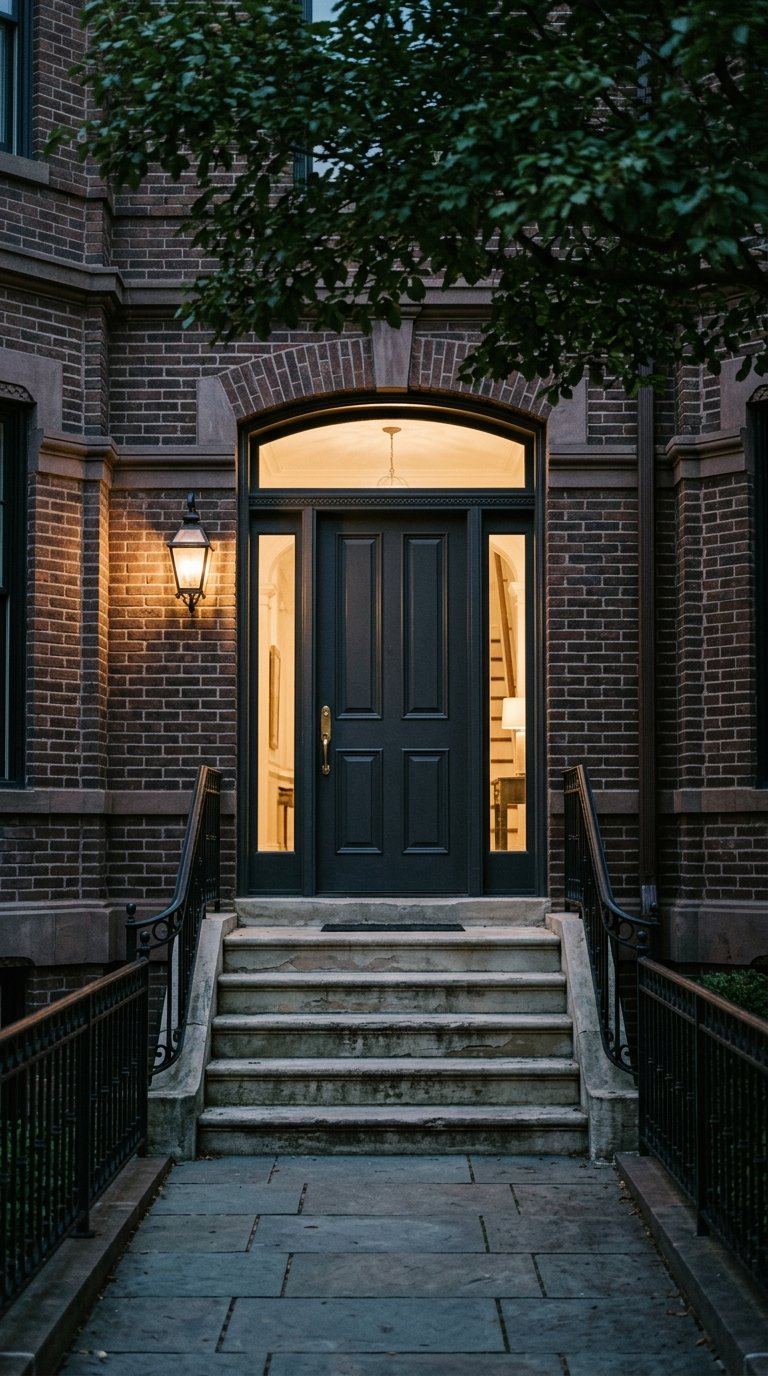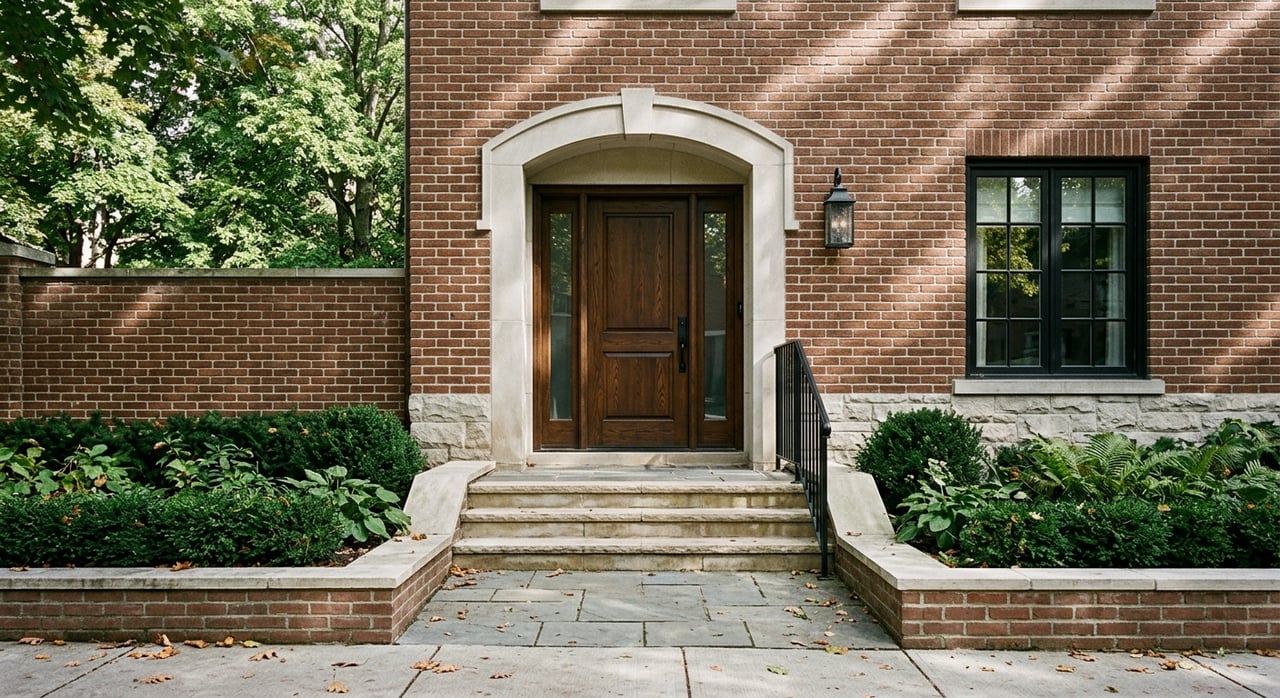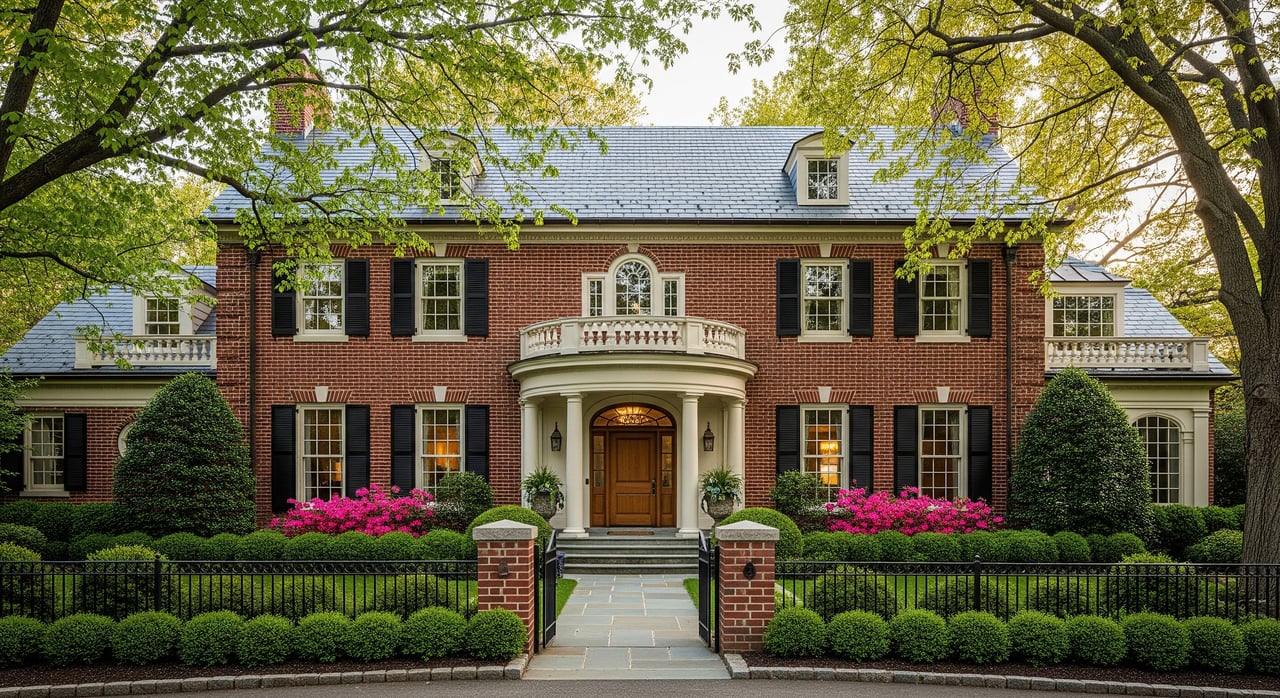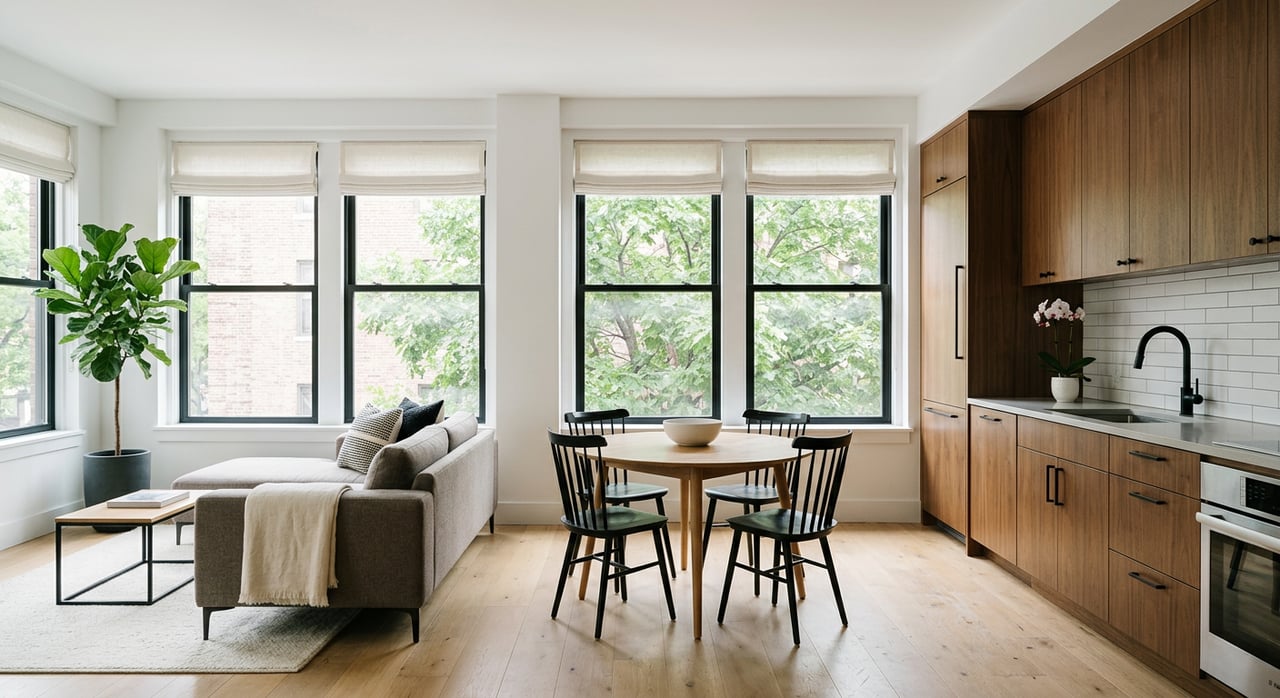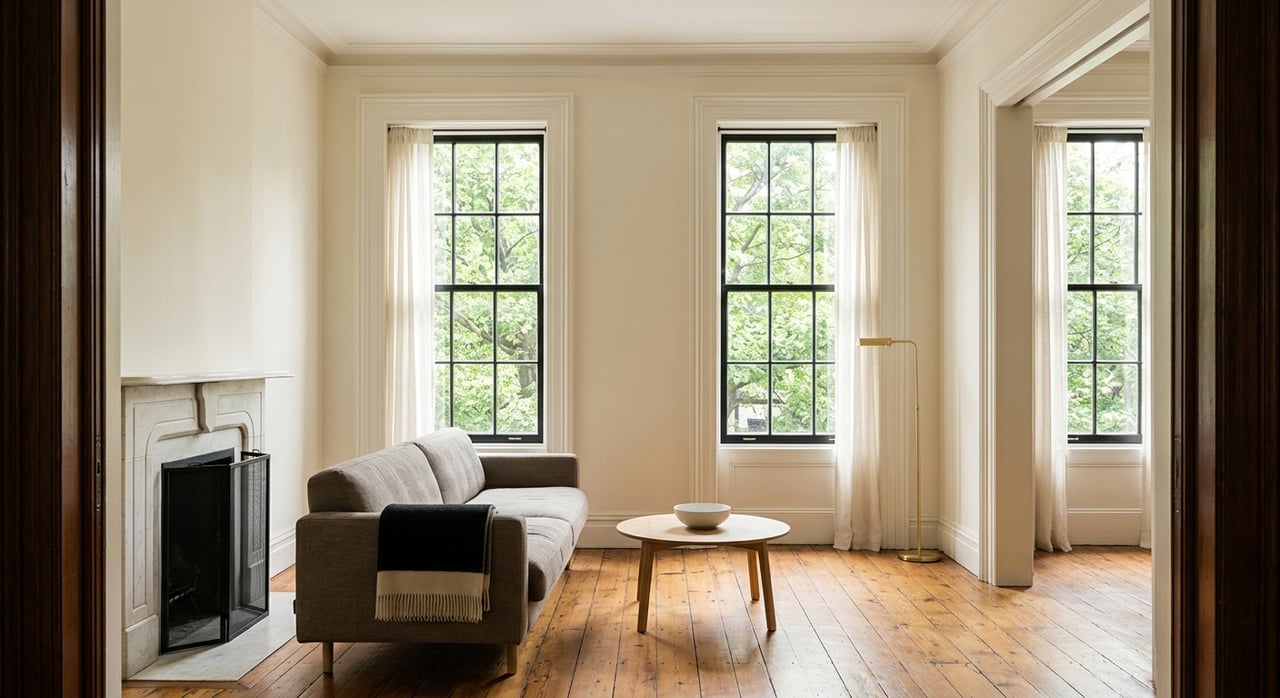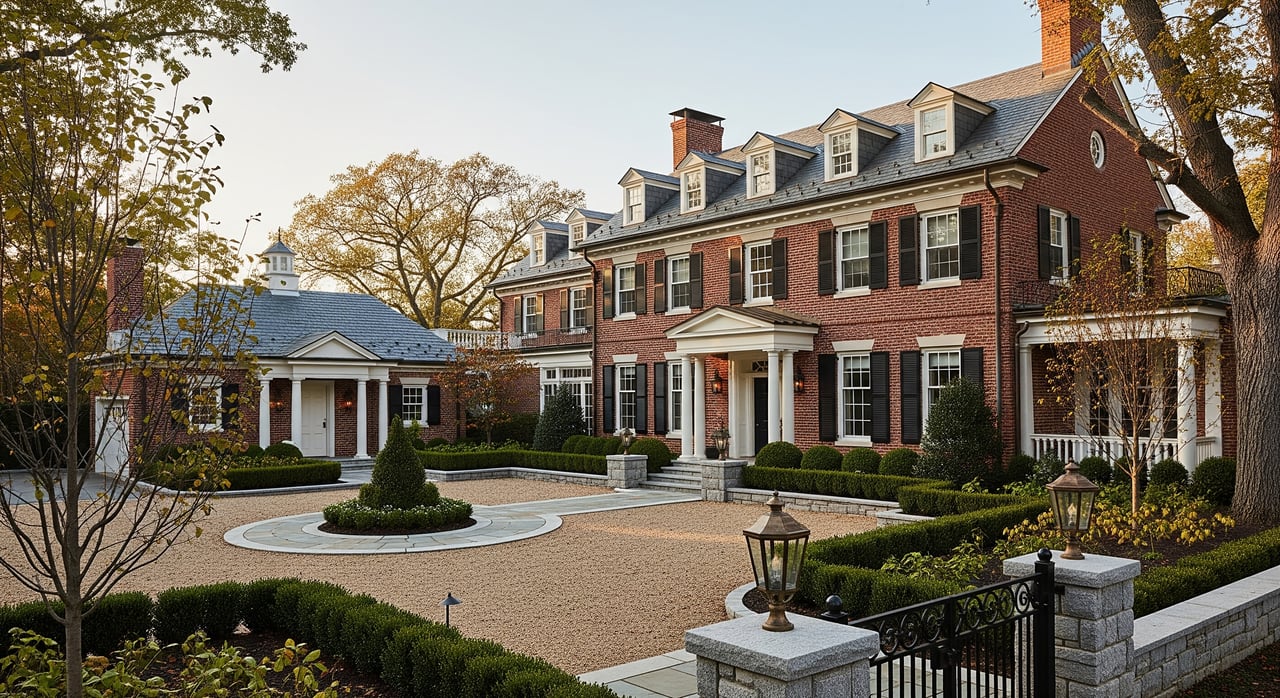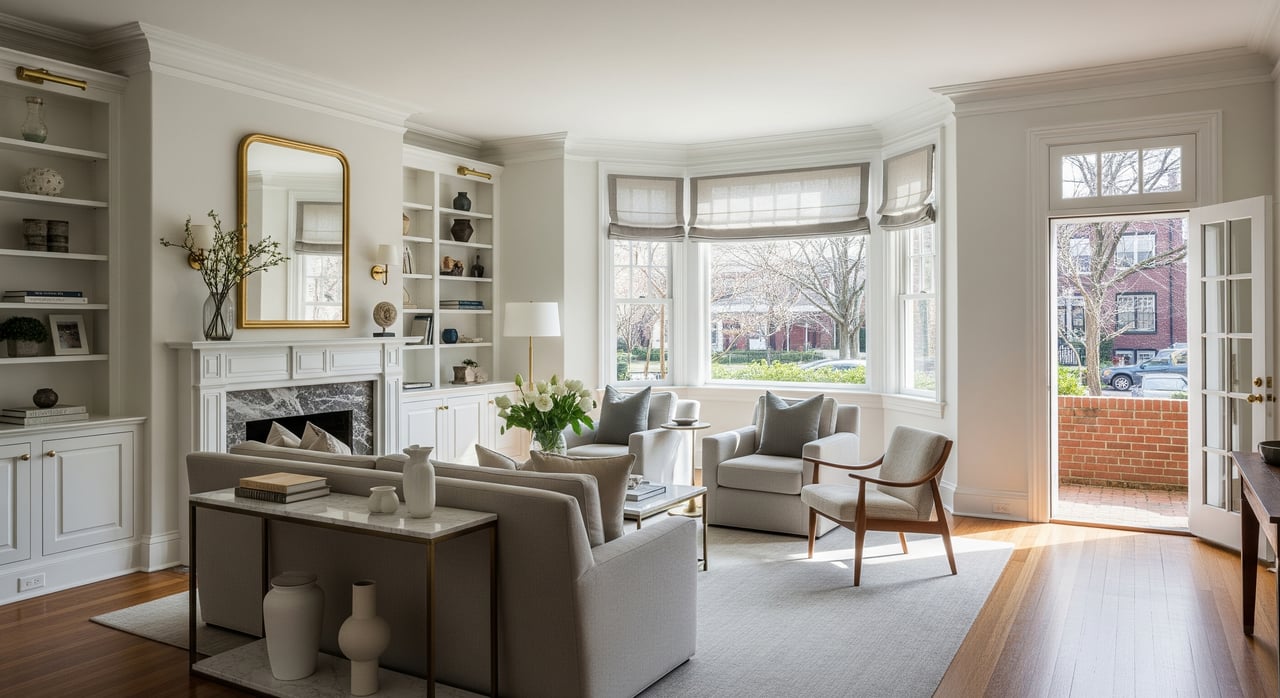
When searching Kalorama listings by price, ownership structure is another detail to check. A one-bedroom in a converted prewar building in Kalorama Triangle can sit two blocks from a mansion on Wyoming Avenue, priced at a fraction of the cost, and may be a cooperative rather than a condominium. Buildings like the Mendota, at the corner of 20th Street and Kalorama Road, and 2101 Connecticut a few blocks away are both cooperatives, which means, under the D.C. Code, the buyer receives shares in a corporation and a proprietary lease, not a deed. That distinction does not show up in square footage or price per square foot.
That gap between what a price tag implies and what a transaction actually requires is the real story behind Kalorama's market data this year, and it starts with a number that refuses to hold still.
Two Built Environments Under One Zip Code
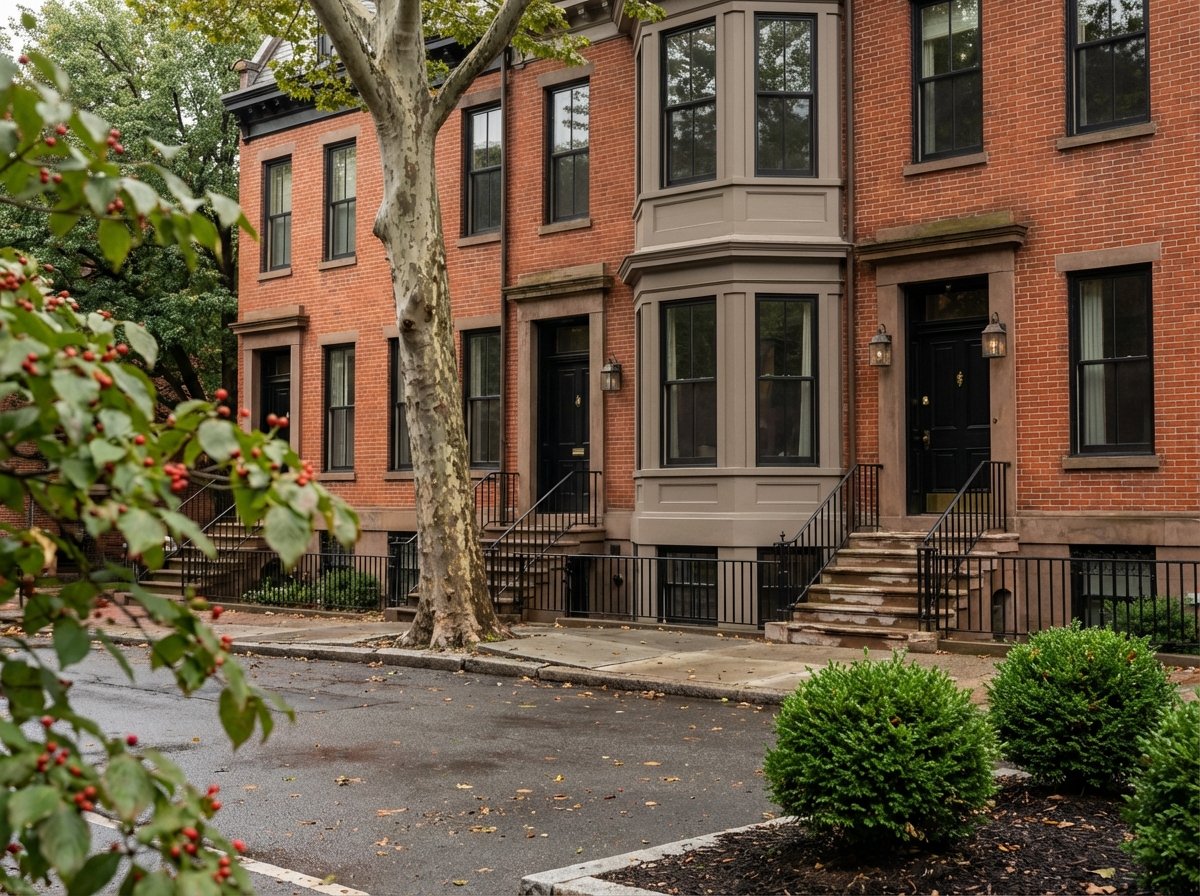
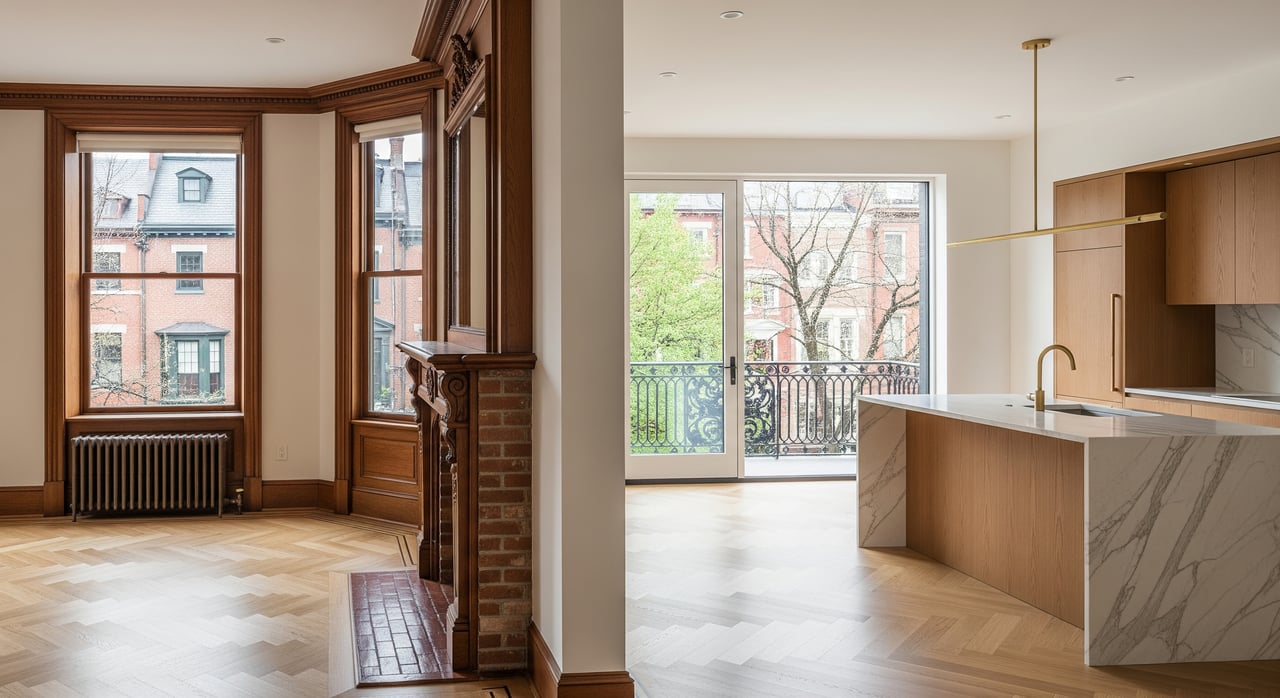
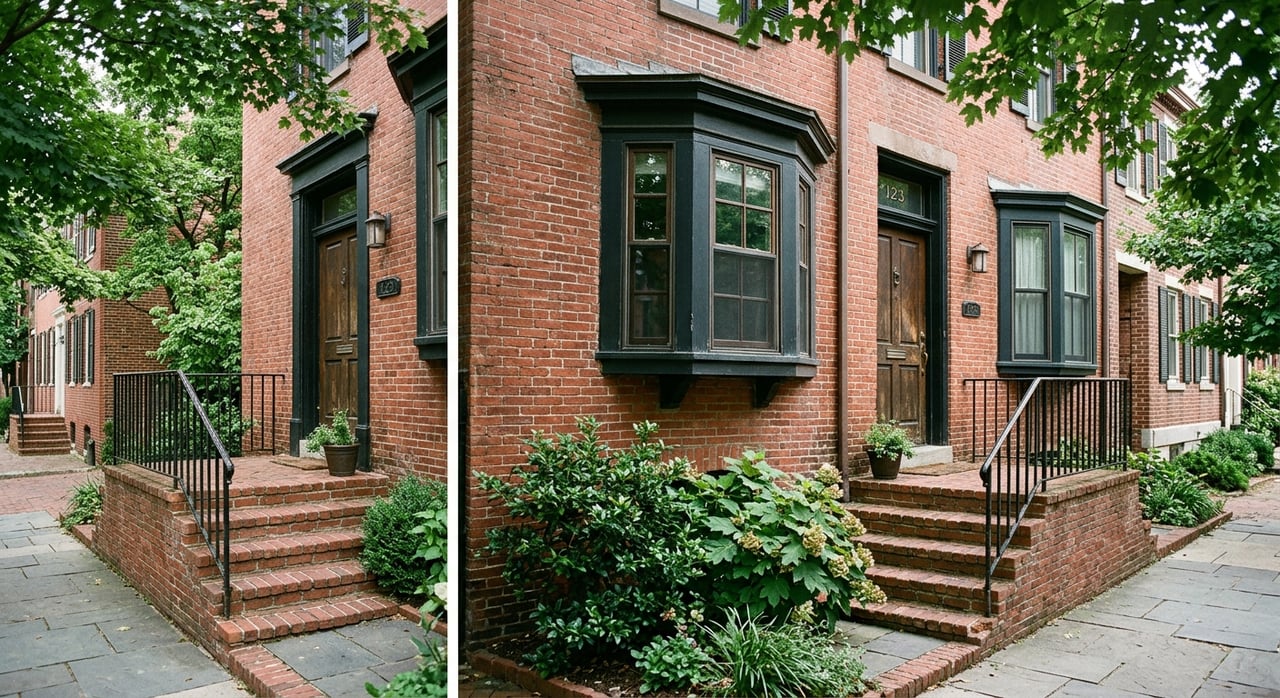
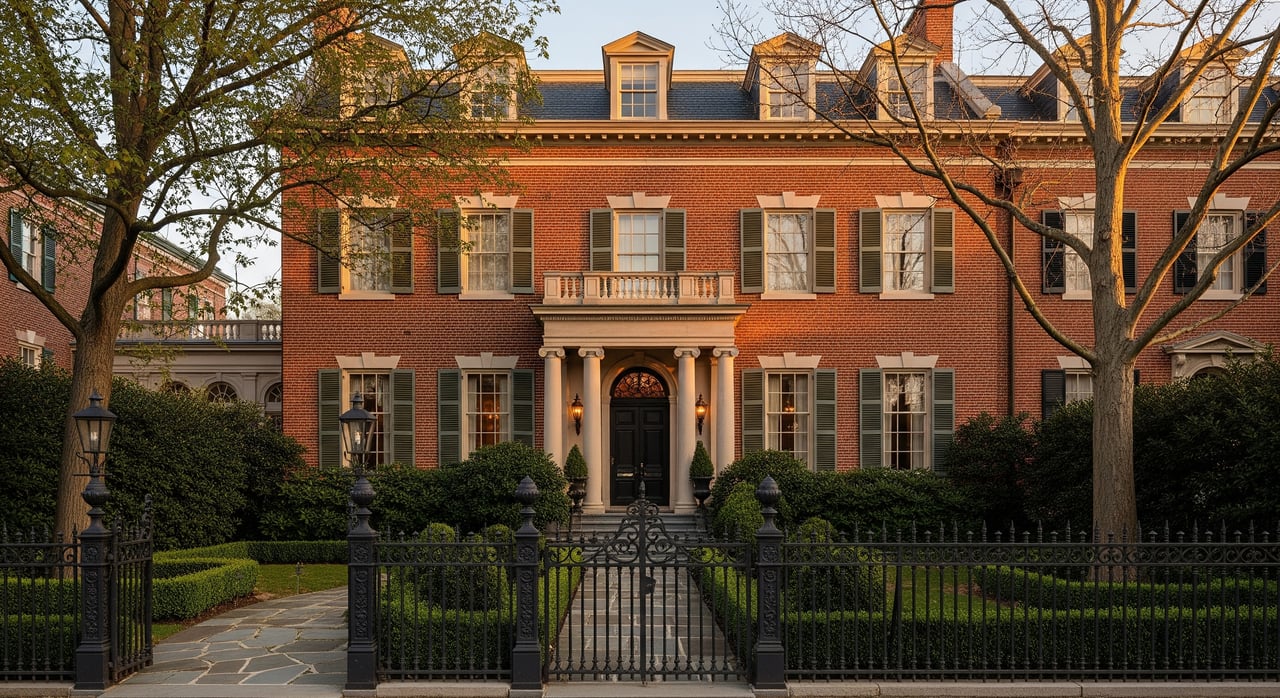
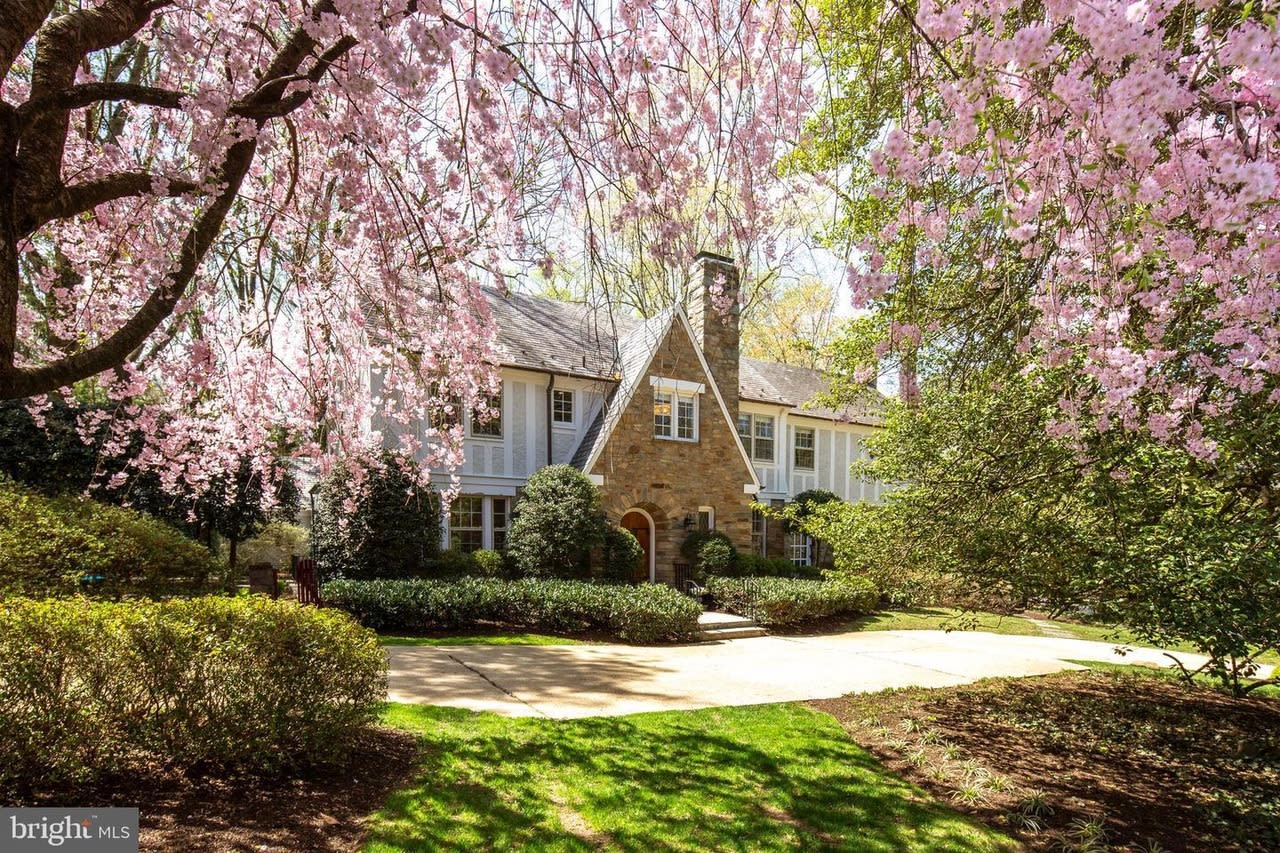
Kalorama is not one housing market. West of 16th Street sits Sheridan-Kalorama, the mansion corridor of large detached homes on deep lots, developed for the city's diplomatic and political class. East of Connecticut Avenue sits Kalorama Triangle, which developed rapidly between 1902 and 1905 when builders put up more than 100 rowhouses aimed at middle-class and professional residents, an accessible alternative to the manor houses going up next door. Many of those buildings, and the apartment blocks that followed, were later converted into the condos and co-ops that now make up most of the Triangle's inventory.
The price gap between the two sides is not small. Closed-sale data through August 2026 shows Kalorama Triangle rowhouses trading 35 to 40 percent below prices in Kalorama Heights, the interior mansion district. A buyer comparing "Kalorama" listings side by side without separating these two areas is comparing a rowhouse and condo market to an estate market and expecting the numbers to explain each other. They will not.
Why the Median Can't Sit Still
That blend of two different products inside one reported neighborhood is exactly what makes the headline median so unstable. MLS-sourced closed-sale tracking for the Sheridan-Kalorama Historic District put the median sale price at $942,045 in August 2026, down 73.3 percent from a year earlier. This was not an isolated swing. Closed-sale records for the same district showed a median of $890,000 in December 2025, down 72 percent year-over-year, in a month where only 17 homes closed across a range running from roughly $500,000 for a condo conversion to $15 million for an estate.
Neither of those numbers describes a neighborhood repricing itself. They describe what happens to a median when the sample size is small and the underlying inventory spans a 30-to-1 price ratio. Add one more mansion sale to a given month, or lose one, and the reported median can move by tens of percentage points without a single home actually changing in value. A buyer using a single month's headline figure to decide whether Kalorama fits a budget is reading noise, not signal.
Even the boundary used to calculate "Kalorama" shifts depending on the source. Some tracking averages the whole area together, landing near $2.27 million as of May 2026. Other datasets isolate just the Sheridan-Kalorama Historic District, producing a very different number for what a buyer might assume is the same neighborhood. A Kalorama price point is more useful when readers know which area is being measured.
Understanding Co-op Ownership Structure
The more useful question than "what's the median" is "what am I actually buying." A meaningful share of Kalorama Triangle's most recognized addresses, including the Mendota, 2029 Connecticut, and 2101 Connecticut, are cooperatives. Washington has a long history with this ownership form. The DC Cooperative Housing Coalition, which has represented the sector since 1984, puts the District second only to New York City in its concentration of housing co-ops, with cooperative ownership here dating back more than a century. This is not an exotic structure. It is simply a different one, and it changes the mechanics of a purchase regardless of price point.
This isn't confined to entry-level units. A four-bedroom, 3,200-square-foot unit at 2101 Connecticut sold for $2,950,000 in June 2026, and another of the same size sold for $2,875,000 in May 2026. Both transactions carried the same board package and share-loan process as a much smaller unit down the hall. The dollar amount changes. The process does not.
A co-op purchase involves a board process before the sale closes. The building matters as much as the buyer's credit. The monthly charge also bundles more than a condo fee does. EJF Real Estate Services says the monthly charge typically includes the building's underlying mortgage payment, property taxes, and master insurance, so comparing a co-op's monthly number to a condo's HOA fee without adding back taxes and a mortgage payment understates the condo's real cost and overstates the co-op's.
The Other Timeline Cost, on the Mansion Side
The friction runs in the opposite direction for buyers looking at Sheridan-Kalorama's larger homes. Interior renovations in most of Kalorama typically bypass the DC Historic Preservation Review Board entirely and go straight to the Department of Buildings for a standard permit. Exterior work is a different matter. A rear addition over roughly 250 square feet, a new front porch, a roof deck visible from the street, or any change to a facade triggers historic review, which commonly adds six to twelve weeks to a project timeline before a building permit can even be filed. The Kalorama Citizens Association tracks these cases directly, since larger or more contested projects go before the full review board rather than staff-level approval. A full renovation that includes a rear addition in this part of the city commonly runs $400,000 to $750,000 or more, and where a project lands in that range depends heavily on how much board coordination it needs, not just the square footage.
So a buyer chasing the lower end of Sheridan-Kalorama's price range because a property "just needs some updating" should ask what kind of updating before assuming the sticker price is the whole cost.
What to Actually Compare
Days on market has stayed a steadier signal than price through all of this. Kalorama homes spent a median of 41 days on the market in May 2026, unchanged from the same month a year earlier, even as the median price for the neighboring historic district moved by more than 70 percentage points in the same window. That stability is worth more to a serious buyer than the median itself. Pair it with price per square foot, list-to-sale ratio, and the pace of new listings inside the specific subarea being considered, not the blended average of a zip code that contains both $500,000 co-ops and $15 million estates.
Before treating any Kalorama listing's price as comparable to another, confirm three things: which subarea it sits in, whether the building is a condominium or a cooperative, and whether the seller's disclosed condition implies any exterior work that would trigger historic review. None of those three questions show up in a median price. All three change what a buyer actually signs up for.
A Few Questions Worth Asking
Is a co-op harder to sell later than a condo? Co-ops can take longer to resell because the buyer pool is smaller.
Does a stable days-on-market number mean the whole neighborhood is moving at the same pace? Not necessarily. A steady overall median for days on market can still mask very different timelines between a well-priced Kalorama Triangle condo, which might move in days, and a customized Sheridan-Kalorama estate, which can reasonably sit for months while the right buyer surfaces. Both patterns can be normal at the same time.
Kalorama rewards buyers who ask which Kalorama they mean before they ask what it costs. If you're comparing a Sheridan-Kalorama estate to a Kalorama Triangle co-op and want to understand what each one actually requires to close, Jack Realty Group can walk through the ownership structure, the board process, and the renovation rules on a specific address before you write an offer.
This article is general information, not legal, tax or financial advice. Consult a qualified professional about your situation.