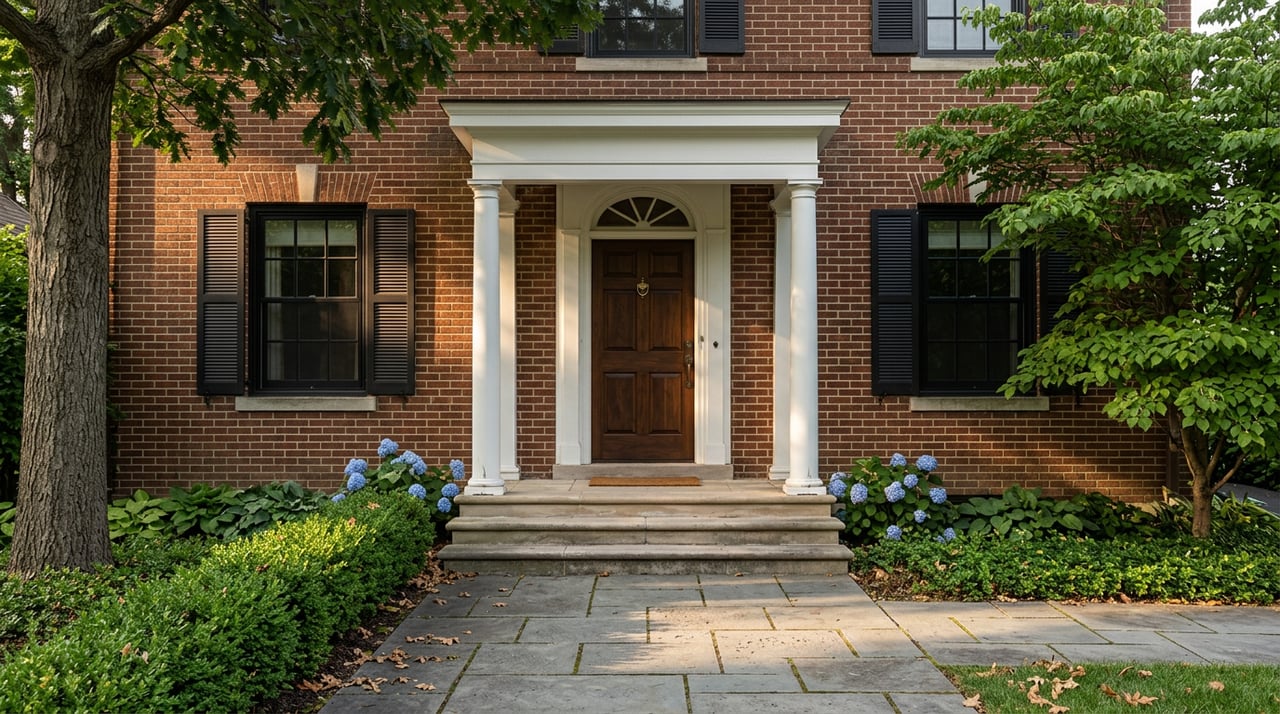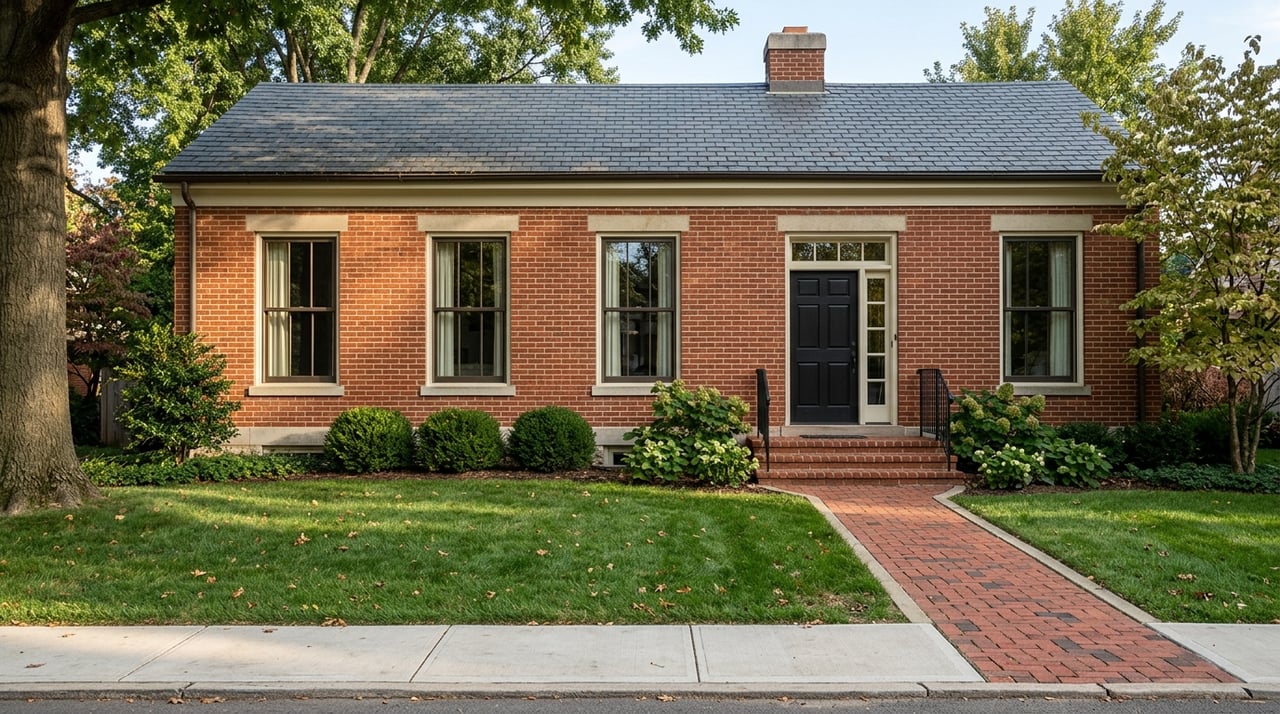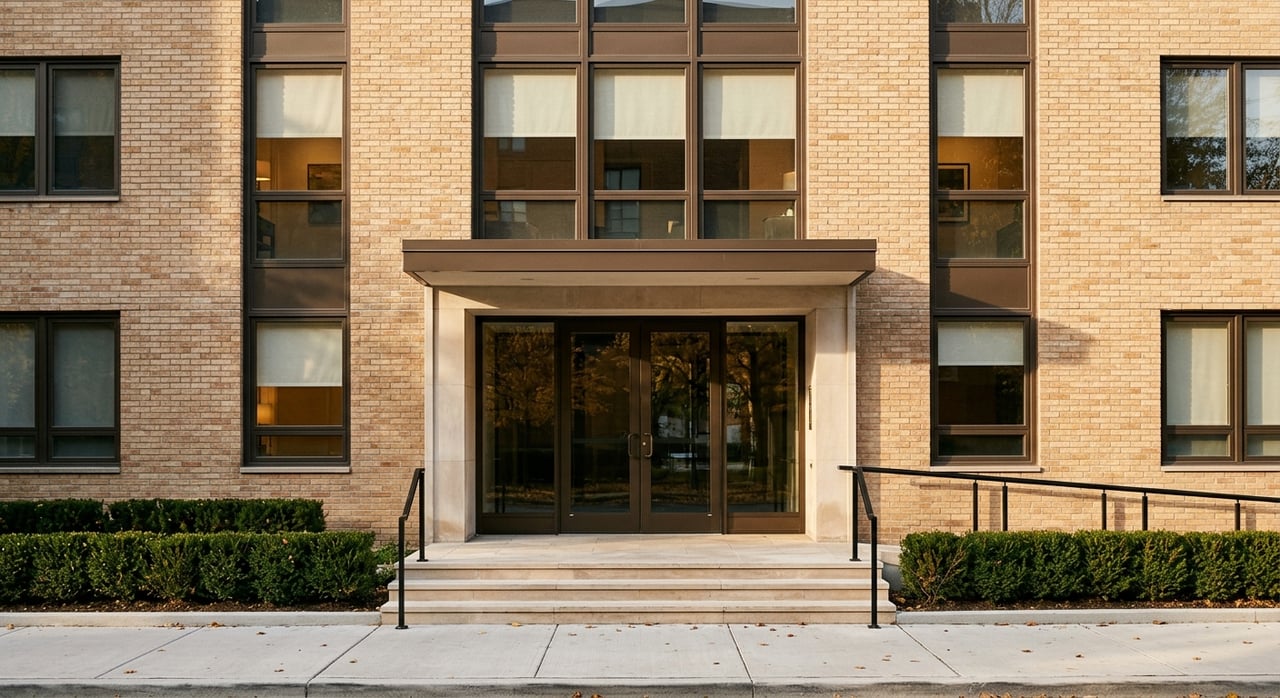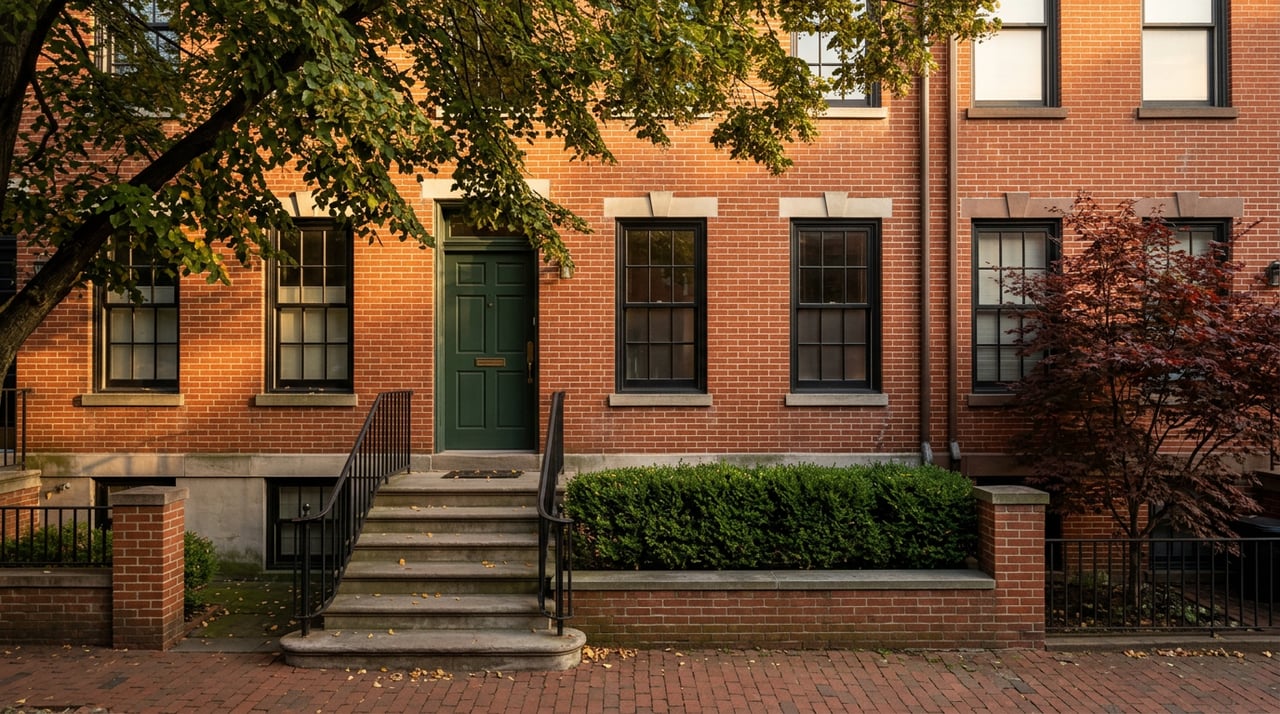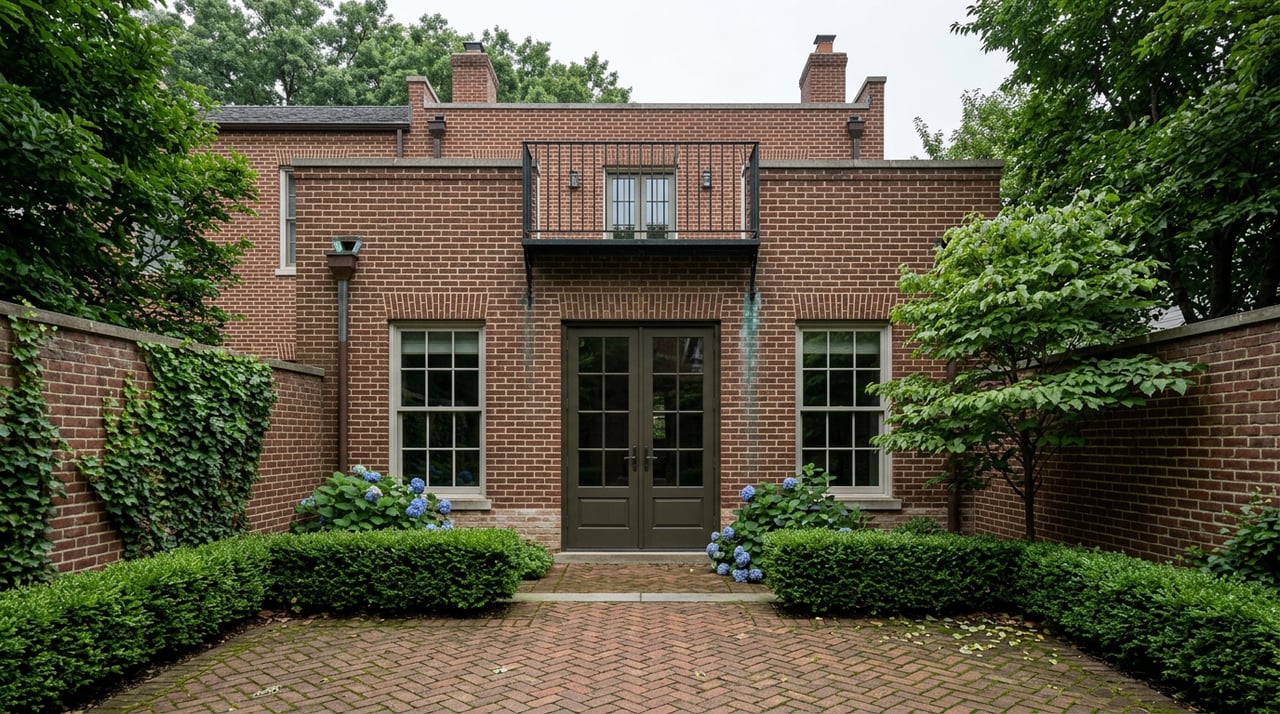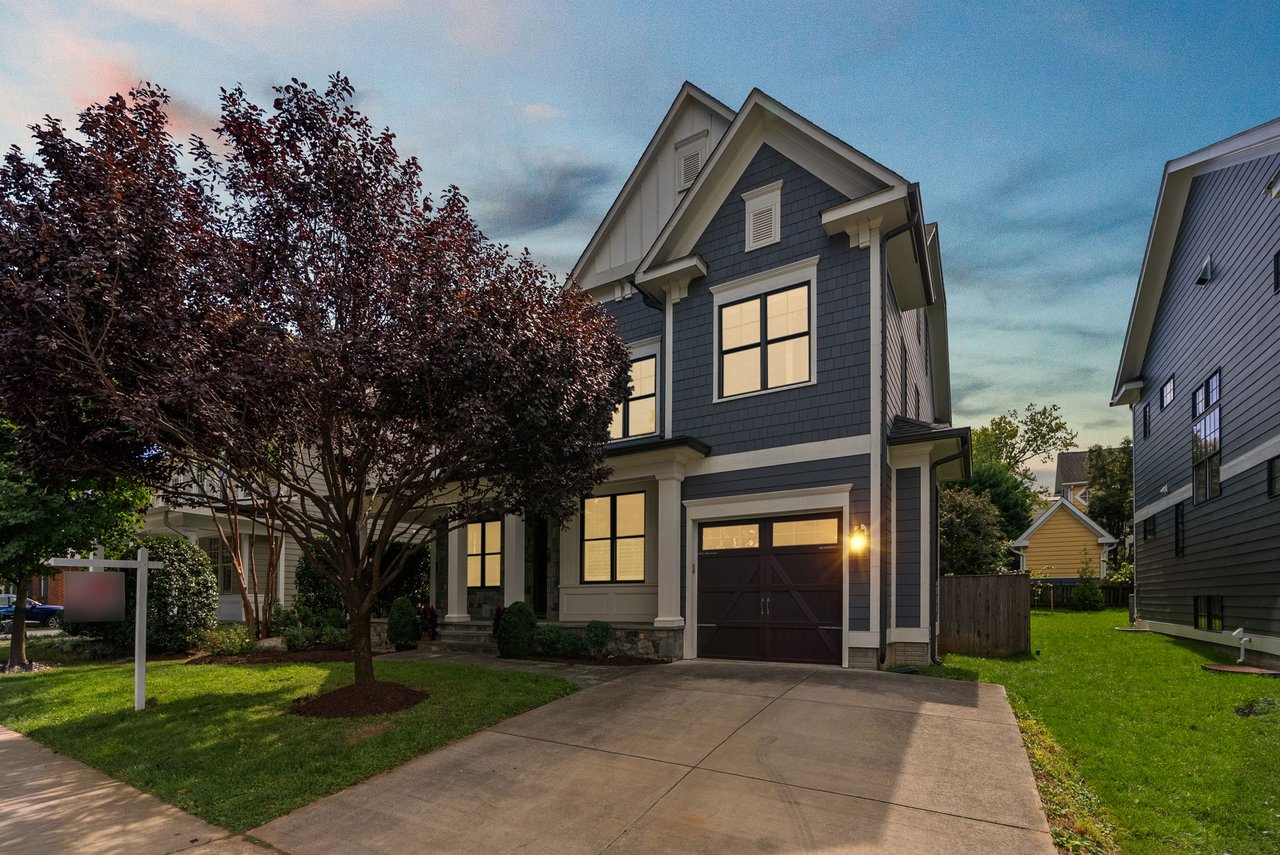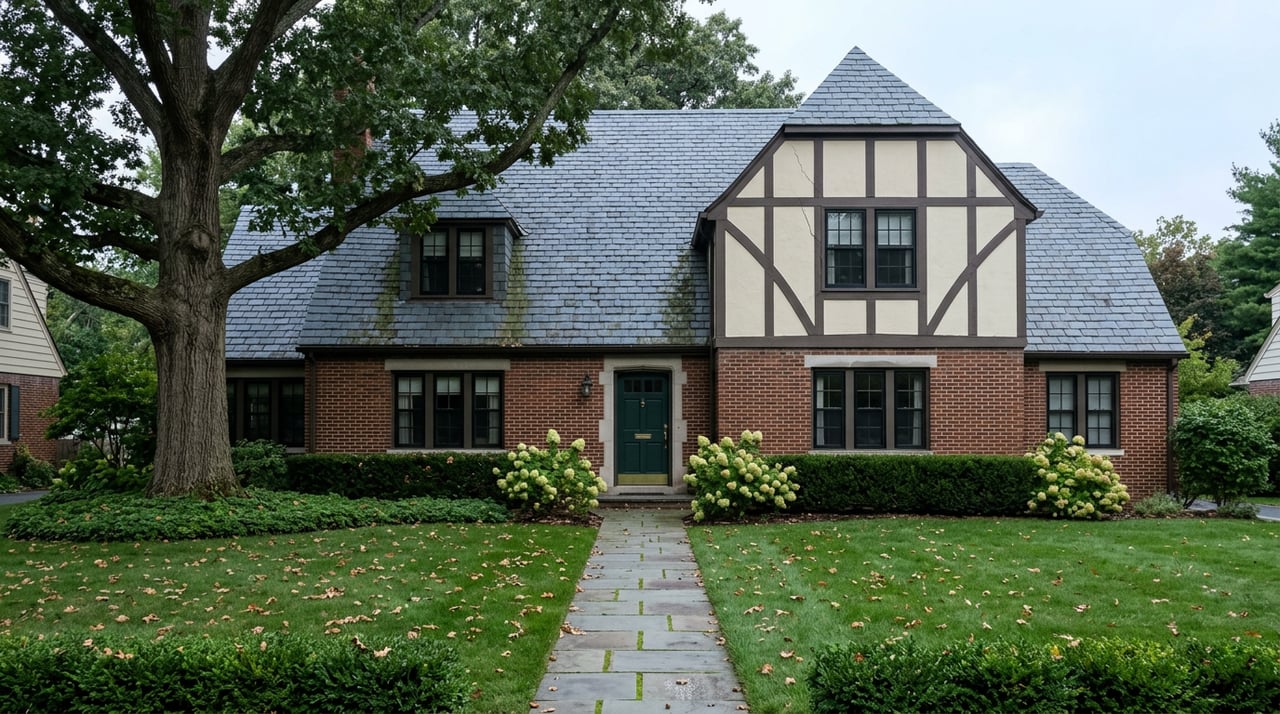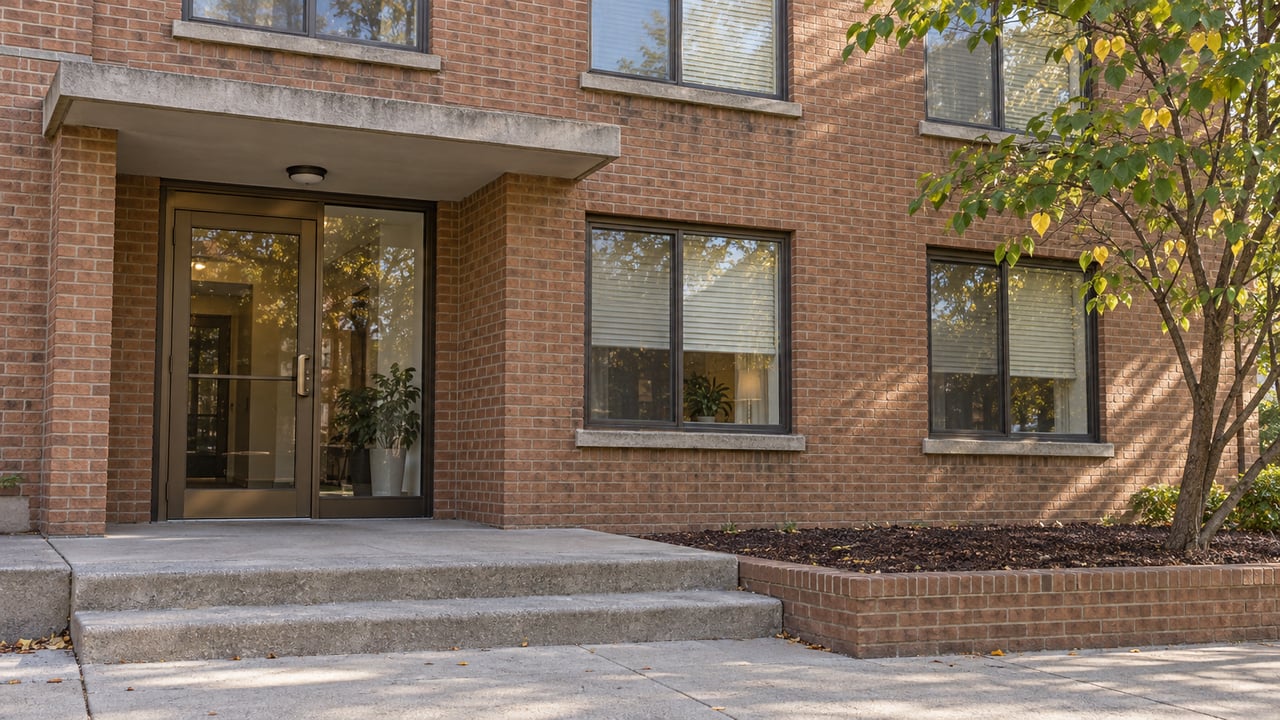
How do you sell a 486-unit apartment building on Wisconsin Avenue without advertising it? In Washington, D.C., the owner files a notice with the city, and the tenants take their seats at the table. That happened at Carillon House, 2500 Wisconsin Avenue NW, this summer.
The filing is a good look at a rule that sorts Glover Park's housing into two groups. Price and square footage have nothing to do with it. Which group a property falls in depends on the kind of building it is and how it is owned. That decides whether tenants get a legal role when it changes hands, and how long a sale takes as a result.
What the July 7 Filing Started
The District of Columbia Department of Housing and Community Development logs these filings every week. Its log for July 6 through 10, 2026 lists a "5+ Units Offer of Sale w/ Contract" for 2500 Wisconsin Avenue Northwest, dated July 7, 2026, with 485 units and a price of $71,000,000. That works out to about $146,000 per unit. The neighborhood site gloverparkdc.com puts the building at 486 units. Its report says the owner, Gerald Taylor of Annapolis, filed through the Carillon House LP entity with a third-party buyer already under contract. It also says the tenants organized an association, hired a lawyer, and filed a Letter of Interest with DHCD on August 20.
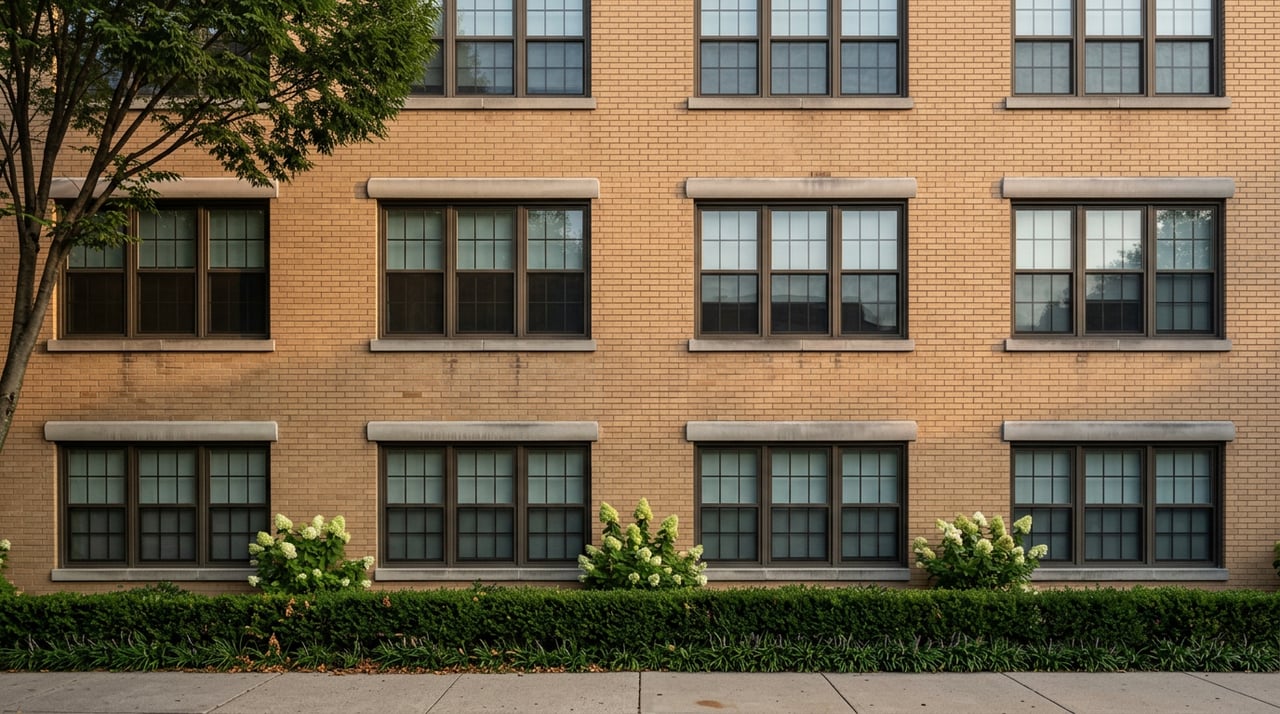
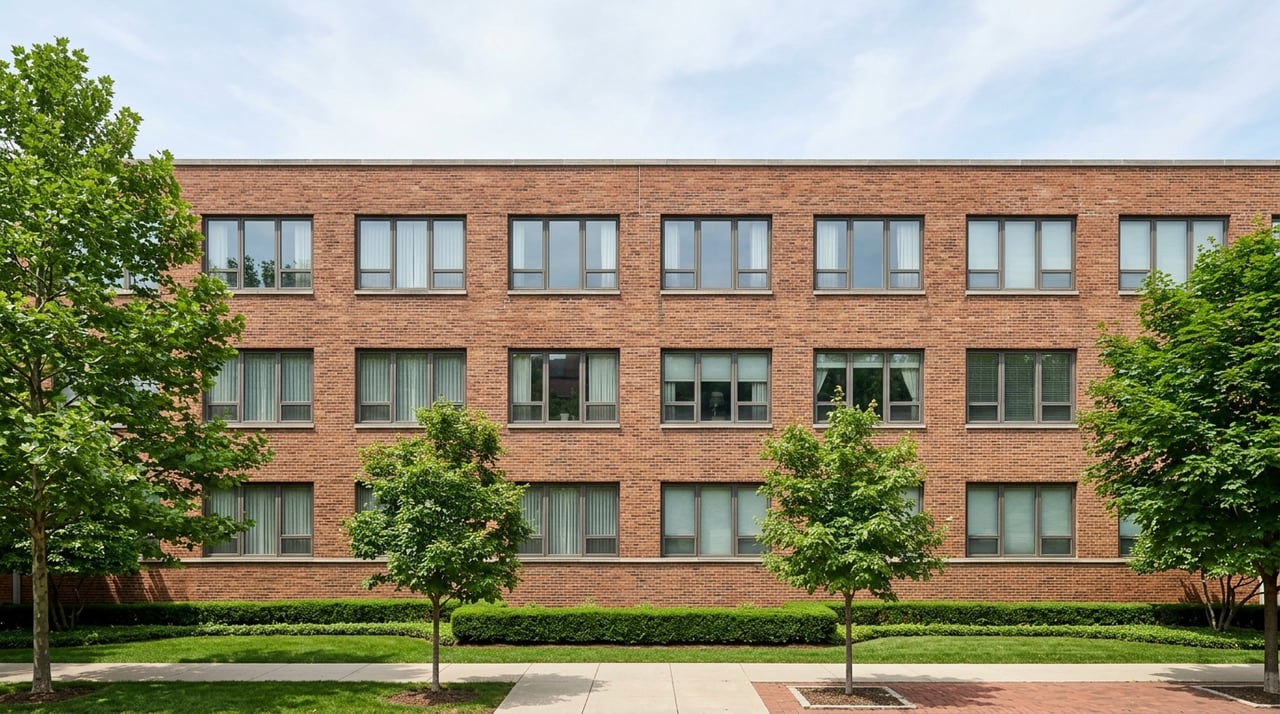
The same post describes the building. It is nine stories, built in 1950, with studios and one-bedrooms. ROSS Companies has managed it since 2020, and most units have been renovated as tenants turn over. At the time of writing, the post listed studios at $1,600 to $1,900 a month and one-bedrooms at $2,000 to $2,400, utilities included. The Glover Park history archive records that the building was ready for occupancy in March 1951. According to gloverparkdc.com, the owner refinanced $33 million in mortgages with United Bank shortly before the post appeared, and the property carries a tax-assessed value of $78 million.
None of these sources reports a closed sale or any announced plans for the building. What has started is a legal process with fixed time periods.
The Clock on a Building This Size
DC's Tenant Opportunity to Purchase Act, or TOPA, gives tenants in buildings with five or more units these periods under the current D.C. Code § 42-3404.11:
- Registration. The tenant organization has 45 days to register, counted from the later of when tenants receive the offer and when the city receives it. An organization that already exists in the right legal form gets 30 days.
- Negotiation. The owner must allow at least 120 days to negotiate, counted from receipt of the registration statement. Every day the owner is late with required information adds a day.
- Matching. Because a third-party contract exists, tenants get a 15-day right of first refusal. Under § 42-3404.08, when the contract arrives during the negotiation period, those 15 days start when that period ends.
- Financing and settlement. After a contract is signed, the owner must allow at least 120 days to settle. If a lender estimates in writing that it will decide within 240 days, the period extends to match.
- Restart. If 360 days pass after a valid offer without a sale or contract, the owner generally has to start over.
The negotiation period runs from registration, and the settlement period runs from the date a contract is signed. Each one is a minimum of 120 days before any extension.
The rules changed recently. The Rebalancing Expectations for Neighbors, Tenants, and Landlords Act, D.C. Law 26-80, took effect December 31, 2025. It exempts multifamily buildings finished within the 15 years before a sale. Carillon House is about 75 years old, so the exemption does not apply. The law also added a cooling-off period. A tenant organization in a building of five or more units cannot sell its purchase rights to a third party during the first 45 days after a valid offer, unless it filed its registration materials and proof of approved training with DHCD before the offer arrived. Anyone who contacts tenants about the sale must disclose who owns them and any financial connection to the property. An assignee who later passes the rights on cannot be paid for that second transfer.
The public record shows only that this framework is running at Carillon House. It does not show where each deadline stands. The gloverparkdc.com post quotes a DC Policy Center estimate that 95 percent of sales in which a tenant association forms end with the association assigning its purchase rights, usually in exchange for some form of compensation. How Carillon House turns out will be settled in negotiation.
Glover Park's Condos Came From Buildings Like This One
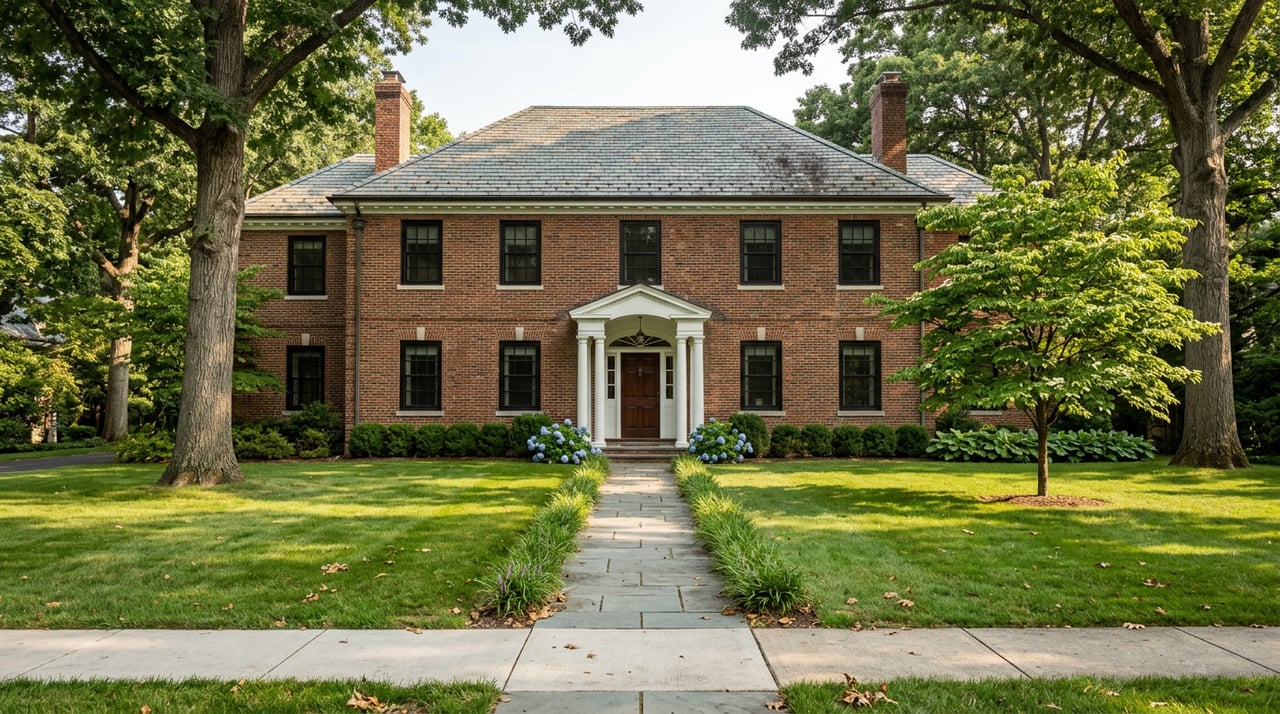
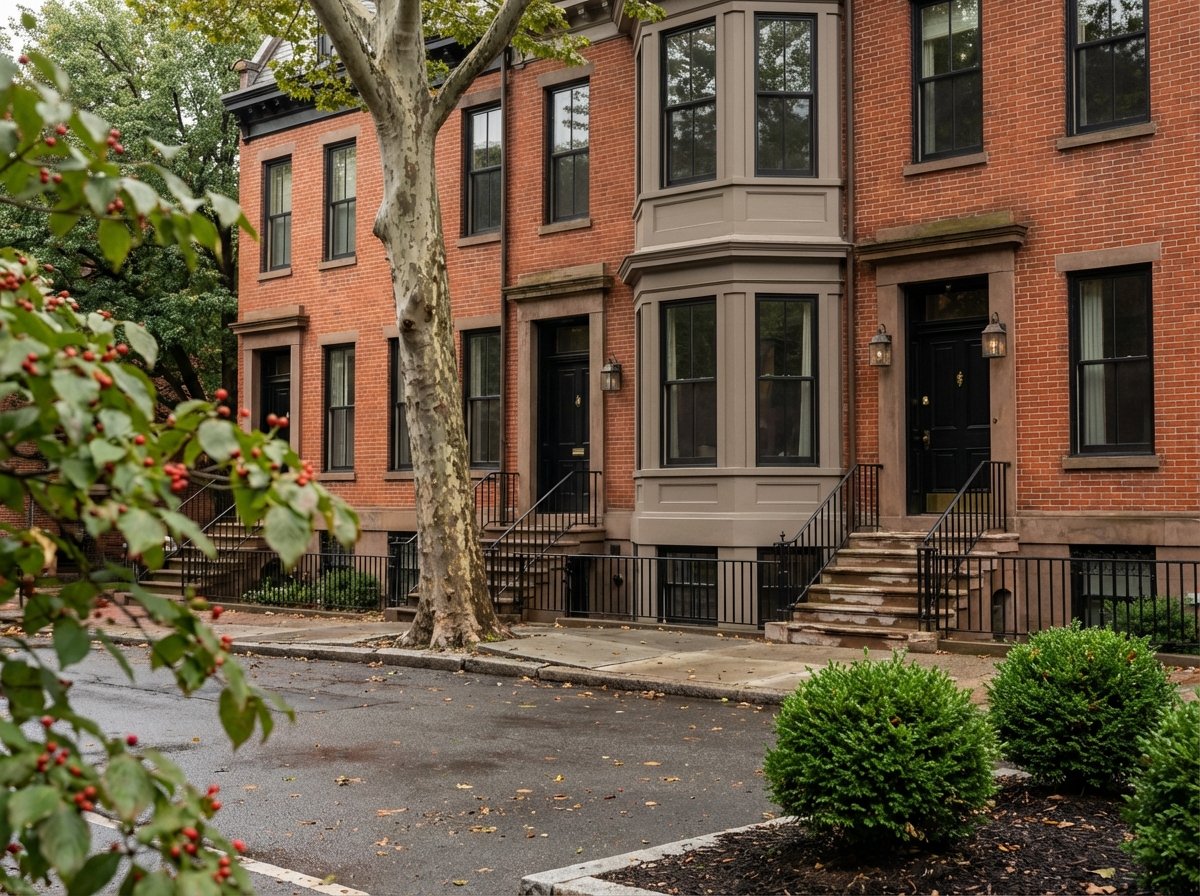
The Carillon filing matters beyond one address because of how Glover Park was built. The Glover Park history archive records that almost all housing added after 1942 was apartments. Before that, the neighborhood was mostly rowhouses. Its list of 1950s and 1960s buildings includes 3850 Tunlaw Road, Winchester Fulton at 3901 Tunlaw Road, Beecher House at 2400 41st Street, Walton House at 3900 Tunlaw Road, and Phylmar Plaza at 4100 W Street. A 2011 neighborhood profile noted that many of Glover Park's condo and co-op units are in complexes first built as rentals in the late 1950s and 1960s and converted in the 1970s. One example is the McAlburt Apartments on Davis Place, built between 1951 and 1954 and now Georgetown North Condominiums.
TOPA came out of that same wave of conversions. The gloverparkdc.com post says the law was written in response to concerns about tenant displacement during the condo boom of the late 1970s. So many of the condo units on the market in Glover Park today are what remains of rental buildings that went through the change the law was meant to address. Once a building becomes individual units, those units are treated very differently from the building they used to be.
Same Law, Very Different Property Types
Since a law that took effect July 3, 2018, a "single-family accommodation" has generally been outside TOPA's purchase rights. That term covers a single rental unit in a condominium or cooperative. It also covers a single-family dwelling, attached or freestanding, with or without one accessory unit. Glover Park has property in each of the categories below.
| Property type | TOPA purchase rights today | What the seller still owes tenants |
|---|---|---|
| Large rental building, 5+ units, like Carillon House | Full process | Registration, negotiation, matching and settlement periods running from months to about a year |
| Single rented condo or co-op unit | Generally exempt | Notice to the tenant within three calendar days of receiving or seeking a written offer |
| Rented rowhouse, or rowhouse with one accessory unit | Generally exempt | The same three-day notice |
| 2 to 4 unit building not majority-owned by a business corporation | Exempt | The same notice rights |
| 2 to 4 unit building majority-owned by a business corporation | A shorter process | 15 days for a joint statement of interest, at least 90 days to negotiate, at least 90 days to settle |
The single-family exemption has one exception. A tenant keeps limited rights if they were 62 or older or had a disability on the date of the offer, signed their lease by March 31, 2018, and moved in by April 15, 2018. In that case, the only thing the tenant can accept for assigning those rights is the right to stay 12 months after the sale at their current rent.
Exempt sales still create paperwork. The same DHCD log that recorded Carillon House on July 7 also lists notices for individual condo units elsewhere in the city that week, such as 1401 R Street Northwest #203 and 811 4th Street Northwest #402. Selling a rented condo means a filing and a notice to the tenant. Selling a large building means a negotiation with the people who live there.
What This Means If You Are Comparing Glover Park
For a renter in a large building. TOPA rights belong to the tenant organization once it forms. The 2026 rules govern when and how those rights can be sold. Tenants have a right to free training under the RENTAL Act's disclosure provisions.
For a buyer of a rented condo unit. The tenant has a right to notice, but in most cases has no right to purchase. That keeps the timeline close to an ordinary sale. Ask the seller to confirm when they gave the tenant notice, and whether the 2018 grandfather dates could apply to the current lease.
For an owner of a small multi-unit building. Under § 42-3404.10, the deciding factor is whether a business corporation owns the majority of the building, as DC law defines that term. How a particular ownership entity is classified is a question for counsel. Settle it before you set an exit date, not after you sign a contract.
For any buyer weighing a Glover Park condo. If the unit is in a converted 1950s or 1960s complex, the building already went through the change Carillon House may or may not go through now. Its governing documents and history matter as much as the price.
FAQ
Has Carillon House been sold? The public record does not show a completed sale. As of the gloverparkdc.com report published September 12, 2026, the process was still open. DHCD had logged an offer of sale with a third-party contract on July 7, and the tenants filed a Letter of Interest on August 20.
Where can I see these filings? DHCD posts a weekly report of TOPA filings. Each log covers one week of new filings. The log for September 21 to 25, 2026, for example, had no new Glover Park entries.
Does TOPA apply to a newer building? Under the RENTAL Act, a multifamily building is exempt if its certificate of occupancy shows it was completed within the 15 years before the sale. The owner still has to file a Notice of Transfer and give tenants the required notices.
If you own a rented condo, a rowhouse with a basement unit, or a small building in Glover Park and want to know which category it falls in before you list it, Jack Realty Group can go through the notice requirements and timing with you, together with your attorney. Book a neighborhood consultation.